
Nail Shapes Guide: How to Choose the Right Shape for Your Hands
Seven main nail shapes exist: square, round, oval, almond, coffin, stiletto, and squoval. The best shape for you depends on your finger length, nail bed width, and daily life. Short nails suit round and squoval shapes, long nails carry almond and coffin well, and stiletto needs length and upkeep most people do not want daily.
What Are the Seven Nail Shapes?
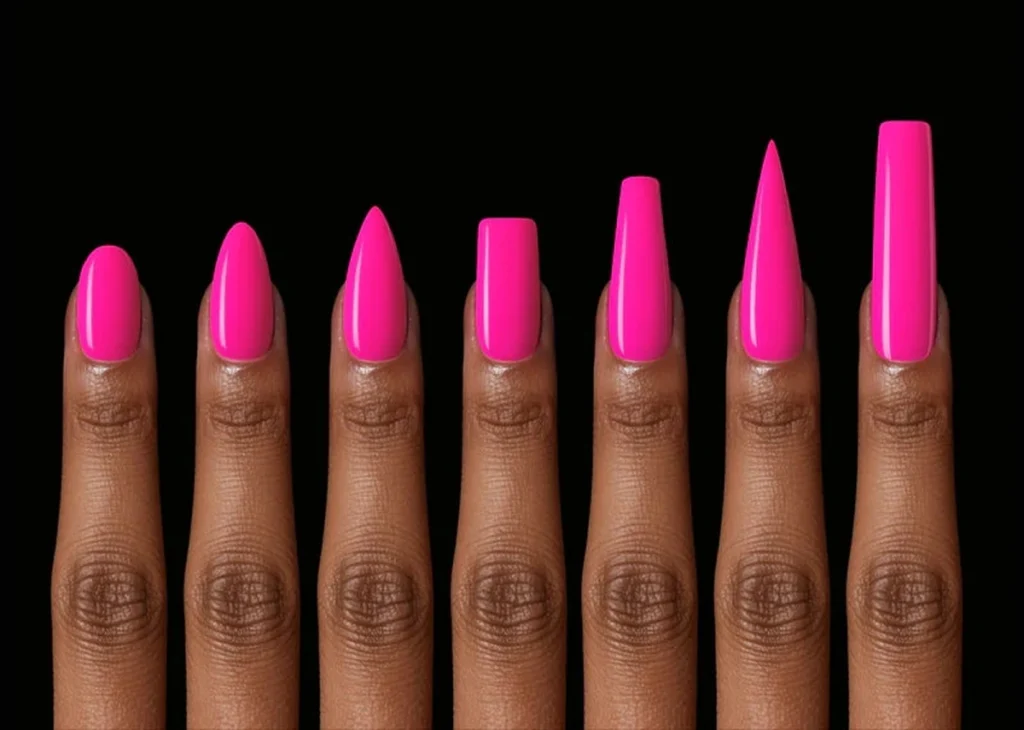
Each nail shape has a distinct outline, and the differences come down to the tip and the side walls. Square has straight sides and a flat tip, round has curved sides and a curved tip, oval lengthens the round shape, almond tapers to a soft point, coffin tapers to a flat tip, stiletto tapers to a sharp point, and squoval blends square and oval with a flat tip and rounded corners. Knowing the outline of each shape makes choosing much easier.
Square nails have straight side walls and a flat, straight tip with sharp corners. They look clean and modern, and they suit medium to long nails with wide nail beds. The sharp corners chip more easily than rounded shapes, so square needs regular filing to keep the corners neat. French tips look classic on square nails, which is why the shape stays popular for that design.
Round nails follow the natural curve of the fingertip, with sides that curve gently and a tip that mirrors the finger shape. They suit short nails best and break least, since there are no corners to catch. Round is the default shape for people who keep nails short for work, typing, or childcare, and it looks neat without trying hard.
Oval nails extend the round shape into a longer, egg-like outline. The sides curve and the tip is rounded but longer than round, which makes fingers look longer. Oval suits medium length nails and most hand types, and it is a good step up from round when you want more length without sharp points.
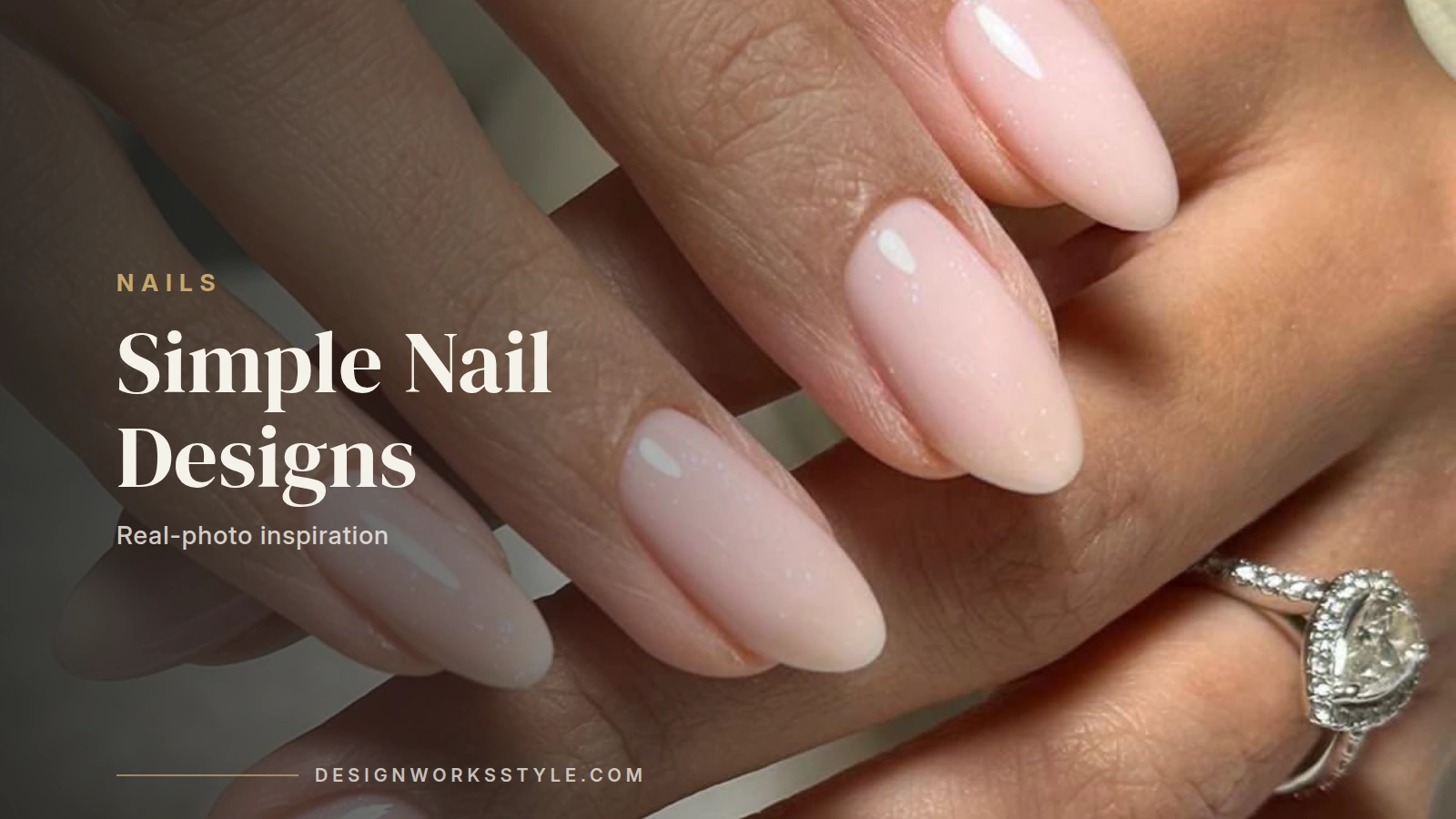
Almond nails taper from the side walls to a soft, rounded point, resembling the shape of an almond. They need medium to long nails to work, since the taper needs length to look balanced. Almond makes fingers look longer and slimmer, and it suits most nail beds. It is weaker at the tip than oval, so it needs a little more care.
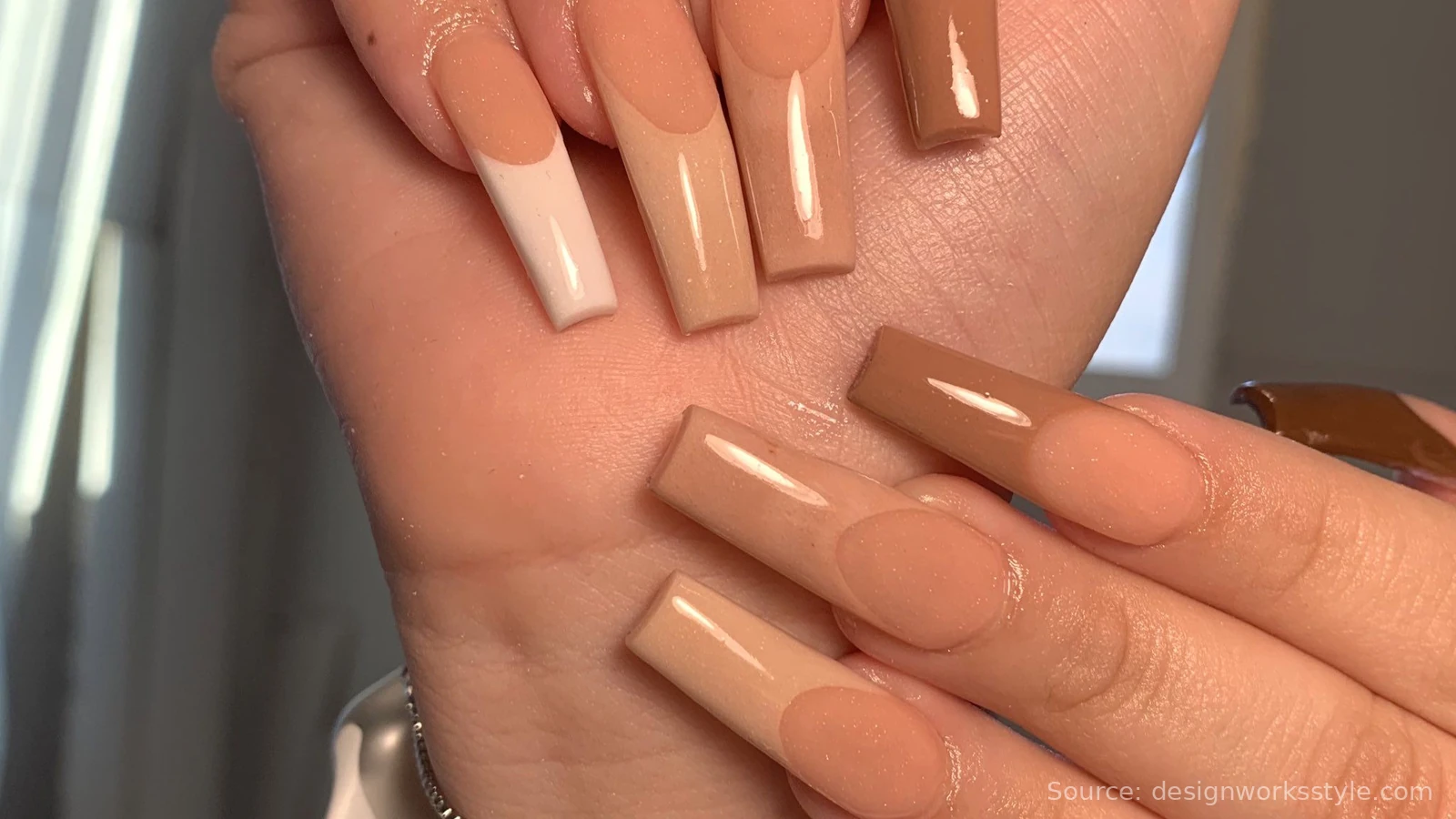
Coffin nails, also called ballerina nails, taper like almond but end in a flat tip instead of a point. The shape needs long nails, natural or extended, and it suits bold designs, since the flat tip gives a wide canvas for art. Coffin breaks more easily than oval or squoval, and it needs regular fills if worn as extensions.
Stiletto nails taper to a sharp point and need long nails or extensions. They make the strongest visual statement and the least practical daily wear. Stilettos catch on everything, break often, and make typing and manual tasks harder. They suit events and photos more than everyday life.
Squoval blends square and oval: straight sides like square, a flat tip like square, but corners rounded off like oval. It is the most forgiving shape, suiting short to medium nails, most hand types, and daily life. If you cannot decide, squoval is the safe choice that rarely looks wrong.
Which Shape Suits Your Hands?
Match the shape to your fingers and nail beds: short fingers look longer with oval or almond, long fingers carry square and coffin well, wide nail beds suit square or squoval, and narrow nail beds suit oval or almond. The goal is balance, not rules, so use these as starting points and adjust to what you like seeing on your own hands.
Short fingers benefit from shapes that add visual length. Oval and almond extend the line of the finger, which makes hands look longer. Round on short fingers can look stubby if nails are also very short, though a slightly longer round shape avoids that. Avoid wide square on short fingers, since the flat tip can make fingers look shorter.
Long fingers handle most shapes well, including square and coffin, which can overwhelm shorter fingers. Long fingers with square nails look elegant and modern. Long fingers with almond look refined. The main risk with long fingers is going too long overall, which makes hands look out of proportion, so keep the nail length moderate even when the shape is bold.
Wide nail beds suit square and squoval, since the straight sides match the natural width and the shape looks intentional rather than cramped. Narrow nail beds suit oval and almond, since the taper balances the narrow base and the rounded tip softens the look. Coffin on a narrow nail bed can look pinched, and square on a very narrow bed can look boxy, so try oval first if your nail beds are narrow.
Short nail beds, where the nail plate itself is small, suit round and squoval best, since these shapes do not need length to look complete. If your nail beds are short but you want a longer look, oval with a little extra length past the fingertip adds length without needing extensions. Our short nail ideas gallery shows designs that work on shorter nails and smaller nail beds.
How Does Lifestyle Affect Your Nail Shape Choice?
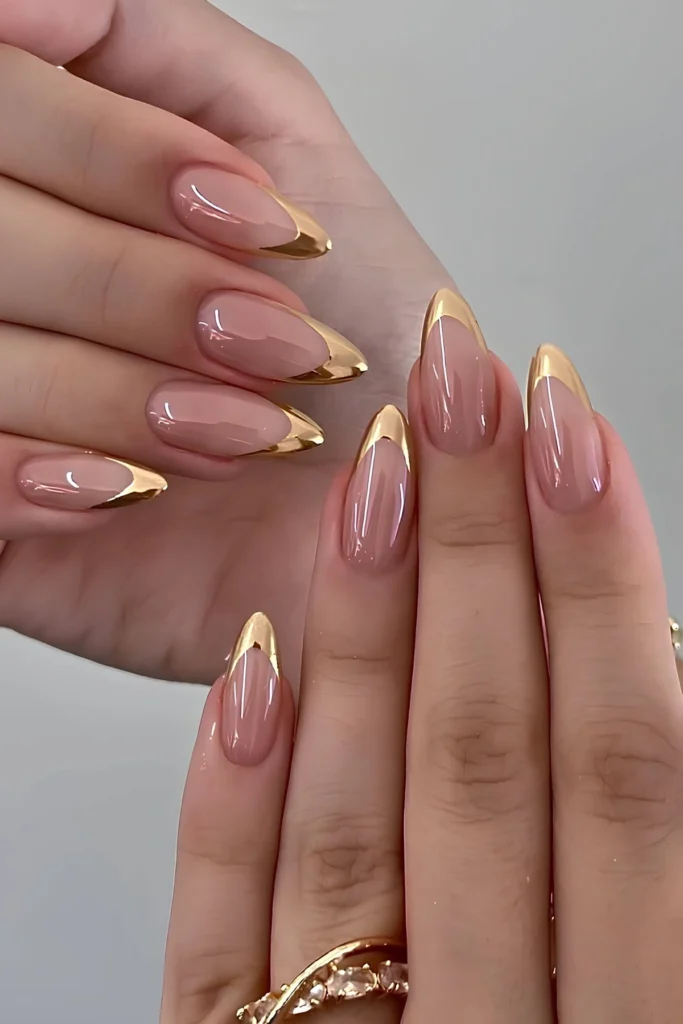
Daily life decides which shapes survive the week. Typing, manual work, childcare, sports, and cooking all punish long points and sharp corners, while round and squoval shapes handle them with little breakage. Pick a shape that fits your week, not just a photo you liked, and save dramatic shapes for occasions.
For office work and typing, short to medium squoval, round, or oval work best. These shapes do not click loudly on keyboards or catch on fabric, and they survive a full week without chips. Square at medium length also types fine, but the corners chip more often than rounded shapes.
For hands-on work like nursing, cooking, gardening, or cleaning, short round nails are the practical choice. They break least, stay clean easily, and do not interfere with gloves. Long shapes are a poor fit here, since they break, trap dirt under the tip, and make gloves tear. If your job involves food handling or patient care, short nails are often required anyway.
For sports or gym work, short squoval or round holds up best. Long almond or coffin nails bend and break under pressure. If you want a stylish shape for active weeks, a medium oval with a strong top coat gives some length without the breakage risk of points.
For events, photos, or a special occasion, almond, coffin, or stiletto shine. These shapes photograph beautifully and carry bold designs well. The trick is timing: get them done a day or two before the event, not a week before, so they look fresh and unchipped. For event-ready designs, see our fall coffin nails and elegant nude nails galleries.
How Do You File Each Shape at Home?
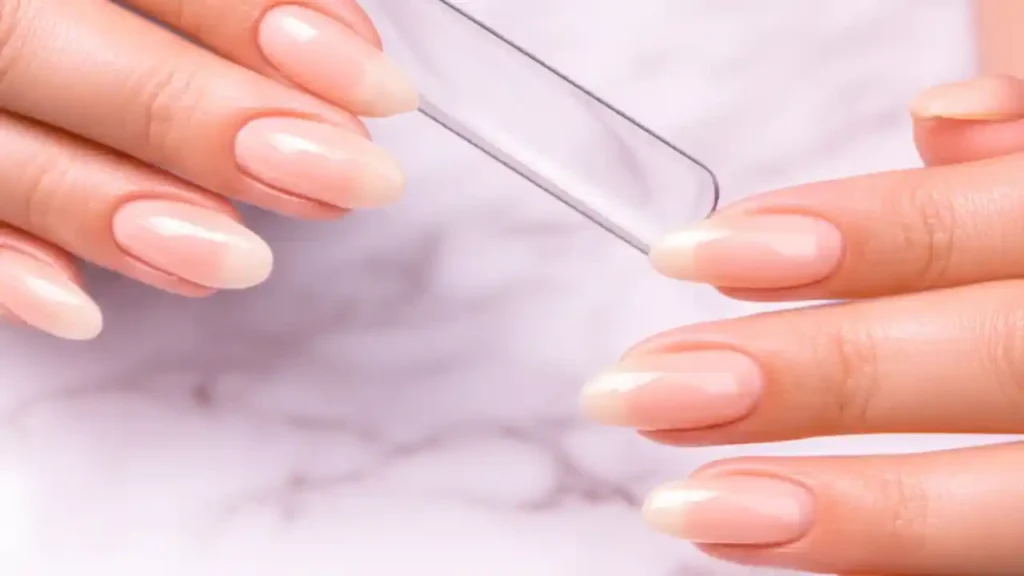
Filing a shape means working in one direction from side to center, checking both sides for symmetry, and finishing with a smooth edge. Start from your natural shape and file gradually, since you can always remove more but cannot add length back. A glass file or fine emery board gives the smoothest edge for shaping work.
For square, file the sides straight, then file the tip straight across at a right angle to the sides. Keep the corners sharp by filing the tip in one direction only. Check that both corners sit at the same height by holding your hands side by side. For squoval, start with a square shape, then round each corner gently with a few strokes until the corners curve softly. Squoval is the easiest shape to fix, since uneven corners just need a few more strokes.
For round, file the sides in a curve that follows the fingertip, then round the tip to match. The outline should mirror the shape of your finger pad. For oval, file the sides straighter than round, then curve the tip into a longer egg shape. The tip of an oval sits higher than round, which is what adds the lengthening effect.
For almond, file the sides at a diagonal angle toward the center, tapering gradually, then round the point softly. The taper should start from about the middle of the nail side, not from the cuticle, or the shape looks pinched. For coffin, file the sides at a diagonal like almond, but file the tip flat across instead of rounding it. The flat tip should be narrower than the nail base, roughly half to two thirds the width.
For stiletto, file the sides steeply toward a point, then round the very tip just enough to remove the sharp edge. A true needle point breaks instantly, so a slightly softened point lasts longer. Stiletto needs length to work, so it suits extensions better than natural nails for most people.
File slowly and check often, holding the file flat against the nail edge with light pressure, and look at the nail from the top and the side as you work. Symmetry matters more than speed. For the tools that make shaping easier, our nail tools guide covers files, buffers, and clippers in detail.
Do Nail Shapes Follow Seasonal Trends?
Shape trends shift with the seasons, but the changes are gentle, and classic shapes never leave. Fall and winter favor coffin and almond in darker colors, spring favors oval and squoval in pastels, and summer favors short round and squoval in brights. These are tendencies, not rules.
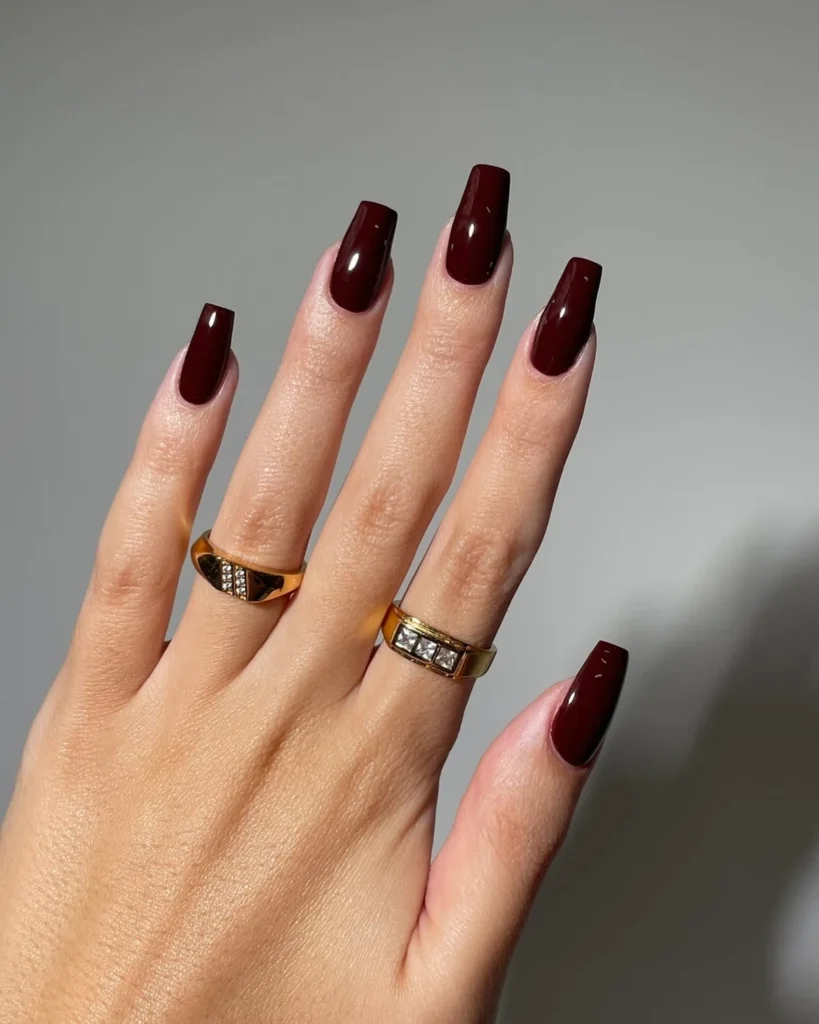
Fall brings longer shapes and deeper colors, with coffin and almond leading. The extra length suits layered outfits and the richer polish colors of the season. Our fall nail ideas and fall coffin nails show how these shapes carry autumn designs.
Winter keeps the longer shapes, with almond and coffin in dark reds, greens, and glitter. Spring shifts toward oval and squoval in pastels and nudes. Summer favors short round and squoval, since heat, swimming, and outdoor activity punish long shapes.
Let your lifestyle set the shape and let the season set the color. A squoval nail in a fall burgundy looks seasonal without the breakage risk of coffin, and shape is a longer commitment than color, so choose it for your hands and change the polish with the season.
Frequently Asked Questions
What is the strongest nail shape?
Round and squoval break least, because they have no sharp corners or points to catch and chip. Short round nails are the toughest shape for daily life. Long shapes like stiletto and coffin break most, since the tips take the full force of any catch or knock.
Can you change nail shape without growing nails out?
Yes, as long as the new shape is shorter or narrower than the current one. You can file almond into oval, square into squoval, or coffin into almond by removing length and corners. You cannot file a short round nail into a long coffin without growing length first or using extensions.
Which shape makes fingers look longest?
Almond and oval lengthen the look of fingers most, since their tapered, rounded tips extend the line of the hand. Coffin also lengthens, but it needs more nail length to work. For a lengthening effect without much length, a medium oval is the best choice.
What shape should you pick if you bite your nails?
Short round or squoval, kept neat and filed smooth. These shapes give the least edge to catch and pick at, and they look tidy even at very short lengths. Keep nails filed and moisturized, since ragged edges invite biting, and consider a bitter tasting polish made to discourage the habit.
Pick the shape that fits your hands and your week, file it carefully, and let the color do the seasonal work. For designs matched to your new shape, browse our simple nail designs, French tip ideas, and short nail ideas galleries.