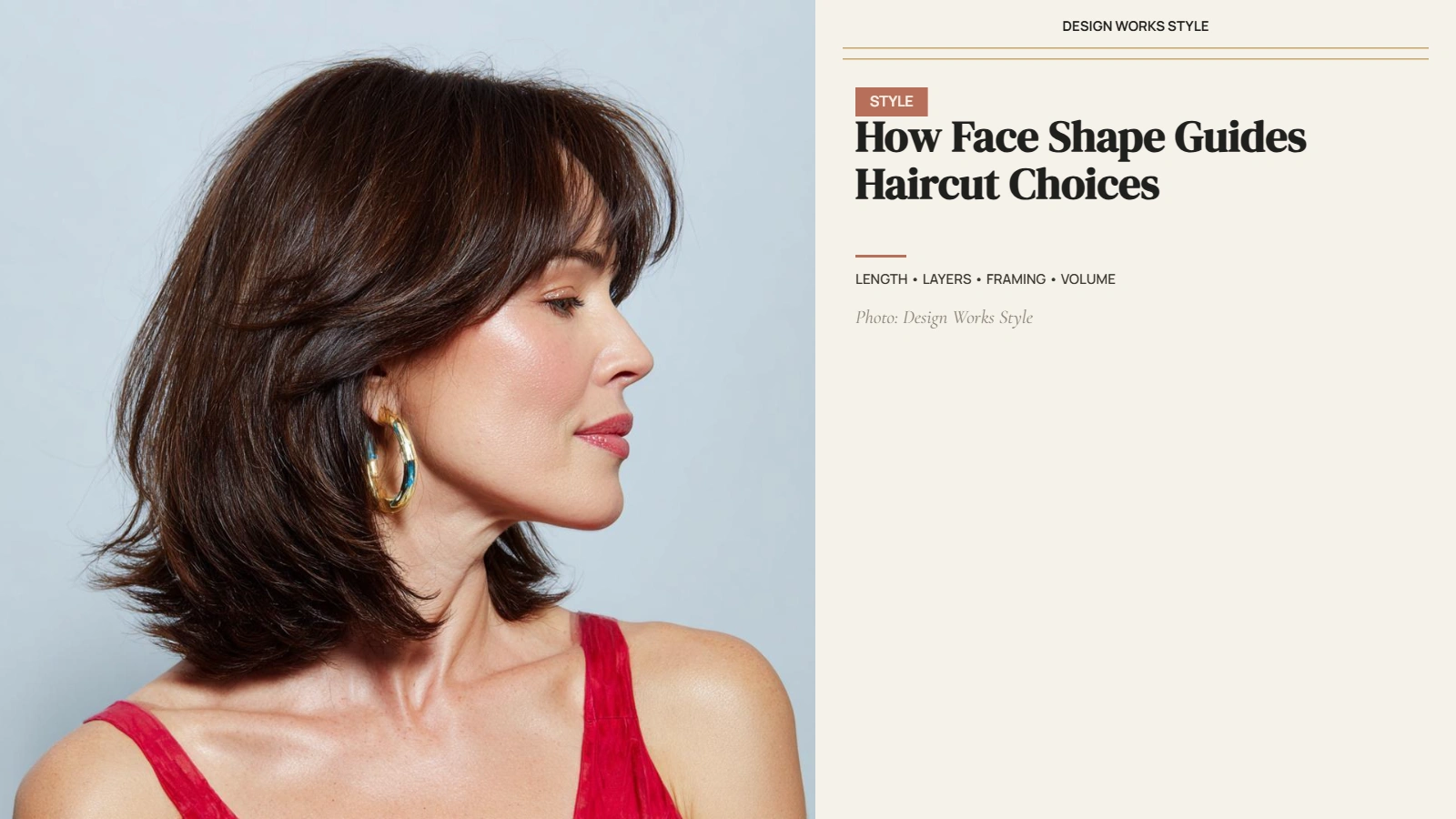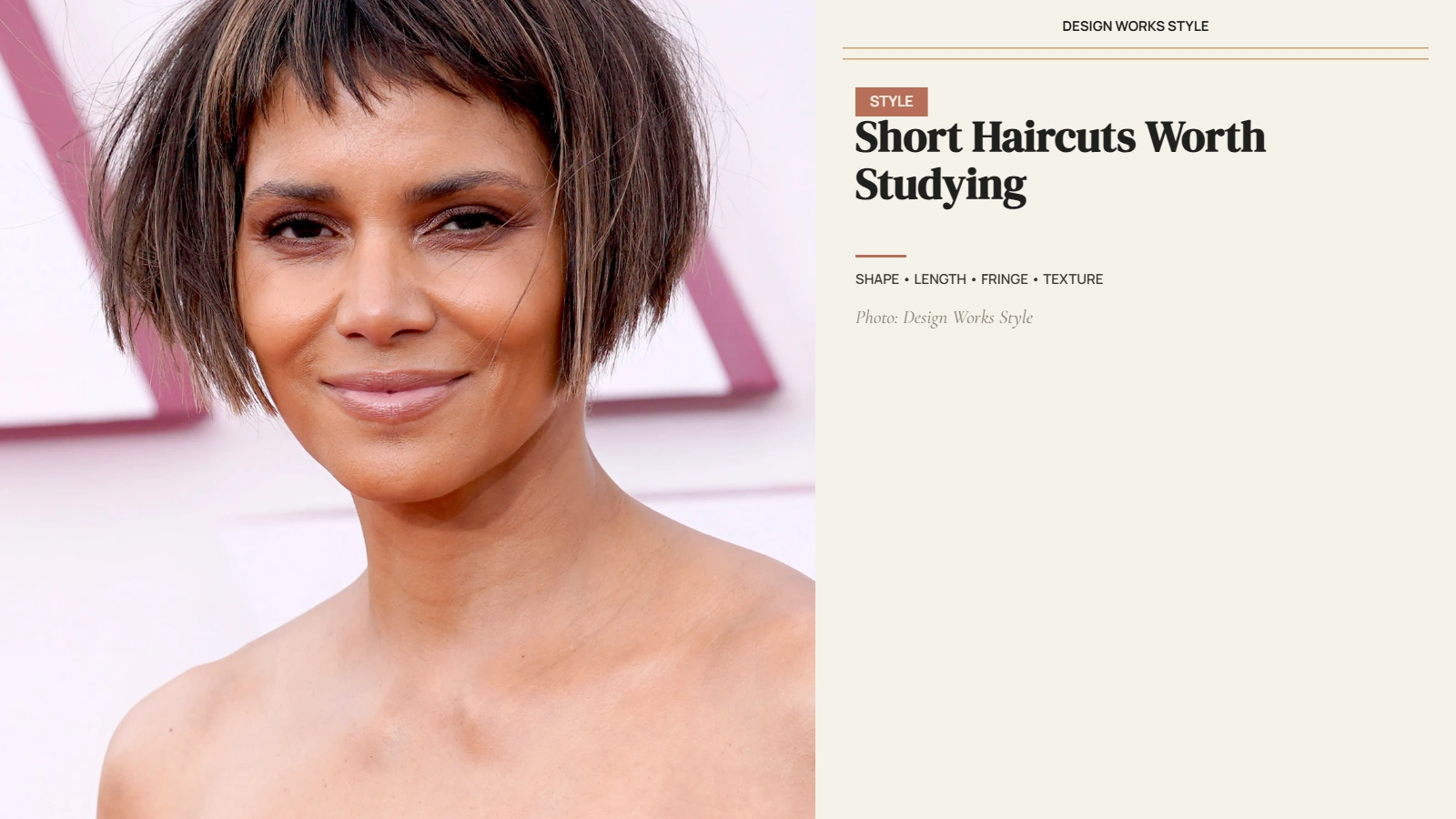
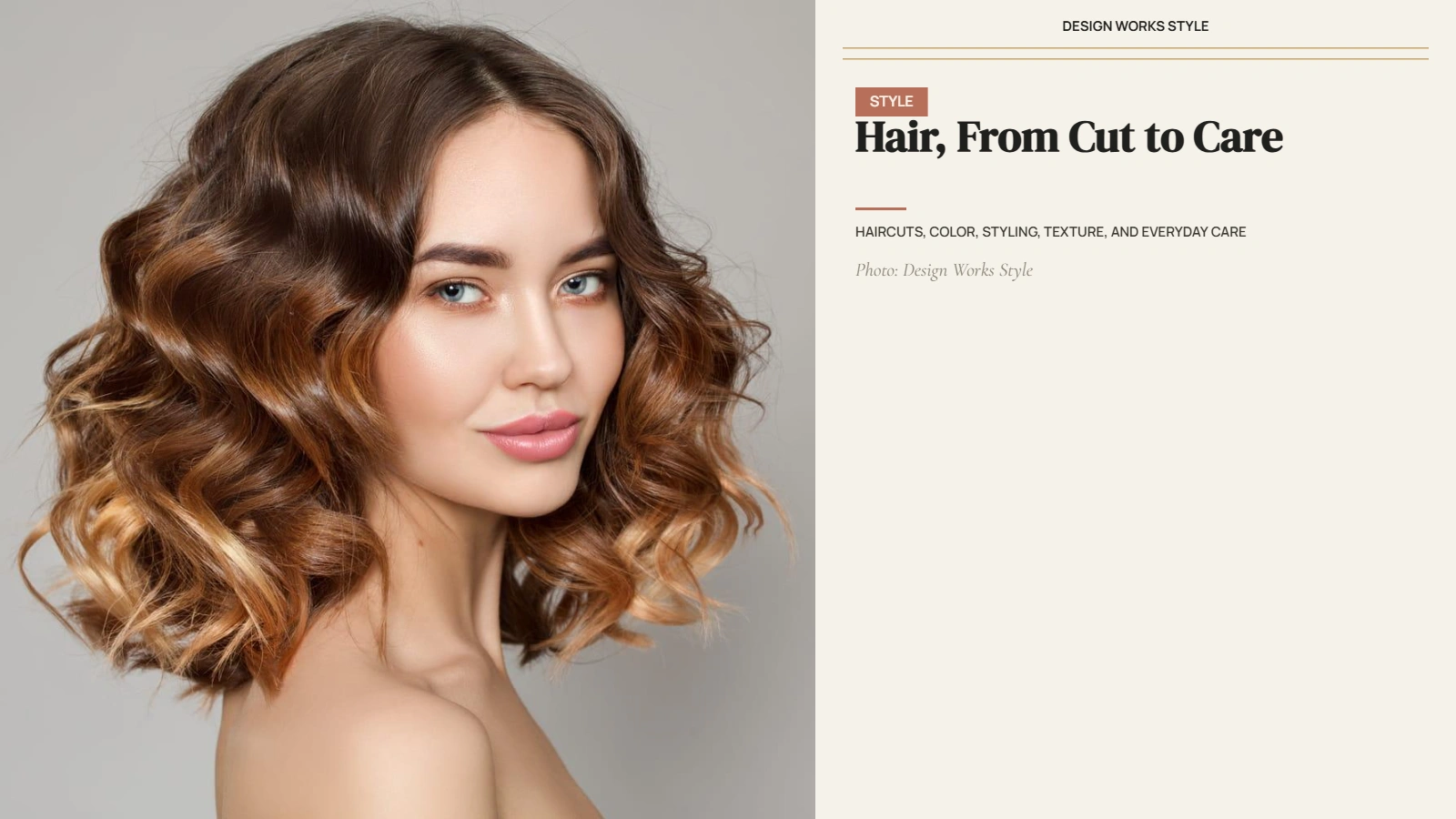
Hair can shape how you look, feel, and express your personal style, but finding useful information often means sorting through many different topics. Design Works Style brings those subjects together in one place, from haircuts and hairstyles to hair color, balayage, care, styling, and perms. Whether you’re choosing a new look, figuring out what may suit your face shape or hair type, maintaining color, or learning a styling technique, start with the area that matches what you’re trying to accomplish.
Find the Right Hair Guidance for You
The right hair advice depends on what you want to change, understand, or maintain. Browse by your goal to find practical guides, ideas, comparisons, and how-to information without having to search through unrelated topics.
- Haircuts & Hairstyles for choosing a new shape, length, or everyday look.
- Hair Color & Balayage for exploring color changes, dimensional highlights, and maintenance.
- Hair Care for maintaining natural, colored, or treated hair.
- Hair Styling for techniques, tools, shape, volume, and specific looks.
- Perms for learning about texture changes, different approaches, and aftercare.
Haircuts & Hairstyles
Choosing a haircut or hairstyle involves more than picking a photo you like. Length, face shape, hair texture, density, maintenance, and personal style can all affect how a particular look works for you.
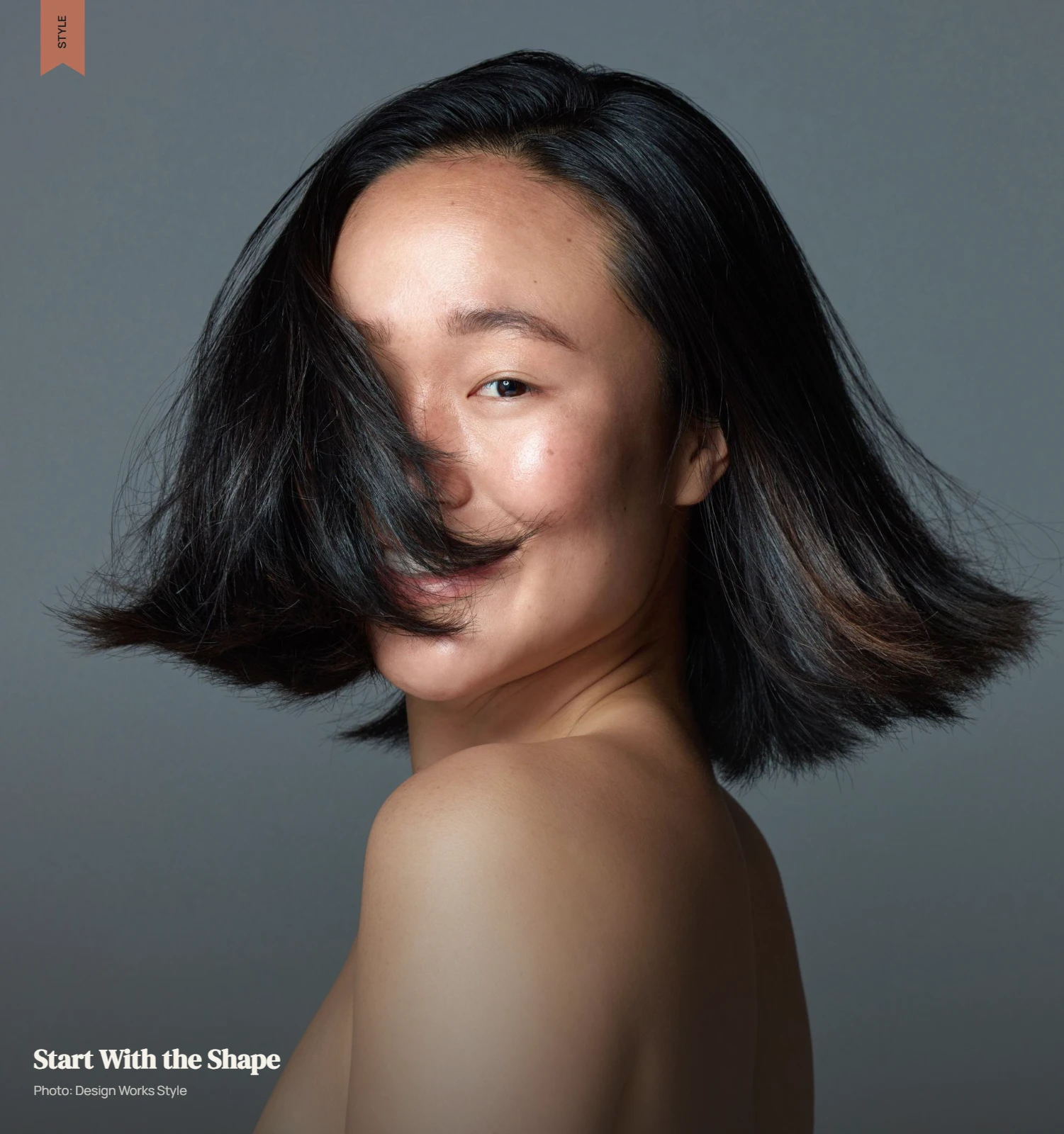
Start with haircuts and hairstyles to browse the main collection. If you’re trying to narrow down your options, haircuts for face shapes can help you consider proportions alongside your hair’s natural characteristics. You can also explore what haircut suits me if you’re starting with a broader question about choosing a cut.
Choosing a Haircut for Your Face Shape
Face shape can be one useful consideration when choosing a haircut, but it is not the only one. Hair texture, density, length, styling habits, and the amount of maintenance you want can matter just as much.
If you’re comparing options for a specific face shape, explore haircuts for round faces alongside broader face-shape guidance.
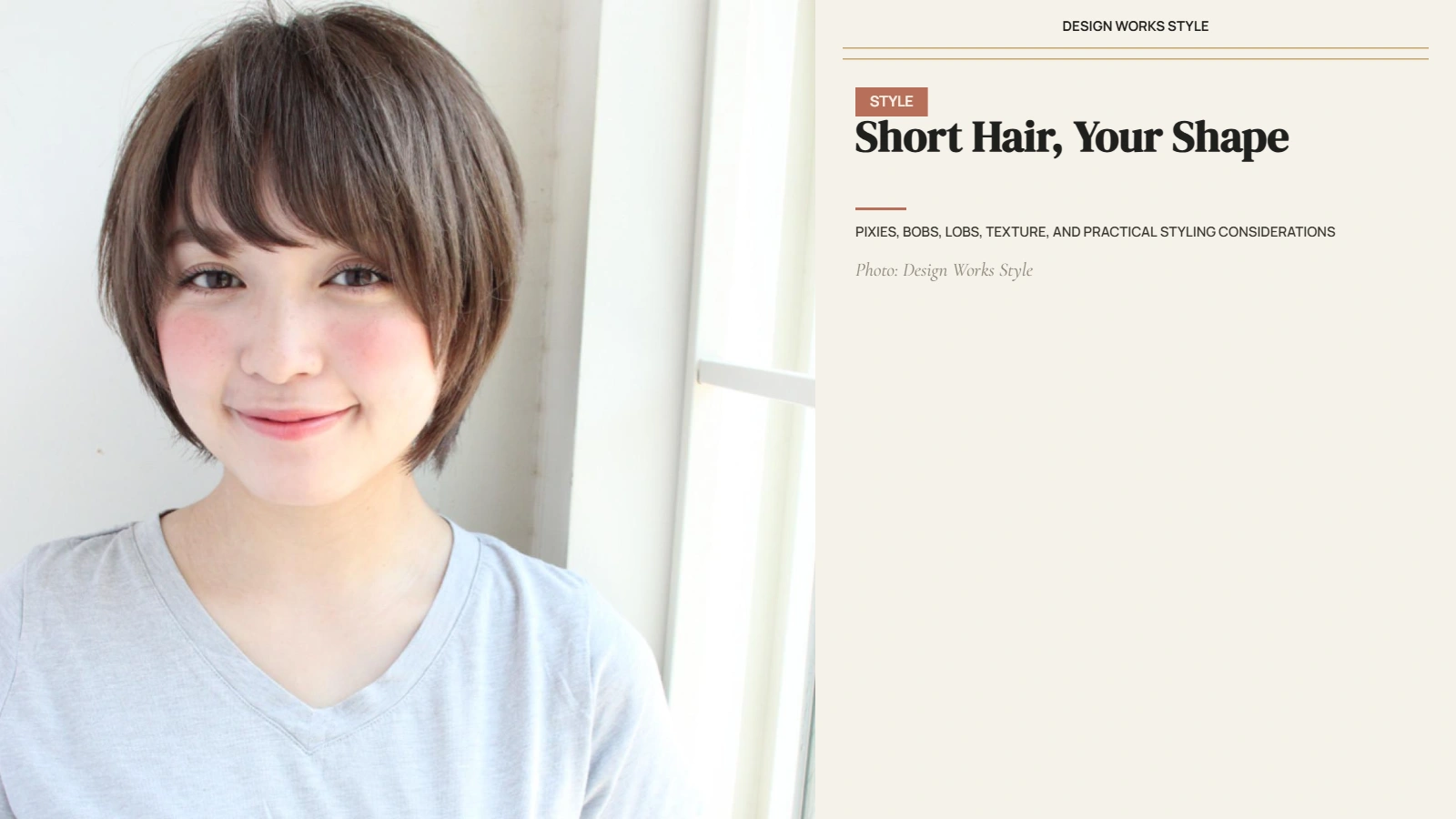
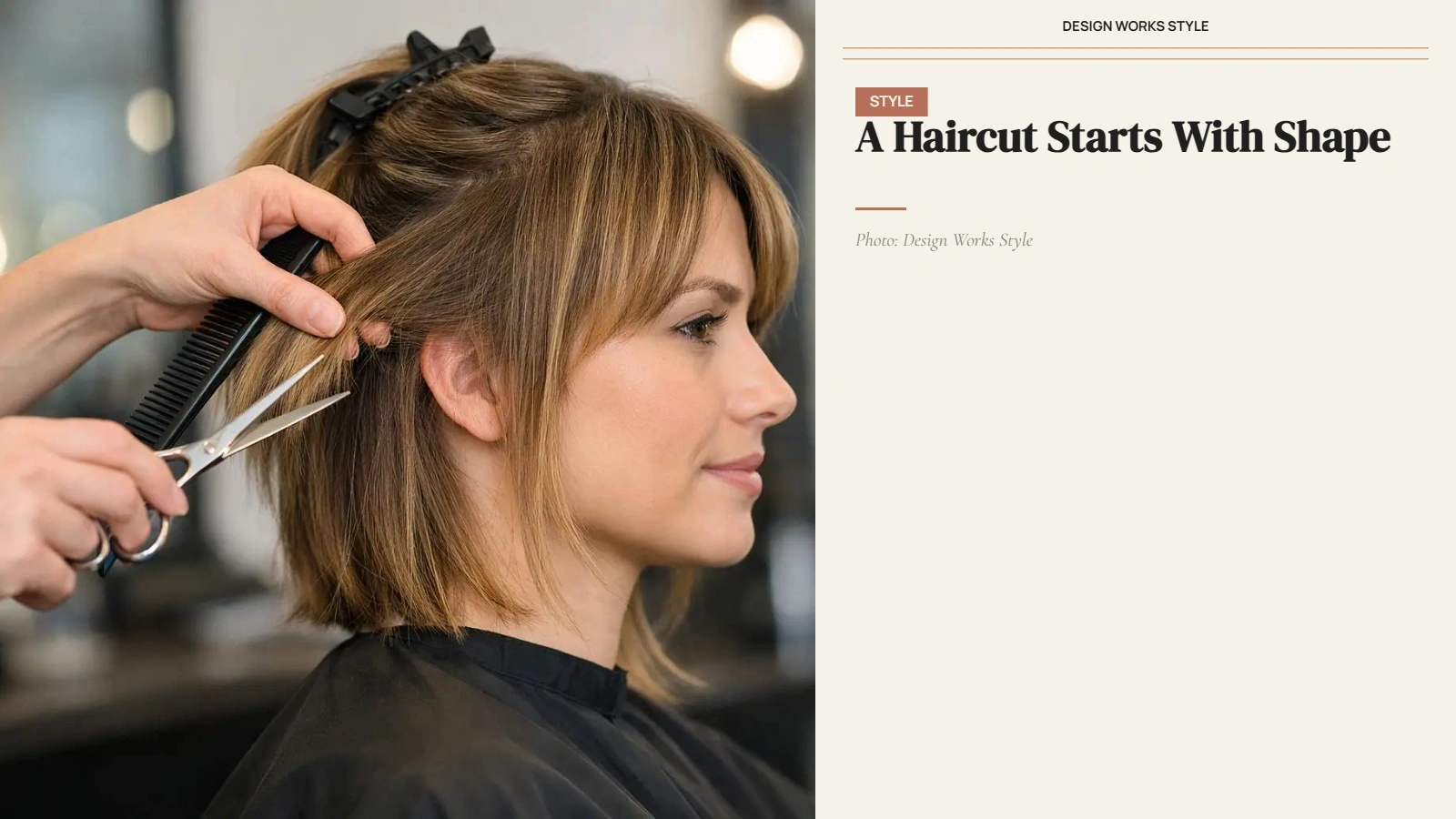
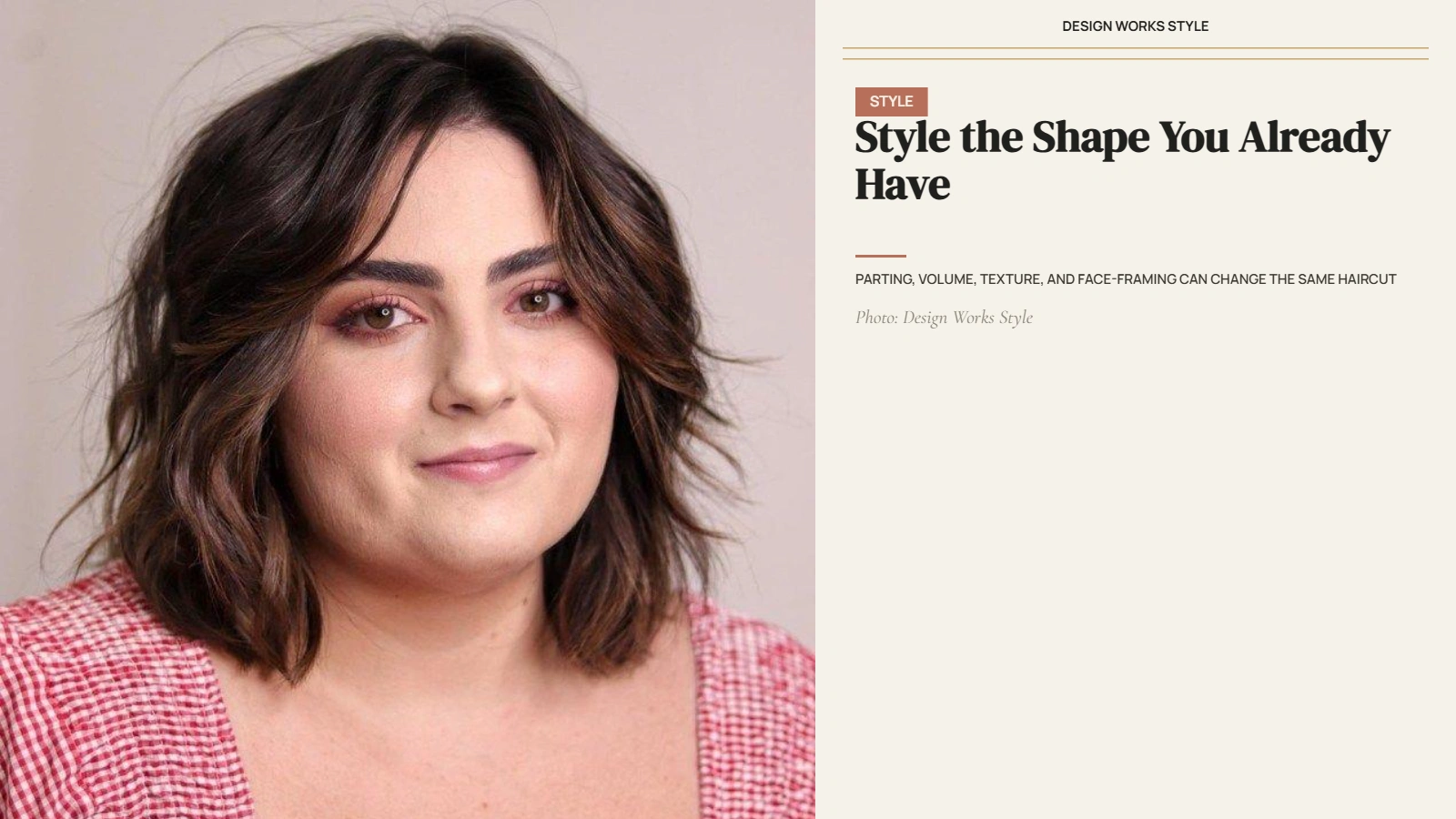
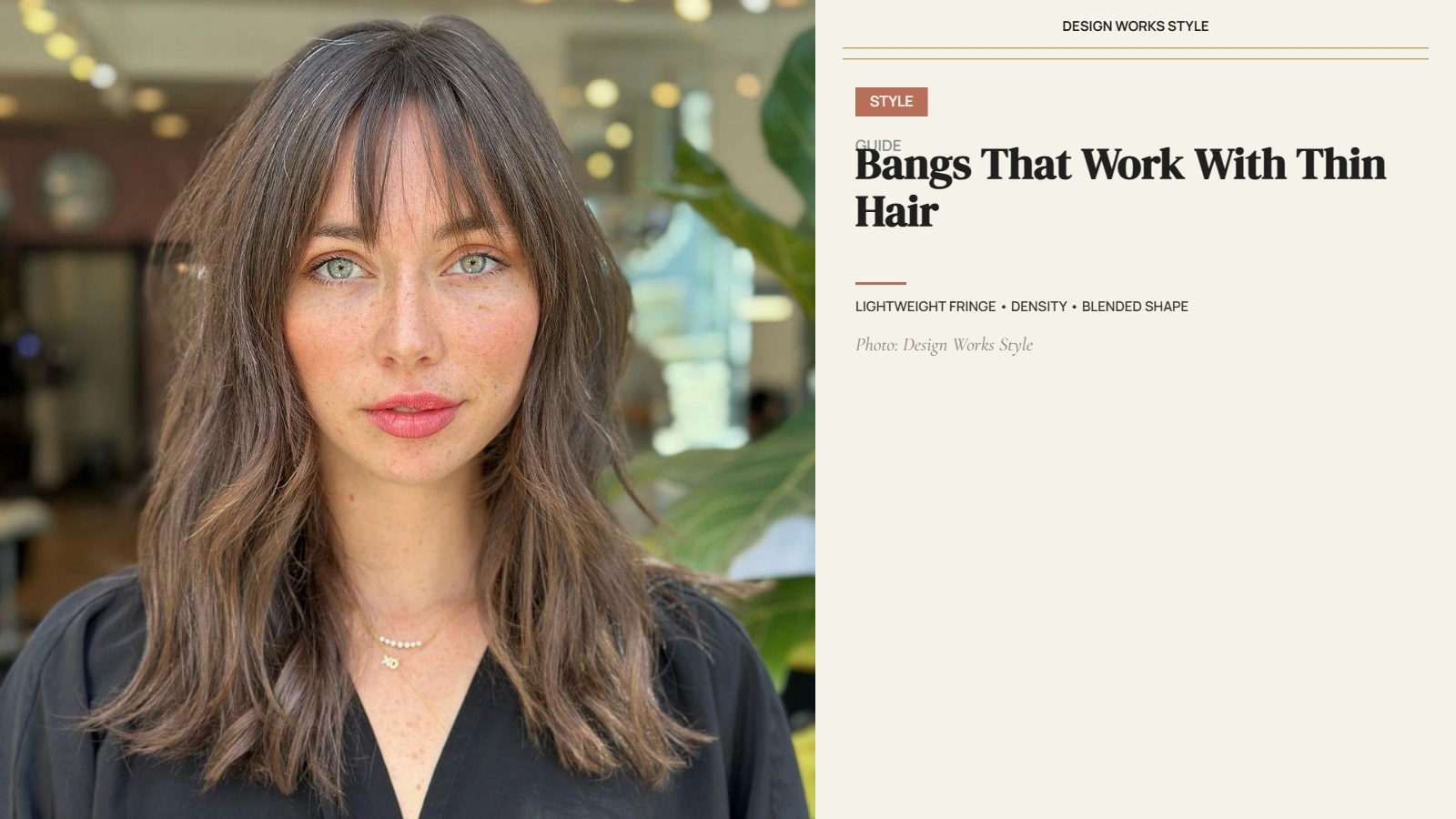
[Image: Editorial photograph showing a well-shaped haircut with visible layers and natural texture, photographed in soft natural light against a clean, understated background.]
Hair Color & Balayage
Changing your hair color can mean choosing an entirely new shade, adding dimension, or working with techniques such as balayage. This section brings together practical information for understanding color choices, exploring different shades, and thinking about maintenance before and after a color service.
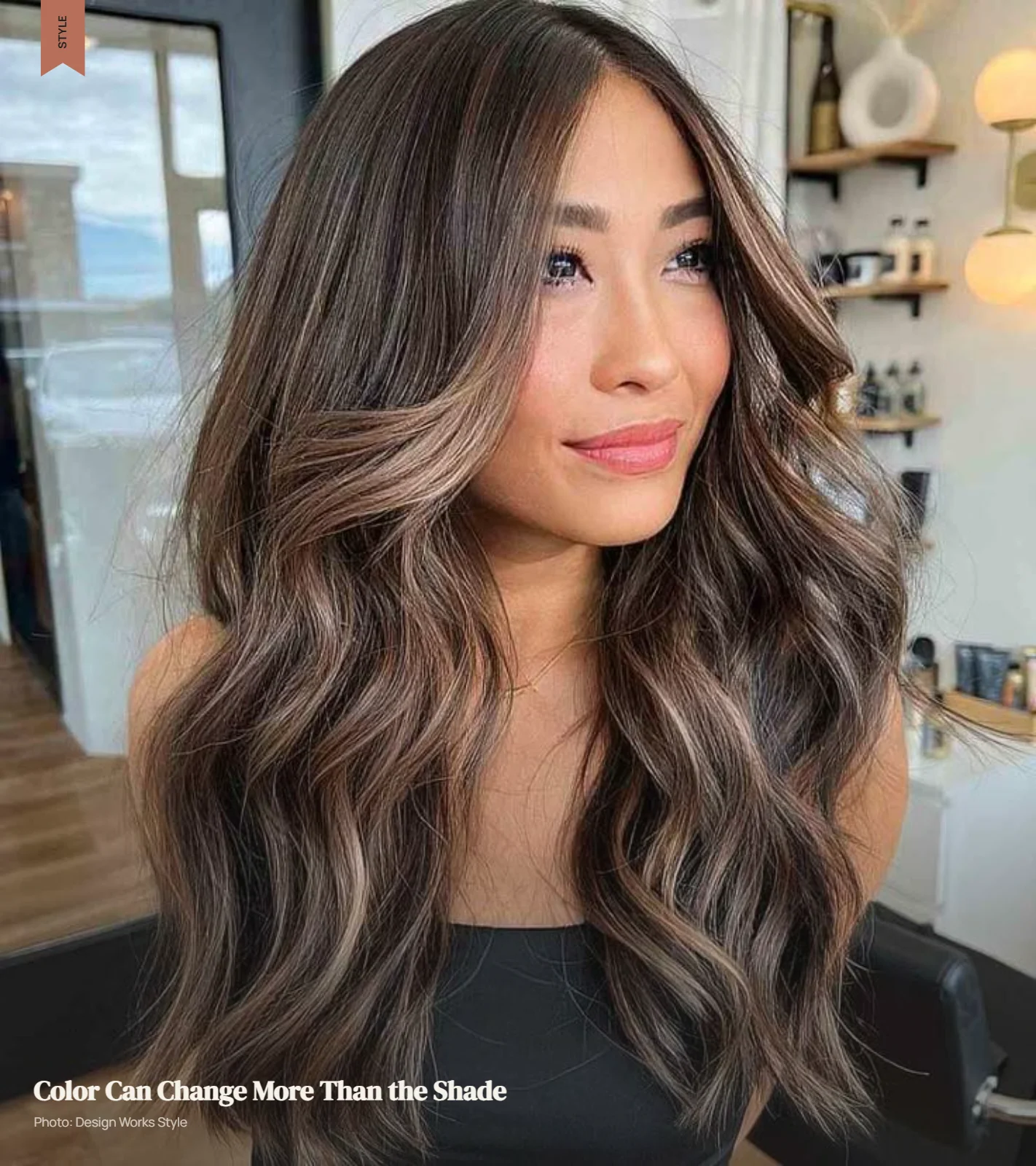
Start with hair color for broader color guidance or browse balayage when you’re interested in blended, dimensional highlights. More specific guides can help when you already have a particular direction in mind, such as caramel balayage or balayage for curly hair.
Hair Care
Good hair care looks different depending on your hair, styling routine, and whether you’ve colored or chemically treated it. Care can become especially important when you’re maintaining balayage or another color service, growing out a style, or trying to preserve the appearance and condition of your hair.
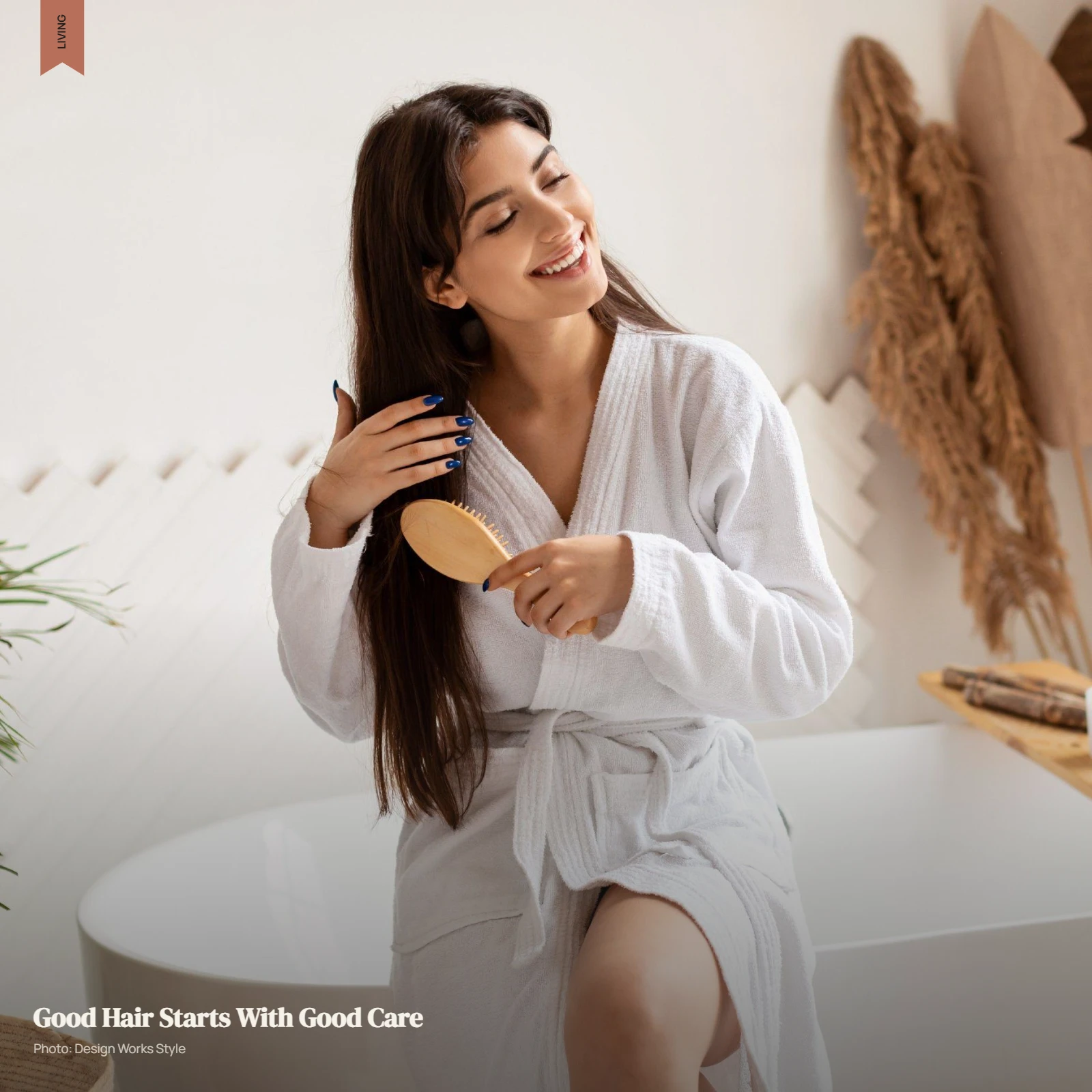
Explore hair care for broader guidance on maintaining your hair. If you’re specifically caring for colored hair, balayage hair care provides a more focused starting point. For treatment-related topics, hair gloss covers another part of the color and maintenance conversation.
Hair care advice can depend on your hair type and the treatments you’ve had, so general guidance should be treated as a starting point rather than a guarantee of a particular result.
Hair Styling
Hair styling is where choosing a look turns into actually creating it. Guides in this area cover everyday styling, creating shape and volume, working with tools, sectioning hair, and building specific looks.
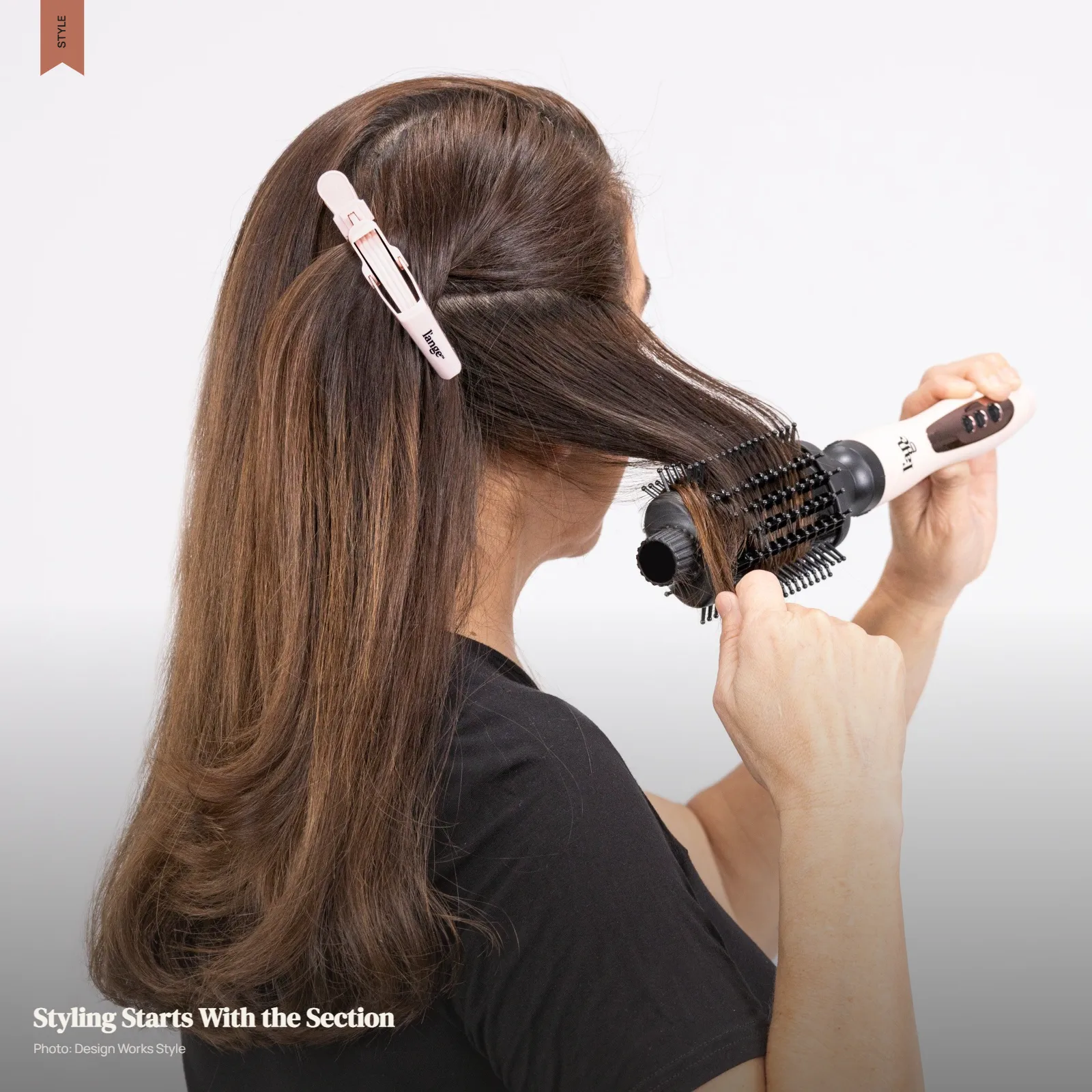
Start with hair styling for the broader collection. If you’re working with styling tools, you can narrow your search to topics such as best hair rollers or best hair rollers for fine hair. For technique-focused guidance, how to section hair is a useful starting point.
Perms
Perms can be used to add or change the texture of the hair, from waves to more defined curls. The right information depends on the type of result you’re considering, your existing hair, and how you plan to care for it afterward.
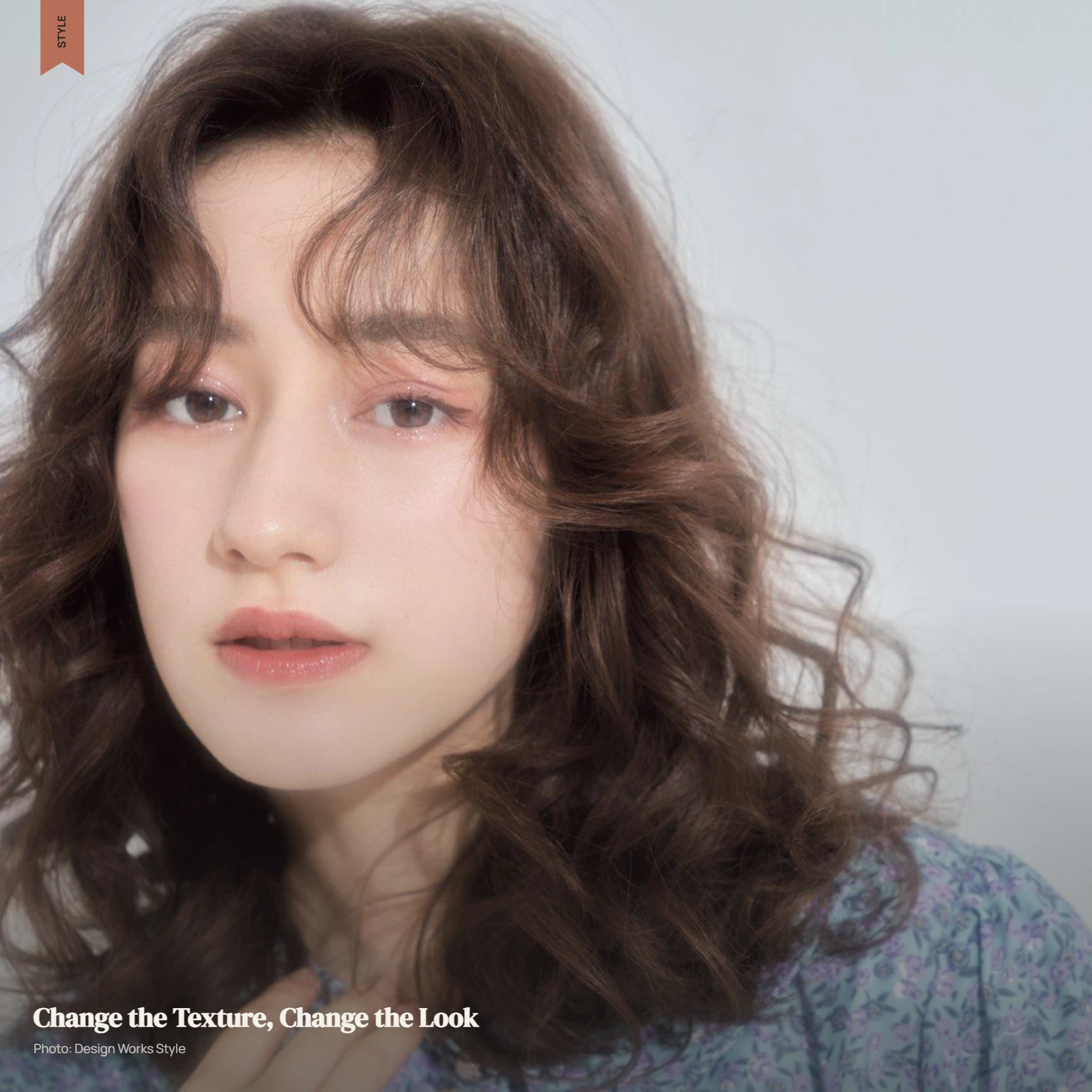
Start with perms for an overview of the topic. If you’re comparing approaches, types of perms provides a more focused starting point, while cold perm covers a specific technique. After treatment, perm aftercare can help you understand the maintenance side.
Chemical treatments can affect different hair types in different ways. If you’re considering a perm or another chemical service, the most appropriate approach depends on the condition and history of your hair.
Not Sure Where to Start?
You don’t need to know the technical term for what you’re looking for. Start with the goal you have in mind.
Want a different shape?
Start with haircuts and hairstyles and explore options based on length, texture, face shape, and maintenance.
Trying to choose a color?
Start with hair color or explore balayage if you’re interested in dimensional highlights.
Maintaining colored or treated hair?
Start with hair care and narrow down to guidance for your particular treatment.
Want to learn styling techniques or tools?
Start with hair styling for practical techniques, tools, and styling ideas.
Considering curls or waves?
Start with perms to understand the different approaches and aftercare considerations.