

Seasonal nail care means adjusting moisture, protection, and polish habits as weather changes. Winter dries nails out and makes them brittle, summer exposes them to water and sun, and spring and fall need a gradual shift between the two. This guide covers each season, the polish and treatment swaps that help, and a simple year-round calendar.
What Does Winter Do to Your Nails?
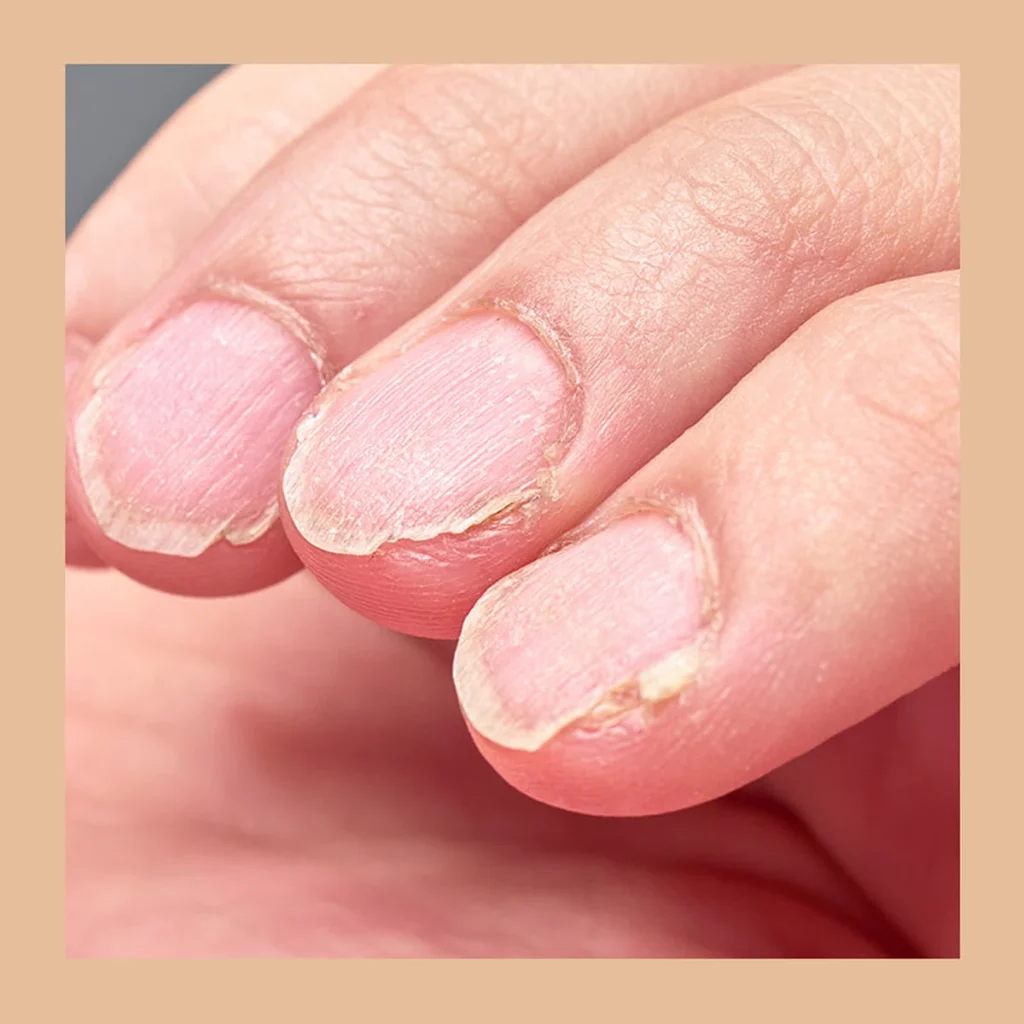
Winter dries nails out through cold air outside, heated air inside, and frequent hand washing, which leaves nails brittle, prone to splitting, and slow to grow. The fix is heavier moisture, gloves outside and for wet work, shorter nails, and a break from drying products like acetone.
Cold air holds less moisture than warm air, and indoor heating dries the air further. Nails lose moisture the same way skin does, and dry nails split at the tips and peel in layers. People who already have dry nails notice the change first, often in late November or December, when indoor heating runs all day. Hands that go from cold outside to warm inside repeatedly suffer most, since the temperature swing stresses the nail plate.
Gloves are the most useful winter habit. Wear warm gloves outside to shield nails from cold and wind, and rubber gloves for dishes and cleaning, since hot water and soap strip moisture faster in winter when hands are already dry.
Oil twice a day in winter, morning and night, and switch to a thicker hand cream or ointment at night if your usual lotion stops working. Cuticle oil matters more in winter because cuticles crack first, and cracked cuticles lead to hangnails and ragged manicure edges. Keep nails slightly shorter in winter, since long nails break more easily when brittle. A shorter length with rounded corners survives the season better than long points.
Cut back on acetone in winter. Acetone dries nails and skin, and winter hands have less moisture to spare. If you wear gel, space sets a little further apart, or use regular polish for a few weeks to give nails a rest from soaking. When you do remove polish, apply oil immediately after, and skip the acetone soak for regular polish in favor of a gentle remover. For winter designs that suit shorter, well kept nails, see our winter nail ideas gallery.
How Does Summer Affect Your Nails?
Summer exposes nails to water, sun, and humidity, which softens nails, fades polish, and increases the risk of fungal problems from dampness. The fix is protection from prolonged soaking, sunscreen on hands, a base coat under every color, and thorough drying after swimming or sweating.
Swimming is the biggest summer factor. Pool chlorine dries nails and fades polish, while lake and ocean water soften nails through prolonged soaking. Nails absorb water, swell, then shrink as they dry, and repeated swelling weakens the nail plate over a summer of regular swimming. Rinse hands with fresh water after swimming, dry them fully including under the nail tips, and apply oil once hands are dry to restore moisture.
Sun affects hands and nails too. UV light fades polish colors, especially bright shades and pastels, and it dries the skin around nails. Apply sunscreen to the backs of hands when spending time outside, and reapply after swimming. Gel manicures hold up better in sun than regular polish, but even gel fades slightly over two weeks of strong sun. Darker colors hide fading better than light ones if you spend long days outdoors.
Humidity changes how polish behaves. In high humidity, polish takes longer to dry and can bubble if applied too thick. Apply thin coats in summer and allow extra drying time between coats. A quick dry top coat helps. Humidity also keeps hands damp, which suits fungal growth under polish that has lifted at the edges. If polish chips or lifts in summer, remove it promptly rather than leaving a gap where moisture collects.
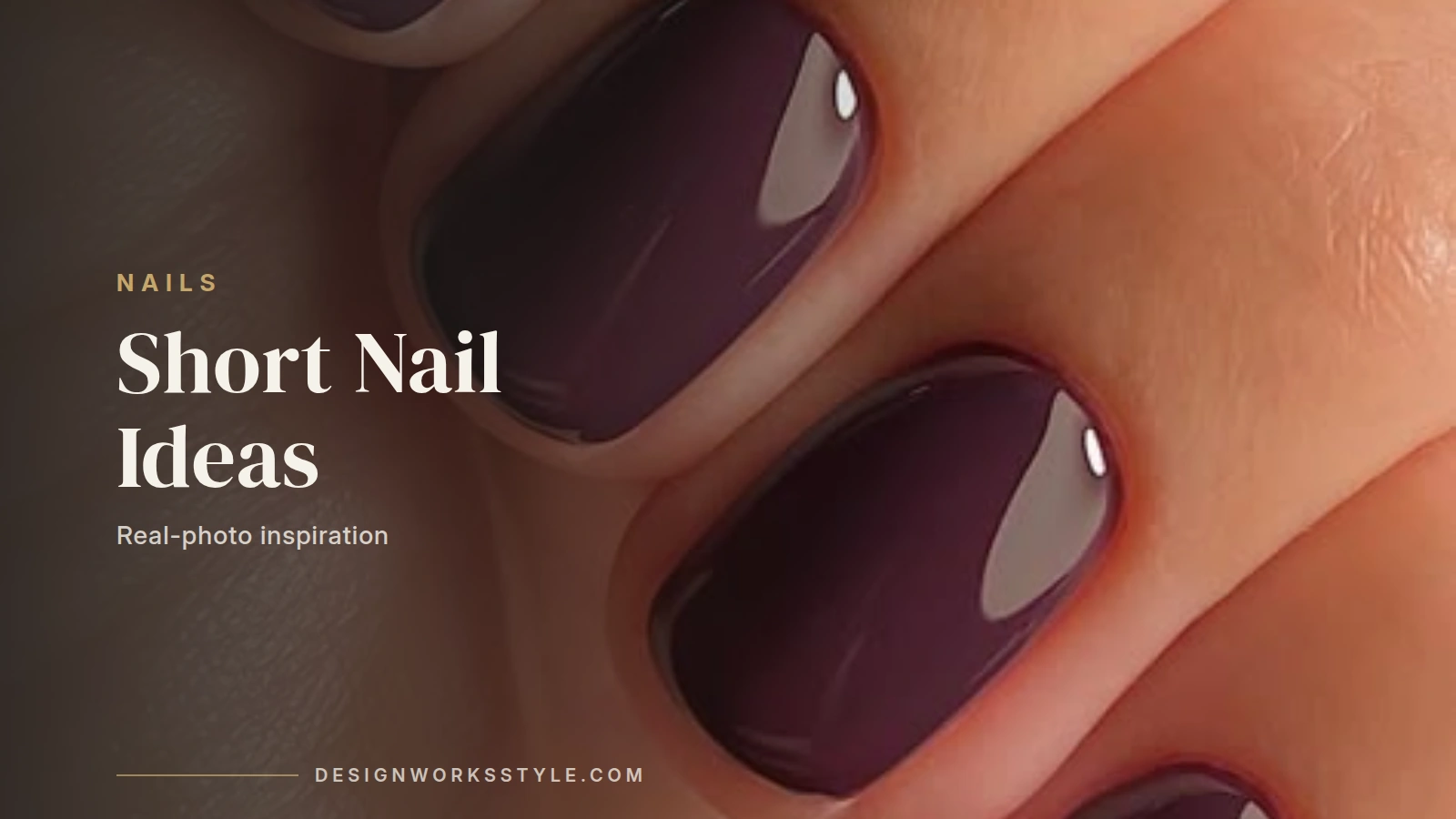
Toenails need attention in summer too. Keep them trimmed straight across, file rough edges, and oil the cuticles, since sand, water, and tight sandals can bruise or break them. For summer designs, our short nail ideas gallery includes bright colors and practical lengths for active weeks.
How Should You Adjust Nails in Spring and Fall?
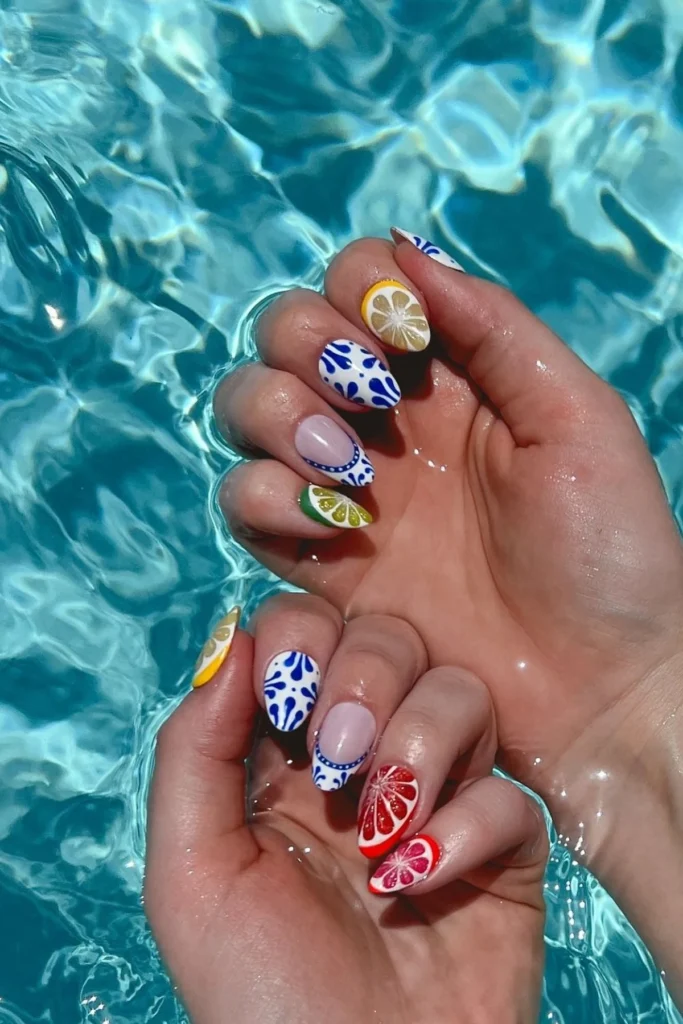
Spring and fall are transition seasons where the main job is shifting gradually: lighten moisture and length as weather warms in spring, and add moisture and shorten nails as weather cools in fall. Abrupt changes stress nails, so adjust over two to three weeks rather than all at once.
In spring, hands recover from winter dryness. Keep oiling daily for the first few weeks of warmer weather, since indoor heating may still run on cool nights. As humidity rises, switch from a thick winter ointment back to a lighter cream. Nails can grow slightly longer in spring as brittleness fades, but increase length gradually. Jumping from very short winter nails to long spring nails invites breakage, since the nail plate is still recovering.
Spring is also a good time to assess winter damage. Look for peeling layers, white spots from knocks, and ridges that formed during dry months. Most of these grow out over the next few months with steady care. Trim damaged tips as they grow, keep oiling, and avoid aggressive buffing to smooth ridges, since buffing thins nails that are already recovering.
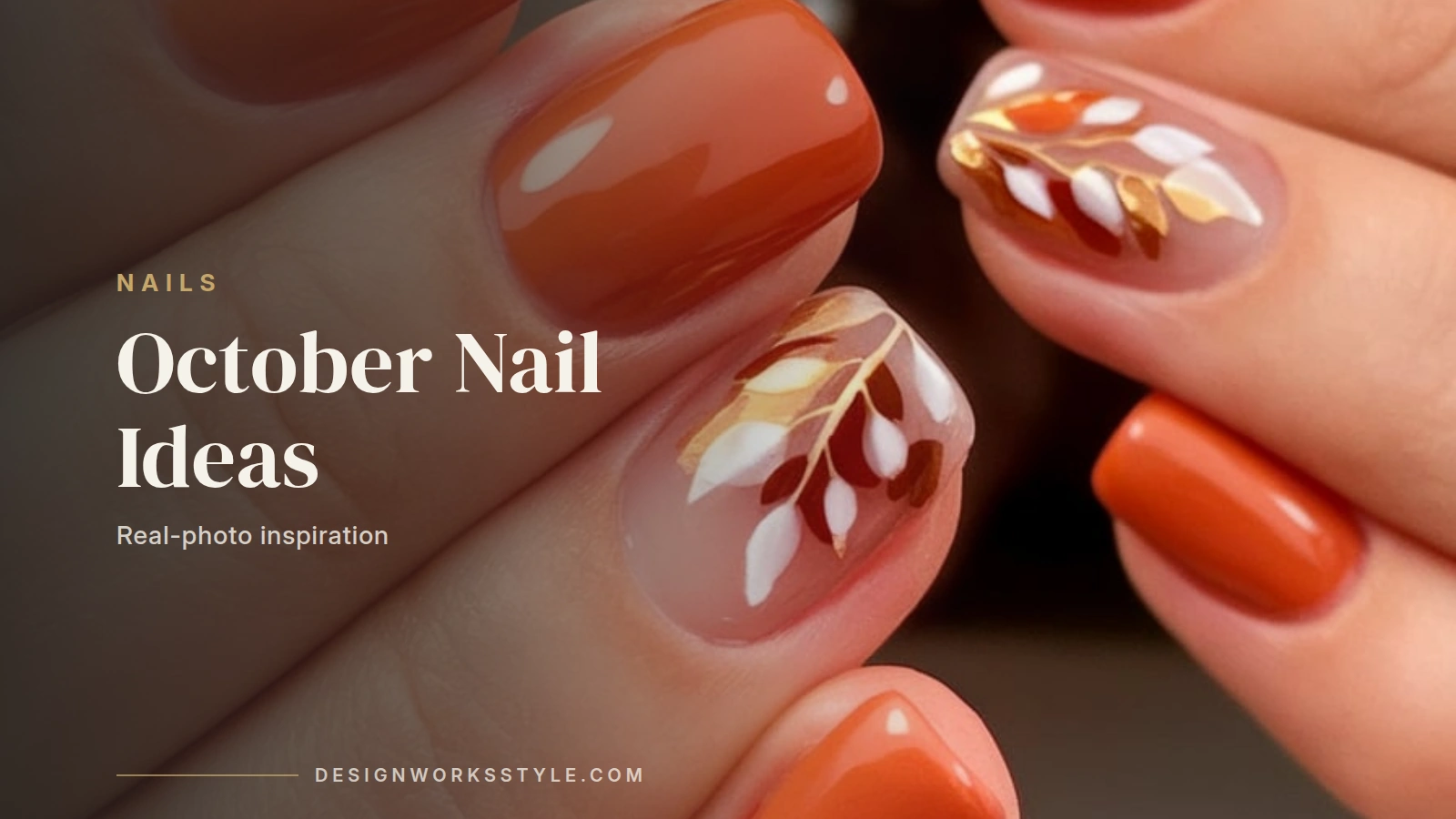
In fall, reverse the process. Start oiling twice a day before the first cold snap, not after hands already crack. Switch to a thicker cream in early fall, and shorten nails slightly as temperatures drop. Fall is the time to check your glove supply, since warm gloves and rubber gloves both matter once cold weather arrives. For fall colors and designs that suit the transition, see our fall nail ideas gallery.
Should You Swap Polish and Treatments by Season?
Yes, seasonal swaps help: use regular polish or gel with breaks in winter to limit acetone exposure, choose durable gel or dip for summer swimming, and adjust base coats, top coats, and treatments to match what each season demands. The swaps are small, but they prevent the most common seasonal problems.
In winter, favor regular polish for a few weeks if your nails feel dry, since regular polish removes without acetone soaking. If you prefer gel, space sets further apart and apply oil daily between sets. Use a moisturizing base coat under every color in winter, and reapply top coat every two to three days to seal moisture in and prevent chipping on brittle nails.
In summer, gel or dip holds up better than regular polish for swimming and outdoor activity, since both resist water and chipping longer. If you use regular polish in summer, apply a base coat and two thin color coats, then a top coat, and reapply top coat every two days to refresh the seal. A UV top coat or a top coat with sun protection helps colors last longer outdoors.
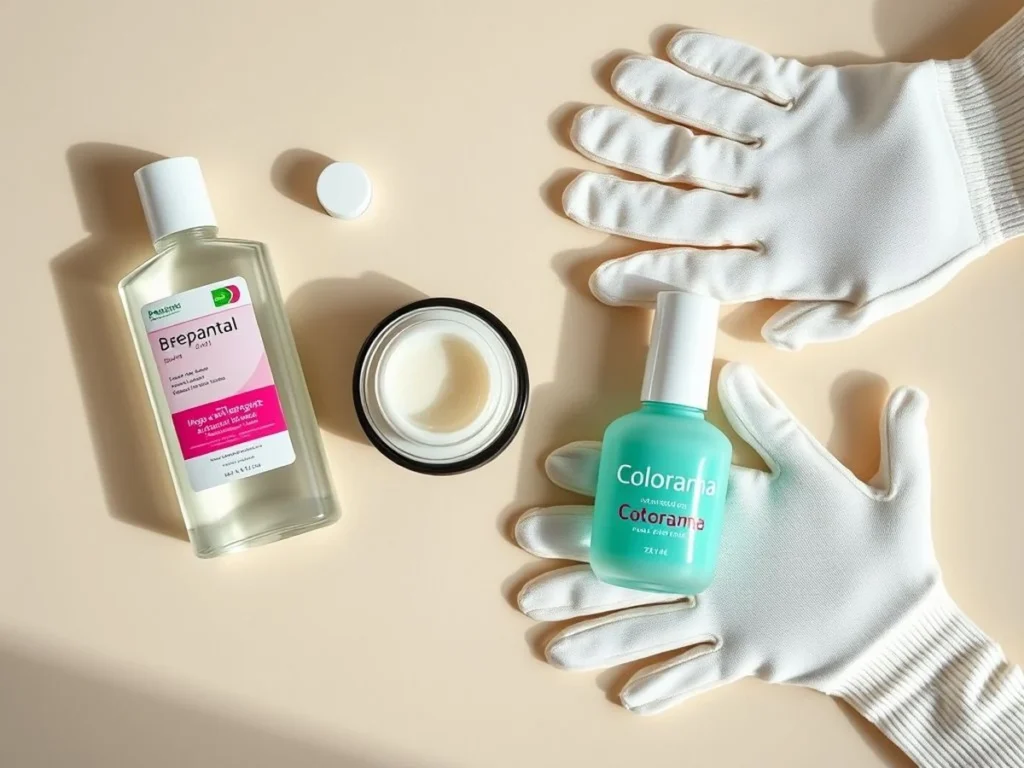
Treatments shift too. In winter, a weekly deep moisture treatment, meaning oil applied thickly and left under cotton gloves overnight, restores dry nails faster than daily light oil alone. In summer, a lighter approach works, since humidity already adds moisture. Skip heavy overnight treatments in summer unless nails feel dry from chlorine, and focus instead on drying hands well and applying oil after swimming.
Strengtheners have a seasonal role as well. In winter, a strengthener used as a base coat for a week or two helps brittle nails survive the season. In summer, skip strengtheners unless nails are actually weak, since healthy summer nails do not need the extra rigidity, and overuse makes nails snap rather than bend. For the full guide on making any manicure last through its season, our how to make your manicure last longer guide covers prep and maintenance that work year-round.
What Does a Year-Round Nail Health Calendar Look Like?
A year-round calendar keeps nails steady by repeating a few habits every month and adjusting only moisture, length, and polish type with the seasons. The core stays the same: daily oil, weekly care, gloves for wet work, and a break from polish now and then.
Every month, regardless of season, do the same basics. Oil cuticles daily, file snags the day you notice them, keep nails at a length that suits your daily life, and wear gloves for dishes and cleaning. Once a week, do the full routine: remove old polish, soak briefly, trim and shape, push cuticles back gently, and finish with oil and cream. Once a month, check your tools, replace worn files, clean clippers, and restock oil and polish remover if needed.
Every three months, take stock. Look at nail length, shape, and overall health. Are nails peeling more than usual? Are cuticles cracking? Is polish chipping faster? These signs point to a care gap, often moisture or length, rather than a product problem. Adjust the routine before buying new products. A three month check also catches tools that wore out quietly, like a file that stopped cutting cleanly.
Seasonal checkpoints fit naturally. In late fall, stock up on thick cream and warm gloves, and shorten nails slightly. In late winter, assess damage and plan a few weeks of regular polish to rest nails from gel. In late spring, switch to lighter cream. In late summer, look for softening or fading and give nails a week of oil before fall colors start.
The calendar is simple: daily oil, weekly care, monthly tool check, seasonal adjustment. Nails need steady attention and small changes when the weather shifts, not a complex system. For the daily and weekly habits in detail, our nail care basics guide walks through each step.
Frequently Asked Questions
Do nails grow faster in summer than in winter?
Yes, slightly. Nails tend to grow faster in warm months, partly because hands get more blood flow in warm weather and partly because people are more active. The difference is small, roughly a tenth of a millimeter per day in general, with summer growth a bit faster than winter. The practical effect is that summer manicures may need slightly more frequent maintenance at the cuticle line as nails grow out.
Should you stop wearing polish in winter to let nails breathe?
Nails do not breathe, since they are made of dead keratin cells, but a break from polish helps in winter for a different reason: it removes acetone exposure and lets you oil daily without polish in the way. A break of one to two weeks between sets, with daily oil, restores moisture faster than wearing polish continuously. You do not need to stop polish all winter, just build in breaks.
How do you protect nails when swimming regularly?
Rinse hands with fresh water right after swimming, dry them fully including under the nail tips, and apply cuticle oil once hands are dry. Wear a base coat under polish to block chlorine from reaching the nail plate directly. If you swim daily, gel or dip lasts longer than regular polish, but give nails a break every few weeks to check for softening or lifting that traps moisture.
What is the best nail length for each season?
Shorter in winter, since brittle nails break less at a practical length, and slightly longer in summer if nails are healthy, since summer nails are more flexible. Spring and fall suit a medium length that transitions between the two. The best length also depends on your daily life, so a person who types all day may keep nails short year-round regardless of season, and that is fine.
Seasonal care is mostly about paying attention. When the weather changes, change moisture, length, and polish habits a little, and nails stay steady through the year. For cuticle care that supports every season, see our cuticle care guide, and for design ideas matched to each season, browse our winter nail ideas and fall nail ideas galleries.