
Nail Care Basics: How to Keep Your Nails Healthy and Strong
Healthy nails come from a short daily routine and a weekly reset, not expensive products. Moisturize daily, file in one direction, keep nails at a practical length, and protect them from water and harsh cleaners. This guide covers the daily habits, the weekly routine, and fixes for peeling, breaking, and yellowing.
What Should You Do for Your Nails Every Day?
Daily nail care takes about two minutes and prevents most common problems. Apply cuticle oil or hand cream once or twice a day, keep nails clean and dry, file snags right away instead of picking at them, and wear gloves for dishes and cleaning. These small habits keep nails flexible so they bend instead of breaking.
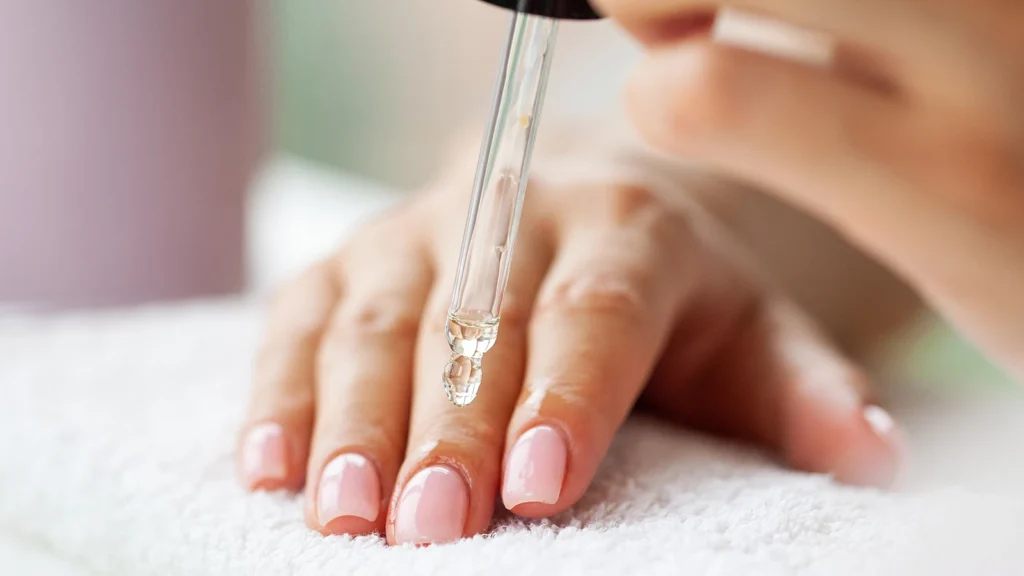
Moisture is the single biggest factor. Nails dry out the same way skin does, and dry nails split and peel. A drop of cuticle oil on each nail bed, rubbed in at night, does more than most treatments. Hand cream helps too, but oil sinks into the nail and the skin around it better than a thick cream. Keep a bottle by your bed or at your desk so the habit sticks.
Filing matters more than people think. Always file in one direction, from the side toward the center, instead of sawing back and forth. Sawing frays the nail edge and starts splits that travel up the nail. A glass file or a fine grit emery board gives a smoother edge than a coarse metal file, and a smooth edge catches less on fabric and hair. When you notice a snag, file it smooth the same day. A small snag turns into a tear if you catch it on a sweater or pick at it.
Protection is the other daily habit. Hot water, dish soap, and cleaning products strip moisture from nails and soften them, which leads to bending and breaking once they dry. Wear rubber gloves for dishes, cleaning, and gardening. It sounds basic, and it is the habit that makes the biggest visible difference within two weeks. Avoid using your nails as tools for opening cans, scraping stickers, or prying lids. That kind of pressure breaks nails at the weakest point, usually the free edge.
Keep nails clean and dry between tasks. Wash hands normally, then dry them fully, including under the nail tips. Nails that stay damp for long stretches soften and become prone to fungal problems. If you work with water often, this drying step matters as much as the gloves.
What Does a Weekly Nail Care Routine Look Like?
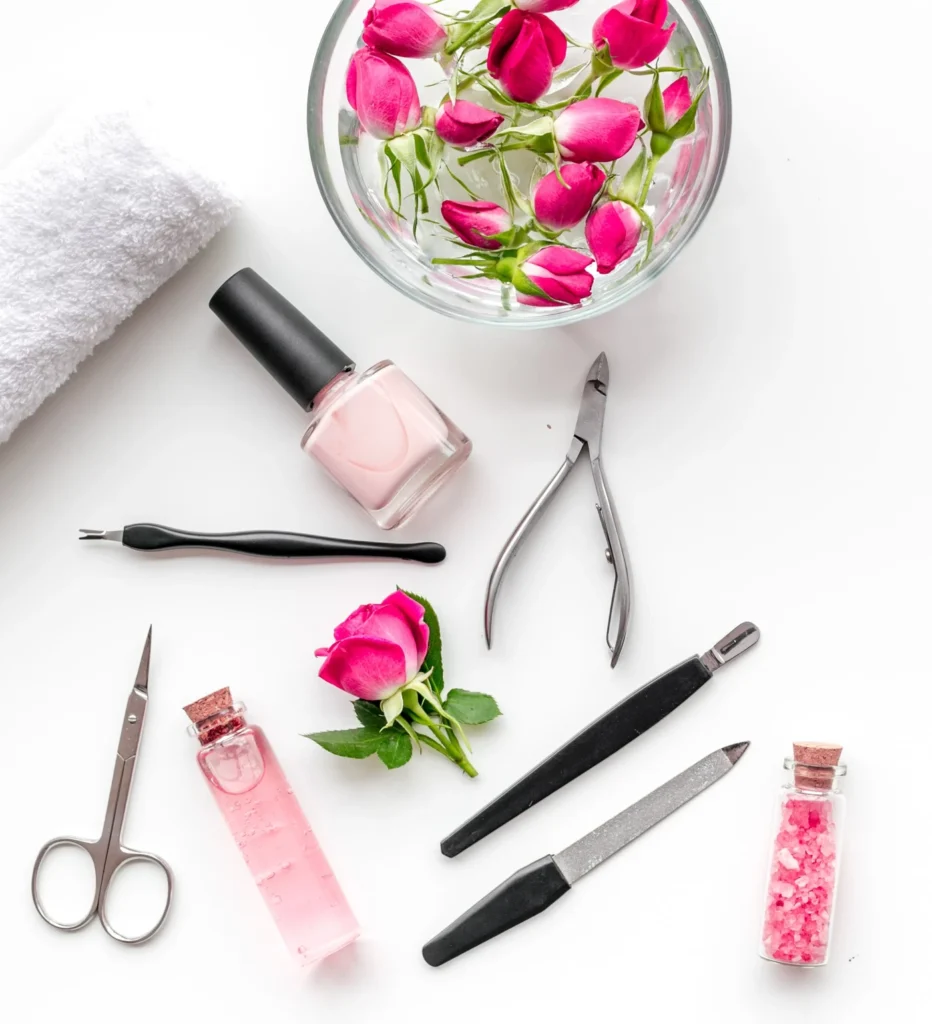
A weekly routine takes 15 to 20 minutes and keeps nails neat between manicures. Soak briefly, trim and shape, push cuticles back gently, buff lightly, and finish with oil and moisturizer. Done once a week, this routine prevents hangnails, keeps edges smooth, and gives polish a clean surface to grip.
Start by removing old polish completely. Even small traces of old polish keep new polish from gripping, and they hide the nail surface so you cannot see problems forming. Use a regular remover for normal polish. Save acetone for gel or stubborn glitter polish, since acetone dries nails out fast.
Soak your fingertips in warm water for three to five minutes. Warm water softens cuticles and loosens dirt under the nails. Skip long soaks, since nails absorb water, swell, and then shrink as they dry, which weakens them over time. A short soak is enough. Add a drop of gentle soap if your hands are dirty, but plain warm water works for a routine session.
Trim before shaping. Cut nails straight across with sharp clippers, leaving a little length past the fingertip, then shape with a file. Cutting too short invites ingrown edges and soreness, especially on toes, but even fingers hurt when cut into the quick. For shape, a soft rounded square, often called squoval, suits most hands and resists breakage better than sharp corners or long points. If you want help picking a shape for your hands, our nail shapes guide walks through all seven shapes and which hand types each suits.
Push cuticles back gently with a wooden stick or a soft pusher after soaking, while they are soft. Do not cut them. Cuticles seal the gap between skin and nail, and cutting them opens a path for infection and causes ragged regrowth that looks worse than the original cuticle. If you have hangnails, trim only the loose skin flap with clean nippers, never the cuticle itself.
Buff lightly and rarely. A soft buffer can smooth ridges and add shine, but buffing removes nail layers, so limit it to once or twice a month and use a fine grit side. If you buff every week, nails thin out and break more easily, which defeats the purpose. Finish the routine with cuticle oil and hand cream, massaged into each nail and the surrounding skin.
Once your nails are in good shape, the weekly routine is also the base for polish that lasts. Our guide on how to make your manicure last longer picks up from here, covering prep, application, and daily maintenance for two week wear.
How Do You Fix Peeling, Breaking, and Yellowing Nails?
Peeling nails usually need moisture and gentler handling, breaking nails usually need a shorter length and less water exposure, and yellowing usually comes from dark polish or smoking and fades with a break from polish. Each problem has a different fix, so start by matching the symptom to the cause before buying products.
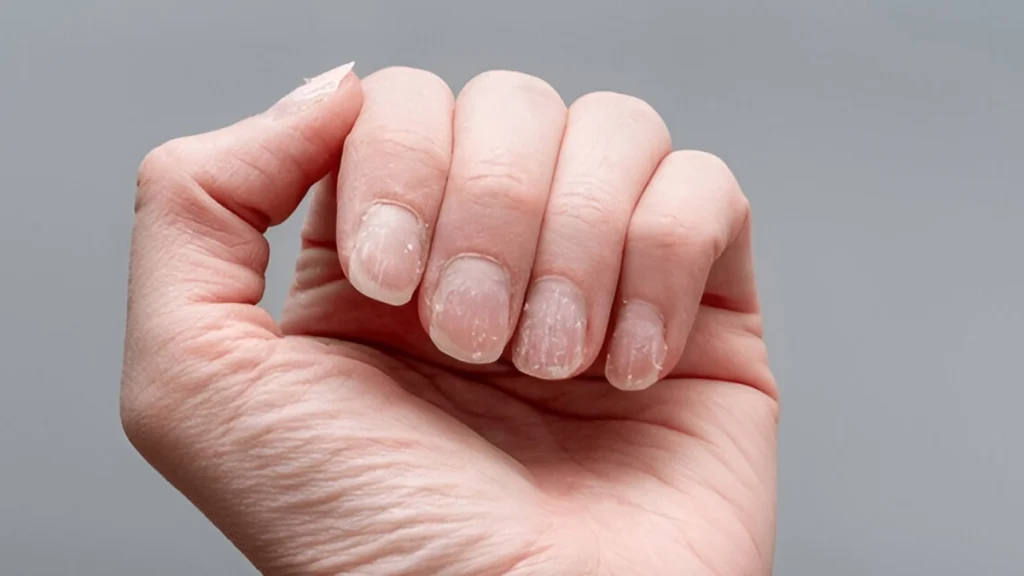
Peeling happens when nail layers separate at the tip, often from repeated wetting and drying or from peeling polish off instead of removing it properly. The fix is moisture plus patience. Apply cuticle oil daily, keep nails short while they recover, and always use a base coat under polish, which acts as a barrier between the nail and the color coat. Never peel polish off in sheets, since it takes nail layers with it. If the peeling is severe, a few weeks bare with daily oil usually restores the nail edge.
Breaking usually means the nail is too long for your daily life, too dry, or filed with rough edges that catch. Shorten nails to just past the fingertip and round the corners slightly. Check the edge after filing by running it lightly over a piece of fabric. If it snags, file more. Wear gloves for wet work and apply oil daily to keep the nail flexible. A nail hardener can help short term, but used too often it makes nails rigid and more likely to snap, so use it as a temporary bridge, not a permanent routine.
Yellowing has two common causes. Dark polish stains the nail surface, especially without a base coat, and the stain fades over a few weeks without polish. Smoking also yellows nails and skin around them. A gentle buff can reduce surface staining, but do not file aggressively to remove color, since that thins the nail. If yellowing comes with thickening, crumbling, or a smell, that points to a fungal issue rather than staining, and a pharmacist or doctor can advise on treatment.
Ridges run in two directions. Vertical ridges that run from cuticle to tip are common and usually come with age or dryness; a light buff and regular oil keep them smooth. Horizontal ridges or dents that appear after illness or injury grow out with the nail over months. White spots are usually small knocks to the nail matrix that happened weeks earlier and grow out on their own. None of these need special products, just time and steady care.
For design ideas that work well on shorter, recovering nails, see our short nail ideas and simple nail designs, which suit nails kept at a practical length.
Does Diet Affect Nail Health?
Nails are made of keratin, a protein, so a diet low in protein can show up as weak, slow growing nails, and dehydration can make them brittle. Most people with a varied diet get enough of what nails need from food. Supplements help mainly when a diet is restricted or a deficiency is present, not as a general fix.
Protein is the building block, so regular portions of meat, fish, eggs, dairy, beans, or lentils cover it for most people. Iron matters too, since low iron can change nail shape and growth, but iron supplements should only follow a blood test, not a guess, because excess iron causes its own problems. If your nails spoon upward at the edges or you feel tired and pale, that is worth a doctor visit rather than a supplement order.
Biotin gets the most attention in nail supplements, and the evidence is mixed. Some people with brittle nails see improvement, others notice nothing. High dose biotin can also interfere with certain lab tests, so tell your doctor if you take it. A general multivitamin fills gaps if your diet is limited, but no supplement replaces the daily habits in this guide. Drinking enough water helps nails stay flexible, though water alone will not fix peeling caused by acetone or picking.
Be wary of products that promise fast nail growth. Nails grow at their own pace, roughly a tenth of a millimeter a day for fingernails, and no cream or pill changes that rate much. Steady care and time are the real treatment.
When Should You See a Professional About Your Nails?
See a dermatologist or a nail professional when a problem does not improve after four to six weeks of care, or when you notice pain, swelling, dark streaks, or a nail lifting from the bed. Most nail problems are cosmetic and fixable at home, but a few signs point to infection or a health issue that needs a professional look.
Pain, redness, warmth, or swelling around a nail can mean infection, especially after cutting a cuticle or picking at a hangnail. Warm soaks and keeping the area clean help mild cases, but spreading redness or pus needs medical attention. A nail that lifts away from the bed, turns green or black, or changes shape suddenly also deserves a professional opinion, since these changes can come from trauma, fungus, or other conditions that home care will not fix.
One sign to never ignore is a dark brown or black streak under a nail that does not grow out with the nail and does not come from an injury you remember. Most streaks are harmless pigment, but a streak that stays in place while the nail grows warrants a dermatologist visit. The same goes for a nail that stays discolored, thick, or crumbly despite treatment, and for ingrown nails that keep coming back.
A good salon can handle routine care, shaping, and polish, and a good technician will tell you when something looks like it needs medical attention rather than a manicure. If a salon offers to cut out an ingrown nail or treat what looks like fungus, that is a sign to leave and see a doctor instead. For choosing a salon you can trust, our guide on nail tools explains what clean, professional tools look like and what to check before booking.
Frequently Asked Questions
How long does it take for damaged nails to recover?
A fingernail takes about six months to grow out fully from cuticle to tip, so deep damage grows out slowly. Surface problems like peeling and dryness improve much faster, often within two to four weeks of daily oil and gentler handling. Trim damaged tips as they grow to keep the nail neat while the healthy nail replaces them.
Should you cut your cuticles?
No. Cuticles seal the space between skin and nail, and cutting them opens that seal to bacteria, which causes infection and ragged regrowth. Push them back gently after a warm soak instead. If hangnails bother you, trim only the loose flap of skin with clean nippers, not the cuticle itself.
Is it bad to keep polish on all the time?
Not if you use a base coat and remove polish properly, but nails benefit from a break of a few days between manicures. During the break, apply cuticle oil daily and watch for dryness, staining, or soft spots. If nails look dry or stained, extend the break to a week or two until they recover.
What is the best nail shape for weak nails?
Short and rounded, or a soft squoval with slightly rounded corners, breaks least because there is less length to catch and no sharp corners to chip. Avoid long points and sharp squares while nails recover. Our nail shapes guide explains how to file each shape and which suits your hands.
With a steady routine, healthy nails make every manicure look better and last longer. Start with the daily habits, add the weekly reset, and pick designs that suit your nail length from our simple nail designs and short nail ideas galleries.