
Nail Polish Types Explained: Gel, Regular, Dip, Acrylic, and Press-Ons
Five main nail options exist: regular polish, gel, dip powder, acrylics, and press-ons. Regular polish is cheapest and easiest to remove, gel lasts two to three weeks, dip powder is durable but hard to remove, acrylics add length, and press-ons give instant results with no salon visit. The right choice depends on how long you want it to last and how much upkeep you accept.
What Is Regular Nail Polish and When Does It Make Sense?
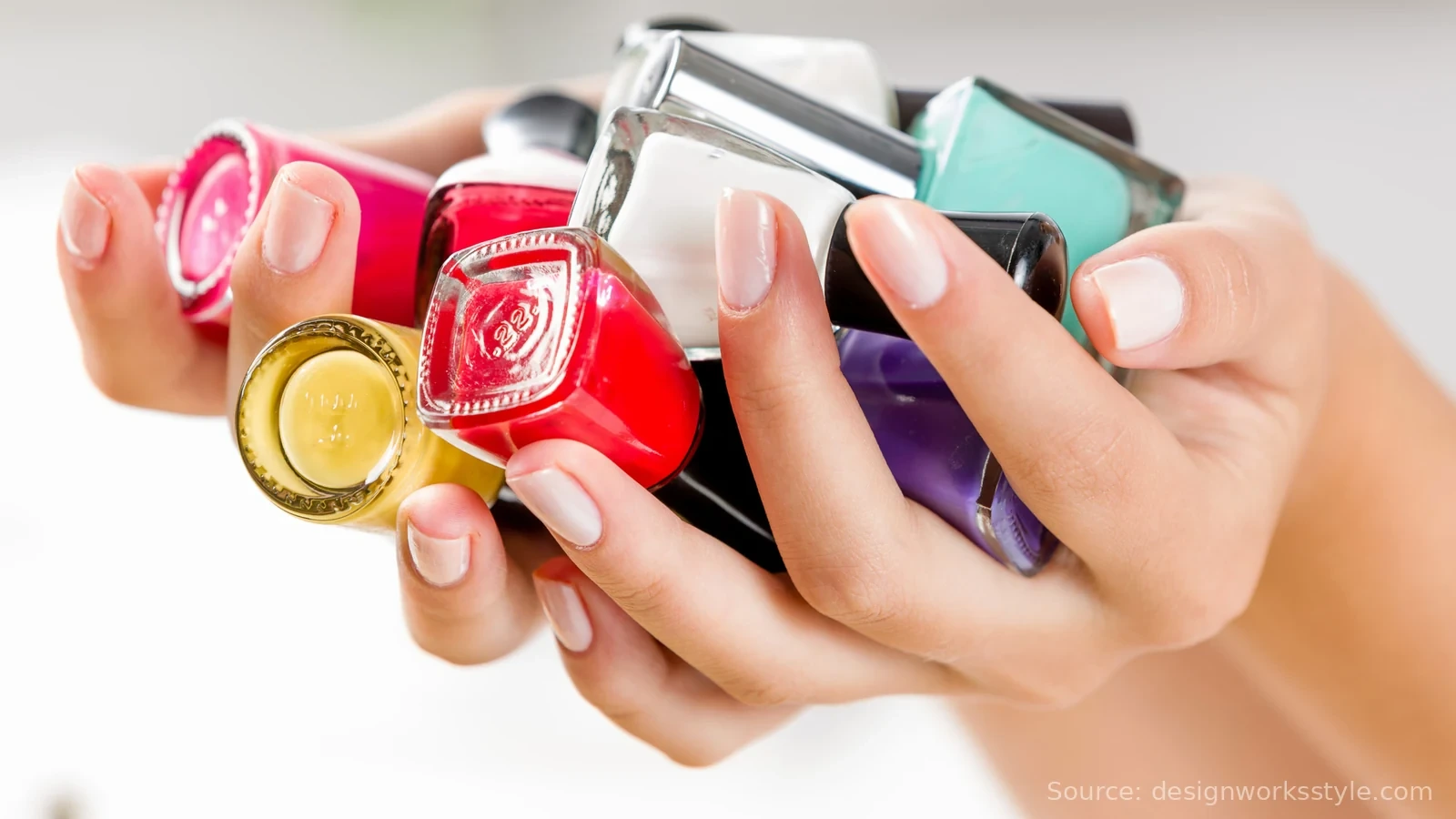
Regular polish is the classic lacquer that dries in air, lasts seven to ten days with good prep, and removes with ordinary remover in minutes. It is the cheapest option, comes in the widest color range, and needs no special equipment. It suits people who like changing colors often, do their nails at home, or want the gentlest option for their natural nails.
Application is simple: base coat, two thin color coats, top coat, and drying time. The full process takes about 30 to 45 minutes including drying, though quick dry drops cut the wait. Thin coats matter more than brand. Two thin coats outlast one thick coat every time, because thick polish never fully dries underneath and chips in sheets. Cap the free edge, meaning run the brush along the nail tip with every coat, to seal the edge where chips start.
The downsides are wear time and chipping. Regular polish chips faster than gel or dip, especially on hands that see water, cleaning, or manual work. Reapplying top coat every two to three days extends wear noticeably. Removal is the easiest part: soak a cotton pad in remover, hold it on the nail for a few seconds, and wipe. No soaking, no scraping, no damage when done gently.
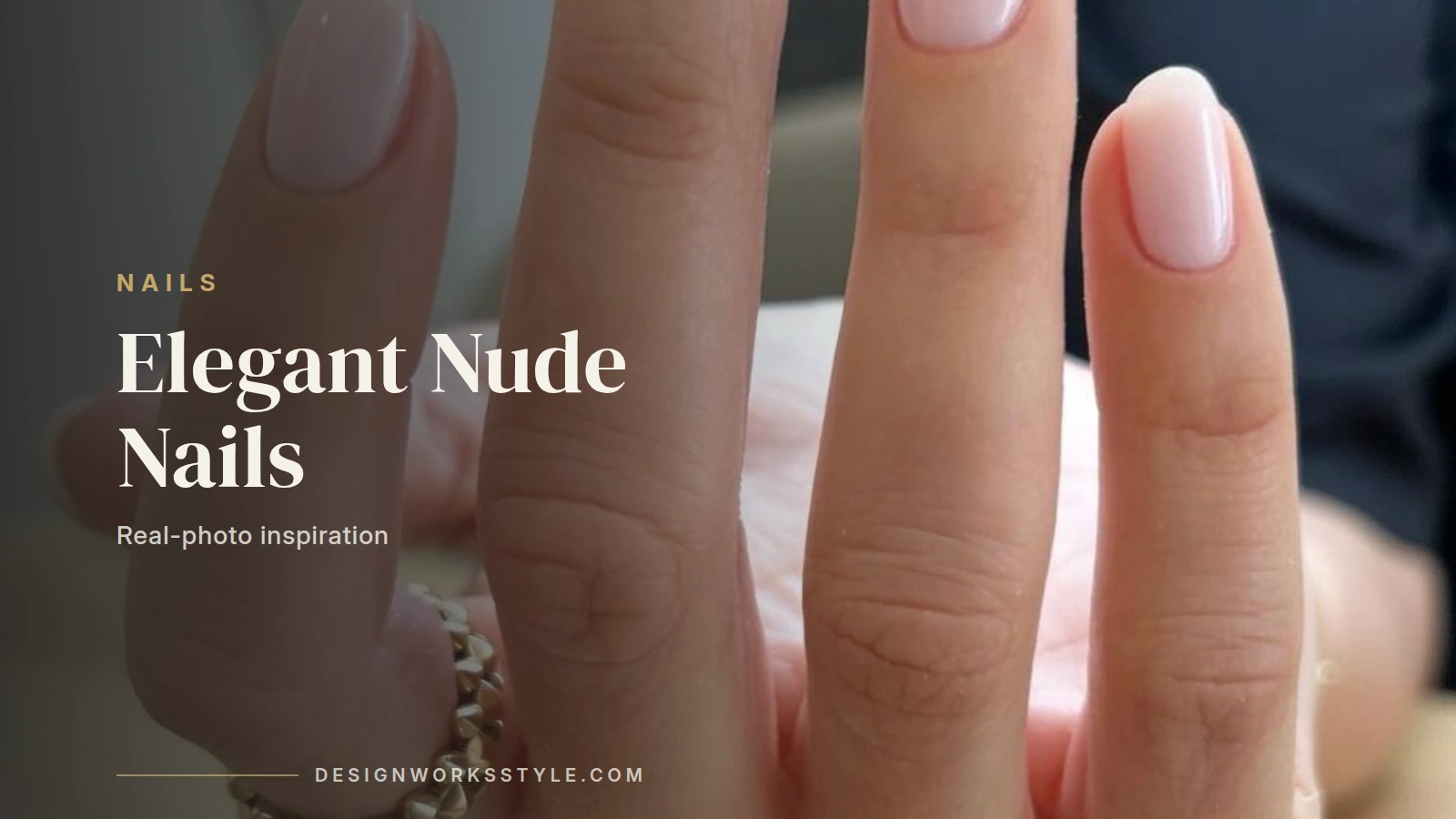
For technique that stretches regular polish to its full ten days, see our guide on how to make your manicure last longer. For designs that work well in regular polish, our simple nail designs and elegant nude nails galleries use colors and patterns that suit it.
How Does Gel Polish Work?
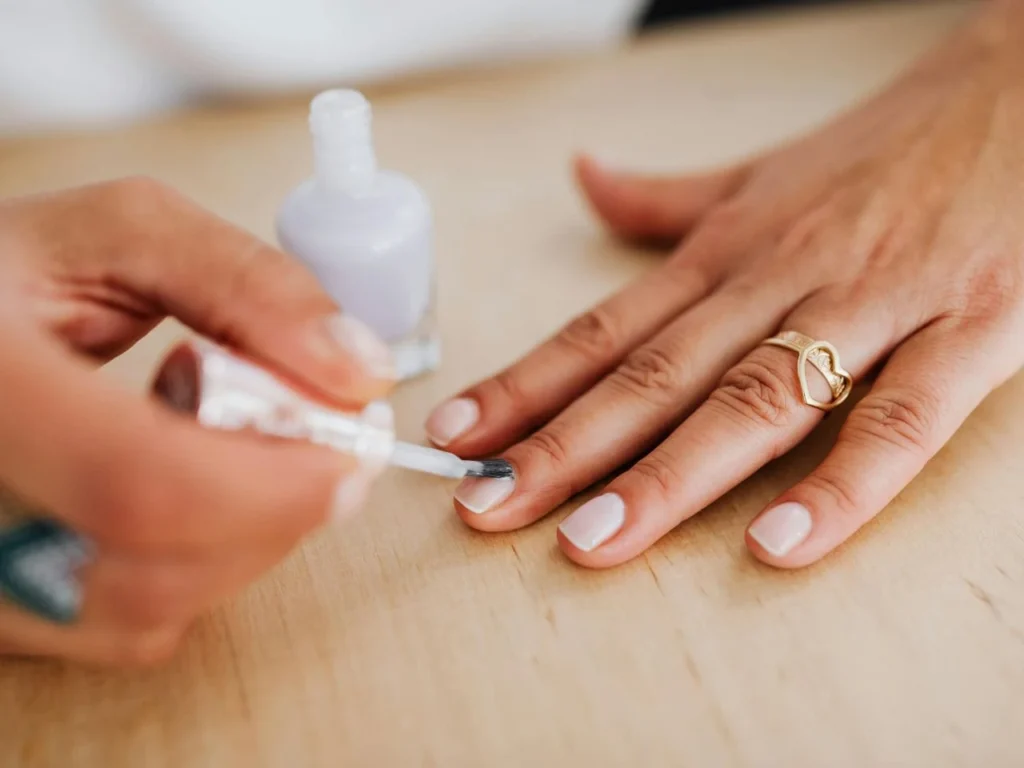
Gel polish is a liquid that hardens under UV or LED light into a tough, glossy coating that lasts two to three weeks with minimal chipping. Each coat cures in 30 to 60 seconds under an LED lamp, so the manicure is fully dry the moment you leave the chair. Gel suits people who want long wear, have hands that chip regular polish fast, or need a manicure to survive travel or an event.
The process has four steps: prep, base coat cured under the lamp, two color coats each cured, and a top coat cured. The nail plate gets a light buff before application so the gel grips, and cuticles get pushed back. The whole appointment takes 45 to 60 minutes at a salon, or longer at home while learning. Gel color ranges are wide now, though still narrower than regular polish, and finishes include glossy, matte, and glitter.
Removal is where gel causes problems. Gel must be soaked off with acetone, usually by wrapping each nail in an acetone soaked pad and foil for 10 to 15 minutes, then gently pushing the softened gel off. Picking or peeling gel off pulls nail layers with it and causes the thinning people blame on gel itself. Done properly, removal causes little damage. Done by peeling, it causes weeks of weak, peeling nails. Our guide on how to remove gel nails safely covers the soak-off method in full detail.
Gel also needs a break now and then. After two or three back to back gel manicures, a week or two bare with daily cuticle oil lets nails rehydrate and recover. Watch for signs of overuse: nails that stay thin, bend easily, or peel after removal need a longer break and gentler care.
What Is Dip Powder?
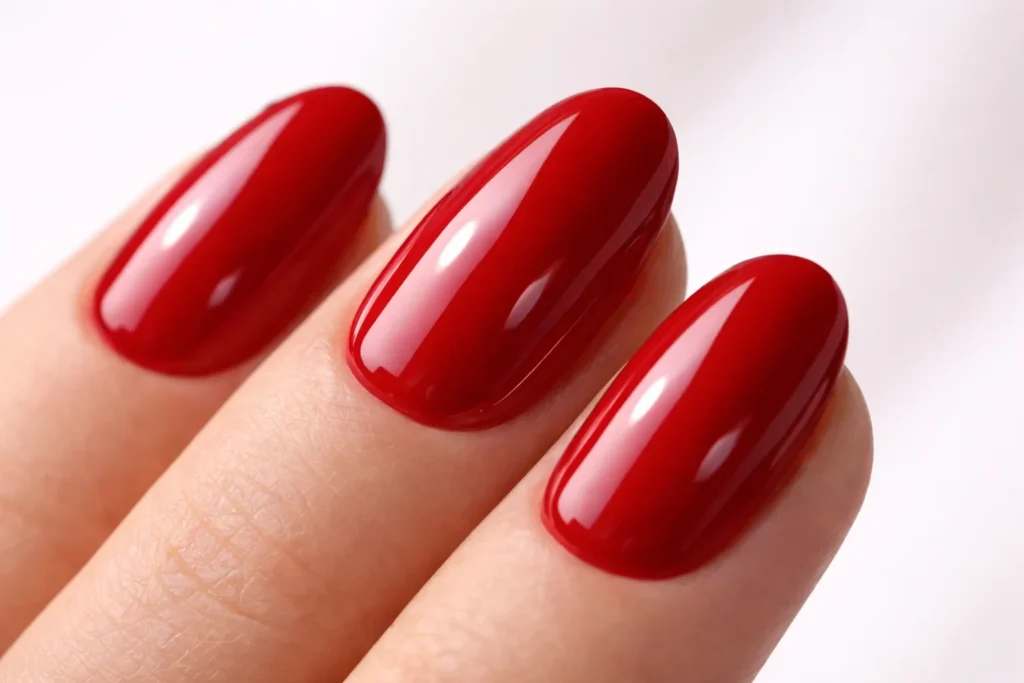
Dip powder is a colored powder that bonds to the nail with a glue-like base coat, built up in layers and sealed with an activator and top coat. It lasts three to four weeks, longer than gel, and needs no lamp. Dip suits people who want maximum durability, have nails that break easily, or want a stronger coating without extensions.
The process goes: prep, base coat on one nail, dip the nail into the powder, brush off excess, repeat for two to three layers, then activator to harden the layers, shaping, and top coat. The powder adds thickness and strength, which is why dip works well on weak nails. Colors range from nudes to glitters, and the finish looks similar to gel once sealed.
Removal takes longer than gel. Dip soaks off in acetone, usually 15 to 25 minutes, and the thick layers need gentle filing first to break the seal so acetone can reach the product. Salons sometimes use an electric file for this step, which speeds removal but can thin the nail if the technician files too far.
Hygiene is the main concern with dip. In some salons, clients dip directly into a shared jar of powder, which can transfer bacteria and fungus between clients. A clean salon pours powder over the nail or uses a separate portion per client instead of a communal jar. Ask how the salon handles this before booking. If the answer is a shared jar with no separation, choose another salon.
What Are Acrylic Nails?
Acrylics are extensions made from a liquid monomer and a powder polymer mixed into a paste, shaped over the natural nail or a form, and hardened in air. They add length and strength that no polish type can, and they last three to four weeks before needing a fill. Acrylics suit people who want long nails, have nails that will not grow past a certain length, or want a specific shape like coffin or stiletto that needs length to work.
The process takes one to two hours at a salon. The technician preps the natural nail, applies a tip or form for length, builds the acrylic over it, shapes it with a file, and finishes with polish or gel color. Acrylics can be filled as the natural nail grows out: every two to three weeks, the technician fills the gap near the cuticle and reshapes, which extends the set without full replacement.
Maintenance is the tradeoff. Acrylics need fills, they add weight that changes how your hands feel, and long lengths catch on things and break, sometimes painfully. Removal must be done by soaking in acetone, never by prying or ripping off, since forced removal tears the natural nail plate. The monomer used in acrylics has a strong smell and needs good salon ventilation, which is one reason to choose a well ventilated salon.
Acrylics also carry a higher risk of fungal problems if water gets trapped between the acrylic and the natural nail after lifting. If an acrylic edge lifts, get it fixed promptly rather than waiting for the fill appointment. A lifted edge traps moisture and creates a space where fungus grows.
What About Press-On Nails?
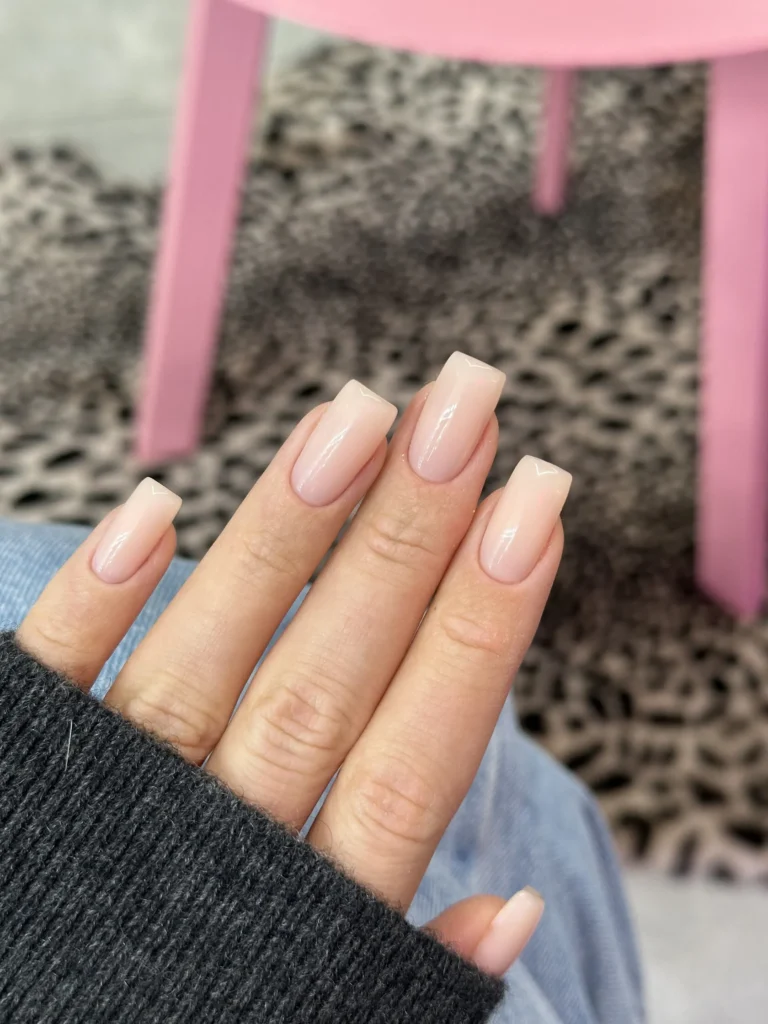
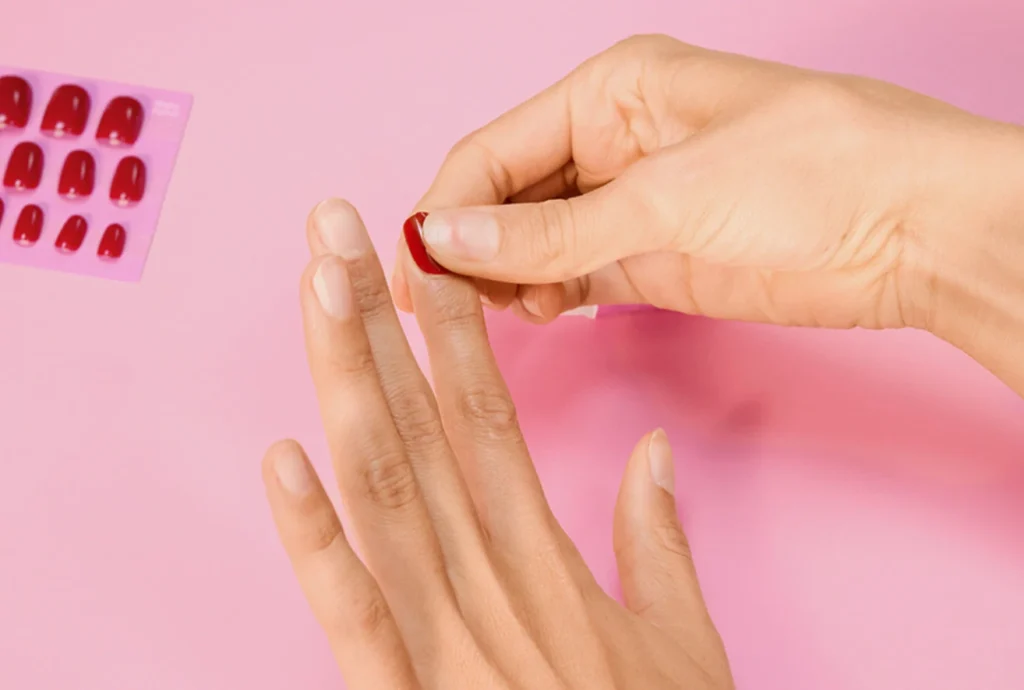
Press-ons are pre-shaped false nails, in plastic or gel material, that stick on with adhesive tabs or nail glue and last from a day to two weeks depending on the adhesive. They give instant length and design with no drying time, no lamp, and no salon visit. Modern press-ons look far better than the ones from years ago, with natural shapes, thin edges, and printed designs that mimic salon art.
Application takes 10 to 20 minutes. Size each nail to fit your natural nail, with the press-on edge sitting just inside your own nail edge. Clean the natural nail with alcohol, push cuticles back, and apply. Adhesive tabs hold for a day or two and remove cleanly, which suits a single event. Nail glue holds for one to two weeks but needs acetone soaking for removal, similar to gel.
Press-ons suit events, trying a shape before committing to extensions, and people who want a salon look without salon prices. They suit short term wear best. Worn for weeks with glue, they can trap moisture underneath and weaken the natural nail, so give nails a break between long glue-on sets. For shapes that work well as press-ons, our short nail ideas and French tip ideas show lengths and designs that translate well.
Which Nail Type Suits Your Lifestyle?
The best nail type is the one that fits how long you want it to last, how much upkeep you accept, and how gentle you need it to be on your natural nails. Regular polish wins on cost and easy removal, gel wins on wear time for natural nails, dip wins on durability, acrylics win on length, and press-ons win on speed and flexibility.
| Type | Lasts | Removal | Best for |
|---|---|---|---|
| Regular polish | 7 to 10 days | Minutes, ordinary remover | Frequent color changes, home manicures, gentle care |
| Gel polish | 2 to 3 weeks | 10 to 15 minute acetone soak | Long wear on natural nails, events, travel |
| Dip powder | 3 to 4 weeks | 15 to 25 minute acetone soak | Maximum durability, weak nails, no lamp |
| Acrylics | 3 to 4 weeks, plus fills | Acetone soak, salon recommended | Length and shapes natural nails cannot hold |
| Press-ons | 1 day to 2 weeks | Tabs peel off, glue needs soaking | Events, trying a look, instant results |
Think about your hands honestly. If you wash dishes without gloves, type all day, or work with your hands, regular polish will chip fast and gel or dip will frustrate you less. If you change your mind about color every few days, gel and dip become a chore, and regular polish or press-ons fit better. If your nails are thin or damaged, skip acrylics until they recover, and use regular polish or gel with breaks between sets.
Cost adds up differently too. Regular polish costs the least per manicure at home, and press-ons cost little per set. Salon gel and dip cost more per visit but need fewer visits. Acrylics cost the most over time because of fills and longer appointments. Over a year, home regular polish is cheapest, and salon acrylics are the most expensive option by a wide margin.
Frequently Asked Questions
Which nail type is least damaging to natural nails?
Regular polish, when removed gently with ordinary remover and worn with a base coat, causes the least damage. Gel and dip cause little damage when soaked off properly, but peeling them off damages nails badly. Acrylics carry the most risk because of their weight, fills, and removal process.
Can you switch between gel and regular polish?
Yes. After gel removal, give nails a few days bare with cuticle oil, then apply regular polish normally. The nail surface may feel slightly dry after acetone, so oil and a base coat matter more for the first regular manicure after gel.
Is dip powder safe?
Dip is safe when applied hygienically, meaning powder poured over the nail or portioned per client, not shared from a communal jar. The product itself is similar to acrylic powder. The main risks are shared jars and aggressive filing during removal, so choose the salon carefully.
How do you remove press-on nails without damage?
For adhesive tabs, peel gently from the side after soaking hands in warm soapy water for a few minutes. For glue, soak in acetone the same way as gel removal, then lift gently once the glue softens. Never rip press-ons off, since that pulls nail layers with them.
Once you pick a type, the rest is technique. Start with our nail care basics routine for healthy nails, check the nail tools guide for the kit you need, and browse chrome nail ideas for a design that shows off your chosen finish.