
Why Do Nails Go Weak?
Nails go weak when the nail plate dries out, thins from over-filing or harsh removal, or splits under repeated stress. Water, cleaning products, gel removal done badly, and constant picking all wear the nail down layer by layer, and thin nails bend and break where healthy nails flex and hold.
The nail plate is made of layers of keratin, the same protein found in hair. When those layers dry out, they separate, and the nail peels at the tip. When they are filed too thin or buffed too often, the plate loses strength and bends under normal pressure. When gel or acrylics are peeled off instead of soaked off, they lift layers of the natural nail with them, leaving a rough, thin surface that breaks easily.
Water is a quiet culprit. Nails absorb water, swell, and then shrink as they dry, and that repeated swelling and shrinking weakens the plate over time. Long baths, dishwashing without gloves, and frequent hand washing all add up. Cleaning products make it worse, since detergents strip natural oils from nails and cuticles alike.
Some weakness has a medical side. Nails that stay weak despite good care, or that change color, thicken, or develop deep ridges, are worth showing to a doctor or dermatologist. Low iron, thyroid problems, and some skin conditions can show up in nails first. Most weak nails are a care problem, but a persistent change deserves a professional look rather than another bottle of treatment.
What Daily Habits Help Nails Grow Stronger?
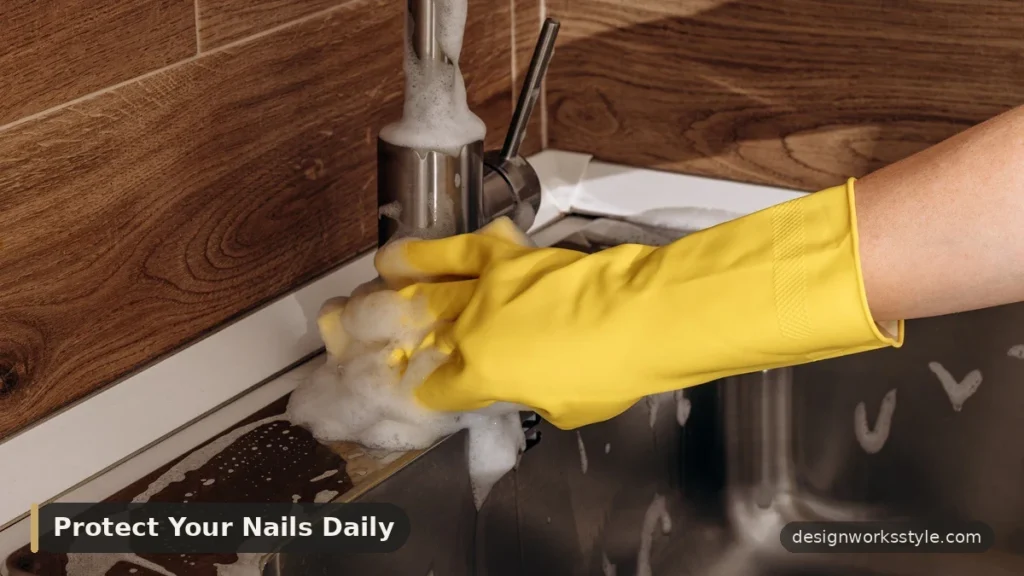
The habits that help most are simple: wear gloves for wet and dirty work, file in one direction, keep nails at a practical length, and moisturize nails and cuticles every day. None of these works overnight, but together they stop the damage that keeps nails weak.
Gloves are the easiest win. Wear rubber gloves for washing dishes and cleaning, and gardening gloves for yard work. If your hands are in water often at work, keep a spare pair of gloves nearby and a hand cream at the sink.
Filing technique matters more than the file you buy. File in one direction, from the side toward the center, with a fine-grit file, and stop when the edge feels smooth. Sawing back and forth frays the tip and starts splits that travel down the nail. Keep nails at a length that suits your daily life. Long nails look lovely, but if they catch on keyboards, pockets, and zippers all day, they will keep breaking. Shorter nails with a smooth edge often grow out stronger because they survive long enough to do so.
Moisture is the daily habit that changes nails most. Apply cuticle oil or a plain hand cream to nails and cuticles at least once a day, and twice in dry weather. Oil sinks into the nail plate and the skin around it, which keeps both flexible. Gentle cuticle care, pushing cuticles back rather than cutting them, avoids skin breaks that invite infection and weaken the nail area.
Stop using nails as tools. Opening cans, scraping labels, and prying at packaging put force on the tip, where the nail is thinnest. Keep a small tool, a key, or a coin handy for those jobs instead. It sounds minor, but clients who break this one habit often see fewer breaks within a few weeks, because the nail finally gets a chance to grow past the weak point.
That five-minute daily routine is the core of nail care basics: wash hands with a mild soap, dry them fully, apply oil or cream to nails and cuticles, and file any rough edge before it catches and tears.
Does Diet Really Affect Nail Strength?

Diet affects nails when it is missing something nails need, mainly protein, iron, and a few vitamins, but no single food fixes weak nails on its own. A balanced diet with enough protein gives nails the building blocks to grow, and fixing a real deficiency helps more than any supplement taken without one.
Protein comes first, because nails are made of it. Eggs, fish, chicken, beans, lentils, yogurt, and nuts all supply it. A diet very low in protein over months can slow nail growth and leave nails thin, though most people who eat varied meals get enough. If you have cut out whole food groups, make sure protein is still covered in what you eat.
Iron matters for a smaller group: people with low iron, often from heavy periods or a diet low in red meat and leafy greens, can develop spoon-shaped or brittle nails. If your nails are weak and you feel tired, pale, or short of breath, ask a doctor for a blood test before buying iron pills. Iron supplements help when iron is low and can cause harm when it is not, so testing comes first.
Biotin gets the most attention in nail products, and the picture is mixed. Biotin is a B vitamin found in eggs, nuts, seeds, and sweet potatoes, and most people get enough from food. Supplements may help nails in people with a true deficiency, which is uncommon, and the evidence for stronger nails in people with normal levels is weak. A varied diet beats a single supplement for most readers, and a doctor can advise if you are considering a high dose.
Water counts too, though not in the way ads suggest. Drinking enough keeps skin and nails from drying out from the inside, but it does not rescue nails that are soaked in dishwater and stripped by detergent every day. Diet supports nail growth. Daily protection decides whether that new growth survives.
Which Treatments and Oils Actually Help?
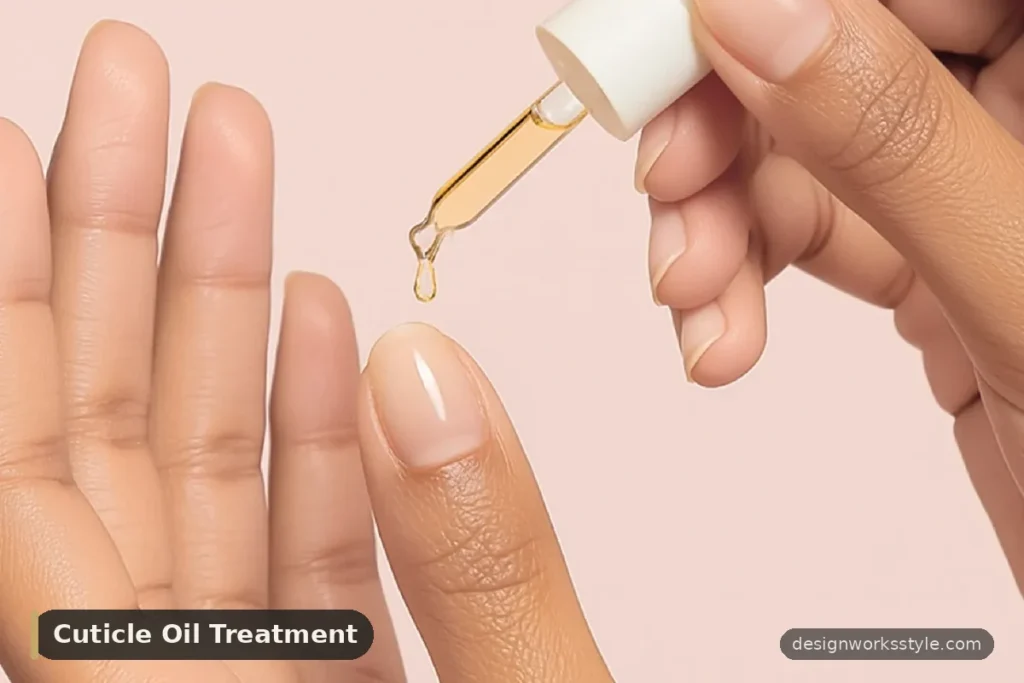
The treatments that help most are simple ones: cuticle oil with jojoba or vitamin E, a plain nail strengthener used for a few weeks, and a moisturizing soak for very dry nails. Skip products that promise instant repair, since nail plate damage grows out rather than healing in place.
Cuticle oil is the workhorse. Jojoba oil suits nails well because it soaks in rather than sitting on top, and vitamin E oil adds moisture for dry cuticles. Apply a drop to each nail, massage it into the nail plate and the skin around it, and let it sink in before washing your hands. Once a day is enough for most people, and twice a day helps in winter or after gel removal.
Nail strengtheners can help for a short period, especially when nails are peeling or splitting at the tip. Look for a strengthener that forms a light, flexible coat rather than a hard, rigid one, since rigid coats can make brittle nails snap instead of flex. Use it as directed, usually for two to three weeks, then stop and let nails breathe. A strengthener that you layer on for months without a break can dry nails out and make the problem worse.
For very dry nails, a weekly soak helps. Warm olive oil or jojoba oil for ten minutes, once a week, softens the plate and the cuticles. Wipe off the excess and apply hand cream after. This is a good recovery step after gel removal, when nails feel rough and thin, and removing gel nails safely by soaking off, then following with oil, lets them recover without further damage.
Tools matter as much as treatments. A fine-grit glass or emery file, a soft buffer used lightly, and clean clippers do less damage than a coarse metal file or a rough buffer used weekly, so choosing the right nail tools and keeping them clean helps your routine strengthen nails instead of wearing them down.
What Should You Avoid While Nails Recover?
While nails recover, avoid peeling off polish or enhancements, over-buffing, harsh removers, and constant water and detergent exposure. Each of these strips layers from the nail plate or dries it out, and recovery stalls when that damage keeps repeating week after week.
Peeling is the worst habit. Gel, dip, and acrylics bond to the nail surface, and peeling them lifts nail layers with them. Always soak off gel and dip, and have acrylics removed by a technician if you cannot soak them off safely at home. The ten minutes of soaking saves weeks of regrowth.
Acetone is useful but drying. Use it only when you need to remove gel or stubborn polish, and follow it with oil and hand cream right away. For regular polish, a gentler remover works fine and leaves nails less dry. If you wear polish constantly, leave nails bare for a few days between manicures so you can see their real condition and let them breathe, and choose from the different nail polish types by what fits that condition rather than fighting it.
Buffing deserves restraint. A light buff smooths ridges, but weekly buffing thins the plate steadily. Buff only when the surface truly needs it, with a soft buffer, and stop as soon as the nail feels smooth. The same goes for filing: a smooth edge once a week beats daily filing that never lets the tip settle.
When you do book a salon service while nails recover, choose carefully. A technician who soaks off properly, files gently, and refuses to cut cuticles aggressively protects your nails better than one who works fast, and weighing a gel versus regular manicure on durability against nail health matters most when nails are already weak.
Frequently Asked Questions
How long does it take for weak nails to get stronger?
Expect eight to twelve weeks before you see a clear change, since a fingernail takes about that long to grow from cuticle to tip. You may notice fewer breaks sooner, because protection and moisture help the existing nail right away. Real strength shows when the new growth, cared for from the start, reaches the tip.
Do nail strengtheners work, or are they a waste of money?
They can help for a few weeks when nails are peeling or splitting, by adding a flexible coat that holds the tip together. They do not repair the nail plate itself, and layering them for months can dry nails out. Use one for two to three weeks during recovery, then stop, and rely on oil, gentle filing, and protection for the long term.
Should I stop wearing nail polish while my nails recover?
A break helps, but it does not need to be total. Regular polish with a base coat can actually protect nails from water and knocks, as long as you remove it gently and leave nails bare for a few days between manicures. What hurts recovery is gel or acrylics peeled off, constant acetone use, and polish worn without a break for months.
When should I see a doctor about weak nails?
See a doctor if nails stay weak despite months of good care, or if you notice color changes, thickening, deep ridges, swelling around the nail, or nails lifting from the bed. These signs can point to a skin condition, a nutrient deficiency, or another health problem that home care cannot fix. Bring a note of what you have tried, so the visit starts from your actual routine.
Protect nails from water and chemicals, oil them daily, file gently, and give new growth time. That routine, kept up for a few months, does more for weak nails than any single product.