
How to Remove Gel Nails Safely Without Damaging Your Natural Nails
Safe gel removal means soaking the gel off with acetone until it lifts on its own, never peeling or forcing it. The soak-off method takes 15 to 25 minutes, needs only acetone, cotton, foil, and a wooden stick, and leaves natural nails intact. This guide covers the steps, the mistakes to avoid, and the aftercare that restores nails after gel.
Why Does Proper Gel Removal Matter So Much?
Gel bonds tightly to the nail plate, so removing it the wrong way pulls off layers of natural nail along with the gel. That is what causes the thin, weak, peeling nails people blame on gel polish itself. Proper soaking dissolves the bond so the gel slides off, and the natural nail underneath stays whole. The difference between soaked-off gel and peeled-off gel is weeks of recovery time.
A nail plate has layers, and each peel removes some of them. One bad removal leaves nails thin and bendy. Repeated peeling leaves nails that split at the slightest pressure and take months to grow out, since a fingernail needs about six months to replace itself fully. The damage is not permanent, but it is slow to fix, which is why 20 minutes of soaking beats a week of regret.
Proper removal also protects the skin around the nail. Peeling gel often tears the cuticle area, creating small wounds that invite infection. Soaking avoids that entirely, since nothing gets pulled or torn. If your nails feel thin after gel, the cause is almost always the removal method, not the gel product, and changing how you remove it fixes the problem for the next set.
What Is the Soak-Off Method Step by Step?
The soak-off method uses acetone to dissolve gel in stages: file the top coat, soak each nail in acetone with cotton and foil, wait, then push the softened gel off gently and repeat if needed. The whole process takes 15 to 25 minutes for ten nails, and patience is the main skill it requires.
Gather your supplies first: pure acetone (not regular nail polish remover, which is too weak), cotton pads or balls, aluminum foil cut into ten squares, a wooden orange stick or a soft pusher, a nail file, and cuticle oil. Work in a ventilated room, since acetone fumes are strong, and keep acetone away from open flames. Protect your table with an old towel, since acetone damages some surfaces.
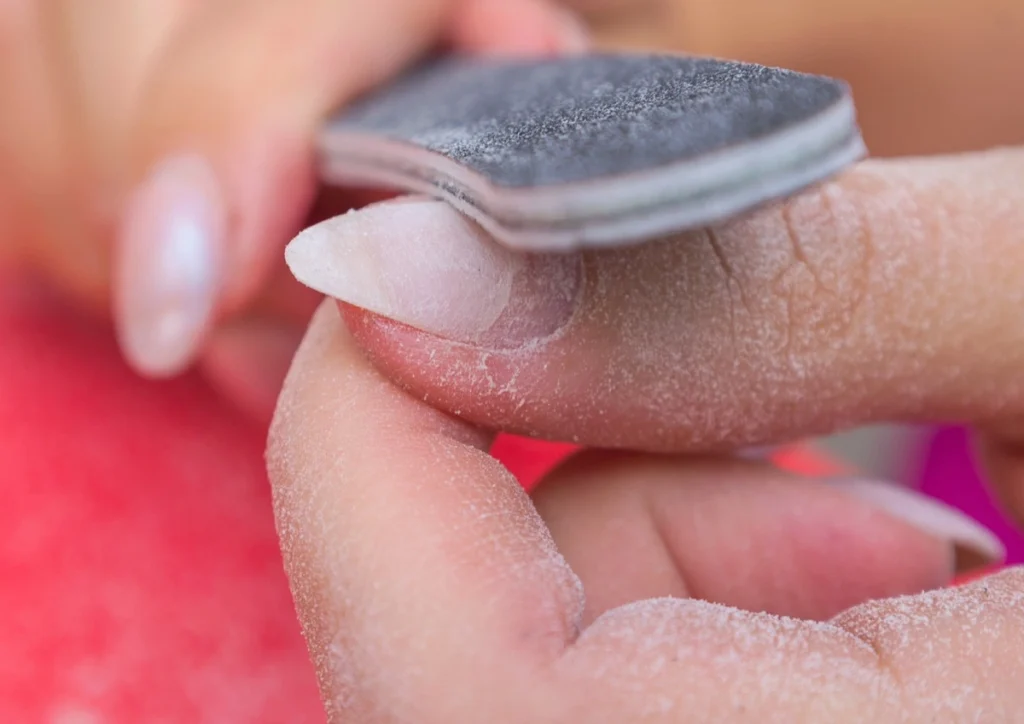
Step one is filing. Use a coarse file to gently buff the shiny top coat off each nail. You only need to break the seal, not file through the color. Stop when the surface looks dull instead of glossy. This step matters because top coat blocks acetone, and skipping it doubles the soak time. Do not file into the color layer deeply or down to the natural nail.
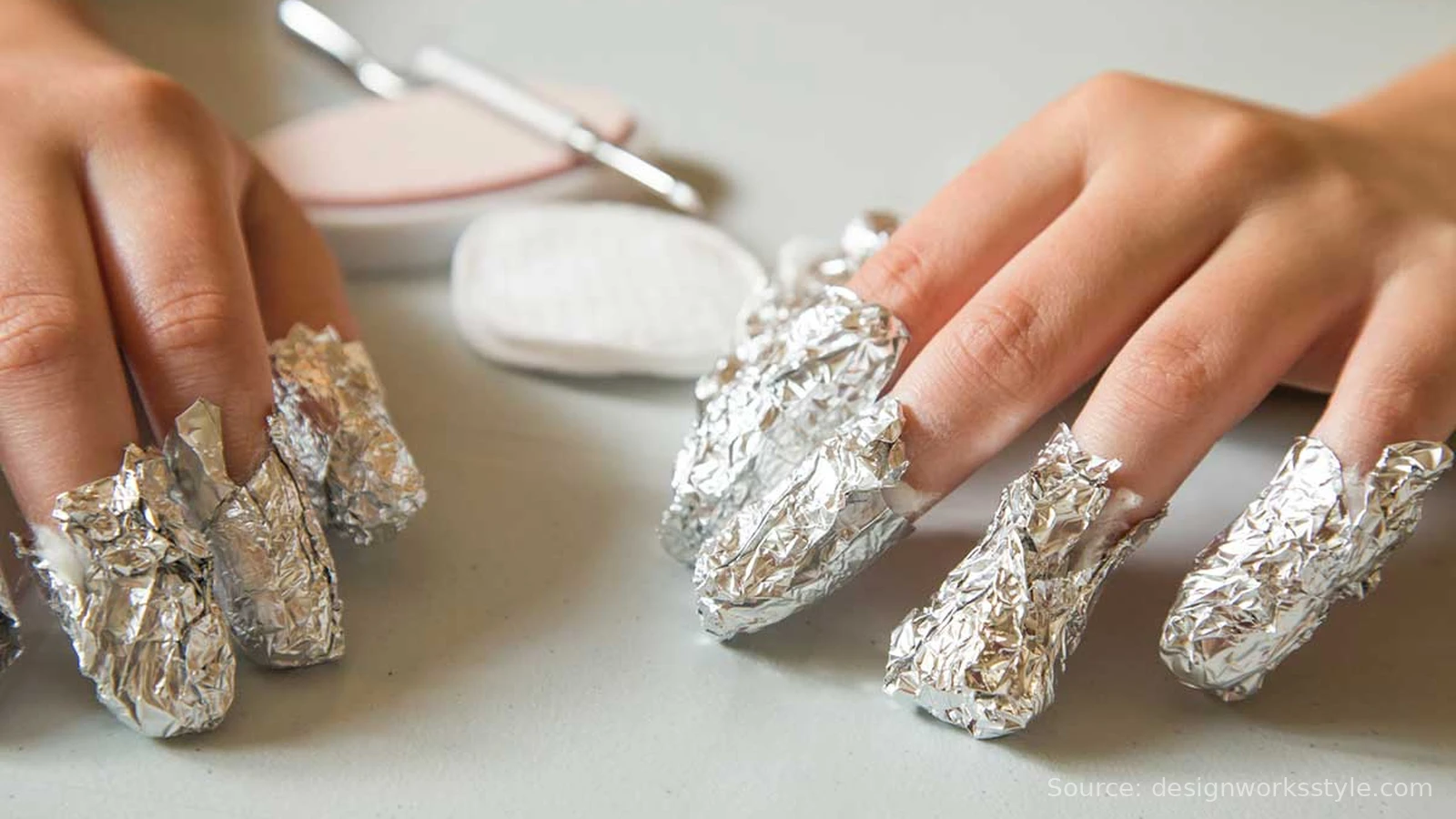
Step two is soaking. Soak a piece of cotton in acetone, place it on the nail, and wrap the fingertip tightly in foil to hold it in place and keep the acetone from evaporating. Do all ten nails, then wait 10 to 15 minutes. For thick gel or multiple layers, wait the full 15 minutes. Check one nail by unwrapping it: the gel should look cracked, wrinkled, or lifted at the edges. If it still looks solid, rewrap and wait five more minutes.
Step three is removal. With the wooden stick, push the softened gel gently from the cuticle toward the tip. It should flake or slide off in pieces. If a section resists, do not force it. Rewrap that nail with fresh acetone cotton for five more minutes and try again. Forcing gel off is exactly how nails get damaged, so treat resistance as a sign to soak longer, not push harder.
Step four is cleanup. Once all gel is off, wash hands with soap and warm water to remove acetone residue. Buff very lightly with a fine buffer only if the nail surface feels rough, and stop at the first sign of smoothness. Apply cuticle oil generously and massage it into each nail and the surrounding skin. Your nails will look dull and feel dry right after removal, which is normal and fades with a few days of oil.
An alternative to foil wraps is soaking fingertips directly in a small bowl of acetone for 10 to 15 minutes. This works, but it dries the skin more than wraps do, and it uses more acetone. If you use a bowl, apply petroleum jelly to the skin around each nail first to limit dryness, and wash thoroughly afterward. Foil wraps are the better default for most people.
What Should You Never Do When Removing Gel?
Never peel, pick, bite, or pry gel off, and never use a metal tool to scrape it. Peeling is the fastest way to damage nails, since gel takes nail layers with it. Biting adds saliva and bacteria to the torn surface and risks infection. Scraping with a metal pusher gouges the nail plate. All of these feel faster than soaking, and all of them cost weeks of recovery.
Do not use regular nail polish remover for gel. Regular remover contains a small amount of acetone diluted with other ingredients, and it barely softens gel, which tempts people to peel after a failed soak. Pure acetone is the only home product that dissolves gel reliably. It costs little and is sold at drugstores and beauty supply stores.
Do not soak longer than needed in hopes of speeding things up. Acetone dries skin and nails, and soaking for 40 minutes does not remove gel faster than 15 minutes plus a second short soak for stubborn spots. Long soaks leave nails drier and skin cracked, which makes aftercare harder. If gel resists after two soaks, file the surface lightly again and soak once more, rather than extending a single soak indefinitely.
Do not file gel off entirely with a coarse file or an electric file at home. Filing through gel to the natural nail is easy to overdo, and one slip removes nail layers or creates heat that burns the nail bed. Electric files belong in trained hands. At home, file only the top coat, then let acetone do the rest.
Do not reapply gel immediately after a damaging removal. If nails are thin, peeling, or sore, they need a break before the next set. A week or two of bare nails with daily oil restores more strength than any product applied over damaged nails.
How Do You Care for Nails After Gel Removal?
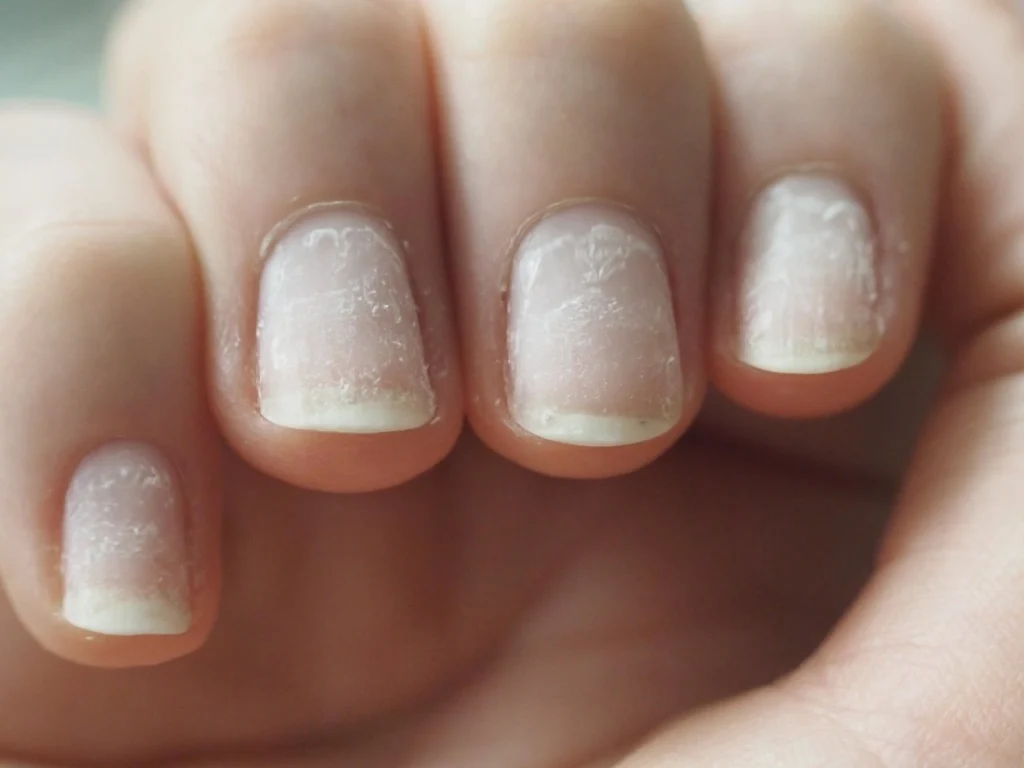
Post-gel care means moisture, gentle handling, and a short break before the next manicure. Apply cuticle oil twice a day, keep nails short while they recover, wear gloves for wet work, and use a base coat under any polish. Most nails feel normal within a week and look fully recovered within two to four weeks.
Start with oil. Acetone strips moisture from nails and skin, so the first days after removal are the driest. Apply cuticle oil morning and night, and hand cream after washing hands. Jojoba based oils absorb well, but any cuticle oil beats none. Keep a bottle by your bed so the night application becomes a habit.
Keep nails short for the first week or two after removal. Short nails break less, which matters while the nail plate is still recovering its full thickness. File edges smooth in one direction, and avoid sharp corners that catch. If you want polish during the break, use regular polish with a base coat, not gel, since regular polish removes easily and gives nails a rest from acetone soaking.
A nail strengthener can help during recovery, but use it carefully. Apply it as a base coat under polish or alone for a week, then stop once nails feel firm again. Used every day for months, hardeners make nails rigid and prone to snapping, so treat them as a short term bridge, not a permanent routine.
Watch for signs that nails need more time. If nails stay thin, bend easily, or peel at the tips after two weeks of steady care, extend the break and keep oiling. If nails are painful, discolored, or lifting from the bed, see a dermatologist rather than covering the problem with another manicure. For the full routine that keeps nails healthy between sets, our nail care basics guide covers daily habits and the weekly reset.
When Should You Get Gel Removed Professionally?
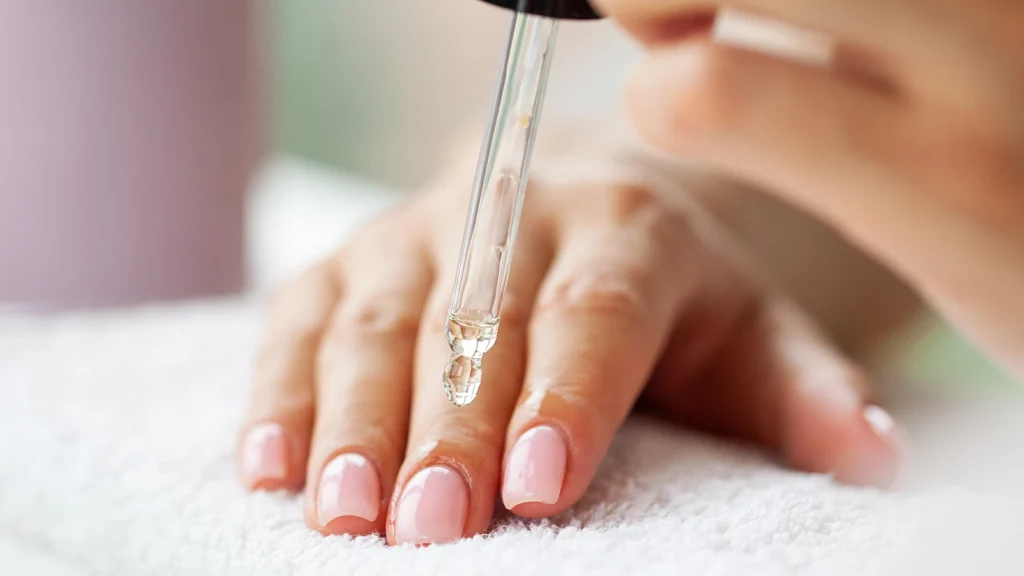
Professional removal makes sense when gel is very thick, when you have extensions under the gel, when nails are already damaged, or when home soaking fails twice. A salon has stronger acetone, professional wraps, and experience with stubborn sets, and the visit takes 20 to 30 minutes. If you are unsure about your nails, a professional removal costs less than fixing damage from a bad home attempt.
Book a removal appointment rather than a fill if your nails hurt, if gel has lifted in places and trapped moisture underneath, or if you notice discoloration under the gel. A technician can see the nail surface after removal and tell you whether it looks healthy or needs a break. A good salon will also tell you honestly when nails need rest instead of selling you another set.
Choose a salon that soaks gel off rather than filing it off with an electric file. Ask how they remove gel before booking. If the answer is filing only, or if they suggest peeling, choose another salon. Proper salons use the same soak method described here, with professional grade wraps and acetone.
For choosing a salon you can trust, our nail tools guide explains what clean tools and proper technique look like. For designs to try once your nails recover, our simple nail designs and short nail ideas suit nails kept at a practical length.
Frequently Asked Questions
Can you remove gel nails without acetone?
Not safely at home. Gel only dissolves in acetone, and methods that claim to remove gel without it usually involve peeling, filing, or hot water, all of which damage nails. If you cannot use acetone, have a salon remove the gel, since they can soak it off quickly and safely.
How long should you wait between gel sets?
Most nails handle back to back gel sets fine when removal is done properly. After two or three sets in a row, a break of one to two weeks with daily oil keeps nails in good shape. If nails feel thin or peel after removal, extend the break until they feel firm again.
Does gel ruin your nails permanently?
No. Gel itself does not cause permanent damage. Damage comes from peeling gel off, over-filing, or skipping breaks when nails are already thin. Nails grow out fully in about six months, so even badly damaged nails recover with time and steady care.
Why does gel sometimes lift after a week?
Lifting usually comes from prep, not the product. Oily nail beds, polish on the cuticle, or a missed top coat seal all cause lifting. If gel lifts on multiple nails, the application needs adjusting. If one nail lifts, it may have caught on something. Do not peel a lifted edge, since that tears the nail. Soak the nail off and redo it.
Safe removal is a habit, not a trick. Soak, wait, push gently, and oil afterward, and gel stays a long lasting option instead of a damaging one. For the routine that keeps nails strong between sets, see our nail care basics and how to make your manicure last longer guides.