
Matte Nails: How to Get the Finish Right
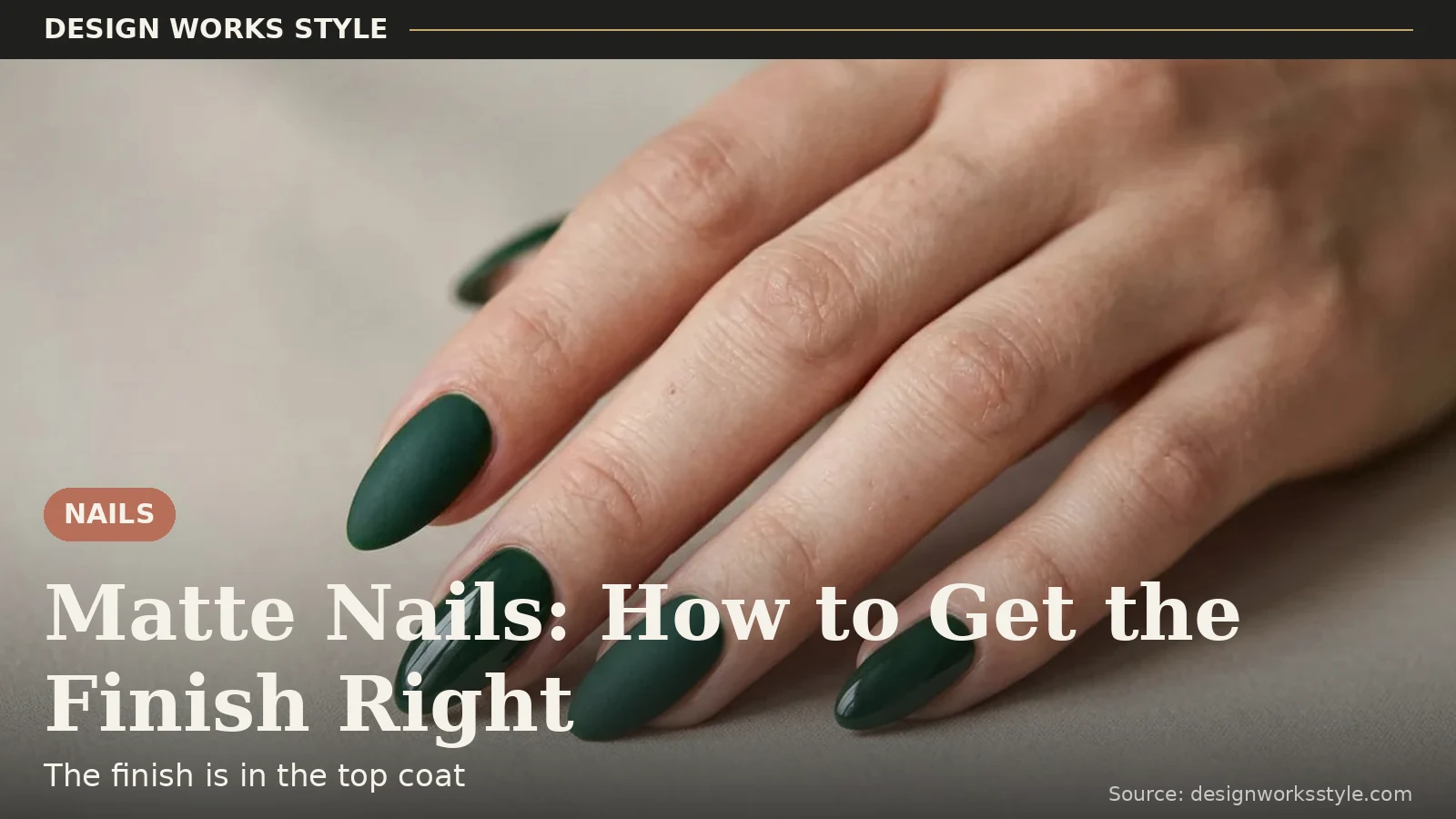
Matte nails have a soft, flat finish with no shine. The colour underneath stays the same. A matte top coat changes how light bounces off the surface, so the nail looks velvety instead of glossy. Get it right with a thin, even coat over a smooth nail and a full cure for gel.
What Are Matte Nails?
Matte nails are nails with a flat, shine-free finish. The colour underneath can be any shade, from a deep bordeaux to a pale nude. What makes it matte is the top coat. A matte top coat has tiny particles that scatter light in many directions, so the surface looks soft and velvety.
Gloss bounces light back in one clean sheet, so the nail looks wet and bright. The colour below does not change. A forest green stays forest green, but it reads deeper and quieter without the shine.
That is why matte is a finish, not a colour family. Any shade can go matte, and any system can take it. The differences between nail polish types come down to formula and wear, and the finish sits on top of whichever one you choose.
Which Route Should You Pick: Matte Top Coat, Matte Gel, or Matte Polish?
Pick the route that matches the system already on your nails. A matte top coat over regular polish suits a normal manicure. A matte gel top coat suits a gel manicure and needs curing under a lamp. A matte polish straight from the bottle suits someone who wants the finish in one step and does not wear gel.
A matte top coat over regular polish is the simplest route. Paint your colour and let it dry fully, then add one thin matte coat. It dries on its own, with no lamp, and lasts as long as the polish underneath it.
A matte gel top coat is the route for gel manicures. It goes over cured gel colour and needs its own cure, 30 to 60 seconds under an LED lamp or 2 minutes under a UV lamp. Some formulas leave a sticky layer after curing. Wipe it off with a lint-free pad and a little alcohol, and the flat finish shows through.
A matte polish straight from the bottle skips the top coat step. The polish dries matte on its own. It wears like regular polish, so it chips at the same rate.
Dip and acrylic sets take a matte top coat too. Once the set is shaped and smooth, a regular matte top coat goes over the top. If the set was built with gel products, a gel matte top coat works the same way. Pick the top coat that matches what is already on the nail.
How Do You Apply a Matte Top Coat So It Comes Out Even?
Apply one thin, even coat and cap the free edge, then cure fully if it is gel. A thin coat dries flat and smooth. A thick coat pools at the sidewalls, wrinkles as it dries, and leaves ridges that catch the light. Pale shades show every uneven patch, so an even coat matters most on nudes and pastels.
File and buff the nail smooth before you paint. Matte shows every ridge, dip, and rough patch, because there is no shine to hide behind. A basic nail care routine that covers filing, buffing, and cleaning gives the coat a flat surface to sit on.
Load the brush lightly and paint one thin coat from the cuticle to the free edge. Stop just short of the cuticle so the coat does not pool against the skin. Cap the free edge by running the brush along the tip, which seals the colour and slows chipping. If it is gel, cure it fully before you touch anything.
Tilt the nail under a light when the coat is dry. A missed spot stays shiny against the flat finish around it. Add a little more top coat to that spot and cure it again if it is gel. Two thin coats beat one thick coat every time.
A streaky finish means the top coat went on uneven, or the nail was not buffed smooth enough. Glossy patches mean the gel was under-cured, or oil sat on the nail before painting. Bubbling means the coat was too thick, or the top coat is low quality. Each problem points to the coat, not the colour.
Why Do Matte Nails Turn Shiny, and How Do You Bring the Finish Back?
Matte nails turn shiny because oil and rubbing fill in the fine texture that scatters light. Hand cream, cuticle oil, and the natural oil from your skin all settle into that texture. Typing and pockets polish the tips first, so the free edge is usually the first part to shine.
The fix is simple. Wash your hands with soap and warm water, then dry them well. The soap lifts the oil out of the texture. For a faster fix, wipe the nail with a lint-free pad and a little alcohol. Use a pad, not cotton wool, since cotton leaves lint behind.
Keep cuticle oil on the skin around the nail, not on the plate. Oil feeds the cuticle, but it fills the matte texture the moment it touches the nail. Put the oil on, rub it into the skin, then wipe the nail plate clean with a dry pad. That keeps the cuticle soft and the finish flat at the same time.
Which Colours Suit Matte Best?
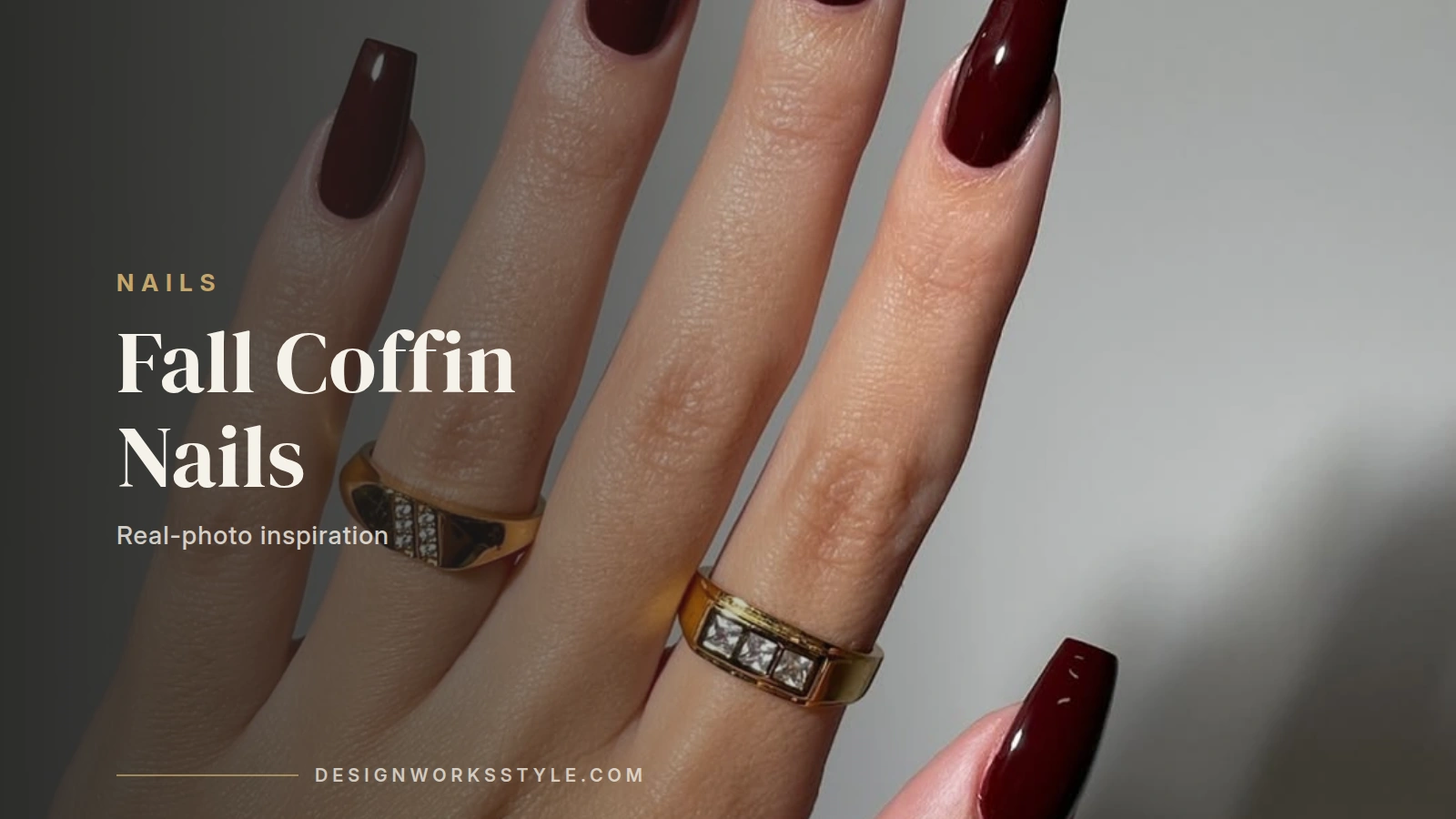
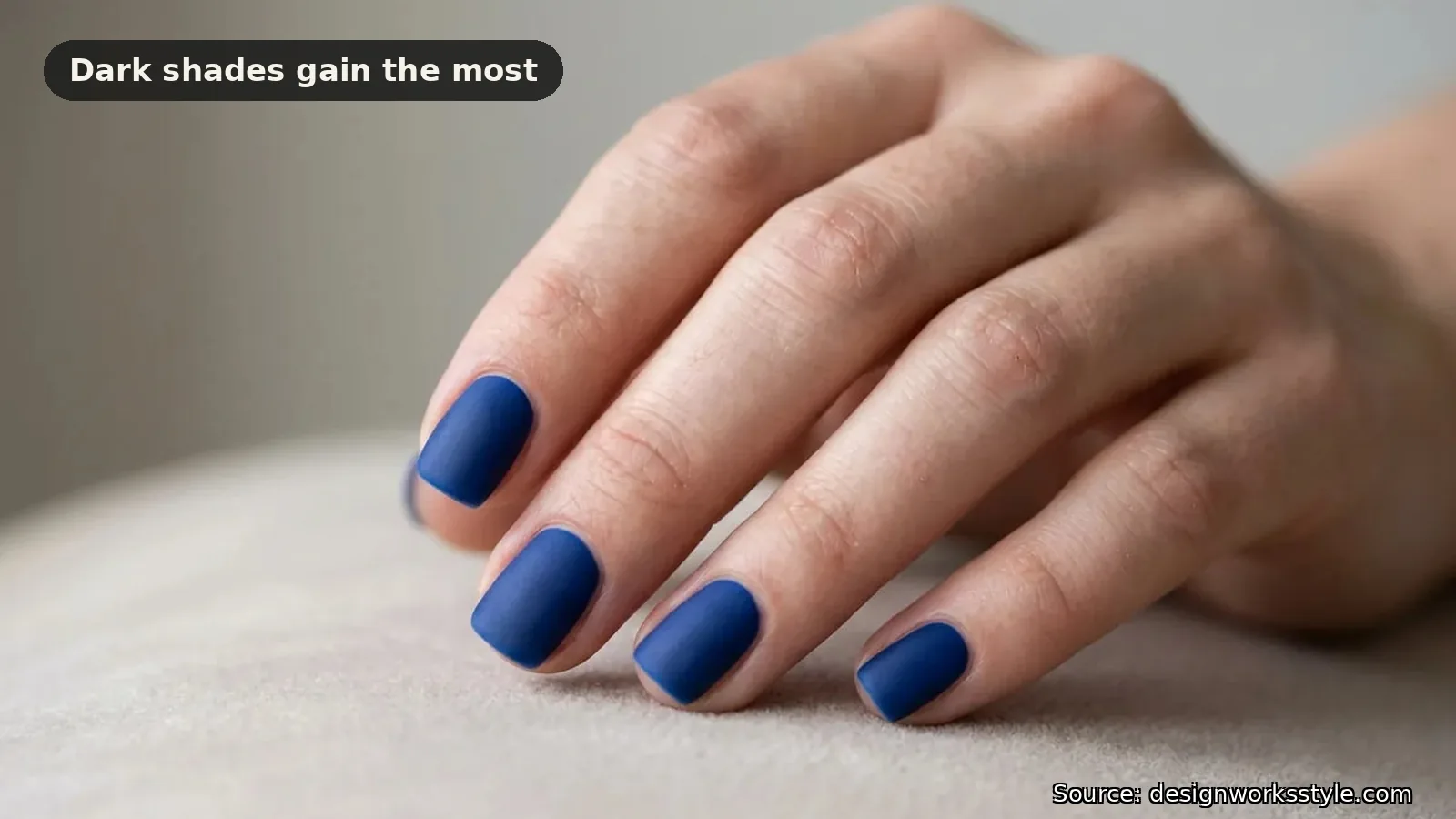
Dark, saturated shades gain the most from matte. Bordeaux, forest green, sapphire, cocoa, and plum all look deeper and softer with the shine taken off. Greys and taupes come next. Pale nudes and pastels still work, but they show oil marks and friction shine sooner, so they need more upkeep.
Sapphire and other deep blues are a good example. Matte takes the glare off a strong colour and leaves the depth behind. Bordeaux, forest green, cocoa, and plum behave the same way, and these are the shades to reach for first if you have never worn matte.
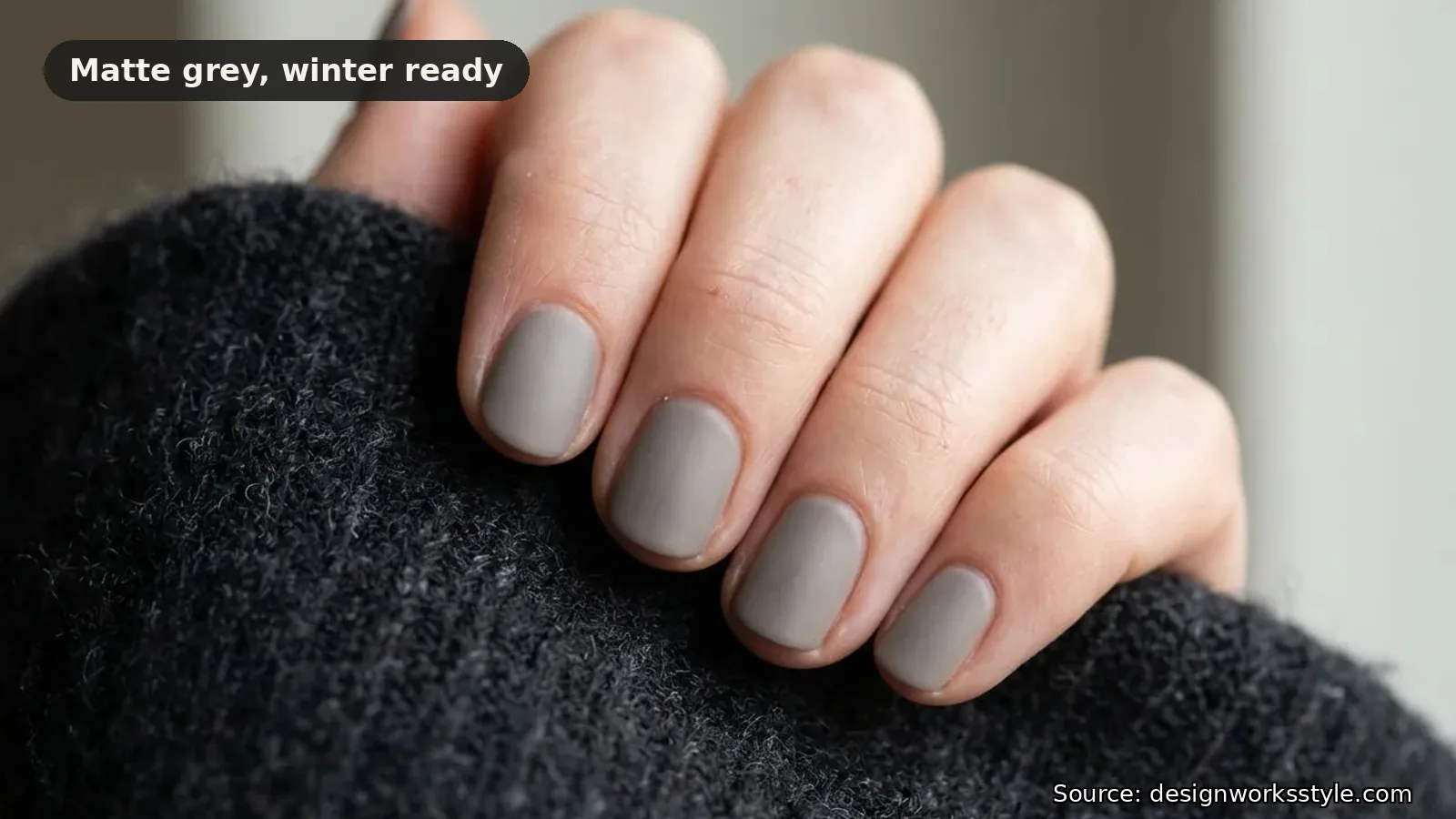
Greys and taupes sit in the middle. A warm grey reads soft and quiet in matte, and it pairs well with knitwear and dark coats in winter. Taupe is the safer pick of the two for work.
Pale nudes and pastels need more care. They show oil marks fast, and the tips go shiny sooner than on a dark shade. Keep a lint-free pad and a little alcohol nearby, and wipe the nails when the shine starts to show. If you want a pale matte that lasts, keep the nails short.
Do Matte Nails Work Better Short or Long?
Short nails are the easiest to keep matte. Less nail means less surface rubbing against pockets, keyboards, and fabric. Long almond or coffin nails rub more, and the free edge goes shiny first. If you wear your nails long, wipe the tips with alcohol every few days to bring the flat finish back.
The shape matters too. Almond and coffin shapes carry more length past the fingertip, and nail shapes decide how much of the nail catches on pockets, keyboards, and fabric through the day. Length is still the bigger factor.
Short nails need less upkeep. They hold the matte finish for the full wear of the manicure, and a quick wipe every few days is usually enough. Long nails need the same wipe more often. If the tips shine and the rest of the nail still looks flat, the finish is wearing normally, and a wipe brings it back.
What Mixed-Finish Looks Work With Matte?
The looks that work best use gloss as an accent on a matte base. A glossy French tip on a matte base, glossy drops or thin lines on matte, and one hand matte with one hand glossy all play on the contrast between the two finishes. The contrast is the whole point, so keep the glossy part small and neat.
A glossy French tip on a matte base is the easiest mixed look to get right. Paint the whole nail matte, let it cure or dry, then paint a thin glossy tip in the same colour. The tip catches the light while the rest of the nail stays flat.
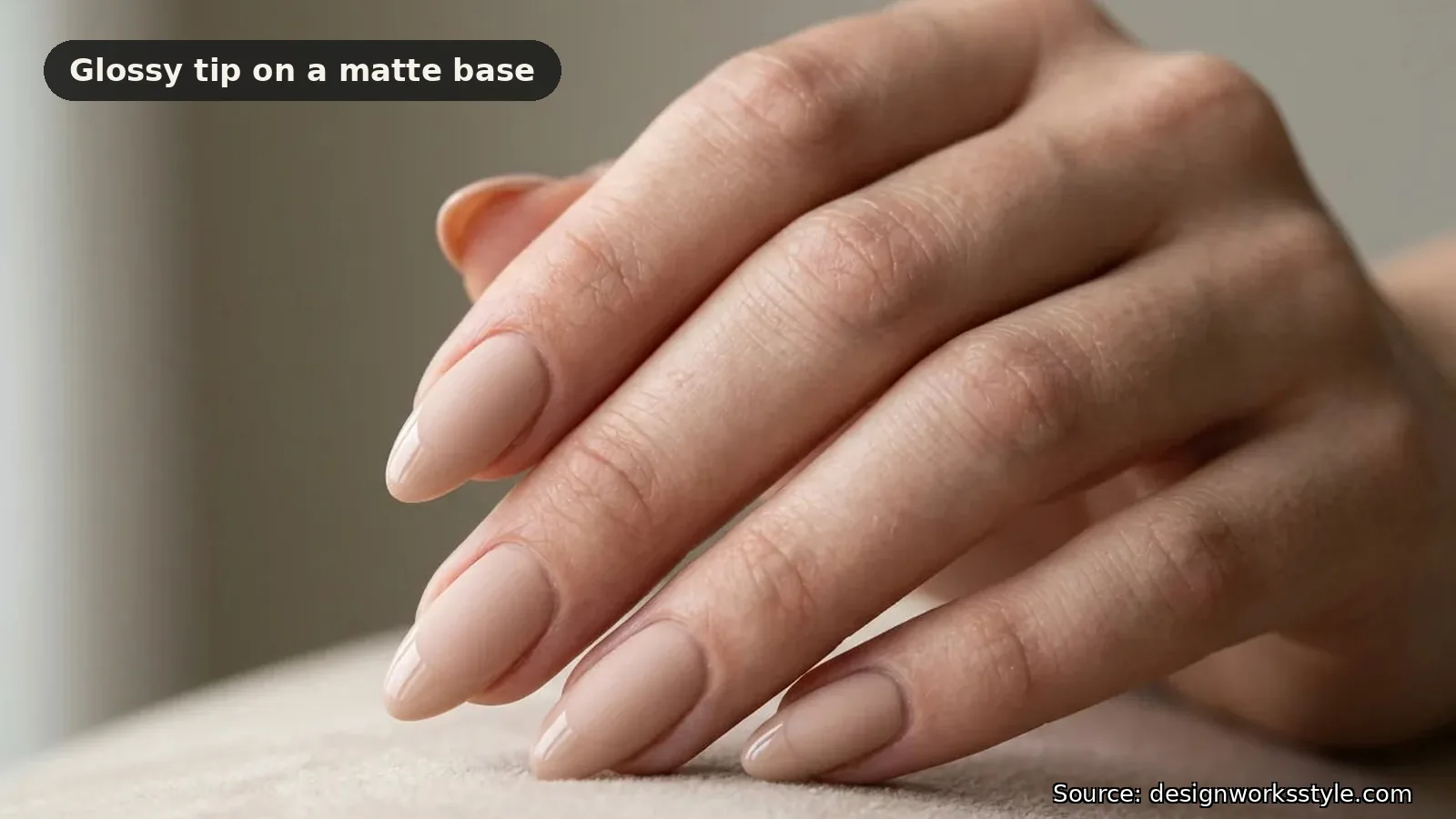
Glossy drops and thin lines work the same way. A few small drops of glossy top coat on a matte cocoa nail read as water beads. Thin glossy lines over a matte base give a clean graphic look. Keep the glossy marks small and spaced out.
One hand matte and one hand glossy is a good test before you commit to a full matte set. If you decide you want gloss back, cleanse the nails with alcohol, then paint one glossy no-wipe top coat over the cured matte layer. The gloss sits on top, and the matte layer stays put underneath.
Which DIY Shortcuts Should You Skip?
Skip the shortcuts. Steam and cornstarch can dull a glossy coat, but the finish comes out uneven and wears off fast. Buffing a glossy coat to make it matte thins the nail plate. A matte top coat is the cheaper fix in the end, since one bottle lasts through many manicures.
Steam is the shortcut people try first. Hold a freshly painted glossy nail over steam and the heat dulls the shine. The finish comes out patchy and wears off within a day. It suits a photo, not a manicure you plan to wear.
Cornstarch mixed into polish is worse. The powder clumps in the polish, so the coat dries lumpy and uneven. The finish looks patchy from the start and wears off fast.
Buffing a glossy coat matte is the riskiest of the three. A buffer takes the shine off, but it also thins the nail plate a little each time. Do it often and the nail gets weak and peels. A matte top coat gives the same look without touching the nail plate, so there is no reason to buff for it.
Frequently Asked Questions
How long do matte nails last?
A matte manicure lasts as long as the polish system underneath it. Regular polish wears for a few days, gel for two weeks or more, and the matte top coat wears at the same rate. The shine at the tips changes first, where rubbing polishes the texture flat.
A wipe with alcohol brings the flat finish back, and a fresh thin coat of matte top coat restores it fully. When the colour starts to chip at the free edge, the manicure is done, matte or not.
Can you put a matte top coat over any colour?
Yes. A matte top coat works over any colour, from a deep plum to a pale nude, and over regular polish, gel colour, and dip or acrylic sets. With regular polish, wait until the colour is fully dry before you add the matte coat, or the brush will drag the colour. With gel, cure the colour first, then add the matte coat and cure it too.
Why are my matte nails shiny at the tips?
The tips rub against more than the rest of the nail. Typing, pockets, and fabric polish the fine matte texture flat, starting at the free edge, and oil from your hands and hand cream adds to it. Wash with soap and warm water, or wipe the tips with a lint-free pad and a little alcohol, and the flat finish comes back.
Can you go back to glossy after matte?
Yes. Cleanse the nails with alcohol to take off any oil, then paint one glossy no-wipe top coat over the cured matte layer. The gloss sits on top of the matte, so you do not need to remove the matte coat first. One coat is enough.
Image sources: Photos here come from real photographers and stock photo libraries. For the full list of image sources, visit our sources page.