
To paint a room, prep first (clear, clean, repair, tape), then paint in this order: ceiling, walls, trim. Cut in the edges with an angled brush, roll the walls in overlapping W-pattern strokes, and plan on two coats. Most of the work is preparation. The painting itself goes fast once the room is ready.
A freshly painted room is the cheapest transformation in home improvement. One weekend, a few gallons, and the whole space feels different. But the difference between a paint job that looks professional and one that looks DIY is rarely the paint. It is the prep work most people skip and the order most people ignore.
What Do You Need to Paint a Room?
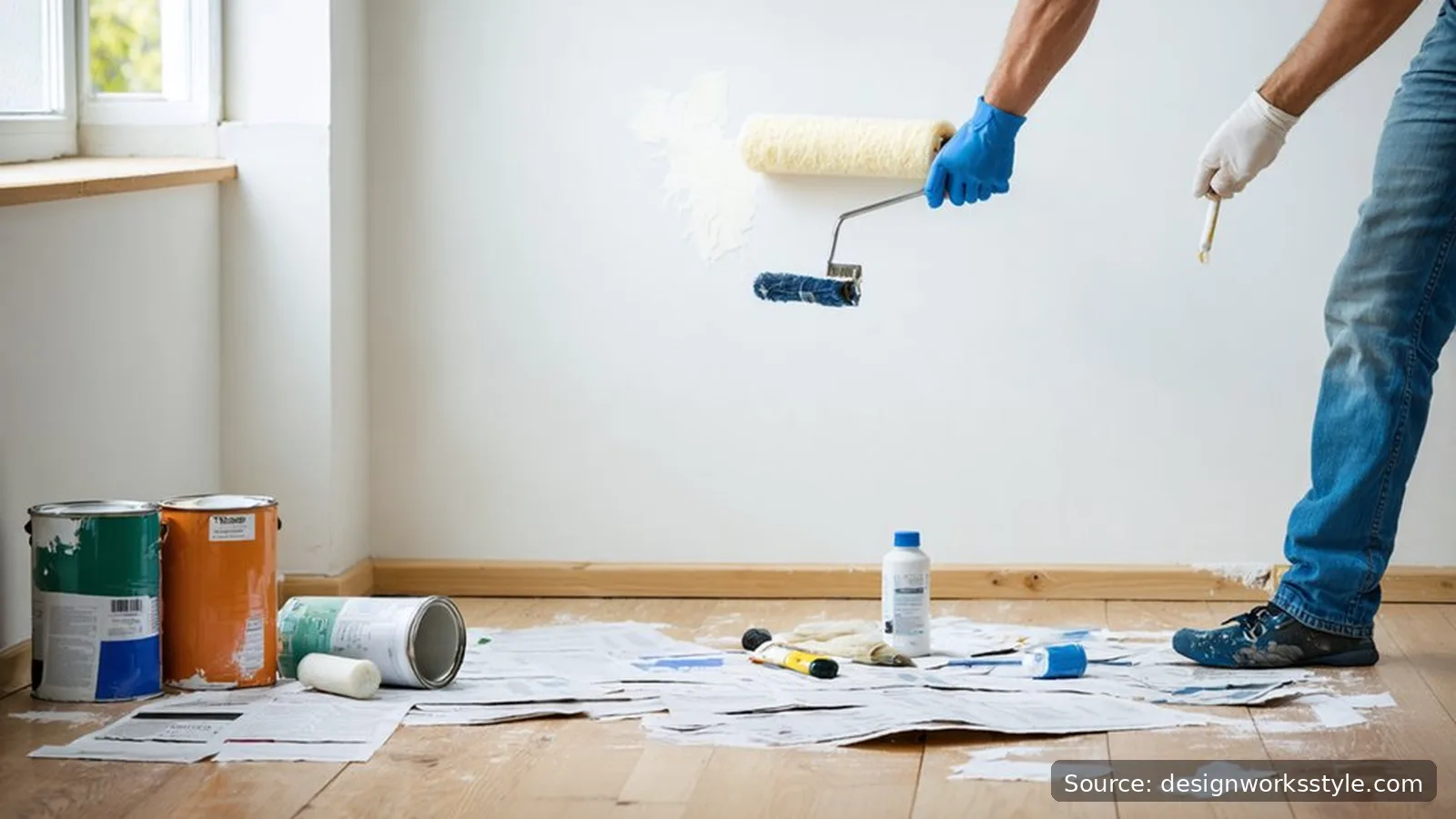
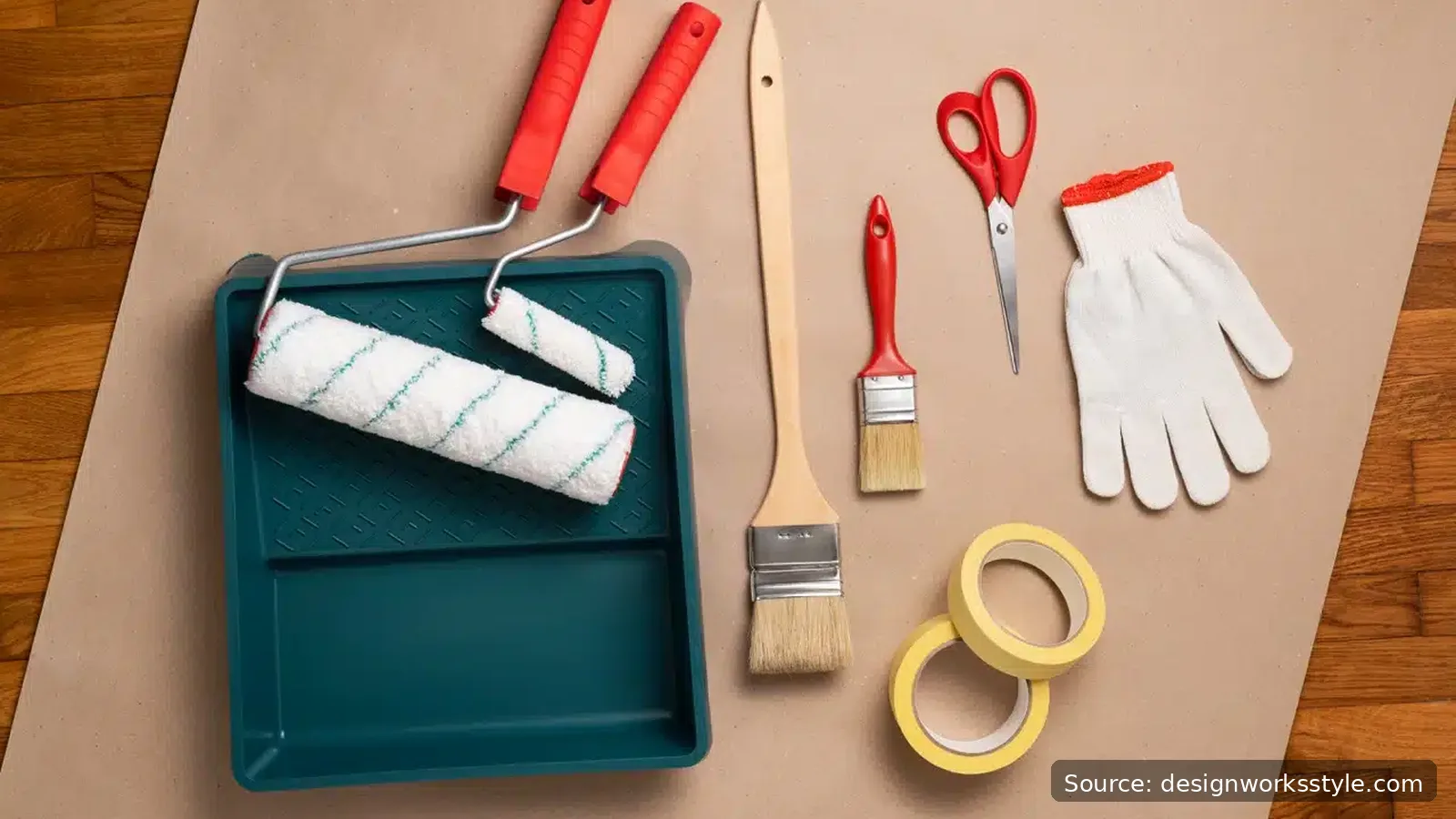
You need paint (about one gallon per 350 square feet per coat), a 9-inch roller frame with 3/8-inch nap covers, a 2.5-inch angled sash brush, a roller tray with liners, painter’s tape, drop cloths, a putty knife, spackle, sandpaper, and a sturdy step stool. Buy one extra roller cover. They wear out faster than you expect, and a worn cover leaves texture differences you will see in daylight.
On paint itself: for walls, a mid-grade latex (water-based) paint in eggshell or satin is the right choice for most rooms. Flat hides imperfections but scuffs easily. Semi-gloss belongs on trim and doors, not walls, unless you enjoy seeing every roller mark. Primer is not optional on bare drywall, patched spots, or dramatic color changes. It is optional when you are repainting a similar color over paint in good shape.
How Do You Prep a Room for Painting?
Move furniture to the center and cover it, remove outlet and switch covers, curtain hardware, and anything on the walls. Clean the walls with a damp cloth or TSP substitute if they are greasy (kitchens especially). Fill nail holes and dents with spackle, let it dry, sand smooth, and wipe the dust off. Then tape: edges of trim, window frames, and the ceiling line if you are not painting the ceiling.
Two prep details people get wrong. First, press the tape down firmly with a putty knife along its edge. Loose tape lets paint bleed underneath, which defeats the purpose. Second, do not tape the carpet. Run a wide drop cloth under the baseboards instead and tuck it tight. Tape on carpet pulls up fibers and never seals well anyway.
What Is the Right Order to Paint a Room?
Paint top to bottom: ceiling first, then walls, then trim and baseboards last. This order exists because of drips. Ceiling work drips onto walls, wall work drips onto trim, and each step covers the last step’s mistakes. Painting the trim first and the walls second means cutting in around trim you already finished, which is backwards and slow.
If you are not painting the ceiling, tape its edge and start with the walls. Within the walls, do one wall at a time: cut in the edges, then roll that wall before the cut-in dries. Working wall by wall keeps a wet edge, which is what prevents the lap marks that make amateur paint jobs visible.
How Do You Cut In Edges and Corners?
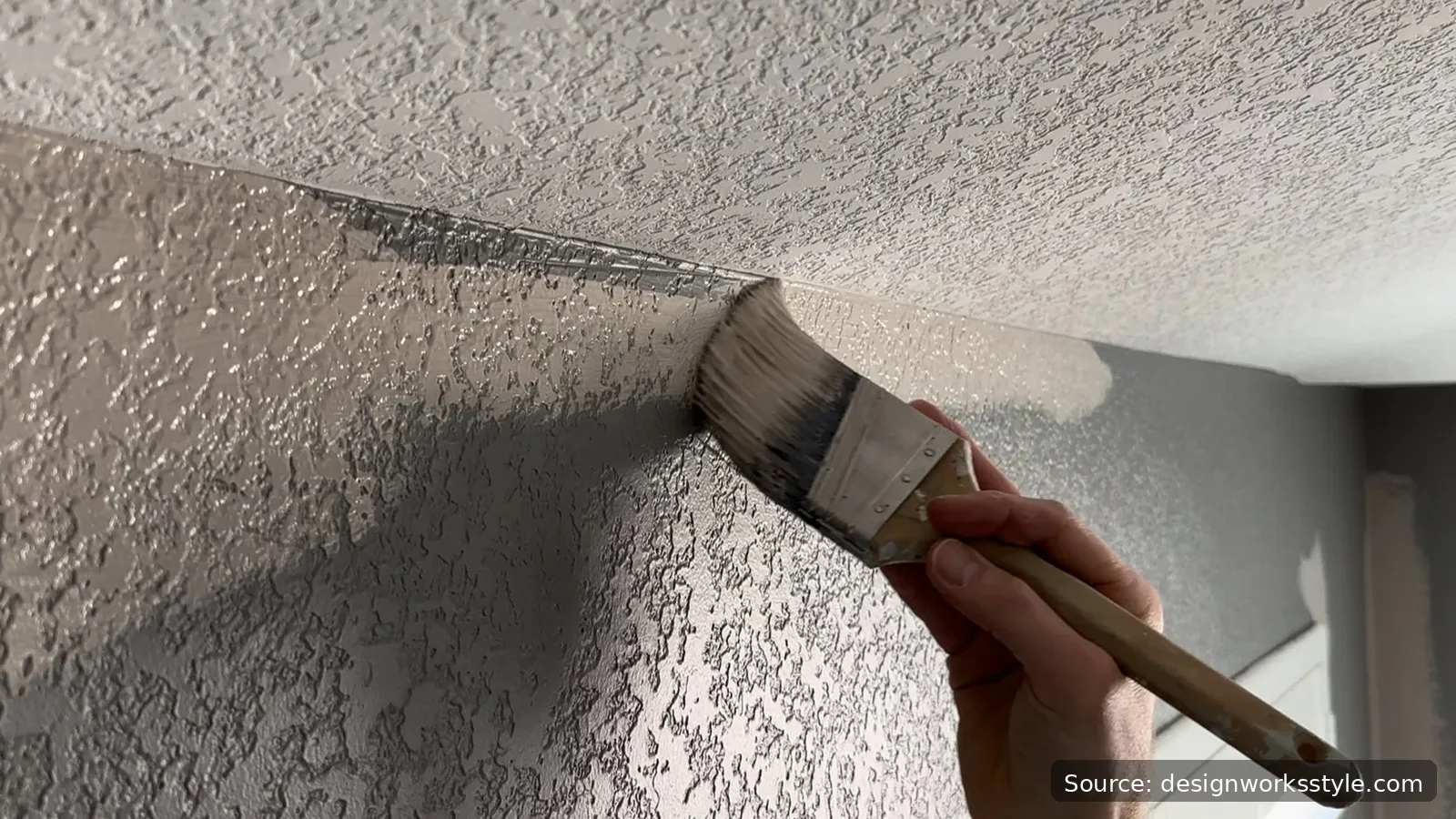
Load about a third of the angled brush, tap off the excess (do not wipe it on the rim), and draw a straight line about an inch from the edge. Then come back and push the paint to the edge in smooth strokes. The two-pass method, line first then fill, gives you a steadier hand than trying to ride the edge in one go. Corners get the same treatment on both sides before you roll.
Do not use tape as a crutch for cutting in if you can avoid it. Tape is for protecting trim, not for painting straight lines on walls. A practiced cut-in line is faster than taping, painting, and peeling, and it looks just as clean once you have done it twice. Your first wall will be shaky. Your fourth will be fine.
How Do You Roll Walls Without Streaks?
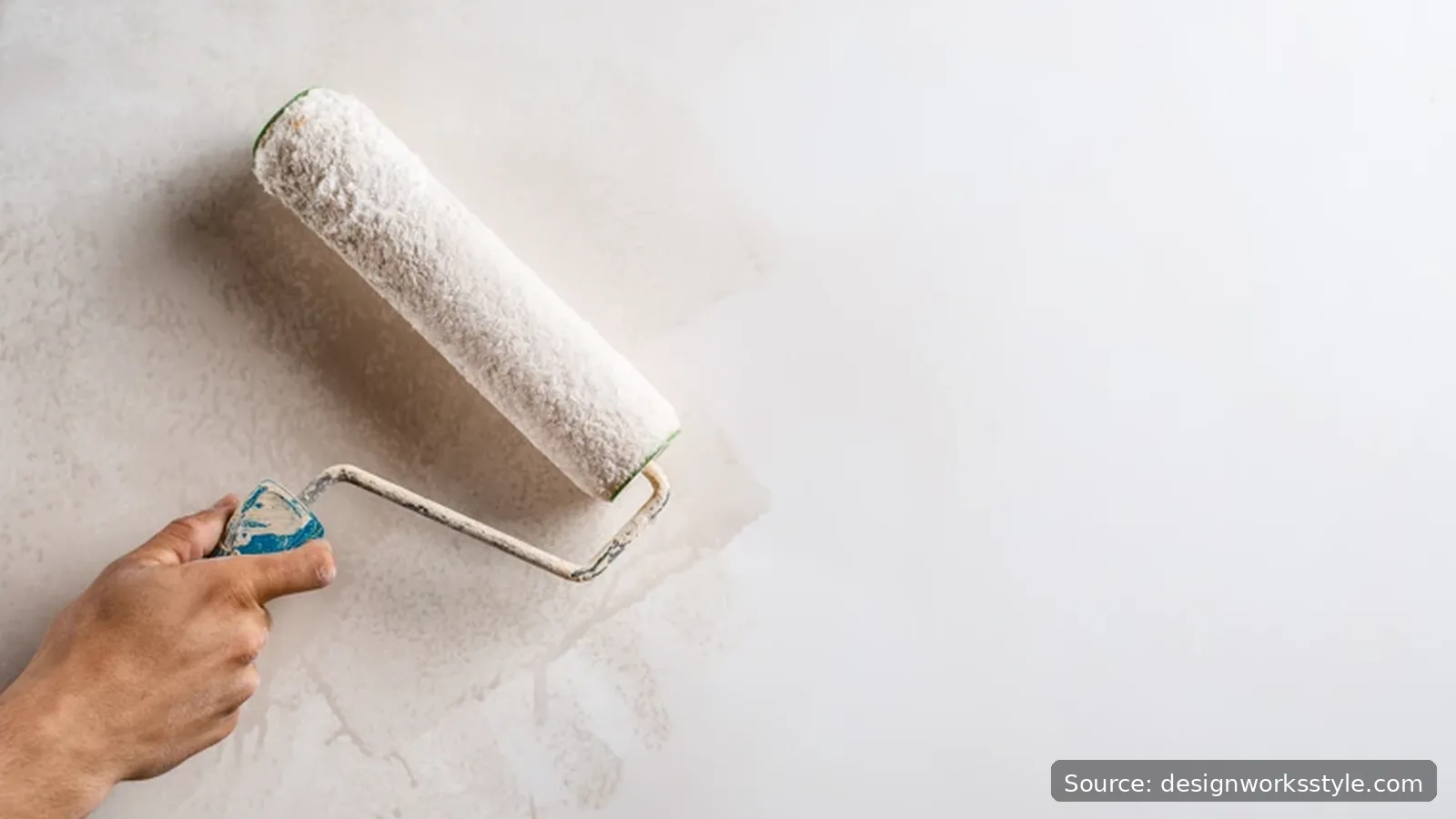
Load the roller evenly in the tray, roll off the excess, and apply paint in a W or M pattern about three feet wide. Then fill in the pattern with parallel strokes, always rolling from dry areas into wet ones. The streaks people complain about come from two mistakes: pressing too hard (which squeezes paint out unevenly) and letting sections dry before overlapping them. Light pressure, wet edges, steady pace.
Keep a wet edge by working in manageable sections and never stopping mid-wall for a break. If you must stop, stop at a corner or doorway, never in the middle of a flat expanse. And resist the urge to go back over drying paint to fix a spot. Latex paint starts setting within minutes. Touching it after that pulls the film and leaves a permanent mark. Wait for the next coat instead.
How Many Coats of Paint Does a Room Need?
Two coats is the standard for almost every room. The first coat covers, the second evens out. One coat looks fine in artificial light and patchy in daylight, especially with any color change at all. Bare drywall, patched areas, and dark-to-light changes need a primer coat first, then two finish coats. Paint-and-primer-in-one products are fine for repainting similar colors, but they are not a substitute for real primer on bare surfaces.
Between coats, wait until the paint is dry to the touch, usually 2 to 4 hours for latex. Rushing the second coat softens the first one and drags it around. Full timing details, including when you can move furniture back in, are in our guide to how long paint takes to dry. When the second coat is done, pull the painter’s tape while the paint is still slightly tacky, pulling at a 45-degree angle away from the painted edge for the cleanest line.
Frequently Asked Questions
Should you paint the ceiling the same color as the walls?
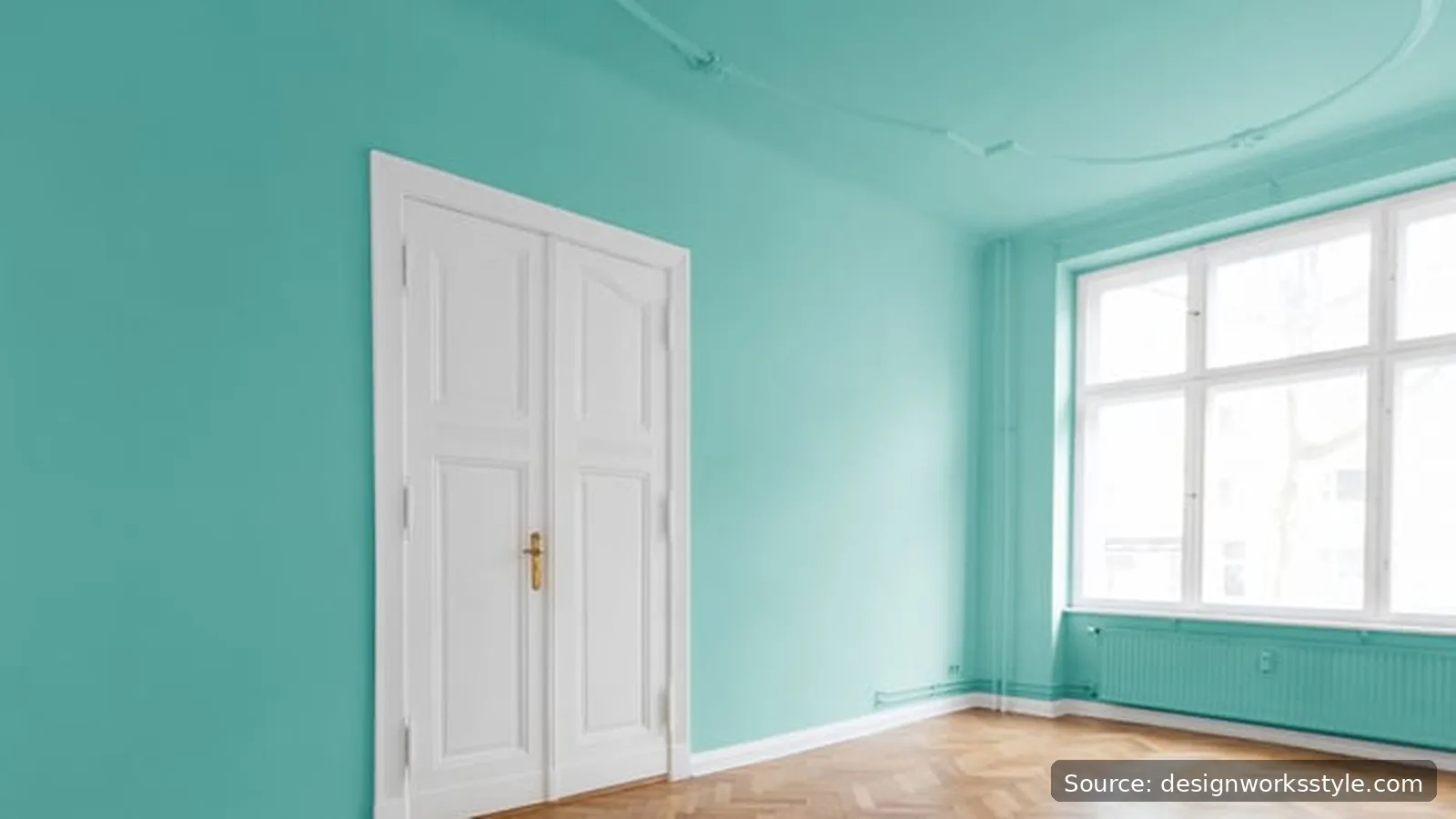
White or off-white ceilings are the safe default because they reflect light and make the room feel taller. Painting the ceiling the same color as the walls works in small rooms or with deep colors for a cocooning effect, but it darkens the space. If you do it, use flat ceiling paint, not wall paint, to avoid visible sheen differences overhead.
Do you need to sand walls before painting?
Sand patched spots and any rough or glossy areas so the new paint grips evenly. You do not need to sand an entire wall that is already painted in good condition with a similar finish. A quick scuff-sand helps when going over high-gloss paint, since new paint struggles to bond to slick surfaces.
How much paint do I need for one room?
One gallon covers about 350 square feet per coat. A standard 12×12 bedroom with 8-foot ceilings has roughly 400 square feet of wall space, so two gallons per coat, meaning four gallons for two coats, minus a bit for doors and windows. Buy the full amount at once. Paint mixed on different days can vary slightly in color.
Can you paint a room in one day?
Yes for an average bedroom if you prep the night before. Prep takes longer than painting, so splitting the job across two days (prep Saturday, paint Sunday) is more realistic than doing everything in one day. Two coats need 2 to 4 hours of drying between them, so start early and keep the room ventilated.