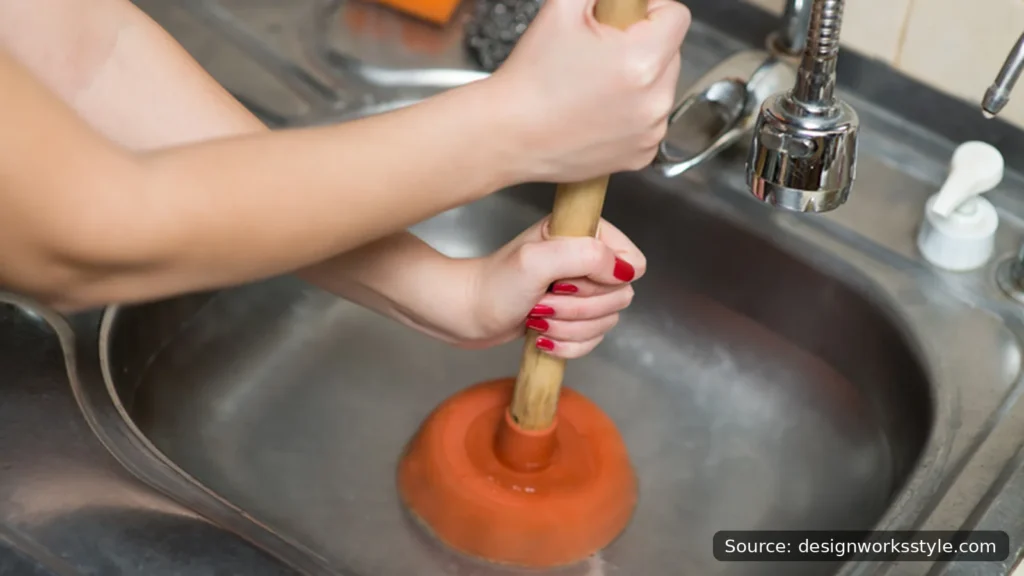
To unclog a sink, start with a cup plunger: fill the sink with a few inches of water, seal the plunger over the drain, and plunge vigorously. For bathroom sinks, the clog is usually hair around the stopper.
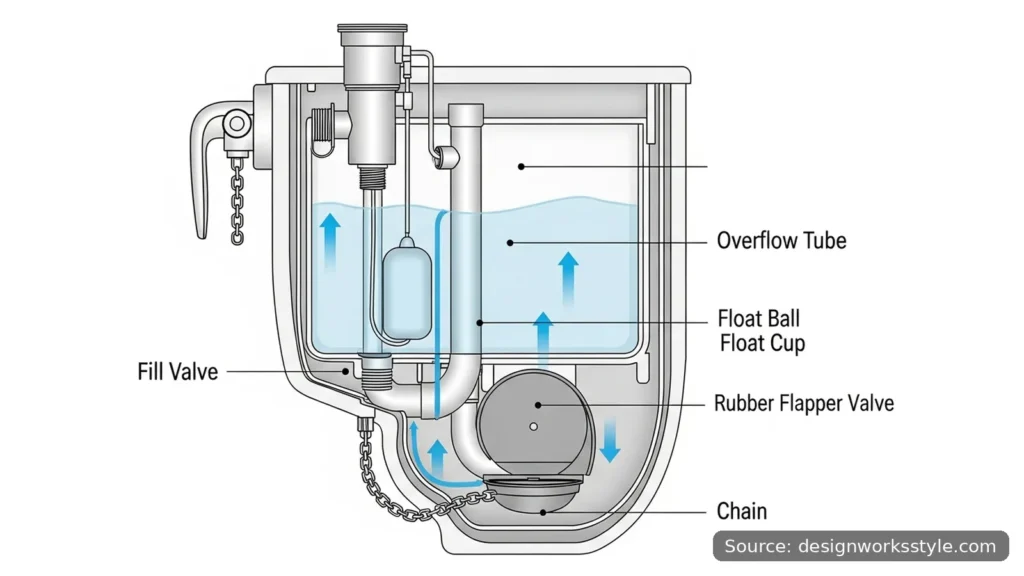
A running toilet is usually caused by a worn flapper that no longer seals the tank, or a fill valve set too high. Diagnose it with food coloring: put a few drops in the tank, wait 20 minutes without flushing.
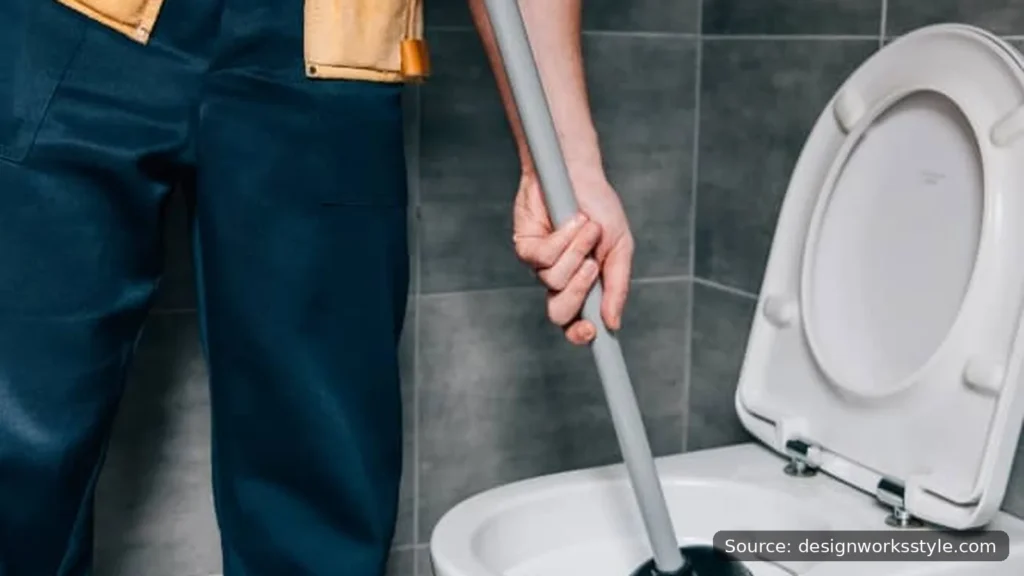
To unclog a toilet, use a flange plunger (the kind with the extended rubber lip), make sure the water covers the plunger head, and plunge vigorously for 15 to 20 seconds. This clears most clogs.
The most common home repairs are fixing running toilets, unclogging drains, patching drywall, stopping leaky faucets, and touching up paint. Almost all are DIY-friendly with basic tools and under $20 in parts.
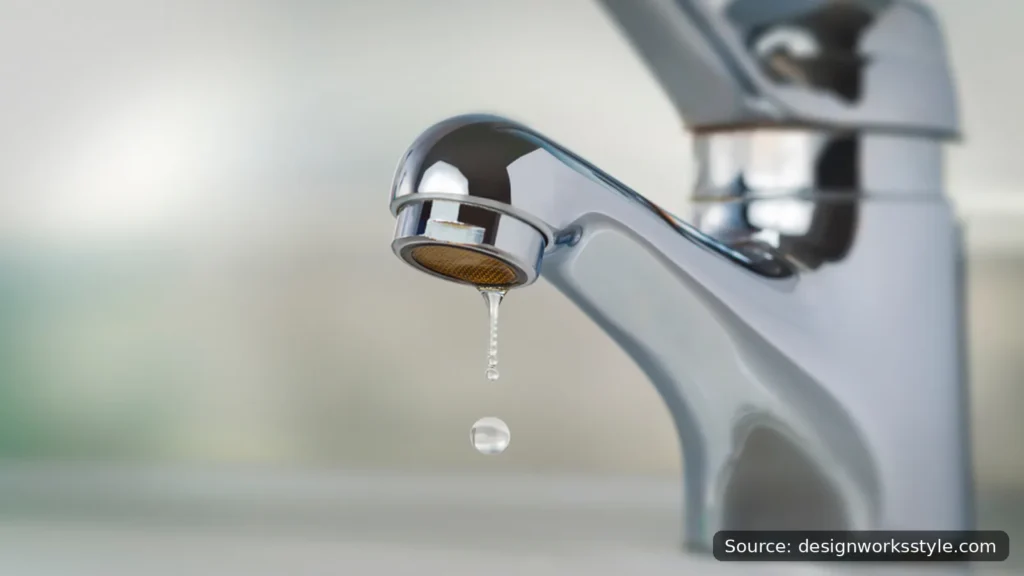
To fix a leaky faucet, first identify your faucet type: compression (two separate handles), cartridge, ball, or ceramic disk (all usually single-handle). Turn off the water supply valves under the sink, plug the drain, and disassemble the handle.
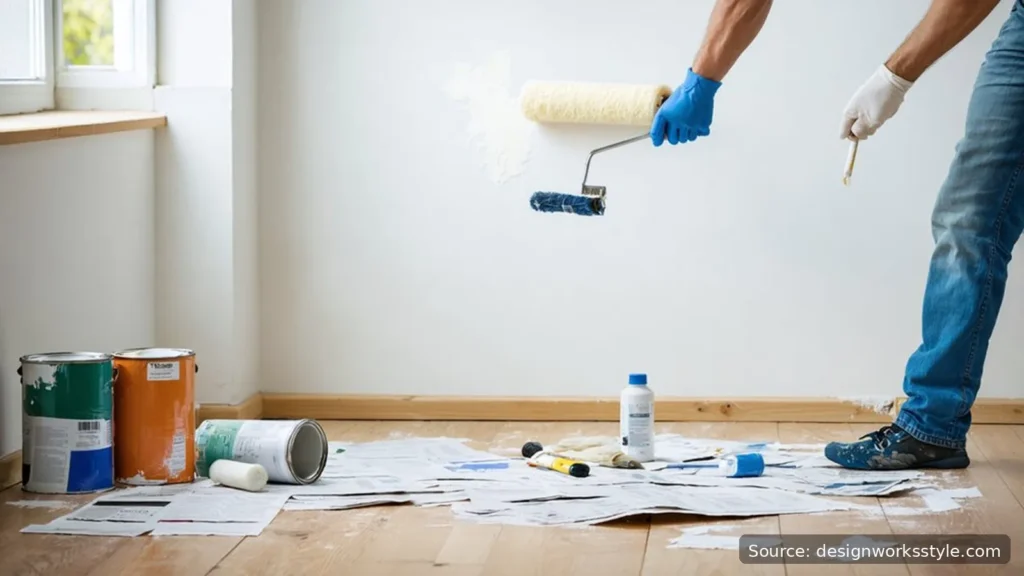
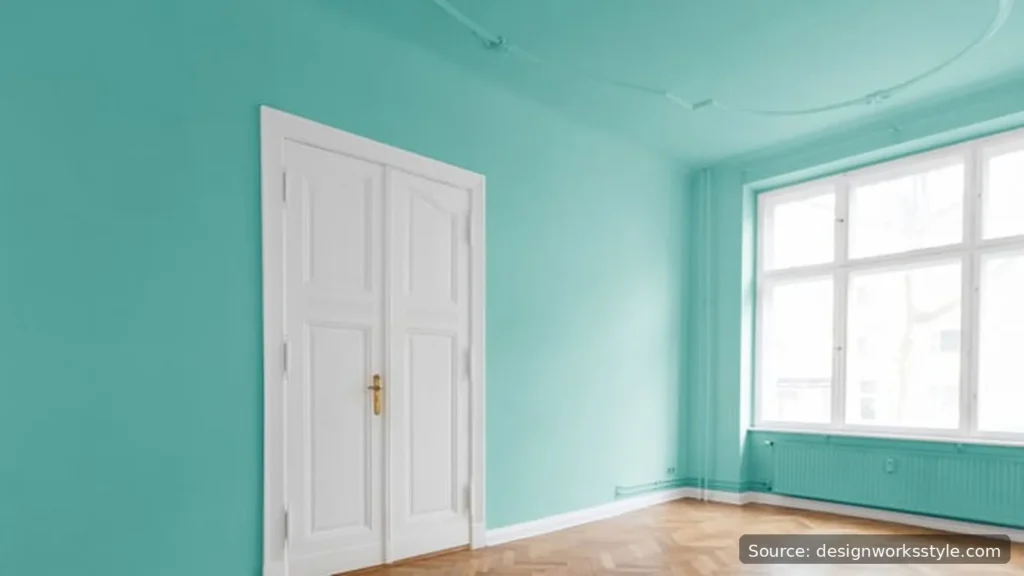
To paint a room, prep first (clear, clean, repair, tape), then paint in this order: ceiling, walls, trim. Cut in the edges with an angled brush, roll the walls in overlapping W-pattern strokes, and plan on two coats.
Latex paint dries to the touch in 1 to 2 hours and accepts a second coat in 2 to 4 hours. Oil-based paint takes 6 to 8 hours to dry to the touch and 24 hours between coats. Full curing takes 2 to 4 weeks for latex and up to 30 days for oil.
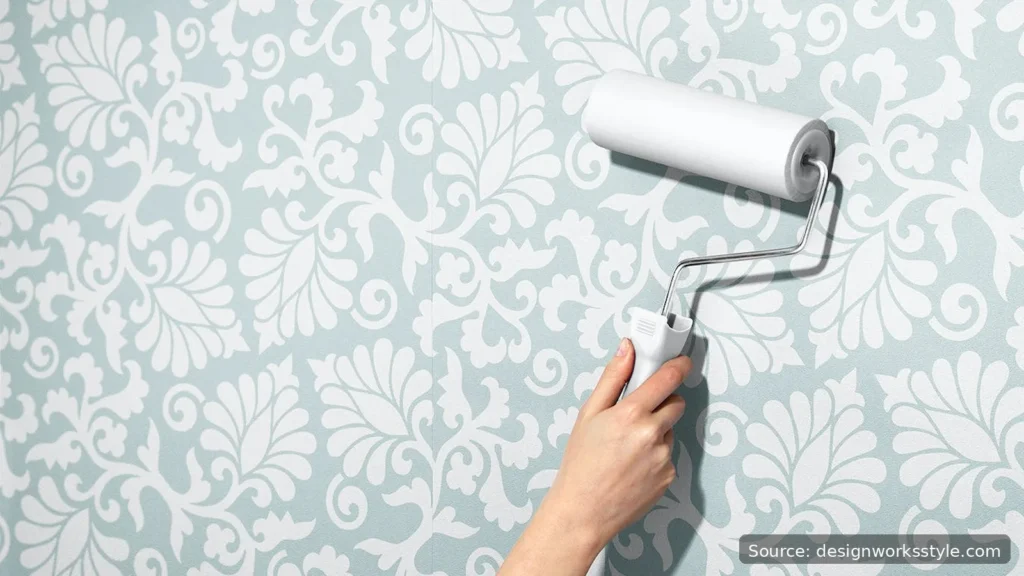
Yes, you can paint over wallpaper if it is firmly stuck to the wall, in good condition, with no peeling edges, bubbles, or moisture damage. Clean it, repair the seams, seal it with an oil-based or shellac primer, then paint two coats.
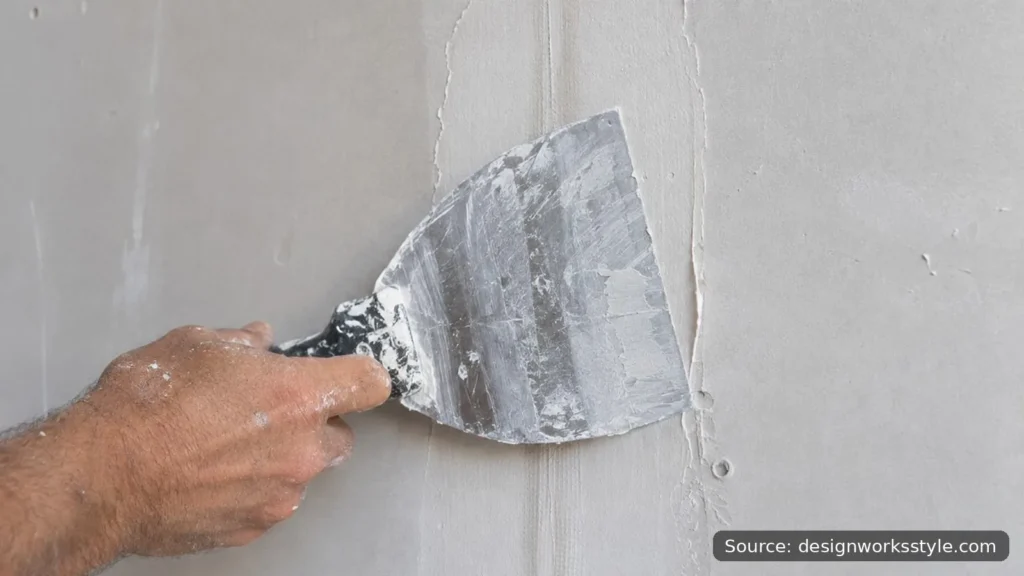
To repair drywall, fill small holes with spackle, cover medium holes (up to 6 inches) with a self-adhesive mesh patch plus joint compound, and cut a proper drywall patch with backing boards for large holes.