
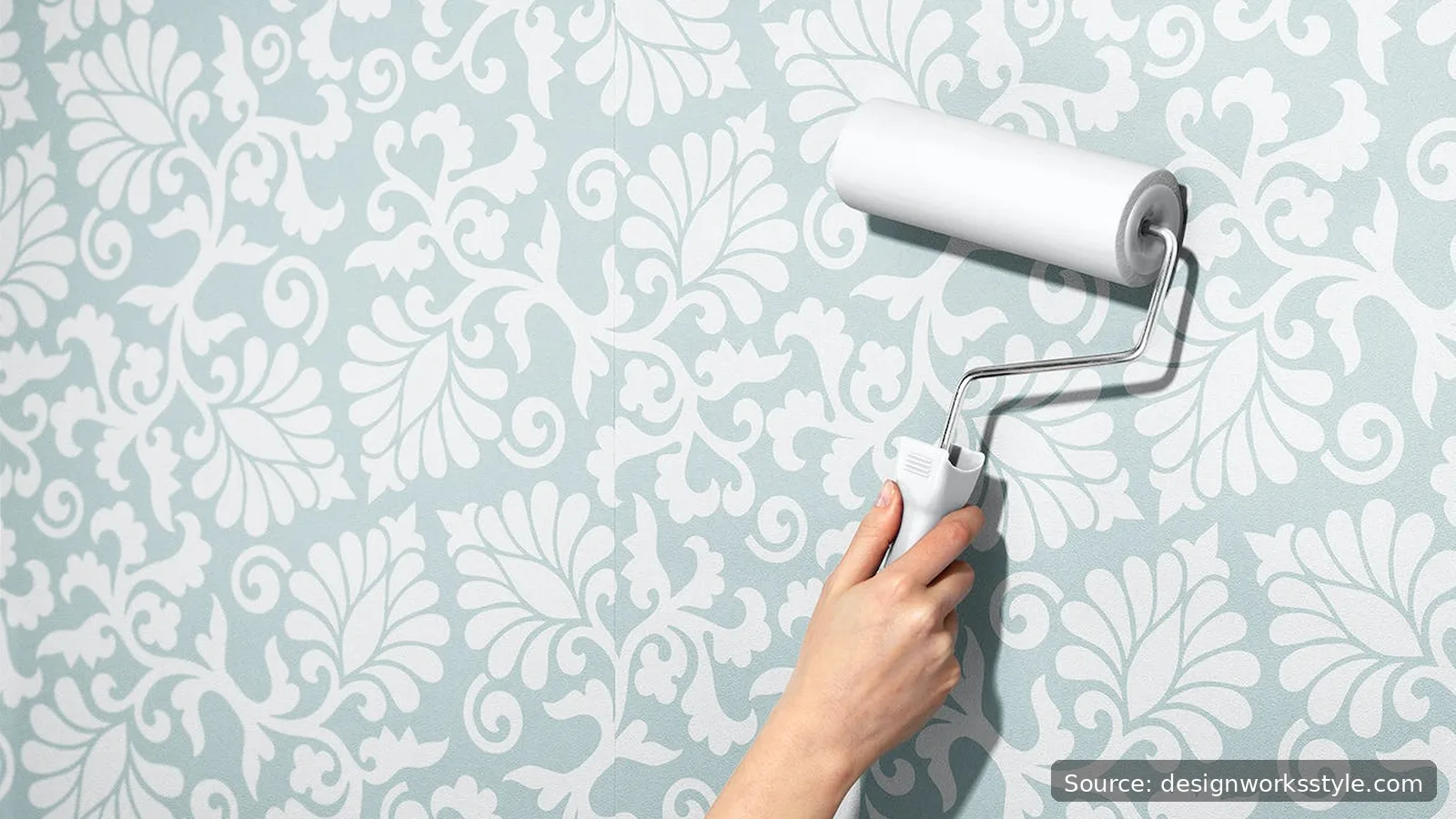
Yes, you can paint over wallpaper if it is firmly stuck to the wall, in good condition, with no peeling edges, bubbles, or moisture damage. Clean it, repair the seams, seal it with an oil-based or shellac primer, then paint two coats. If the wallpaper is peeling, bubbling, or vinyl-coated, or there are multiple layers, removing it gives a better result than painting over it.
Painting over wallpaper is the shortcut everyone wants to take, and sometimes it is the right call. Stripping wallpaper can damage drywall, take a full weekend, and reveal a wall that needs skim-coating anyway. But painting over bad wallpaper locks in every flaw and makes future removal dramatically harder. The decision comes down to the condition of what is already on the wall.
When Is It OK to Paint Over Wallpaper?
Paint over wallpaper only when it passes four checks: it is bonded tightly everywhere (no loose edges or corners), the surface is smooth with no bubbles or tears, there is only one layer, and the room is dry (not a bathroom or laundry room). Run your hand across the seams. If you can feel them lifting or see air pockets, paint will not fix that. It will highlight it. Wallpaper in good condition takes paint well and can look indistinguishable from a painted wall once primed and coated.
When Should You Remove Wallpaper Instead?
Remove the wallpaper if it is peeling or bubbling anywhere, if there are two or more layers, if it is foil or fabric-backed, or if the room gets steamy. Paint adds weight and moisture, and marginal wallpaper fails faster under paint than it would on its own. A bubble that is barely visible now becomes a blister under two coats of latex. Bathrooms deserve special caution: steam works under painted wallpaper and loosens it from the inside, and you will not see the damage until sections start sagging.
How Do You Prep Wallpaper for Painting?
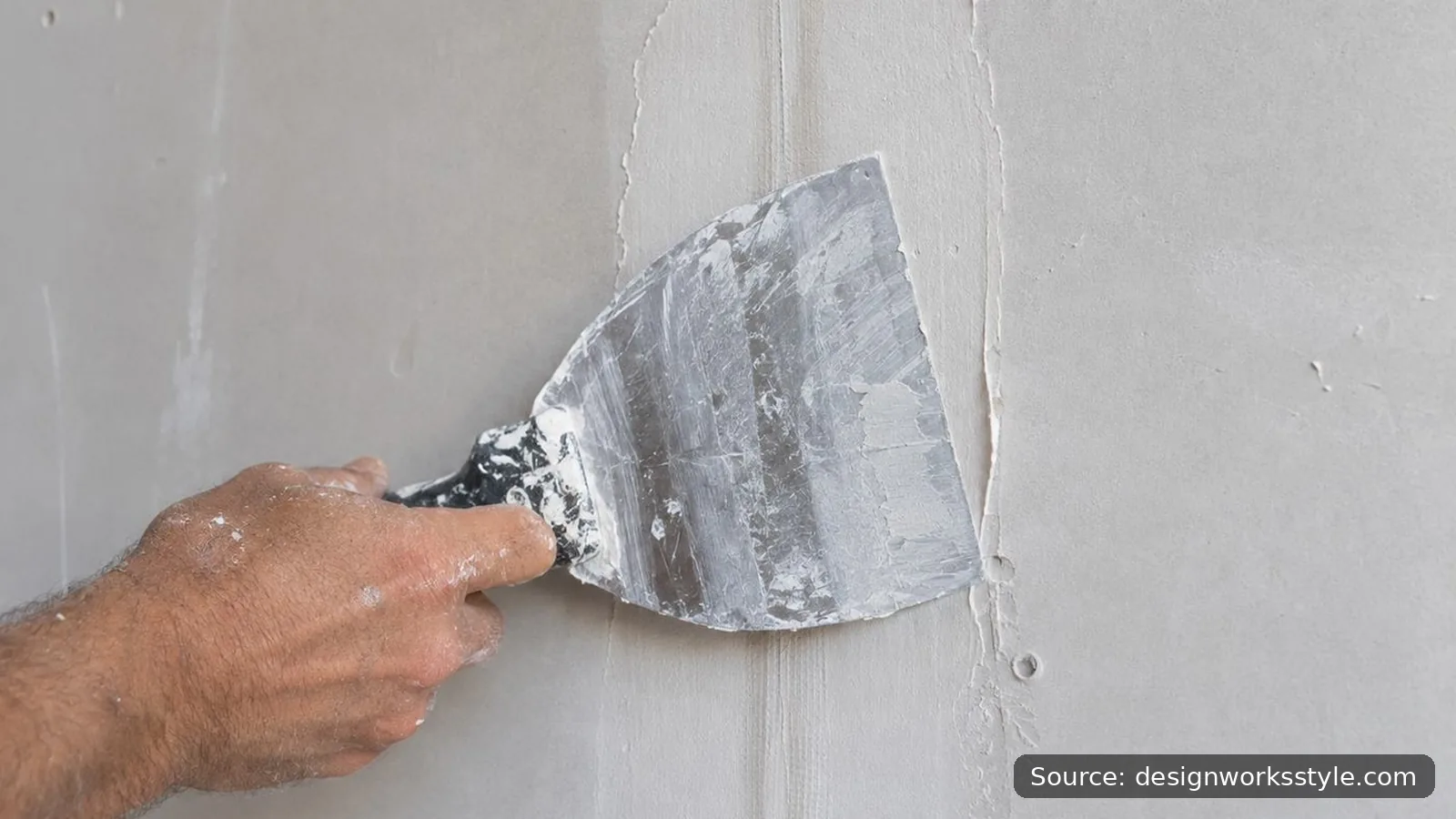
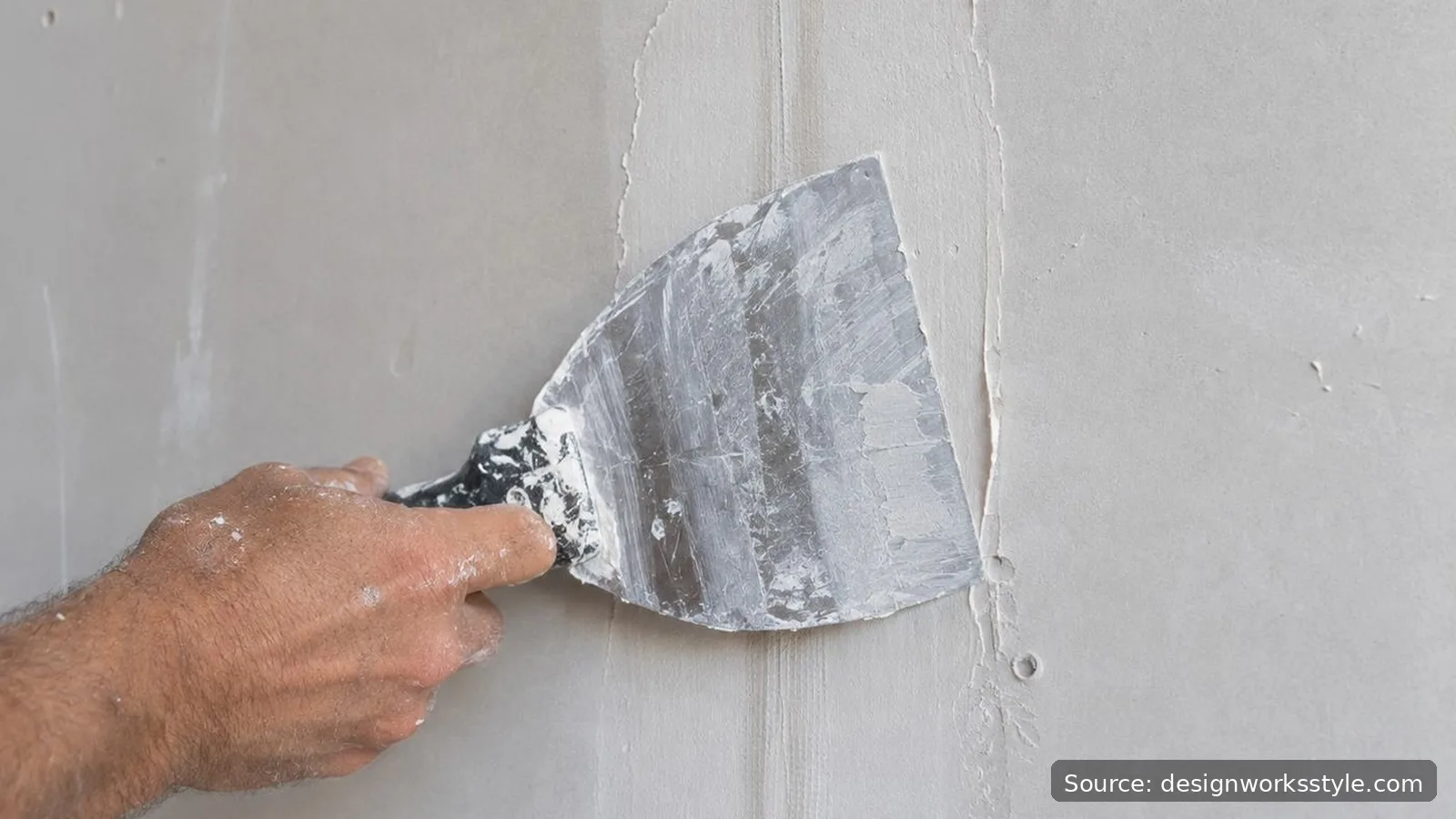
Clean the wallpaper with a damp cloth and mild cleaner, then rinse and let it dry completely. Glue down any lifting seams or edges with wallpaper seam adhesive, not regular glue. Fill torn spots and the recessed seams with spackle, let it dry, and sand everything smooth with 120-grit paper. Wipe off the dust. The goal is a surface where you cannot find the seams by touch. Every ridge you can feel now will be visible through the paint later, so this step decides the final quality more than the painting does.
What Primer Should You Use Over Wallpaper?
Use an oil-based or shellac-based primer, not a water-based one. This is the single most important technical detail. Water-based primer can reactivate old wallpaper paste, causing the wallpaper to bubble and lift as the primer dries. Shellac-based primers like BIN and oil-based options like Kilz Original seal the surface without adding water to the equation. They also block any pattern or color from bleeding through, which matters with dark or busy wallpaper. One full coat of primer, then check for any seams or imperfections the primer revealed, spot-fix them, and move on to paint.
Can You Paint Over Textured or Vinyl Wallpaper?
Textured wallpaper can be painted, but the texture will still show through. Paint softens it slightly; it does not erase it. If you want a smooth wall, skim-coat the wallpaper with joint compound first, sand it flat, then prime and paint. Vinyl and vinyl-coated wallpaper needs extra prep: scuff-sand the slick surface so primer can grip, and use a bonding primer. Test a small hidden area first. Some vinyl wallpapers repel even good primer, and discovering that on a test patch beats discovering it on a full wall.
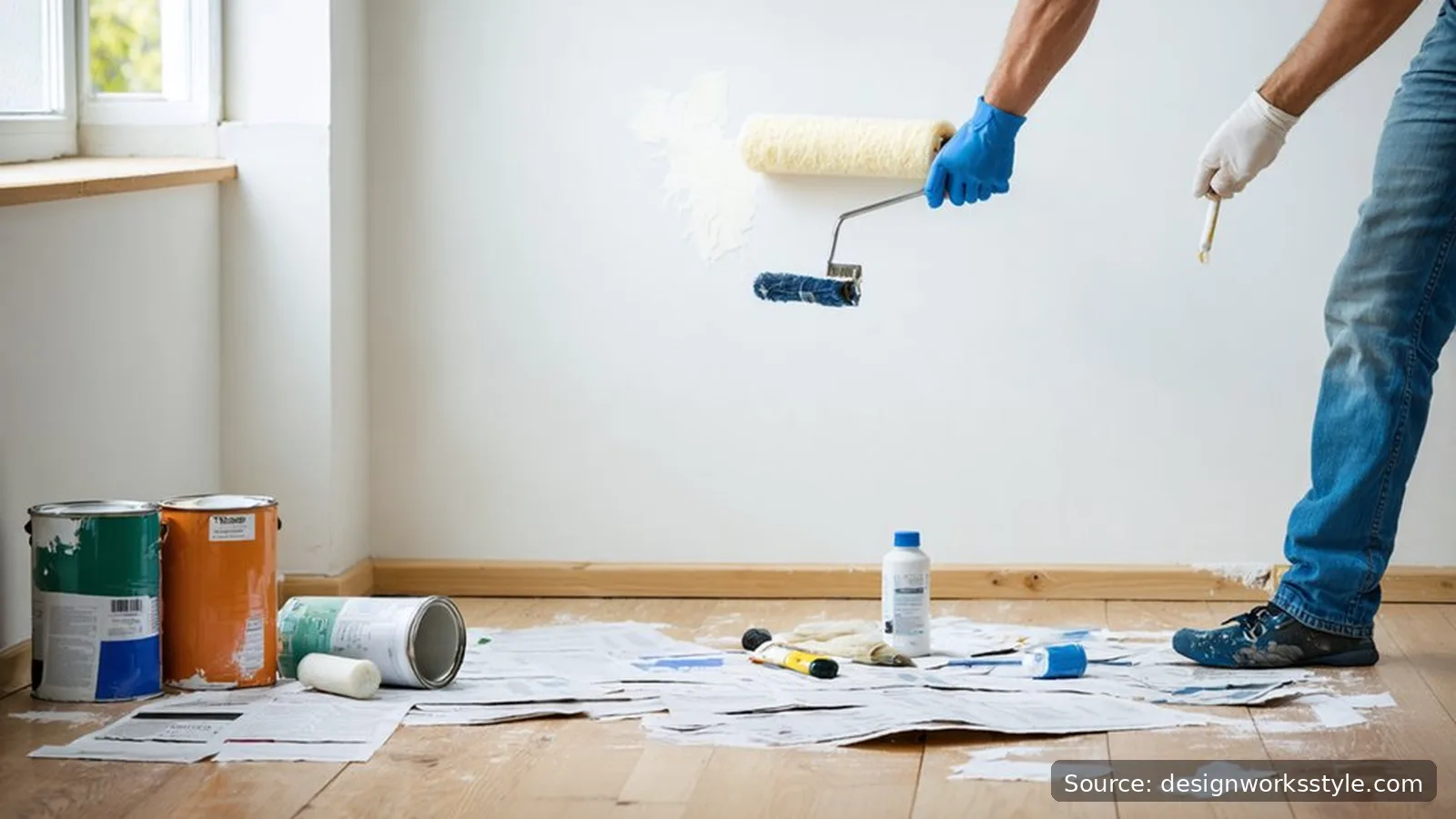
Once primed, the actual painting follows the standard process: cut in, roll, two coats. Our guide to how to paint a room covers the technique. Give each coat the full recommended drying time, since primer-sealed wallpaper can slow evaporation slightly compared to bare drywall.
Frequently Asked Questions
Will the wallpaper pattern show through the paint?
Not if you prime correctly. A shellac or oil-based primer blocks pattern and color bleed-through. Without primer, dark patterns and bold colors can ghost through two coats of paint. Texture is a different story: primer hides pattern, but physical texture (embossing, grasscloth weave) remains visible no matter how much paint you apply.
Can you paint over wallpaper in a bathroom?
It is risky and usually not recommended. Bathrooms combine heat and steam, which work under the wallpaper and loosen the adhesive over time. Painted wallpaper in a bathroom can look fine for months and then fail suddenly. If the bathroom has an exhaust fan that actually gets used and the wallpaper is in perfect condition, it can work. Otherwise, strip it.
Is painting over wallpaper a permanent decision?
Effectively, yes. Paint seals the wallpaper to the wall and soaks into its surface, making future removal far harder than removing unpainted wallpaper. Assume that once you paint it, the wallpaper is there for good. This is why the condition check matters so much: you are committing to whatever is underneath.
Do you need to sand wallpaper before painting?
Lightly, yes. A quick pass with 120-grit sandpaper knocks down high spots, smooths your spackle repairs, and gives the primer something to grip. You are not trying to sand through the wallpaper, just scuffing the surface. On vinyl or coated wallpaper this step is essential rather than optional, since the slick coating otherwise rejects primer.