
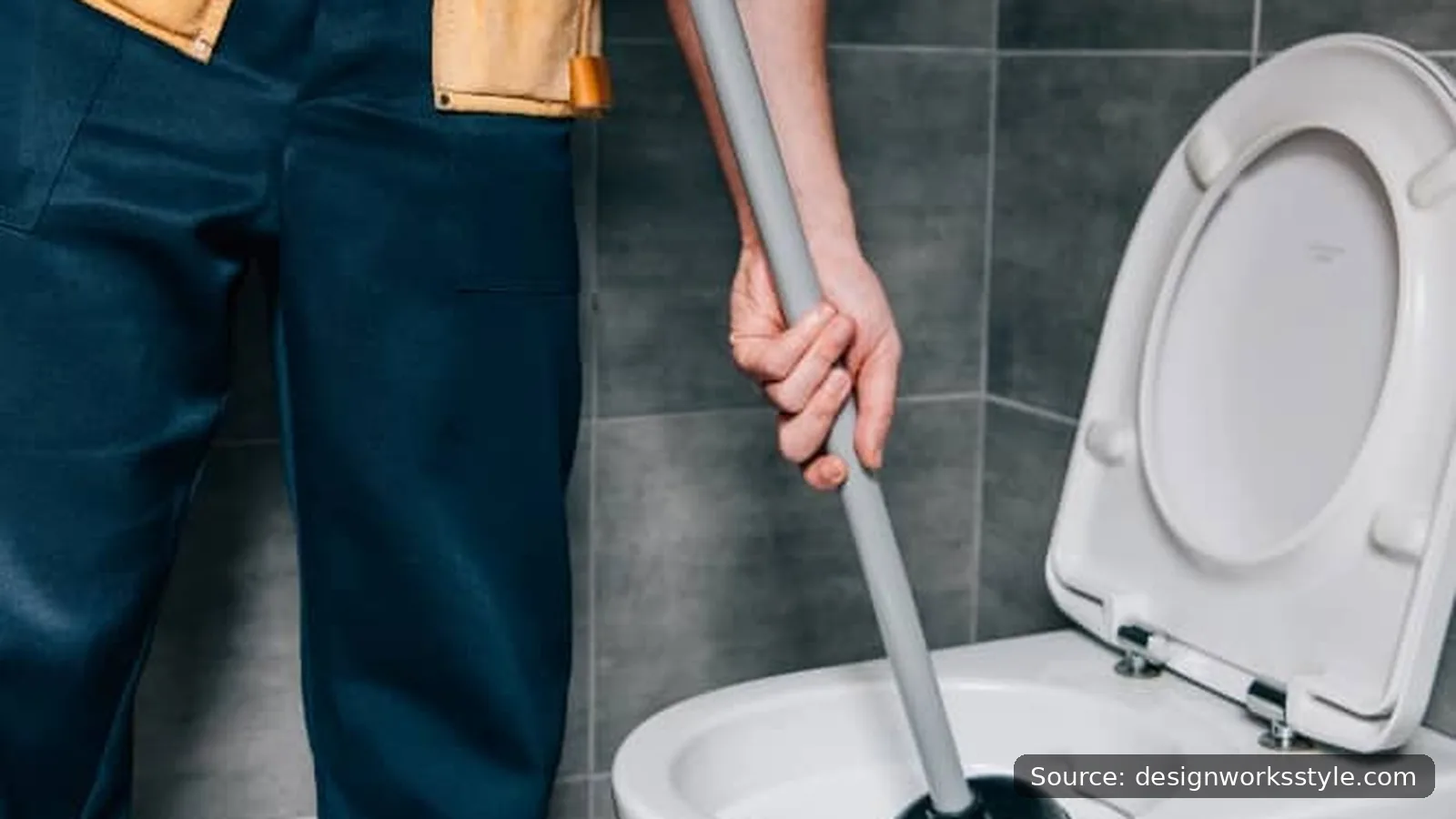
To unclog a toilet, use a flange plunger (the kind with the extended rubber lip), make sure the water covers the plunger head, and plunge vigorously for 15 to 20 seconds. This clears most clogs. If you do not have a plunger, squirt dish soap into the bowl, add hot (not boiling) water, wait 20 minutes, and try flushing. For stubborn clogs, a toilet auger reaches what the plunger cannot.
A clogged toilet feels like an emergency, and the panic is what causes most of the damage. People pour in boiling water that cracks the porcelain, or reach for chemical drain cleaner that does nothing for toilets and creates a splash hazard. Slow down. The clog is almost always within reach of a plunger, and the fix takes minutes when you use the right technique.
What Is the Fastest Way to Unclog a Toilet?
A flange plunger used correctly. The flange is the extended rubber lip that fits into the toilet’s drain opening, creating a seal that a flat cup plunger cannot. Make sure there is enough water in the bowl to cover the plunger head (add water from a bucket if needed, or bail some out if it is about to overflow). Seat the plunger firmly over the drain, then push and pull vigorously for 15 to 20 seconds without breaking the seal. The pressure change, not the force, dislodges the clog. Try a flush. If the water still rises, repeat. Two or three rounds clear the vast majority of clogs.
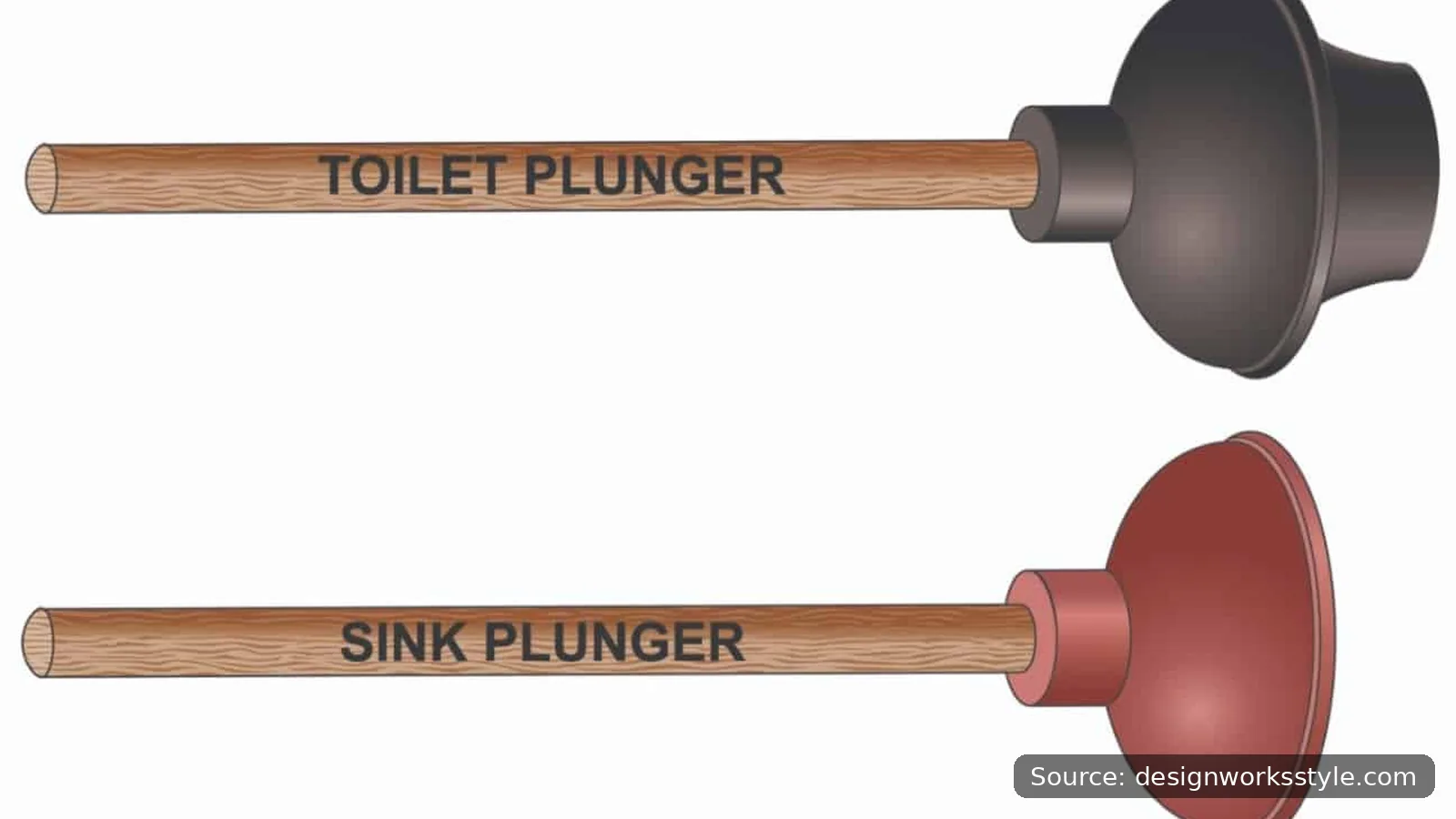
The most common plunging mistake is using a cup plunger (the simple suction-cup shape) on a toilet. Cup plungers are designed for flat sink drains. On a toilet’s curved opening they cannot seal, so all your effort leaks out around the edges. If you own one plunger, make it a flange plunger. It works on toilets and, flipped with the flange tucked in, on sinks too.
How Do You Unclog a Toilet Without a Plunger?
Squirt a generous amount of dish soap into the bowl, then pour in hot tap water (not boiling) from waist height and wait 20 minutes. The soap lubricates the clog and the water’s weight adds pressure. Then try flushing. If that does not work, try the baking soda method: pour one cup of baking soda into the bowl, follow with two cups of white vinegar, wait 30 minutes while it fizzes, then add hot water and flush. Both methods work on soft clogs (too much paper, organic matter). Neither will dissolve a toy, a wipe clog, or anything solid, which need mechanical removal.
How Do You Use a Toilet Auger?
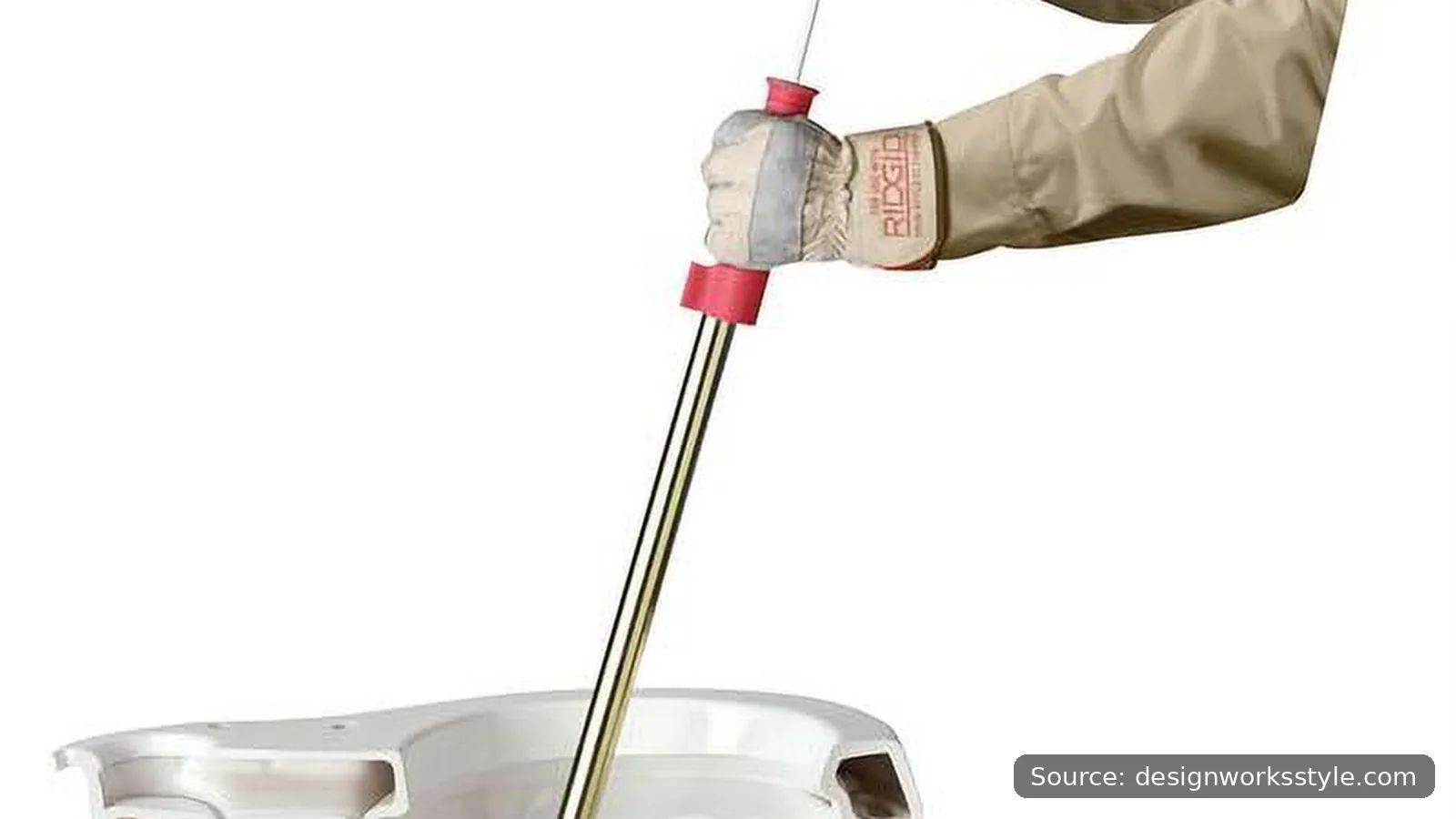
A toilet auger (closet auger) is a 3 to 6 foot cable in a tube with a crank handle, designed to reach clogs past the toilet’s trap without scratching the porcelain. Place the curved end into the bowl’s drain opening, crank the handle to feed the cable in, and keep cranking when you feel resistance. The resistance is the clog. Work the cable back and forth to break it up or hook it, then retract the cable and flush. Feed and retract slowly. Rushing scratches the bowl’s glaze, and scratched porcelain stains permanently. A basic auger costs about the same as a plumber’s service call minimum, and it lives in your garage for the next decade.
What Should You Never Use to Unclog a Toilet?
Chemical drain cleaners like Drano. They are formulated for sink and tub drains, not toilets, and they rarely dissolve toilet clogs (which are usually paper and waste, not hair and grease). Worse, the caustic liquid sits in the bowl creating a splash hazard for the next person who plunges, and it can damage older pipes and the toilet’s internal seals. Boiling water is the other never: the thermal shock can crack porcelain, especially in older toilets or cold bathrooms. Hot tap water is fine. Boiling is not.
When Should You Call a Plumber?
Call a plumber when more than one fixture is backing up (toilet plus tub or sink), which signals a main line clog beyond anything you can reach. Call when sewage is coming up rather than just water, when the auger cannot clear it after several attempts, or when the toilet clogs constantly without an obvious cause (which can mean a partial blockage, a venting problem, or a toilet that needs replacing). A single clogged toilet is a DIY job. A pattern of clogs is a diagnostic job, and that is what plumbers are for.
Prevention beats every unclogging method. Only toilet paper goes in the toilet: no wipes (even ones labeled flushable, which do not break down fast enough), no paper towels, no feminine products, no cotton balls. Teach the household the rule once and most toilet clogs never happen. For the rest of your bathroom plumbing, our guide to unclogging a sink covers the other end of the problem.
Frequently Asked Questions
Will a toilet unclog itself?
Sometimes, if the clog is just toilet paper. Water slowly dissolves paper, so a toilet left alone for a few hours may drain on its own. Do not count on it, and do not keep flushing to test it: repeated flushing is how bowls overflow. Give it time, then try the plunger once before assuming the worst.
Can you use Drano in a toilet?
You should not. Chemical drain cleaners are not formulated for toilet clogs, they create a caustic splash hazard in the bowl, and they can damage pipes and seals. Plunging, dish soap and hot water, or a toilet auger are safer and more effective for every common toilet clog.
Why does my toilet keep clogging?
Frequent clogs usually mean one of three things: too much paper per flush, non-flushable items going in, or a low-flow toilet with a weak flush. Older low-flow models from the 1990s are notorious for this. If habits are not the cause, the toilet’s trap may be partially obstructed or the drain line may have a problem, and that is plumber territory.
How do you unclog a toilet filled with wipes?
With a toilet auger, not a plunger. Wipes do not break down, so plunging usually just compacts them tighter. Feed the auger in, hook the mass, and pull it back out rather than trying to push it through. Wear gloves. Then stop flushing wipes: even “flushable” ones are the number one cause of stubborn toilet clogs.