
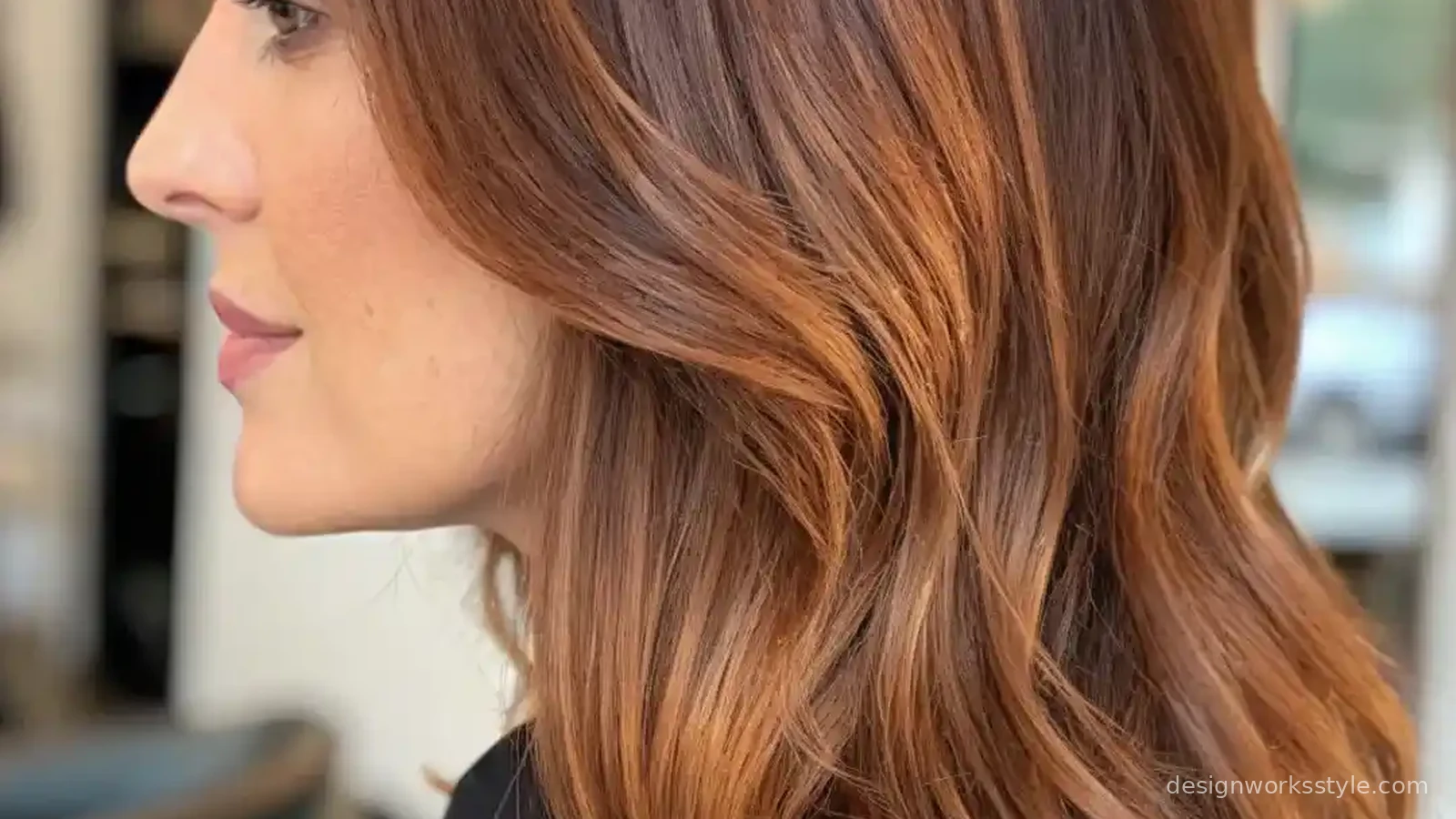
Balayage is a freehand hair coloring method where the stylist paints lightener onto sections of hair, which gives a soft, sun-kissed blend with no harsh root line. It grows out gently, needs fewer touch-ups than foils, and suits people who want lighter hair without constant salon visits. The appointment takes a few hours, and good preparation makes the result better.
What Is Balayage, and How Is It Different?
Balayage means the stylist paints lightener onto the hair by hand, without foils, placing lighter pieces where the sun would naturally hit. Highlights use foils to lighten thin sections from root to tip, while ombre keeps roots dark and blends into lighter ends. Balayage sits between the two, with a softer grow-out than either.
The word comes from French, and it means to sweep, which describes the painting motion. The stylist picks sections, paints lightener onto the surface and ends of each section, and leaves the roots softer or untouched. The result looks like hair lightened by sun over a summer, with depth near the roots and brightness at the ends.
Highlights differ in placement and grow-out. Foils hold lightener close to the root, so the lightened sections start at the scalp and show a clear line as hair grows. That line needs touch-ups every six to eight weeks for many people. Balayage starts lower down the hair, so the grow-out line is soft and easy to ignore for months.
Ombre differs in shape. Ombre moves from dark at the roots to light at the ends in a clear gradient, with less variation through the mid-lengths. Balayage varies more: some pieces start higher, some lower, and the lightening looks scattered instead of graded. If you want a natural, lived-in look, balayage fits better. If you want a clear dark-to-light shift, ombre fits better.
Balayage suits most hair colors, though the result varies. Dark hair lifts to caramel or honey tones in one visit, and reaching blonde from dark hair may need more than one session. Light hair lifts faster and shows the blend sooner. A stylist who sees your hair in person gives a better answer than any photo, since hair history changes what lightener can do.
What Happens at the Consultation?
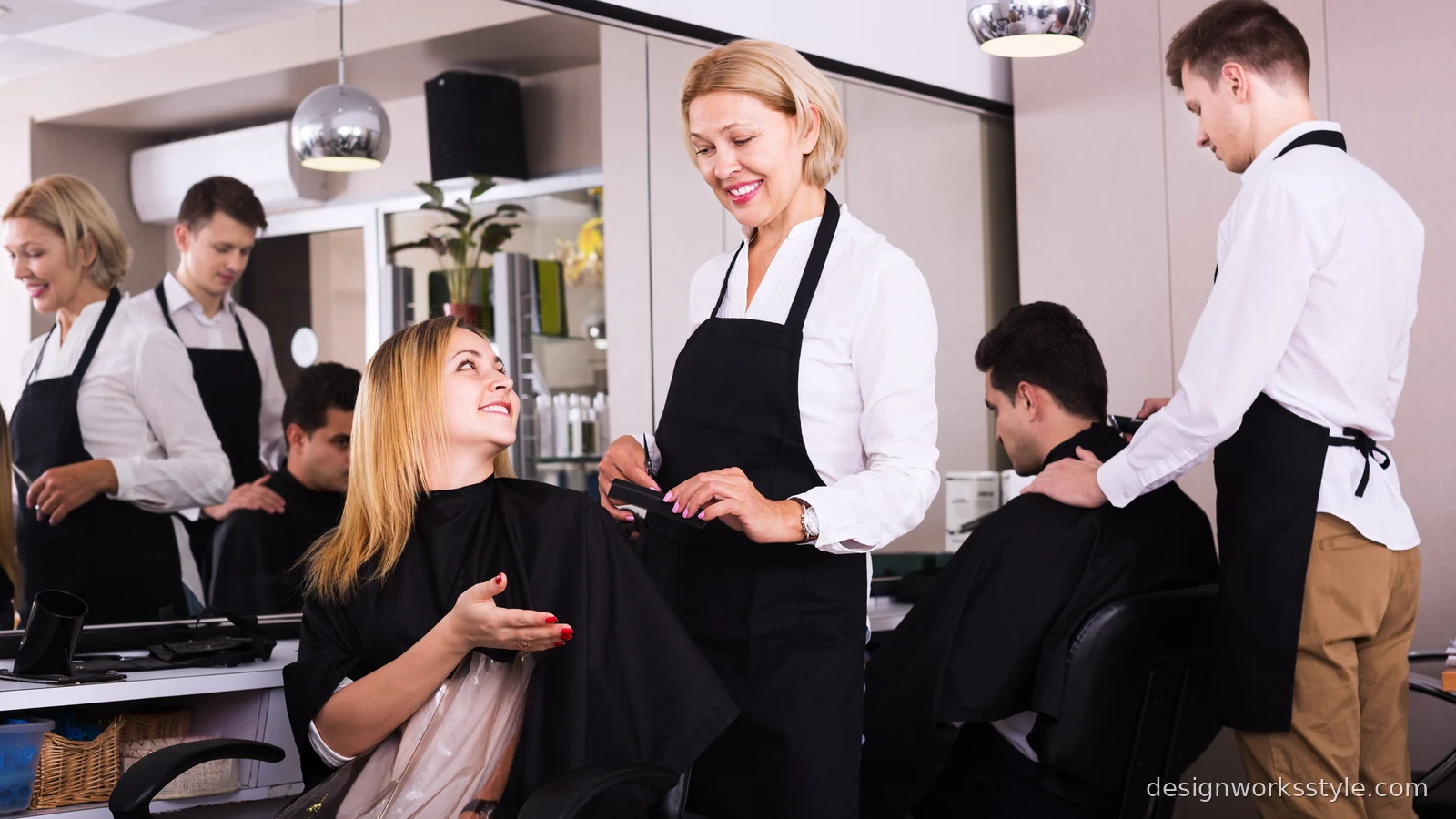
The consultation is a talk before any color goes on, where you show photos, discuss placement, and agree on the tone and the upkeep. Bring two or three photos of looks you like, and tell the stylist what you do not want. A good consultation ends with a clear plan, a time estimate, and a price.
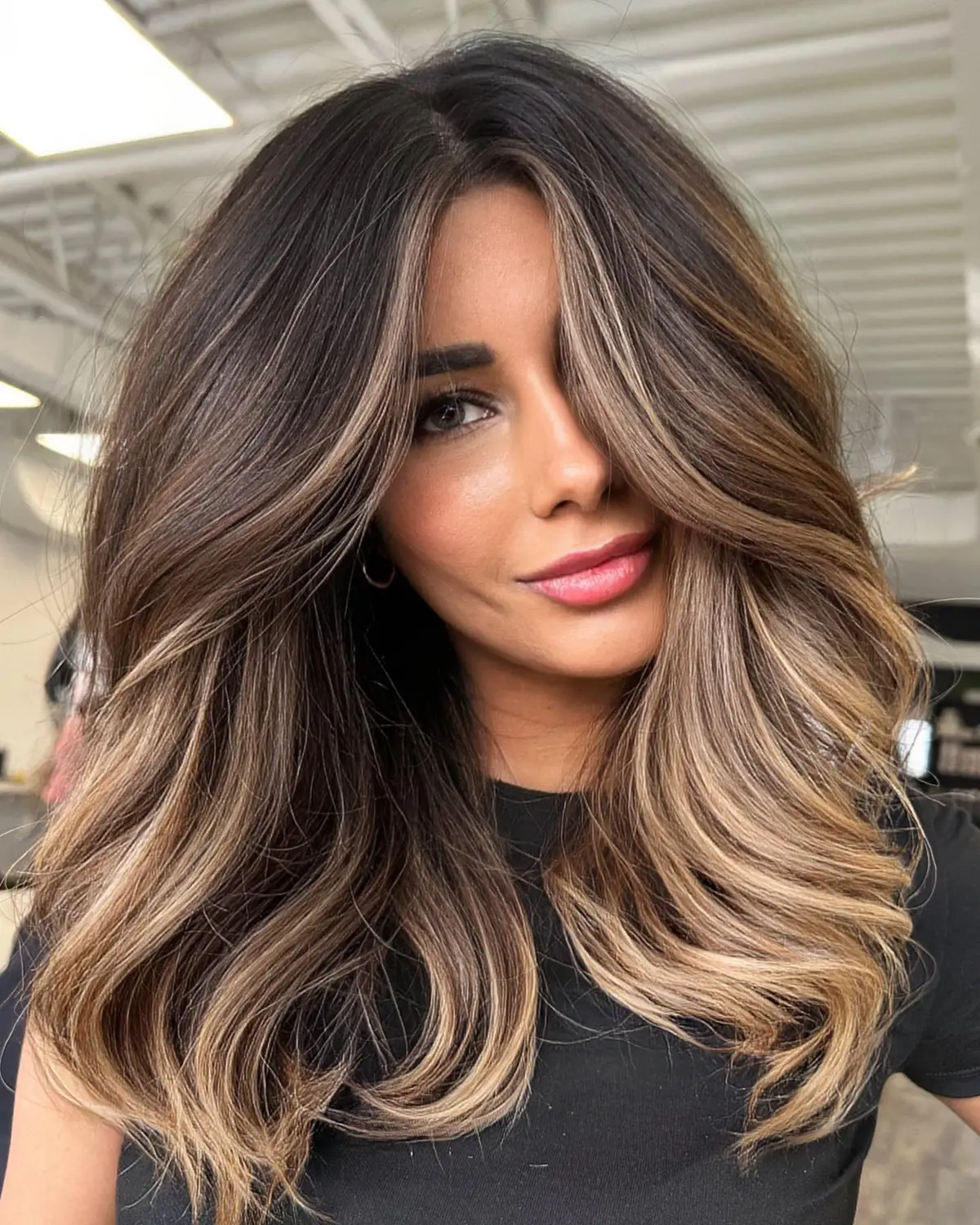
Photos help more than words alone. “Caramel balayage” means different shades to different people, and a photo shows the exact tone and placement you want. Bring photos of hair with a similar base color to yours, since the same balayage looks different on dark brown hair than on light brown hair. Also bring a photo of a result you dislike, and say what puts you off about it.
Talk about placement plainly. Do you want brightness around the face, lighter ends, or light pieces through the whole head? Face-framing pieces brighten the face and cost less time than a full head of balayage. A full balayage takes longer and costs more, but it gives a more even result through the hair.
Talk about your hair history in full. Past bleach, box color, keratin treatments, and heat damage all change how lightener works and how far hair can lift safely. A stylist who knows the full history can warn you when a result needs two visits instead of one. Hiding past color risks breakage and patchy results.
Ask about upkeep before you agree. Balayage needs less frequent salon visits than foils, but it still needs toner refreshes and care at home. If you are still choosing a salon, our guide to choosing a hair salon covers consultations, stylist skill, and pricing.
What Happens During the Appointment?
The appointment starts with a wash or a dry check, then the stylist sections your hair and paints lightener onto chosen pieces, lets it process, rinses, tones, and finishes with a cut or blowout. The whole visit usually takes two to four hours, and most of that time is waiting while the lightener processes.
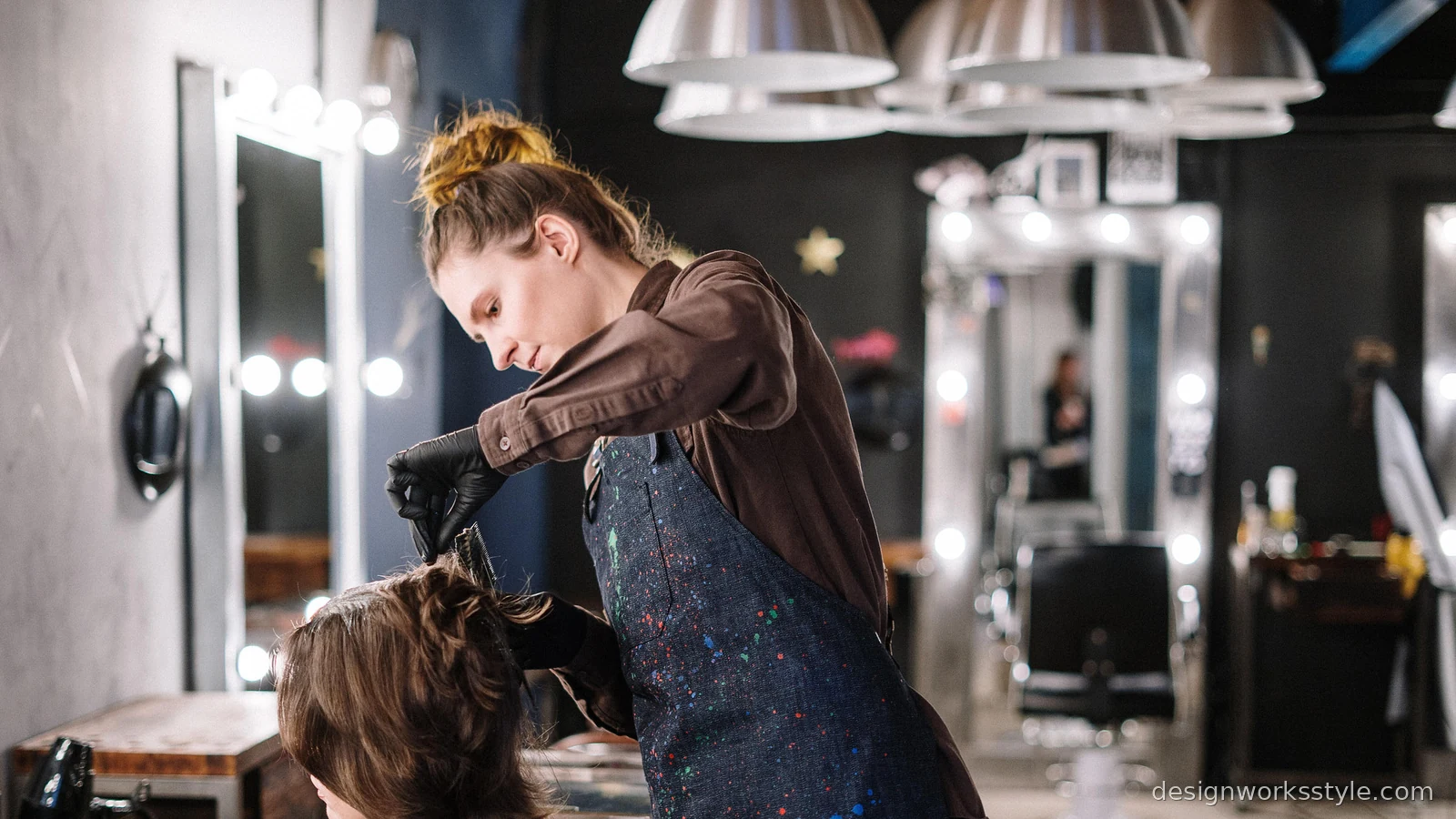
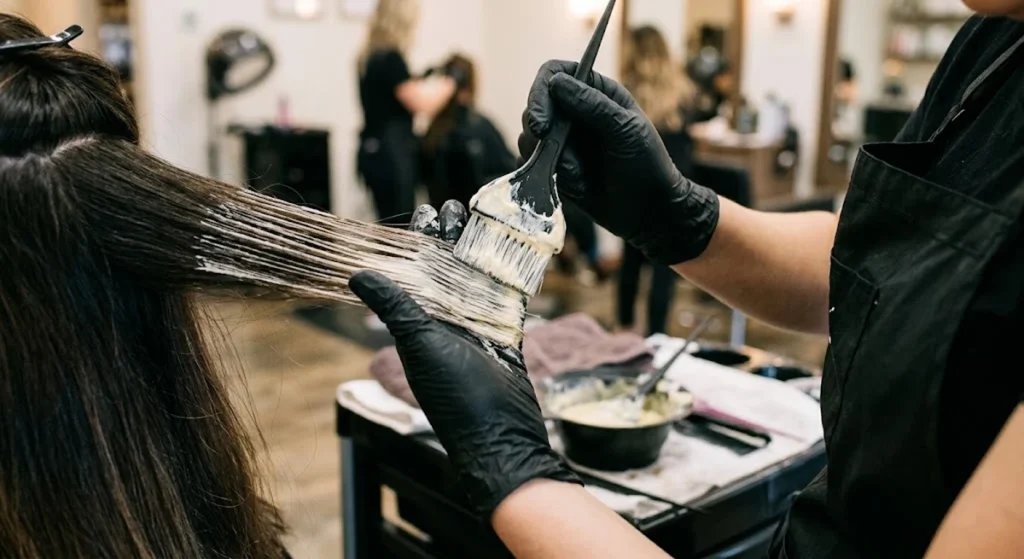
Sectioning comes first. The stylist divides your hair into workable sections and picks which pieces to lighten. The painting takes time, since each piece gets lightener brushed on by hand, with care for how much and how high each piece goes. This is the skilled part, and it is where an experienced balayage stylist earns the price.
Processing takes the longest. Lightener sits on the hair while it lifts, and the stylist checks it at intervals to judge the tone. Dark hair takes longer to lift than light hair, and the stylist may rinse some sections earlier than others. You sit still during this time, usually with the hair left open instead of wrapped in foils.
Toning comes after rinsing. A toner adjusts the shade, taking out brassiness or warming the tone to match the photos you brought. Toner is a normal part of balayage, not an extra fix, and the final shade depends on it. After toning, the stylist usually finishes with a blowout so you see the result styled, and sometimes a trim to shape the lightened ends.
For the full range of salon services, see our hair salon services guide, which explains cuts, color, treatments, and styling. Bring something to read or listen to for the processing wait, and wear a top you do not mind getting color on.
How Much Does Balayage Cost, and How Long Does It Take?
Balayage costs more than a standard color visit, because it takes more time and skill, and the price rises with hair length, thickness, and salon tier. The appointment usually takes two to four hours, and long or thick hair takes longer. Ask for the full price at consultation, including toner and any finish.
Length and thickness drive the price. Long hair needs more product and more painting time, and thick hair needs more sections. A short bob with face-framing pieces takes less time and product than long, thick hair with a full balayage. Salon tier matters too: senior stylists charge more, and city salons charge more than small-town ones.
Toner and finish should be part of the quote. Some salons quote balayage alone and add toner, bond treatment, or a blowout at the till. Ask at consultation whether the price covers toner, treatment, and styling, so the bill holds no surprises. A printed quote or a clear price at consultation is normal at a well-run salon.
Upkeep costs less than the first visit. Balayage grows out softly, so many people return every three to four months for a refresh, while foils often need visits every six weeks. Toner refreshes between full visits cost less and take less time. Over a year, balayage often costs less than foils, even though one visit costs more.
Time planning matters. Book a morning or a day with nothing urgent after, since the visit runs long and the result needs a wash-free day in some cases. If the salon says the visit will take four hours, believe it, and do not book a tight appointment after.
How Do You Care for Balayage After?
Care for balayage with sulfate-free shampoo, cooler water, less heat styling, and toner refreshes when brassiness appears. Wash less often, protect hair from sun and chlorine, and trim split ends on schedule. Good aftercare keeps the tone true for months and stretches the time between salon visits.
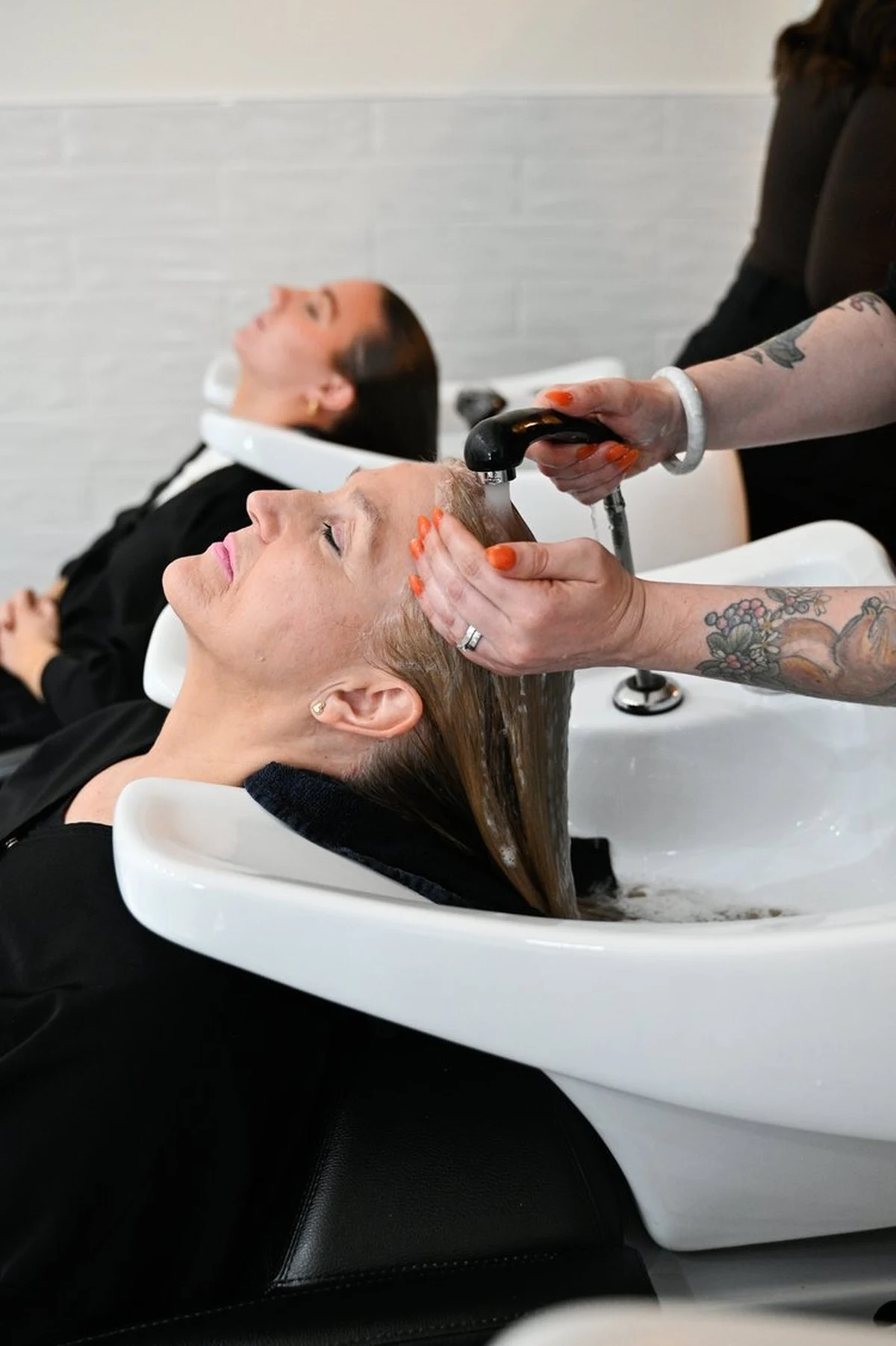
Washing matters most. Wash two to three times a week instead of daily, since frequent washing fades toner and dries lightened hair. Use lukewarm water, since hot water opens the cuticle and lets color slip out faster. A sulfate-free shampoo suits color-treated hair, since sulfates strip color and moisture together.
Heat and sun fade balayage. Use a heat protectant before straighteners or curling tools, and keep the temperature moderate. Sun lightens hair further and can turn toner brassy, so a hat or a UV hair spray helps on bright days. Chlorine from pools can shift toner toward green, so wet hair with clean water before swimming and rinse right after.
Conditioning keeps lightened hair healthy. Lightener dries hair, so a weekly mask or deep conditioning treatment helps, and leave-in conditioner suits daily use. Our hair color maintenance guide covers washing, products, and timing in detail, and our hair care routine guide covers daily care for different hair types.
Toner fades over weeks, and brassiness creeps back as it does. A purple shampoo once a week or so can cool brassiness between salon visits, though overuse can dull the tone, so follow the stylist’s advice on frequency. When brassiness returns despite home care, book a toner refresh instead of reaching for box color.
What Mistakes Should You Avoid?
Avoid box color over balayage, skipping the consultation, chasing a photo that does not suit your hair, and waiting too long between trims. Each of these costs more to fix than the time saved, and some of them damage hair in ways that take months to grow out.
Box color over balayage is the costliest mistake. Box dye reacts unevenly with lightened hair, and it can turn balayage patchy or darker than planned. It also makes the next salon visit harder, since the stylist must work around the box color. If the tone shifts, book a toner refresh instead.
Skipping the consultation causes mismatched expectations. A photo of blonde balayage on light hair does not promise the same result on dark hair in one visit. The consultation is where the stylist sets a realistic plan, and skipping it leaves both sides guessing. A salon that refuses a consultation is a salon to avoid.
Skipping trims lets split ends travel up the hair, which dulls the balayage and makes ends look thin. A trim every six to eight weeks keeps the shape and the lightened ends looking healthy. Balayage looks best on healthy ends, since damaged ends absorb toner unevenly and show patchy tone.
Over-washing and heavy heat styling fade balayage fast. If the tone fades within weeks, check washing frequency, water temperature, and heat use before blaming the salon. Small changes in routine often fix fading without a salon visit.
Frequently Asked Questions
Does balayage damage hair?
Lightener always stresses hair to some degree, since it opens the cuticle to lift color. A skilled stylist limits damage by judging processing time, using bond treatments where needed, and refusing to lift further than the hair can handle. Aftercare matters too: conditioning, less heat, and regular trims keep lightened hair healthy.
How often do I need balayage touch-ups?
Most people return every three to four months for a refresh, since balayage grows out softly and shows no harsh root line. Toner refreshes between full visits, every six to eight weeks for some people, keep the tone true. Your hair growth rate and how much contrast you like decide the exact timing.
Can I get balayage on dark hair?
Yes, and dark hair is one of the best bases for balayage, since the contrast shows well. Dark hair lifts to caramel, honey, or copper tones in one visit, and reaching blonde may need two visits. A stylist who sees your hair in person gives a realistic answer on how light one visit can go.
Is balayage better than highlights?
It depends on the look you want. Balayage gives a softer grow-out and fewer salon visits, which suits a natural, low-upkeep look. Highlights give brighter, more even lightening from root to tip, which suits a bolder or more uniform result. Neither is better in general, and the right choice is the one that matches your routine.
Balayage trades a longer first visit for months of soft grow-out and fewer salon trips. Bring photos, ask about the full price, and care for the tone at home, and the result holds up well between visits.