
A hair care routine by hair type works because fine, thick, curly, straight, and coily hair need different amounts of moisture, washing, and styling. Fine hair goes flat with heavy products, while coily hair breaks without enough moisture. This guide helps you identify your type, then gives a routine for each, plus steps to build one that fits your life.
How Do You Figure Out Your Hair Type?
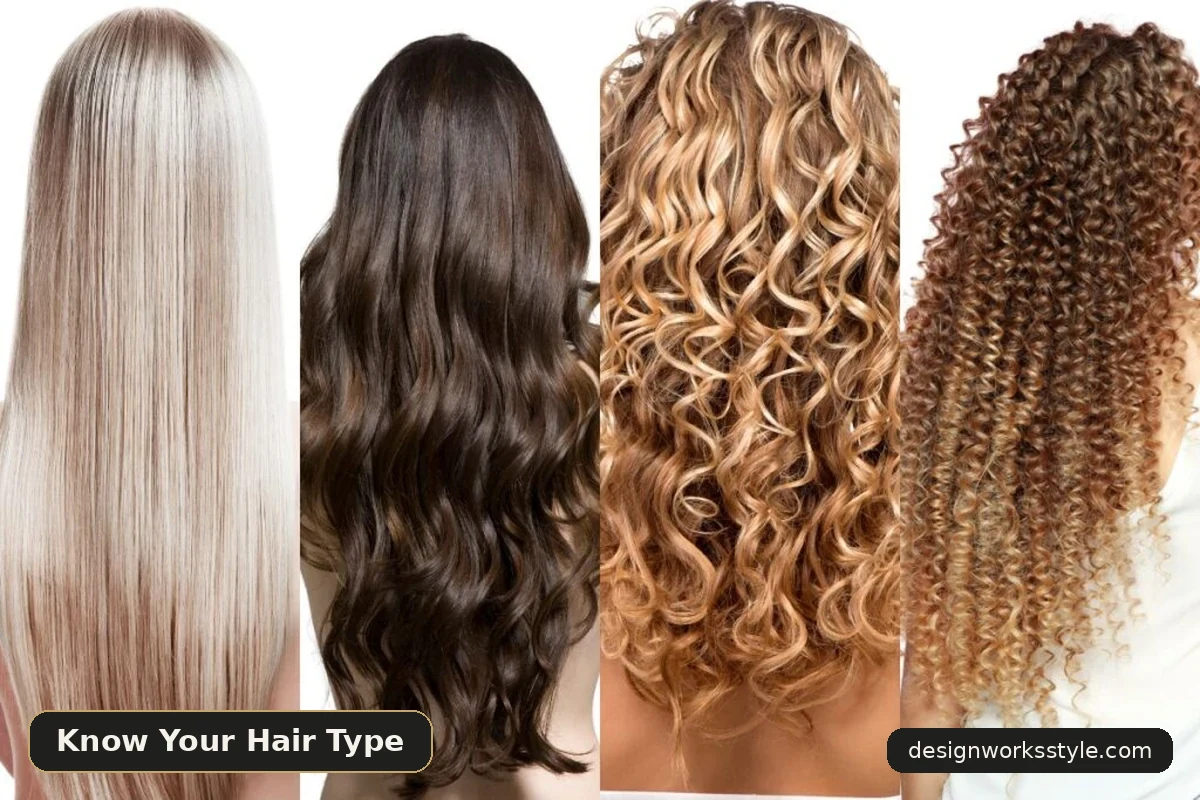
Hair type comes from texture, porosity, and density, and you can check all three at home without tools. Texture is the shape of each strand, straight, wavy, curly, or coily. Porosity is how fast hair absorbs water. Density is how many strands you have. Together they decide which products and wash schedule suit you.
To check texture, wash your hair, let it air dry with no products, and look at how it falls. Straight hair dries flat with no bends. Wavy hair forms loose S shapes. Curly hair forms clear curls or ringlets. Coily hair forms tight coils or zigzag patterns. Most people have more than one texture on their head, often straighter underneath and curlier on top, so use the texture that covers most of your hair.
Porosity shows in how hair handles water. Low porosity hair beads water at first and takes a while to get fully wet, and products tend to sit on top. High porosity hair soaks water up fast and dries fast, and it needs heavier creams to hold moisture. Medium porosity wets easily and holds styles well. Density is about how much scalp you can see: if you see a lot of scalp, hair is low density and needs lighter products.
What Routine Works for Fine Hair?
Fine hair needs lightweight products, washing every one to two days, and volume at the roots, because it goes flat fast and shows oil sooner. Heavy creams and oils weigh it down. The goal is clean roots with lift, and light moisture only on the ends.
Shampoo the scalp well and rinse fully, since leftover product weighs fine hair down. Apply conditioner only from the ears down, never on the roots. A light leave-in on the ends is enough. Skip heavy masks unless ends are very dry.
For styling, mousse or root lift spray on damp roots gives lift that lasts longer than backcombing. Blow dry with your head tilted or use a round brush at the roots. Letting fine hair air dry often leaves it flat, so some heat styling helps, but use a heat protectant every time. Mousse and root lift suit fine hair because they add lift without weight, and hair styling basics like drying roots first and avoiding heavy creams matter as much as the product itself. General hair care habits, washing the scalp well and conditioning only the lengths, keep that lift from collapsing by day two.
What Routine Works for Thick Hair?
Thick hair needs more moisture, longer wash days, and products that control bulk, because it dries slower and can look puffy. The goal is even moisture from roots to ends without weighing hair down at the scalp.
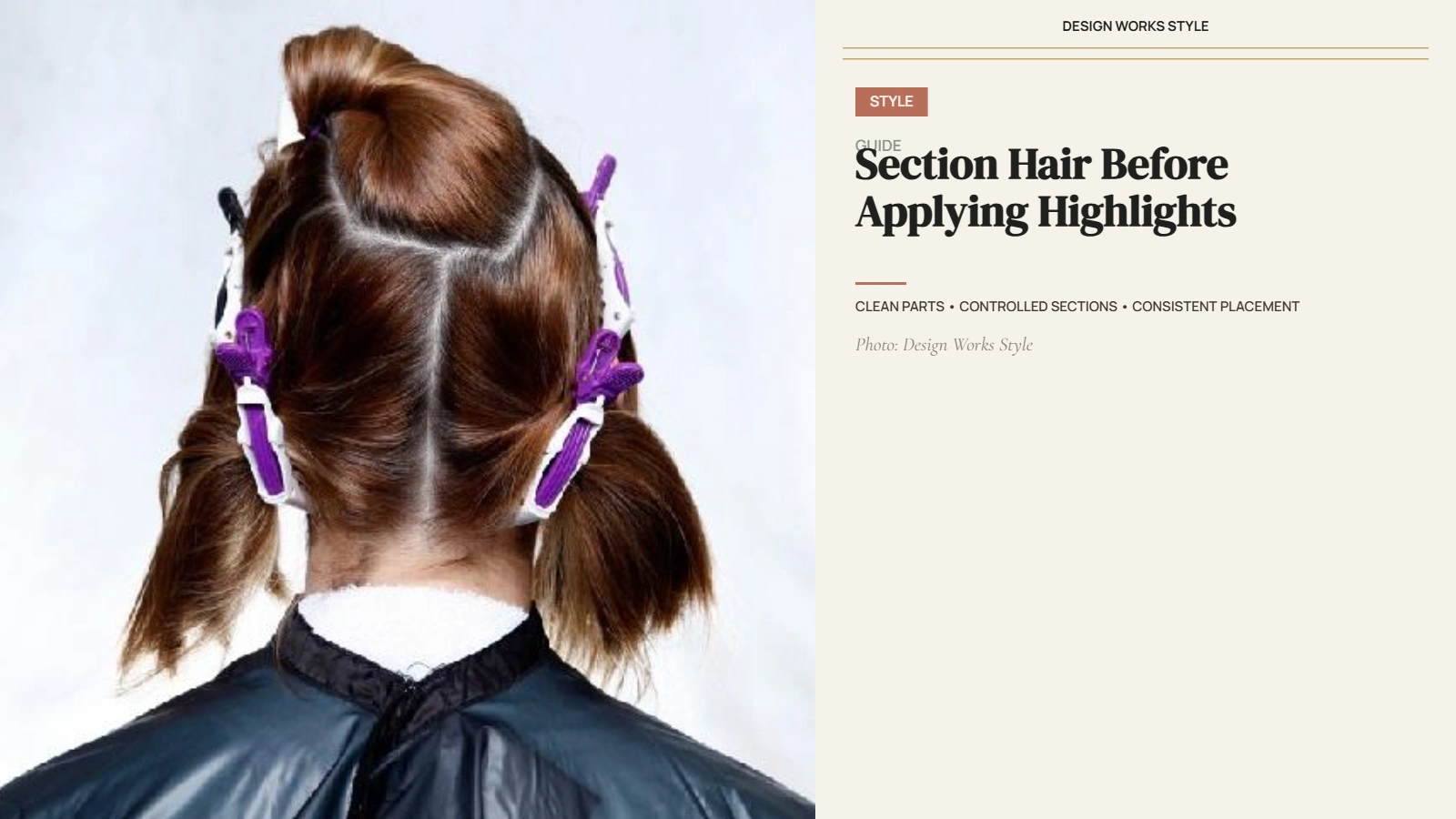
Work in sections. Divide hair into four parts with clips, shampoo the scalp in each section, and apply conditioner generously. A mask once a week helps. Rinse with cool water to smooth the cuticle.
Drying takes time, so plan for it. Rough dry with a dryer until hair is mostly dry, then smooth with a brush. Air drying thick hair can take hours and leave it frizzy. A leave-in cream on damp hair controls puffiness.
What Routine Works for Curly Hair?
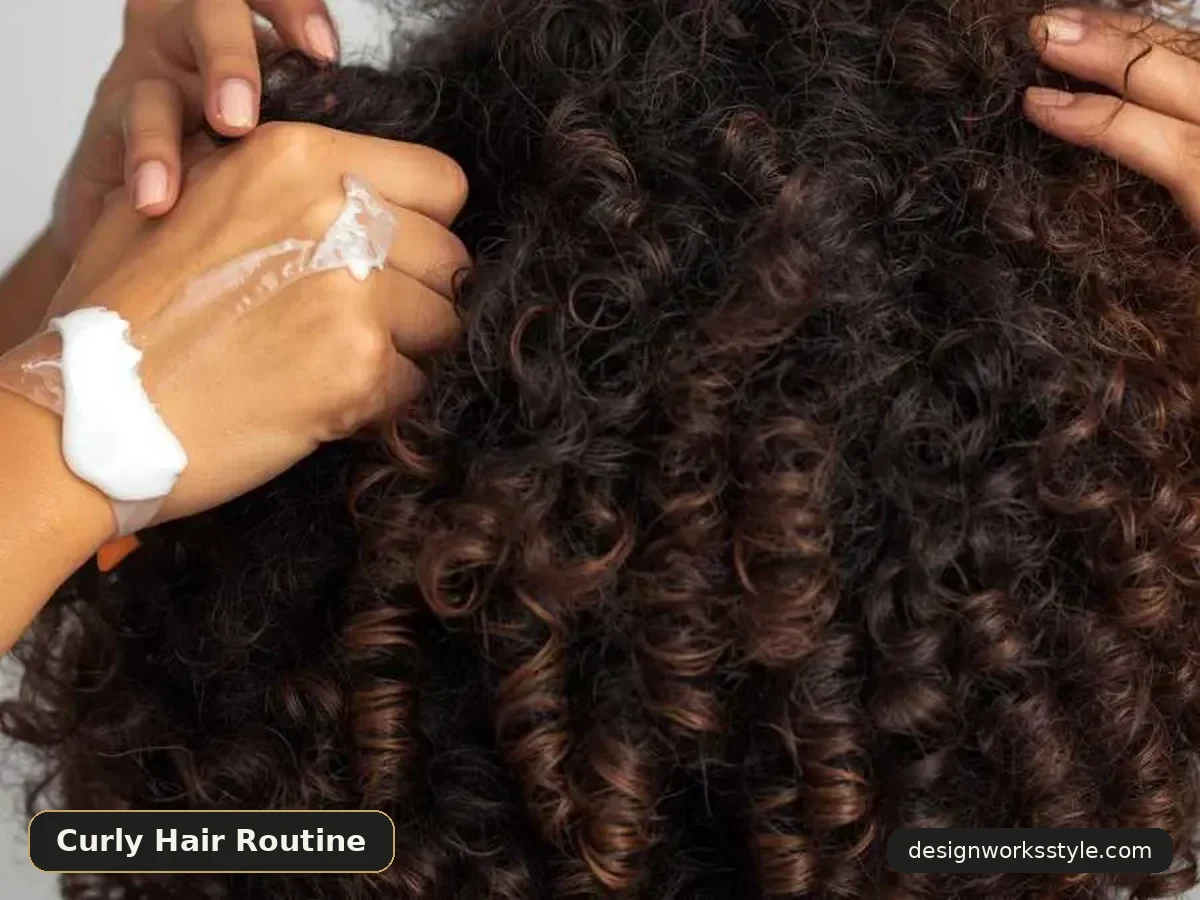
Curly hair needs moisture, gentle handling, and styling while damp, because curls dry out fast and frizz easily. The goal is defined curls that hold their shape for days. Sulfate-free shampoo, rich conditioner, and a styling cream or gel are the basics.
The key habit is styling on wet hair. After washing and conditioning, apply leave-in conditioner, then a curl cream, then gel, all on soaking wet hair. Scrunch to encourage curl shape. Do not brush dry curls, since that breaks them into frizz.
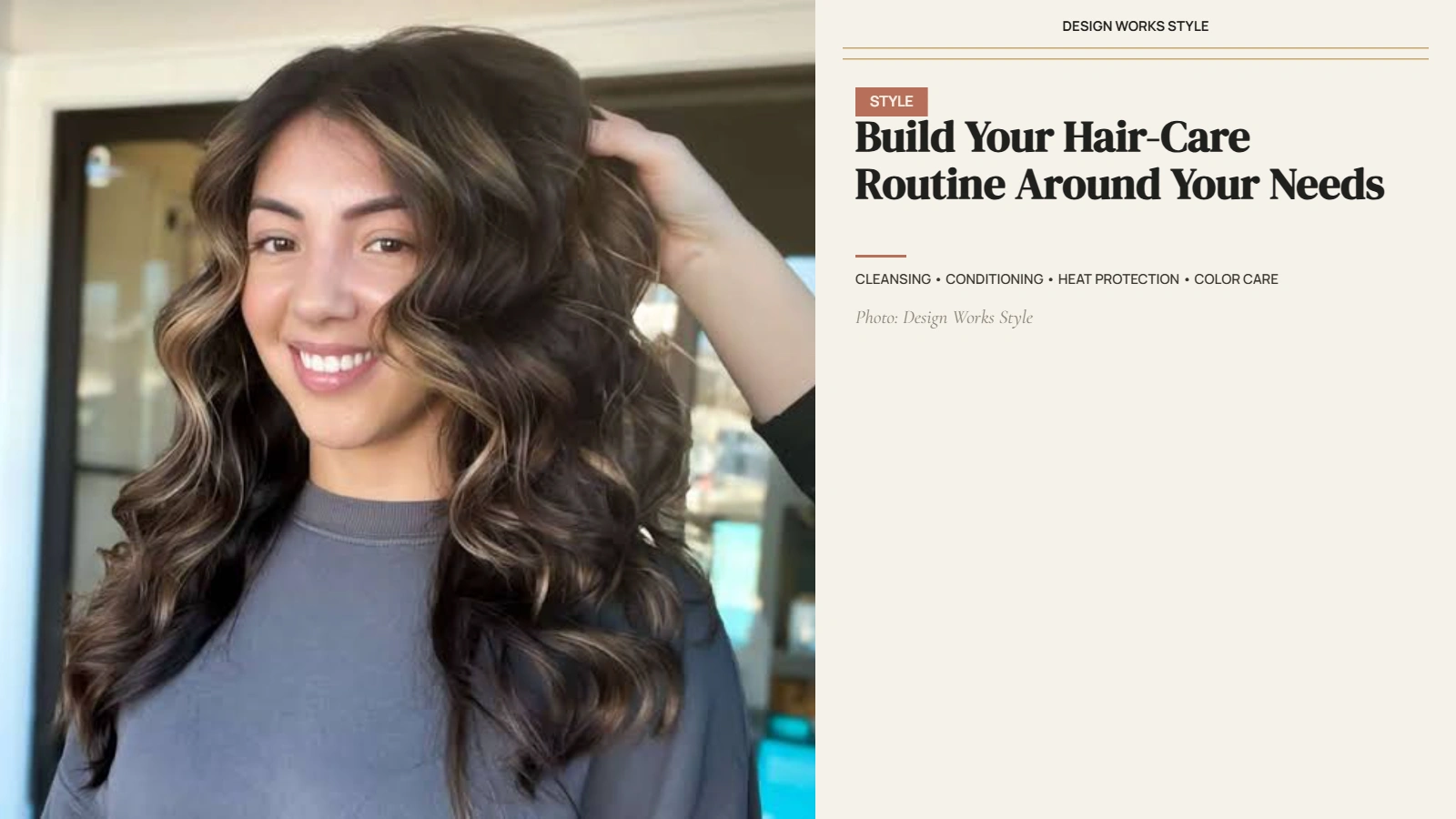
Between wash days, refresh curls with a water spray mixed with a little leave-in conditioner, then scrunch. Sleep on a satin pillowcase or in a loose pineapple bun on top of the head to protect curl shape overnight. Avoid towels that rough up the cuticle. A microfiber towel or an old cotton t-shirt dries curls with less frizz. Color treated curls need extra care, because color can dry curls out fast, and balayage hair care that keeps color fresh while protecting moisture helps curls stay soft between washes.
What Routine Works for Straight Hair?
Straight hair needs oil control at the roots, light moisture on the ends, and protection from heat, because it shows oil fast and heat damage clearly. The goal is clean, shiny hair that moves. Wash every one to two days if the scalp gets oily.
Straight hair shows oil sooner than other types because oil travels easily down a straight strand. Use a light shampoo and focus on the scalp. Condition only the ends. Dry shampoo on day two absorbs oil at the roots.
Heat is the main risk for straight hair, since straightening and blow drying are common daily habits. Use a heat protectant spray every time, keep iron temperatures moderate, and avoid passing the iron over the same section repeatedly. Trim every eight to twelve weeks to remove split ends before they travel up the strand. A shine serum on the ends finishes the routine, and hair gloss at home treatments can add that same shine without a salon visit, as long as heat protectant comes first.
What Routine Works for Coily Hair?
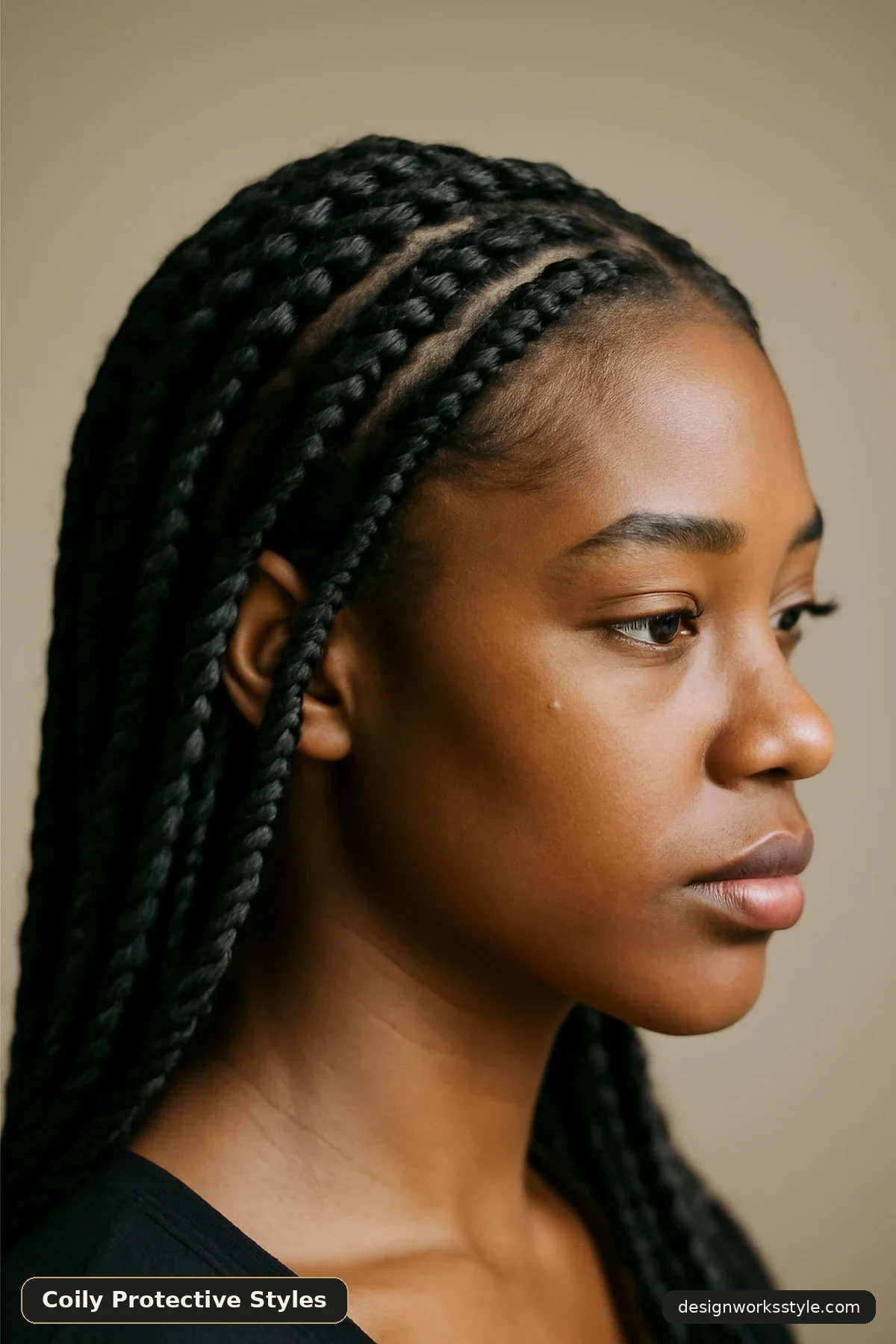
Coily hair needs the most moisture, gentle detangling, and protective styles, because its tight curls make it hard for scalp oil to travel down, and it breaks easily. The goal is soft, moisturized coils with minimal breakage. Rich creams, oils, and regular deep conditioning are essential.
Detangle only when hair is wet and coated with conditioner, using fingers first, then a wide tooth comb. Start from the ends and work up. Never detangle dry coily hair, since that causes breakage. A pre-poo oil treatment before washing adds slip.
Protective styles help ends survive between wash days. Braids, twists, flat twists, and buns keep ends tucked away. Moisturize before installing a style, and do not keep it longer than six to eight weeks. Sleep with a satin scarf or bonnet every night.
How Do You Build Your Own Routine?
Build your routine by starting with your hair type, then adjusting wash frequency, product order, and styling to fit your life. There is no single right routine, only the one that keeps your hair healthy and manageable.
Start with the basics for your type, using products you already own where possible. Keep a simple order: shampoo, conditioner, leave-in, styling product. Add one new product at a time so you can tell what works.
Adjust for seasons and life changes. Hair often needs more moisture in winter and lighter products in summer. Color treated hair needs extra care, and washing and protection for colored hair start with a best shampoo for balayage hair that cleans without stripping color, plus balayage hair care habits like cooler water and less frequent washing. Reassess your routine when it stops working, since hormones, age, heat, and color all change what hair needs over time.
Frequently Asked Questions
How often should you wash your hair?
It depends on type and scalp. Fine or straight hair with an oily scalp often needs washing every one to two days. Curly or coily hair does better with once a week or less. Watch your scalp: itch or odor means wash sooner.
Should you condition every time you shampoo?
Yes, at least on the lengths. Shampoo cleans, and conditioner replaces moisture and smooths the cuticle. Fine hair needs only a light conditioner on the ends, while curly and coily hair benefit from rich conditioner every wash.
Does hair type change over time?
Yes. Hormones, pregnancy, aging, medication, heat damage, and color treatments can all change texture and porosity. Reassess your type every year or two, and adjust products when hair stops responding the way it used to.
What is the right product order?
Shampoo first, then conditioner or mask, then leave-in conditioner, then styling product. Oil goes last to seal, or before shampoo as a pre-poo treatment. Apply the lightest products first and the heaviest last.
Start with your type, keep the routine simple, and adjust one thing at a time. The washing and conditioning basics that sit under every routine here are hair care habits like shampooing the scalp, conditioning the lengths, and rinsing fully, while styling methods by length and occasion come down to hair styling choices that match your type and time, not a longer product list.