
Hair salon services fall into four groups: cuts, color, treatments, and styling, and each one does a different job for your hair. A trim keeps shape, color changes shade, treatments repair or smooth, and styling shapes hair for a day or an event. Knowing what each service includes helps you book the right one and ask better questions.
What Do the Different Cuts Mean?
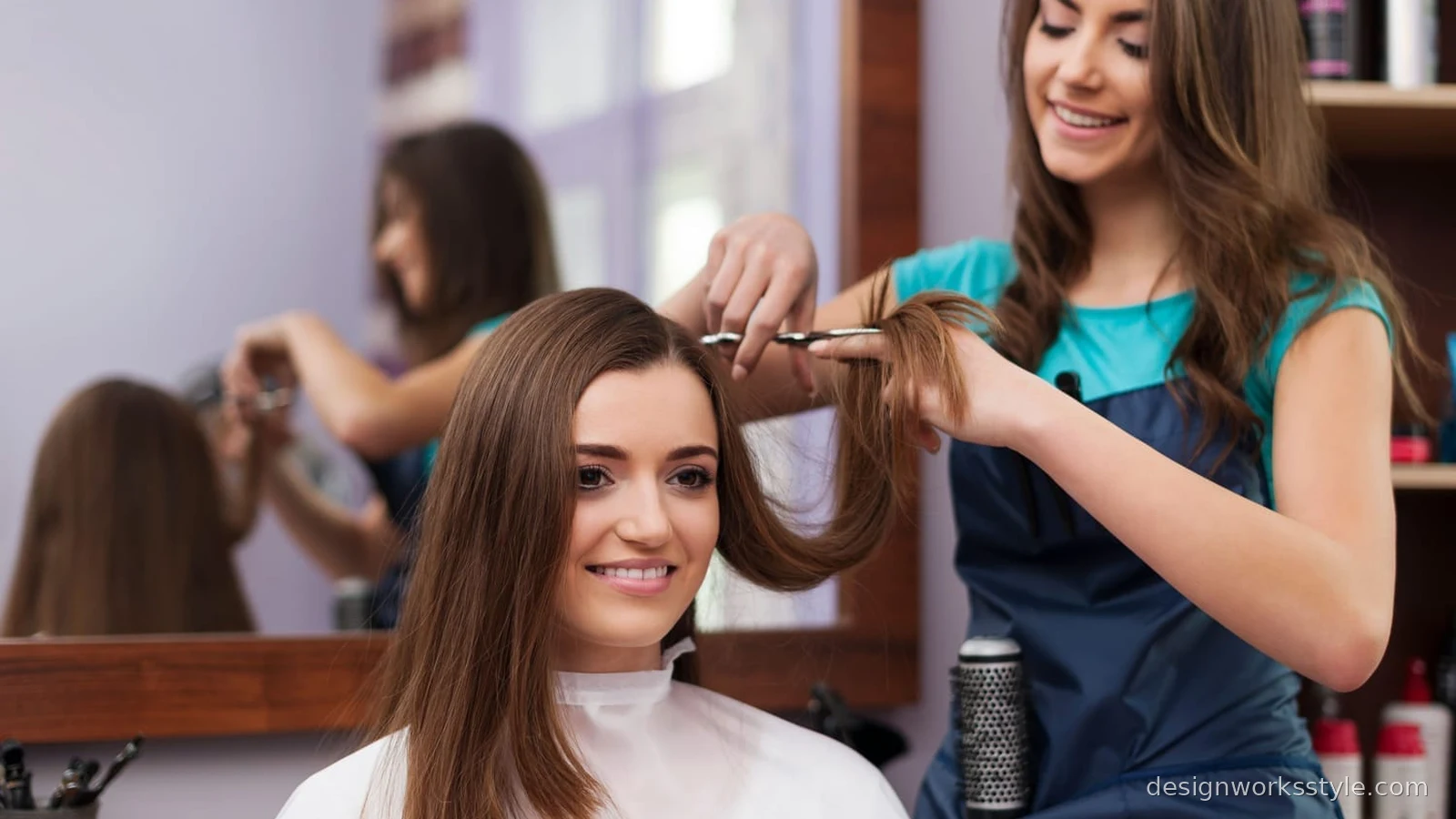
A trim takes off split ends and keeps the current shape, a layered cut adds movement with shorter pieces over longer ones, a blunt cut keeps one even length, and a textured cut thins bulk with point cutting or razoring. The right cut depends on your hair type, your face shape, and how much styling time you have each morning.
A trim is maintenance, not a change. The stylist takes off a small amount, usually the damaged ends, and the shape stays the same. Most people need a trim every six to eight weeks, though short cuts need it more often and long hair can stretch further if the ends stay healthy. A trim keeps a cut looking sharp, and it stops split ends from traveling up the hair.
Layered cuts suit hair that needs movement or volume. Short layers over long ones lift fine hair, while long layers remove weight from thick hair without losing length. Blunt cuts suit hair that needs to look thick and even, since one straight length reads as fuller than many layers. Textured cuts use point cutting or a razor to thin bulk and soften edges, which suits thick or coarse hair that sits heavy in one length.
A restyle is different from a trim. It changes the shape, the length, or both, and it takes longer and costs more than a trim. Book a restyle when you want a new look, and book a trim when you want to keep the look you have. If you are still deciding on a cut, our choosing a haircut guide walks through face shape, hair texture, and upkeep, and it gives you language to use in the consultation.
What Color Services Can You Book?
Full color covers all your hair in one shade, highlights lighten thin sections for brightness, balayage paints color on freehand for a soft grow-out, ombre blends dark roots into lighter ends, and gloss adds shine and tone without a full color change. Each one needs different upkeep, and the technician should explain that before you agree.
Full color suits a single, even shade, including covering gray. The stylist applies color from roots to ends, and the result is uniform. Roots show as hair grows, so full color needs touch-ups every four to six weeks for many people. Ask whether the price includes a toner or a gloss finish, since those extras change the final shade and sometimes the bill.
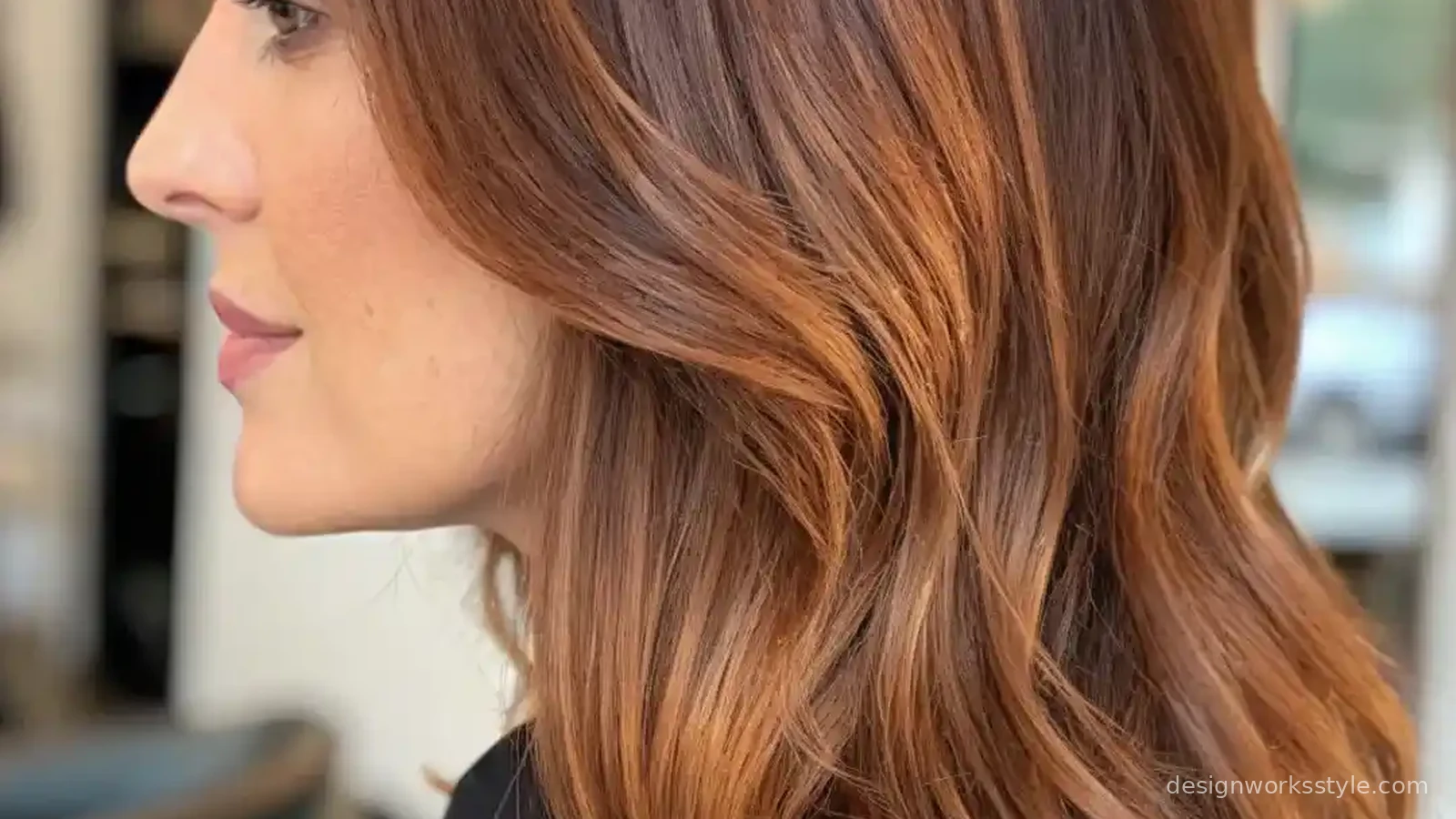
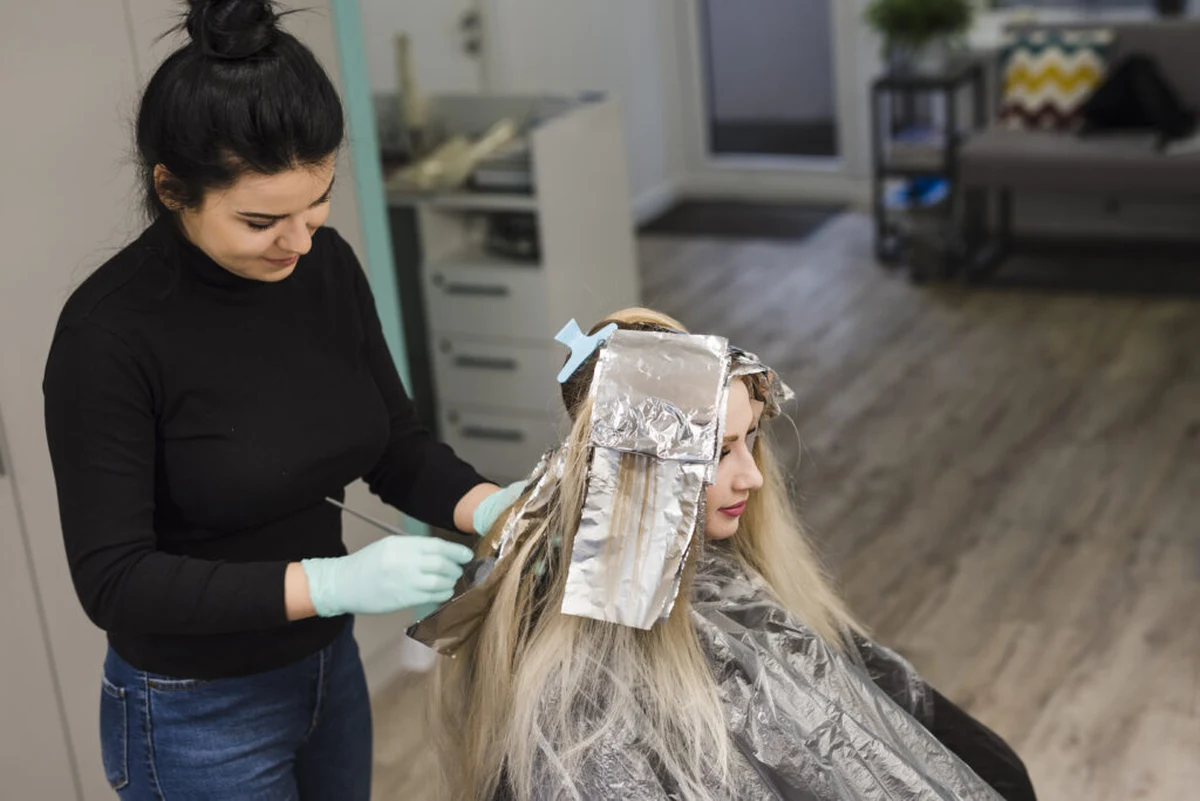
Highlights lighten thin sections woven through the hair, which adds brightness and depth without changing the whole head. Foils hold the lightener in place and give a more even result. Balayage paints lightener on freehand, without foils, which gives a softer blend and a grow-out that looks natural for longer. Ombre keeps roots dark and blends into lighter ends, which suits people who want light ends without frequent root work.
Gloss is the lightest color service. It adds shine, refreshes faded color, and tones brassiness, without lifting the hair lighter. Gloss washes out over several weeks, so it needs reapplying to hold the tone. For washing, products, and timing between color visits, our hair color maintenance guide covers what keeps color looking fresh and what fades it fast.
Color work carries real risk when hair has been bleached before, or when the change is large. Bleach can weaken hair, and going from dark to light in one visit may need more than one session. A good stylist explains the risk and the upkeep before starting, and says plainly when a result needs two visits instead of one.
What Treatments Are Worth Knowing About?
Deep conditioning adds moisture back into dry or damaged hair, keratin smooths frizz and cuts drying time for weeks, bond treatments rebuild broken links inside the hair after bleaching, and scalp treatments clear buildup and calm irritation. Treatments are not cuts or color, and most of them sit on top of a regular appointment.
Deep conditioning is the simplest treatment. The stylist applies a rich mask, sometimes with heat, and leaves it to soak in. It suits dry, damaged, or bleached hair, and the result lasts until the next few washes. Many salons add deep conditioning to a cut or color appointment for a small extra charge, and it is worth asking about when hair feels rough or dry.
Keratin treatments smooth frizz by coating the hair and sealing the cuticle, which cuts drying time and keeps hair straighter in humidity. The result lasts weeks to months, depending on the product and how often you wash. Keratin suits frizzy or wavy hair that takes long to style, and it is less useful for hair that is already straight and smooth.
Bond treatments rebuild the internal links that bleaching and heat break down. They work best as part of a color service, applied during or right after bleaching, and they do less as a standalone fix for already broken hair. No treatment repairs all damage in one session, and a stylist who promises that is overselling. If your scalp is sensitive or irritated, raise it before any treatment, and our scalp care guide explains what to mention and what to watch for during chemical services.
Scalp treatments clear product buildup, excess oil, and flakes, and they calm irritation. The stylist massages a treatment into the scalp, sometimes with steam, and rinses it out. A scalp treatment suits people with itching, flaking, or heavy product use, and it pairs well with a cut, since clean scalp hair styles better.

What Styling Services Do Salons Provide?
A blowout washes, dries, and styles your hair smooth or with volume for a few days, an updo pins hair up for weddings and events, and styling adds curls, waves, or braids for a night out. Styling is temporary, and it washes out, which makes it a low-risk way to try a look before committing to a cut or color.
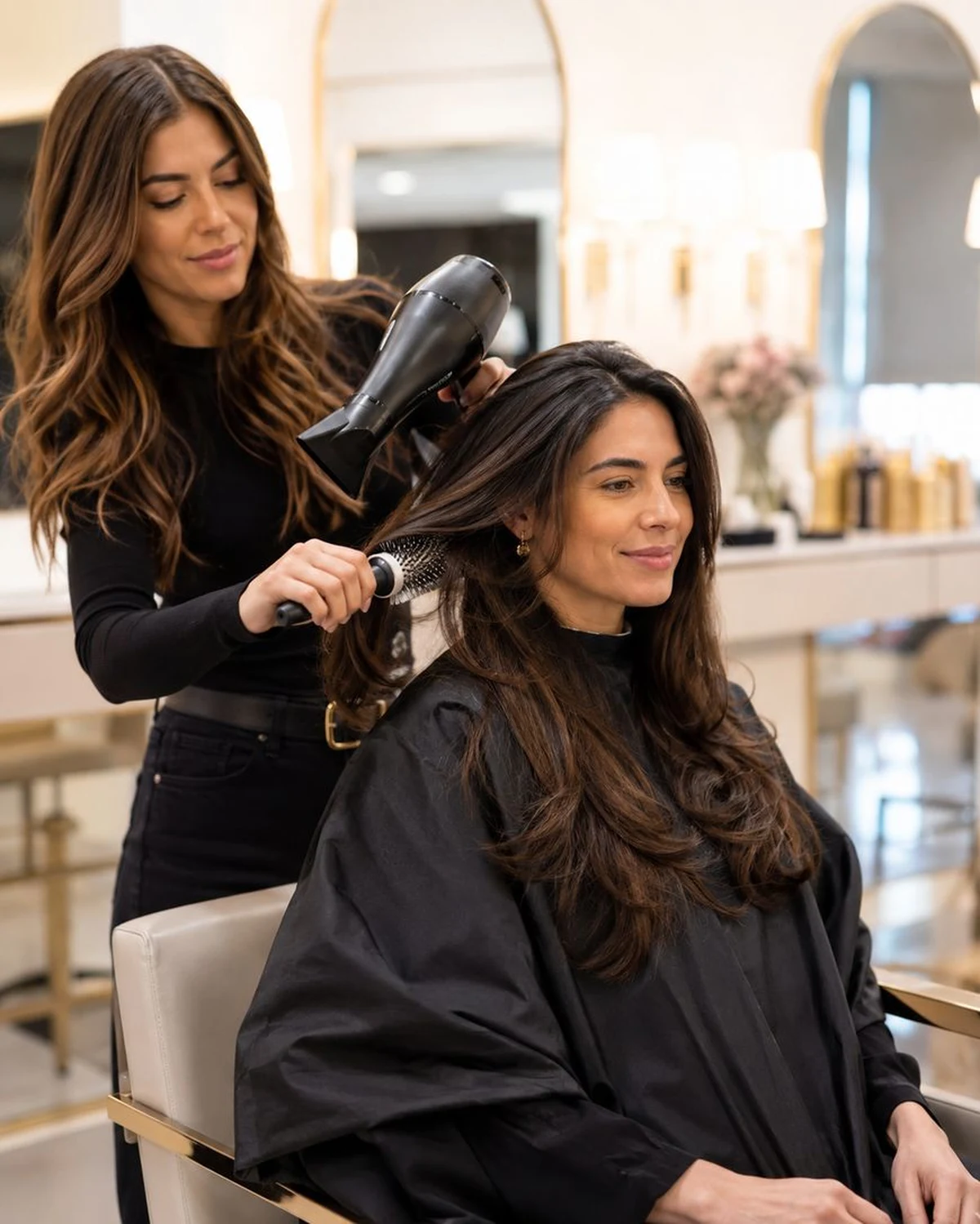
A blowout starts with a wash, then drying with a round brush for smoothness or volume, and a finish with serum or spray. The result lasts until the next wash, usually a few days, and it suits occasions when you want hair to look done without a cut or color. Bring a photo of the finish you want, since “smooth” means different things to different stylists.
Updos pin hair up for weddings, formal events, and nights out. The stylist may add braids, twists, or curls first, then pin the style in place with grips and spray. An updo takes longer than a blowout, and it costs more, since the work is detailed and the style must hold for hours. Arrive with clean, dry hair unless the salon asks otherwise, since product buildup makes pinning harder.
Formal styling covers curls, waves, and braids for a night out, without pinning the hair fully up. It washes out, which makes it a safe way to test a look. For styles that hold up through a long day, our hair styling guide covers techniques that last, and for daily care between salon visits, our hair care routine guide covers care for different hair types.
What Should You Ask Before You Book?
Before you book, ask what the service includes, how long it takes, what it costs in full, and what upkeep it needs at home. Ask who will do the work, and whether the price covers toner, treatments, or a finish. A salon that answers all of that plainly is one you can trust with the appointment.
Ask for the full price, including every add-on. Color work often carries add-ons: a toner after bleach, a bond treatment, or a gloss finish. Each can be reasonable, but none should appear as a surprise on the bill. A printed price list or a clear quote at consultation is the norm at a well-run salon.
Ask who will actually do the work. The person who greets you at the door is not always the person cutting or coloring, and senior stylists cost more than juniors for good reason. For color or a major change, the premium for a senior stylist is often worth it. For a simple trim, a junior stylist under supervision can be excellent and cheaper.
Talk about upkeep before you agree to a service. A color that needs touch-ups every four weeks costs more over a year than one that needs them every eight weeks. A cut that needs daily styling may not suit a busy morning routine. If you are still choosing a salon, our guide to choosing a hair salon covers consultations and pricing, and our salon etiquette guide covers how to handle the appointment itself. For the home side of the balance, our DIY vs salon guide covers which jobs suit home and which need a professional.
Frequently Asked Questions
How do I pick between highlights and balayage?
Pick highlights when you want brightness through the hair and a more even, structured result. Pick balayage when you want a softer blend and a grow-out that looks natural for longer, with fewer root touch-ups. Your hair history matters too: hair that has been bleached before may suit one method better than the other, so ask the stylist which suits your hair.
How often should I get a treatment?
Deep conditioning suits every four to six weeks, or whenever hair feels dry or rough. Keratin lasts weeks to months, so it needs reapplying only when frizz returns. Bond treatments belong inside color services, so they follow no fixed schedule of their own. A stylist who knows your hair can set a rhythm that fits your routine and budget.
Can I book a cut and color in one visit?
Yes, and most salons expect it. A cut and color visit takes longer than either alone, often two to three hours, so book the combined service and say so when you book. The stylist usually colors first and cuts second, since the cut shapes the colored hair. Bring photos of both the cut and the color you want.
What if I do not like the result?
Raise it within a few days, calmly and specifically. Say what did not work, like a color that came out darker than agreed or layers that sit wrong. Most salons fix a cut or color free when you raise it early. Waiting weeks makes a fix harder, since hair grows and color fades, so speak up while the result is fresh.
Know the service, ask the price in full, and check the upkeep before you book. The right service is the one that fits your hair, your routine, and your budget.