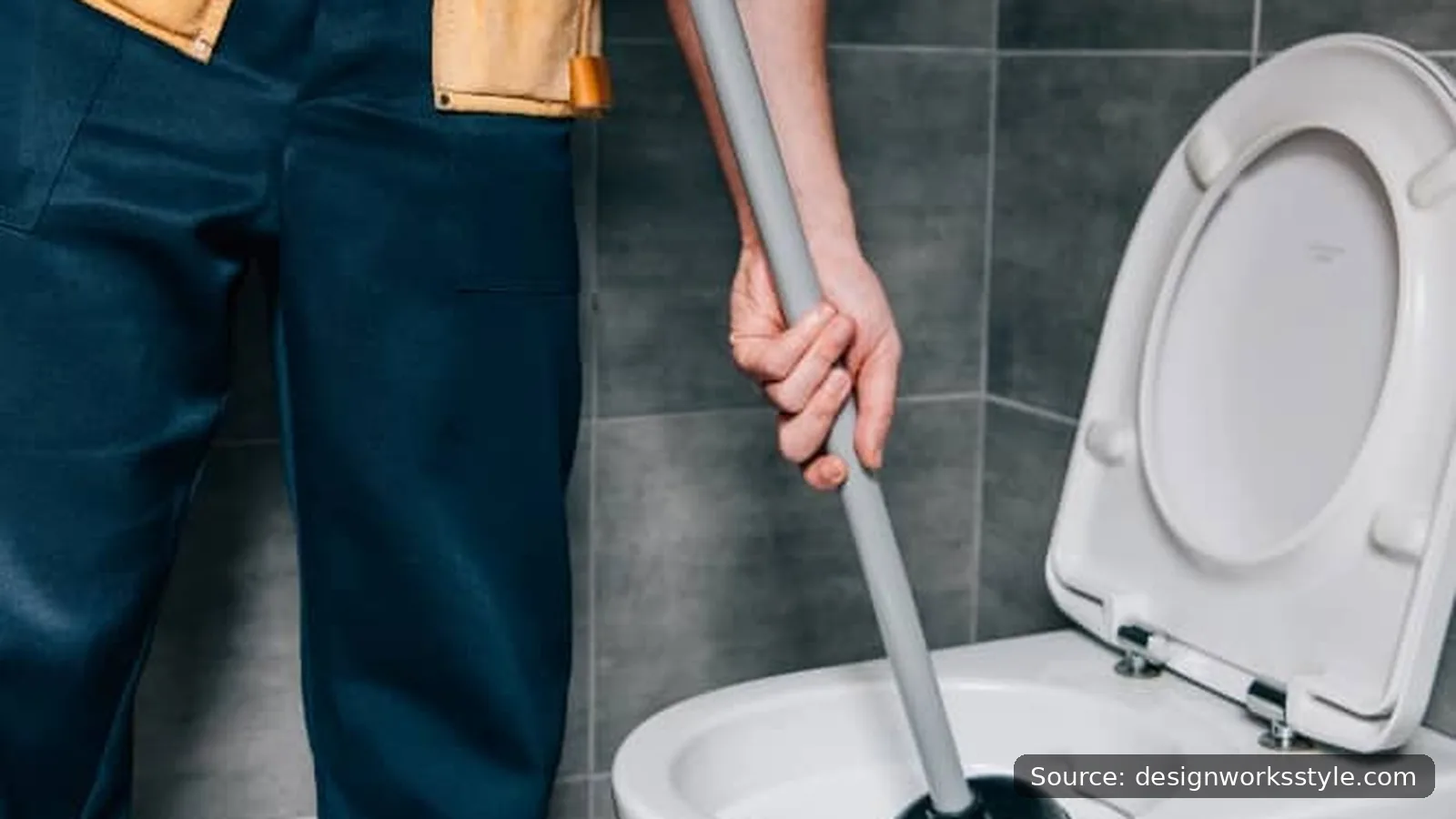

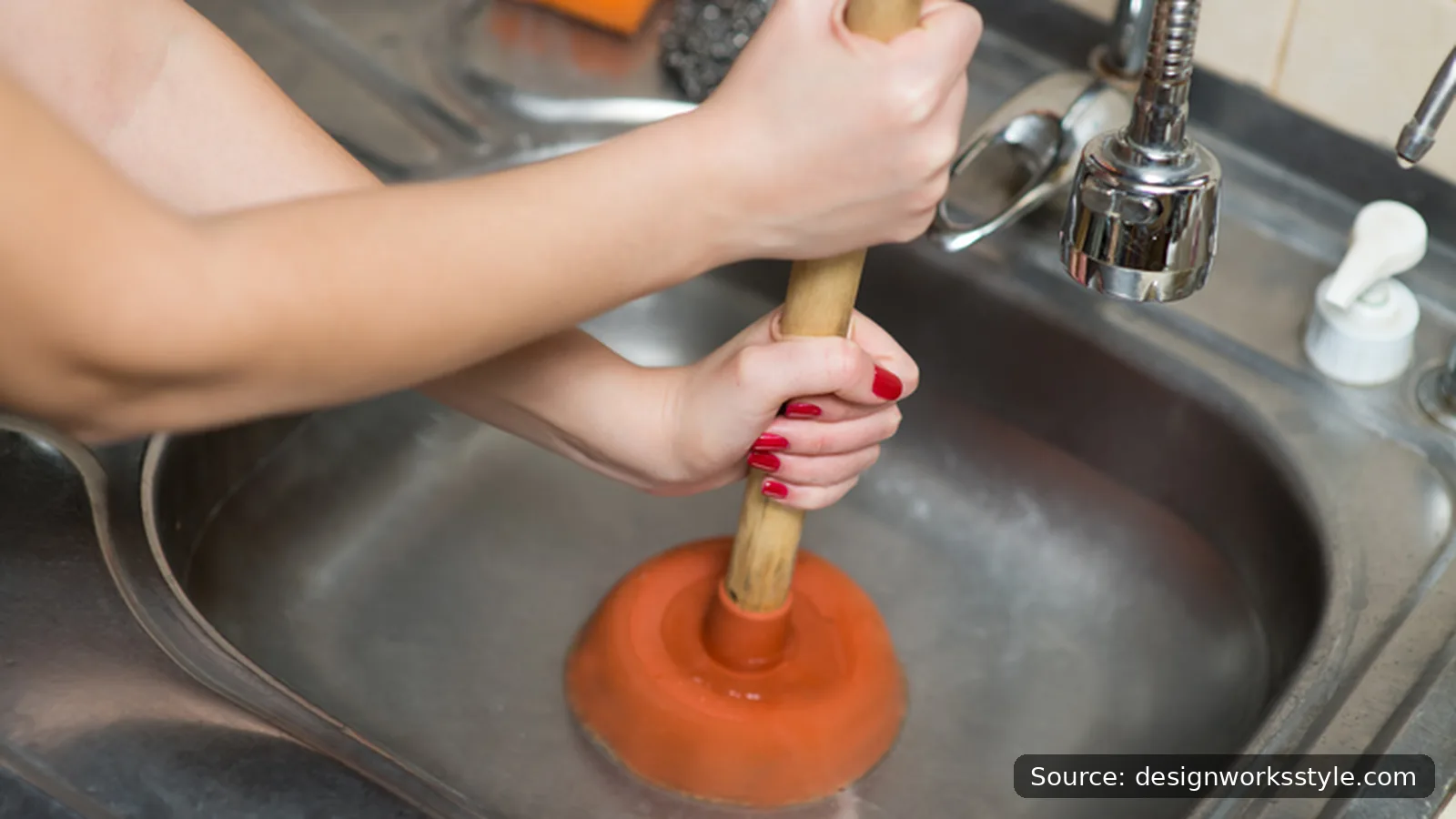
To unclog a sink, start with a cup plunger: fill the sink with a few inches of water, seal the plunger over the drain, and plunge vigorously. For bathroom sinks, the clog is usually hair around the stopper: remove the stopper and pull it out. For kitchen sinks, try baking soda and vinegar followed by hot water. If the clog persists, remove and clean the P-trap, the curved pipe under the sink where most deep clogs lodge.
Sink clogs are location-specific problems. Bathroom sinks clog with hair and soap scum right at the drain. Kitchen sinks clog with grease and food further down the line. The fix depends on which sink and where the clog sits, so identifying both before you start saves a lot of useless plunging.
How Do You Unclog a Bathroom Sink?
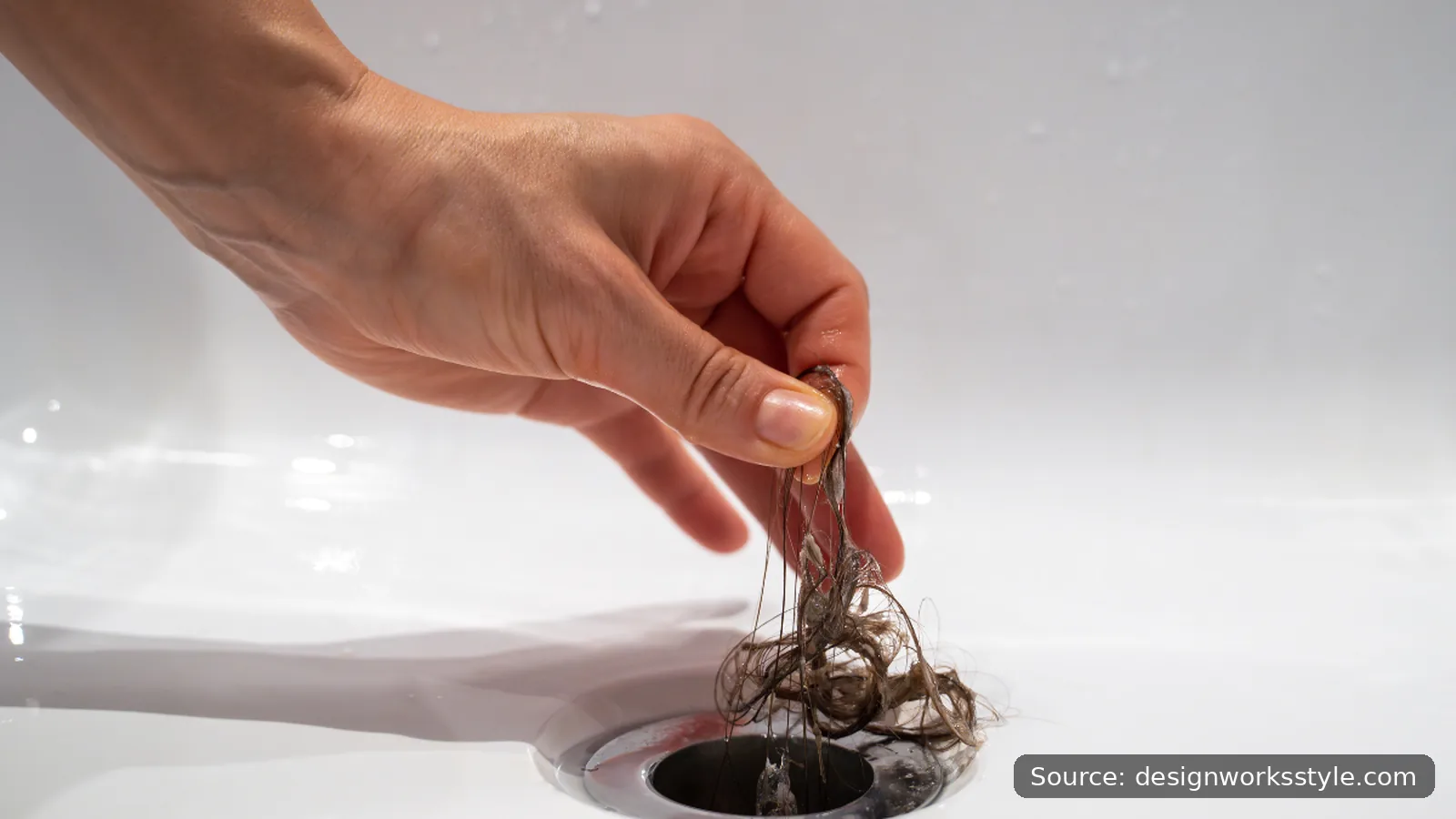
Pull the stopper first. Most bathroom sink clogs are a wad of hair wrapped around the stopper or the drain crossbars, within the first few inches. Pop-up stoppers usually lift out or unscrew; older ones have a pivot rod underneath that needs unclipping. Once the stopper is out, reach in with tweezers or a plastic zip drain tool (a few dollars, barbed edges grab hair) and pull the clog out. This fixes the majority of slow bathroom drains without any chemicals or disassembly. Run hot water for a minute afterward to flush the loosened soap scum.
How Do You Unclog a Kitchen Sink?
Start with the plunger, using a cup plunger (flat bottom, designed for sinks). Fill the sink with 2 to 3 inches of water to help the seal, and if it is a double sink, plug the other drain with a wet rag so pressure goes to the clog instead of the other basin. Plunge vigorously for 20 seconds. If that fails, try the baking soda method: pour half a cup of baking soda down the drain, follow with half a cup of white vinegar, wait 15 minutes, then flush with hot (not boiling) water. This dissolves grease and soap buildup but will not clear solid obstructions. For a sink with a garbage disposal, make sure the disposal is not the problem first: press the reset button underneath and use an allen wrench in the bottom socket to free a jammed flywheel before assuming a drain clog.
How Do You Clean a Sink P-Trap?
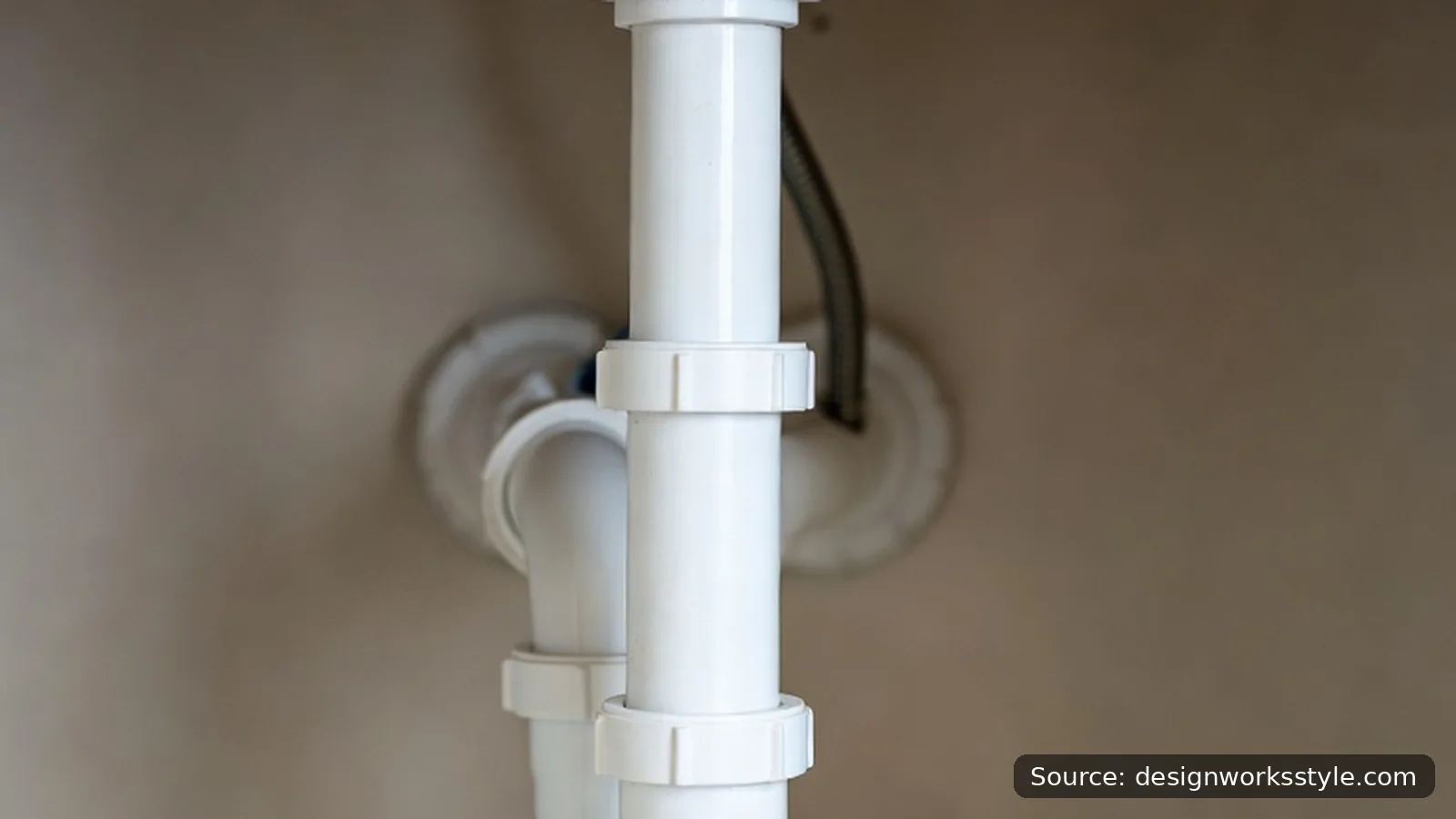
The P-trap is the U-shaped pipe under the sink, and it is where stubborn clogs settle. Place a bucket underneath, then unscrew the two slip nuts holding the trap (usually hand-tight; use channel-lock pliers if they resist). Pull the trap down and empty it into the bucket. Most of the time the clog is right there, and you are done. While it is off, run a bottle brush through the pipe sections. Reassemble hand-tight, run water, and check for drips. If the nuts leak, tighten a quarter turn more; if they still leak, the washers may need replacing (pennies at the hardware store). This is a 15-minute job that clears clogs no plunger can reach.
Should You Use Chemical Drain Cleaner?
Sparingly, if at all. Chemical cleaners can clear minor grease clogs, but they generate heat that damages PVC pipes, corrode older metal pipes, and kill the beneficial bacteria in septic systems. They also create a chemical hazard for anyone who later opens the trap. For a one-time mild clog they are acceptable. For recurring clogs, they are masking a problem that needs mechanical clearing (zip tool, plunger, or trap removal). Enzyme-based drain cleaners are the gentler alternative: slower, but safe for all pipes and septic systems, and good for monthly maintenance.
How Do You Prevent Sink Clogs?
Two habits prevent most clogs. In the bathroom, a mesh drain screen catches hair before it enters the drain; empty it weekly. In the kitchen, never pour grease down the drain: let it cool, pour it into a container, and throw it away. Grease is liquid going in and solid coming out, coating the inside of your pipes a little more each time until water cannot pass. Coffee grounds and starchy foods (rice, pasta, potato peels) also expand and clog. Scrape plates into the trash, not the disposal, and the drain stays clear.
If the whole bathroom is draining slowly, the problem may be bigger than one sink. And if your toilet is acting up too, our guide to unclogging a toilet covers that fix.
Frequently Asked Questions
Can baking soda and vinegar really unclog a drain?
For mild clogs caused by grease and soap buildup, yes. The fizzing reaction loosens the buildup and the hot water flush carries it away. It will not dissolve hair clogs or solid obstructions, and it will not clear a fully blocked drain. Think of it as maintenance and mild-clog treatment, not a substitute for a plunger or trap cleaning.
Why does my sink clog keep coming back?
Because the underlying buildup was never fully removed. Plunging can punch a hole through a grease clog without clearing it, and the hole closes back up. A recurring clog needs the trap removed and cleaned, or a drain snake run through the line past the trap. If it still returns after that, the problem may be further down the line (venting issue or pipe damage) and worth a plumber’s camera inspection.
How do you unclog a double kitchen sink?
Seal one side completely (wet rag pressed firmly into the drain, or a second plunger held down) and plunge the other. Without sealing, the pressure escapes through the open drain and nothing happens. If both sides are fully blocked with standing water, bail out most of the water first, then work on one side at a time. Persistent double-sink clogs often sit past where the two drains join, which may need a snake.
Is it safe to use a plunger on a sink with a garbage disposal?
Yes, with the disposal off. Plunging will not damage a disposal. But check the disposal first: a jammed disposal mimics a clogged drain. Press the reset button on the bottom of the unit and turn the flywheel with an allen wrench through the bottom socket to free it. If the disposal runs but the sink still does not drain, then plunge or clean the trap.