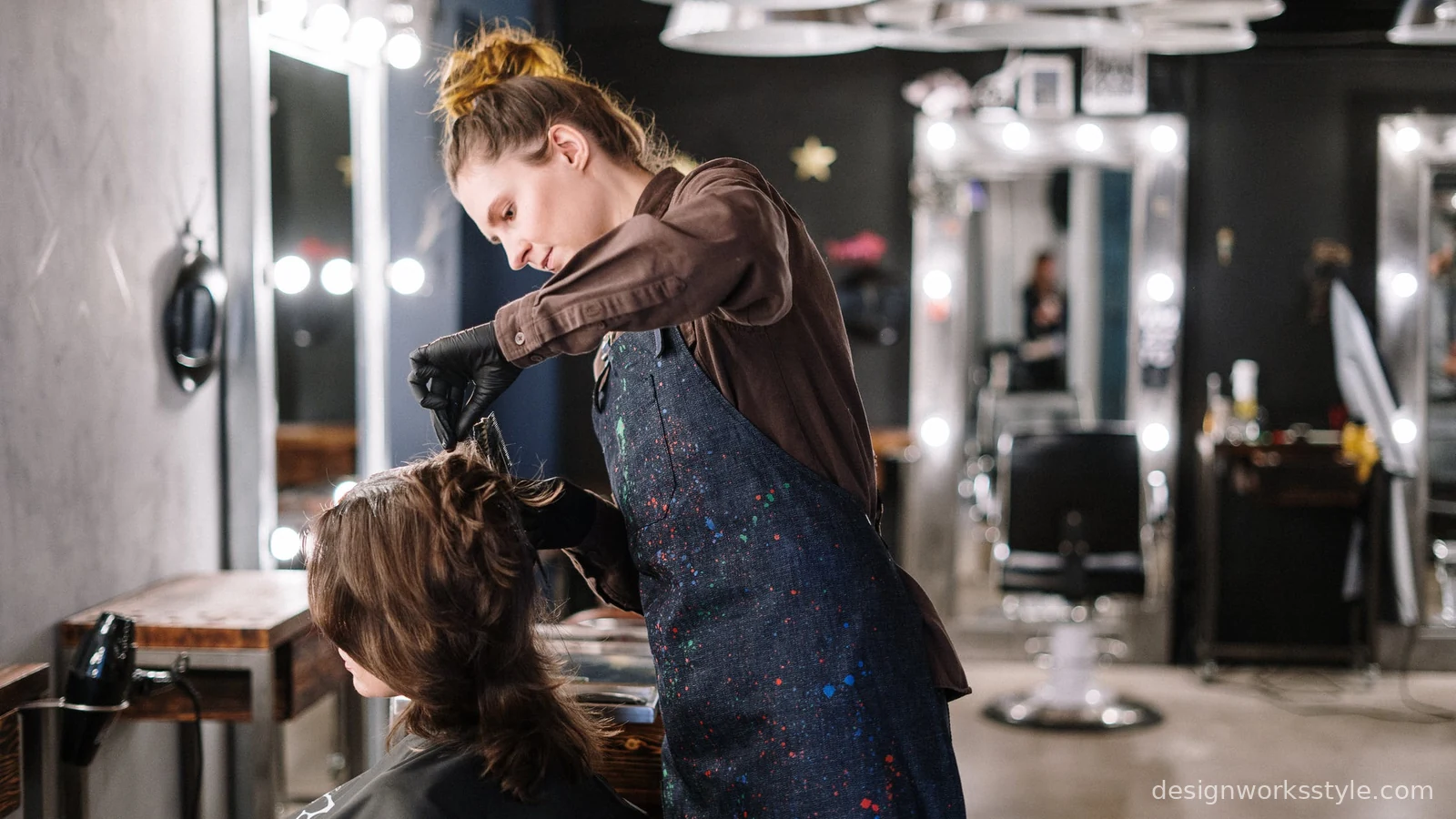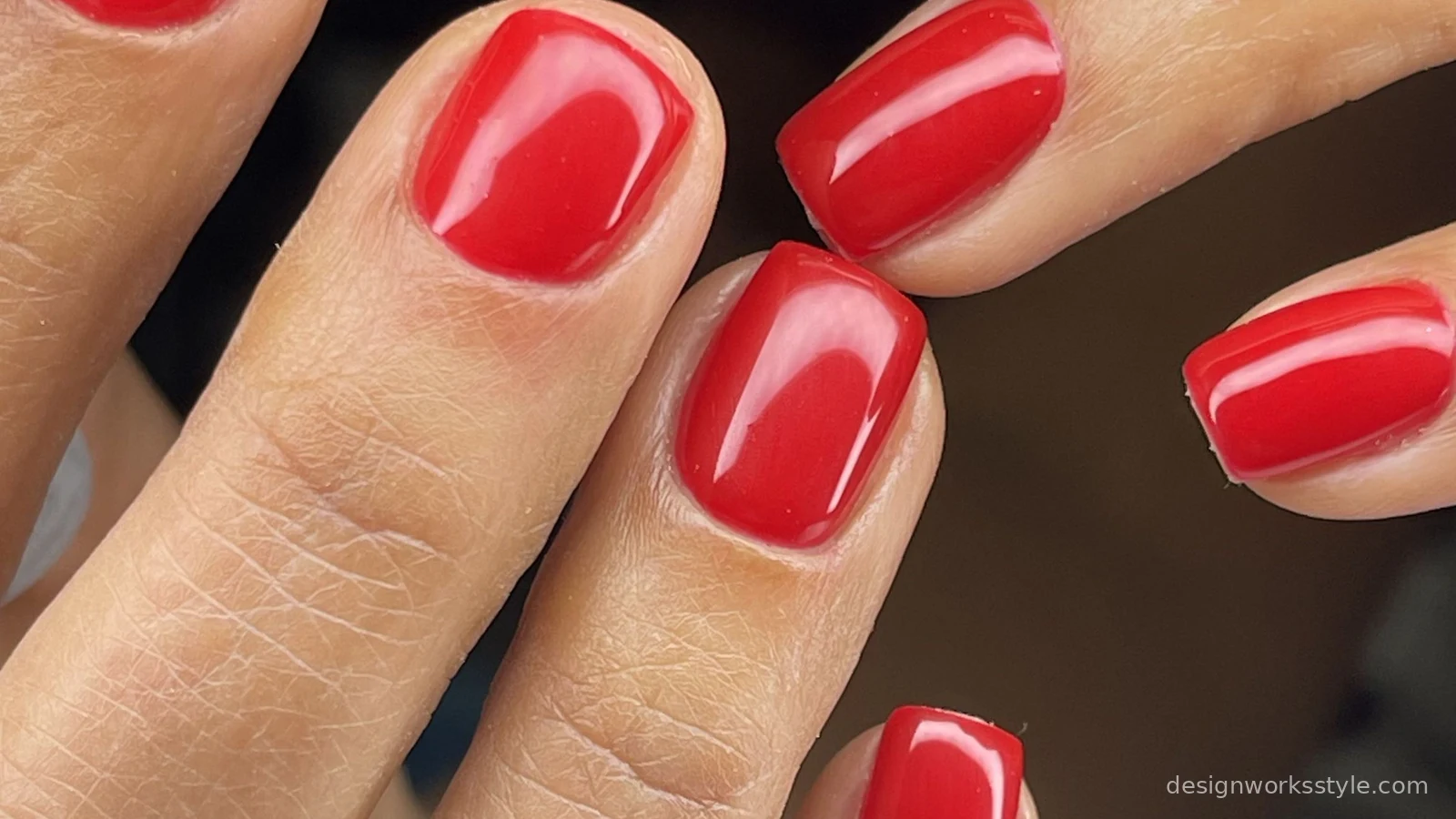


DIY works for simple jobs with low risk, like a basic manicure, a root touch-up between salon visits, or a deep conditioning treatment. A salon is the safer choice for anything hard to undo, like bleaching, balayage, gel extensions, or a major cut. The deciding question is simple: if it goes wrong, can you fix it at home?
Which Nail Jobs Work at Home?
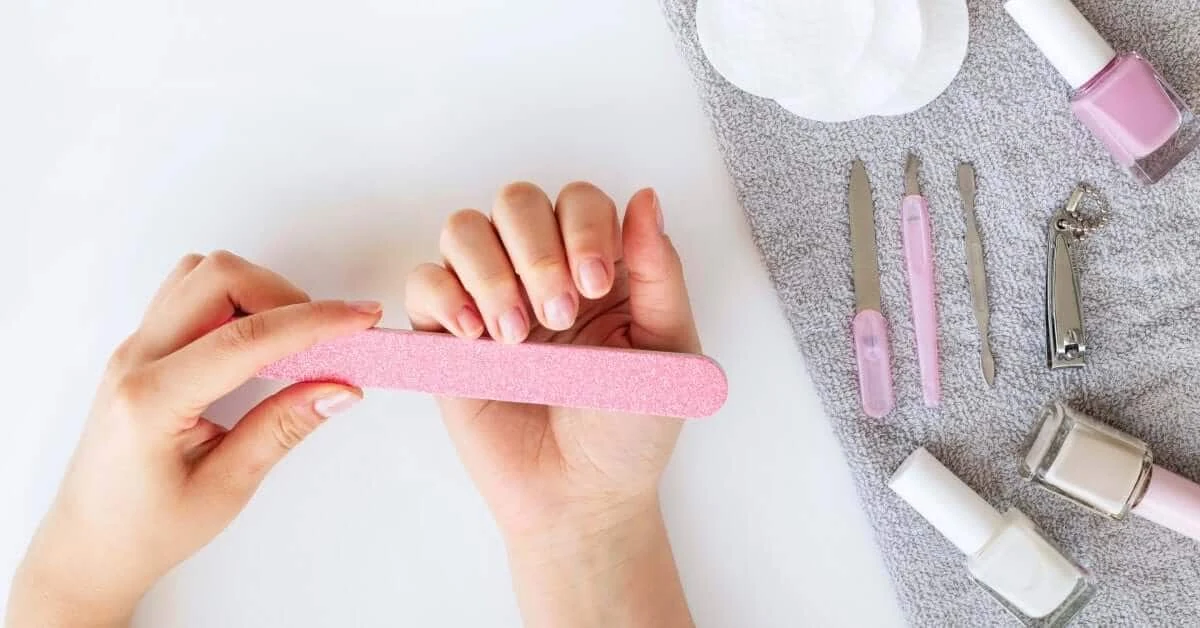
At home, stick to simple nail jobs: regular polish, basic shaping, cuticle care, and soak-off removal of regular polish. Gel polish, extensions, and acrylics belong in a salon, since removal and application mistakes can thin or tear the natural nail.
Regular polish is the easiest home job. Shape the nails, push cuticles back gently, apply a base coat, two thin coats of color, and a top coat, and let each layer dry before the next. Thin coats dry faster and chip less than one thick coat. A cleanup brush dipped in remover fixes edges without starting over.
Simple nail art also works at home once the basics are steady: dots, stripes, and French tips with guides. Our easy nail art guide starts with designs that need no special tools. Keep nails short while learning, since long nails show uneven edges more.
Know the limits. Gel polish needs a lamp and careful removal, and peeling gel off pulls layers of the natural nail with it. Extensions and acrylics need shaping skill and product control that takes training. Our nail tools guide lists the basic kit worth owning, so you buy tools you will use instead of gadgets that sit in a drawer. If nails are weak, splitting, or sore, skip home experiments and let them recover. Our nail care basics guide covers daily habits that keep nails strong between manicures.
Which Hair Jobs Work at Home?
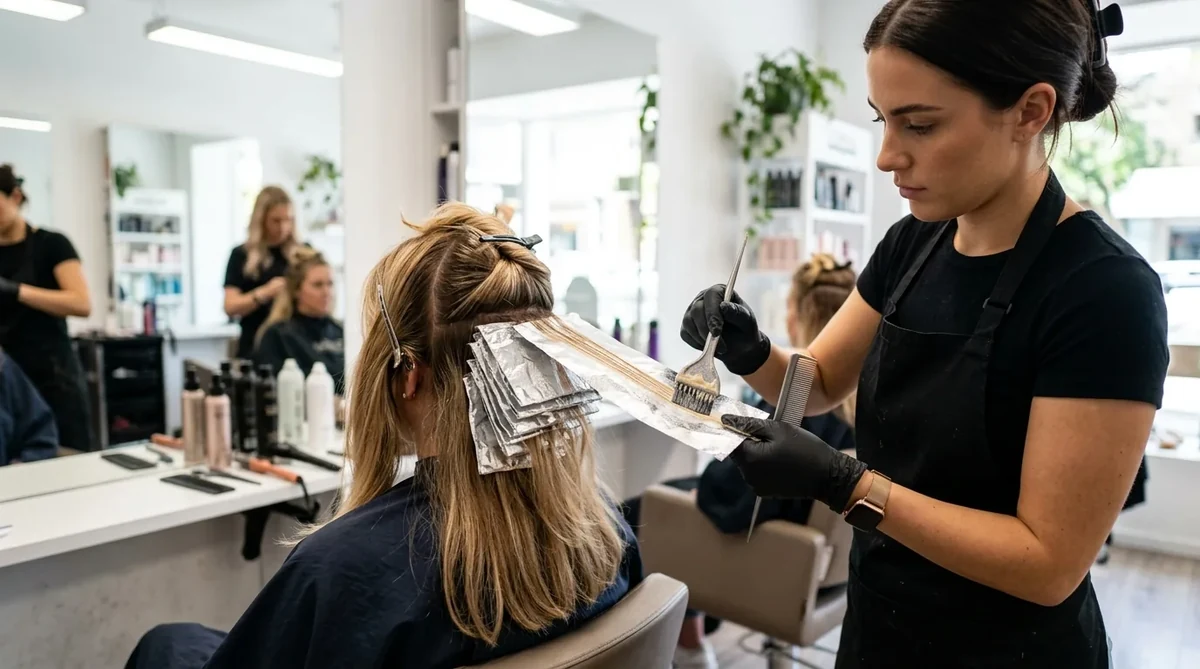
At home, safe hair jobs include deep conditioning treatments, gloss refreshes on already colored hair, and trimming split ends between cuts. Color changes, bleaching, balayage, and layered cuts need a salon, since uneven color and shape are hard to correct without cutting more length.
Conditioning treatments are the safest home job. Apply a mask to damp hair, leave it for the time on the packet, and rinse well. Hot oil treatments and scalp massages also work at home, since the risk is low and the result washes out.
Trimming split ends between cuts works if you cut little and cut dry, snipping only the damaged ends one at a time. Do not try to reshape a cut or add layers. A small trim keeps a cut tidy, while a restyle needs a stylist’s eye for balance and growth patterns.
Root touch-ups with a kit matched to your existing color can bridge the gap between salon visits, but only when the color is close and the roots are short. Full color changes, bleach, and balayage need a salon: the timing, placement, and strength of the product all affect the result, and mistakes can mean breakage or a color that takes months to correct. Our hair care routine guide covers daily care for different hair types, which matters more than any single treatment.
How Do DIY and Salon Costs Compare?
DIY looks cheaper per session but costs more in tools, products, and fixes, while a salon costs more per visit but includes skill, products, and cleanup. Over a year, simple jobs done at home save money, but one bad bleach or extension repair can wipe out a year of savings.
A bottle of polish and a file cost less than one salon manicure, and a conditioning mask costs less than a salon treatment. For simple, repeated jobs, home care saves money over a year, since the same tools serve many sessions. A basic file, buffer, and polish set lasts for many manicures, which spreads the cost thin across sessions.
The salon price covers more than the service: the stylist’s training, the products, the tools, the cleanup, and the fix if something goes wrong. A home job that goes wrong adds its own costs: remover, repair products, and often a salon visit to correct it.
Time counts too. A home manicure takes longer than a salon one while you learn, and a home color job can eat a whole evening. The honest comparison is yearly, not per session. Add up tools, products, and fixes at home against salon visits for the same jobs. Simple jobs usually favor home, while color, extensions, and major cuts usually favor the salon.
How Do You Judge Your Own Skill Honestly?
Judge your skill by your last three attempts, not your best one, and by whether you can finish the job without help. If you can shape nails evenly, paint with clean edges, and fix a smudge without starting over, simple jobs suit you. If each attempt ends in a salon rescue, the job is above your level.
A useful test is a job you have never tried before. If you can follow the steps, finish in the time the job needs, and live with the result for a week, your skill covers it. If you need three tries, a video paused every minute, and a salon visit after, the job is still above your level.
Time and patience are part of skill. A manicure done in a rush chips fast. A color job done without reading the instructions risks patchy results. If you cannot set aside the full time a job needs, book it instead.
Watch for warning signs: nails that sting, skin that reddens, hair that feels stretchy when wet, or color that processes unevenly. Stop and rinse if skin reacts, and get advice before trying again. Pain or irritation is a signal, not a step to push through.
What Should You Do When DIY Goes Wrong?
When DIY goes wrong, stop, assess the damage, and call a salon before you try another fix on top of the first mistake. Extra bleach on stressed hair and extra filing on thin nails make the repair harder and longer. Bring photos of the starting point if you have them, and tell the stylist exactly what you used.
Write down what you used before you call. The product name, the shade or strength, how long it stayed on, and what you did first all help the stylist judge the fix. Guessing wastes the appointment, since the wrong repair on bleached hair or thinned nails can add damage.
Call a salon and describe the problem plainly: what you did, what you used, and what the result looks like. Photos help, especially of the starting point if you have them. A stylist can often tell from a photo whether the fix is quick or needs a longer appointment.
Some damage takes time to repair. Over-bleached hair may need trims and conditioning over weeks, and thin nails may need a break from polish. A salon can set a recovery plan, while another home experiment usually delays it. Our guide to choosing a hair salon and our guide to choosing a nail salon explain what to ask at the first visit.
Can You Mix DIY and Salon Care?
A mix works well for most people: salon visits for major work, home care for upkeep between visits. Get the cut and color at the salon, then keep it up at home with trims of split ends, conditioning treatments, and polish changes until the next appointment.
Set a rhythm that fits your budget. A salon visit every six to eight weeks for a cut, with home care in between, works for many people. Nail appointments every two to three weeks for gel, with regular polish at home, work the same way.
Tell your stylist what you do at home. A stylist who knows you trim split ends or refresh gloss can adjust the cut and color advice to match. Note the products you use at home, since a stylist can check whether they suit your hair or nails. Hiding home work leads to surprises, like color that reacts oddly because of a home treatment the stylist did not know about.

Frequently Asked Questions
Is it safe to remove gel nails at home?
Soak-off removal at home is possible with patience: soak in acetone, gently push the softened gel off, and never peel or force it. Peeling pulls layers of the natural nail and leaves it thin and sore. If gel resists or nails feel weak, let a salon remove it.
Can I cut my own hair at home?
A small trim of split ends is fine, but a full cut is hard to do well on yourself. You cannot see the back, judge balance, or check how layers fall. If you want a new shape or shorter length, book a stylist.
How often should I alternate DIY and salon visits?
It depends on the job. Many people visit a salon every six to eight weeks for a cut and handle conditioning and trims at home between visits. For nails, a salon visit every two to three weeks for gel, with regular polish at home, is a common rhythm.
What supplies do I need to start DIY nails?
Start small: a file, a buffer, cuticle oil, a base coat, polish, and a top coat. Add a cleanup brush and remover. Our nail tools guide lists the basic kit worth owning, so you skip gadgets you will never use.
Do at home what you can do well, book what you cannot, and let the two support each other. That balance saves money without risking hair or nails.