

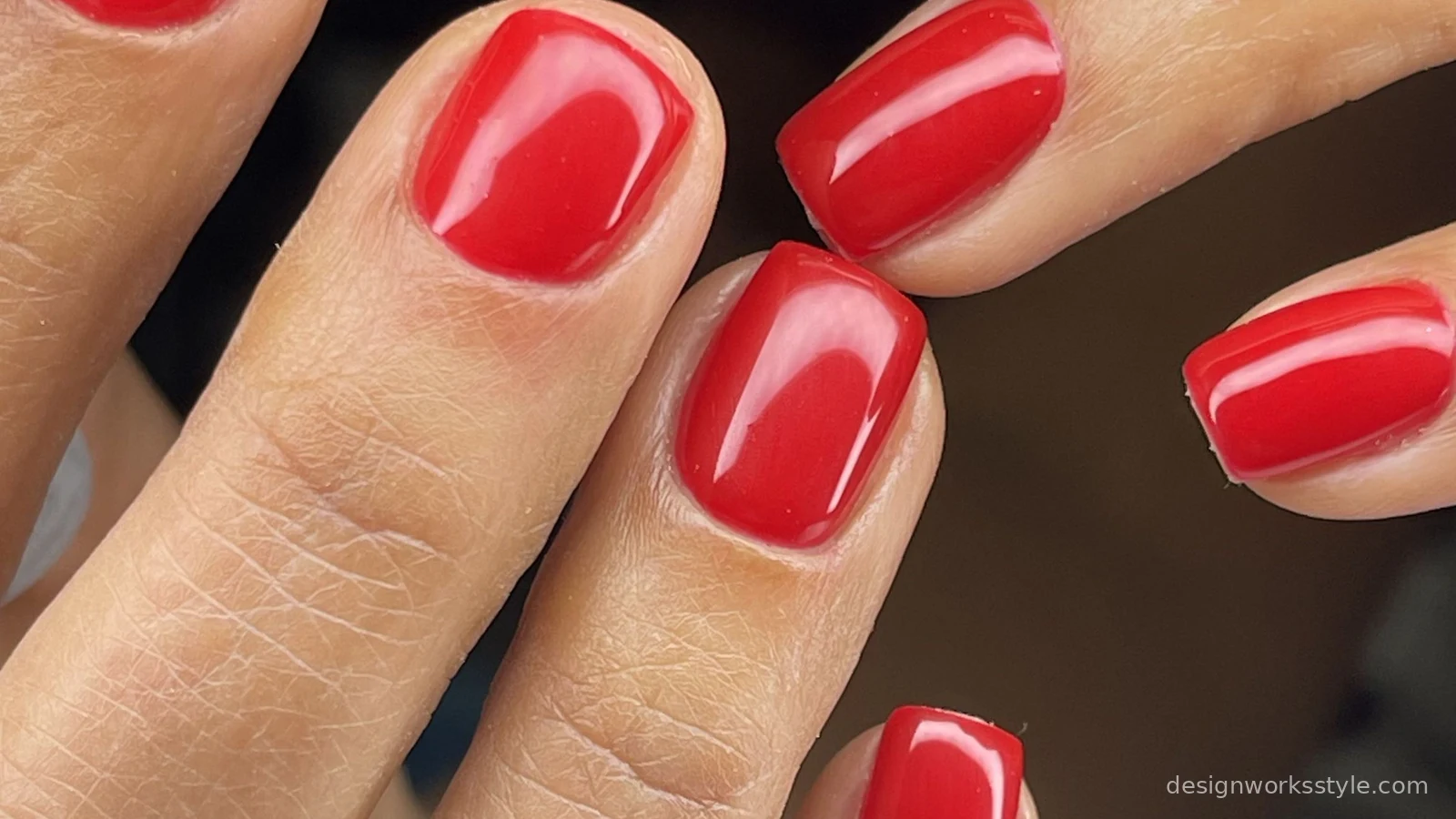
Gel manicures last longer and resist chips, while regular manicures are gentler on nails and easier to remove at home. Gel suits people who want two weeks without touch-ups. Regular polish suits people who change color often or want a break from salon removal. The right choice depends on your nails, your routine, and your budget.
How Does Each Manicure Work?
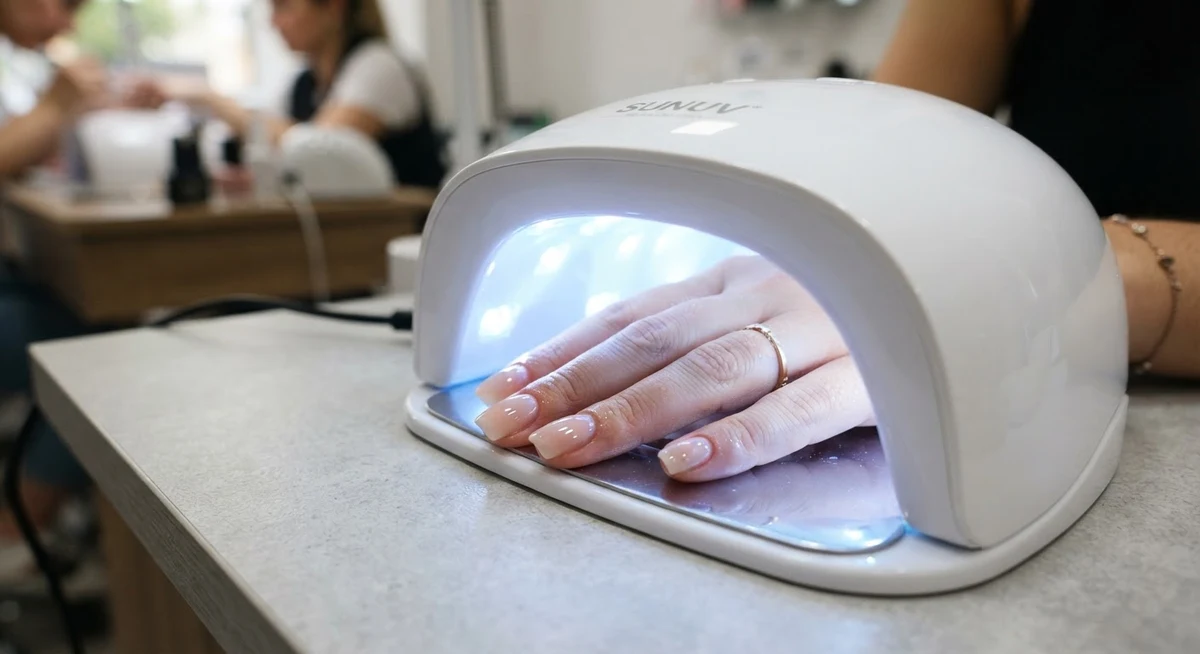
A regular manicure uses polish that dries in air. The technician shapes your nails, cares for cuticles, and paints a base coat, two thin coats of color, and a top coat. A gel manicure follows the same prep, but each coat cures under a UV or LED lamp, which hardens the polish before you leave.
The prep is the same for both. Nails get shaped with a file, cuticles get pushed back gently, and the nail surface gets cleaned so polish sticks. Good prep decides how long either manicure lasts. Rough prep or skipped steps show up fast, in peeling edges and polish that lifts within days.
Regular polish dries in layers. Each coat needs a few minutes in air before the next goes on, and the top coat needs time to harden after the visit. That is why a regular manicure asks you to sit still at the end and avoid touching surfaces for a while. Smudges happen when polish looks dry on top while lower layers are still soft.
Gel skips that wait. Each coat cures under the lamp for a short time, usually under a minute per coat, and the polish leaves the salon hard. You can use your hands right away without smudging. The lamp step is the main difference in the chair, and it is also why gel removal needs a soak later.
If you have not picked a salon yet, our guide to choosing a nail salon covers hygiene checks, technician skill, and red flags. For what the first visit feels like step by step, see our first nail salon visit guide.
How Long Does Each One Last?
Regular polish usually lasts five to seven days before chips appear, while gel usually lasts two to three weeks with little wear. Daily hand work shortens both, and water, cleaning products, and typing wear polish faster. Gel wins on lasting power in nearly every routine.
Regular polish chips first at the tips and edges, where nails meet daily work. Washing dishes without gloves, opening cans, and typing all wear the free edge. A top coat refresh at home can stretch regular polish a few extra days, but it does not match gel for staying power.
Gel resists chips because the cured layers form a hard shell over the nail. It still wears: the free edge can dull, and grow-out shows at the cuticle after two weeks as nails grow. Most people return for gel when the grow-out line becomes obvious, or when a nail lifts at the edge.
Grow-out matters for the look. Regular polish grows out with a soft line that is easy to ignore for a day or two. Gel grows out with a hard line where the cured polish ends and the bare nail begins, which shows sooner. If you dislike visible grow-out, that line is worth knowing about before you pick gel.
Daily habits stretch either manicure. Wear gloves for cleaning and dishwashing, apply cuticle oil once a day, and avoid using nails as tools for opening packages. Our nail care basics guide covers these habits in detail.
Which One Is Kinder to Your Nails?
Regular polish is kinder to nails, since it comes off with plain remover at home and needs no soaking or scraping. Gel can thin nails when it is peeled off or scraped during removal, though careful soak-off removal keeps most of that damage away.
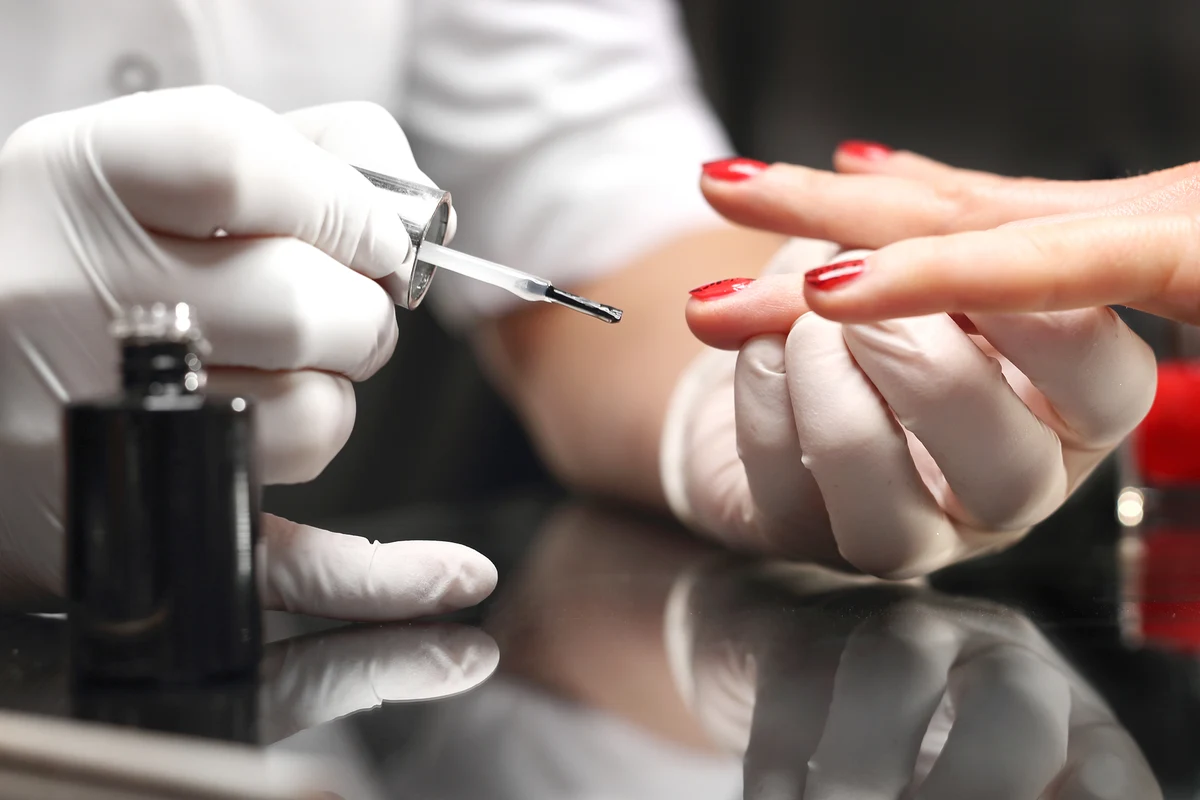
Regular polish removal is simple. Soak a cotton pad in remover, hold it on the nail for a few seconds, and wipe the color away. No filing of the nail surface, no long soak, and no pulling. Nails come out of regular polish much as they went in, provided the polish was not left on for weeks past its life.
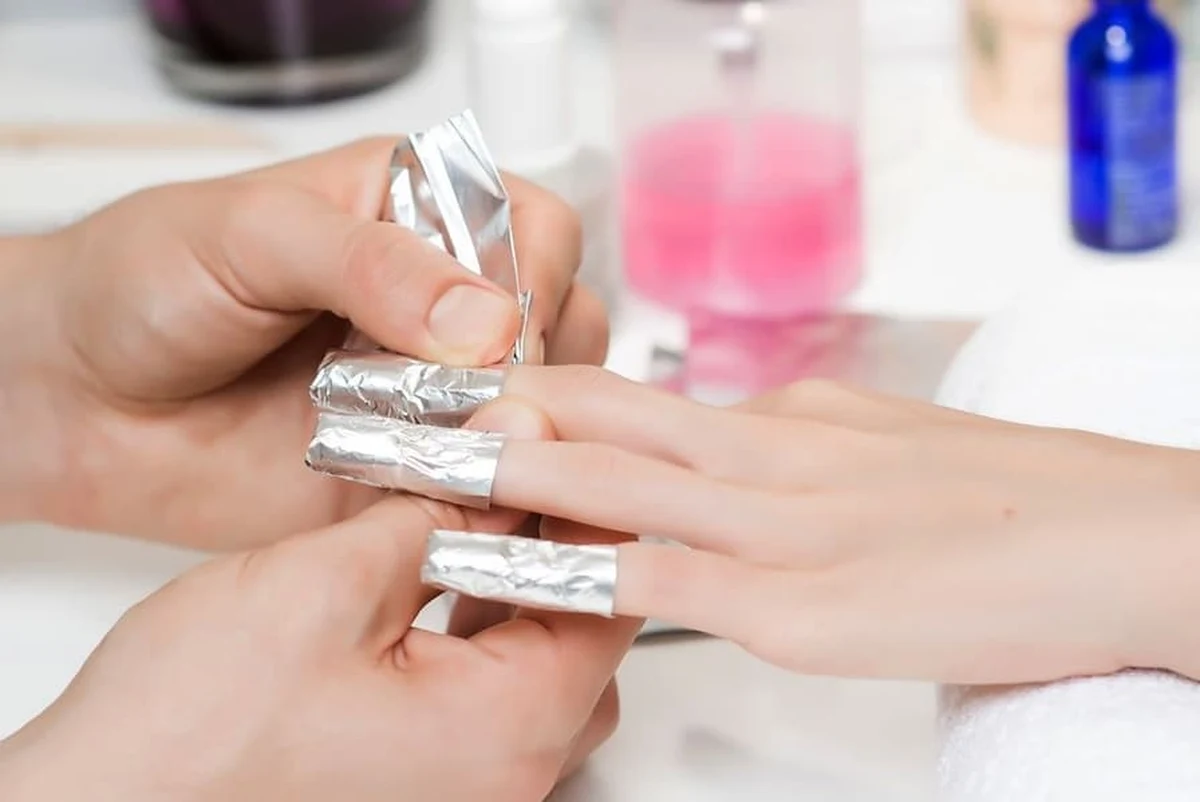
Gel removal takes more care. The shiny top layer gets buffed lightly, then nails soak in acetone for ten to fifteen minutes until the gel softens and lifts. A technician then pushes the softened gel off gently. Done this way, removal causes little harm. Done badly, with peeling or heavy scraping, it pulls layers of the natural nail and leaves nails thin, sore, and prone to splitting.
Peeling gel off is the single most common cause of gel damage. It feels quick, and it looks clean, but the gel takes nail layers with it. If gel resists during removal, it needs more soak time, not more force. Our guide to removing gel nails safely walks through the soak method step by step.
Breaks help both types. A week without polish between sets lets nails recover, and cuticle oil during the break keeps them from drying out. If nails feel thin, sore, or split after gel, take a break before the next set, and tell the technician so the next application can be gentler.
How Do Costs and Upkeep Compare?
Gel costs more per visit than regular polish, but it needs fewer visits, so the yearly cost depends on how often you go. Regular polish costs less each time, but weekly or twice-monthly visits add up. Removal of gel often carries its own charge, which regular polish does not need.
A gel manicure costs more because the products and the lamp time cost the salon more, and the appointment takes longer. A regular manicure takes less time and uses simpler products, so the price sits lower. Exact prices vary by salon and city, so compare the price lists of salons near you instead of trusting a single number.
Frequency flips the math. Gel visits every two to three weeks mean fewer appointments across a year. Regular polish visits every one to two weeks mean more appointments, even at a lower price each time. Add up your real visits across a year, and not one appointment alone, to see which costs you more.
Removal adds to the gel bill. Many salons charge separately for soaking off an old gel set, especially when the gel came from another salon. Regular polish removal takes a minute and usually costs nothing extra. Nail art, French tips, and extensions cost extra on either type, and those extras should be stated before the service starts.
Upkeep differs too. Gel needs little between visits beyond cuticle oil and gloves for cleaning. Regular polish needs more care: a top coat refresh midweek, care with water and cleaning products, and acceptance that chips will appear before the next visit. If you dislike fussing over polish between visits, gel saves that effort.
Which One Suits Your Routine?
Gel suits hands-on work, travel, and events, where chips would show and touch-ups are hard. Regular polish suits people who change color often, have weak nails, or want the lowest cost and simplest removal. Your hands, your calendar, and your nail condition decide it.
Pick gel when lasting power matters most. A holiday, a wedding week, or a job where hands are visible all favor gel, since it stays neat for two weeks without touch-ups. People who work with water, type all day, or garden also favor gel, since regular polish chips fast under that wear.
Pick regular polish when you like changing color. If you match polish to outfits, seasons, or moods, regular polish lets you switch weekly without a salon removal visit. It also suits a first salon visit, since the stakes are low: if you dislike the color or the salon, removal takes a minute at home.
Nail condition tips the choice. Weak, thin, or splitting nails do better with regular polish and breaks between sets, since gel removal stresses them further. Strong, healthy nails handle gel well, provided removal stays gentle. If you are unsure about your nail condition, ask the technician to look before you pick, and be honest about past damage.
Our nail polish types guide explains the full range of polish options beyond these two, including dip powder and press-on nails. Try one type for a full cycle before judging it, since a single visit says little about how a manicure holds up in your routine.
Frequently Asked Questions
Can I switch between gel and regular polish?
Yes, and many people do. A common rhythm is gel for holidays and busy weeks, and regular polish for quiet weeks or breaks. Give nails a short break between gel sets, and let the technician know what was on your nails before, since old gel residue affects how new polish sticks.
Does gel ruin your nails?
Gel itself does not ruin nails, but bad removal does. Peeling gel off or scraping it hard pulls nail layers and leaves nails thin and sore. Soak-off removal, done with patience, keeps damage low. If nails feel weak after gel, take a break and use cuticle oil daily until they recover.
How long should I wait between gel sets?
Most people return every two to three weeks, when grow-out shows or a nail lifts. Waiting much longer risks lifting, which lets water sit under the polish and weakens the nail. A short break without polish between some sets helps nails recover, especially after several gel sets in a row.
Is regular polish better for weak nails?
Usually, yes. Regular polish comes off without soaking or scraping, so weak nails face less stress at removal. It also lets you see the nail condition each week, since you remove and reapply often. Pair regular polish with cuticle oil and gloves for cleaning, and weak nails often improve over a few weeks.
Gel wins on lasting power, regular polish wins on gentleness and easy removal, and your routine decides which one matters more. Pick the one that fits your hands, and change your mind whenever your routine changes.