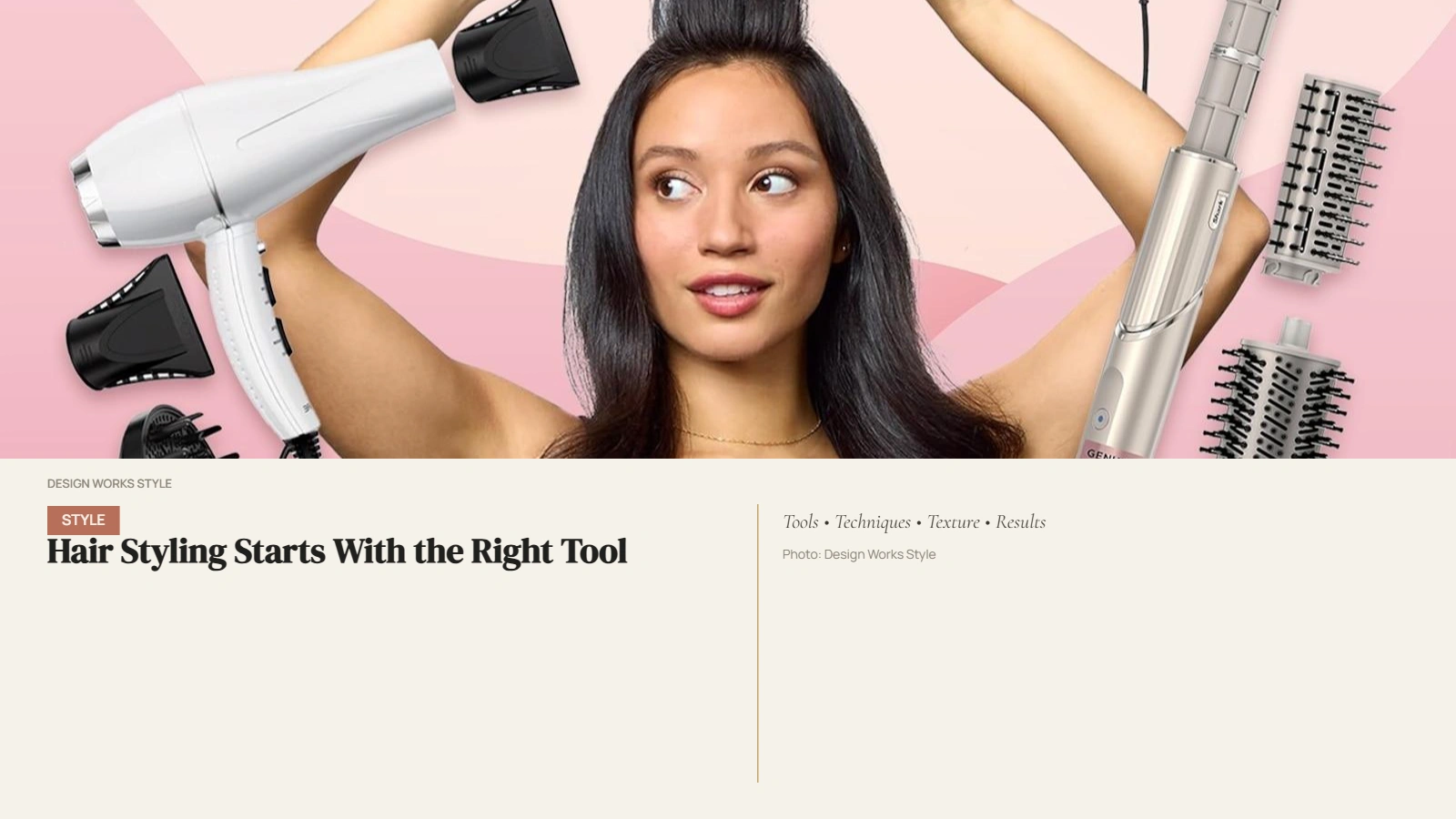

How to Prevent Hair Breakage
Hair breakage stops when hair stays moist, is handled gently, and is cut on time: wash with a mild shampoo, condition every wash, detangle wet hair with care, limit heat, and trim split ends before they travel up the shaft. Most breakage is a habit problem, and changing a few daily habits shows up in the brush within weeks.
What Causes Hair Breakage?
Breakage happens when the hair shaft loses strength and snaps under normal stress. Dryness makes the shaft stiff and easy to crack, rough brushing pulls weak points apart, heat strips moisture, and chemical color or bleach weakens the inner structure. A single cause rarely breaks healthy hair on its own; it is usually two or three of these working together.
Look at where the breakage sits. Short pieces near the crown often point to heat or tight styling. Breakage at the ends usually means split ends were left too long, or the ends dried out. Breakage all over can point to over washing, harsh shampoo, or a color service that left hair too weak for daily styling.
Some hair breaks more easily by nature. Fine hair has a thinner shaft, so it snaps under less force than coarse hair. Curly hair breaks at bends in the curl, where the shaft is already under stress. Bleached or highlighted hair is more porous, so it loses moisture faster and needs more care between color visits.
How Should You Wash Hair to Prevent Breakage?
Wash hair two to three times a week with lukewarm water and a mild shampoo, and condition from the mid lengths to the ends every time you wash. Washing less often keeps natural oils on the hair, lukewarm water keeps the cuticle smooth, and conditioner fills the rough spots that catch and snap during combing.
Apply shampoo mainly to the scalp, and let the suds run down the lengths as you rinse. Scrubbing the lengths with shampoo strips them dry for no benefit, since the lengths rarely carry much dirt. If your scalp gets oily fast, a second light wash on the scalp alone is better than a harsh wash over the whole head.
Conditioner matters more than shampoo for breakage. Leave it on for two to three minutes so it can coat the shaft, and use a little extra on the ends, which are the oldest and driest part of the hair. A weekly deep conditioner or hair mask helps hair that is dry, bleached, or heat styled often, and a hair care routine by hair type will tell you how much moisture your hair type actually needs.
Rinse with cool water at the end if you can stand it. Cool water helps the cuticle lie flat, which means less friction when you comb. It will not repair damage, but it does make the next steps easier, and easier combing means fewer snapped strands.
How Do You Detangle Without Breaking Hair?
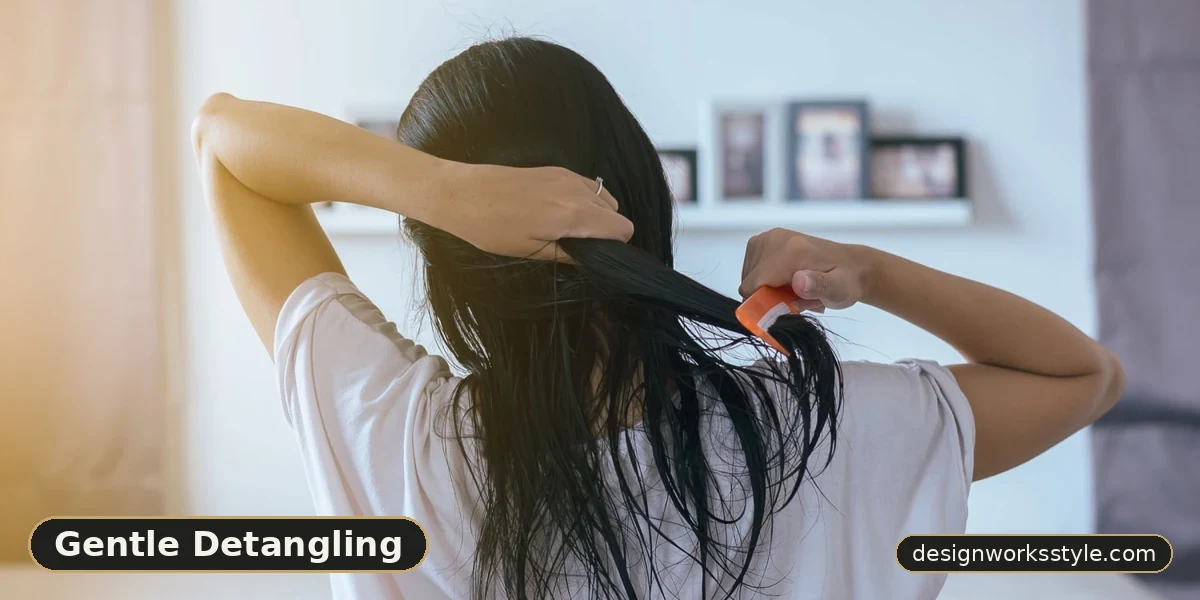
Detangle wet hair gently, starting at the ends and working up in short sections, with a wide tooth comb or a flexible detangling brush. Wet hair stretches and snaps more easily than dry hair, so the tool and the direction matter more than speed, and slow, section by section work keeps more hair on your head.
Never drag a brush from roots to ends through a tangle. That pushes the knot tighter and pulls out the hair above it. Hold the section above the tangle so the pull does not reach the scalp, work the knot out from the bottom, and move up only when the lower part slides free.
Apply a leave in conditioner or a detangling spray before you start, especially on curly or thick hair. The slip it adds lets the comb pass through with less force, and less force is the whole point. If a section will not budge, add more product and wait a minute, and cut out a true mat with scissors as a last resort, since tearing it out costs far more hair.
Dry hair needs the same care, just with less stretch. Brush dry hair in sections too, and stop when you feel resistance. A boar bristle brush spreads oil down the shaft on straight hair, but it can snap fine hair if used hard, so test it gently first. The right hair tools make this easier, and a wide tooth comb is the safest default for most hair types.
How Does Heat Cause Breakage, and How Do You Limit It?
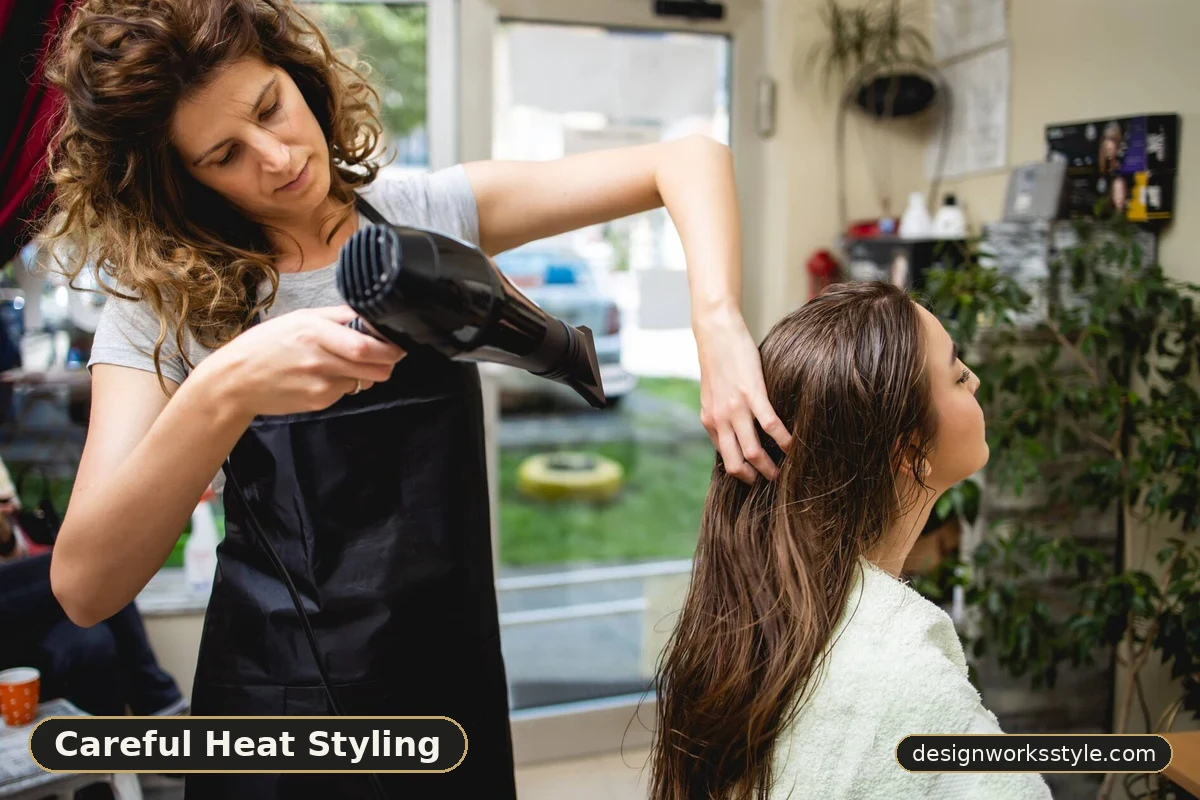
Heat breaks hair by driving moisture out of the shaft and cracking the cuticle, which leaves the inner fibers exposed and easy to snap. Flat irons and curling irons do the most damage because they press hot metal straight onto the shaft, while a blow dryer on high heat and close to the hair runs a close second.
Cut heat use to two or three times a week at most, and use the lowest setting that gets the result you want. A heat protectant spray helps, but it does not make daily high heat safe; it only slows the damage. Dry hair about 80 percent with a dryer on medium heat, held at least six inches away, then finish with a lower setting or let it air dry the rest of the way.
When you do use an iron, work in thin sections and pass once, slowly, instead of clamping the same section several times. Repeated passes on one section dry it out far more than a single pass. Let each section cool before you brush or restyle it, since hot hair is soft and stretches easily.
Heatless styles are the simplest way to cut heat damage without giving up styled hair. Braids left overnight, foam rollers, and a bun on damp hair all shape hair without heat, and heatless methods suit most hair types with a little practice. Heatless hairstyles that hold through the day are worth learning if you currently reach for an iron every morning.
What Daily Habits Protect Hair From Breaking?
Daily protection comes down to friction, tension, and moisture: sleep on a silk or satin pillowcase, avoid tight ponytails, keep ends moisturized, and brush only when you need to. These small habits add up, because hair faces friction and pulling every single day, and the damage from those small stresses shows up as breakage over months.
Tight ponytails, buns, and braids pull hardest at the hairline and at the point where the band sits, and that is where breakage shows first. Use soft scrunchies or spiral bands, move the ponytail position day to day, and never tie wet hair tightly, since wet hair stretches and breaks under tension. If you see short broken hairs around your face, your everyday style is too tight.
Keep a little moisture on the ends between washes. A drop of oil or a light leave in cream on the last two inches stops the ends from drying out and splitting, and split ends are the start of most length loss. Rub the product between your palms first, then smooth it over the ends only, so the roots stay clean.
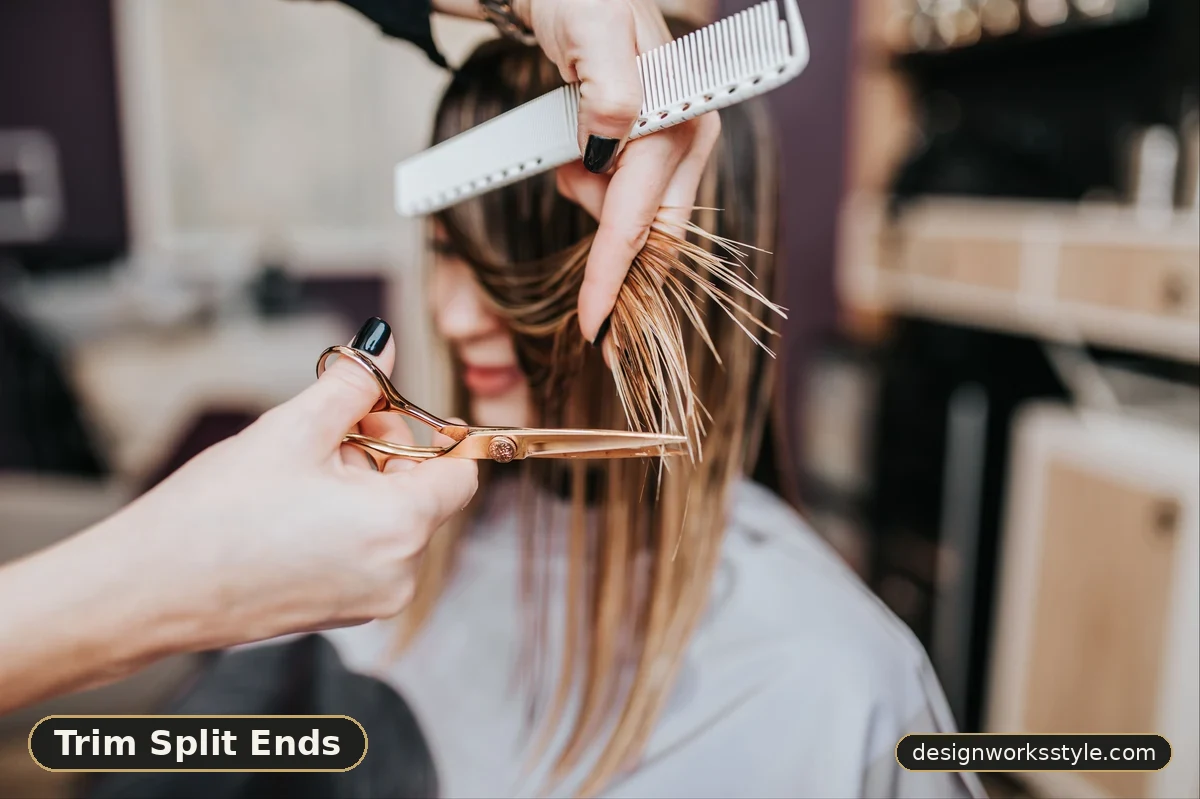
Trim every eight to twelve weeks, even when you are growing your hair out. A trim removes split ends before they split further up the shaft, and hair that is trimmed on time keeps its length better than hair that is never cut. Skipping trims to save length usually costs length, since split ends keep breaking upward.
How Do Color and Chemical Services Affect Breakage?
Color, bleach, perms, and relaxers change the inner structure of the hair, which makes it weaker and more porous after each service. Bleach does the most damage because it lifts the cuticle and removes pigment from inside the shaft, and hair that has been bleached twice or more needs careful handling between visits.
Space chemical services out as far as you can. Touch up roots instead of coloring the whole head each time, and give hair at least six to eight weeks between bleach sessions. A bond building treatment during a color service helps, and hair color maintenance between visits, with washing, products, and timing, keeps color treated hair from drying out fast.
After a chemical service, switch to a gentler wash routine for two weeks. Wash less often, condition more, skip heat, and detangle with extra care while the cuticle settles. If hair feels gummy when wet or snaps when you pull a single strand, it needs a break from chemicals and a deep conditioning routine, and a stylist can tell you whether a protein treatment or a trim will help more.
Damaged hair can improve, but it cannot be fully repaired, since hair is dead tissue and a cracked shaft does not heal. The goal is to stop new damage while the damaged lengths grow out and are trimmed away, and hair damage repair habits, with moisture, gentle handling, and regular trims, are what carry hair through that grow out period.
Frequently Asked Questions
How long does it take to stop hair breakage?
Most people see less hair in the brush within three to four weeks of gentler washing, detangling, and less heat. Full improvement takes longer, since damaged lengths need to grow out and be trimmed away, and that takes two to three months for most hair.
Does brushing hair 100 strokes a day prevent breakage?
No. Heavy brushing causes breakage, especially on fine or dry hair. Brush only enough to detangle and style, in sections, with a tool that suits your hair type. More strokes mean more friction, and friction is one of the main causes of snapped strands.
Can diet stop hair breakage?
Diet affects new growth more than existing lengths. Hair that is already grown cannot be strengthened from inside, but a diet with enough protein, iron, and healthy fats supports strong new growth. If hair sheds heavily or breaks at the root, a doctor can check for deficiencies worth treating.
Should I cut my hair short to stop breakage?
Not always. A good trim removes the damaged ends that cause most breakage, and that is often enough. Cutting short helps when damage runs far up the shaft, or when the ends keep splitting no matter how often you trim, but most breakage improves with gentler habits and regular trims first.