
Hair Tools Guide: Brushes, Dryers, and Styling Tools Explained
The right hair tools depend on your hair type and what you want to do with it. A paddle brush suits long, straight hair, a round brush adds shape while blow drying, and a diffuser keeps curls intact. This guide explains brushes, dryers, flat irons, curling tools, and rollers, plus heat settings and cleaning tips.
Which Brush Should You Use for Your Hair?
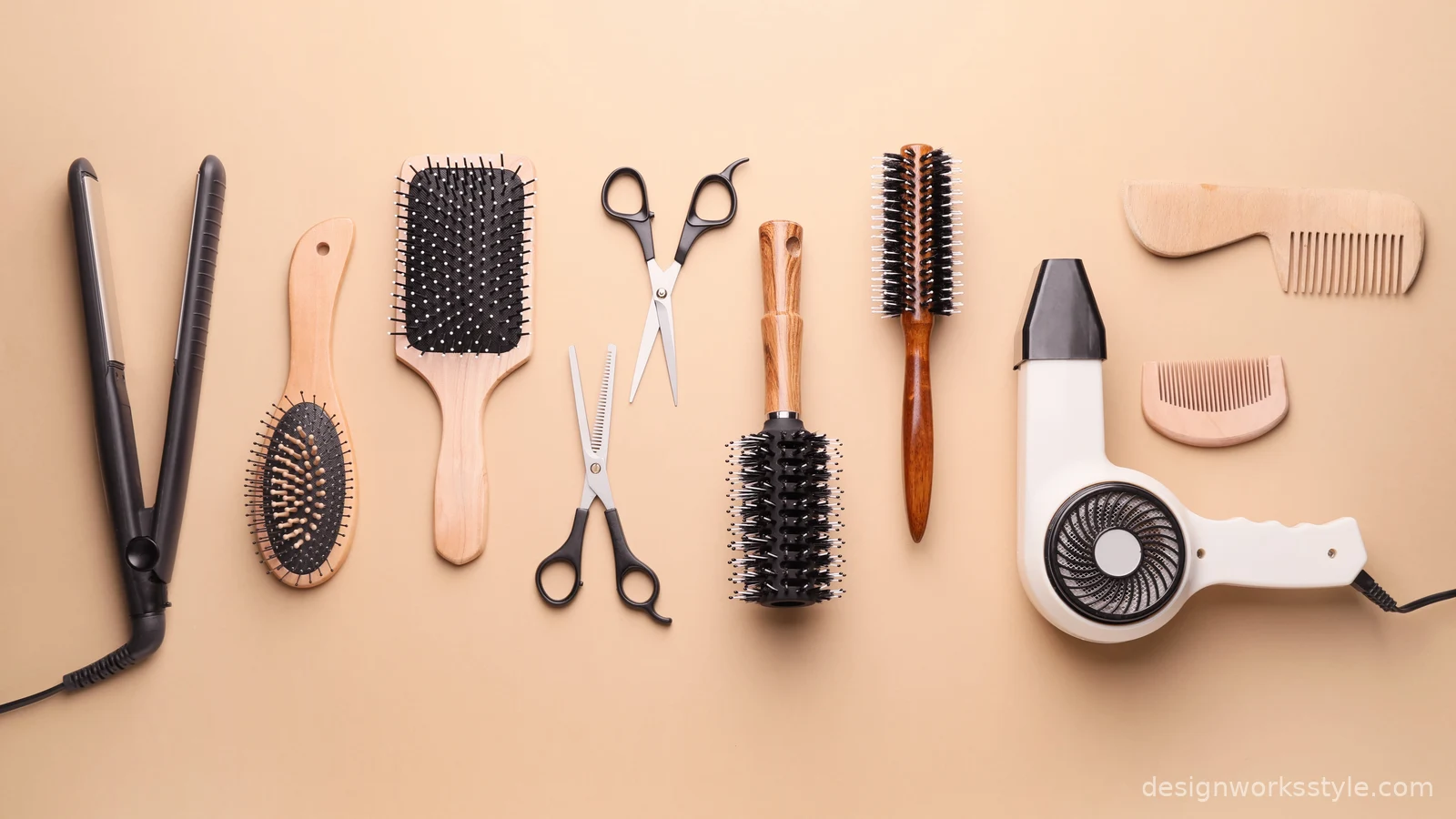
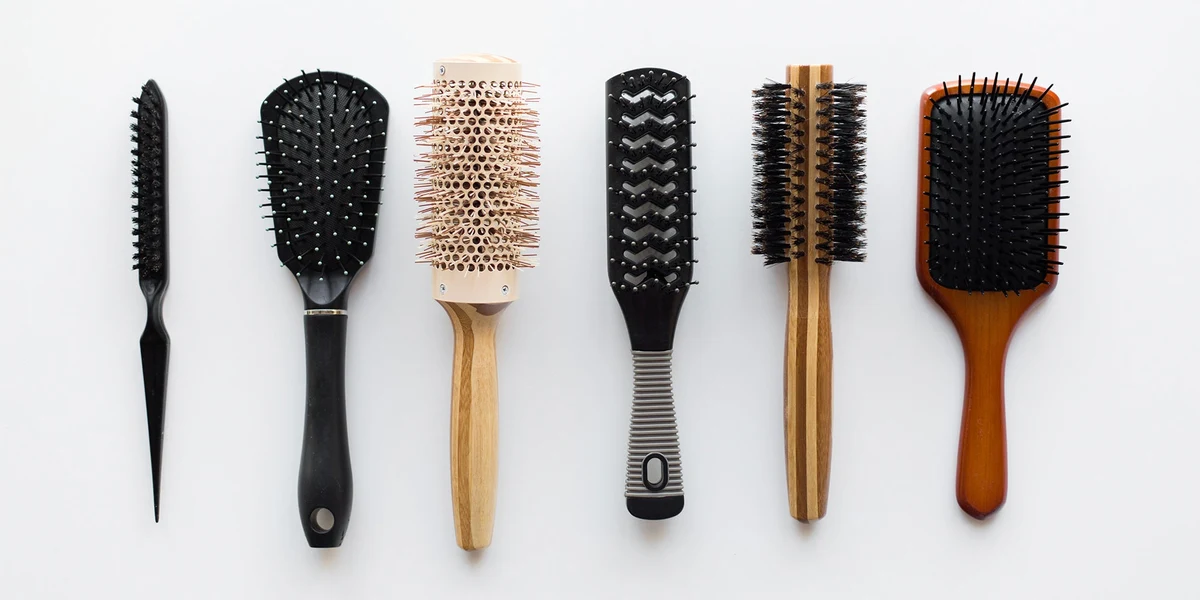
Use a paddle brush for long, straight hair, a round brush for blow drying shape and volume, a vent brush for faster drying, a wide tooth comb or detangling brush for wet hair, and a boar bristle brush for smoothing fine to medium hair. The wrong brush pulls, snaps, or frizzes hair, so match the brush to the job.
A paddle brush has a flat, wide base that covers large sections at once. It suits long, straight hair and smooths hair while blow drying. Use it on dry or slightly damp hair, not soaking wet hair, since wet hair stretches and breaks more easily under tension.
A round brush barrel size decides the result. A small barrel, around 1 inch, gives curl and lift for short hair. A medium barrel shapes the ends and adds body. A large barrel smooths long hair and adds volume at the roots. Roll sections around the brush while drying, keep tension even, and unroll slowly to avoid tangling.
A vent brush has openings in the base that let air pass through, so hair dries faster. It works well for quick blow dries and for fine hair that needs lift at the roots. It is less useful for smoothing frizz, since the bristles sit wide apart and do not grip sections tightly.
For wet hair, a wide tooth comb comes first. Start at the ends and work upward in small sections. A flexible bristle detangling brush bends instead of pulling through knots, which suits children and tangle prone hair. Never yank a brush through a tangle. Work the knot apart with your fingers first, with a little conditioner if needed.
Boar bristle brushes spread scalp oil down the strand, which adds shine to fine and medium hair. They do not work well on thick or curly hair, where they can disturb the curl pattern and fail to reach the scalp. Mixed bristle brushes, boar plus nylon pins, suit medium to thick straight hair. For matching tools to your routine, see our hair care routine by hair type guide.
What Kind of Hair Dryer Do You Need?
Pick a dryer with at least 1800 watts, a cool shot button, and two or three heat settings, and add a diffuser if you have curls and a concentrator nozzle for smooth blow drying. Ionic dryers cut drying time and frizz, ceramic dryers spread heat evenly, and both beat a cheap dryer with one hot setting.
Wattage matters because it decides how fast air moves. A dryer at 1800 watts or more dries hair faster with less heat exposure. Lower wattage dryers take longer and often run hotter to make up for weak airflow, which dries hair out. Travel dryers are fine for short trips, not for daily use.
Ionic dryers release negative ions that break water drops into smaller particles, so hair dries faster. Ceramic dryers spread heat evenly across the airflow, which lowers hot spots that scorch sections. Many dryers combine both technologies. Either type beats a single setting dryer with no cool shot button.
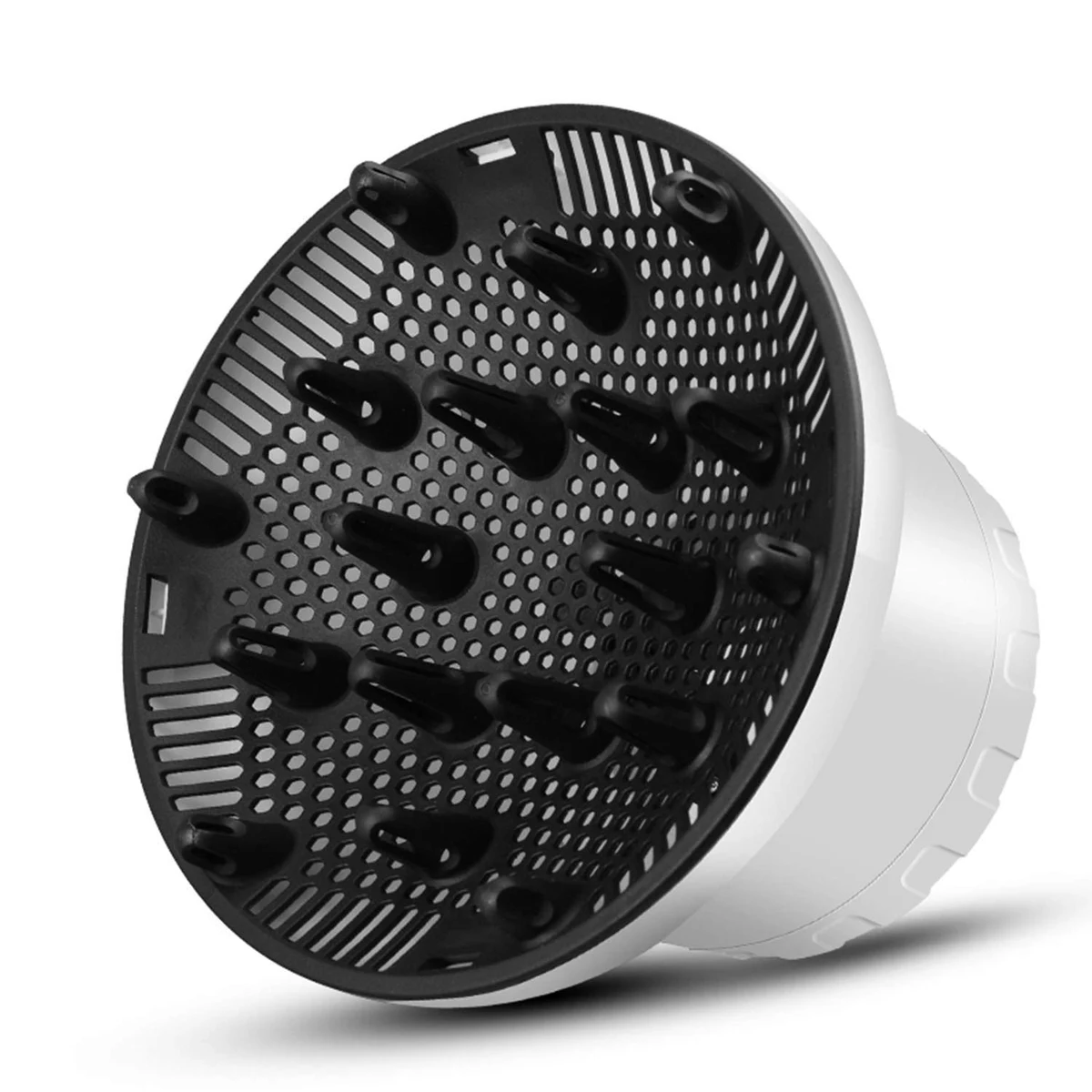
Attachments decide what the dryer can do. A concentrator nozzle focuses air into a narrow stream for smooth blow drying and straight styles. A diffuser spreads air over a wide area so curls dry without blowing apart. If you have curls, a diffuser matters more than any other attachment.
Technique matters as much as the dryer. Keep the dryer about six inches from hair and keep it moving instead of holding it on one spot. Dry the roots first, then the lengths. Use medium heat for most drying and finish with the cool shot button, which sets the style and helps hair look smoother.
How Do You Pick a Flat Iron or Curling Tool?
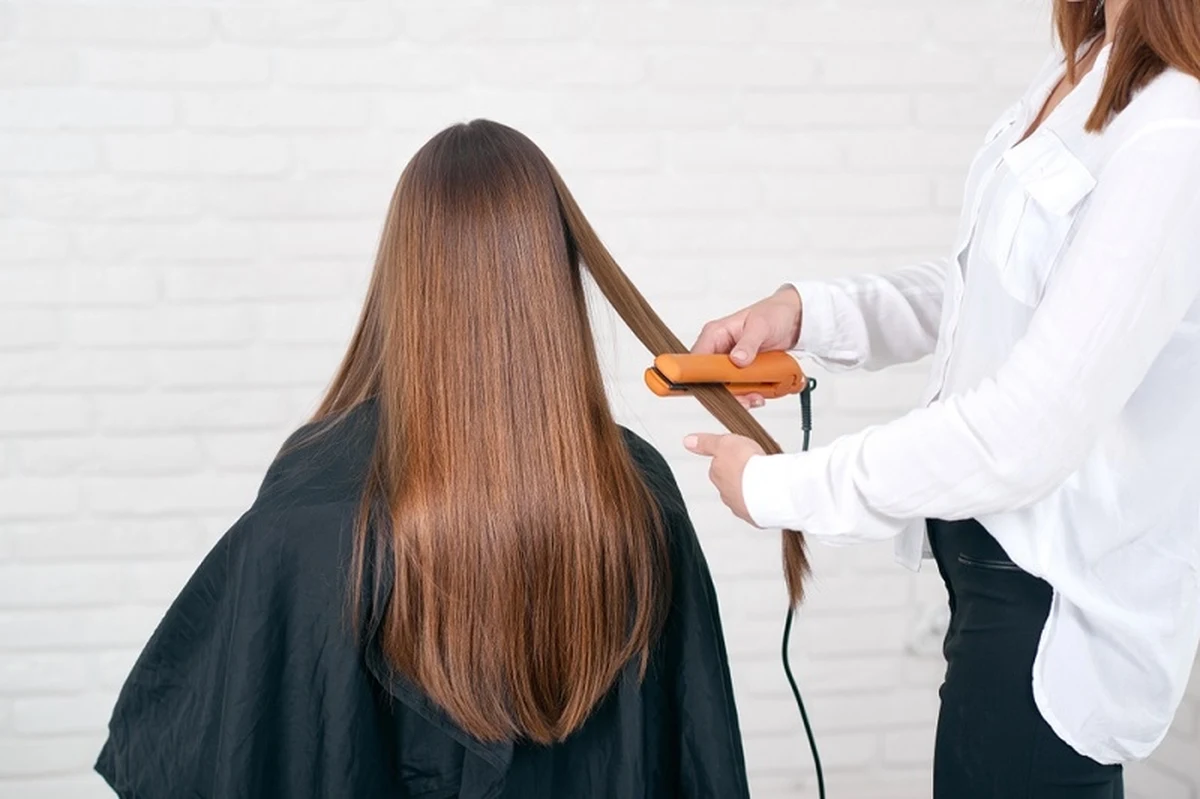
Choose plates by hair type: ceramic plates suit most hair, titanium heats fast and holds high heat for thick or coarse hair, and tourmaline adds smoothness for frizz prone hair. Use the lowest heat that works, usually 300 to 350 degrees for fine hair and up to 400 for thick hair, and always use a heat protectant first.
Plate material affects how heat reaches hair. Ceramic heats evenly and suits most hair types. Titanium heats fast, holds high heat, and suits thick or coarse hair that resists styling. Tourmaline is a coating over ceramic or titanium that smooths frizz. Avoid bare metal plates, which heat unevenly and catch hair.
Plate width should match hair length and thickness. Narrow plates, around 1 inch, suit short hair, bangs, and detail work. Wide plates, 1.5 to 2 inches, cover long, thick hair faster. A 1 inch plate is the safest first iron for most people, since it handles both straightening and curling.
Curling tool barrel size decides curl size. A 0.75 to 1 inch barrel gives tight curls. A 1.25 inch barrel gives soft waves. A 1.5 inch barrel or larger gives loose bends. Clamp irons hold hair in place while it heats. Wands need manual wrapping and give a more relaxed curl, but they take practice.
Heat protectant goes on before any hot tool, as a spray or cream on damp or dry hair. Work in sections, pass the iron once slowly instead of several fast passes, and never iron wet hair, since trapped water turns to steam inside the strand and weakens it. For styling methods that use these tools, see our hair styling guide.
What About Rollers and Heatless Tools?
Rollers and heatless tools give curls and volume without daily heat damage, which suits people who style often or whose hair is already dry. Velcro rollers add lift at the roots, foam rollers work overnight, and heatless curling rods, braids, and twists shape waves while you sleep.
Velcro rollers work on damp hair. Roll sections away from the face, let them set while you get ready, or use a dryer on low heat for a faster set. They add root lift and soft bends without direct heat. They grip best on medium to long hair and can tangle very fine hair, so unroll them gently.
Foam rollers are soft and sleep friendly, which makes them good for overnight curls. Roll damp hair with a little styling cream, sleep on them, and unroll in the morning. Results last longer if hair dries fully before unrolling, so start with hair that is damp, not wet.
Heatless rods and braids shape hair while you sleep. Wrap damp hair around a foam rod for even curls, or braid it into one or two braids for waves with more texture. Both suit people who want to skip heat most days. For a full comparison of roller types, see our best hair rollers guide.
How Do You Clean and Maintain Hair Tools?
Clean brushes weekly by pulling out trapped hair and washing the base with warm soapy water, wipe iron plates with a damp cloth once cool, and empty the dryer lint filter every few uses. Built up product, oil, and dust make tools work harder, snag hair, and spread residue back onto clean hair.
For brushes, pull out trapped hair after each use with a comb. Once a week, wash the brush base in warm water with a drop of shampoo, rinse, and let it dry bristle side down. Do not soak wooden brushes, since water loosens the base and the bristles over time.
For irons, wipe plates with a damp cloth once fully cool. For stuck product, use a cloth with a little rubbing alcohol on cool plates, then wipe again with plain water. Never use steel wool or sharp tools on plates, since scratches catch hair and heat unevenly.
For dryers, clean the lint filter at the back every few uses. A blocked filter makes the motor work harder and the dryer run hotter. Wipe the outside with a damp cloth and keep the cord loosely coiled instead of wrapped tight around the dryer.
Replace a brush when bristles bend, break, or lose their tips. Replace an iron when plates chip, stick, or heat unevenly. Replace a dryer when airflow drops, it overheats often, or the cord frays. A frayed cord is a safety issue, so stop using that tool right away.
Are Professional Tools Worth the Extra Cost?
Professional tools are worth it if you style with heat several times a week, since they heat evenly, hold temperature steady, and last years longer than cheap tools. For occasional use, a mid priced dryer and one good brush cover most needs, and the extra money buys little you will notice.
What you pay for is even heat, steady temperature control, a stronger motor, and a longer warranty. Cheap irons often swing 30 degrees or more during use, which means some passes run too hot and others too cool. Professional dryers move more air at lower heat, so hair dries faster with less damage.
Where to spend depends on use. If you use heat several times a week, spend on the dryer and the iron first. If you rarely use heat, a mid priced dryer and a good brush are enough. Brushes and rollers can stay cheap, since they have no motor or heating element to fail.
Before buying, check wattage, heat settings, and warranty before brand name. Read the return policy, since a tool that pulls or snags your hair type is useless no matter the price. Keep the box and receipt until you have used the tool a few times.
Frequently Asked Questions
What brush is best for detangling wet hair?
A wide tooth comb or a flexible detangling brush. Start at the ends and work upward in small sections. Wet hair stretches, so pulling a paddle brush through a tangle can snap strands. If a knot resists, work it apart with your fingers and a little conditioner.
How hot should a flat iron be for fine hair?
Start at 300 degrees and go up only if hair does not straighten in one slow pass. Most fine hair straightens between 300 and 350 degrees. Higher heat does not give a smoother result, it just adds damage. Always use a heat protectant first.
Do ionic dryers really reduce frizz?
They help, but they do not replace technique. Ionic dryers break water into smaller drops, so hair spends less time under heat, which means less frizz. Drying with a concentrator nozzle, keeping the dryer moving, and finishing with a cool shot matter just as much.
How often should you replace a hair dryer?
Replace it when airflow drops, it overheats often, the cord frays, or it smells like burning even after cleaning the filter. A well kept dryer lasts years, so age alone is not a reason to replace it. Clean the filter regularly and store it where the cord does not kink.
Start with the tools that match your hair type and the styles you actually wear. A good brush, a dryer with real heat control, and one heat tool cover most routines. For routines by hair type, see our hair care routine by hair type guide, and for shine treatments at home, our hair gloss at home guide.