
What to Ask at a Hair Salon Consultation
A hair salon consultation is a short talk with your stylist before any cutting or color starts, and the questions you ask there decide how the result turns out. Ask about the cut, the color, the full price, and the upkeep, and bring photos of what you want and what you do not want.
What Does a Good Hair Salon Consultation Look Like?
A good consultation takes ten to twenty minutes, happens before any scissors or color touch your hair, and ends with a clear plan you both agree on. The stylist asks about your hair history, looks at your hair by touch and by sight, and explains what is realistic, how long it takes, and what it costs in full.
Expect questions about past color, bleach, perms, and home dye, since old color under the surface changes how new color takes. The stylist should ask what products you use, how you style your hair at home, and what you like and dislike about your current cut. A stylist who skips these questions is guessing.
The stylist should also touch your hair. Dry, porous ends take color faster than healthy roots, and hair that feels gummy when wet or snaps when pulled needs a gentler approach.
Many salons give the consultation free, or charge a small fee that comes off the service if you book. Fifteen minutes of honest talk tells you whether the stylist listens and whether the price matches the service. If the consultation feels rushed or pushy, walk away before the cut starts.
What Should You Ask About the Cut?
Ask how the cut will grow out, how often it needs a trim, and how much styling it needs each morning, since those three answers tell you the real cost of the cut in time and money. Then ask what changes if your hair is fine, thick, curly, or damaged.
Start with length. Say plainly how much you want off, and ask the stylist to show you on your own hair where the new length will fall. Inches mean different things to different people.
Ask about the fringe if one is on the table. A blunt fringe needs trimming every few weeks to hold its line, while a longer, side-swept fringe grows out with less fuss. If you have not settled on a cut yet, choosing a haircut by face shape, hair texture, and upkeep gives you the words to use at the chair.
Ask what happens if your hair is damaged. A trim removes split ends that make any style look ragged, and a cut with fewer layers needs less heat styling. Tell the stylist about the damage first, so the cut suits hair that is healing, not hair at its best.
What Should You Ask About Color?
Ask whether your hair can take the color you want, how many visits it needs, what the full price covers, and how often it needs a touch-up. Color is the service where surprises cost the most, so get the answers before the first bowl is mixed.
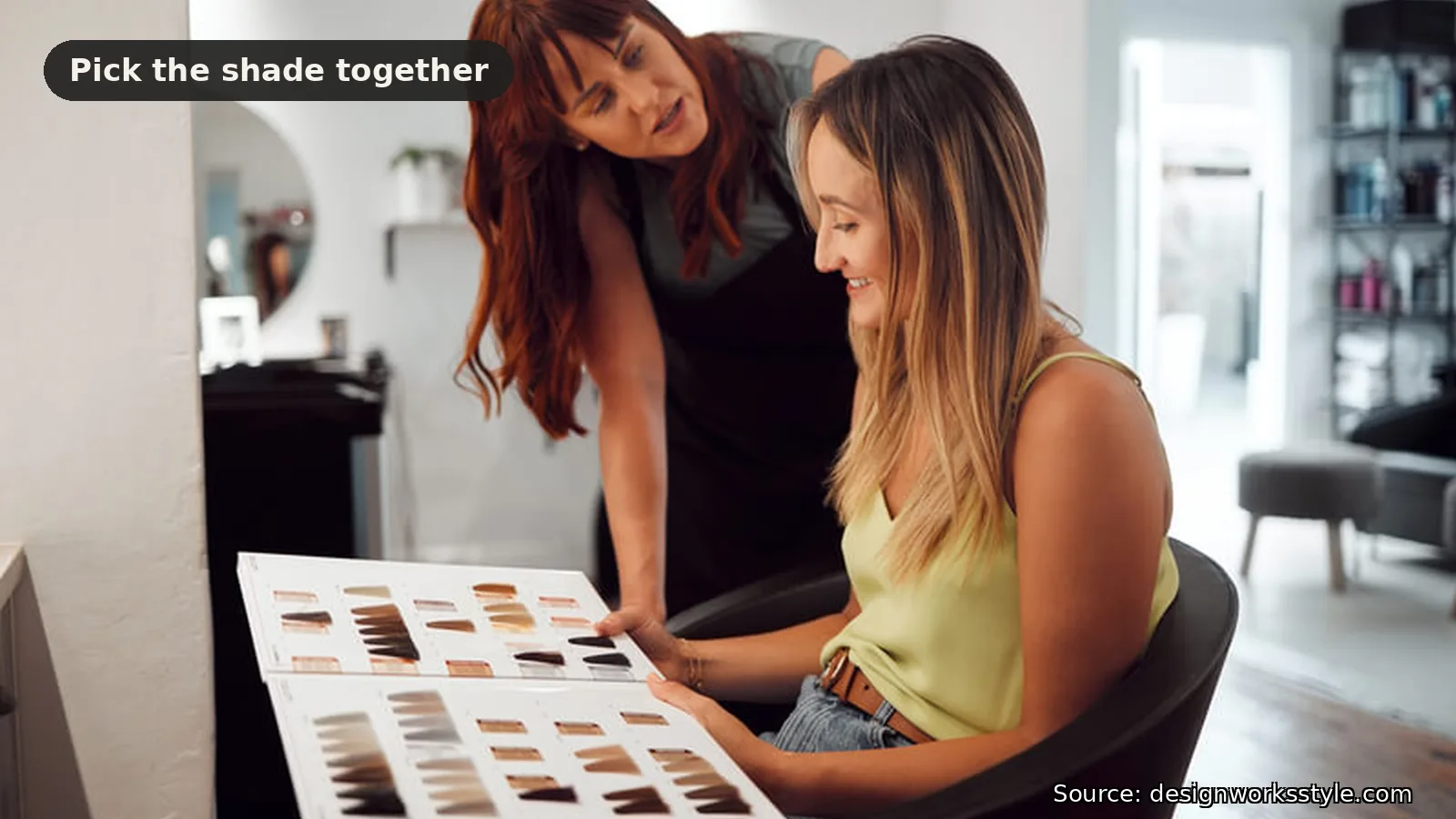
Start with your hair history. Tell the stylist about past bleach, perms, and home dye, since old color under the surface changes how new color takes. Ask for a strand test if the change is large, especially going from dark to light. It shows how your hair lifts and whether the color takes in one visit or needs two.
Ask about the grow-out. Full color needs touch-ups every four to six weeks for many people, while balayage and softer colors can go eight to twelve weeks. A color that needs a salon visit every four weeks costs more over a year than one that grows out softly.
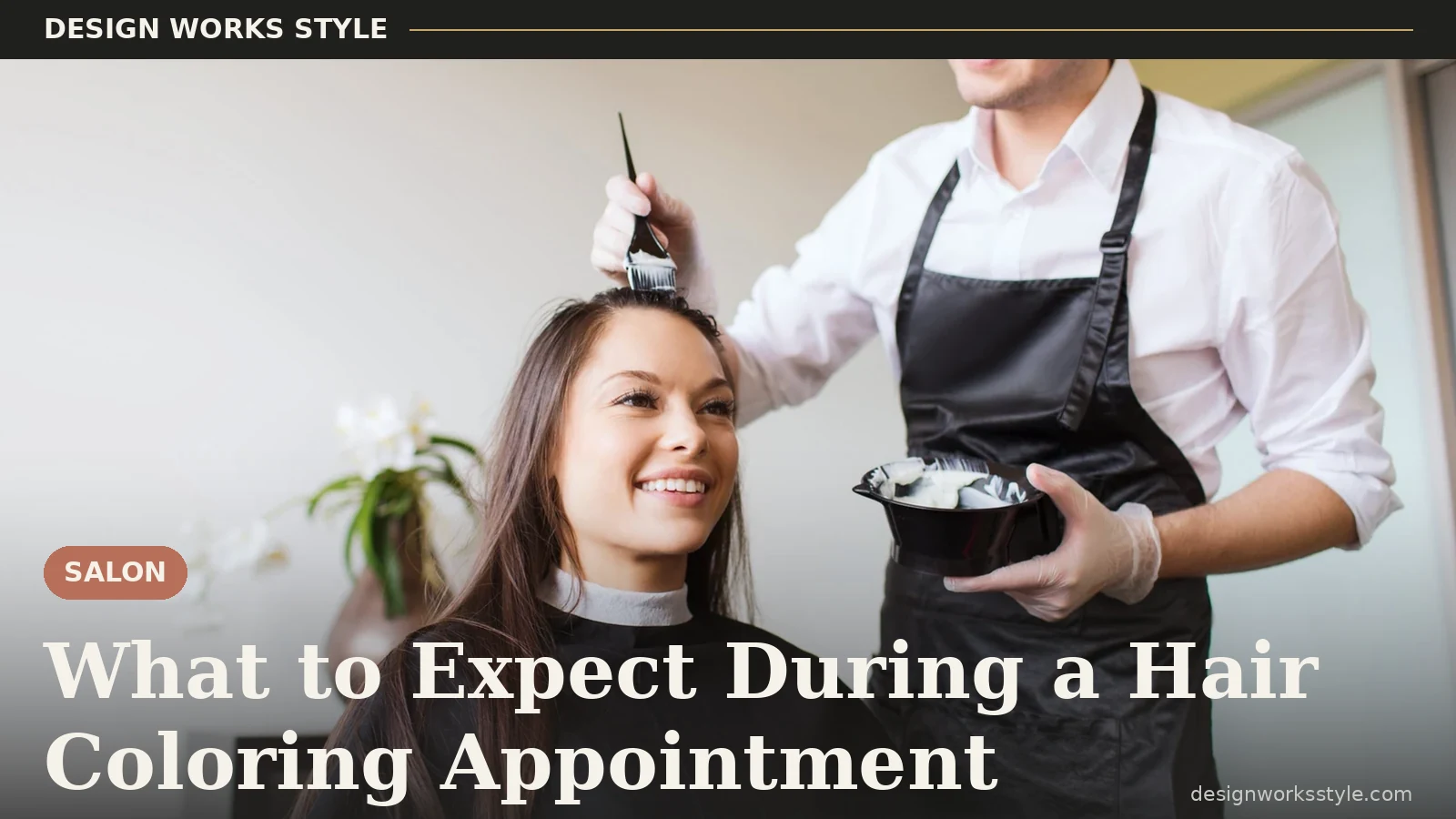
Ask what the price includes. A toner after bleach, a bond treatment, or a gloss finish can each be reasonable, but none should appear as a surprise on the bill. Most color visits follow the shape of a hair coloring appointment, and the questions you ask at the start shape every step after.
Ask what to do if the color fades or changes tone. A gloss service between full colors can refresh tone without a full appointment. If the color fades unevenly or a patch shows up, call the salon within a few days, since most salons fix a genuine application problem quickly.
How Do You Use Reference Photos?
Bring two or three photos of the cut or color you like, plus one photo of what you do not want, and tell the stylist what you like about each one. Photos beat words like layered or textured, which mean different things to different people.

Pick photos of hair like yours. A color on thick, dark hair looks different on fine, light hair, and a cut on straight hair behaves differently on curls. Bring photos from more than one angle when you can, since a front view alone hides how the back and sides fall.
Say what you like about each photo. Point to the length, the fringe, the texture, or the tone, and name it out loud. A photo plus a short sentence beats a long description alone. If the stylist says the photo will not work on your hair, ask why, and ask what would come closest.
Photos from social media are fine. Stylists see them every day. What matters is that the photo is clear, the hair in it is close to yours, and you can say what drew you to it. A vague photo with no explanation leaves the stylist guessing, and guessing is what a consultation is meant to stop.
What Should You Ask About Price?
Ask for the full price in writing before you agree to anything, including toner, treatments, and any finish, since color work often carries add-ons that change the bill.
Ask who will actually do the work. The person who greets you at the door is not always the person cutting or coloring, and senior stylists cost more than juniors for good reason. For color or a major change, the premium is often worth it. For a simple trim, a junior stylist under supervision can be excellent and cheaper.
Ask what costs extra and what is included. A quote usually bundles several hair salon services, and knowing what a cut, color, treatment, or styling service includes helps you read the price line by line. Ask about deposits for long appointments, and what happens to the deposit if you need to move the booking.
Ask how the price changes over time. A cut that needs a trim every four weeks costs more across a year than one that holds for ten, and a color that needs a monthly touch-up adds up fast. The price on the day is only part of the cost. The upkeep schedule is the rest of it.
What Should You Ask About Upkeep?
Ask how often the cut or color needs attention, what products it needs at home, and how it grows out between visits, since a style that looks perfect on day one can turn into a chore by week three. Upkeep is where the true cost of a cut or color shows up.
Ask about washing first. Most stylists suggest waiting a day or two before the first wash after color, then washing with a color-safe shampoo in cool water. Hot water opens the cuticle and lets color wash out faster, so cooler water keeps the color richer for longer.
Ask about styling time each morning. A layered cut that looks great in the salon but needs daily styling may not suit a busy morning routine. Tell the stylist your real number, five minutes, fifteen, or thirty, and let them steer you to a cut that looks finished inside it.
Ask about the grow-out plan. A cut that grows out gracefully, like long layers or a shag, lets you stretch visits without looking unkempt, while a sharp bob or a pixie needs frequent trims. If you dislike frequent visits, say so, and pick a cut that forgives a few extra weeks.
How Do You Judge Whether the Stylist Is Right for You?
Judge the stylist on whether they listen, ask about your routine, and say plainly when something will not work on your hair, instead of agreeing to everything.
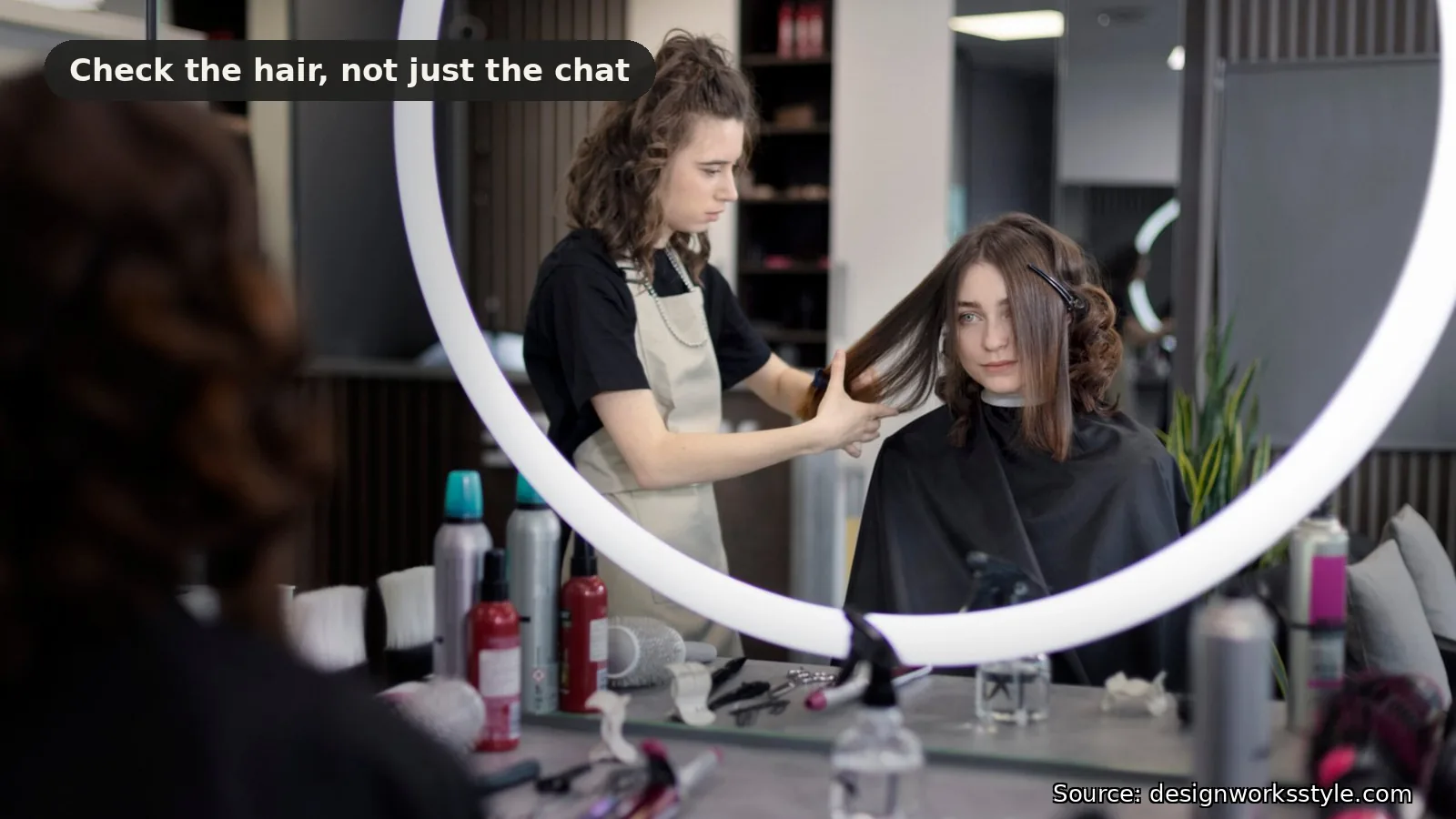
Ask directly how much experience the stylist has with your hair type. A confident stylist answers with specifics, like the cutting method they use for curls or how they handle fine hair at the crown. A vague answer, or a claim to do everything equally well, is a warning sign.
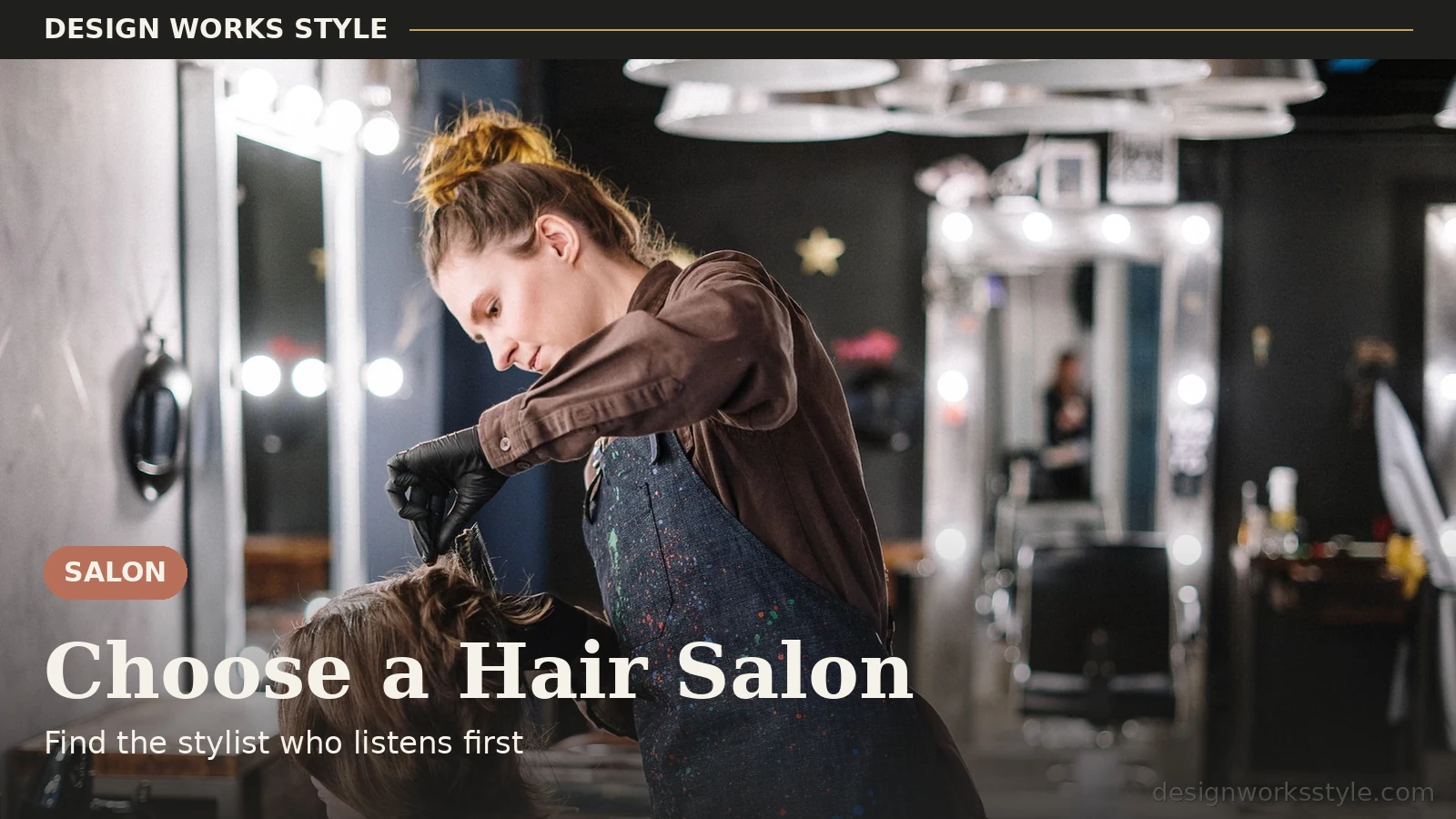
Look at the stylist’s own work, not just the salon’s feed. Before-and-after shots of hair like yours, repeated across many clients, prove far more than one great photo. If you are still deciding where to book, choosing a hair salon comes down to the consultation itself.
Watch how the stylist handles disagreement. If you say you do not want layers and the stylist insists, that is not confidence. That is a stylist who is not listening. A good stylist explains their view once, then follows your decision, since it is your hair and you live with the result.
Notice the small courtesies too. Once you book, salon etiquette covers how to handle the appointment itself, from arriving on time to speaking up while a fix is still possible.
What Are the Red Flags at a Consultation?
Walk away when the stylist refuses a consultation, cannot explain the price, pushes treatments you did not ask for, or promises a result without seeing your hair history. A dirty station, unwashed tools, or a stylist who will not wash their hands all point the same way.
Be wary of promises that sound too neat. No stylist can guarantee a color result without seeing your hair history, and no treatment repairs all damage in one session. Claims like that usually mean upselling, not expertise. The same goes for a stylist who dismisses your concerns or talks over you.
Pay attention to time pressure. A salon that double-books stylists, rushes color processing, or keeps you waiting an hour past your slot is not respecting your time. Occasional delays happen, but a pattern of them tells you how the salon is run.
Trust the feeling in the chair as well as the facts. A consultation should leave you clearer about what will happen, what it costs, and how to care for it after. If you leave confused, pressured, or unsure what was agreed, that is the answer. Book elsewhere.
Frequently Asked Questions
Should I wash my hair before a consultation?
Arrive with clean, dry hair unless the salon tells you otherwise, since product buildup and oil change how hair falls. For a color consultation, follow the salon’s advice, since some color services work better on hair that has not been washed that day.
How long does a hair salon consultation take?
Ten to twenty minutes covers most consultations, with longer talks for major color changes or restyles. Many salons give the consultation free or at a low cost, and it is worth taking even if you do not book.
Can I bring photos from social media?
Yes. Photos help, and stylists see them every day. Bring two or three pictures of the style you want, from angles that show the cut clearly, and tell the stylist what you like about each one. Also bring one photo of what you do not want.
What if I do not like what the stylist suggests?
Say so plainly, and say what you want instead. A good stylist explains their view once, then follows your decision, since it is your hair and you live with the result. If the stylist pushes back hard, get a second opinion before you book.
Image sources: Photos here come from real photographers and stock photo libraries. For the full list of image sources, visit our sources page.