
What to Expect During a Hair Coloring Appointment
A hair coloring appointment starts with a consultation about your hair history and the result you want, then color application, processing time, rinsing, and a cut or finish. Most appointments take one to three hours, and the consultation matters most, since it is where the stylist checks what your hair can handle.
What Happens at the Consultation?

The consultation is a short talk before any color touches your hair, where the stylist asks about your hair history, checks the current color and condition, and agrees on a result that is realistic for your hair. It usually takes ten to twenty minutes, and it is the step that prevents most color disappointments.
Bring photos of results you like, and photos of results you do not want. Photos on hair like yours help more than photos on thick, dark hair when yours is fine and light, since the same color looks different on different hair. Tell the stylist about past color, bleach, perms, and home dye, since old color under the surface changes how new color takes.
The stylist will check your hair by touch and by sight. Dry, porous ends take color faster than healthy roots, and hair that has been bleached twice needs a gentler approach than virgin hair. If your hair feels gummy when wet or snaps when pulled, the stylist may suggest a conditioning treatment first and color later.
Ask about cost, time, and upkeep before you agree. A full color service costs more than a root touch up, and a color that needs a salon visit every four weeks costs more over a year than one that grows out softly. Knowing the upkeep in advance keeps the color looking good instead of growing into a line you dislike.
How Is the Color Applied?
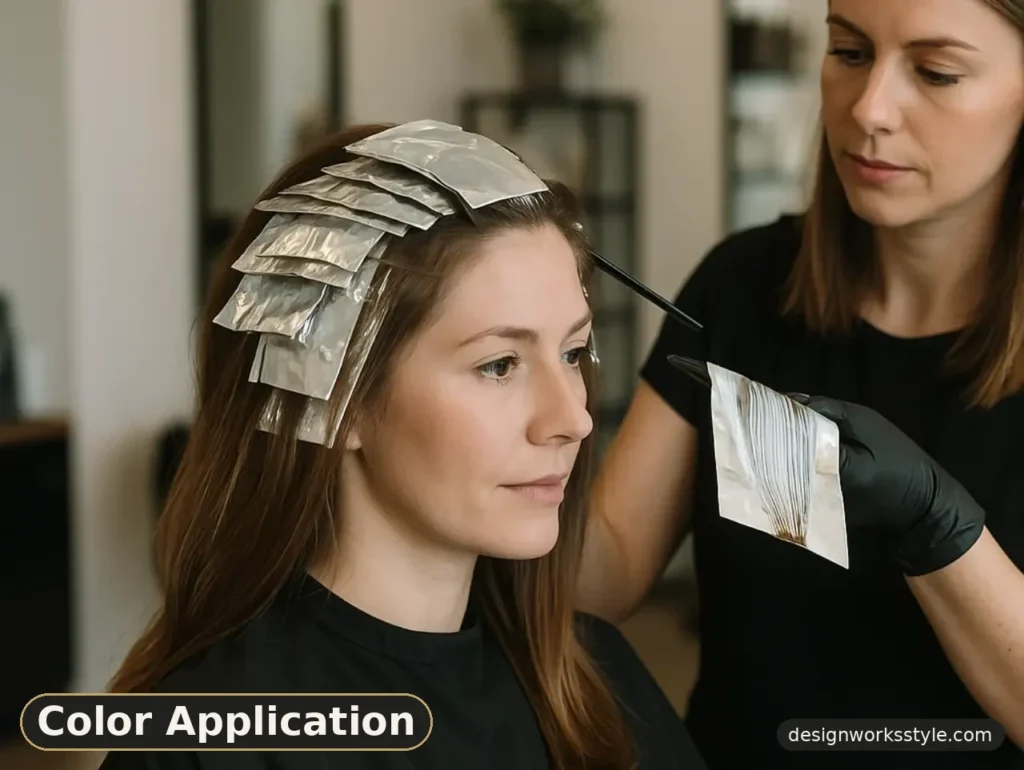
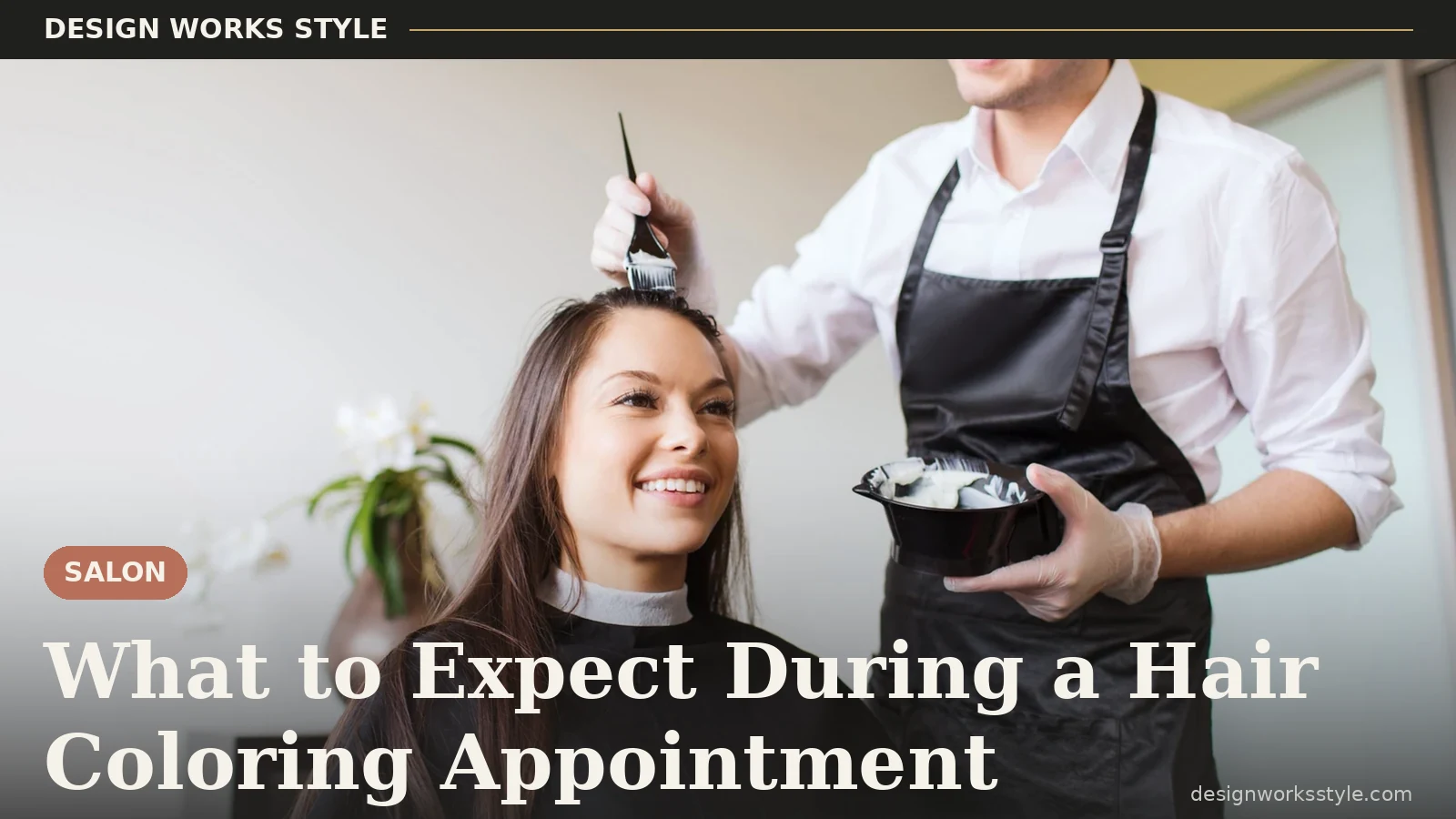
Color is applied in sections, starting where the hair needs it most, with the stylist working through the head so the processing time stays even. A root touch up starts at the roots, a full color starts at the roots and moves through the lengths, and highlights use foils or a balayage technique to place color in chosen sections.
For a single process color, the stylist parts the hair into sections and brushes color onto each one, checking that the coverage is even. Missed spots show up as patches once the hair dries, so a careful application takes time. Expect the application itself to take twenty to forty minutes for a full head.
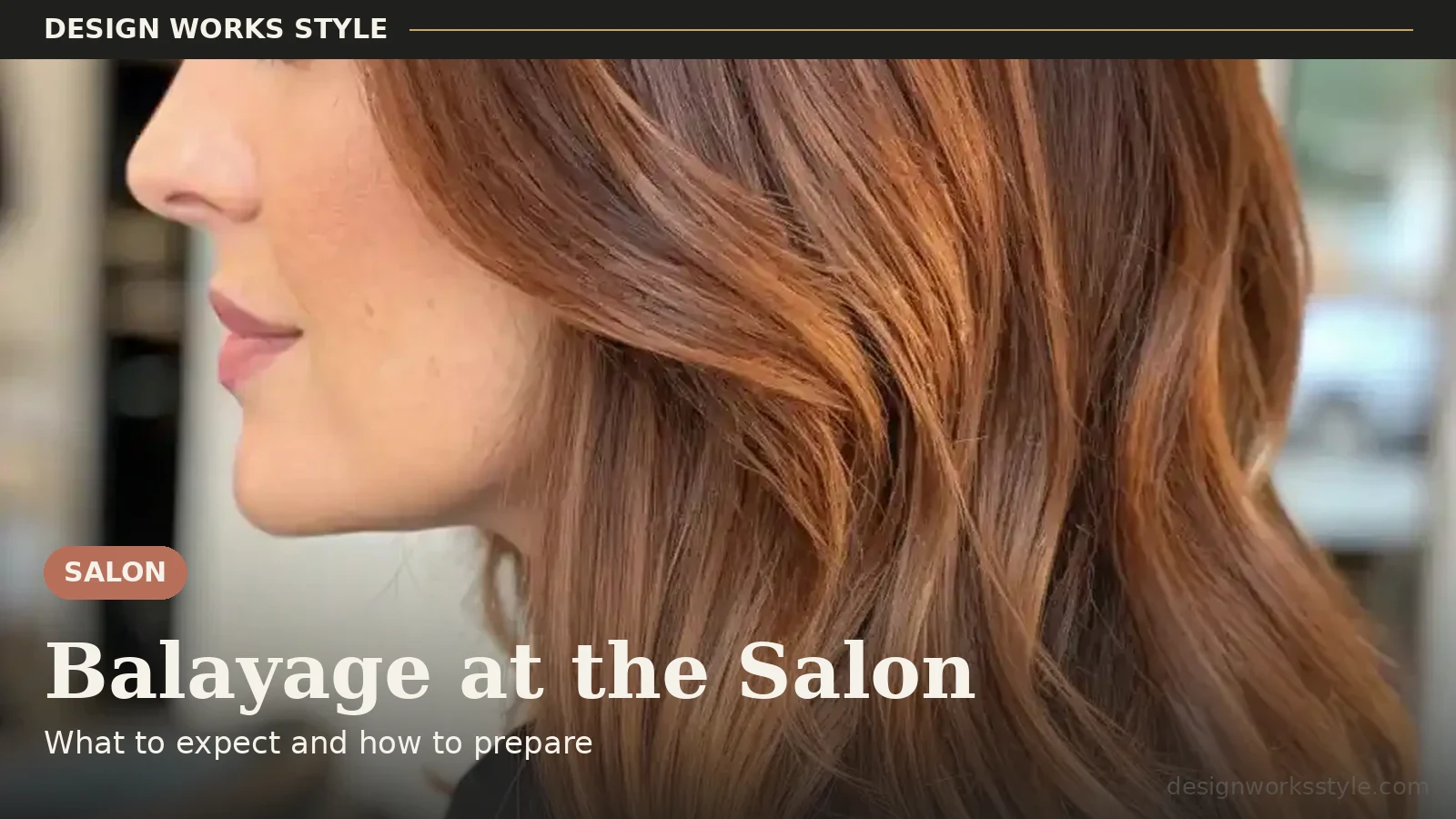
For highlights, the stylist weaves out fine sections and places them in foils with lightener, or paints lightener onto the surface for a balayage effect. Foils give a more even lift and a clearer pattern, while balayage gives a softer, sun kissed grow out. A balayage salon guide discussion, with how the technique is placed and how it grows out, helps if you are choosing between the two.
The stylist will also protect your skin and clothes. A cape covers your clothes, a barrier cream goes around the hairline, and gloves protect the stylist’s hands. Tell the stylist at once if the color stings or itches, since a reaction needs attention right away, not at the end of processing.
How Long Does Processing Take?
Processing takes twenty to forty five minutes for most color, depending on the product, the starting color, and the result wanted, and the stylist checks the hair during that time rather than leaving it alone. Lifting dark hair to a lighter shade takes longer than depositing a darker shade, and bleach takes longer than a semi permanent color.
Heat is sometimes used to speed processing, with a dryer or a steamer warming the hair gently. Heat helps color develop evenly, but too much heat dries the hair, so the stylist checks the hair often. Sit still during processing, since moving around can shift foils and change the result.
The stylist will check a strand during processing by wiping a small section clean and looking at the color. That strand test shows whether the color has developed enough, and it is normal for the stylist to check twice. Do not judge the color while it is still wet and processing, since wet color looks darker than the finished result.
Processing time is not a good place to rush. A color left on too short a time comes out patchy or too dark, and a color left on too long can dry the hair out. Trust the timing the stylist sets, and ask how long is left if you are unsure, rather than asking to rinse early.
What Happens After the Color Is Rinsed?
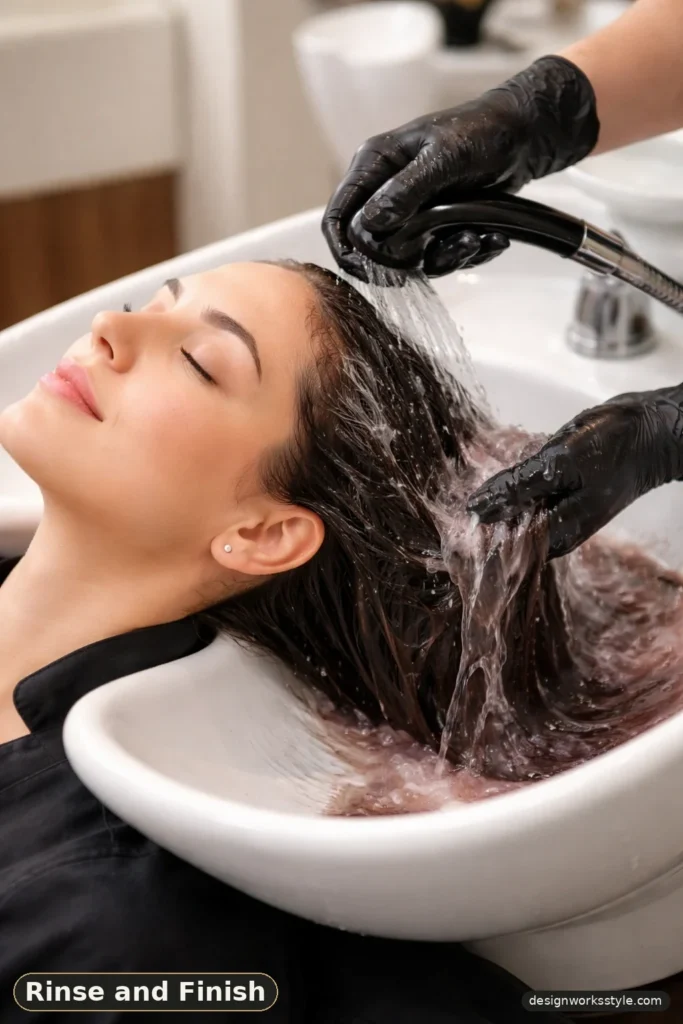
After processing, the stylist rinses the color out with lukewarm water, applies a conditioner or a gloss, and then cuts or styles the hair as agreed. Rinsing takes a few minutes, and the hair is washed gently, since freshly colored hair is more fragile than usual.
A toner or gloss is often applied after lightening, to adjust the tone. Toner removes unwanted yellow or orange tones and gives the color its final shade, and it takes ten to twenty minutes on top of the main color. If your blonde looks brassy after rinsing, toner is usually the fix, not more bleach.
The stylist will then cut the hair if a cut was booked, or blow dry and style it if not. Fresh color looks different once dry, so judge the result after styling, not while the hair is still wet at the basin. Ask the stylist to show you the back in a mirror before you leave.
Before you leave, ask what to use at home. Color safe shampoo, washing less often, and cooler water all help color last, and hair color maintenance between visits, with washing, products, and timing, keeps color treated hair from drying out fast.
How Should You Prepare for the Appointment?
Prepare by arriving with clean, dry hair that has not been washed that morning, wearing an old shirt, and bringing photos of the result you want. Hair washed the day before holds color well, and natural oils on the scalp protect it during application, which is why most stylists prefer hair that is not freshly washed.
Do not apply heavy styling products on the day, since product buildup can block color from taking evenly. A light product is fine, but wax, heavy oil, and thick serums should wait until after the appointment. Brush the hair out before you arrive, so the stylist can section it cleanly.
Wear a shirt that buttons or zips, not a top that pulls over the head, since a pullover can rub the fresh color when you change. Dark colors are safer than white, in case a drop of color reaches the collar despite the cape.
Tell the stylist about allergies and past reactions to hair color. A patch test, where a small amount of color is placed on the skin a day or two before, is standard for a first color service at a new salon. If you have reacted to color before, say so at booking, not at the chair.
What Should You Ask Before You Leave?
Before you leave, ask how to wash the hair, when to book the next visit, and what to do if the color fades unevenly. Those three answers cover most of what goes wrong after a color appointment, and they take two minutes to get.
Ask about washing first. Most stylists suggest waiting a day or two before the first wash, then washing with a color safe shampoo in cool water. Hot water opens the cuticle and lets color wash out faster, so cooler water keeps the color richer for longer.
Ask about the next visit. Root touch ups usually need booking every four to six weeks, while balayage and softer grow out colors can go eight to twelve weeks. Book the next visit before you leave if the salon is busy, since a gap in bookings can leave roots showing longer than you want.
Ask what to do if the color fades or changes tone. A gloss service between full colors can refresh tone without a full appointment, and a purple shampoo can help blonde stay cool at home. If the color fades unevenly or a patch shows up, call the salon within a few days, since most salons will fix a genuine application problem quickly.
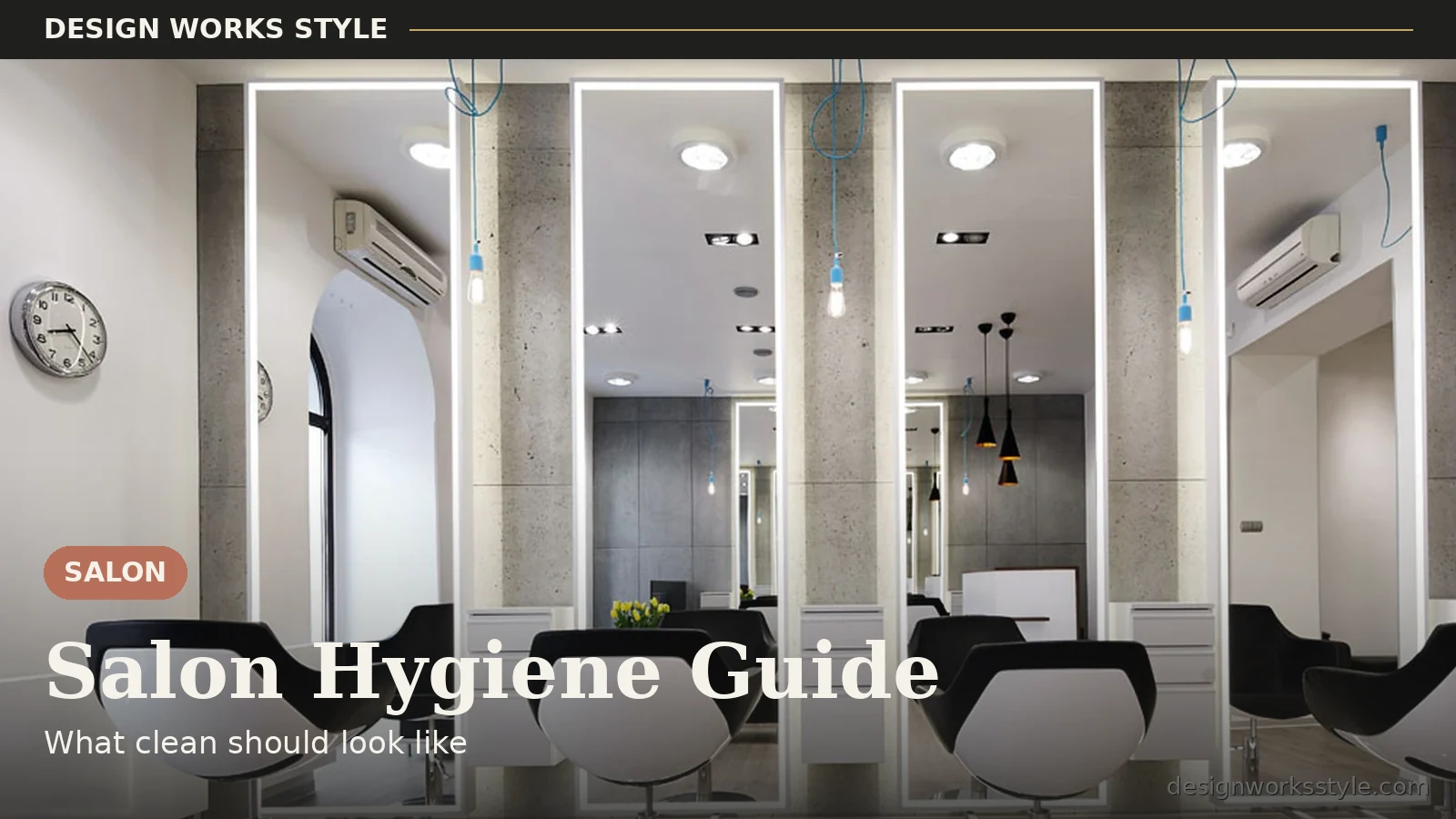
Choosing the right salon matters as much as the color itself, and the same questions about consultation, hygiene, and honesty apply to any salon visit. Choose a hair salon advice, with what to check before booking, helps if you are picking a new salon for color, and salon hygiene guide checks, with clean tools and fresh capes, are worth running through on a first visit.
Frequently Asked Questions
Will hair coloring damage my hair?
Color changes the hair structure, so some dryness is normal, especially with bleach, but a careful application and good aftercare keep damage low. Hair that is already dry or bleached needs a gentler approach, and a stylist may suggest a conditioning treatment first. At home, washing less often, conditioning well, and limiting heat help color treated hair stay healthy.
How long does a coloring appointment take?
Most appointments take one to three hours, with the consultation, application, processing, rinsing, and styling all included. A root touch up takes about an hour, a full color takes about two hours, and highlights or balayage with a cut can take three hours or more. Ask for a time estimate at booking so you can plan the day.
Can I color my hair at home instead?
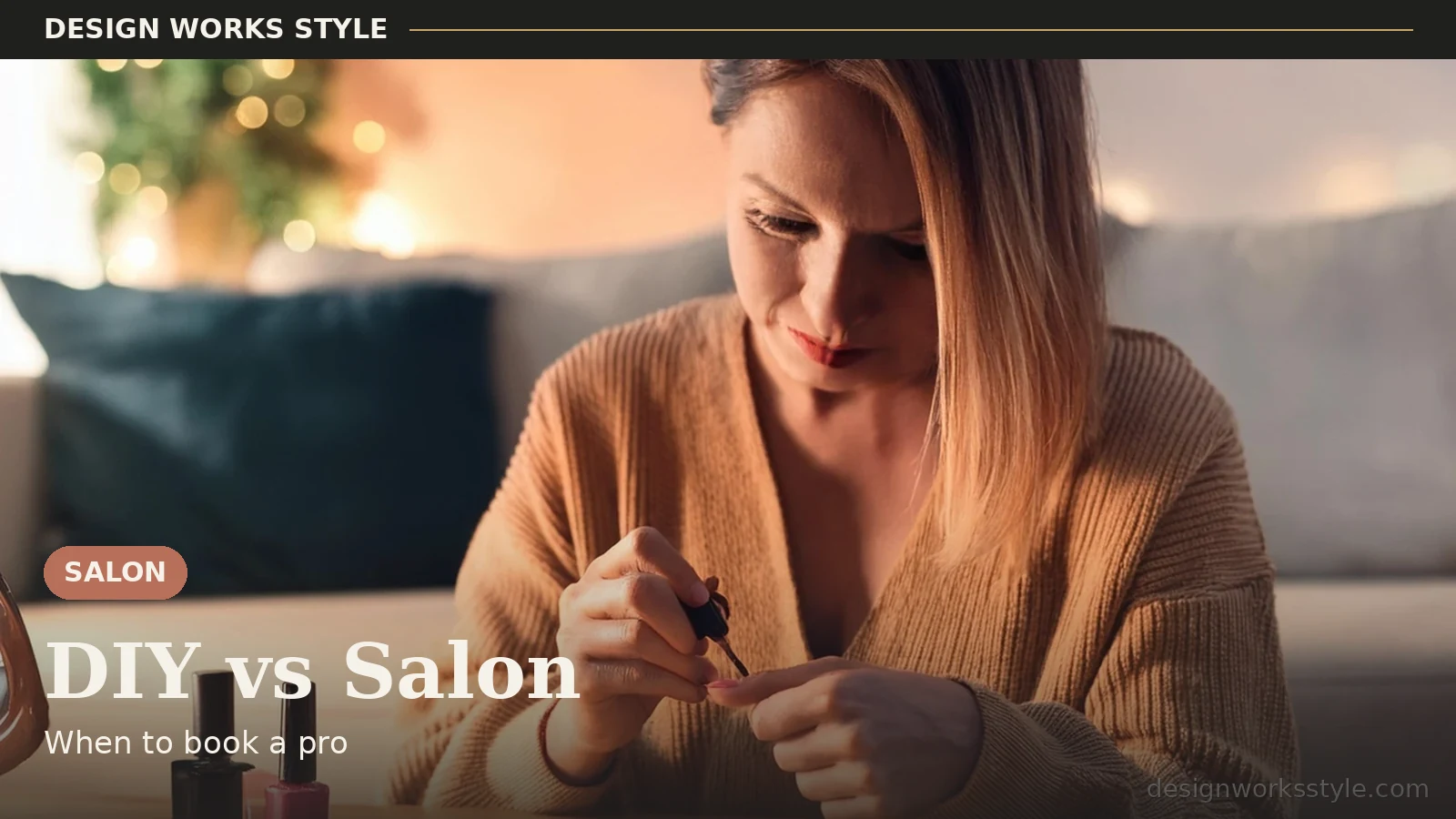
Home color works for a simple root touch up or a shade close to your natural color, but lifting dark hair lighter, fixing uneven color, and balayage are harder at home and go wrong more often. A salon gives an even application, a strand check during processing, and a toner to fix tone, which are hard to repeat in a bathroom.
What if I do not like the color?
Tell the salon within a few days, since most salons will adjust tone or fix a genuine application problem quickly. Do not try to fix it at home with another box color, since that can make the problem harder to correct. Bring the photo you showed at the consultation, so the stylist can see where the result differs from what was agreed.