

The masks that repair winter damage are the ones with protein, bond builders, or penetrating oils, used once a week. Moisture masks soften dry hair, protein masks firm up limp hair, and bond builders help color-treated hair that snaps. A mask cannot rejoin a split end, but the one you pick makes hair stronger and less likely to break.
Why Is Winter So Hard on Hair?
Winter hurts hair from two directions at once. Cold air outside holds very little moisture, and heated air inside pulls moisture out of every strand. The result is hair that feels rough, looks dull, and snaps when you brush it.
Hats and scarves add friction on top of the dryness. Wool rubs against the ends all day, and pulling a hat on and off tugs at the same weak spots. Cold air holds little moisture, and heated rooms pull more out of each strand, which is why winter static builds up fast on dry hair. Static is a sign the hair has lost water, not a separate problem.
The damage is worst at the ends. Ends are the oldest part of the hair, and they have been through the most washing, brushing, and styling. When winter dries them out, they split first. A mask can smooth split ends so they catch less, but it cannot glue them shut. A small trim stops a split from traveling higher up the strand.
What Can a Hair Mask Actually Do?
A hair mask is a thick conditioning treatment left on the hair longer than a normal conditioner, usually 5 to 20 minutes. It works on the outside of the strand, smoothing the cuticle, the overlapping scales that form the outer layer. When the cuticle lies flat, hair looks shinier, feels softer, and tangles less.
Some masks go a little deeper. Hydrolyzed proteins are proteins broken into small pieces that can sit in the gaps of a damaged cuticle and make the strand feel firmer. Bond-building treatments work inside the fiber, reconnecting some of the disulfide bonds that bleach, color, and heat break apart. These are the closest thing to real repair a jar can give, and they help most on hair that snaps or stretches oddly when wet.
Most masks, though, are coats. They smooth the surface and lock in moisture for a few days, then wash out. That is still useful. The mistake is expecting a coating mask to fix a broken strand. It can protect the hair you still have. It cannot rebuild the hair you lost.
Read the label before you buy. A mask that lists water, glycerin, and shea butter near the top is a moisture mask. A mask that lists hydrolyzed keratin, amino acids, or wheat protein near the top is a protein mask. A mask that lists a bond-building ingredient is a bond treatment. The order on the label matters: ingredients near the top are present in larger amounts.
Which Ingredients Repair Winter Damage?
Four groups of ingredients do the real work in a winter mask. Protein fills gaps in damaged cuticles. Bond builders reconnect broken bonds inside the fiber. Penetrating oils get inside the strand and slow water loss. Humectants pull water into the hair and hold it there.
Protein suits hair that feels limp, gummy, or stretchy when wet. Hydrolyzed keratin, silk protein, wheat protein, and amino acids all work the same way: small pieces that patch rough spots on the strand so it feels firmer. Bleach and color strip protein from the fiber, so hair color maintenance starts with keeping the fiber strong enough to hold the color. Too much protein makes hair stiff, so a protein mask belongs in the routine once every few weeks, not every wash.
Bond builders suit hair that snaps, especially bleached or highlighted hair. They rebuild some of the bonds that chemical treatments break. They work slowly, over repeated uses, and they pair well with a moisture mask used on a different day.
Penetrating oils suit dry, rough hair that needs softness that lasts past the next wash. Coconut oil and argan oil are small enough to get inside the strand instead of sitting on top. Olive oil and shea butter coat the surface and seal in water. Both types help, but they do different jobs, so a mask that has one of each covers more ground.
Humectants suit hair that feels dry no matter how much oil you use. Glycerin, honey, aloe vera, and panthenol draw water into the hair. They work best in a mask used on damp hair, because they need water to hold on to.
How Do You Tell What Your Hair Needs?
Two problems look alike but need opposite fixes, so test before you buy. Pull one clean, wet strand from the back of your head and stretch it gently. If it stretches a long way and feels gummy or limp, it is short of protein. If it barely stretches and snaps fast, it is short of moisture. A strand that feels weak when wet and brittle when dry usually needs both, protein first, then moisture.
Test three or four strands from different areas, because one strand can mislead you. Ends are always more damaged than mid-lengths, so a strand from the ends tells you about the ends, not the whole head. The test reads the hair you already grew. Nothing in a jar changes what comes out of the root.
Curly hair dries out faster because oils travel slowly down each curl, so curly hair care leans on heavier masks used more often. Fine hair goes limp fast with a heavy mask, so it needs a lighter formula and a shorter leave-in time.
How Do You Apply a Hair Mask So It Works?
Apply a mask to clean, damp hair, not dripping wet hair. Shampoo first, squeeze the water out gently, and then work the mask through the mid-lengths and ends. Keep it off the scalp unless the label says otherwise, because mask on the roots weighs hair down and can leave the scalp greasy.
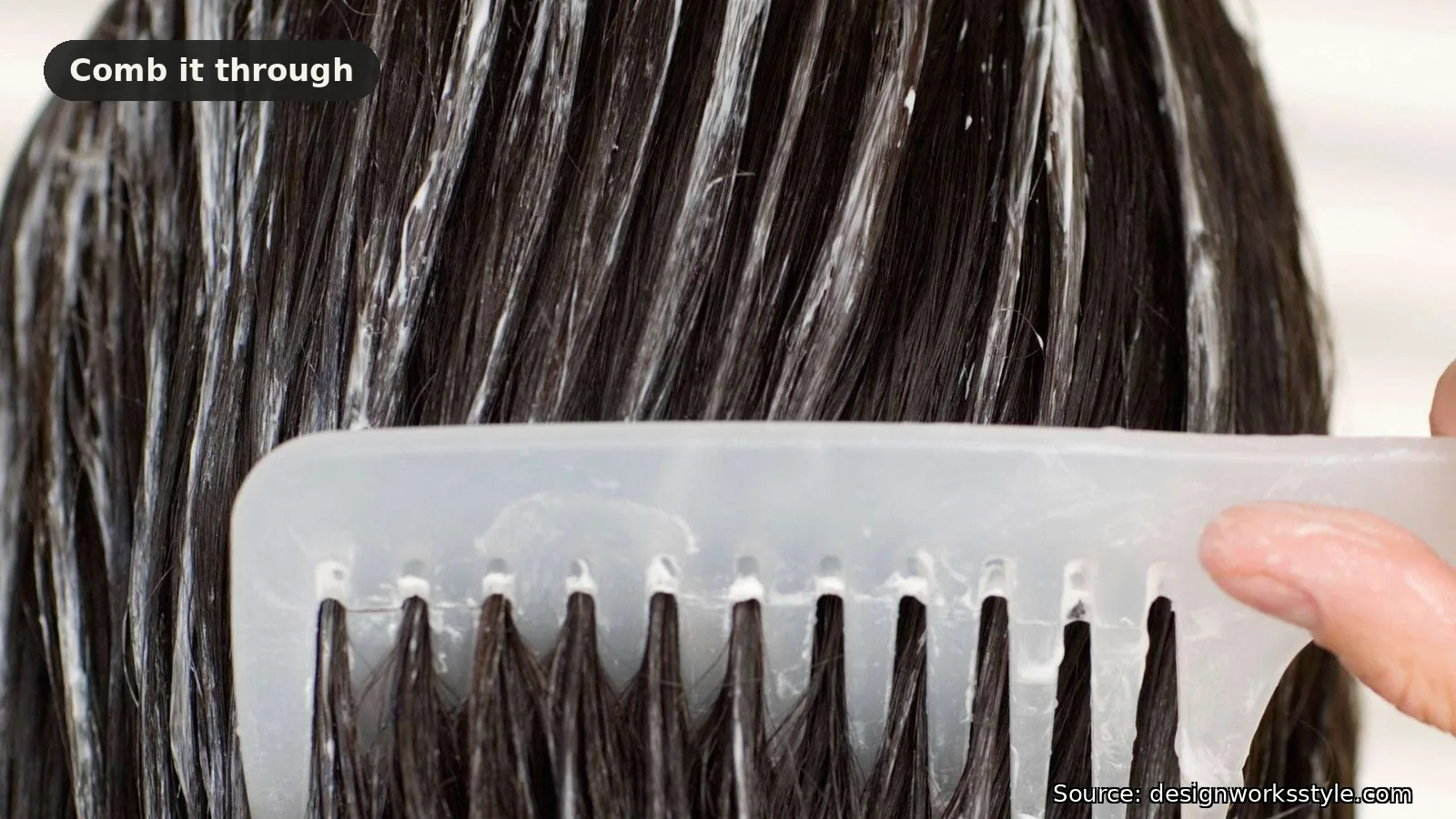
Comb it through once with a wide-tooth comb. The comb spreads the mask evenly and untangles the hair while it is slippery, which is when it breaks least. Skipping the comb leaves thick patches in some places and bare spots in others.
Leave it on for the time on the label, usually 5 to 20 minutes. More time does not mean more repair. Hair can only take in so much at once, and leaving a protein mask on for an hour can leave hair stiff.
Rinse with lukewarm water, not hot. Hot water strips the oils the mask just put back. Rinse until the water runs clear, then finish with a cool rinse if you can stand it. The cool water helps the cuticle lie flat again.
Homemade or Store-Bought: Which Is Better?
A store-bought mask is the better choice for real repair, because the ingredients that patch and rebuild hair, hydrolyzed proteins and bond builders, are hard to make in a kitchen. A jar also has preservatives that keep it safe for weeks, and the formula is balanced so the protein and moisture do not fight each other.
A homemade mask is a good conditioning treat, not a repair treatment. Avocado, honey, and olive oil soften hair and make it look shinier for a day or two. They do not contain hydrolyzed protein, so they cannot firm up limp hair the way a protein mask can. An egg mask is the one kitchen mix with real protein, but the protein pieces in a raw egg are too large to get into the hair shaft, so most of it rinses away.
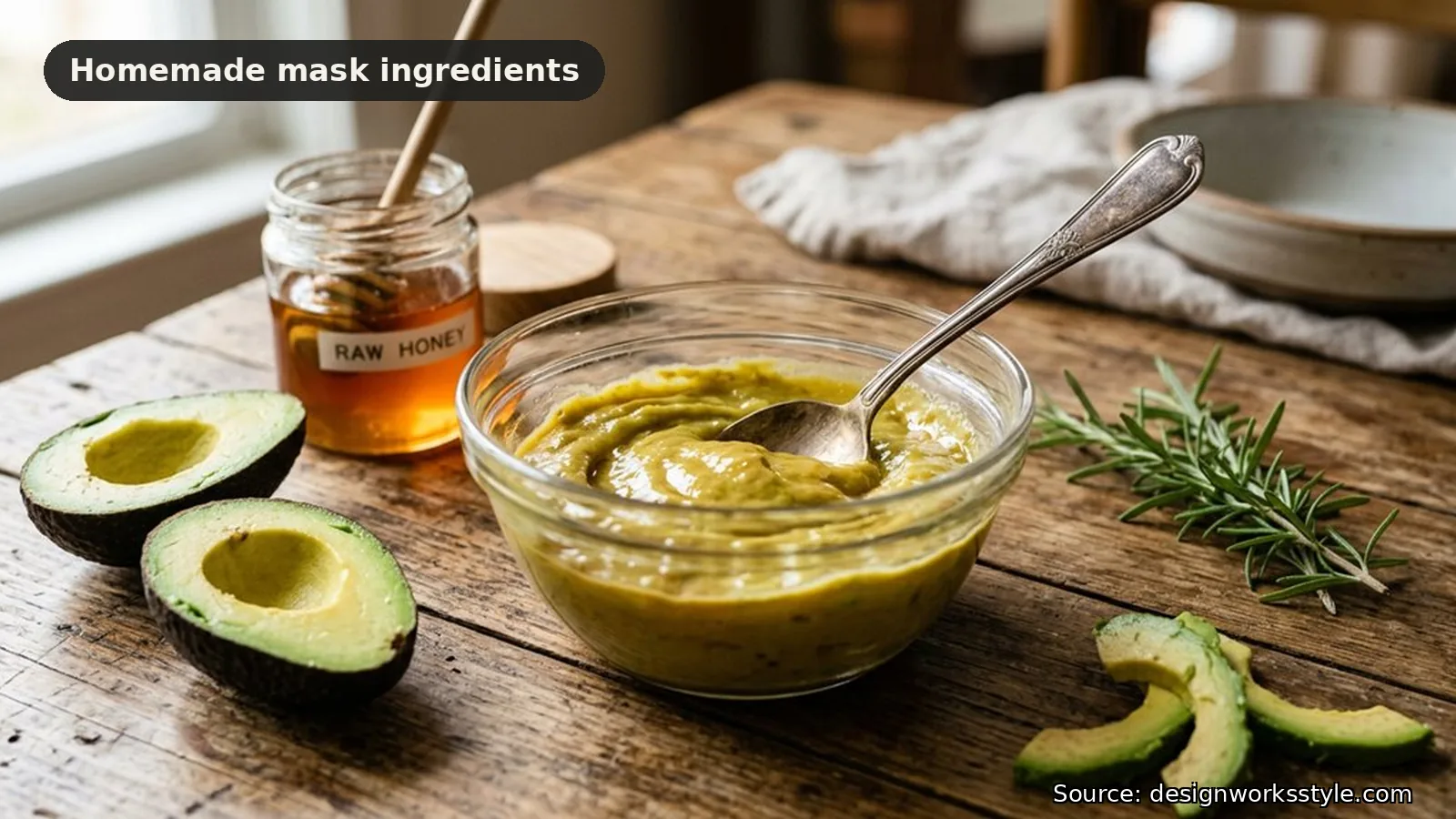
If you like making your own, keep it simple and use it fresh. Mash half a ripe avocado with a spoonful of honey and a spoonful of olive oil, smooth it through damp lengths, leave it for 20 minutes, and rinse well. Make only what you will use that day. A kitchen mask has no preservatives, so it spoils fast and it can leave bits in the hair if it is not mixed smooth.
How Often Should You Use a Hair Mask in Winter?
Once a week is the starting point for most hair in winter. Dry or damaged hair can take two or three masks a week when the air is at its driest, and fine or oily hair does better with one mask a week or one every other week. Start weekly, then adjust by how the hair feels on the next wash day.
Protein masks need a slower pace than moisture masks. Use a protein mask once every three or four weeks, and fill the weeks between with a moisture mask. Too much protein leaves hair stiff and straw-like, and stiff hair snaps. If your hair starts feeling rough after a protein mask, switch back to moisture for two weeks before trying protein again.
Fine hair needs a lighter touch than thick hair, and a hair care routine by hair type keeps the mask schedule matched to what each type can absorb. Fine hair goes limp when a heavy mask is used too often, so use a smaller amount and rinse it out sooner. Thick hair can take a full mask once or twice a week without going flat.
What Winter Habits Make Masks Work Better?
A mask works best when the rest of the routine stops adding damage. Wash with lukewarm water, because hot water strips the oils a mask puts back. Shampoo the scalp mainly, and let the lather run down the lengths instead of scrubbing the ends.
Cover up outside. A silk-lined hat or a scarf over the hair in wind and cold cuts friction and moisture loss. Wool hats rub the ends raw, so a silk lining or a silk scarf under the hat makes a real difference over a whole winter.

Cut back on heat styling while the air is dry. Let hair air-dry when you can, and use a heat protectant on the days you cannot. A silk-lined hat and a wide-tooth comb cut the friction that causes breakage, and preventing hair breakage in winter is mostly about removing the small daily causes. A mask repairs what is already damaged. Habits decide how much new damage shows up.
Frequently Asked Questions
Can a hair mask fix split ends?
No. A mask can smooth a split end so it catches less and looks neater, but it cannot rejoin the fibers. The only fix for a split end is a trim.
Should you use a hair mask before or after shampoo?
After shampoo, on clean, damp hair. Shampoo clears away oil and buildup so the mask can reach the strand, and the mask then replaces the moisture the shampoo took out. Using a mask before shampoo wastes most of it, because the shampoo washes it straight off.
Can you leave a hair mask on overnight?
Most masks are not made for overnight use. A moisture mask left on too long can leave hair limp and coated, and a protein mask left on too long can leave hair stiff. Follow the time on the label. If you want a longer treatment, a light oil on the ends overnight rinses out more cleanly than a mask.
Why does my hair feel worse after a hair mask?
Usually the mask was the wrong type or too much was used. A protein mask on moisture-starved hair leaves it stiff and rough. A heavy moisture mask on fine hair leaves it limp and flat. A mask left on far past the label time can coat the hair instead of conditioning it. Switch types, use less, and rinse fully, and the next mask should feel better.
Image sources: Photos here come from real photographers and stock photo libraries. For the full list of image sources, visit our sources page.