
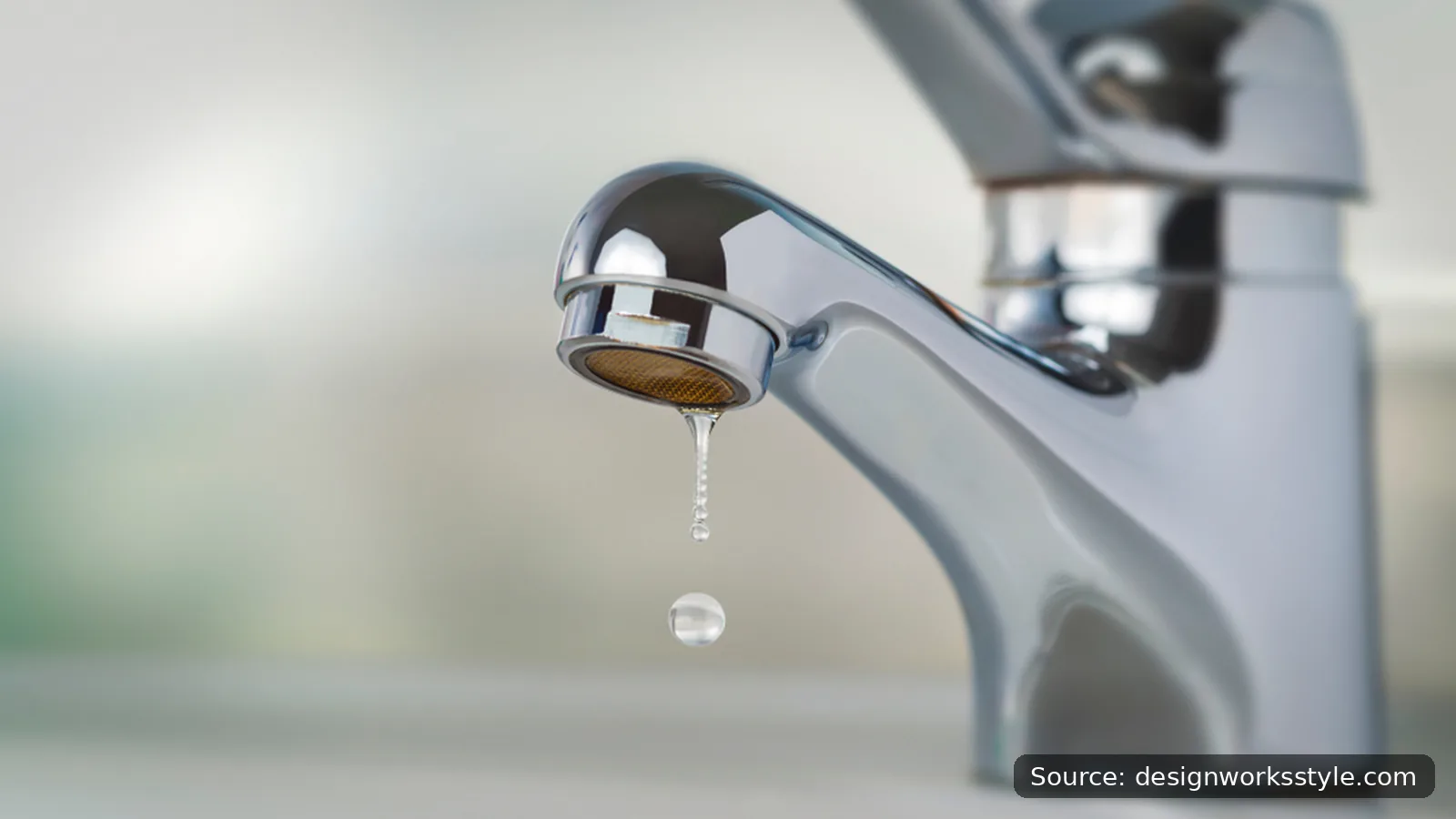
To fix a leaky faucet, first identify your faucet type: compression (two separate handles), cartridge, ball, or ceramic disk (all usually single-handle). Turn off the water supply valves under the sink, plug the drain, and disassemble the handle. For compression faucets, the fix is almost always a worn washer and O-ring. For cartridge, ball, and disk faucets, replace the cartridge or the internal repair kit. The parts cost under $20 and the job takes 30 minutes.
A dripping faucet is the most annoying small problem in a house, and one of the most wasteful: a single drip per second wastes over 3,000 gallons a year. But the repair is genuinely simple once you know which type of faucet you have, because each type fails in exactly one predictable way.
What Are the Four Types of Faucets?
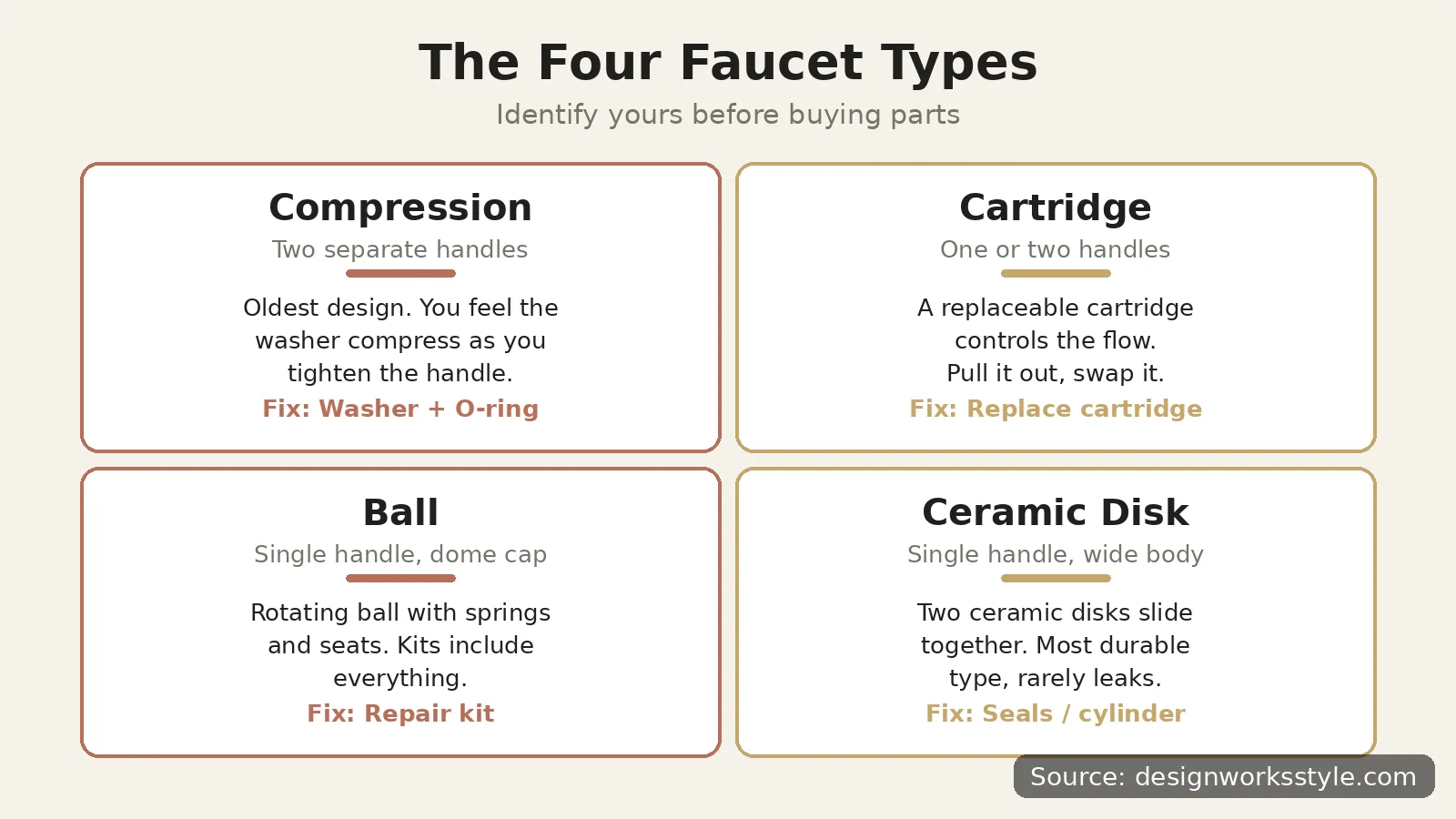
Compression faucets have two separate handles for hot and cold and are the oldest design; you can feel the washer compressing as you tighten the handle. Cartridge faucets can have one or two handles and use a replaceable cartridge that controls flow. Ball faucets are single-handle with a rounded cap over the base and use a rotating ball with springs and seats. Ceramic disk faucets are single-handle with a wide cylindrical body and use two ceramic disks sliding against each other; they are the most durable and least likely to leak. Identify yours before buying parts, because the repair is completely different for each.
How Do You Fix a Compression Faucet?
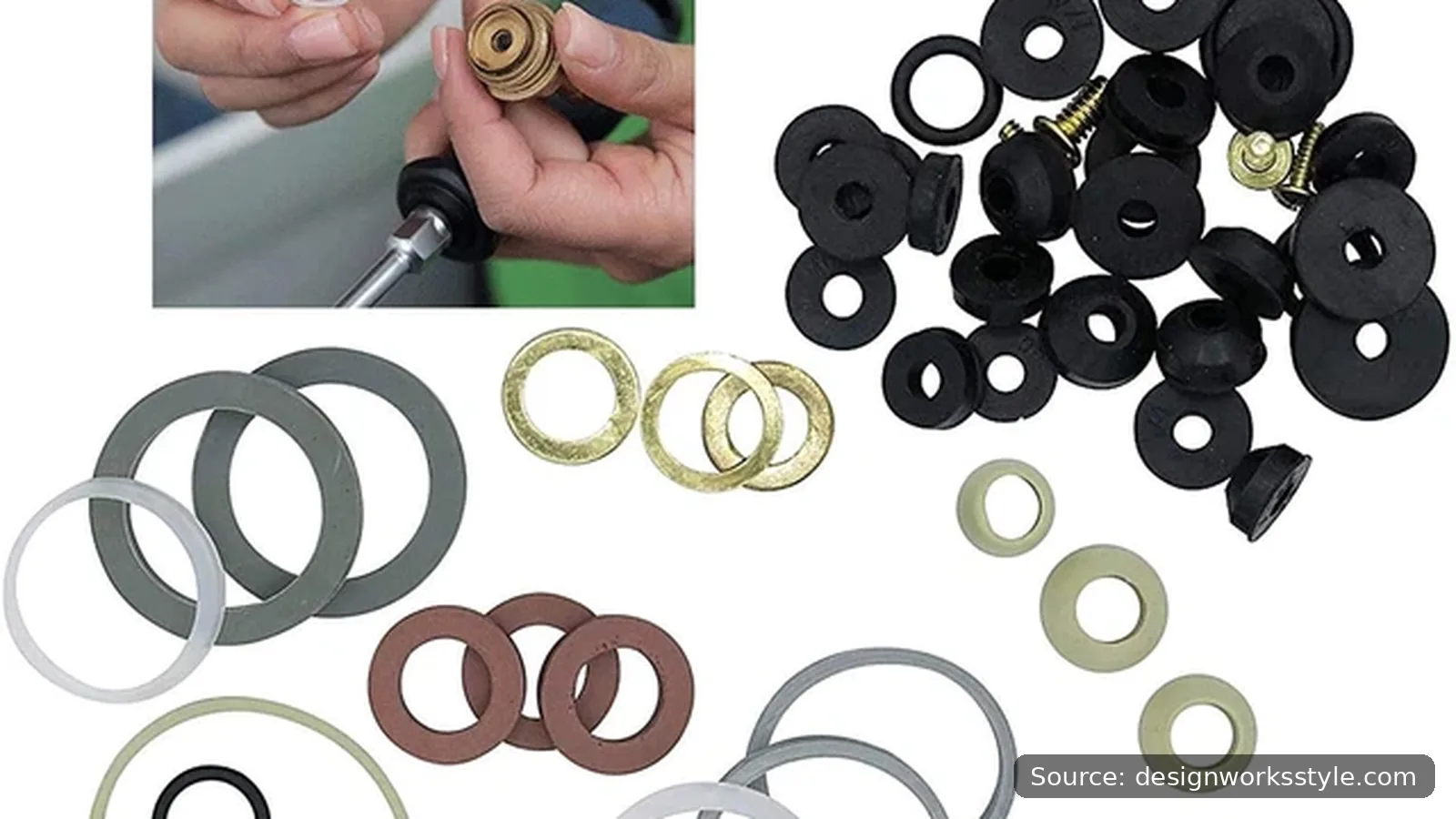
Turn off the hot and cold supply valves under the sink (or the main water shutoff if there are no valves). Plug the drain so small parts cannot fall in. Remove the handle (usually a screw under a decorative cap), unscrew the packing nut with an adjustable wrench, and lift out the stem. At the bottom of the stem you will find the washer held by a small screw: this flattened, cracked washer is your leak. Replace it and the O-ring around the stem, reassemble in reverse order, and turn the water back on. Take the old washer to the store. Washers come in many sizes and the wrong one will not seal. A washer and O-ring kit costs a few dollars.
How Do You Fix a Cartridge, Ball, or Ceramic Disk Faucet?
For cartridge faucets, remove the handle and the retaining clip or nut, pull the cartridge straight out, and install an identical replacement. The cartridge is the entire mechanism, so replacing it fixes every internal wear point at once. For ball faucets, buy the brand-specific repair kit (springs, rubber seats, O-rings, and sometimes the ball) and replace all of them; doing half the kit invites a return trip. For ceramic disk faucets, lift out the cylinder, replace the neoprene seals at its base, and clean any mineral deposits from the disks with white vinegar. If the ceramic disks themselves are cracked or scored, replace the whole cylinder. In every case, photograph the disassembly with your phone. The order of washers, clips, and seals matters, and the photo is your reassembly map.
What If the Faucet Leaks at the Base Instead of the Spout?
A spout drip means the internal seal (washer, cartridge, or disk) is worn. Water pooling around the base of the faucet means the O-rings that seal the faucet body to the sink are worn. Base leaks need the faucet body lifted: turn off the water, disconnect the supply lines, remove the mounting nuts from underneath, lift the faucet, replace the O-rings, and reseat it with fresh plumber’s putty or the manufacturer’s gasket. Base leaks should not wait. Water running under the faucet rots the countertop and the cabinet below, turning a $5 O-ring into a $500 repair.
How Do You Fix a Leaky Shower or Bathtub Faucet?
The same principles apply, with one difference: there are no supply valves under a tub, so you shut off the house’s main water instead. Two-handle tub faucets are almost always compression type: same washer replacement as a sink. Single-handle tub and shower faucets are usually cartridge type: pull the cartridge and replace it. If the showerhead drips when the tub spout runs, the diverter is worn; on most faucets the diverter is part of the spout assembly and replacing the spout fixes it. Turn the main water back on slowly to avoid hammering air through the lines.
Frequently Asked Questions
How much water does a leaky faucet waste?
A faucet dripping once per second wastes over 3,000 gallons per year. A faster drip or a thin stream wastes far more. On metered water, that is real money every month, and on a well or septic system it is unnecessary load. A dripping faucet is never “just a drip.”
Can I fix a faucet without turning off the water?
No. The moment you loosen the packing nut or remove the cartridge, full water pressure hits the open faucet body. Turn off the supply valves under the sink first, then open the faucet to confirm the water is actually off before disassembling. If the supply valves are frozen or missing, shut off the house main. Test before you wrench.
Why does my new washer still leak?
Usually the valve seat is damaged. The washer presses against a metal seat inside the faucet body, and if that seat is rough, corroded, or nicked, no washer will seal against it. Look inside with a flashlight. A valve seat dressing tool (a few dollars) resurfaces minor damage. A badly damaged seat may need the faucet replaced, but try the dressing tool first.
Should I repair or replace an old faucet?
Repair it if the faucet body and finish are in good shape; a $10 part restores it fully. Replace it if the body is corroded, the finish is failing, parts are unavailable for an obsolete model, or you have repaired the same faucet twice and it keeps leaking. A new mid-range faucet costs $50 to $150 and installs with basic tools in under an hour.