
Match colors in outfits by starting with one neutral anchor, then adding one or two colors that sit well with it on the color wheel. Complementary colors sit opposite each other, analogous colors sit side by side, and monochromatic outfits use one color in different shades. This guide covers those combinations, neutrals, skin tone, and seasonal palettes.
What Are the Basics of Color Theory for Outfits?
Color theory for outfits rests on the color wheel: a circle of twelve colors built from three primaries, three secondaries, and six tertiaries. Warm colors like red, orange, and yellow feel energetic, cool colors like blue, green, and purple feel calm. Knowing where a color sits on the wheel tells you which colors pair with it.
Primaries are red, blue, and yellow. Mix two primaries and you get a secondary: orange, green, or purple. Mix a primary with a secondary and you get a tertiary, like teal or rust. That is the whole wheel, and every combination below comes from positions on it. You do not need to memorize the wheel. A free color wheel app on your phone, or a printed one pinned near your closet, covers the reference part.
Hue is only one part of a color. Value means how light or dark it is, and saturation means how bright or muted it is. Two colors can share a hue and still clash if one is bright and the other is dusty. A bright red with a muted olive looks off, while a muted brick red with the same olive looks planned. Match value and saturation as well as hue, and most pairings fall into place.
Which Classic Color Combinations Always Work?
Three classic combinations cover most good outfits: monochromatic, complementary, and analogous. Monochromatic uses one color in different shades, complementary pairs opposites like navy and rust, and analogous uses neighbors like blue, teal, and green. Learn these three and you can build an outfit from almost any single piece.
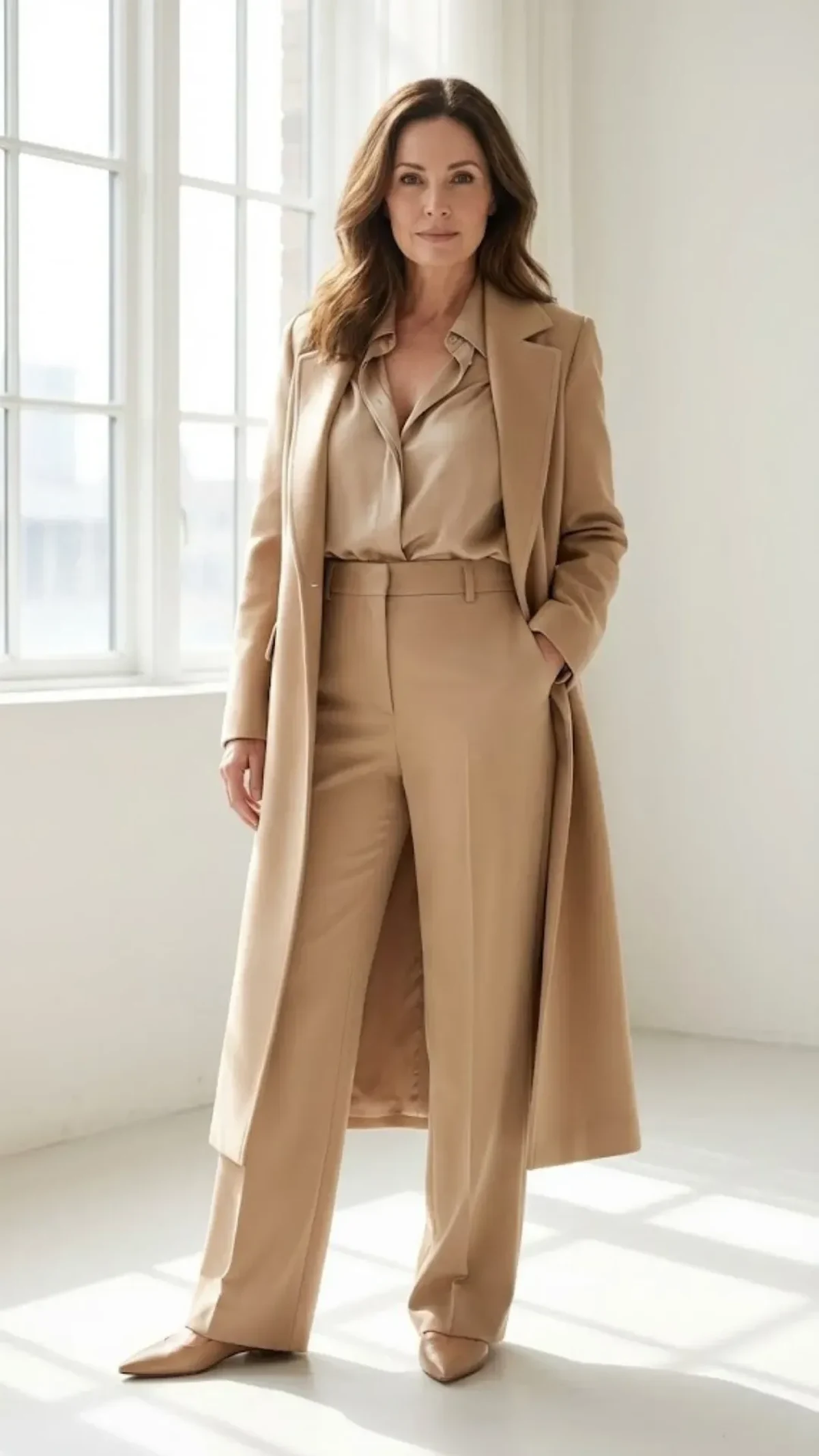
Monochromatic is the easiest place to start. A camel coat, beige trousers, and a cream top use one color family in different shades, and the result looks long and unified. Vary the textures so the outfit does not flatten out: wool with silk, denim with knit. A single color in a single texture can look like a uniform, while mixed textures keep it interesting.
Complementary pairs sit opposite on the wheel: blue with orange, purple with yellow, red with green. These pairs have strong contrast, so let one color lead and the other accent. Navy trousers with a rust top works because navy covers most of the outfit and rust covers a little of it. Flip the ratio and the outfit shouts. Analogous pairs sit side by side: blue, teal, and green, or red, orange, and coral. These combinations feel calm and put together, and they suit days when you want to look polished without standing out.
How Do Neutrals Anchor an Outfit?
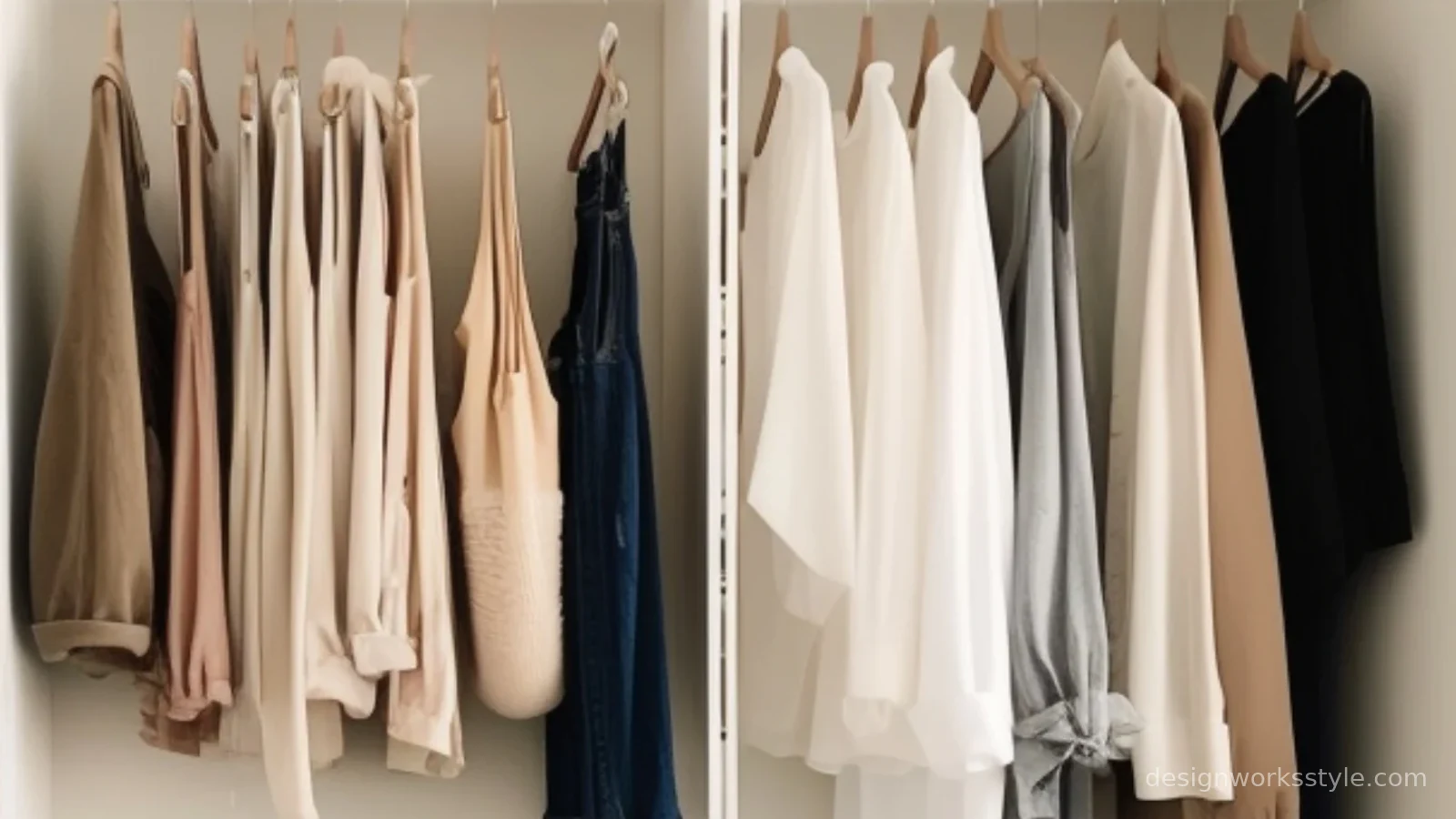
Neutrals anchor an outfit because they pair with nearly every color without competing for attention. Black, white, navy, beige, gray, and brown form the base that lets one brighter color stand out. Build the outfit from neutrals first, then add color, and the result looks planned instead of thrown together.
Each neutral has its own character. Black is sharp and formal, navy is softer than black and pairs with warm colors well, beige and camel are warm and casual, gray is cool and quiet, white is crisp and bright, brown is earthy and relaxed. Pick the neutral that fits the occasion, then add color on top of it. A navy base suits a rust accent, a gray base suits a burgundy accent, and a beige base suits an olive accent.
A useful ratio is roughly 60 percent neutral base, 30 percent secondary color, and 10 percent accent. Trousers and a coat in navy, a top in a muted blue, and a scarf in mustard follow that ratio without thinking. This is the same base-first idea behind a capsule wardrobe, where neutrals let a small set of clothes make many outfits: see our capsule wardrobe guide for the full system. When the base is neutral, almost any accent color has a chance to work.
How Do You Add a Pop of Color Without Overdoing It?
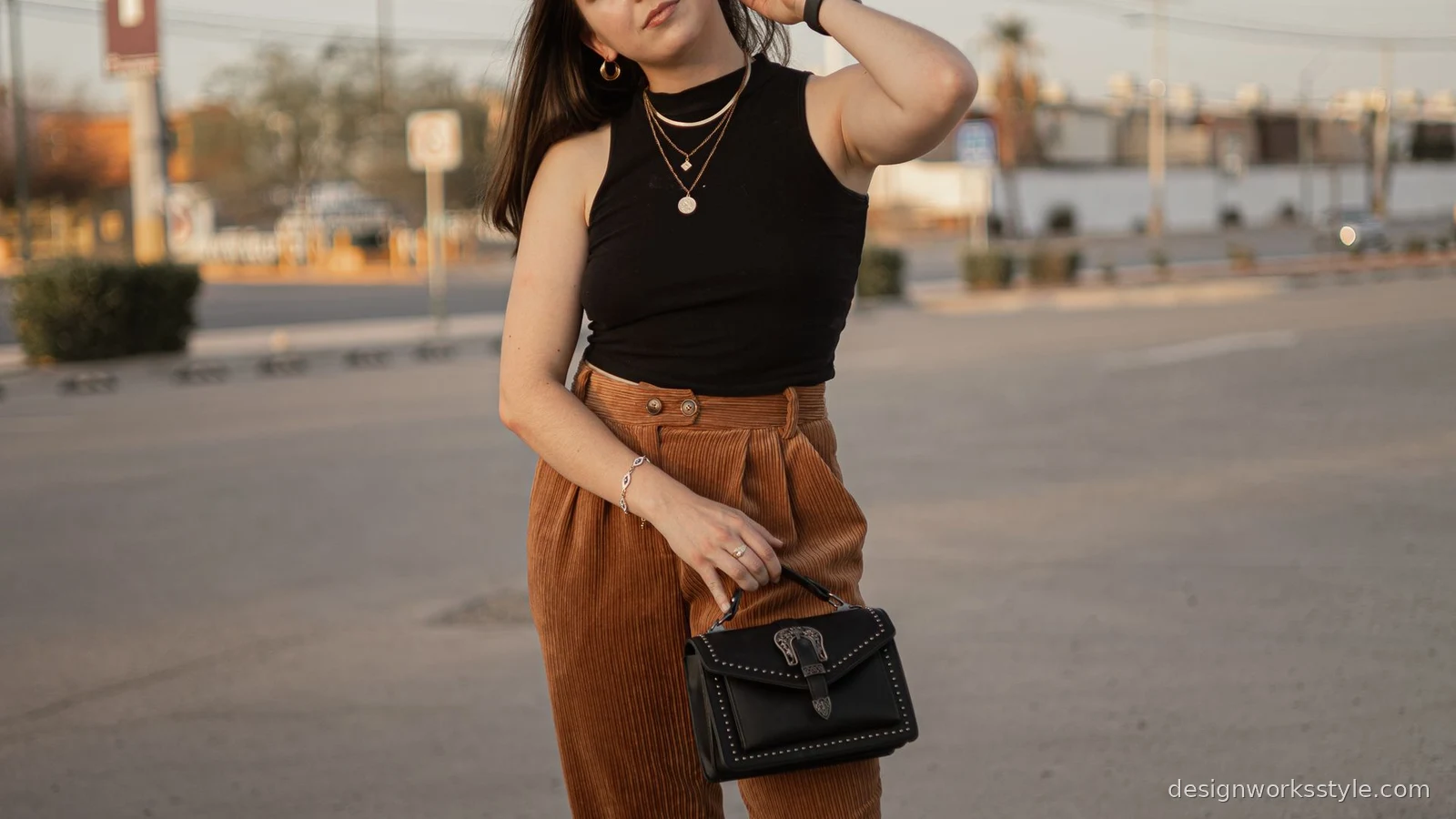
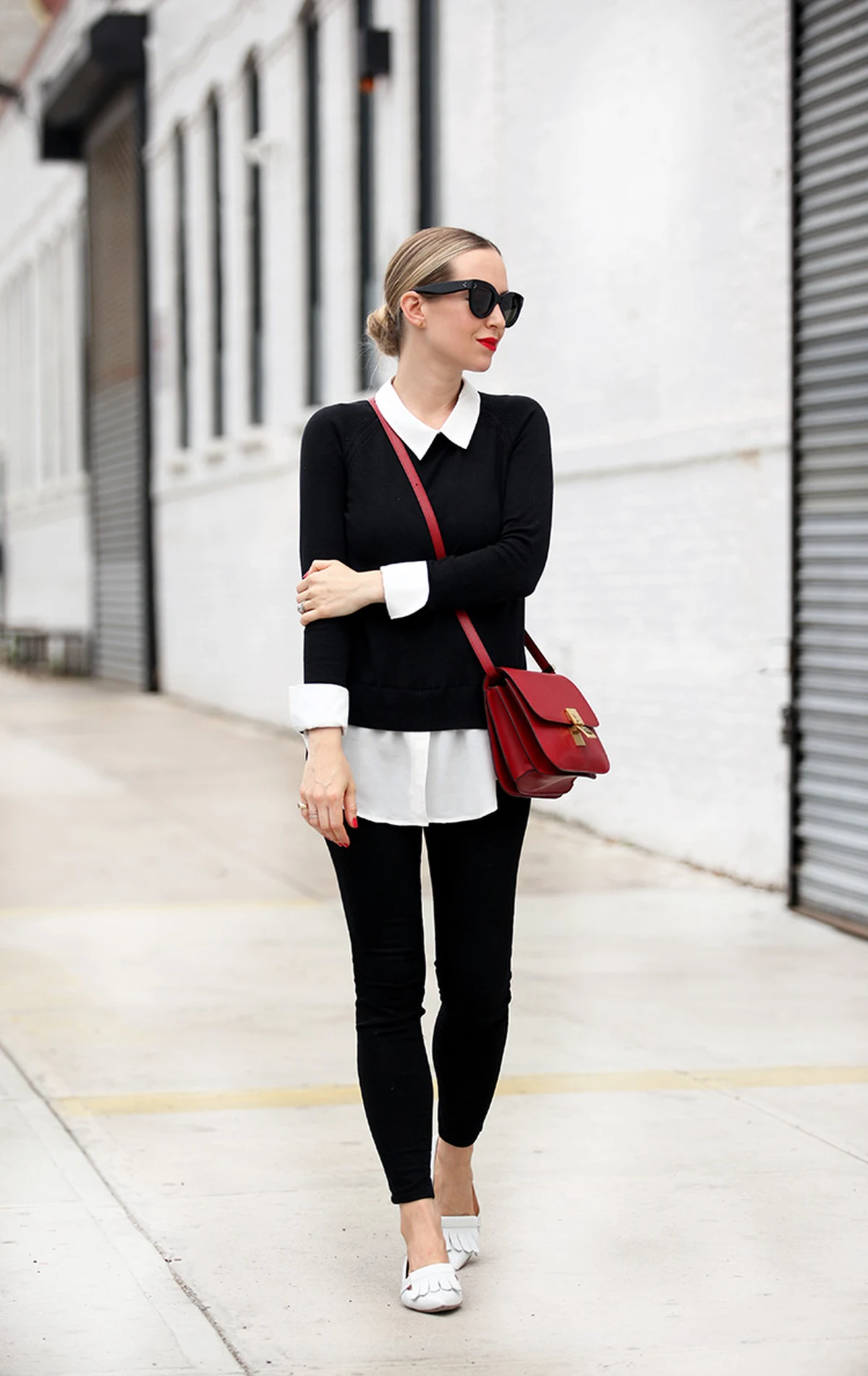
Add a pop of color with one statement piece, and keep the rest of the outfit quiet. A red bag, a mustard scarf, or cobalt shoes lift a neutral outfit, while two or three bright pieces in different colors fight each other. One accent looks deliberate, several accents look accidental.
Accessories are the low-risk way to add color. A bag, a scarf, shoes, or a belt in a bright color costs less than a coat in the same color, and it is easier to swap out. Start with accessories in colors you already like, and see which ones you reach for most. Those are the accents worth repeating across outfits. A red bag that works with navy, gray, and beige earns its place; a neon top that works with one pair of jeans does not.
Keep the rest of the outfit quiet when the accent is loud. A bright bag pairs with a neutral outfit, not with a printed dress in a second bright color. Nail polish follows the same rule: a neutral polish keeps attention on the accent piece, and our elegant nude nails gallery shows shades that sit quietly beside any outfit. If you want two accents, keep them in the same color family, like a burgundy bag with burgundy shoes, so they read as one choice.
How Does Skin Tone Change Which Colors Suit You?
Skin tone changes which colors suit you because warm undertones pair with warm colors and cool undertones pair with cool ones. Check the veins on your wrist: greenish veins point warm, bluish veins point cool, and a mix points neutral. That one check narrows every color choice that follows.
Warm undertones suit olive, rust, gold, camel, and cream. Stark white can wash warm skin out, so cream and ivory usually look better. Cool undertones suit jewel tones like emerald and sapphire, plus navy, crisp white, and silver jewelry. Neutral undertones can wear both families, and the choice comes down to personal taste. Hold a color against your face in daylight, not under store lights, and watch whether your skin looks even or tired. The mirror answers faster than any chart.
Hair color shifts the picture too. A warm hair color like copper or golden brown pairs with warm outfit colors, while an ash or cool hair color pairs with cool ones. When you change your hair color, recheck the colors you wear most: see our hair colors that make you look younger guide for shades that sit well with different skin tones. Treat undertone advice as a guide, not a ban. If a color you love sits outside your undertone family, wear it farther from your face, as trousers or a bag, instead of as a top.
How Do Color Palettes Change by Season?
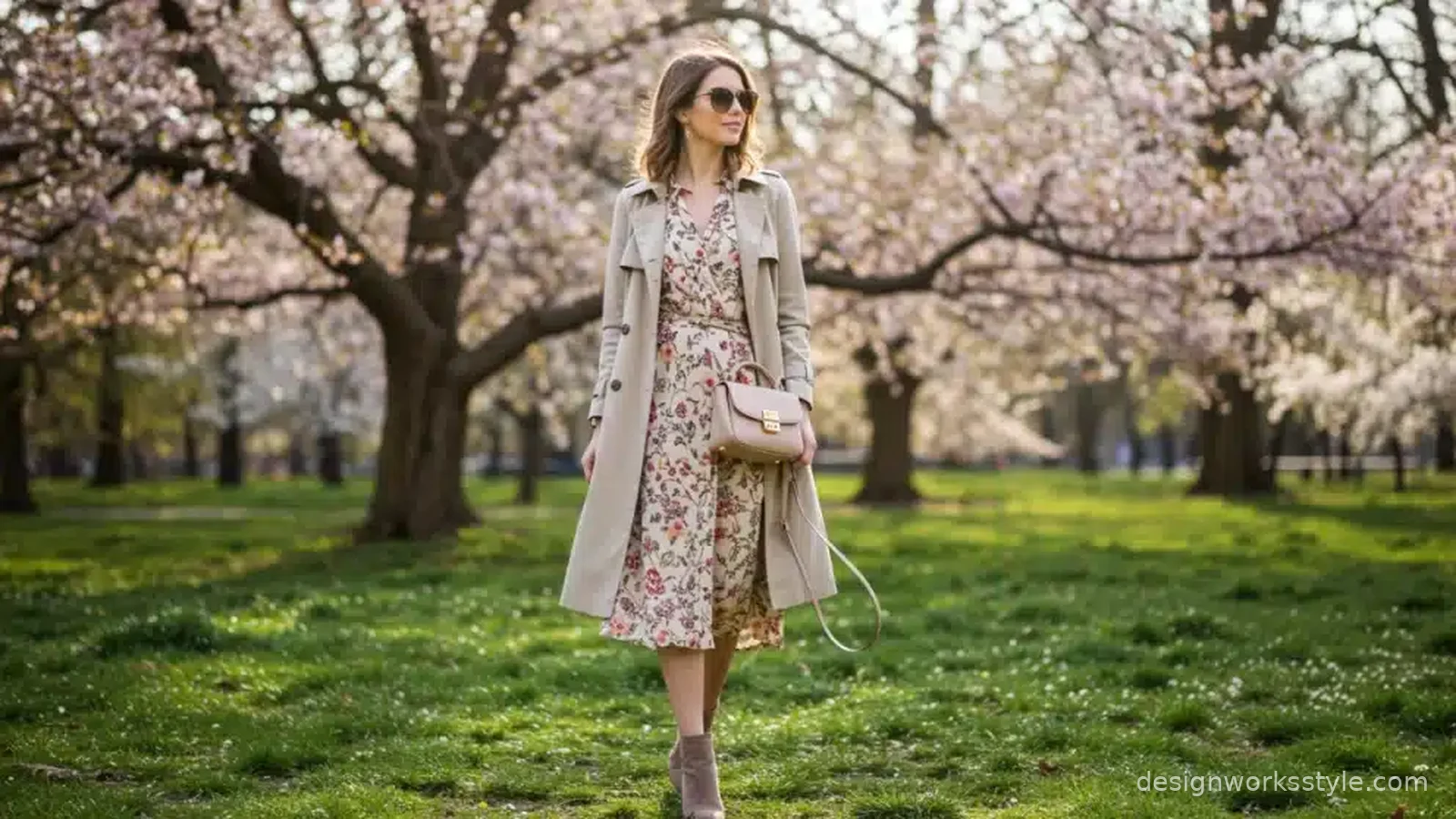
Seasonal palettes shift with the light and the fabrics: pastels and light neutrals in spring, bright whites and saturated color in summer, earth tones in fall, and deep jewel tones in winter. The same navy trousers work in all four seasons, but the colors paired with them change with the weather.
Spring suits pastels and light neutrals: blush, mint, sky blue, and soft gray. Summer suits white, coral, turquoise, and saturated brights, since strong light carries strong color. Fall suits earth tones: burgundy, olive, camel, rust, and chocolate brown. Winter suits deep jewel tones: emerald, plum, navy, and charcoal, with crisp white for contrast. These are tendencies, not rules, and a favorite color can cross seasons if the fabric fits the weather.
Seasonal color works best with the right fit underneath it. A fall palette in a cut that suits your shape looks better than a perfect palette in a cut that fights your proportions, so pair this guide with our dress for your body type guide when you plan a seasonal wardrobe. Swap the accents first when seasons change: a scarf, a bag, and a pair of shoes move an outfit from summer to fall faster than a new coat does.
Frequently Asked Questions
Can I wear black and brown together?
Yes, when the tones are far enough apart. Black with dark chocolate brown can look muddy, since the two sit close in value. Black with camel or tan works well, because the contrast is clear. Keep the brown piece in a lighter or warmer tone than the black, and the combination reads as deliberate instead of accidental.
How many colors should one outfit have?
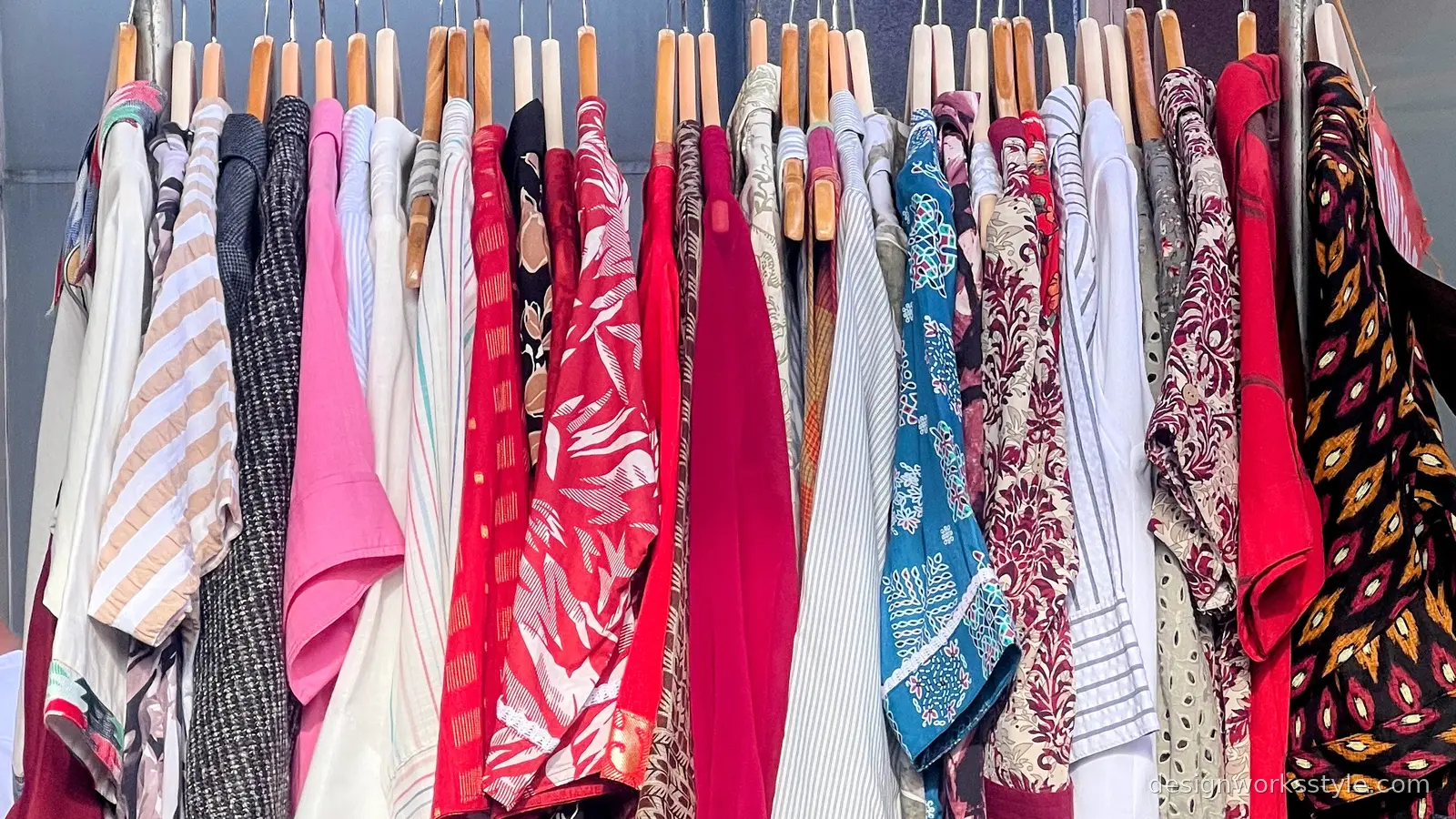
Three is a safe ceiling: one neutral base, one secondary color, and one accent. Two colors is easier and often looks cleaner, especially for work. Four or more colors can work when they share a family, like blues and greens together, but each added color raises the chance that one of them fights the rest. When in doubt, drop one color.
Do shoes have to match the bag?
No. Matching shoes and bag exactly looks dated, and it limits how many outfits each piece can join. Shoes and bag in the same color family, or both in neutrals, look put together without matching. A black bag with brown shoes works when the rest of the outfit carries a warm tone; a black bag with navy shoes works when the outfit is cool-toned.
What colors suit everyone?
No single color suits every person, but a few come close. Navy suits most skin tones because it is dark enough to contrast and cool enough to stay quiet. Teal sits between blue and green, so it flatters both warm and cool undertones. Soft white, which is white with a hint of warmth, suits more people than stark white. Try these when you want a safe choice, and branch out from there.
Pick one neutral base, add one color you like, and check it against your skin in daylight before you buy. Two or three outfits built this way teach you more than a drawer full of colors you never reach for.