

Dress for your body type by picking cuts that balance your proportions. Measure your shoulders, bust, waist, and hips, find which shape matches, then choose silhouettes that draw the eye where you want it. This guide covers the five common shapes, the fits that suit each one, and the mistakes that make an outfit look off.
How Do You Figure Out Your Body Type?
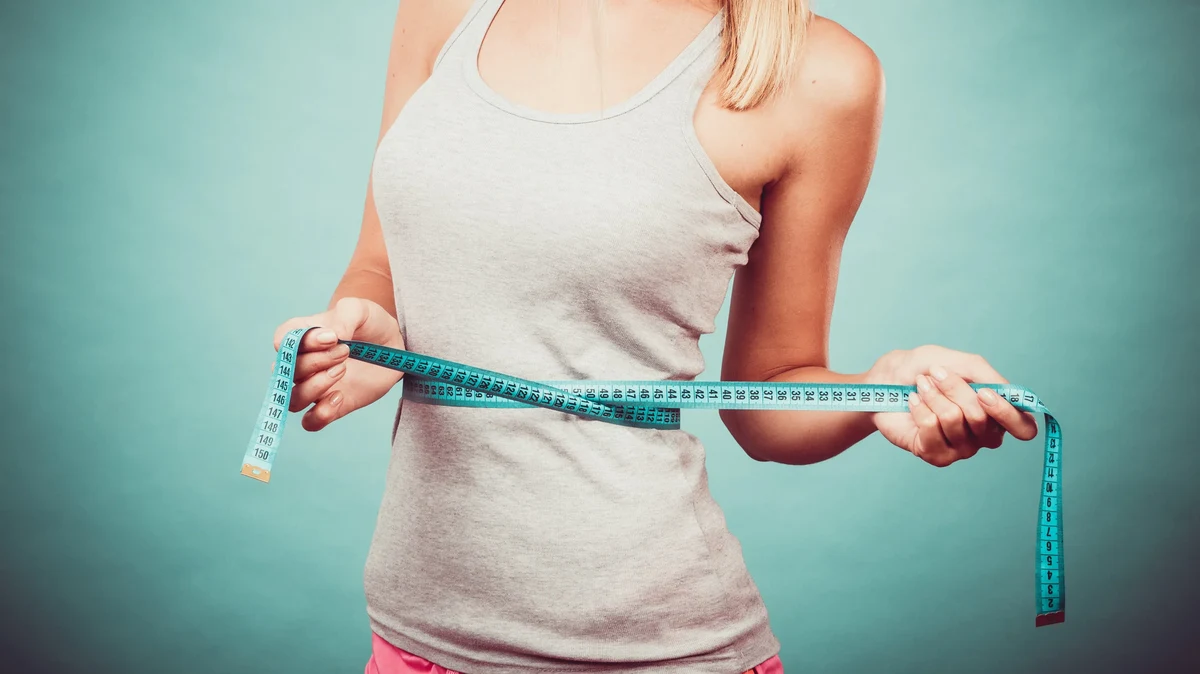
You figure out your body type by comparing four measurements: shoulders, bust, waist, and hips. Stand in front of a mirror in fitted clothes and note which measurement is widest and where your waist sits. The pattern across those four numbers points to one of five shapes, and that shape guides the fit choices below.
Take the measurements with a soft tape over thin clothes. Shoulders across the widest point, bust at the fullest point, waist at the narrowest point above the belly button, hips at the widest point. Write the numbers down. If shoulders and hips measure close and the waist is clearly smaller, the shape reads hourglass. If hips measure clearly larger than shoulders, it reads pear. If the waist measures close to the bust and hips, it reads rectangle. If shoulders measure clearly larger than hips, it reads inverted triangle. If the waist measures larger than the hips, it reads apple.
Most people sit between two shapes, so use the one that dominates. A pear shape with a slightly fuller waist still dresses as a pear. Weight changes can shift the numbers, but bone structure sets the frame, so remeasure after a big change. The shape is a starting point for fit, not a label to obey. If a cut from another shape looks good on you, wear it.
What Flatters an Apple Shape?
An apple shape carries weight around the middle, with slimmer legs and a less defined waist. The fits that work best draw the eye up to the neckline or down to the legs, and keep fabric skimming past the waist instead of clinging to it. Empire waists, V-necks, and A-line skirts do most of the work here.
V-neck and scoop-neck tops open the neckline and draw the eye upward. Wrap tops and empire-waist tops gather under the bust, which creates a waistline above the middle instead of at it. Tunics that skim past the waist work when the fabric is light enough to drape; stiff tunics add bulk where you least want it. Open cardigans and longline jackets create two vertical lines down the front, which lengthen the torso.
On the lower half, show the legs. Straight trousers, slim skirts that end above the knee, and A-line skirts all suit an apple shape. Avoid belts worn at the natural waist and tops tucked tightly into high-waisted bottoms, since both call attention to the middle. A belt worn at the hip, or no belt at all, keeps the line clean.
What Flatters a Pear Shape?
A pear shape has hips wider than shoulders, with a defined waist and a narrower upper body. The goal is balance: add a little presence up top and keep the lower half clean and simple. Bright or detailed tops, structured shoulders, and dark, straight bottoms give that balance without effort.
Tops do the heavy lifting for a pear shape. Boat necks widen the shoulder line, patterns and details around the neckline draw the eye up, and a slightly structured shoulder adds width where the frame is narrow. A tucked top with a defined waist shows the waist you have, which is an asset here. Light or bright colors on top and dark colors below reinforce the balance.
Bottoms should stay simple. Dark, straight-leg or bootcut trousers, A-line skirts, and fit-and-flare dresses all skim the hips without adding width. Skip side pockets, cargo details, and light, clingy fabrics on the lower half, since each adds visual weight to the hips. A dress that fits at the waist and flares below it is the easiest pear-shape win in any closet.
What Flatters an Hourglass Shape?
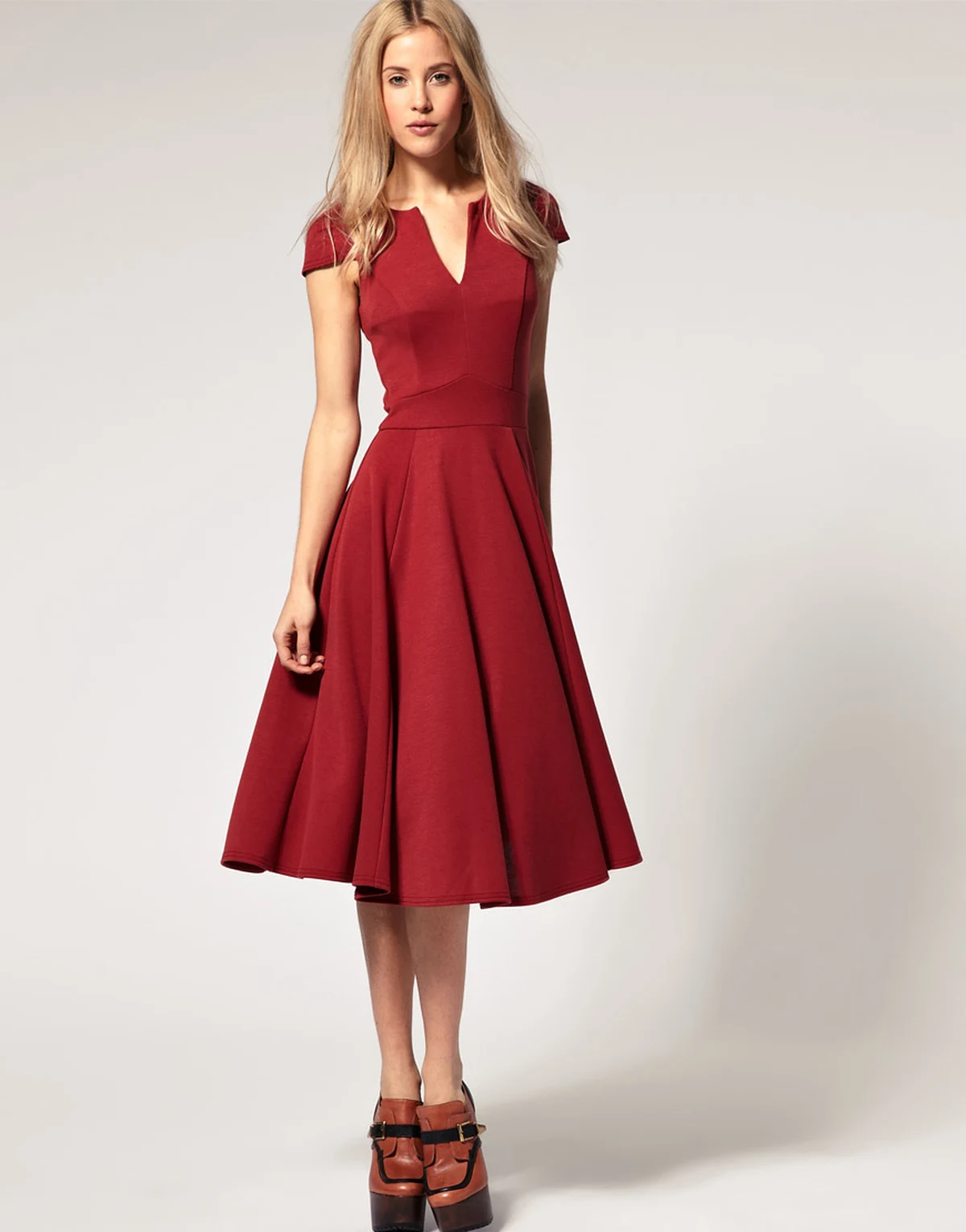
An hourglass shape has shoulders and hips close in width, with a clearly narrower waist. The best fits follow that shape instead of hiding it: defined waists, wrap styles, and fabrics that skim curves. Boxy, shapeless cuts hide the waist and make the whole outfit look wider than it is.
Wrap dresses and wrap tops are built for this shape, since they tie at the waist and follow the bust and hips. Belted dresses, high-waisted trousers with a tucked top, and pencil skirts all keep the waist defined. Fitted tops in soft, stretchy fabrics skim curves without squeezing them. Tailoring matters more here than in any other shape: a dress that fits at the waist but pulls at the bust needs a tailor, not a larger size.
Avoid shift dresses, boxy blazers worn open over loose tops, and heavy, stiff layers that hide the waistline. If you love an oversized piece, belt it or pair it with something fitted, so the waist stays visible. The same idea applies above the neck: a cut that suits your face finishes the outfit, and our haircuts for face shapes guide pairs body shape with face shape.
What Flatters a Rectangle Shape?
A rectangle shape has shoulders, waist, and hips close in width, with little waist definition. The trick is to create curves: define a waist, add volume at the shoulders or hips, and use layers and peplums to shape the silhouette. Straight, shapeless cuts leave the figure looking like a column.
Peplum tops flare at the waist and create a hip line that is not naturally there. Belted dresses and wrap styles carve a waist out of a straight torso. Ruffles, puff sleeves, and layered tops add volume up top, while A-line skirts and flared trousers add it below. Tucking a top into high-waisted trousers shortens the torso visually and marks a waist point.
Skip straight shift dresses worn without a belt, and long, boxy tunics over straight trousers, since both repeat the rectangle. If you like a straight silhouette, break it once: a belt, a cropped jacket that ends at the waist, or a scarf tied at the waist all add the definition the shape lacks.
What Flatters an Inverted Triangle Shape?
An inverted triangle shape has shoulders wider than hips, with a narrower lower body and often slim legs. The balance here runs the other way: soften the shoulder line and add volume below the waist. V-necks, dark tops, and fuller skirts or wide-leg trousers even out the proportions.
Keep tops simple. V-necks and scoop necks narrow the shoulder line visually, dark colors recede, and soft fabrics drape instead of adding structure. Skip shoulder pads, boat necks, puff sleeves, and heavy embellishment around the shoulders, since each widens the widest part of the frame. A raglan sleeve, which slopes from the neck instead of sitting on the shoulder point, also softens the line.
Add volume below the waist. A-line and flared skirts, wide-leg trousers, and bright or patterned bottoms all give the lower half presence. A dress that fits through the shoulders and flares from the waist is the simplest inverted-triangle formula. Show the legs when you want to: slim legs are an asset here, and a skirt that ends above the knee draws the eye down.
Which Fabrics and Patterns Help?
Fabric and pattern change how a cut sits on the body, so the same dress in two fabrics can look like two garments. Stiff fabrics hold a shape and add structure, soft fabrics drape and follow curves. Patterns draw the eye, which means a print where you want attention helps and a print where you do not want it hurts.
Structured fabrics like denim, cotton twill, and wool hold a silhouette, which suits rectangle and apple shapes that need shaping. Soft fabrics like jersey, crepe, and silk drape and follow curves, which suits hourglass and pear shapes. Stretch matters too: a little stretch in a fitted garment keeps it comfortable without losing the line, while a stiff non-stretch fabric in a tight cut pulls and creases.
Use pattern placement on purpose. Put a print on the half you want to highlight and a solid on the half you want to quiet down. Vertical stripes lengthen, large prints add visual volume, and small prints recede. A pear shape in a printed top and dark solid bottoms uses this rule well, and an inverted triangle shape does the reverse. One print per outfit keeps the effect clean; two prints compete unless they share a color.
What Mistakes Are Worth Avoiding?
Most unflattering outfits come from a few repeat mistakes, not from the body underneath them. Clothes that are too tight pull and crease, clothes that are too loose hide the shape entirely, and a wrong hemline cuts the leg at its widest point. Fix those three and most outfits improve at once.
Size is the first mistake. Buy the size that fits your widest measurement and tailor the rest, instead of squeezing into a smaller label. A skirt that ends at the widest part of the calf shortens the leg; a hem just above or below the knee usually looks better. Foundation garments count as well: a bra that fits changes how every top sits, and smooth underwear stops lines from showing through thin fabrics.
Proportion is the second mistake. A long top over a long skirt hides the waist and shortens the legs, while a cropped top with low-rise bottoms cuts the torso in half. Match one long piece with one shorter piece, or mark the waist between them. The third mistake is a closet full of almost-right pieces. A small set of clothes that fit well beats a large set that nearly fit, which is the whole idea behind our capsule wardrobe guide. When a good garment is nearly right, a tailor can finish the job for less than a replacement costs.
Frequently Asked Questions
Can my body type change over time?
Yes. Weight gain or loss, pregnancy, and aging all shift measurements, and a shape can move from one category to another. Bone structure stays put, but where weight sits can change. Remeasure once a year, or after a big change, and adjust the fits you reach for. The shape is a tool for shopping, not a permanent identity.
Should I only wear clothes made for my body type?
No. Body-type advice points to fits that usually work, and personal taste still wins. If you love a cut that the guides say suits another shape, try it on and judge the mirror, not the label. Fit, fabric, and tailoring often matter more than the category. Use the shape as a shortcut when shopping, not as a rulebook.
What if I am between two body types?
Use the shape that dominates, judged by the widest measurement and the waist. A pear shape with a fuller waist still dresses as a pear, with a few apple-shape tricks like empire waists added in. Borrow the best fits from both shapes and skip the ones that fight your proportions. Most people are between shapes, so this is normal, not a problem to solve.
Does height change which fits work?
Height changes proportions within a shape, not the shape itself. Petite frames need shorter hemlines and smaller prints so the outfit does not overwhelm the frame. Tall frames can carry longer hemlines, larger prints, and longer layers. The shape advice still applies; adjust lengths and print scale to your height. A petite pear shape and a tall pear shape follow the same balance rules with different hemlines.
Start with the measurements, pick the shape that fits best, and try two or three of the fits above before your next purchase. Fit beats labels, and a hairstyle that suits your face finishes the outfit: see our choosing a haircut guide and our hair styling guide for the rest of the look.