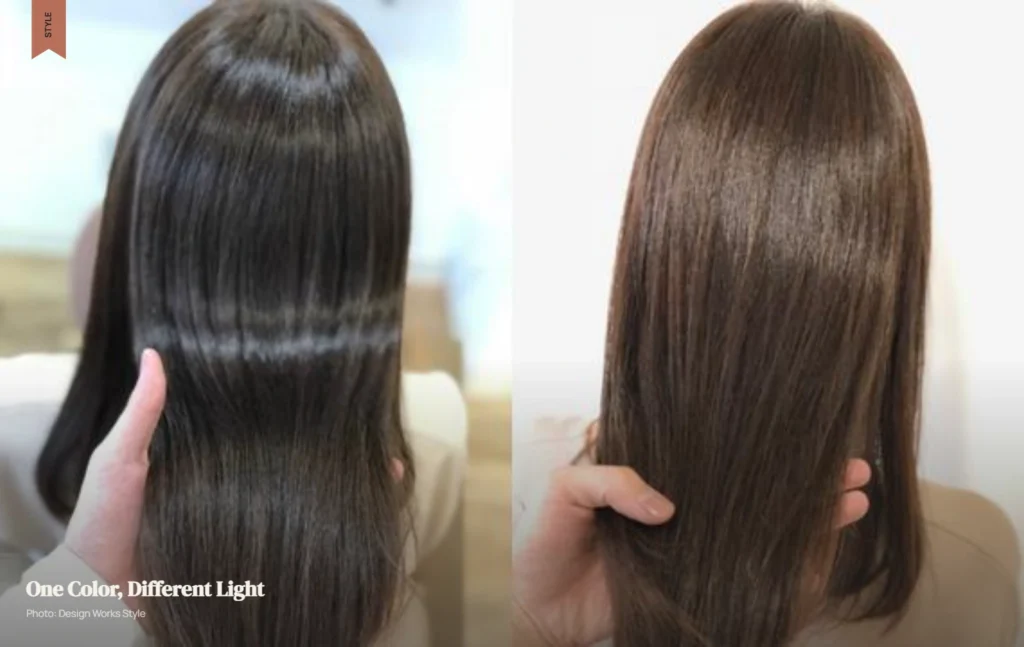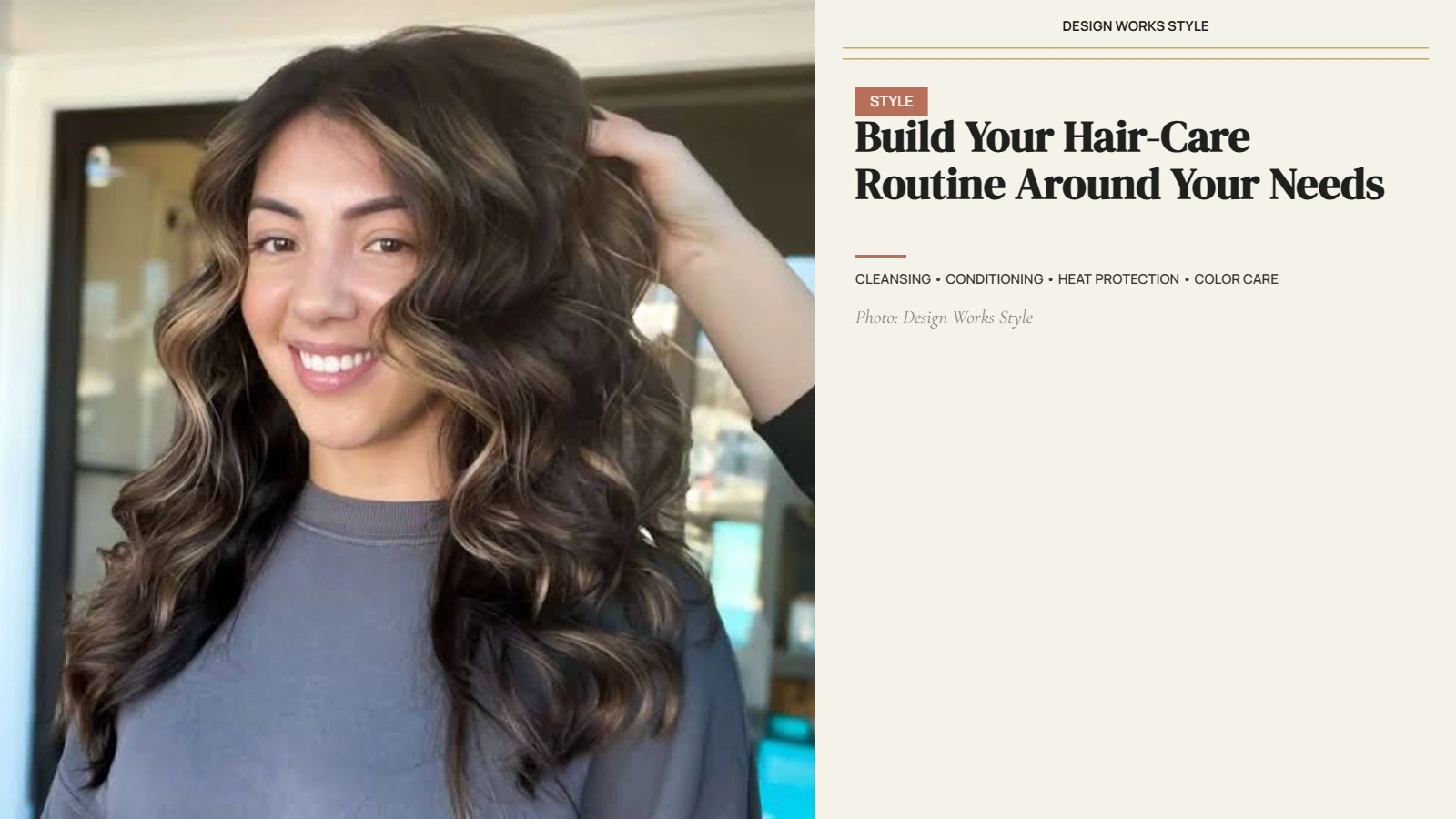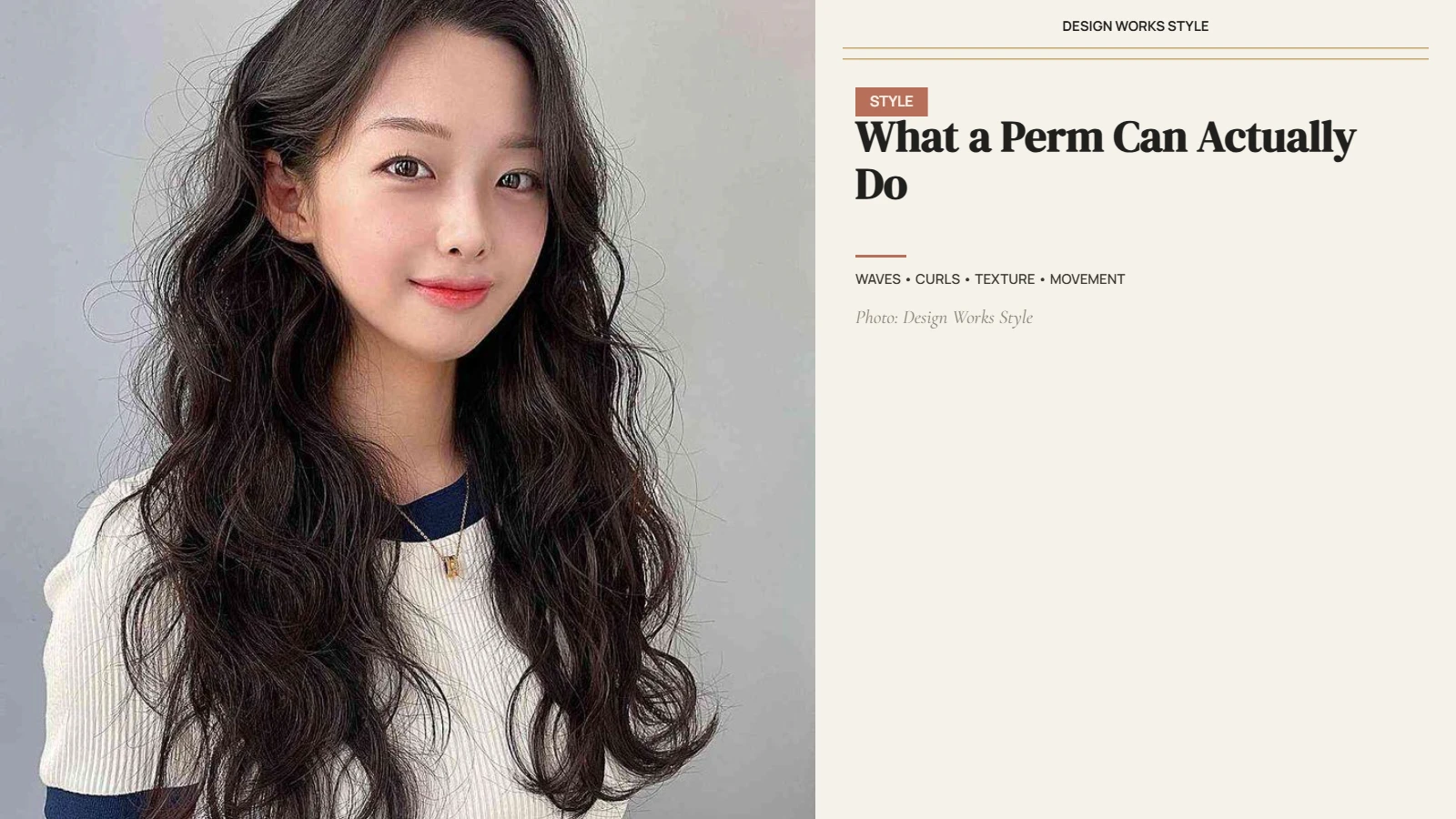

Hair colors that create a fresher or softer appearance are not necessarily the lightest shades. Balanced warmth, gentle contrast, appropriate brightness, and dimensional placement can create a more harmonious result, but the effect depends on your natural coloring, current hair, and personal preferences.
“Looking younger” is a visual impression, not a measurable result produced by one particular hair color. Instead of searching for one universally flattering shade, consider how brightness, contrast, warmth, depth, and dimension work together.
What Makes a Hair Color Look Softer or Fresher?
Before choosing a specific color, look at the characteristics of the color itself.
Brightness
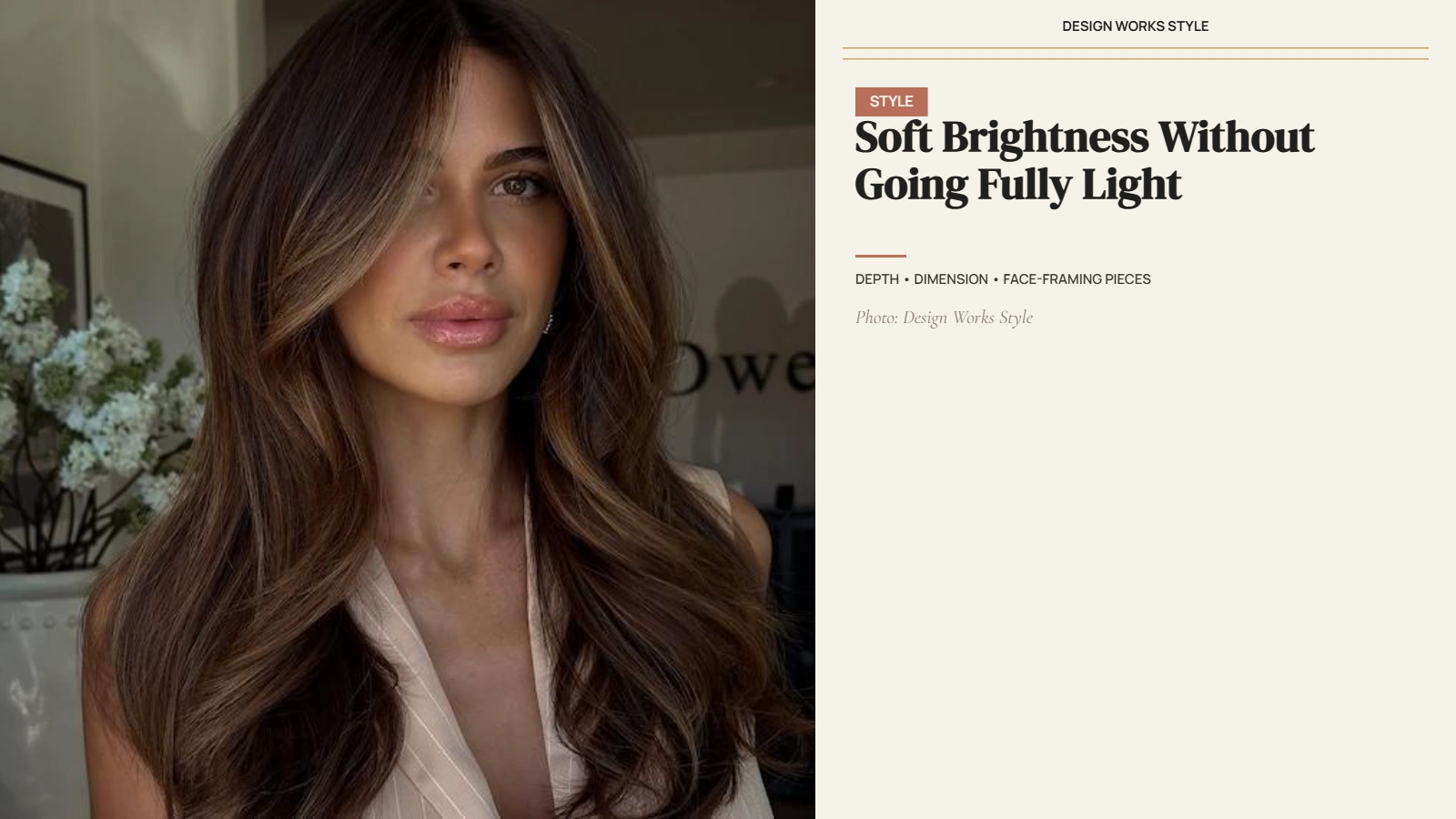
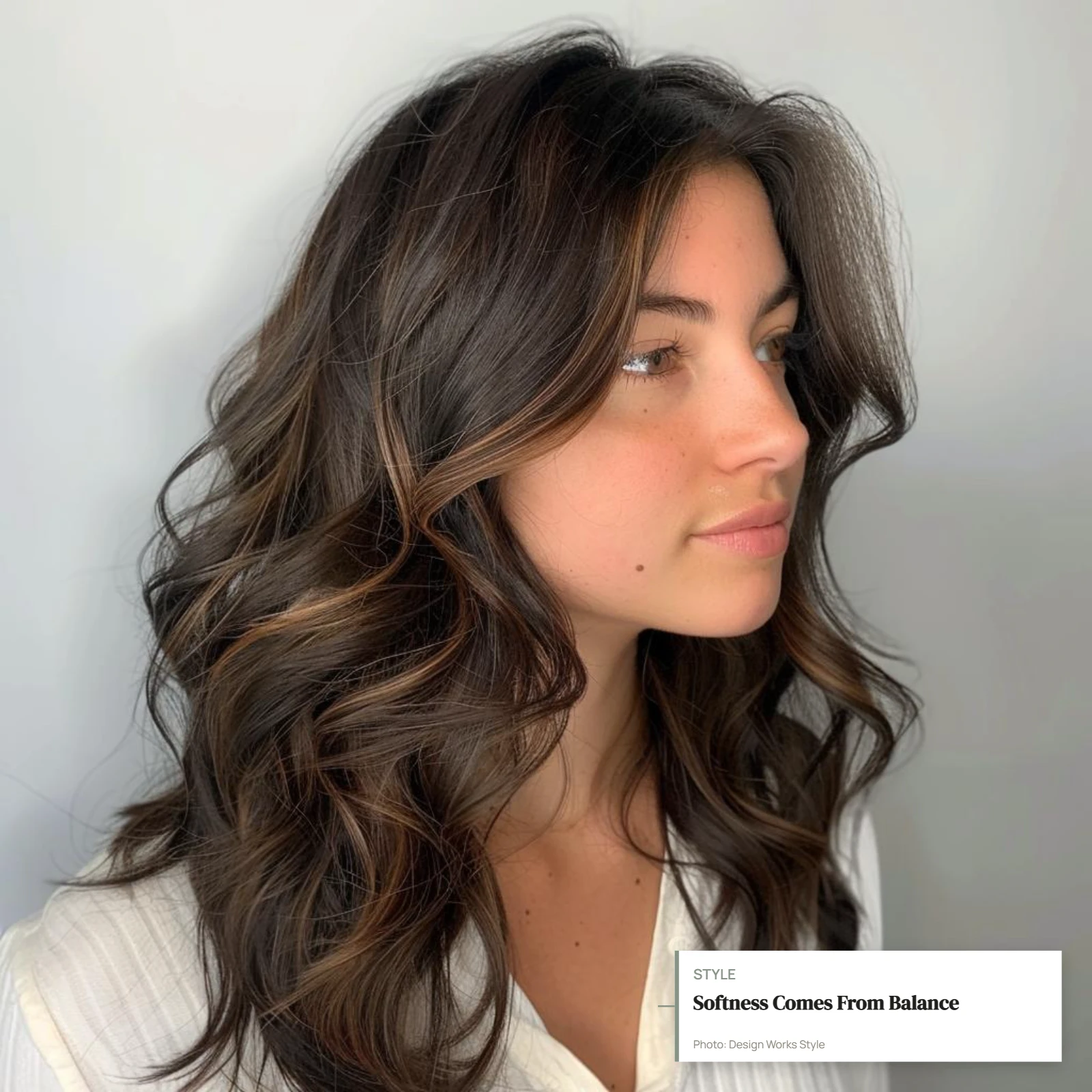
Carefully placed brightness can draw visual attention toward the face. This does not necessarily mean making the entire head lighter.
A few lighter pieces around the front can create a brighter effect while allowing the rest of the hair to retain its natural or preferred depth.
Contrast
Strong contrast between your hair and complexion can create a more dramatic appearance, while softer contrast may create a gentler effect.
This is highly individual. A color that feels beautifully balanced on one person may look much more contrasting on another.
Warmth
Warm colors can add visual richness, while neutral and cool shades can reduce unwanted gold, orange, or red tones.
The goal is not to automatically add warmth. It is to find the balance that works with the overall color you want.
Dimension
Several related shades can create more visual movement than one completely uniform color.
Dimensional color can come from subtle highlights, lowlights, tonal variation, or carefully placed lighter pieces.
Depth
Your natural or preferred depth still matters. Going too light can be just as unsuitable as going too dark.
A softer result may come from staying relatively close to your existing depth and adding controlled brightness rather than making a dramatic color change.
Hair Colors That May Create a Softer Appearance
There is no universal “younger-looking” hair color. However, certain color directions may create more brightness, softness, or balance depending on the starting hair and the desired effect.
| Color direction | Possible visual effect | Starting point or preference | Maintenance consideration |
|---|---|---|---|
| Honey or beige blonde | Soft brightness without an icy finish | Light to medium bases, depending on desired depth | Tonal refresh may be needed |
| Caramel or toffee | Adds warmth and dimension to brunette hair | Medium to dark brunettes wanting warmth | Placement and lightening affect upkeep |
| Soft chocolate brown | Preserves depth without an extremely inky appearance | Natural brunettes wanting subtle change | Generally less demanding than extensive blonding |
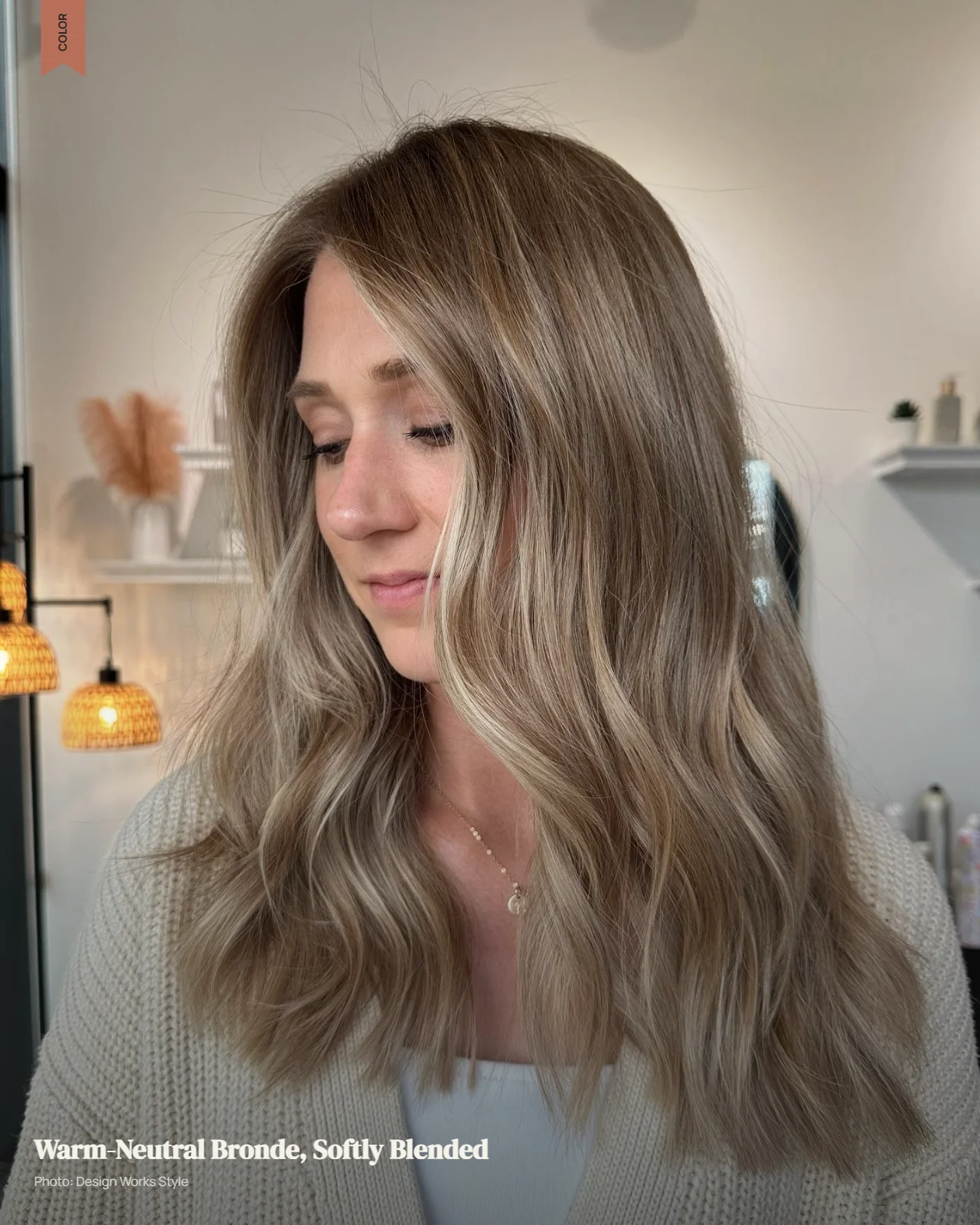
| Warm-neutral bronde | Bridges blonde and brunette | Those wanting brightness without full blonde | Dimensional color can grow out gradually |
| Soft copper or strawberry accents | Adds visible warmth without all-over red | Those who prefer warmer color directions | Copper tones can require regular refreshes |
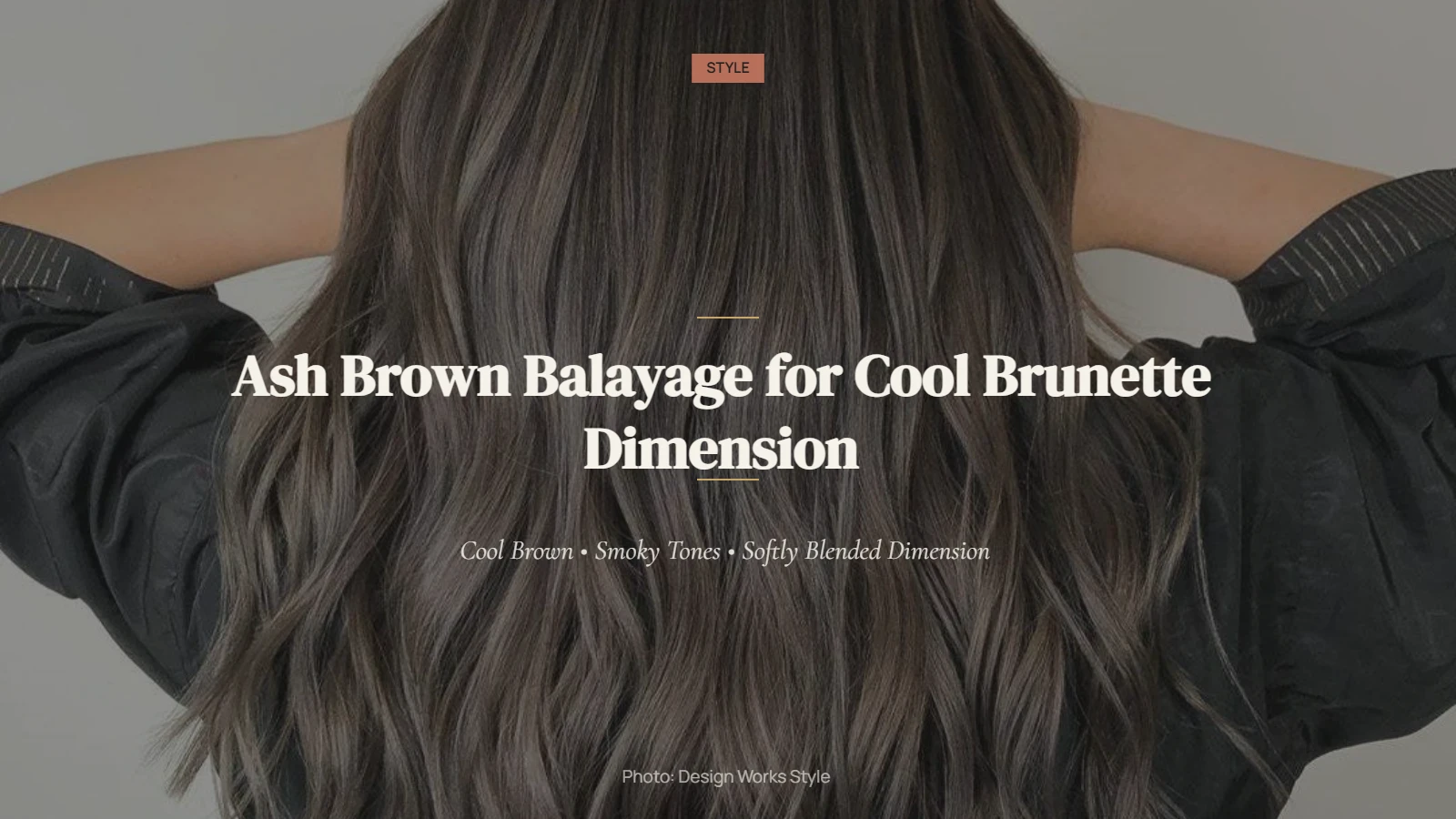
| Cool-neutral beige or mushroom brown | Reduces excessive warmth while retaining softness | Those who prefer cooler or neutral tones | Requires careful tonal balance |
| Gray-blending highlights or lowlights | Reduces stark contrast between gray and dyed hair | Those embracing or transitioning into gray | Maintenance depends on the technique |
These are starting points rather than rules. Your current color, natural depth, skin undertone, gray pattern, and preferred maintenance level all affect the final result.
Does Lighter Hair Make You Look Younger?
Not necessarily.
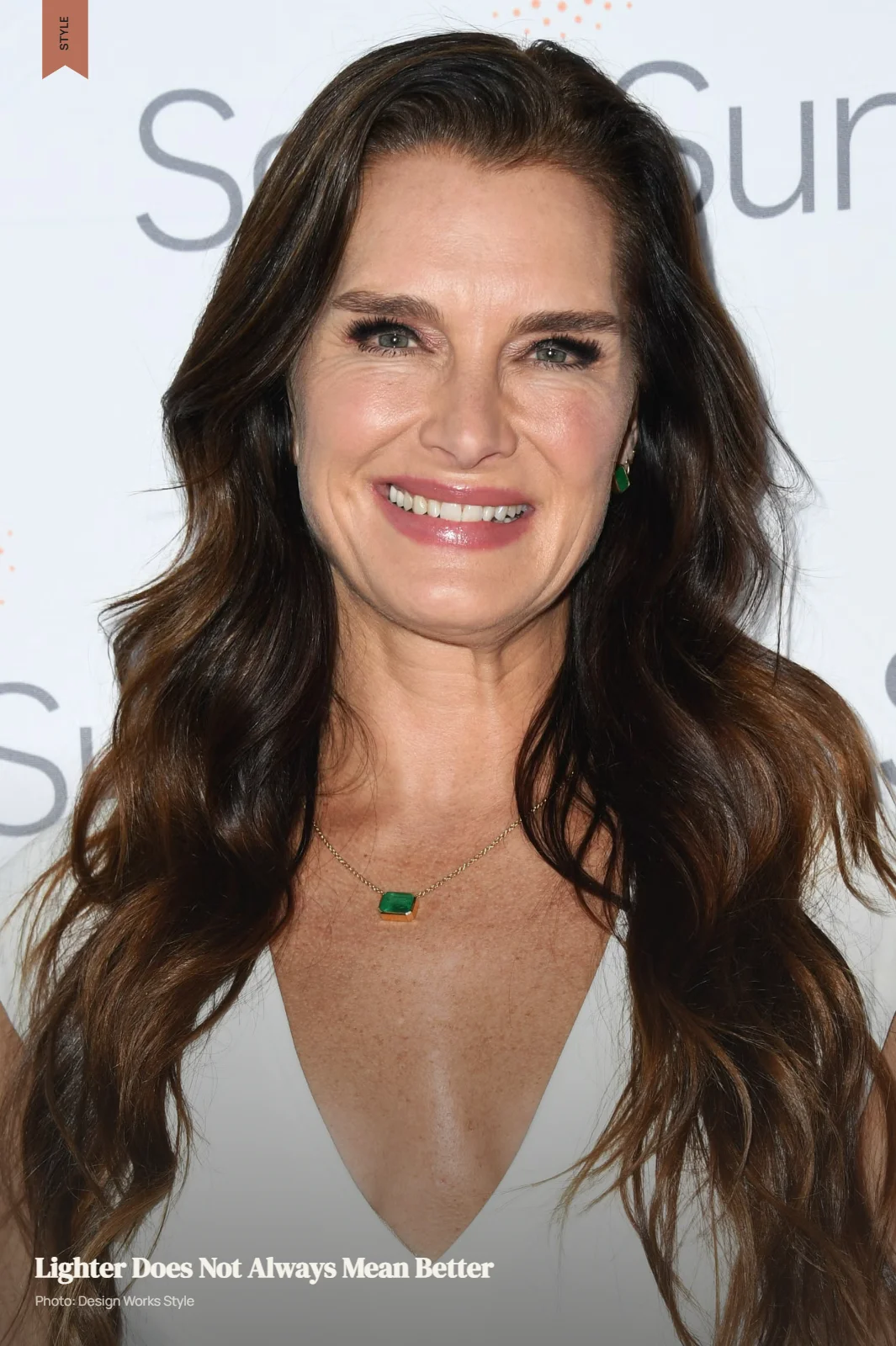
Lighter hair can create more brightness around the face, but going significantly lighter can also create unwanted contrast or make the color appear disconnected from your natural coloring.
Other possible issues include:
- A washed-out appearance
- Visible brassiness
- Greater root contrast
- More frequent maintenance
- Dryness associated with extensive lightening
Instead of automatically going lighter, consider whether a smaller amount of brightness or dimension could create the effect you want.
For example, someone with medium brown hair might not need to become blonde to create a brighter appearance. A few carefully placed lighter pieces could provide enough contrast while keeping the brunette foundation intact.
Warm, Neutral, or Cool Hair Color?
Your preferred undertone is another important part of the decision.
Warm Directions
Warm colors can include:
- Honey
- Caramel
- Golden beige
- Warm chocolate
- Chestnut
- Soft copper
These directions may appeal to someone who likes visible warmth and wants a richer or more golden appearance.
If you are considering caramel specifically, the shade can range from a warm brunette to a much lighter honey-gold result depending on depth and application. Our caramel hair color guide goes into the different depths and warmth levels in more detail.
Cool Directions
Cool color families can include:
- Ash
- Taupe
- Mushroom
- Cool chocolate
- Beige-ash
These can be useful when you dislike obvious gold, orange, or red warmth.
A cool direction does not have to mean an extremely gray result. Softer cool-neutral shades can retain some warmth while reducing the stronger warm reflections.
Neutral Directions
Neutral shades sit between strongly warm and strongly cool options.
They can be useful when you want your hair to look balanced without emphasizing either golden warmth or smoky coolness.
Undertone guidelines should be treated as starting points rather than strict rules. Lighting, eye color, natural hair depth, existing color, makeup, and personal preference can all change how a shade appears.
Highlights, Balayage, or All-Over Color?
The way color is placed can matter just as much as the shade itself.
| Consider highlights or dimensional color when… | Consider all-over color when… |
|---|---|
| You want selective brightness | You want a consistent overall color |
| You want dimension rather than one uniform tone | You want a significant overall tonal change |
| You want softer contrast around the face | Your current color is uneven throughout |
| You want to blend some gray gradually | You want fuller gray coverage |
| You prefer a more flexible grow-out | You are comfortable with regular root maintenance |
Fine, strategically placed highlights can create softer dimension than thick, high-contrast sections. The amount of brightness and the difference between the lighter pieces and the base determine how noticeable the result becomes.
Balayage is one possible way to create dimensional color, but the term describes placement, not a specific color family. If your interest is specifically in how balayage works, you can read our balayage guide.
Face-Framing Brightness
You do not have to lighten the entire head to change how the color appears around your face.
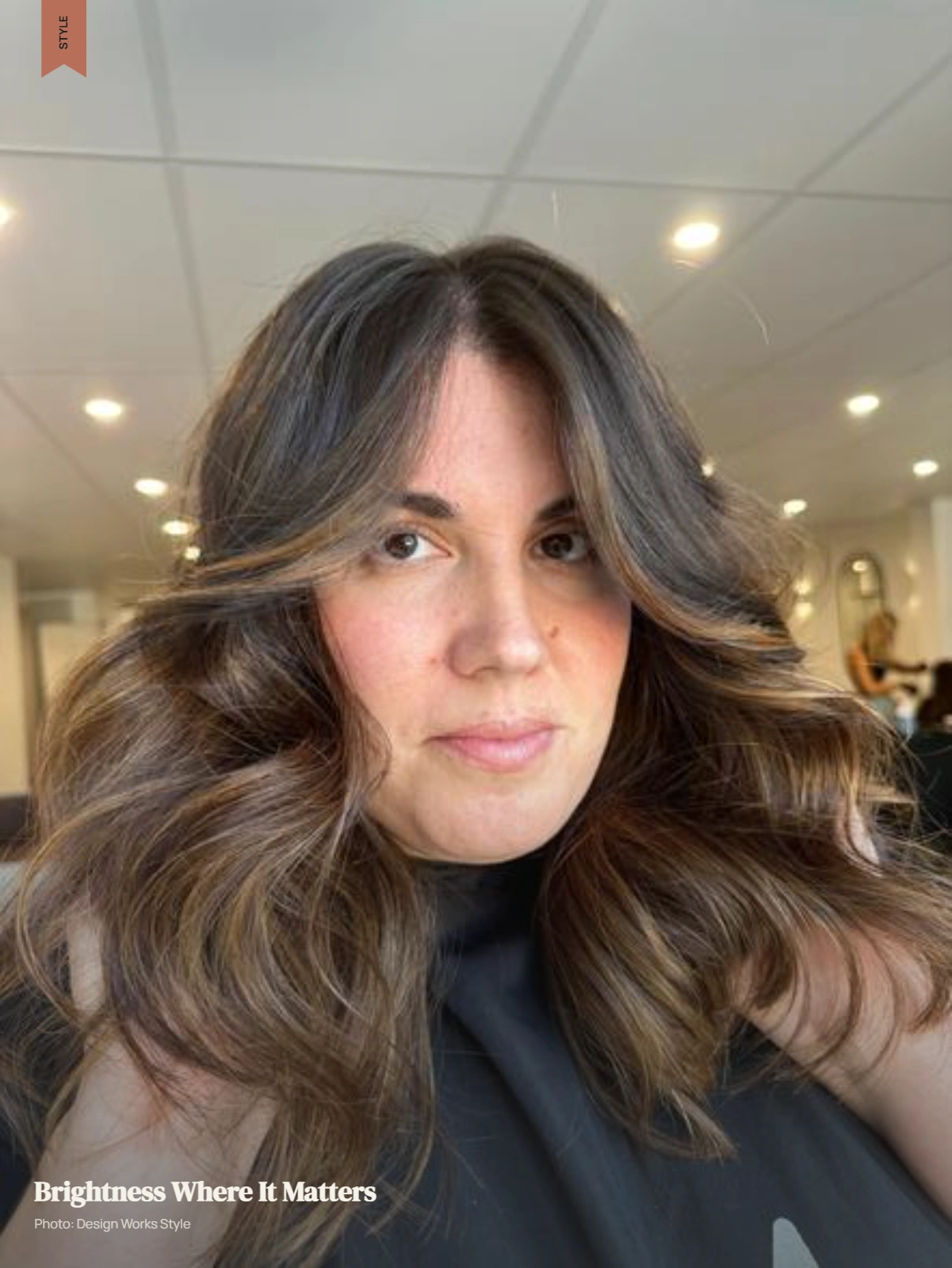
Fine face-framing pieces can introduce brightness while maintaining more depth through the rest of the hair. This can be particularly useful if you want a noticeable change without committing to an entirely lighter color.
Consider:
- Fine pieces around the front
- Subtle highlights near the face
- Gradual brightness rather than a sharp line
- Maintaining depth through the rest of the hair
- Lower contrast between the lighter pieces and the base
The goal is controlled brightness. More contrast does not automatically create a better or fresher appearance.
Gray Hair and Gray Blending
Gray hair introduces another important color decision: whether you want full coverage or a more blended transition.
Full Gray Coverage
Full coverage creates a more uniform result but can create clearer contrast when natural gray regrowth appears.
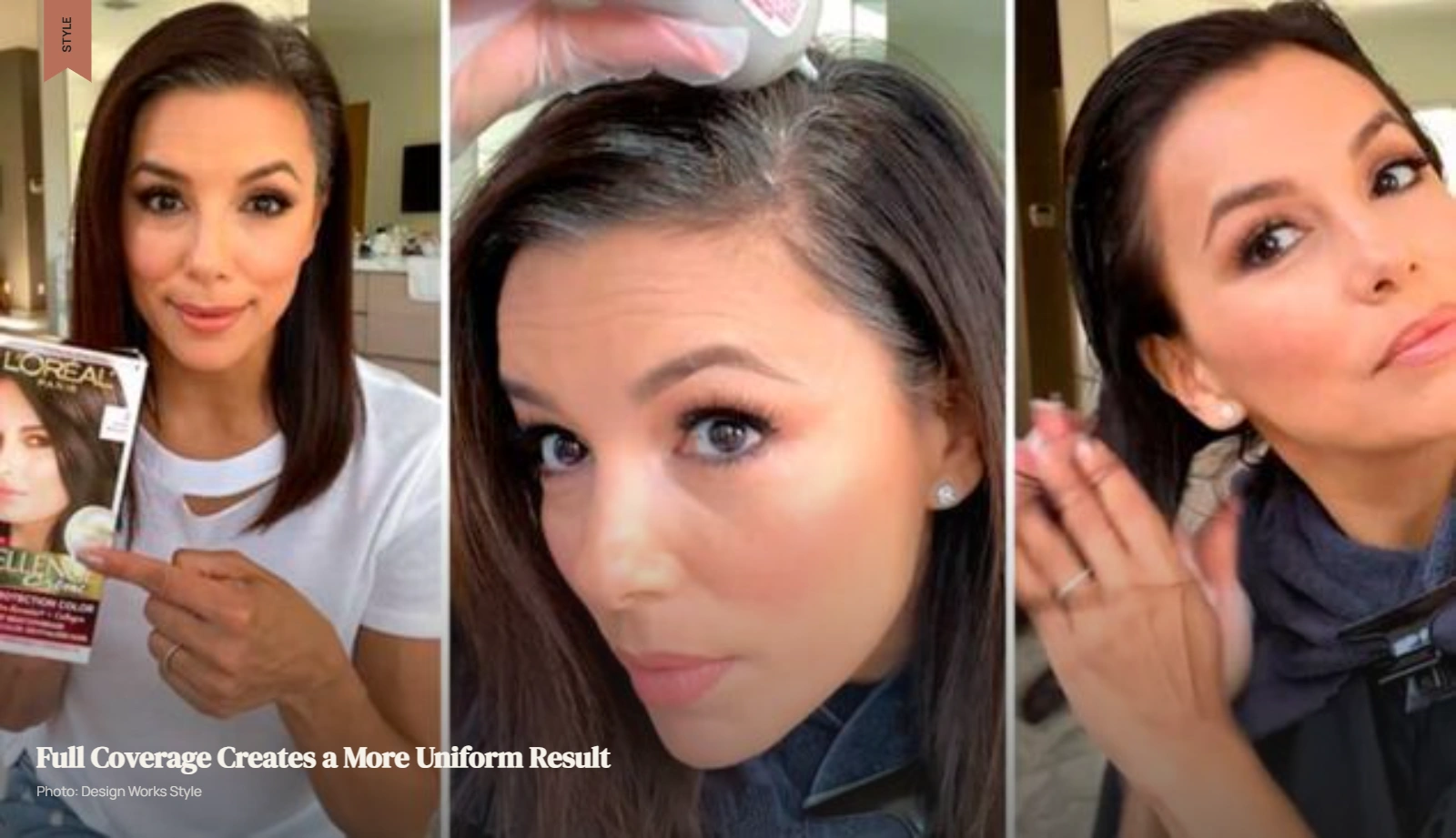
This may be appropriate when consistent coverage is the primary goal.
Gray Blending
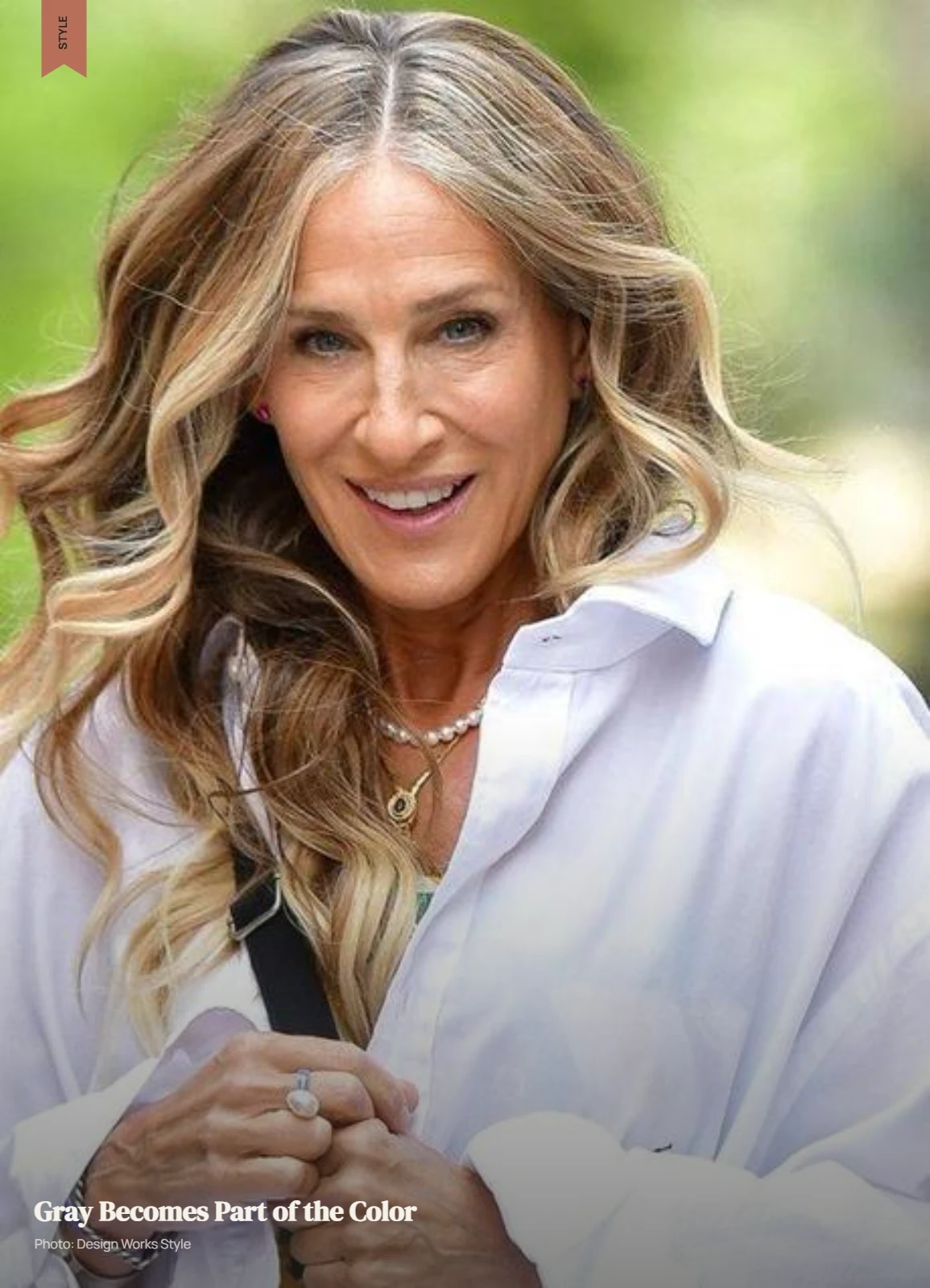
Gray blending uses highlights, lowlights, or tonal variation to reduce the visual difference between gray strands and the surrounding hair.
It may appeal to someone who wants:
- Less obvious regrowth
- More dimensional color
- A gradual transition
- Less reliance on solid root coverage
Gray blending is not automatically lower maintenance. The required upkeep depends on the technique, starting hair, amount of gray, and desired result.
Choosing the Right Hair Color Depth
You do not have to choose between very dark and very light hair.
Stay Close to Your Natural Depth
This can be useful if you prioritize:
- Lower maintenance
- A natural-looking change
- Softer contrast
Small changes in warmth or dimension can sometimes create enough visual difference without a major shift in depth.
Go Somewhat Lighter
A lighter shade may provide:
- More brightness
- More visible dimension
- A lighter overall impression
However, additional lightening can increase maintenance and may expose unwanted underlying warmth.
Go Darker
A darker color can provide:
- More depth
- Stronger definition
- A richer brunette result
Very dark, uniform color can also create stronger contrast than intended, particularly if it is significantly darker than your natural coloring.
Common Hair Color Mistakes
Small decisions about brightness, depth, warmth, contrast, and maintenance can change how a hair color looks and grows out.
Choosing the Lightest Possible Color
Assuming lighter automatically means younger.
Choose the amount of brightness that creates the visual balance you want.
Going Too Dark
A very dark, uniform shade can create stronger contrast than intended.
Consider a slightly softer depth or add controlled dimension rather than choosing the darkest possible color.
Adding Warmth Automatically
Warmth does not suit every desired result.
Decide whether you want warm, neutral, or cool color before selecting the formula.
Using Thick Highlights
Large, high-contrast sections can look less blended.
Consider finer sections and controlled contrast when a softer result is the goal.
Ignoring Gray Regrowth
A strong contrast between gray roots and a solid dyed base can become noticeable as the hair grows.
Decide whether full coverage or gray blending better matches your preferred appearance and maintenance level.
Choosing From One Edited Photo
Filters, lighting, and editing can significantly alter perceived color.
Compare several references in natural daylight and include photos showing hair that is similar to your own starting color.
Maintenance Matters More Than the Initial ColorA color may look exactly right when it is freshly done but appear different as it fades or grows out.
Consider:
- Root contrast
- Fading warmth
- Brassiness
- Gray regrowth
- Dryness after lightening
- Tonal refreshes
- Frequency of salon visits
The right choice is not simply the color you like in one inspiration photo. It is the color and application you are comfortable maintaining.
For general guidance on cleansing, conditioning, heat styling, and caring for colored hair, see our Hair Care guide.
If your color plan includes lightened or dimensional sections, maintenance can also depend on how those sections were created and how your hair responds over time.
How to Choose Your Hair Color
Use this process before your next color appointment.
Step 1: Identify Your Starting Depth
Look at your natural or current hair and determine whether it is:
- Dark brown
- Medium brown
- Light brown
- Dark blonde
- Light blonde
- Gray or partly gray
Your starting point helps establish what changes are realistic.
Step 2: Decide How Much Change You Want
Choose between:
- Minimal
- Moderate
- Noticeable
You may find that a moderate tonal adjustment gives you the visual change you want without requiring extensive lightening.
Step 3: Decide on Warmth
Ask yourself whether you prefer:
- Warm
- Neutral
- Cool
This prevents vague requests such as “make me look younger” from becoming a color choice with no clear direction.
Step 4: Decide Where You Want Brightness
Consider whether you want brightness:
- All over
- Around the face
- Throughout selected sections
- Nowhere specifically
Step 5: Decide Your Maintenance Tolerance
Think honestly about whether you prefer:
- Low maintenance
- Moderate maintenance
- High maintenance
A color that requires more frequent toning, lightening, or root work may not be the right practical choice even if you like the initial result.
Step 6: Bring Useful Reference Photos
The most useful references show:
- Similar starting hair
- Natural daylight
- The desired color from more than one angle
- More than one example of the target shade
It also helps to bring current photos of your own hair, particularly if you have previous color or chemical services.
How to Talk to a Stylist
Instead of asking for “a younger-looking hair color,” describe the result you actually want.
For example:
“I want to keep my brunette depth but add soft caramel pieces around the face.”
“I want a softer brunette without making the color much lighter.”
“I want to blend my gray rather than completely cover it.”
“I want a cool-neutral brown that does not look overly gray.”
“I want brightness around my face but I do not want high-contrast highlights.”
This gives your stylist something specific to work with. They can then assess your current color, previous chemical history, natural depth, gray pattern, and what is realistically achievable.
Frequently Asked Questions
What hair color makes you look younger?
There is no single hair color that objectively makes everyone look younger. Softer contrast, balanced warmth, appropriate brightness, and dimensional color can create a fresher appearance when they harmonize with your natural coloring.
Does lighter hair make you look younger?
Not necessarily. Lighter color can add brightness, but going too light can create unwanted contrast, brassiness, or a washed-out effect. The appropriate depth depends on your natural coloring and desired level of change.
Is warm or cool hair color better for a youthful look?
Neither is universally better. Warm, neutral, and cool shades can all create a balanced result when their depth and intensity work with your natural coloring and preferences.
Are highlights better than all-over color?
Highlights can add brightness and dimension without changing the entire head of hair, while all-over color creates a more consistent result. The appropriate choice depends on your desired contrast, gray coverage, starting color, and maintenance preference.
What hair color is best for blending gray?
There is no single best shade for everyone. Gray blending through highlights, lowlights, or tonal variation can reduce the contrast between gray regrowth and surrounding hair, while all-over color provides more uniform coverage.