
Accessorize by picking one focal point, then keeping everything else quiet. A bold necklace pairs with small earrings, a bright bag pairs with simple jewelry, and a patterned scarf pairs with plain clothes. This guide covers jewelry layering, bags, scarves, belts, sunglasses, and how the rules shift for work, casual, and formal days.
How Do You Pick Accessories That Suit an Outfit?
Pick accessories after the outfit, not before it, and let the outfit’s neckline, color, and occasion set the choices. A busy print needs plain accessories, a plain outfit can carry one bold piece, and a formal dress calls for fewer, finer pieces than a weekend outfit. Start with the outfit on, then add pieces one at a time.
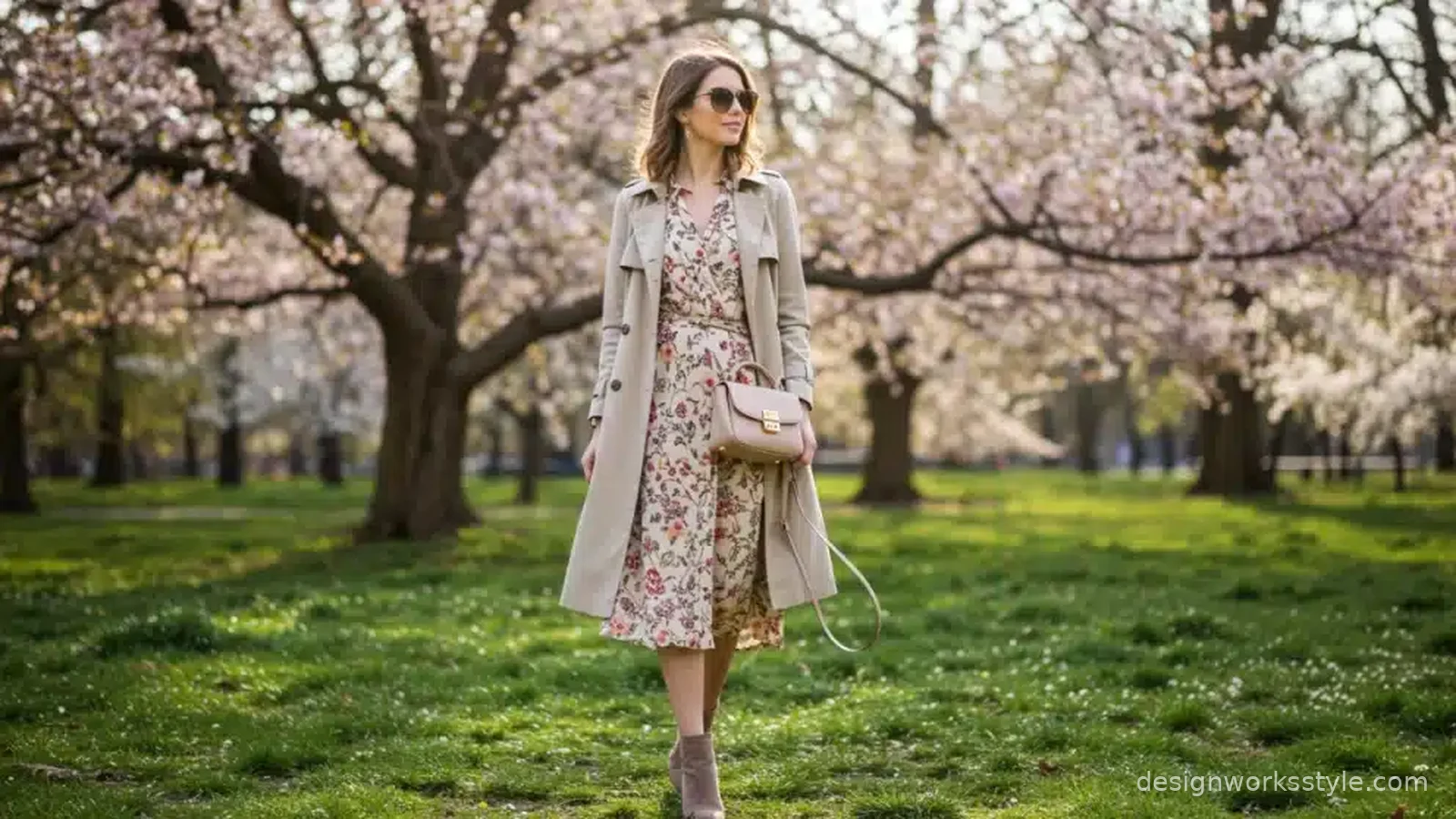
The one focal point rule keeps an outfit from looking crowded. Choose a single piece to draw the eye: a statement necklace, a bright bag, a patterned scarf, or bold earrings. Everything else stays simple. Two focal points compete, and the eye jumps between them instead of resting on one. If you put on a bold necklace and bold earrings, take one off.
Match the metal and the mood. Gold, silver, and rose gold each suit different skin tones and outfit colors, and mixing them works when one metal clearly leads. A gold necklace with a thin silver ring reads as a mistake, while a stack of mixed-metal bangles reads as a choice because the mix is the point. For the color system behind these pairings, see our color matching outfits guide.
How Do You Layer Jewelry Without Overdoing It?
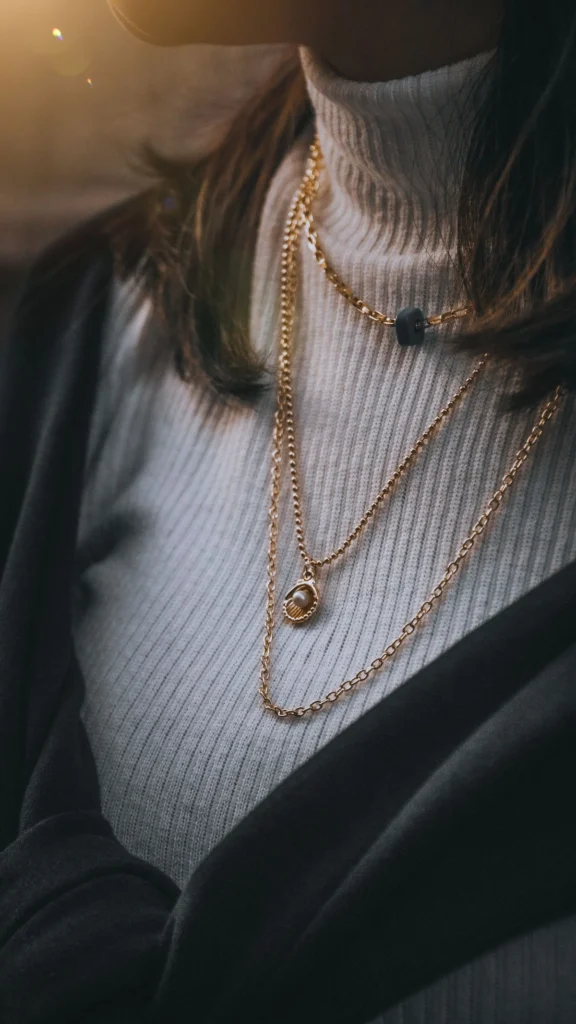
Layer jewelry by varying length, weight, and texture, and by stopping at three pieces in one area. Three necklaces at different lengths sit together, while three necklaces at the same length tangle and read as one thick band. The same rule holds for bracelets: mix a thin bangle, a chain, and a watch, and leave the rest in the box.
Necklaces layer best with a clear gap between each one. A short choker or pendant at the collarbone, a mid-length chain at the chest, and a long pendant below it give three distinct lines. Keep the pendants small when layering, since a large pendant on each chain adds weight fast. For neckline pairing, a V-neck suits a pendant that follows the V shape, a crew neck suits a shorter necklace that sits above the neckline, and a strapless top suits a choker or a short statement piece.
Earrings follow a simpler rule: one pair, chosen for the hairstyle. Hair worn down hides small studs, so hoops or drop earrings show better. Hair worn up shows studs well, and a sleek bun pairs with a bold earring that would fight loose hair. Rings and bracelets need the same restraint: a stack of thin rings on one hand works, while a large ring on every finger looks busy. For hairstyles that frame earrings well, see our hair styling guide.
Which Bag Works for Which Occasion?
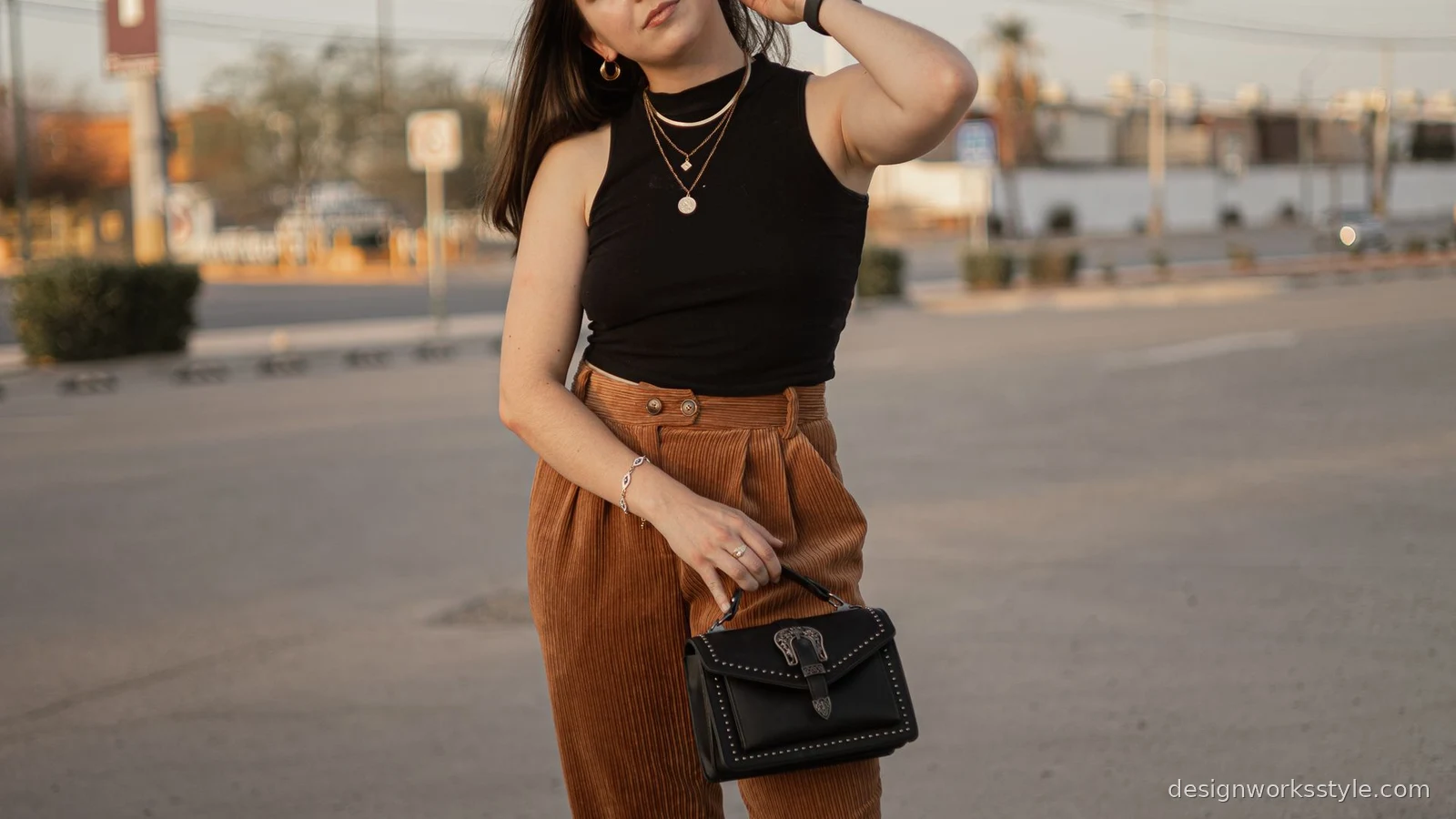
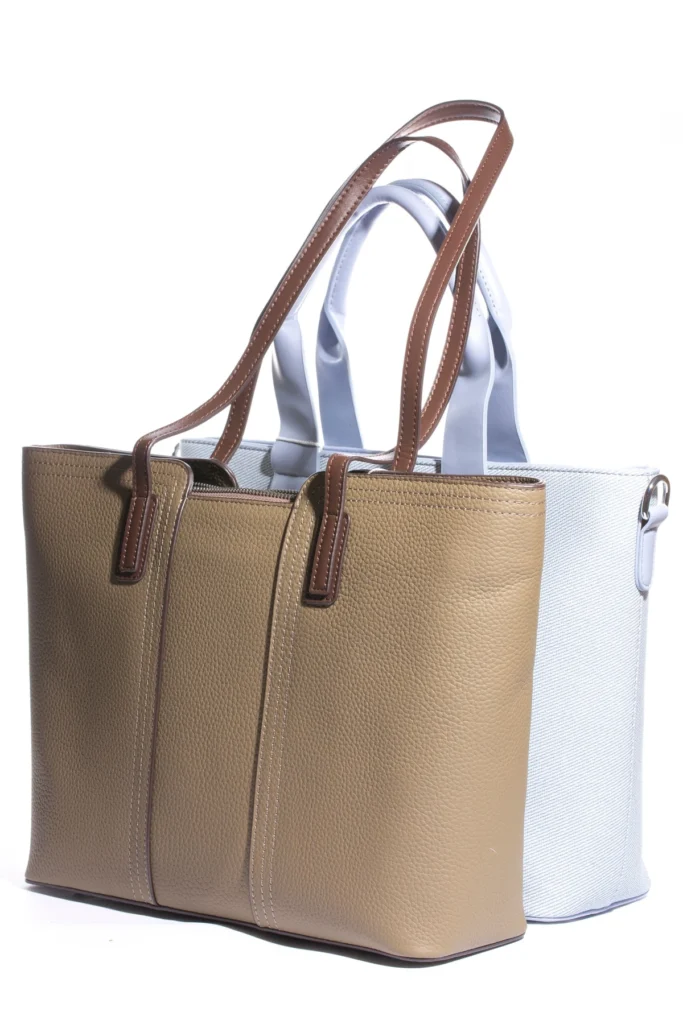
Pick a bag by size, structure, and color, matched to the day. A structured tote suits work, a crossbody suits hands-free days, a clutch suits evenings, and a slouchy hobo suits weekends. The bag should hold what the day needs without dwarfing the outfit or forcing you to carry it awkwardly.
Work bags need structure and room: a tote or satchel in black, navy, or tan that holds a laptop, a notebook, and a wallet without sagging. Leather lasts longer than coated canvas in rain, and a darker color hides scuffs from commuting. Weekend bags can be smaller and softer: a crossbody in a neutral or a bright accent color, big enough for a phone, keys, and a cardholder, and small enough to forget about while walking.
Evening bags go small on purpose. A clutch or a small chain bag holds a phone, keys, a lipstick, and a card, and nothing else. That limit is the point: a large bag beside a formal dress looks out of place, while a small bag reads as part of the outfit. Color follows the same rule as jewelry: a neutral bag pairs with any outfit, a bright bag becomes the focal point, and a metallic bag suits evenings. A small set of bags covers most days, and our capsule wardrobe guide shows how a few pieces cover a whole week.
How Do Scarves, Belts, and Hats Finish an Outfit?
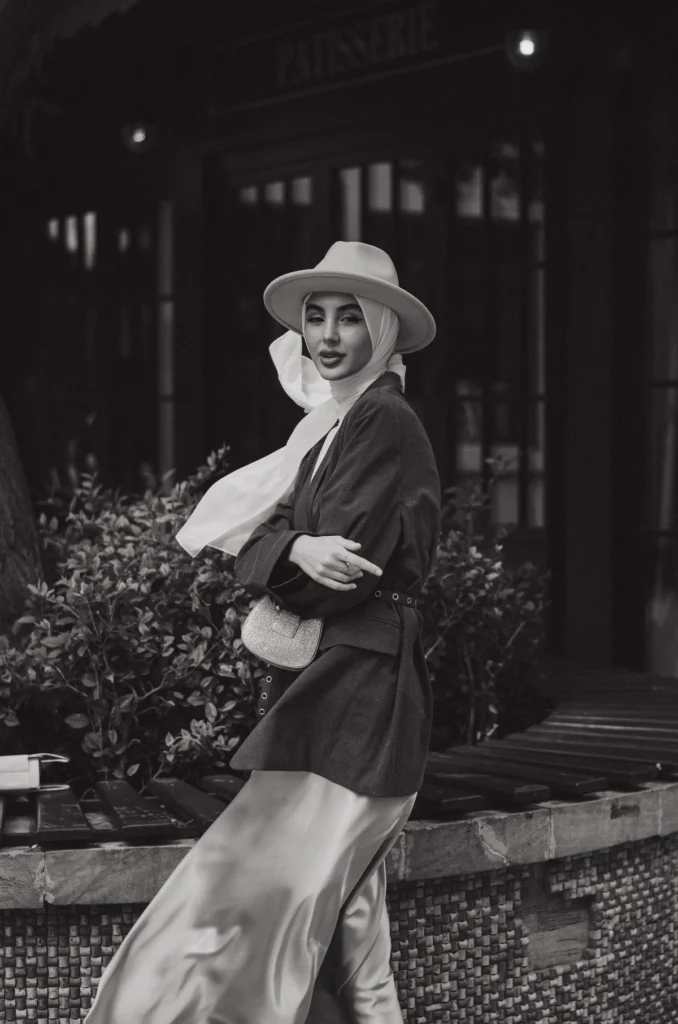
Scarves, belts, and hats finish an outfit by adding color, shape, or warmth where the clothes leave a gap. A scarf adds color at the neckline, a belt marks the waist, and a hat adds shade and structure. Each one works best when it answers a real need in the outfit, not when it is added for its own sake.
Scarves change with the season. Light silk or cotton scarves suit spring and summer, worn loosely around the neck or tied at the side of a bag. Wool and cashmere blends suit fall and winter, wrapped twice for warmth. Tying methods stay simple: a loop through the fold, a loose drape with both ends forward, or a knot at the side. A scarf in a pattern that pulls two colors from the outfit ties the whole look together.
Belts mark the waist and change proportions. A thin belt suits a dress or a tucked blouse, a wider belt suits a coat or a tunic worn over trousers. Match the belt to the shoes or the bag when the outfit is neutral, and let it stand alone as an accent when the rest is plain. Hats depend on the day: a wide-brimmed straw hat suits summer outdoors, a wool fedora suits smart fall outfits, and a beanie suits cold casual days. A hat should fit well enough to stay on in wind, and it should suit the hairstyle underneath it.
How Do Sunglasses Change With Your Face Shape?
Sunglasses suit a face when the frame shape contrasts with the face shape: angular frames suit round faces, round frames suit square faces, and most frames suit oval faces. The frame should sit wide enough to cover the cheekbones without sliding down the nose, and dark enough to shade the eyes without hiding the whole face.
Round faces suit square or rectangular frames, since straight lines balance soft curves. Square faces suit round or oval frames, since curves soften a strong jaw. Heart faces suit frames that are wider at the bottom, like aviators, which balance a wider forehead. Oval faces suit most shapes, and the choice comes down to size: a frame that spans the cheekbones looks right, while one much narrower or wider looks off.
Lens color matters too. Gray lenses keep colors true, brown lenses add warmth and contrast on bright days, and green lenses suit outdoor light. Polarized lenses cut glare on water and pavement, which helps for driving and beach days. Cheap sunglasses without UV protection can harm the eyes, since dark lenses make the pupils widen while letting UV through, so check for a UV400 label before buying. For fits that suit your shape from head to toe, see our dress for your body type guide.
How Do You Accessorize for Work, Casual, and Formal Days?
Work, casual, and formal days shift accessories in the same direction as clothes: fewer and finer for work, relaxed for casual, and polished for formal. The same bag and jewelry box covers all three when the pieces are neutral, and the styling changes while the pieces stay put. Shoes and bags do most of the shifting, with jewelry following.
For work, keep jewelry small and quiet: studs or small hoops, a thin necklace, a watch, and one ring. The bag stays structured and neutral, the belt matches the shoes, and the scarf stays in a muted color. Nothing should jingle, catch on sleeves, or draw attention in a meeting. For casual days, loosen up: a crossbody bag, layered bracelets, a patterned scarf, and sunglasses. The same studs work here, but a hoop or a drop earring adds a relaxed note.
For formal days, go finer and smaller: a clutch instead of a tote, a delicate necklace or a single bold earring, and a bracelet that catches light without clanking. Nails finish the look at every level, since hands show in every setting: a neat manicure lifts a simple outfit without a new purchase, and our simple nail designs gallery shows shades that sit quietly beside any outfit. Seasonal pieces carry across these settings too, and our spring outfit ideas and summer fashion essentials guides show how accessories shift with the weather.
Frequently Asked Questions
Can I mix gold and silver jewelry?
Yes, when one metal clearly leads or the mix itself is the design. A stack of mixed-metal bangles reads as a choice, while a single gold necklace with a single silver ring reads as an accident. Pick a dominant metal for the pieces nearest the face, then let the mix show on the wrist or the fingers, where it looks deliberate.
How many accessories should I wear at once?
Three to five pieces cover most outfits: earrings, a necklace or a scarf, a watch or bracelet, a ring, and a bag. Count the bag as one piece, since it takes up as much visual space as any jewelry. If the outfit already has a print or a bold color, stay near three. If the outfit is plain, five pieces add interest without crowding it.
What bag color goes with everything?
Black, tan, and navy each pair with most wardrobes, and the best choice depends on the colors you wear most. Black suits dark and formal outfits, tan suits earth tones and casual clothes, and navy suits both cool colors and work outfits. One neutral bag in good leather covers more days than three trendy bags in bright colors.
Do accessories have to match my shoes?
No. Matching the belt to the shoes is a safe habit, but exact matching across every piece looks dated. A bag and shoes in the same color family, or both in neutrals, look put together without matching. A black bag with brown shoes works when the outfit carries a warm tone, and a black bag with navy shoes works when the outfit is cool-toned.
Start with one focal point, keep the rest quiet, and let the outfit set the choices. A small set of good accessories, worn with intent, does more than a drawer full of pieces worn all at once.