
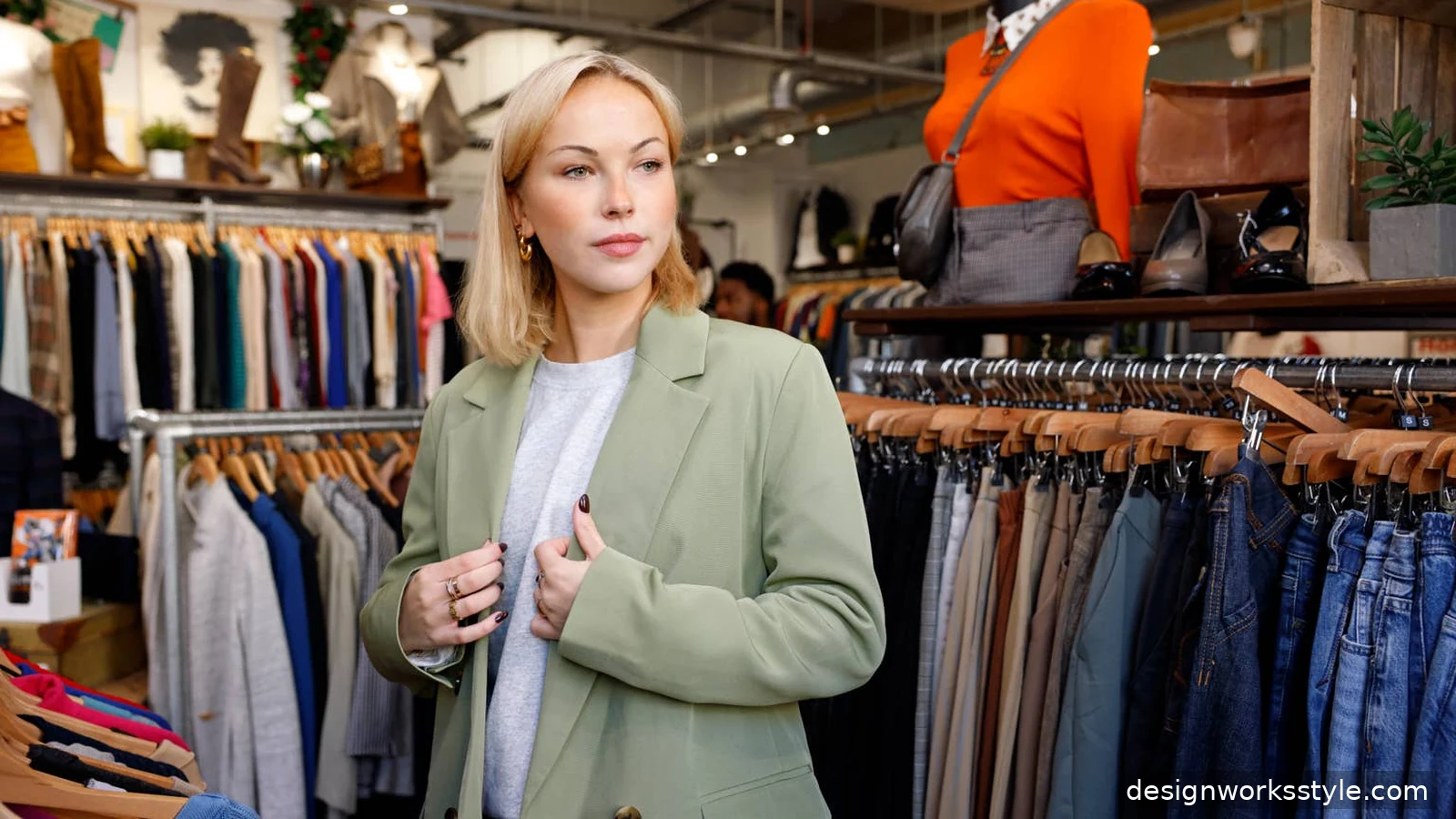
Fashion on a budget means buying fewer, better pieces, shopping secondhand and sales with a plan, and building outfits around what you already own. Fit and fabric matter more than labels, and a small wardrobe of pieces that mix well beats a closet full of one-wear items.
What Does Looking Good on a Budget Actually Take?
Looking good on a budget takes three habits: buying less, checking fit and fabric before price, and knowing what you already own. A $30 top that fits well and holds its shape looks better than a $120 top that pulls at the shoulders or fades after three washes.
Start with fit. Clothes that fit your shoulders, waist, and length look deliberate, and clothes that do not fit look cheap no matter what they cost. Try things on before you buy, sit down in trousers and skirts, and raise your arms in jackets. If a piece needs a tailor to fit, count that cost before you pay, since a $20 skirt plus a $15 hem is a $35 skirt.
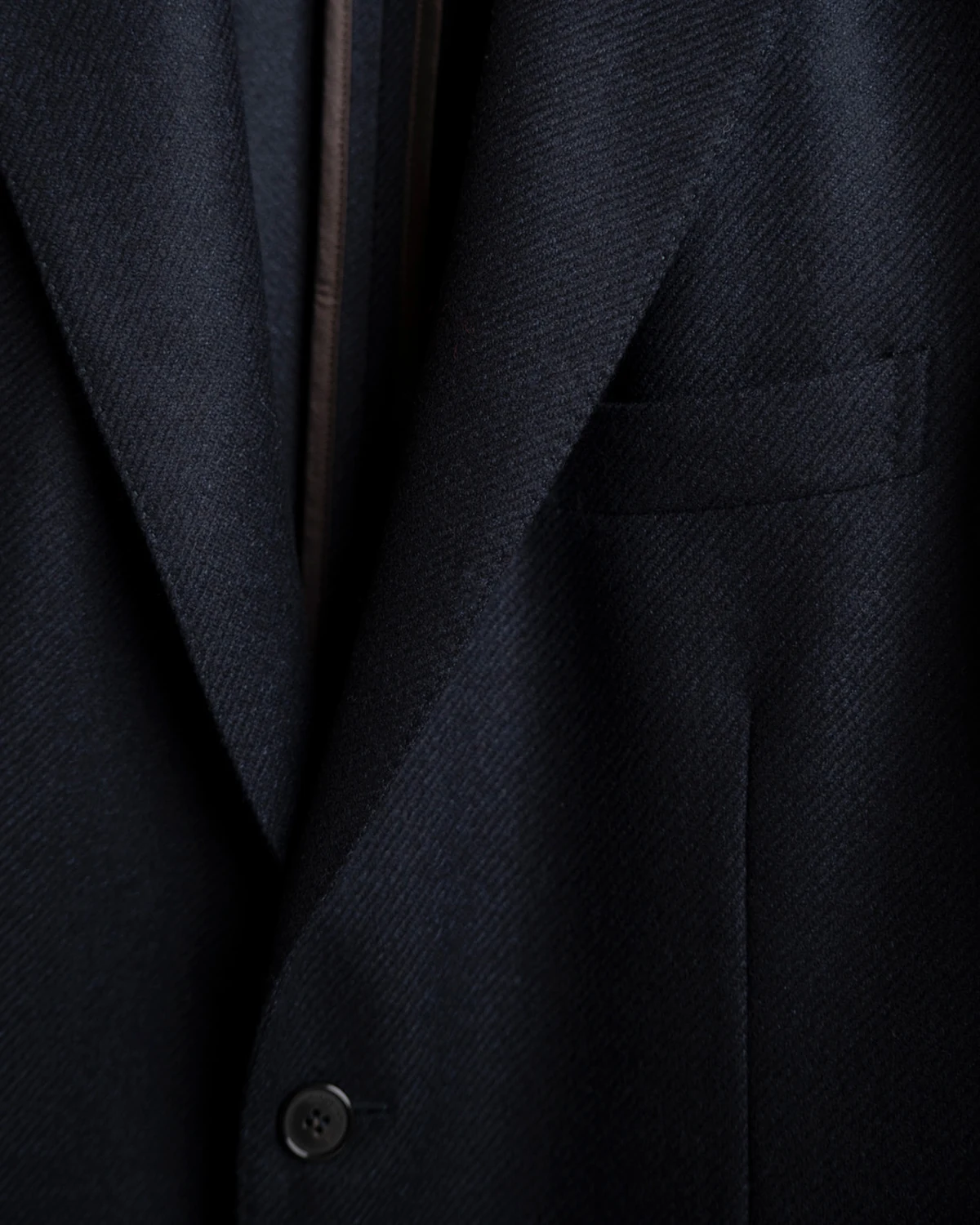
Fabric comes next. Hold the fabric up to the light. If you can see straight through a blouse that should not be sheer, it will look thin in daylight too. Stretch a knit gently and let go. If it stays stretched out, it will bag at the elbows and waist within weeks. Cotton with a little stretch, wool blends, and crepe tend to hold shape longer than thin polyester, and they often cost the same on a sale rack.
Construction is the third check, and it takes ten seconds. Look at the seams inside the garment. Straight, even stitching with no loose threads points to a piece that will last. Crooked seams, puckered hems, and buttons sewn on with two loose threads point to a piece that will fall apart. A cheap garment with solid construction beats a pricey one with sloppy sewing, because you wear the construction every day and nobody sees the price tag.
Where Can You Find Good Clothes for Less?
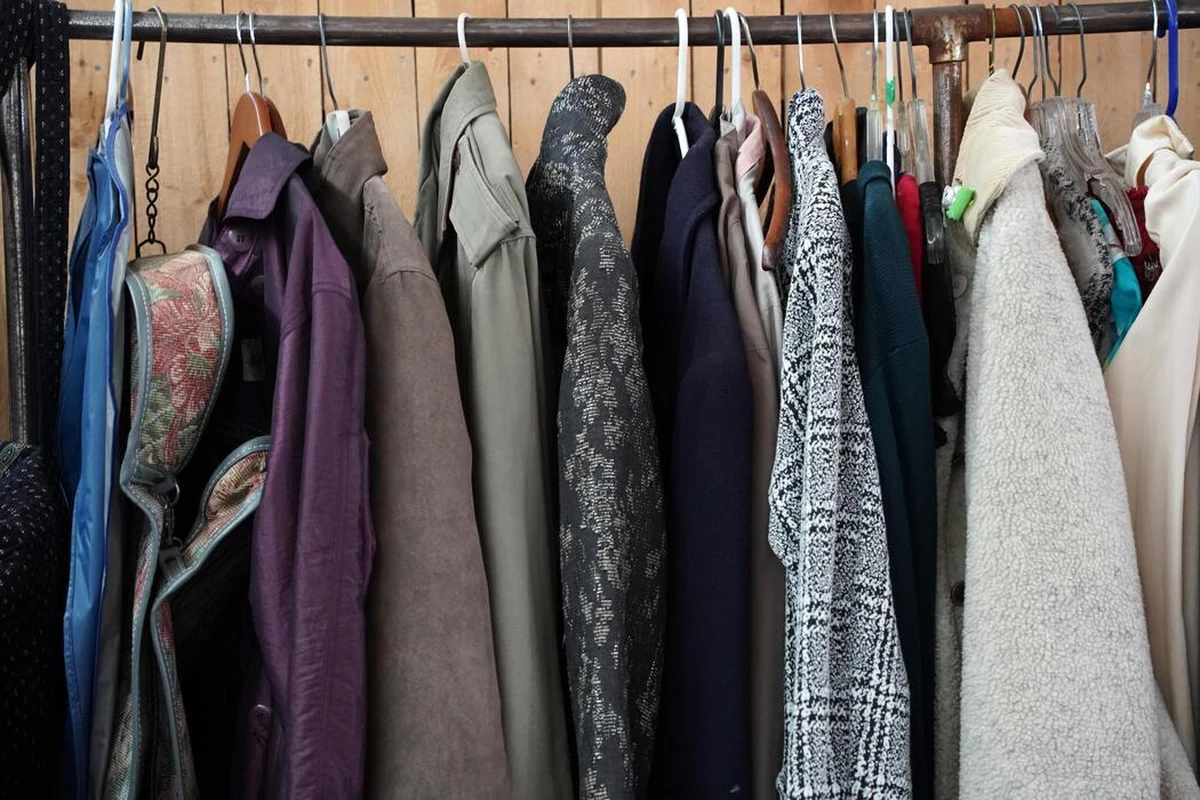
Good clothes for less come from thrift shops, secondhand apps, outlet stores, and end-of-season sales, and each source suits different pieces. Thrift shops suit blazers, coats, and leather bags, while sales suit basics like knit tops and trousers that you want new.
Thrift shops reward patience. Go with a list, not a mood, and check the same few shops every week or two, since stock turns over fast. Look for natural fabrics and classic cuts: a wool blazer, a leather tote, a silk blouse. Skip anything with stains under the arms, stretched necklines, or missing buttons, since repairs eat the savings. Try everything on, because secondhand sizes vary by brand and decade.
Secondhand apps and resale sites work well when you know the brand and size you want. Search by brand, size, and fabric, and read the photos closely for wear at the elbows, knees, and cuffs. Ask the seller for measurements if the listing lacks them, and check the return policy before you pay. A blazer from a good brand at a third of retail is a common find, but only if the shoulders fit, and shoulder fit cannot be fixed by a tailor.
Outlet stores and sales suit new basics. End-of-season sales are the best time to buy coats, boots, and swimwear, since stores clear stock to make room for the next season. Buy the coat in February, not October, and you can pay half as much for the same coat. Sign up for sale alerts from two or three stores you actually shop at, and ignore the rest, since a sale on clothes you would not buy at full price is still money spent, not money saved.
How Do You Build Outfits on a Budget?
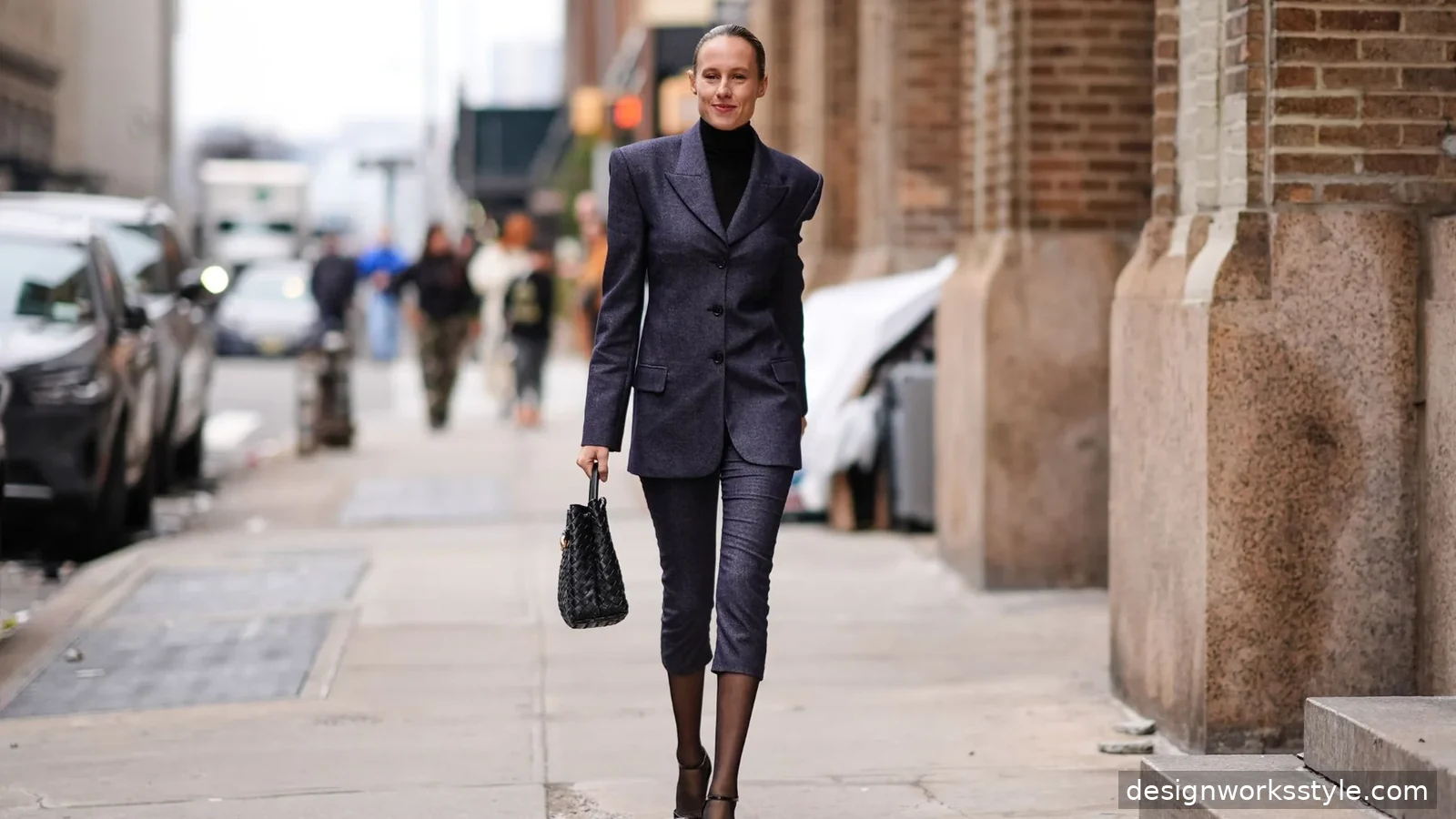
Build outfits on a budget by starting with neutrals, adding one color or print at a time, and making sure each new piece pairs with at least three things you already own. A small wardrobe of pieces that mix well gives you more outfits than a large wardrobe of pieces that only match one thing.
Timeless pieces deserve the money, and trends deserve the small spend. A navy blazer, dark trousers, a white blouse, and black shoes will still work in three years, so spend more on those and buy them in fabrics that last. A trend piece, like a bright print or an unusual cut, should cost little, since you may wear it for one season. When the trend fades, you lose a small amount, not a large one.
For the small-wardrobe system behind this, see our capsule wardrobe guide, which shows how a few dozen pieces cover a whole season. Before you buy trousers or skirts, check our dress for your body type guide, since a cut that suits your shape saves you from buying and returning the wrong fit twice.
Plan outfits before you shop. Look in your closet, write down the gaps, and shop for those gaps only. If you own four tops and one pair of trousers, the gap is trousers, not a fifth top. This one habit cuts impulse buys more than any other, because it turns shopping from browsing into filling a list. Keep the list on your phone and check it before you pay for anything not on it.
What About Shoes and Accessories on a Budget?
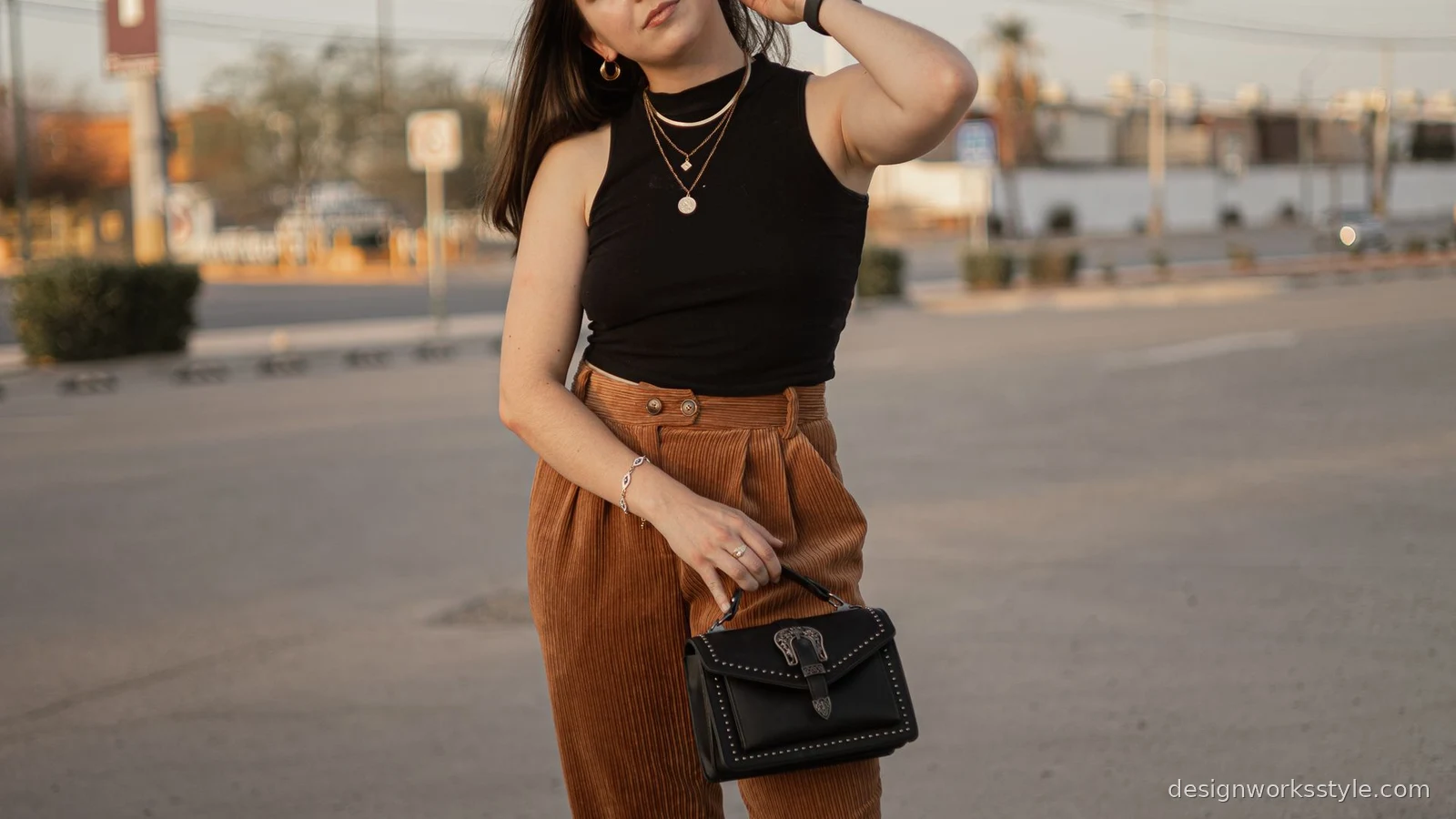
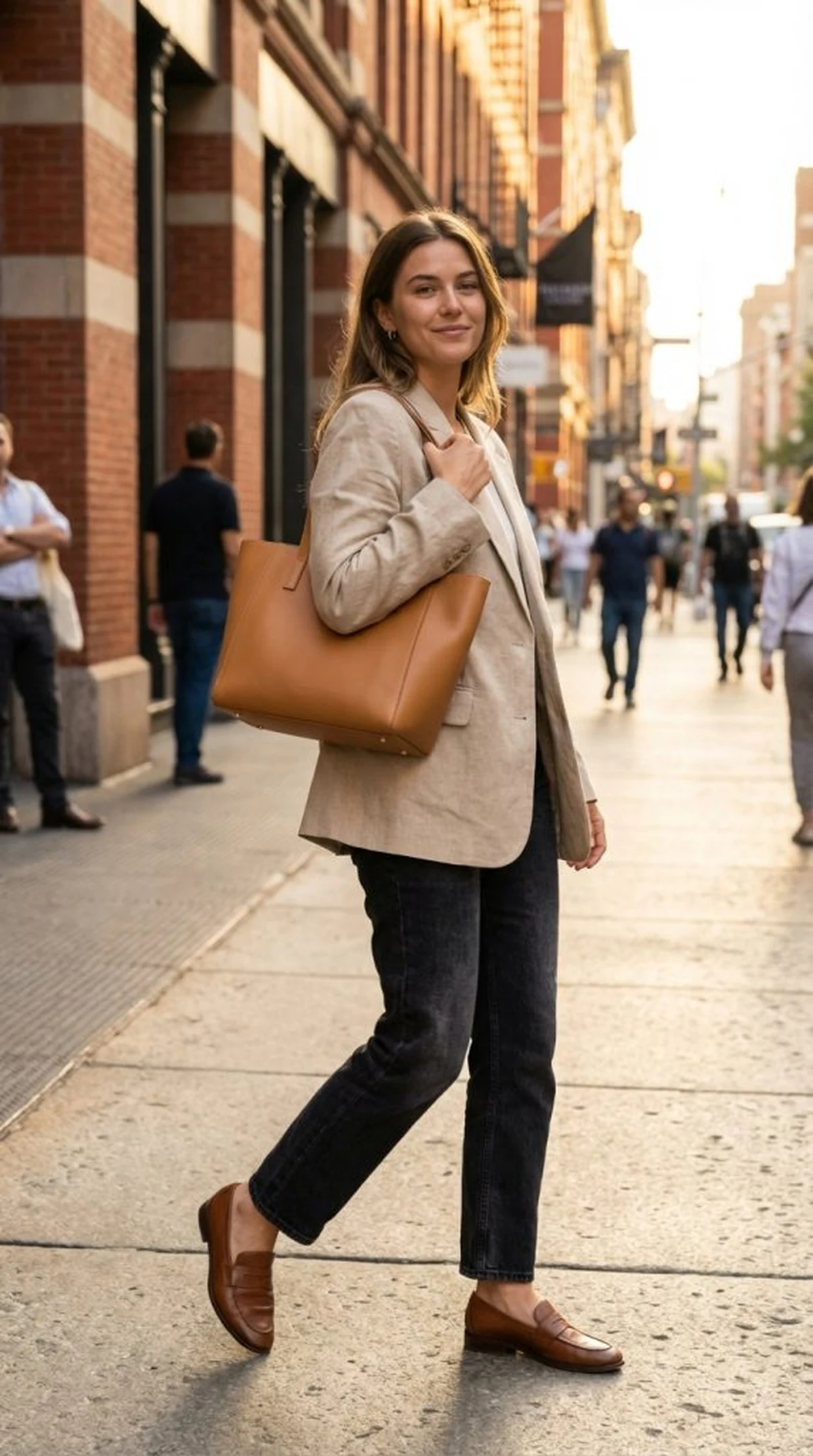
Shoes and accessories on a budget work the same way as clothes: spend on the pair you wear daily, save on the rest, and use small changes to make old outfits look new. A good pair of loafers and one structured bag carry more outfits than five cheap pairs of shoes and three flimsy bags.
Shoes take daily wear, so cheap shoes cost more in the end. A $40 pair that hurts by lunch and wears out in three months costs more per wear than a $90 pair that lasts two years. Buy leather or a good synthetic that holds its shape, break new shoes in at home for a few evenings, and keep a second pair at the office if the commute is long. For the full bag guide, see our how to accessorize guide, which covers bags by occasion.
Accessories are the cheapest way to change an outfit. A scarf, a belt, or a pair of earrings can make the same dress look different on two days, and each costs far less than a new dress. Thrift shops are a good source for belts and scarves, since those pieces show little wear. For work outfits, see our workwear fashion guide, which covers the pieces worth spending on for the office.
Small upgrades stretch clothes further. A tailor can take in a waist, shorten a hem, or replace buttons for a few dollars, and the result looks like a better garment. A $15 thrift blazer with a $10 waist adjustment often looks better than a $60 blazer that fits poorly. Iron or steam clothes before wearing them, since wrinkles make even good fabric look cheap, and a handheld steamer costs less than one impulse top.
For the finishing touch, nails cost little and show a lot. A neat manicure makes an outfit look finished, and simple designs cost nothing extra if you do them at home. See our simple nail designs for ideas that pair with everyday outfits.
Frequently Asked Questions
How much should I spend on clothes each month?
There is no fixed number that fits everyone, since it depends on income, climate, and work dress code. A workable rule is to set a monthly amount you can spend without stress, buy gaps from your list first, and save unspent money for coats and shoes, which cost more. Tracking what you spend for two months usually shows where the waste is, and it is often impulse tops, not the pieces you planned.
Is thrift shopping really worth the time?
It is worth it for classic pieces in good fabric, like blazers, coats, leather bags, and silk blouses, where the savings are large. It is less worth it for basics like plain tees and underwear, where new prices are already low and wear matters more. Go with a list, check a few shops regularly, and leave empty-handed rather than buying something that does not fit the list.
How do I make cheap clothes look expensive?
Fit, fabric, and finish do the work. Choose pieces that fit well, skip thin or shiny fabrics, steam out wrinkles, and keep shoes clean and polished. One good bag and one good pair of shoes lift the whole outfit, while a wrinkled shirt and scuffed shoes drag down even pricey clothes. Simple, clean lines look more polished than busy prints and heavy logos.
Should I buy trends or stick to classics?
Buy classics with most of your money and trends with a small part of it. Classics like a navy blazer, dark trousers, and a white blouse work year after year, while trends change each season. When a trend suits you and costs little, buy it and enjoy it for the season. When it costs a lot or suits only one outfit, skip it and wait for the next one.
Start with fit, buy gaps from a list, and spend on the pieces you wear most. A small wardrobe that mixes well looks better than a large one that does not.