
Essential Accessories Every Woman Needs
A good set of accessories comes down to a few pieces that work with many outfits: one everyday bag, simple jewelry, a scarf, sunglasses that fit your face, a belt, and shoes in a neutral color. Buy those first, in colors that match what you already own, and skip anything that only works with one outfit.
What Makes an Accessory Essential?
An accessory earns the word essential when it gets worn weekly, pairs with at least three outfits, and solves a real problem, like carrying your things, finishing a plain outfit, or keeping the sun out of your eyes. A piece that sits in a drawer for months fails that test, no matter how pretty it looked in the shop.
Count how often you reach for a piece before you call it a staple. A bag you carry five days a week is essential. A necklace you wear to every dinner out is essential. A hat you bought for one holiday is not, even if you love it. Usefulness, not price or brand, decides what belongs in this list.
Color decides how far each piece goes. Black, brown, tan, navy, and gold or silver tones pair with most wardrobes, while a bright patterned piece pairs with far fewer outfits. Start with neutrals, then add one or two colors you actually wear, and check each new piece against three outfits at home before you keep it.
Which Bag Should You Buy First?
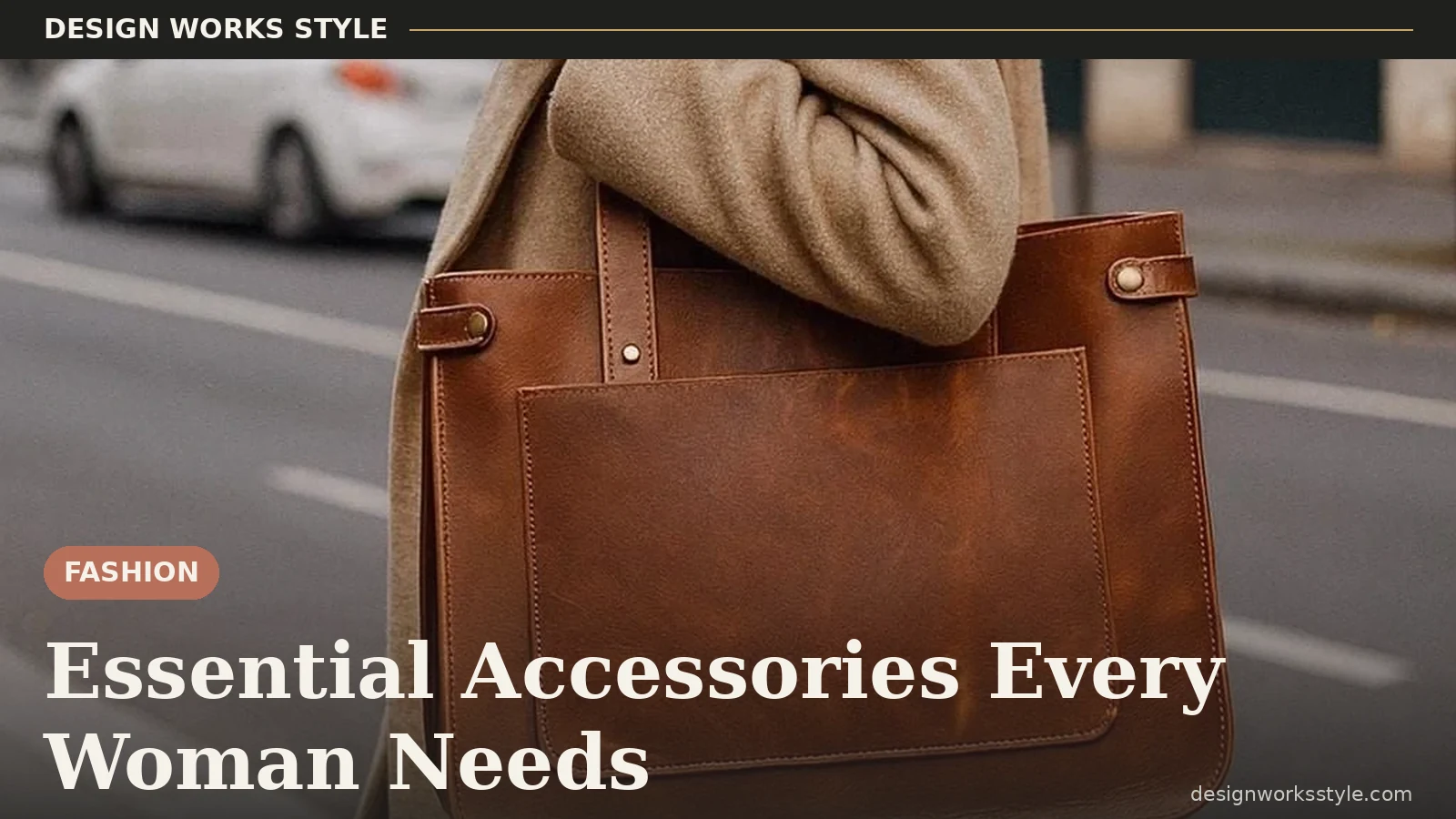
Buy one medium bag in a neutral color first, big enough for a wallet, phone, keys, and a small book, with a strap you can wear across the body and a top handle for carrying by hand. That size covers work, errands, and a dinner out, while a tiny bag or an oversized tote only covers one of those.
Pick a shape that holds its form when set down. A bag that collapses flat looks messy on a desk or a restaurant table. Leather, sturdy canvas, or a firm synthetic all work, and the test is simple: put your things in it in the shop and see if it still stands upright.
Check the strap length before you buy. A crossbody strap that sits at the hip keeps your hands free and the bag secure, while a shoulder strap that slips off every few steps gets annoying fast. Adjustable straps suit most people.
Once the everyday bag is sorted, add a small evening bag only if you go out often enough to use it. A clutch or a small chain bag in black or gold covers most evening outfits. If you go out twice a year, borrow one instead of buying, since a piece worn twice a year is not essential.
What Jewelry Covers Most Outfits?
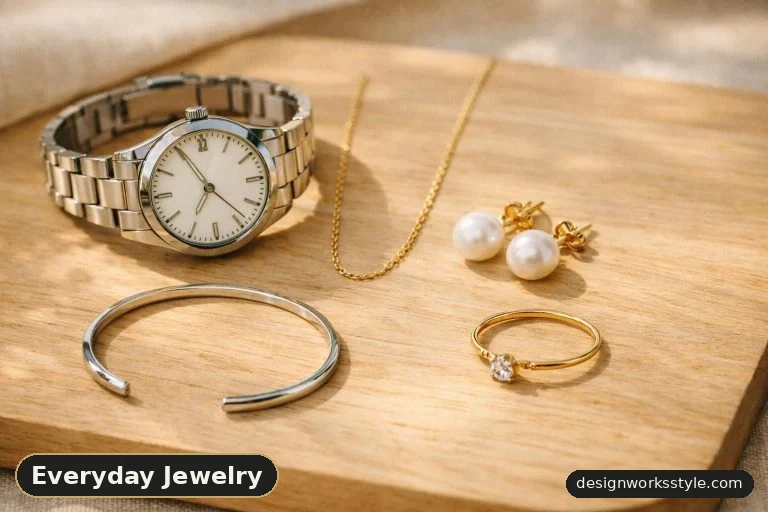
Simple jewelry covers most outfits: small gold or silver hoops or studs, a plain chain necklace, a watch, and one ring you like wearing daily. Those four pieces work with a work shirt, a weekend dress, and a dinner outfit, which is why they belong in a small collection before anything bolder.
Match the metal to what you already wear most. If your watch is silver, silver earrings and a silver chain keep the look coherent without any thought. Mixing metals can look good, but it takes more care, and a small collection works better when every piece pairs with every other piece.
Keep statement pieces to one per outfit. A bold necklace with bold earrings and a bold bracelet competes for attention and makes the outfit look busy. Pick the one piece you want people to notice, keep the rest simple, and the outfit reads as put together rather than crowded.
How Do Scarves, Belts, and Sunglasses Fit In?
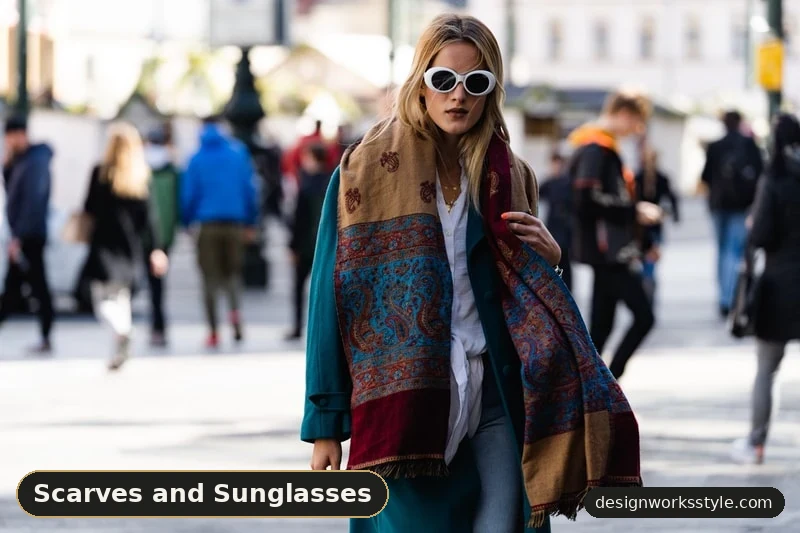
A scarf, a belt, and a pair of sunglasses each change an outfit for little money, and each one earns its place by doing a job nothing else in the closet does. A scarf adds color and warmth, a belt shapes a loose dress or marks a waist, and sunglasses protect your eyes while finishing a summer look.
Start with one scarf in a color or print you like, in a light fabric you can wear most of the year. Silk or a soft cotton blend drapes well and folds small in a bag. A heavy wool scarf is a winter piece, useful in cold months and useless in summer, so buy the light one first and add the heavy one later if your winters need it.
Buy one belt in a neutral leather, in a width that works with both trousers and dresses. A very wide belt suits dresses and looks wrong with trousers, while a very thin belt disappears on a dress. A medium width, about an inch to an inch and a half, covers both, and black or tan pairs with most outfits.
Choose sunglasses by face shape and by fit, not by logo. The frames should sit level, not slide down your nose, and the arms should not pinch behind your ears. Try them on with your hair up and down, and check that they give real sun protection, beyond a dark tint.
Which Shoes Count as Accessories?
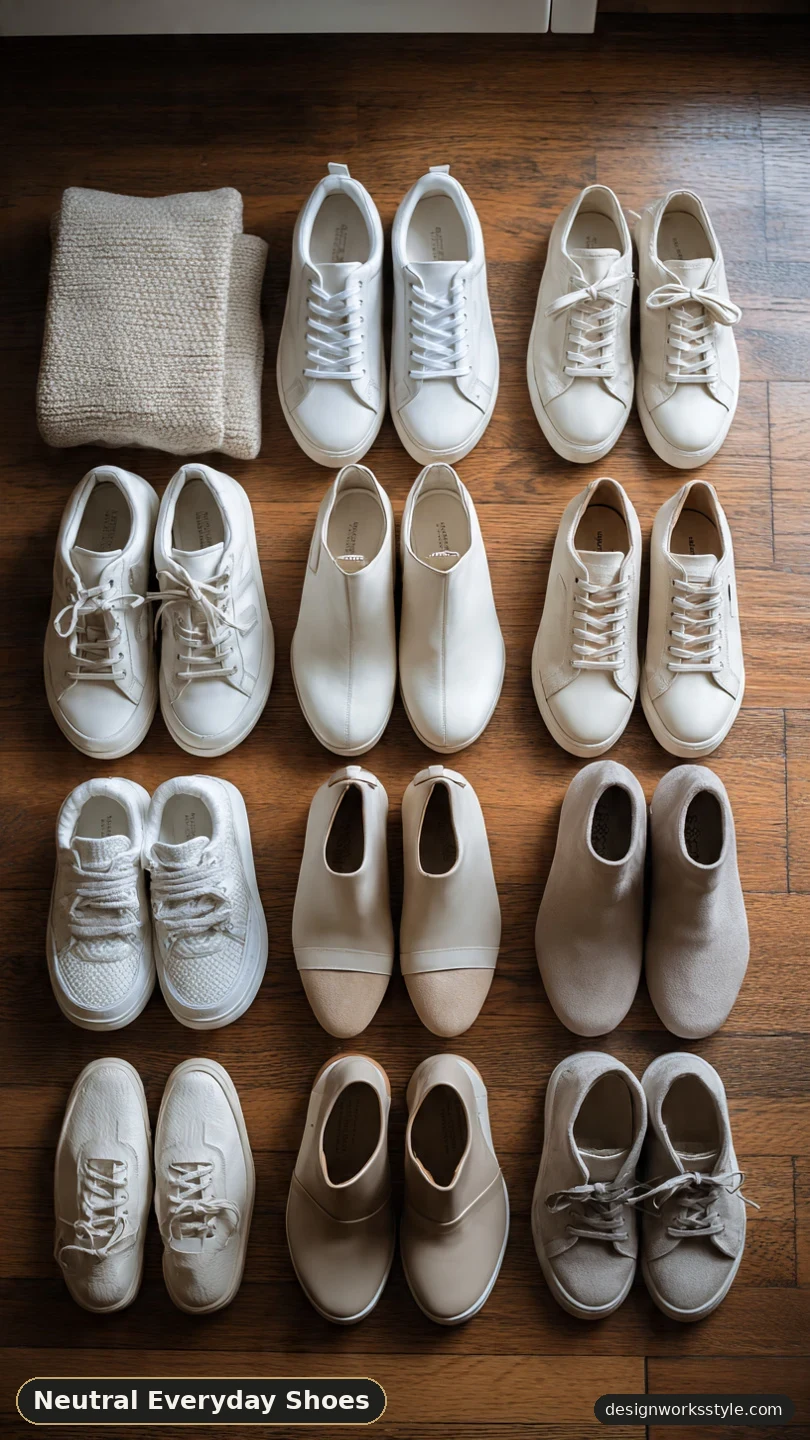
Shoes are accessories in the sense that they finish an outfit, and the essential set is small: one pair of everyday flats or loafers, one pair of white trainers, and one pair of shoes you can wear to a dinner or a formal event. Three pairs, in neutral colors, cover most weeks without a closet full of shoes.
Buy comfort first for the everyday pair. Shoes that hurt get left in the closet, and a pair you never wear costs the same as a pair you wear daily. Walk around the shop in them for ten minutes, including up and down stairs if you can, and skip any pair that pinches, even if the price is good.
White trainers work with dresses, jeans, and smart trousers in most casual settings, which is why they belong in a small set. Keep them clean, since scuffed white trainers drag down an otherwise neat outfit. A quick wipe after wearing them keeps them looking fresh far longer than a deep clean once a month.
The dress pair depends on your life. A low block heel suits most people better than a high stiletto, since it is easier to walk in and works for a longer evening. If you never wear heels, a pointed flat or a smart loafer in black does the same job, and a pair you will actually wear beats a pair that looks right in theory.
How Do You Build the Set Without Overspending?
Build the set starting with the pieces you reach for most, and set a price limit per piece before you shop. A bag and shoes take daily wear, so they deserve more of the budget, while scarves and jewelry change a look for little money, and spending the same amount on each piece wastes money on the wrong ones.
Buy the bag first, then shoes, then jewelry, then the scarf, belt, and sunglasses, in that order, since that order follows how often each piece gets used. If the budget runs out halfway, the daily pieces are covered and the rest can wait, which is the right order to run out of money in.
Shop your own closet before you shop a store. A belt from an old coat, a scarf bought years ago, or a pair of earrings you forgot about may already fill a gap in the set. Many wardrobes already hold half the essential list, and buying duplicates of what you own is the fastest way to waste a budget.
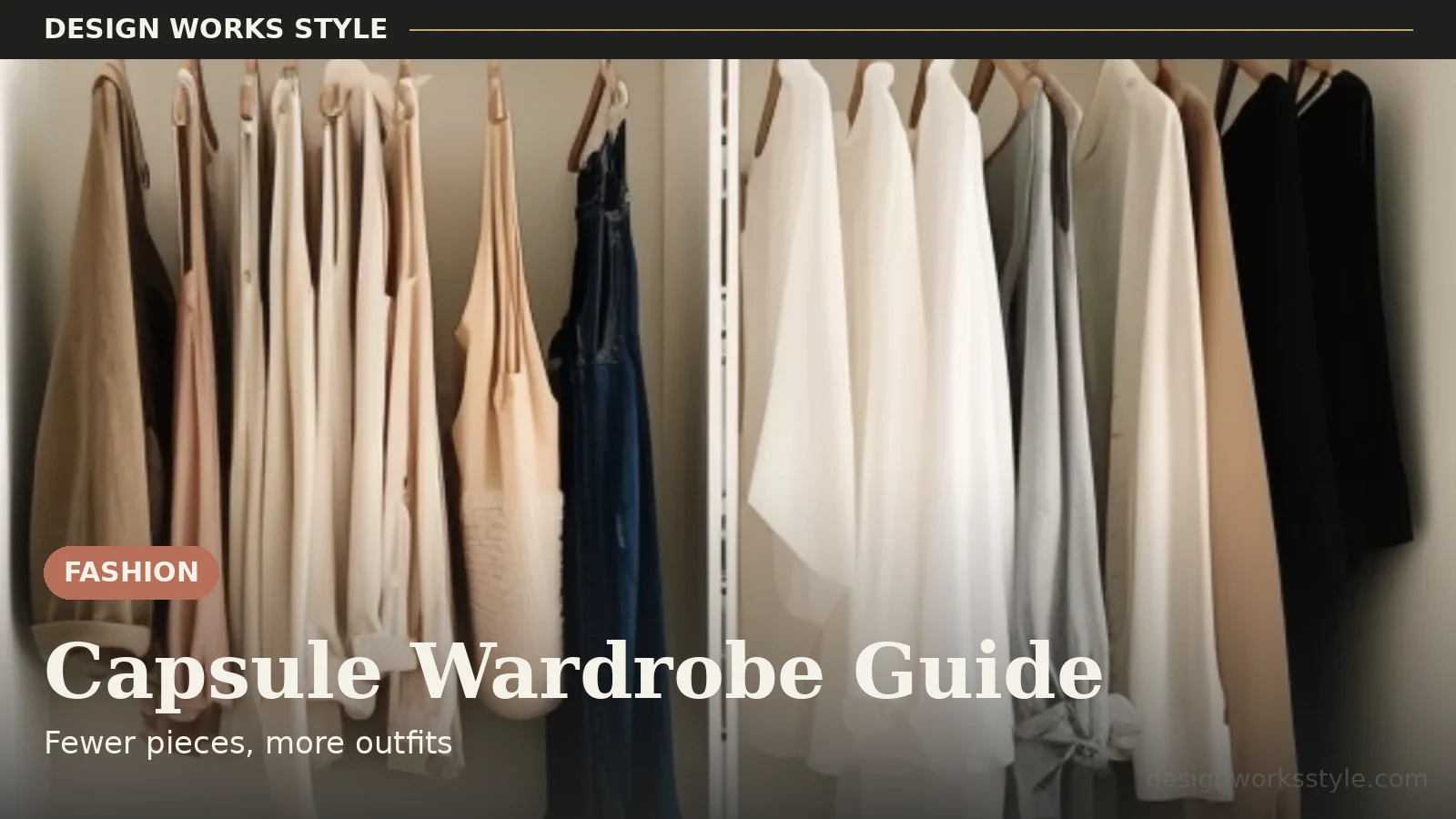
A small set of pieces that mix well is the whole idea behind a capsule wardrobe, and capsule wardrobe guide thinking, with fewer pieces chosen to work together, keeps an accessory collection from turning into a drawer of single use buys. The same mix test applies: each new piece should pair with at least three outfits you already own.
When you do buy, try the piece with an actual outfit, rather than only in the mirror of the shop. A necklace that looks good alone can clash with the neckline of your most worn tops, and a bag that looks good empty can feel heavy once your things go in. Wear it with the outfit it is meant for before you decide to keep it.
How Do You Style Accessories for Different Occasions?
Style accessories by occasion with one rule: keep the base simple and change one or two pieces. The same dress with trainers and a canvas bag reads as casual, while the same dress with heeled shoes, a clutch, and a chain necklace reads as evening wear, and the dress itself never changed.
For work, keep jewelry small, the bag structured, and shoes closed toe in most offices. A watch, studs, and a plain chain suit a work shirt without distracting from it, and a structured bag looks tidier on a desk than a soft tote. Save bold pieces for after work, where they have room to stand out.
For weekends, swap in the relaxed pieces: trainers, a crossbody bag, sunglasses, and a scarf as a light layer. The goal is comfort that still looks deliberate, and one simple piece, like a leather belt or a clean watch, keeps a relaxed outfit from looking thrown together.
For evenings, change the shoes and the bag and add one bold piece. That is usually enough, and adding more often makes the outfit look crowded. How to accessorize an outfit comes down to the same habit: pick the piece you want noticed, keep the rest quiet, and stop before the outfit gets busy.
Fit and proportion matter as much as the pieces themselves, since a belt that cuts a dress at the wrong place or a necklace that fights with a neckline can undo an otherwise good outfit. Dress for your body type guidance, with cuts that suit your shape, helps here too, because accessories sit on the outfit, and an outfit that fits well carries accessories better than one that does not.
A work wardrobe shows the same logic in practice, since a few well chosen pieces have to cover a full week without repeats that anyone notices. Work wardrobe on a budget planning, with neutral pieces bought in the right order, works because the accessories do the varying while the base pieces stay the same.
Frequently Asked Questions
How many accessories do I actually need?
Ten to twelve pieces cover most outfits: one everyday bag, one evening bag if you go out often, four simple jewelry pieces, a scarf, a belt, sunglasses, and three pairs of shoes. More pieces help only if each new piece pairs with at least three outfits you already own.
Should I buy gold or silver jewelry?
Buy the metal you already wear most, since a small collection works best when every piece pairs with every other piece. If you wear a silver watch daily, silver earrings and a silver chain keep the look coherent. If you prefer gold, build around gold instead, and keep the other metal for one or two accent pieces.
What is the best first accessory to buy?
A medium bag in a neutral color, since it gets used every day and affects every outfit you carry it with. Shoes come second, for the same reason. Jewelry, scarves, and belts change a look, but they matter less than the two pieces you use daily.
How do I stop buying accessories I never wear?
Use the three outfit test before you buy: picture the piece with three outfits you already own, and skip it if you can only picture one. Also check your closet first, since many unworn accessories were bought for one outfit and never matched anything else. A piece that fails the test in the shop will fail it at home too.