
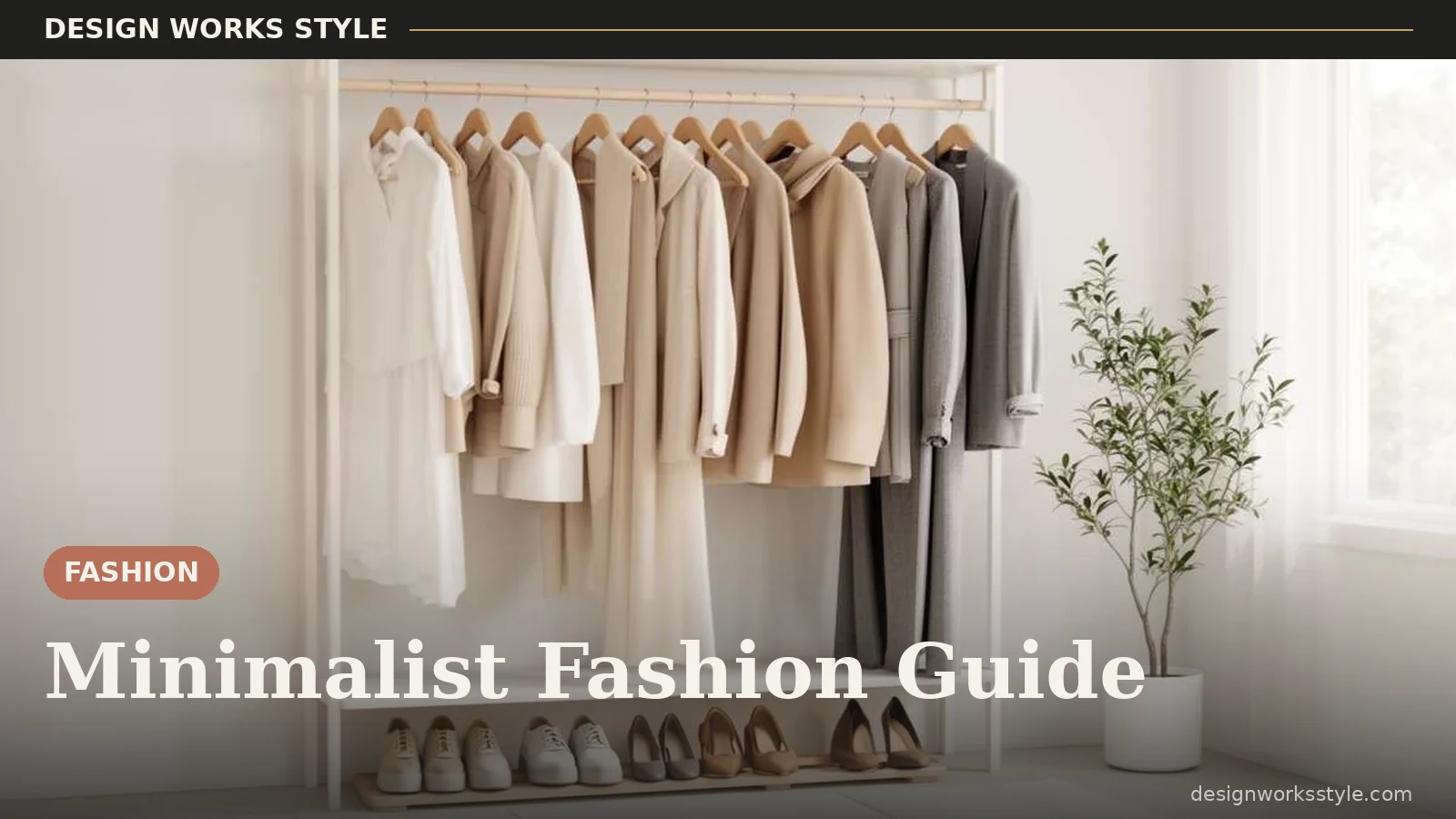
Minimalist Fashion Guide
Minimalist fashion is a small wardrobe built around pieces that pair with each other: neutral colors, simple shapes, good fit, and nothing bought for a single outfit. Start with ten to fifteen pieces you wear weekly, remove what you have not worn in months, and buy only what pairs with at least three pieces you already own.
What Does Minimalist Fashion Actually Mean?
Minimalist fashion means owning fewer clothes and wearing each piece more often, with simple shapes and plain colors doing most of the work. It is not a rule about wearing only black, and it is not about looking plain. A minimalist wardrobe can include color and print, as long as each piece earns its place by pairing with several outfits.
The test is simple. Pick up a piece and count the outfits it makes with clothes already in your closet. If it makes one outfit, it is a single use buy, and single use buys are what fill closets with clothes that never get worn. If it makes three or more outfits, it belongs in a small wardrobe.
Fit matters more than quantity. A well fitting shirt in a plain color looks better than three shirts that pull at the waist or gap at the buttons. When the wardrobe is small, every piece gets worn often, so a bad fit shows up every week instead of hiding behind other options.
How Do You Start a Minimalist Wardrobe?
Start by pulling out everything you wore in the last month and setting it aside, since that pile shows what your real wardrobe already is. The rest of the closet is mostly clothes you keep for reasons other than wearing them, and those are the pieces to judge hardest.
Sort the rest into three groups: pieces that fit and pair well, pieces you love but never wear, and pieces that are worn out or do not fit. Keep the first group. Put the second group in a box for a month. If you do not open the box, pass those pieces on. The worn out group goes straight out.
Do not buy anything new until the sort is done. Buying into a full closet adds pieces on top of pieces you already ignore, and the new clothes end up ignored too. A clear closet shows the gaps, and gaps are what you should shop for.
Once the gaps are clear, write a short list. A missing pair of dark trousers, a white shirt that fits, and a pair of shoes you can walk in all day are common gaps. A small set of pieces that mix well is the whole idea behind a capsule wardrobe guide approach, with fewer pieces chosen to work together, and that list is your shopping list.
What Colors Work in a Minimalist Wardrobe?
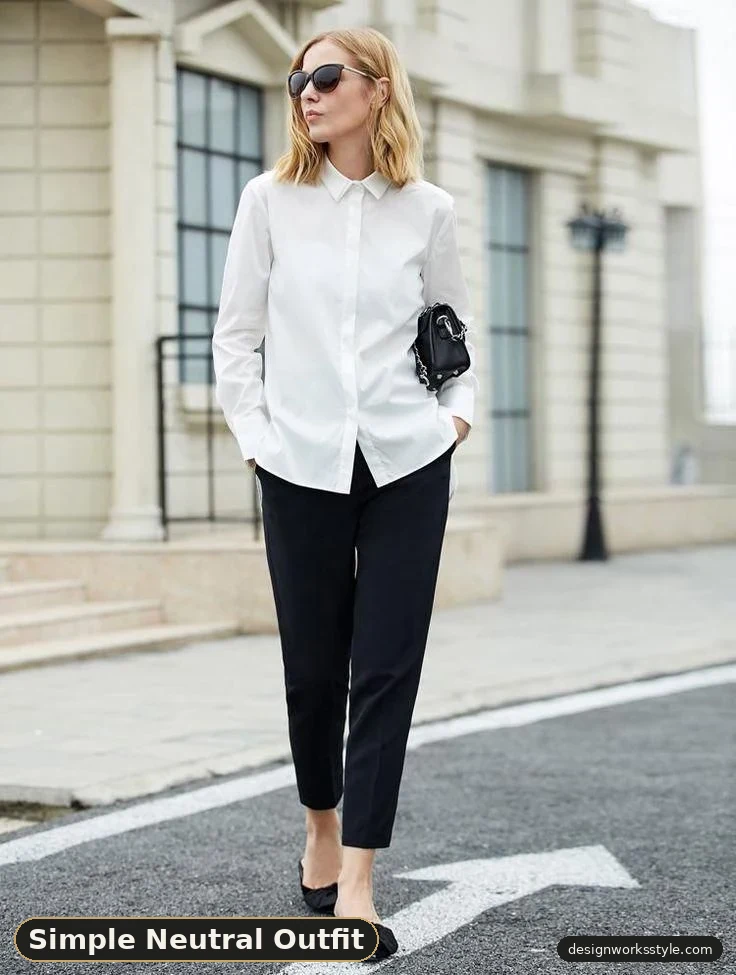
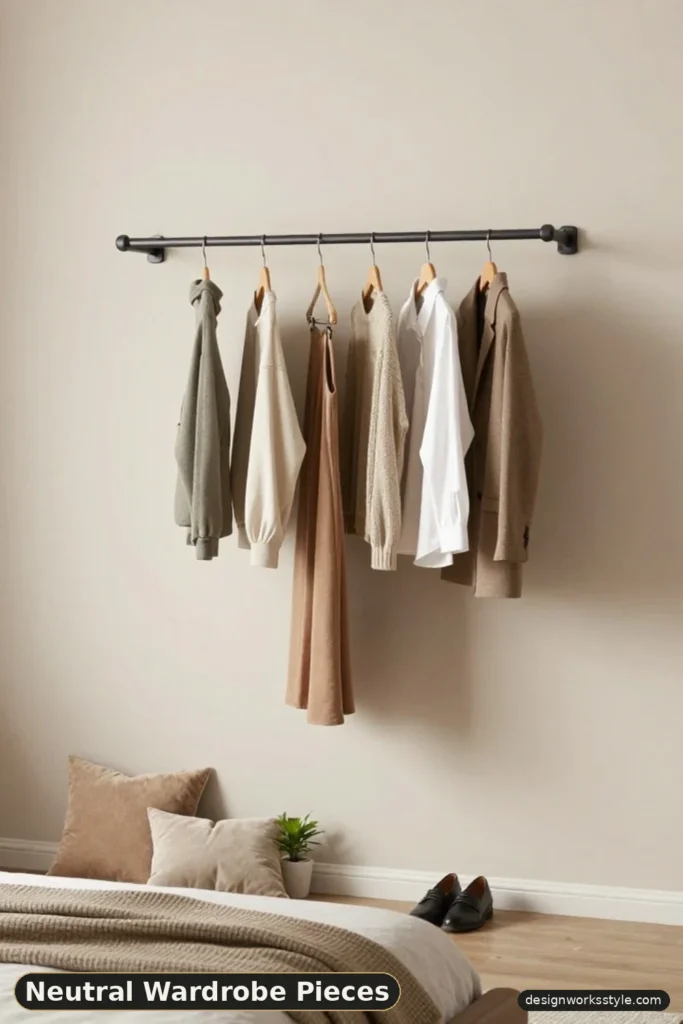
Neutral colors carry a minimalist wardrobe because they pair with each other without thought: black, white, navy, charcoal, grey, camel, and cream. Two or three of these as a base, plus one accent color you wear often, gives enough range for a full week without a closet full of colors.
Pick the base colors from what you already wear most. If your closet is full of navy, build around navy. If you wear black daily, build around black. A base color you never reach for is not a base, even if it looks good on a color chart.
Add the accent color only after the base is set. A muted red, olive, or mustard works as an accent on tops and scarves, while the base pieces stay neutral. Bright colors work as accents too, but they pair with fewer outfits, so keep them to one or two pieces.
Prints need the same discipline. One striped shirt or one checked scarf adds interest without breaking the system. Three different prints in one week start to clash, and prints that only match one outfit are single use buys in disguise.
How Many Pieces Do You Actually Need?
Most people can cover a week with twelve to eighteen pieces: three or four bottoms, five or six tops, one or two layers, and two pairs of shoes. That count covers work and weekends when every piece pairs with several others, and it leaves room for a few seasonal pieces on top.
Count pieces by outfits, not by items. Twelve pieces that each pair with three others make far more outfits than twenty pieces that only pair with one each. The math is simple, and it is why a small wardrobe can feel larger than a big one.
Seasonal pieces sit outside the count. A winter coat, a summer dress, and boots for cold weather do not need to pair with everything, since they only get worn in one season. Keep them separate from the everyday count, and judge them by how often they get worn in their season.
Accessories stretch the count further. One scarf, one belt, and one simple necklace change several outfits without adding bulk to the closet, and how to accessorize with a few pieces that suit the outfit beats a drawer of pieces that compete with it.
How Do You Shop for Minimalist Fashion?
Shop with a list, a budget per piece, and the three outfit rule: buy only if the piece pairs with three pieces at home. A list stops impulse buys, and the mix rule stops single use buys, which are the two ways a small wardrobe grows back into a big one.
Try everything on with pieces you already own, or at least picture it with them. A shirt that looks good alone can clash with the neckline of your most worn tops, and trousers that fit standing up can pull at the waist when seated. A piece that fails with your real outfits goes back, no matter how good the price was.
Spend more on daily pieces and less on occasional ones. Trousers, shoes, and a coat take daily wear, so they deserve more of the budget, while a scarf or a simple top changes a look for little money. The same spend-first logic runs through fashion on a budget habits, like buying fewer, better pieces and shopping sales for basics.
Buy slowly. One piece a month, worn for a few weeks before the next purchase, shows whether it truly pairs with the wardrobe. A wardrobe built in one shopping trip misses the chance to learn what actually gets worn, and half the pieces usually go unworn.
How Do You Keep a Minimalist Wardrobe Working?
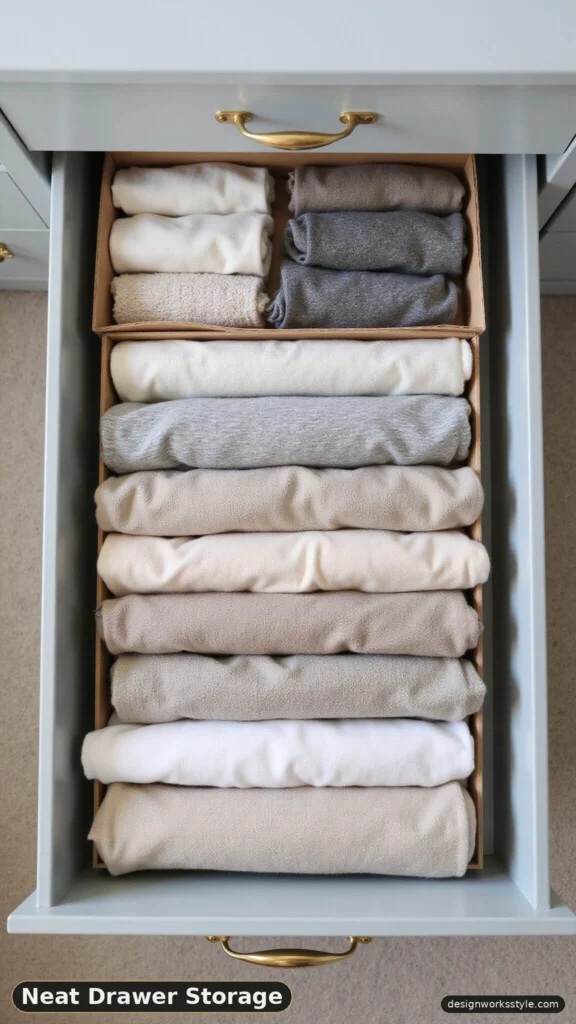
Keep a minimalist wardrobe working with a regular clear out, a laundry routine that protects dark colors, and a rule that one piece leaves when a new piece arrives. Without a clear out, even a small wardrobe grows, since new pieces arrive and old ones stay.
Do a quick sort every season. Pull out what you did not wear in the last three months and ask why. If it does not fit, is worn out, or only matched one outfit, pass it on. If you love it but never wear it, put it in a box for a month and see if you miss it.
Care matters more when the wardrobe is small, since every piece gets worn often. Wash darks inside out in cold water, hang clothes to dry where possible, and fix a loose button or a dropped hem at once. A piece worn weekly wears out in months if it is not cared for, and in a small wardrobe there is no backup to cover it.
Fit changes over time, and a piece that fit last year may not fit now. Check fit as well as style during the seasonal sort. A well fitting cheap piece looks better than an expensive piece that pulls or sags, and dress for your body type guidance, with cuts that suit your shape, helps pick replacements that fit right from the start.
Frequently Asked Questions
Is minimalist fashion only black and white?
No. Black and white are easy neutrals, but navy, camel, grey, olive, and muted colors all work in a minimalist wardrobe. The point is a small set of colors that pair with each other, not a ban on color. Pick the neutrals you actually wear, then add one accent color you like.
How long does it take to build a minimalist wardrobe?
A first clear out takes a weekend, and a working wardrobe usually takes two to three months of slow buying after that. Buying everything at once skips the learning step, and the pieces bought blind often go unworn. One piece a month, tested against the wardrobe, builds a set that actually gets worn.
Does minimalist fashion work for work clothes?
Yes, and work clothes suit it well, since a few neutral pieces have to cover a full week without obvious repeats. A work wardrobe shows the same logic in practice, and work wardrobe on a budget planning, with neutral pieces bought in the right order, works because the accessories do the varying while the base pieces stay the same.
What should I do with clothes I remove?
Pass on pieces in good shape to charity shops or friends, and recycle worn out pieces through textile recycling where it is available. Keep a box for a month before passing pieces on if you are unsure, since a piece you miss in that month is worth keeping. A piece you never think about in that month is safe to let go.