
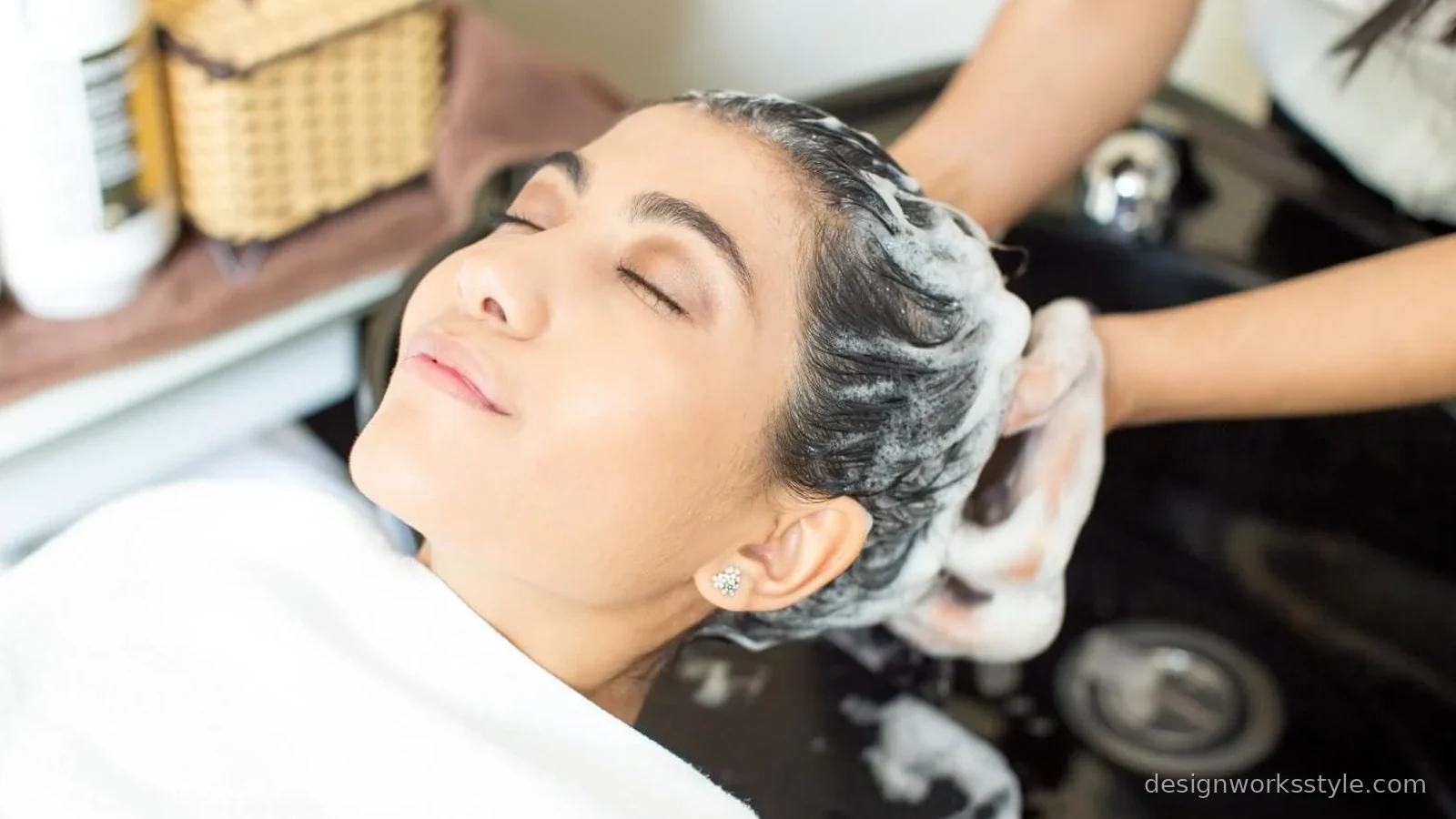
A healthy scalp grows healthier hair. The scalp is skin, and when it is dry, oily, irritated, or clogged, hair grows thinner, breaks more easily, and sheds sooner. This guide covers the most common scalp problems, a simple care routine, massage, treatments, and products, plus when a dermatologist is the right call.
Why Does Scalp Health Matter for Your Hair?
Scalp health matters because every hair grows from a follicle in the scalp, and a follicle that sits in dry, inflamed, or clogged skin produces weaker hair. Healthy scalp skin has blood flow, a balanced oil level, and no buildup blocking the follicle opening. When those conditions slip, growth slows, shedding increases, and new hair comes in finer than before.
Think of the scalp the way you think of soil for a plant. The follicle needs a clean, nourished base to do its job. Product buildup, dead skin, and excess oil sit over the follicle opening and block it. Hair still grows, but it comes through a narrowed opening and tends to be thinner.
Scalp problems also show up in how hair looks day to day. An oily scalp makes roots look flat and greasy by midday, even on freshly washed hair. A dry scalp sheds white flakes onto dark clothes. An irritated scalp itches, and scratching breaks hair at the root.
Scalp care is mostly simple habits, not expensive treatments. Washing the right amount, massaging during shampoo, and using products matched to your scalp type cover most of what a scalp needs. For washing technique, see our how to wash your hair properly guide, and for a routine matched to your hair type, our hair care routine by hair type guide.
What Are the Most Common Scalp Problems?
The most common scalp problems are dandruff, excess oil, dryness, itch, and sensitivity, and each one has a different cause. Dandruff comes from flaking skin and yeast that lives on the scalp. Oiliness comes from overactive sebaceous glands. Dryness comes from cold air, hot water, and harsh shampoo. Itch can come from any of these, or from a product reaction.
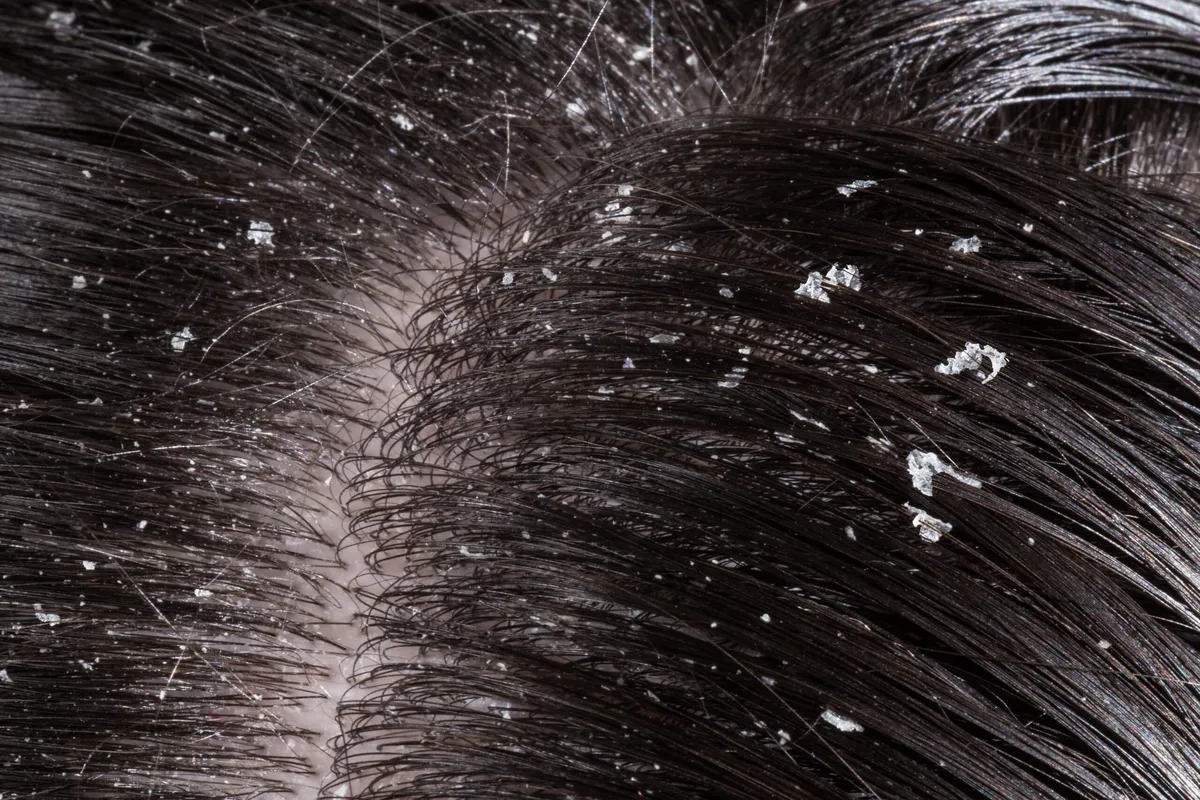
Dandruff is the most common complaint. It shows as white or yellowish flakes on the scalp and shoulders, sometimes with itching. A yeast called Malassezia lives on every scalp, and in some people it grows faster than usual, which speeds up skin cell turnover, so extra cells clump with oil and flake off. Dandruff is not caused by poor hygiene, and it is not contagious.
Excess oil comes from sebaceous glands that produce more sebum than the scalp needs. Hormones, heat, humidity, and overwashing can all push oil production up. Overwashing is a trap: stripping oil with strong shampoo makes the scalp produce more oil to replace it. Oily scalps need gentle, regular washing, not harsher shampoo.
Dryness looks similar to dandruff but has a different cause. Dry scalp flakes are smaller and whiter, and they often come with dry skin elsewhere. Cold winter air, indoor heating, hot showers, and harsh shampoo all dry the scalp out. Dry scalp improves with gentler washing, lukewarm water, and moisture from oils or masks.
Sensitivity means the scalp reacts to products, fragrances, or treatments with redness, itching, or burning. If a new shampoo or color treatment stings or leaves the scalp red, stop using it and rinse well. Patch test a new product on a small area of skin before full use. People with sensitive scalps should look for fragrance-free formulas and avoid products with strong alcohols.
How Do You Massage Your Scalp, and Does It Help?
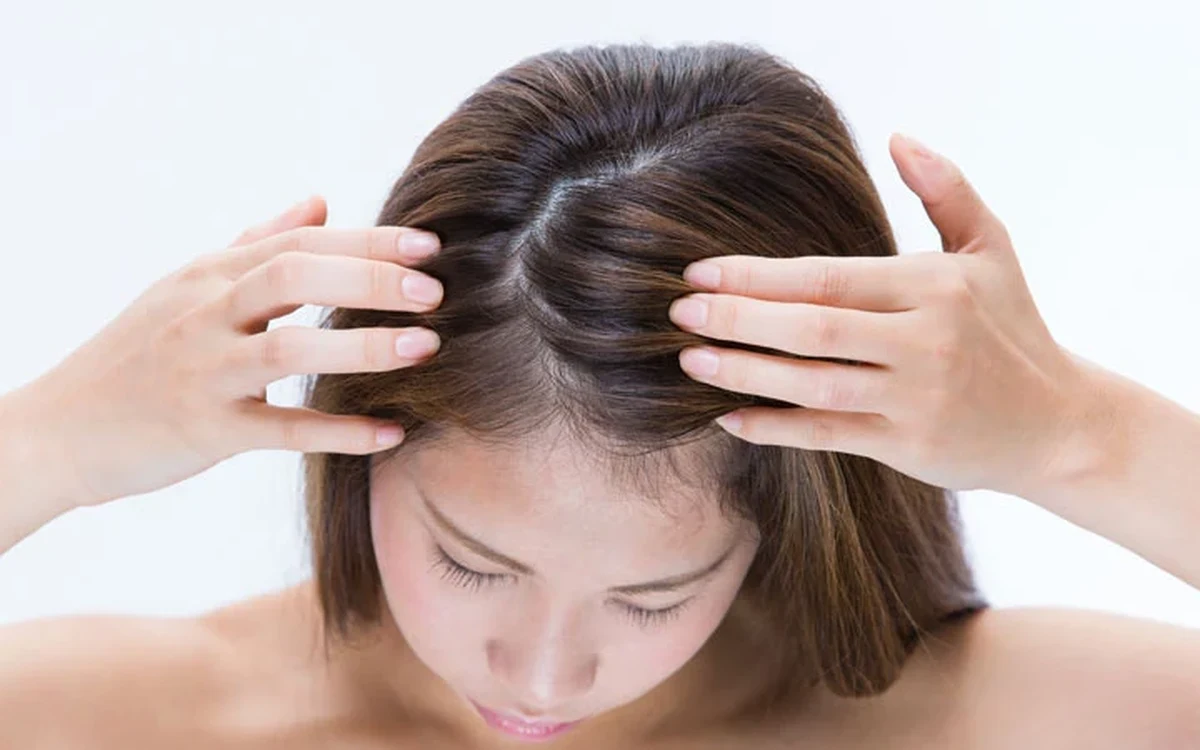
Scalp massage increases blood flow to the follicles and loosens buildup on the skin, and it takes five minutes with your fingertips. Use the pads of your fingers, not your nails, press gently, and move in small circles across the whole scalp. Do it on dry hair before washing, or with oil, two to three times a week.
Start at the front hairline and work toward the back, covering the top, sides, and back of the head. Press firmly enough to move the skin under your fingers, but not so hard that it hurts. Spend about a minute on each area.
Massage helps in two ways. It brings blood to the follicles, and blood carries the oxygen and nutrients that follicles use to grow hair. It also loosens dead skin and product buildup, which shampoo then washes away more easily.
Oil massage adds moisture for dry scalps. Warm a small amount of oil between your palms, work it into the scalp with the same circular motion, leave it for 20 to 30 minutes, then wash it out. Jojoba, coconut, and argan oil all work. Use a light hand, since too much oil leaves hair greasy. Oily scalps can skip the oil and massage on dry hair instead.
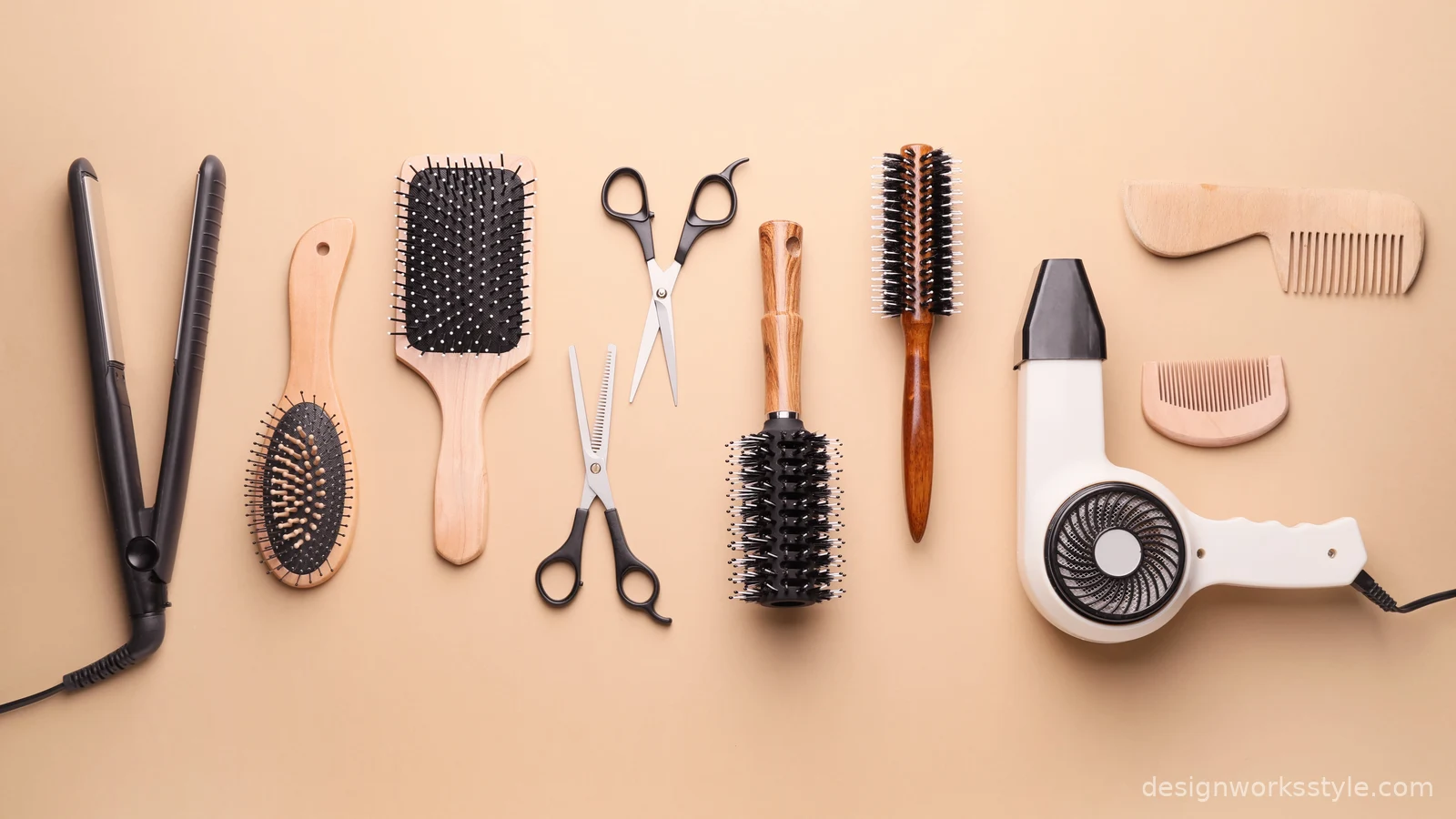
Tools can help but are not required. A silicone scalp massager with soft bristles works the same motion as fingers and suits people with long nails. Fingers alone are enough. For brush types and how to pick tools for your hair, see our hair tools guide.
What Scalp Treatments Actually Work?
The scalp treatments that work are gentle exfoliation, oil treatments, and hydrating masks, used once a week or less. Exfoliation removes dead skin and product buildup that shampoo misses. Oil treatments soften dry skin and make massage more effective. Masks add moisture back after clarifying or color treatments. None of these need to be expensive to work.
Exfoliation comes in two forms: physical and chemical. Physical exfoliants are scrubs with fine grains that you massage into the scalp and rinse out, and they suit oily scalps and heavy product users. Chemical exfoliants use acids like salicylic acid to dissolve dead skin without scrubbing, which suits sensitive scalps better. Use either one once a week at most, since over-exfoliating irritates the scalp.
Oil treatments suit dry, tight, or flaky scalps. Apply oil to the scalp, massage it in, leave it for 20 to 30 minutes, then wash out with a gentle shampoo. Some people leave oil on overnight, but 30 minutes is enough for most scalps, and overnight oil can clog follicles if used too often. Once a week is plenty.
Hydrating masks and scalp serums add moisture after treatments that dry the scalp out, like clarifying shampoo or color services. Apply a mask to the scalp and lengths, leave it for the time on the label, then rinse. Serums stay on the scalp after washing and target specific problems through the day.
Avoid harsh scrubs used daily, undiluted essential oils, and home remedies like lemon juice or vinegar rinses, since these irritate the scalp and worsen flaking. If a treatment stings, burns, or leaves redness, stop using it. Gentle and regular beats aggressive and occasional for scalp care.
Which Products Support a Healthy Scalp?
Products that support a healthy scalp are a gentle shampoo matched to your scalp type, a scalp serum or tonic for specific problems, and a clarifying shampoo used once a month. Daily shampoo should clean without stripping. Serums target dandruff, oil, or dryness directly on the skin. Clarifying shampoo removes buildup that regular shampoo leaves behind.
Start with shampoo. Oily scalps suit a light, balancing shampoo that cleans well without heavy conditioning agents. Dry scalps suit a hydrating shampoo with glycerin or oils. Dandruff needs an anti-dandruff shampoo with an active ingredient like zinc pyrithione, selenium sulfide, or ketoconazole, used as directed. If one active ingredient stops working, switching to a different one often helps.
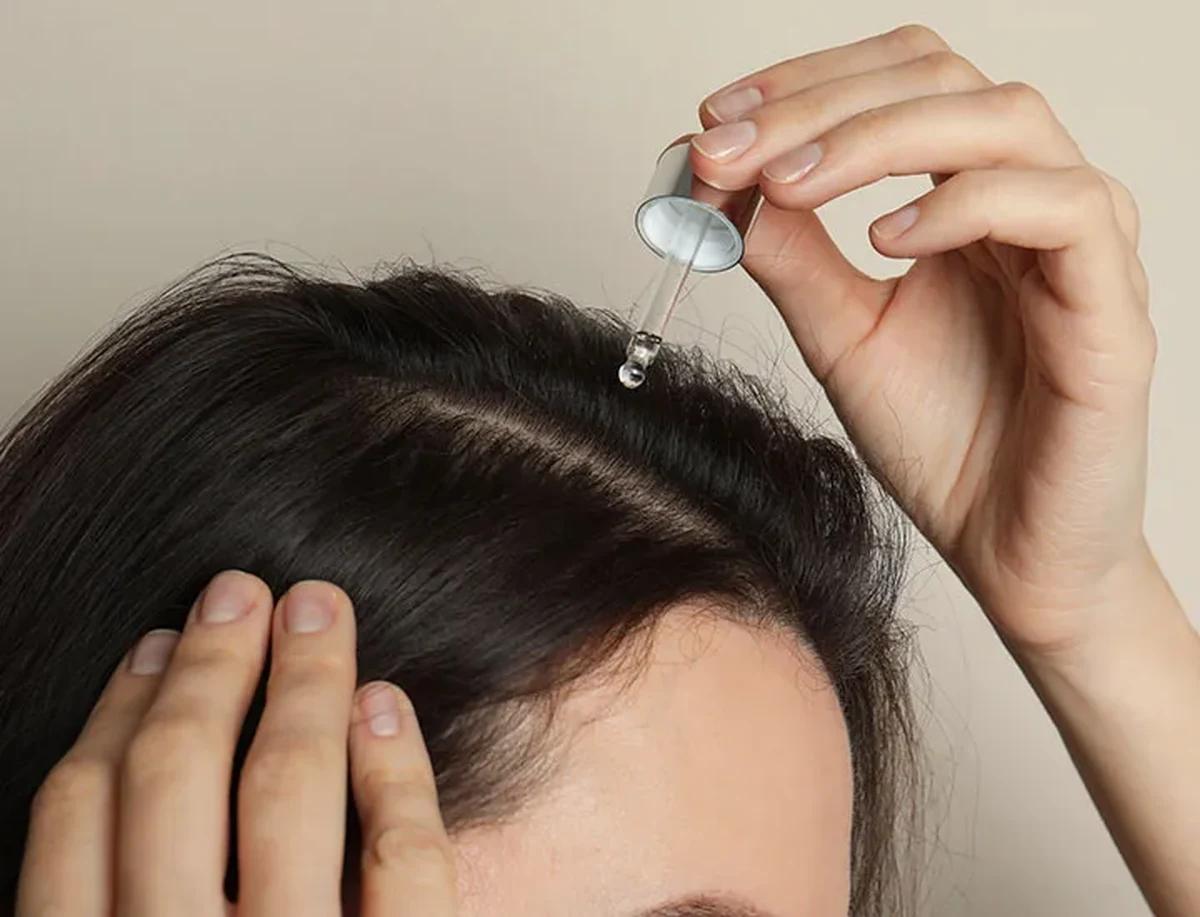
Scalp serums and tonics go on after washing, directly on the scalp skin, and stay there. They come in formulas for dandruff, oil control, dryness, and hair thinning. Apply to parted sections so the product reaches skin, not just hair strands, and massage it in lightly. Serums work best with steady use over weeks.
Clarifying shampoo is a monthly reset. It removes product buildup, hard water minerals, and excess oil that regular shampoo leaves behind. Use it once a month, follow with conditioner or a mask right away, and skip it in weeks when you use a scalp scrub. Color-treated hair needs extra care here, so our hair color maintenance guide covers washing and product tips that protect color while keeping the scalp clean.
When shopping, read labels for what a product actually does, not for marketing claims. A shampoo that says “scalp care” but lists strong sulfates first may strip more than it helps. Pick the formula that matches your scalp type.
When Should You See a Dermatologist?
See a dermatologist when scalp problems last more than a few weeks despite home care, or when you notice red patches, sores, crusting, or sudden hair loss. These signs can point to psoriasis, eczema, a fungal infection, or another skin condition that needs medical treatment. A dermatologist can diagnose the cause and prescribe a treatment that over-the-counter products cannot match.
Psoriasis on the scalp shows as thick, red patches covered with silvery scales, often along the hairline and the back of the head. It itches and flakes heavily, and regular dandruff shampoo does not clear it. Eczema shows as red, itchy, sometimes weepy patches, and it flares with stress, weather changes, or irritating products. Both need prescription treatment.
Fungal infections of the scalp, called tinea capitis, show as scaly patches, broken hairs, and sometimes tender bumps. They spread through shared hats, brushes, and combs. Antifungal pills or medicated shampoo clear them, but home remedies do not. If patches spread, hairs break off at the scalp, or the area feels tender, see a dermatologist promptly.
Sudden hair loss deserves attention on its own. Losing more hair than usual for a few weeks, or finding bald patches, can come from stress, illness, medication, or a scalp condition. A dermatologist checks the scalp under magnification, asks about recent health changes, and may order blood work. Early diagnosis gives the best chance of regrowth.
Frequently Asked Questions
How often should you exfoliate your scalp?
Once a week is enough for most scalps. Exfoliation removes dead skin and product buildup that shampoo misses, but doing it more often irritates the skin and can increase flaking. Sensitive scalps may do better every two weeks. If the scalp feels sore or red after exfoliating, wait longer before the next session.
Can scalp massage really help hair grow?
Massage supports growth by increasing blood flow to the follicles and loosening buildup, but it does not create new follicles or reverse hair loss on its own. Think of it as one part of a routine, alongside gentle washing, good products, and healthy handling. Five minutes, two to three times a week, is enough.
What causes an itchy scalp with no dandruff?
An itchy scalp without visible flakes can come from dryness, a product reaction, or sensitivity to fragrance. Dry winter air and hot showers are common causes, and switching to lukewarm water and a gentler shampoo often settles it within a week or two. If itching lasts more than a few weeks, or if redness or sores appear, see a dermatologist.
Is it safe to use oil on an oily scalp?
Light oil in small amounts is usually safe, but oily scalps rarely need it. Oil treatments suit dry scalps best, since they add moisture the scalp lacks. On an oily scalp, oil can trap buildup and make roots look greasy faster. If you want to try it, use a light oil like jojoba, apply a small amount, leave it for 20 minutes, and wash it out well.
Scalp care comes down to a few steady habits: wash the right amount for your scalp type, massage a few times a week, exfoliate or treat once a week, and use products matched to what your scalp actually needs. For the routine that sits around scalp care, see our hair care routine by hair type guide, and for repairing hair that scalp problems already damaged, our hair damage repair guide.