
Hair Growth Tips: What Actually Helps Hair Grow Faster and Stronger
Hair grows faster and stronger when the scalp is healthy, the body gets enough protein and iron, and daily habits stop breaking strands before they gain length. No product doubles growth speed overnight, and trimming does not make hair grow faster. This guide explains the growth cycle, what truly helps, what does not, and how long results take.
How Does Hair Grow?
Hair grows in a cycle with three phases: anagen, the active growth phase that lasts years; catagen, a short transition phase; and telogen, the resting phase when the strand sheds. At any time, most hairs on your head are in anagen, which is why hair keeps getting longer instead of all falling out at once.
Anagen decides how long your hair can get. The longer a follicle stays in anagen, the longer the strand grows before it sheds. Anagen length varies by person and by genetics, which is why some people reach waist length easily while others plateau at shoulder length. Age, hormones, and health shift the cycle, so growth can slow down over time.
Catagen lasts only a few weeks. The follicle shrinks, growth stops, and the strand detaches from its blood supply. Telogen follows, lasting a few months, during which the old strand rests in the follicle until a new strand pushes it out. Shedding 50 to 100 hairs a day is part of this cycle, not a sign of a problem.
You cannot change your genetics, but you can protect the growth you have. A follicle that is inflamed, starved of nutrients, or blocked by buildup spends less time in anagen. The rest of this guide covers the habits that keep follicles working well. For the daily routine that sits around growth care, see our hair care routine by hair type guide.
What Actually Helps Hair Grow?
Three things help hair grow: a healthy scalp, enough protein and key nutrients, and gentle handling that stops breakage. Breakage matters as much as growth, since hair that snaps at the ends never gains length no matter how fast the roots grow. Most people who think their hair will not grow are losing length to breakage, not growing slowly.
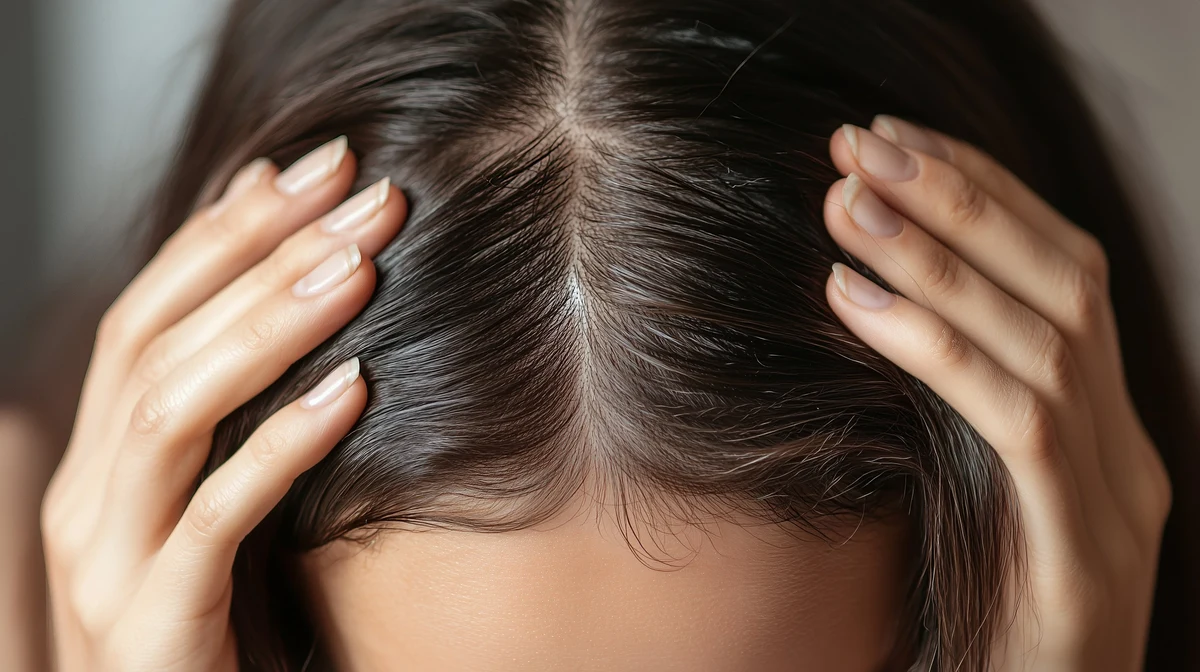
Scalp health comes first. A scalp that is clean, calm, and free of heavy buildup gives follicles a good base. Washing the right amount for your scalp type, massaging during shampoo, and treating dandruff or itch promptly all support growth. Our scalp care guide covers the routine in detail, including massage technique and when to see a dermatologist.
Gentle handling protects length. Detangle from the ends upward with a wide tooth comb, dry by squeezing with a microfiber towel instead of rubbing, and keep heat use low with a protectant every time. Tight ponytails and harsh brushing break strands at weak points. For washing habits that limit breakage, see our how to wash your hair properly guide.
Sleep and stress play a part too. Ongoing stress can push more follicles into the resting phase at once, which shows as increased shedding a few months later. Sleep on a satin pillowcase or with hair loosely braided to cut overnight friction. These small habits add up over months, which is the timescale growth works on.
What Should You Eat for Hair Growth?
Hair is mostly protein, so a diet with enough protein, iron, zinc, and vitamins supports growth, and a shortage of any of these can slow it. The body sends nutrients to vital organs first, so hair shows a shortage early. Fixing a real deficiency helps growth, but extra nutrients beyond what the body needs do not speed it further.
Protein comes from eggs, fish, chicken, beans, lentils, and dairy. Most people who eat a varied diet get enough, but very low calorie diets and crash diets often cut protein too far, and shedding follows a few months later. Iron comes from red meat, lentils, spinach, and fortified cereals, and low iron is one of the more common causes of shedding, especially in women.
Biotin gets the most attention, but the evidence is narrow. Biotin helps when someone is truly deficient, which is rare in people who eat normally. Taking large biotin doses without a deficiency has little proof behind it, and it can interfere with some blood test results. Talk to a doctor before starting a high dose supplement, and get iron and vitamin D levels checked if shedding is heavy.
Omega-3 fats from oily fish, flaxseed, and walnuts support scalp health, since the scalp is skin and needs the same fats that keep skin supple. Vitamin D and zinc also matter for follicle function. A balanced diet covers most of this without a shelf of supplements. If you suspect a deficiency, a blood test gives a clearer answer than guessing with pills.

Which Products Support Growth?
The products with the strongest evidence for growth are minoxidil, a topical treatment sold over the counter, and gentler options like rosemary oil and caffeine shampoos, which have modest support. Minoxidil is the only over-the-counter product approved for hair loss in many countries, and it works by extending the growth phase of follicles.
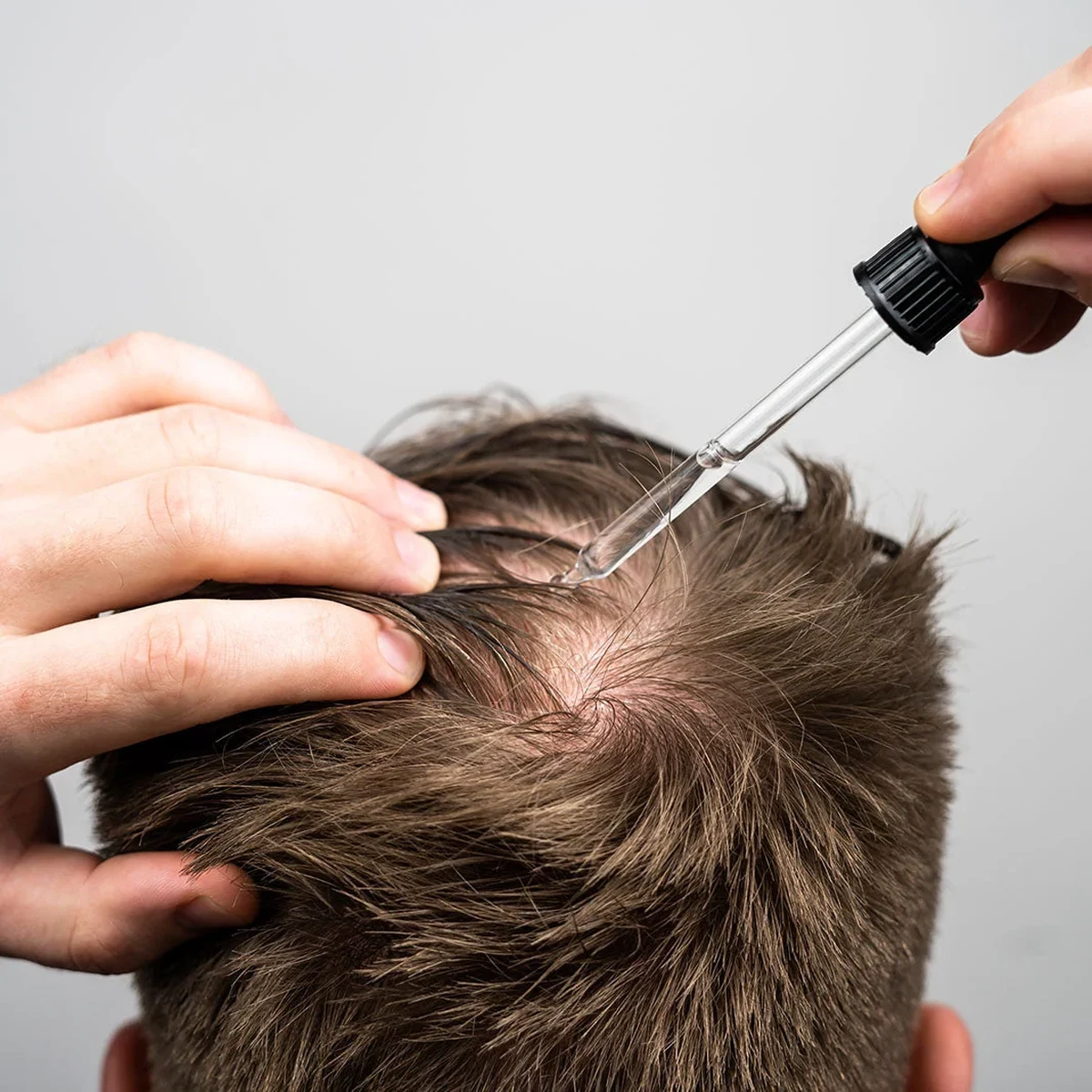
Minoxidil comes as a liquid or foam applied to the scalp once or twice a day. Results take three to six months, and shedding can increase in the first weeks as weak hairs make way for new growth. It must be used steadily, since stopping usually means the gains fade over months. Side effects include scalp itching and, rarely, unwanted facial hair growth from product spread.
Rosemary oil has one small trial behind it showing results close to minoxidil for mild thinning, though the evidence base is far smaller. Mix a few drops into a carrier oil like jojoba, massage it into the scalp, and leave it for 20 to 30 minutes before washing out. It suits people who want a low cost option, but it is not a replacement for medical treatment when hair loss is significant.
Caffeine shampoos and serums have weak evidence. Caffeine may stimulate follicles in lab studies, but shampoo sits on the scalp for only a minute or two, which limits what it can do. A leave-on caffeine serum has a better chance than a rinse-out shampoo, but neither matches minoxidil. Be wary of any product that promises fast regrowth, since no shampoo regrows hair on a bald patch.
For hair already damaged by heat or color, growth support starts with repair. Our hair damage repair guide covers trims, masks, and protein balance that keep length while new growth comes in.
What Growth Myths Should You Ignore?
The biggest growth myths are that trimming makes hair grow faster, that brushing 100 strokes a day helps, and that a single oil or shampoo can double growth speed. Trimming removes split ends and stops breakage from traveling up the strand, which preserves length, but it does not change how fast the follicle grows.
Brushing 100 strokes a day is an old myth that does more harm than good. Over-brushing breaks strands, especially on wet or tangled hair, and it strips natural oils unevenly. A few gentle strokes to detangle and style are enough. The same goes for vigorous scalp scratching, which irritates skin instead of helping follicles.
Shampoo and conditioner claims deserve doubt too. A shampoo cannot change follicle biology in a two minute wash, no matter what the label says. Products that stay on the scalp, like serums and minoxidil, have a better chance than rinse-out products. If a product promises inches in weeks, the promise is marketing, not evidence.
Another myth is that hair needs to “breathe” without products. Hair is dead tissue, so it does not breathe, but the scalp does need to stay clean. Heavy oils and waxes left on the scalp for days can clog follicles and worsen buildup. Wash when the scalp feels oily or itchy, and keep leave-on products light.
How Long Before You See Results?
Expect three to six months before a growth change is visible, since hair grows slowly and new strands take time to reach a length you notice. A routine change made today shows in the hair near the roots first, and that growth needs months to show as length. Anyone promising results in two weeks is selling hope, not hair care.
Track progress by photos, not by the mirror alone. Take a photo of your hairline and parting once a month in the same light, and compare over time. Shedding counts help too: fewer hairs on the pillow and in the shower drain after a few months suggest the routine is working. Daily checks mislead, since growth is too slow to see day to day.
When to get help matters. If shedding is sudden, heavy, or patchy, or if the hairline recedes quickly, see a dermatologist rather than trying products one by one. Sudden shedding can come from illness, medication, thyroid problems, or a scalp condition, and those need diagnosis. Early treatment gives the best chance of regrowth.
For tool settings that protect new growth from heat damage, see our hair tools guide, and for keeping color fresh while growing hair out, our hair color maintenance guide covers wash and product tips that limit damage.
Frequently Asked Questions
Does trimming hair make it grow faster?
No. Trimming removes split ends and stops them from traveling up the strand, which preserves the length you already have, but it does not change how fast follicles grow. Regular trims every eight to twelve weeks help hair look fuller and healthier, and they stop breakage from eating into new growth, which is why trimmed hair often seems to gain length faster.
Can biotin supplements help hair grow?
Biotin helps when someone is truly deficient, which is rare in people who eat a varied diet. Extra biotin beyond what the body needs has little evidence behind it for growth, and high doses can interfere with some blood test results. If shedding is heavy, get iron, vitamin D, and thyroid levels checked before buying supplements.
Is minoxidil safe to use long term?
Minoxidil is generally safe for long-term use when applied as directed, with scalp itching as the most common side effect. It must be used steadily, since stopping usually means the gains fade over months. If you are pregnant, nursing, or have heart problems, talk to a doctor first, and see a dermatologist if shedding is sudden or patchy.
Why is my hair not growing past a certain length?
Most often, breakage is eating the growth. If ends split and snap at the same rate new growth appears, length stays flat even though follicles work fine. Cut heat use, trim split ends, handle wet hair gently, and protect hair at night. If breakage is not the issue and shedding is heavy, a dermatologist can check for a medical cause.
Growth is slow work: keep the scalp healthy, eat enough protein and iron, handle hair gently, and give any routine three to six months before judging it. For the routine that supports all of this day to day, see our hair care routine by hair type guide, and for scalp care in detail, our scalp care guide.