

Fall dressing comes down to layers you can add or remove as the day warms and cools. Start with a base, add knitwear or a jacket, and finish with a coat for the season. This guide covers the pieces worth owning, the colors that suit the season, and how to stretch summer clothes into autumn without buying a new wardrobe.
How Does Fall Layering Work?
Fall layering works in three parts: a base next to the skin, a middle layer, and an outer layer for wind and rain. Each layer has a job, and you add or remove one as the temperature shifts. A morning that starts at 50 degrees and reaches 70 by afternoon needs layers you can peel off without ruining the outfit.
The base layer should be thin and close fitting. A long-sleeve tee, a fine knit top, or a button-up shirt all work. Cotton works for mild days, while merino wool handles colder mornings better because it holds warmth without bulk. Skip thick base layers in early fall. They trap heat by midday and leave you carrying a sweater you cannot wear.
The middle layer adds the warmth. A chunky knit sweater, a cardigan, or a quilted vest all sit well over a base. This is the layer people see most of the day, so pick one in a color that pairs with several bottoms. The outer layer goes on last and comes off first: a trench coat, a leather jacket, or a light wool coat. It should fit over the middle layer without pulling at the shoulders. If the coat only fits over a tee, it is too small for fall.
Which Fall Pieces Are Worth Owning?
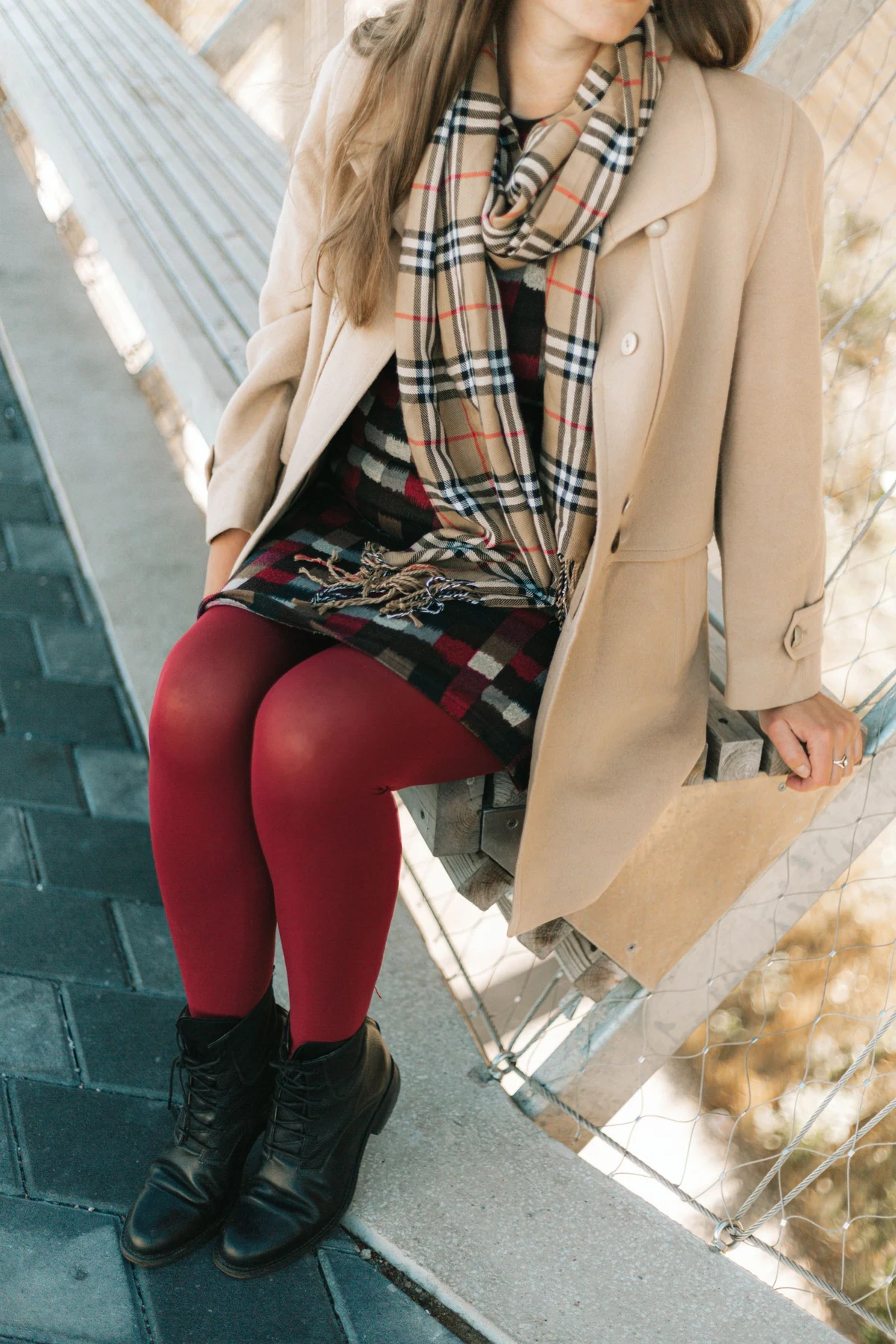
Four pieces carry most fall outfits: a trench coat, ankle boots, knitwear in two or three colors, and a scarf that works with your coat. Buy these first, and the rest of the closet fills in around them. Each one pairs with jeans, trousers, skirts, and dresses, so a small set of pieces makes a large set of outfits.
A trench coat is the hardest working fall outer layer. It handles rain, it layers over sweaters, and it suits both casual and smart outfits. Beige is the classic choice because it pairs with black, navy, olive, and burgundy. Check the length before you buy: a coat that ends just above the knee suits most heights and works with trousers and skirts alike.
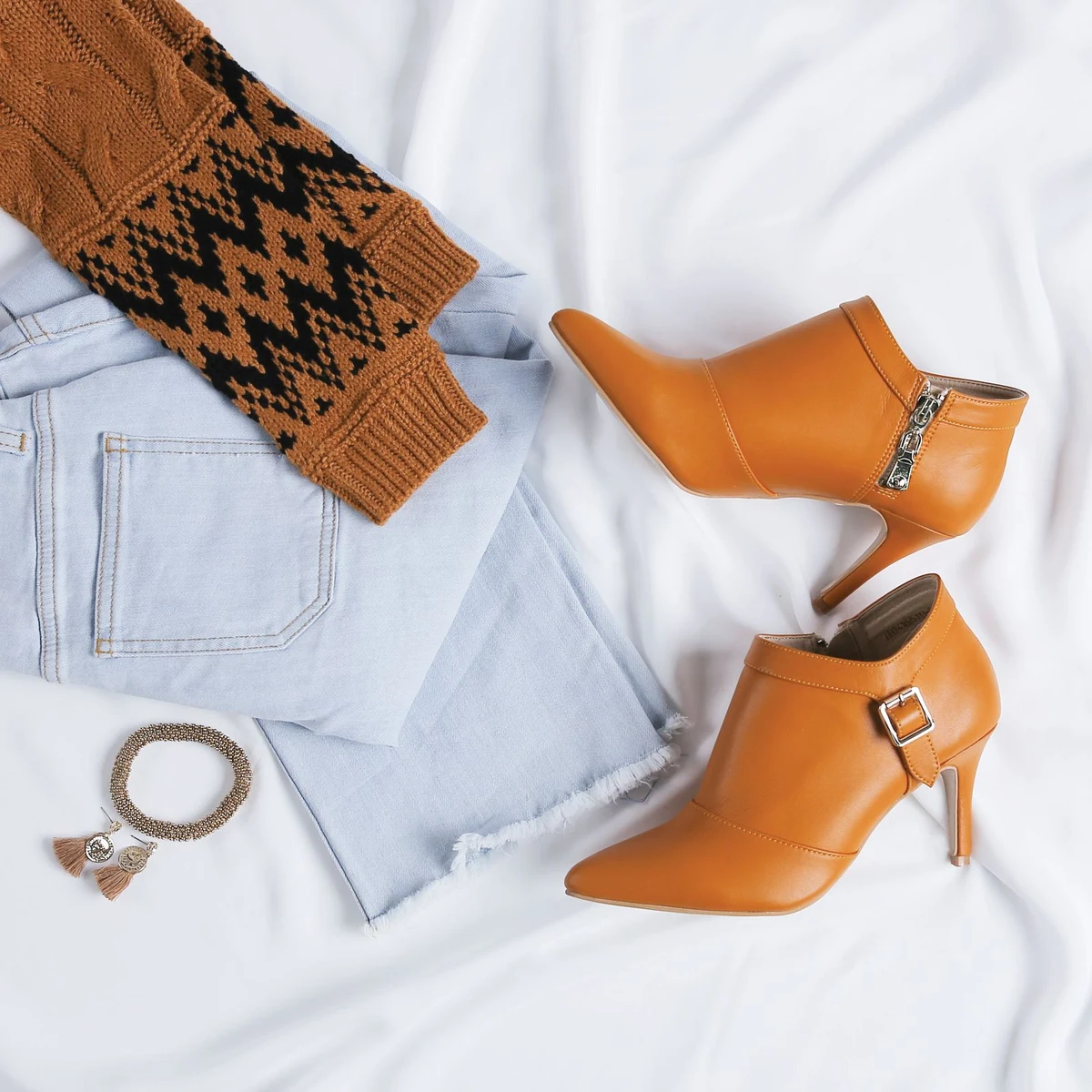
Ankle boots are the fall shoe to own first. Leather ankle boots with a low block heel work for walking, standing, and long days. Black suits a darker wardrobe, brown suits earth tones. Suede looks good in dry weather but stains fast in rain, so leather is the safer first pair. Knitwear fills the middle: one crew-neck sweater in a neutral, one cardigan for layering, and one chunky knit for cold days. A scarf in a pattern that pulls two or three of your colors together ties the whole outfit up.
What Colors Suit Fall Best?
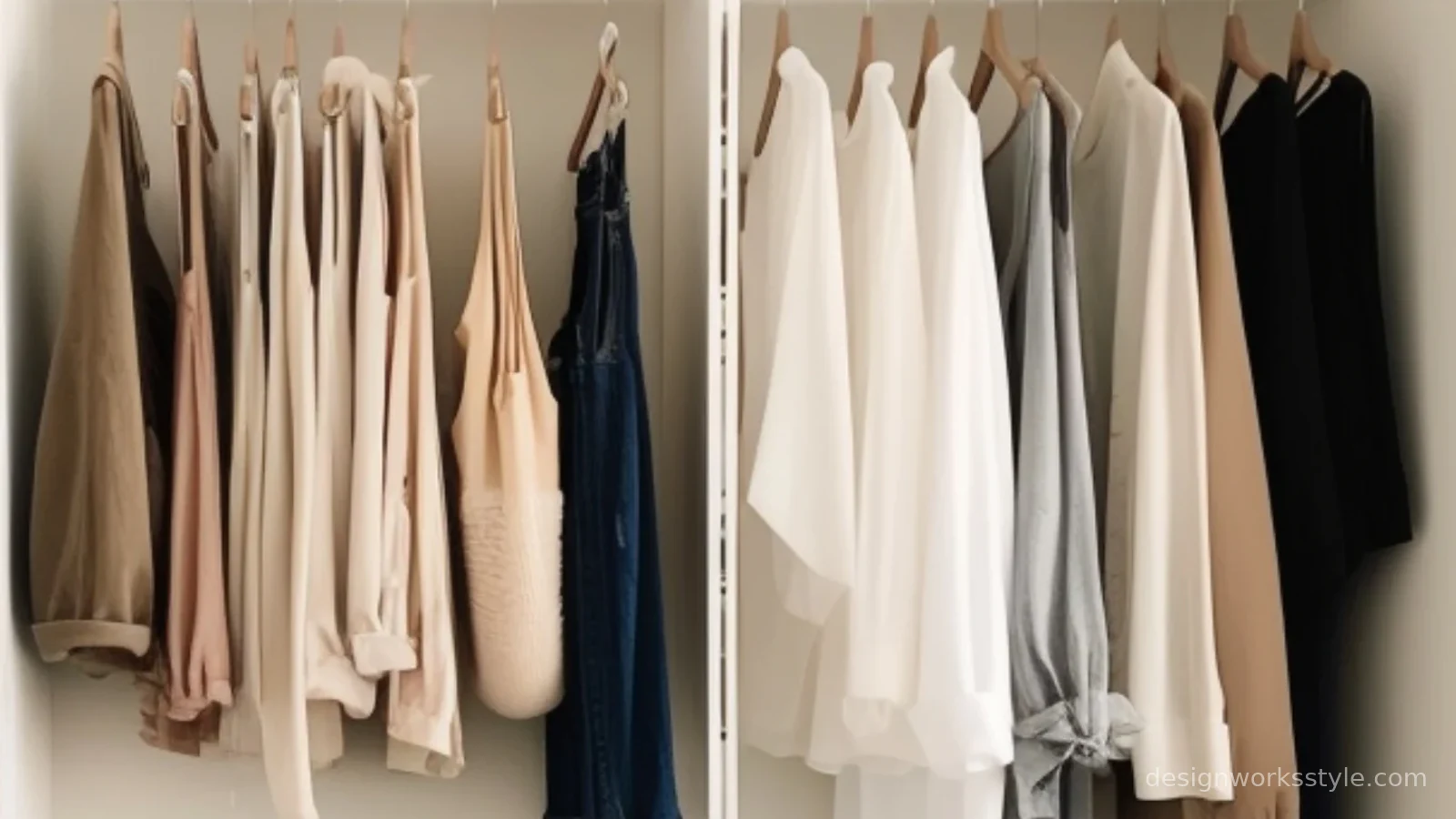
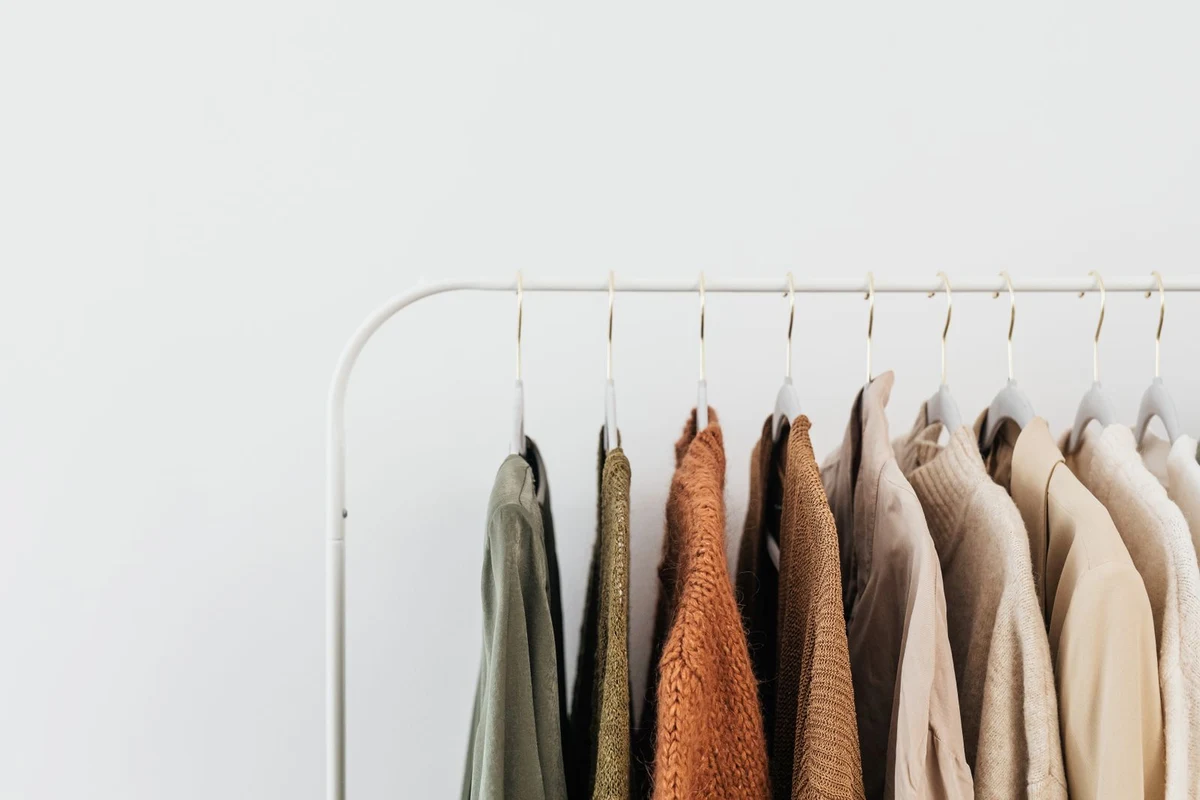
Fall colors come from the season itself: burnt orange, olive, burgundy, camel, chocolate brown, and deep navy. These earth tones pair with each other easily, which is why a fall wardrobe built on them mixes well. Start with two or three neutrals as the base, then add one or two of the richer colors as accents.
Camel and navy make a strong base pair. Camel warms up dark bottoms, navy cools down bright accents, and together they suit most skin tones. Olive works as a neutral too, especially with black and brown. Burgundy is the easiest rich accent: it pairs with navy, gray, camel, and black without clashing. Burnt orange is bolder, so wear it as one piece, a sweater or a scarf, against a neutral outfit.
For the full system behind pairing these colors, see our color matching outfits guide, which covers neutrals, accent ratios, and skin tone. Nail color follows the same palette in fall: deep reds and browns sit well beside camel coats and burgundy knits, and our fall nail ideas gallery and brown nail ideas gallery show shades that match the season.
How Do You Stretch Summer Clothes Into Fall?
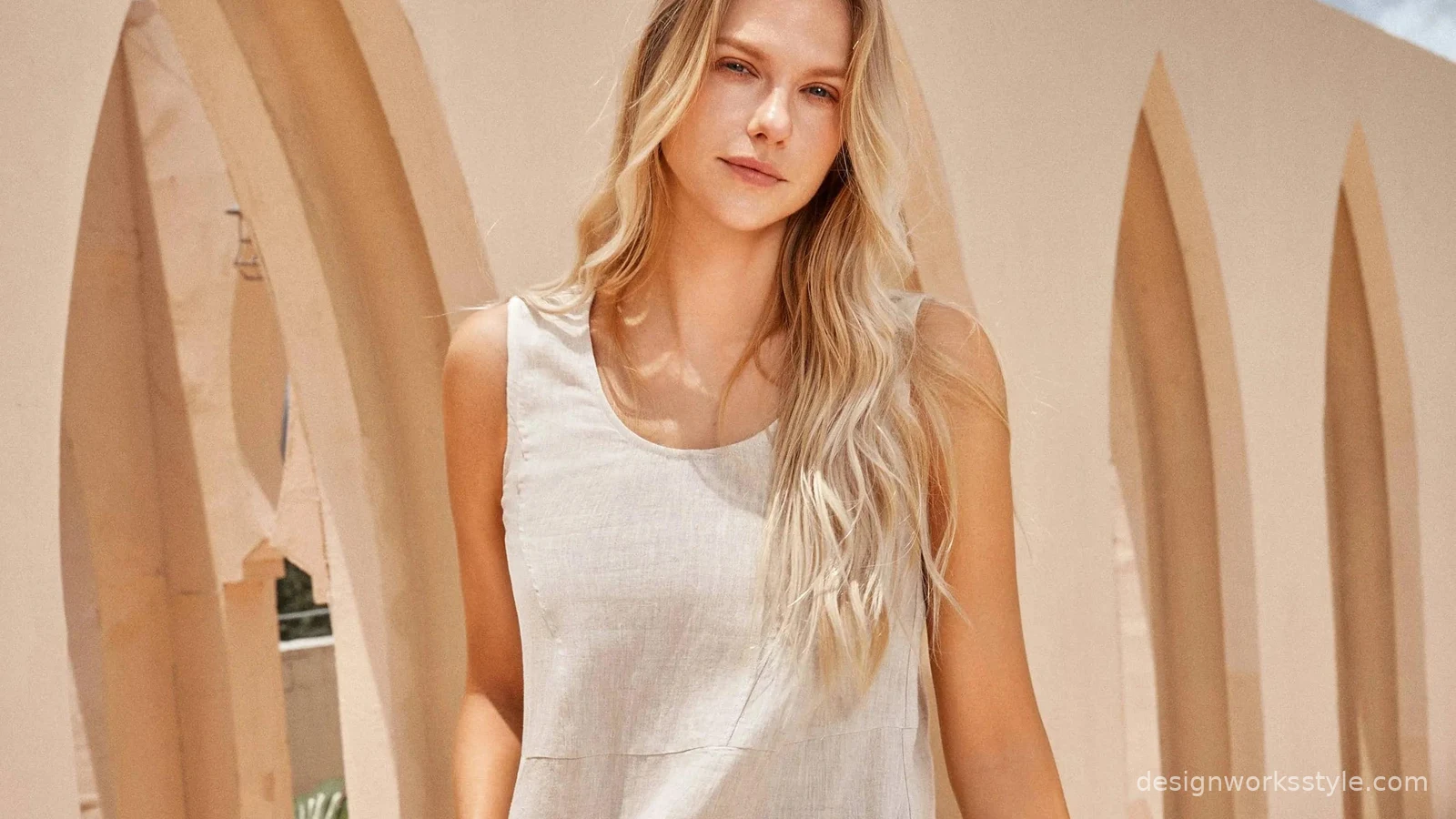
Stretch summer clothes into fall by layering over them and swapping the shoes and accessories. A summer dress works in October with tights, ankle boots, and a cardigan. Linen trousers work with a knit sweater tucked in and a trench coat on top. The trick is to keep one light summer piece and make everything around it autumnal.
Short sleeves layer well under cardigans and blazers, and a sleeveless dress works over a long-sleeve tee. White sneakers give way to ankle boots, and straw bags give way to leather. Keep the summer pieces that are made of sturdy fabric: cotton dresses, denim, and linen trousers all layer fine. Sheer fabrics and very light prints look out of place once the leaves turn, so store those until spring.
Denim is the easiest bridge between seasons. Jeans need no change at all, and a denim jacket layers under a trench coat on cold mornings. A chambray shirt works as a light jacket over a tee in early fall. When the temperature drops further, the same jeans pair with boots, knitwear, and a wool coat, and the summer pieces go into storage.
Which Fall Accessories Are Worth the Money?
Fall accessories worth buying are a leather bag, a wool scarf, and one hat that suits your coat. These three get daily use for months, so quality matters more here than on trend-led pieces. A bag that holds up through rain, a scarf that keeps its shape, and a hat that fits well all earn their cost over one season.
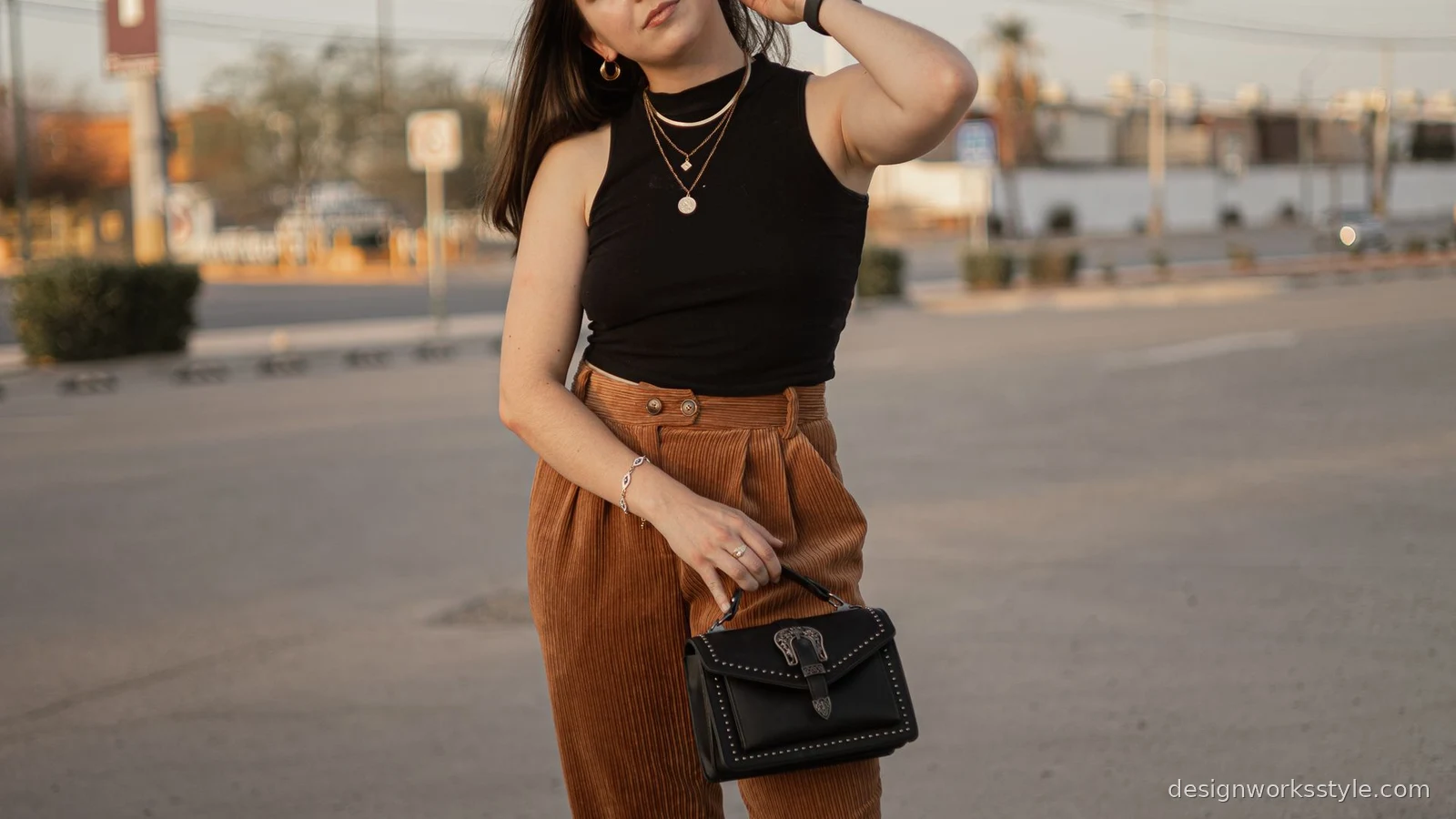
Pick the bag first. A structured tote or crossbody in black, brown, or tan pairs with every fall coat. Leather lasts longer than coated canvas in wet weather, and a darker color hides scuffs. The scarf should be large enough to wrap twice around the neck and long enough to drape over a coat. Wool and cashmere blends hold warmth best, and a pattern that includes two of your wardrobe colors makes the scarf pair with more outfits.
Hats depend on your routine. A wool fedora suits smart outfits and dry days. A beanie suits cold mornings and casual clothes. Skip hats that fight your hairstyle: a tight beanie flattens most cuts, so if you wear your hair down, a looser knit hat works better. For hair colors that suit the season, see our ash brown hair and caramel hair color guides, since both shades sit well beside camel and burgundy.
How Do You Update Fall Style on a Budget?
Update fall style on a budget by buying one good outer layer and filling the gaps with knitwear and accessories. The coat is the piece people see most, so spend there and save on the layers underneath. A trench coat or wool coat in a neutral color, bought once, carries three or four autumns if the fit is right.
Thrift shops and end-of-season sales suit fall pieces well, since coats, boots, and knitwear are classic shapes that change little year to year. Check secondhand shops first for leather boots and wool coats: both age well when the leather and seams are sound. For new pieces, buy knitwear in neutral colors, since a beige or gray sweater pairs with more outfits than a patterned one.
The cheapest update is often no purchase at all. A capsule approach keeps the closet small and each piece working hard, and our capsule wardrobe guide shows how to build one. Audit the closet before shopping, list the gaps, and buy only those. One coat, one pair of boots, and two sweaters can refresh a whole wardrobe when the pieces already in the closet fit well. For fits that suit your shape, see our dress for your body type guide before you buy.
Frequently Asked Questions
When should I start wearing fall clothes?
Start when daytime highs drop below 70 degrees and mornings feel cool, which in most places means late September or early October. Begin with light layers, a cardigan over a tee and ankle boots instead of sandals, and add heavier coats as the temperature falls. There is no fixed date: watch the morning temperature, not the calendar.
How many layers do I need for fall?
Three layers cover most fall days: a base, a middle layer, and an outer layer. On mild days, two layers are enough, a top and a jacket. On cold fall days, add a fourth thin layer, like a thermal top under the base, instead of one very thick sweater. Thin layers trap warm air between them and let you adjust through the day.
Can I wear white after Labor Day?
Yes. The old rule against white after Labor Day no longer holds, and white sneakers, cream knitwear, and ivory coats all work in fall. Pair white with fall colors like camel, olive, and burgundy so the outfit reads autumnal instead of summery. Heavy white fabrics like cream wool look seasonal, while thin white linen still reads as summer.
What boots should I buy first for fall?
Buy leather ankle boots with a low block heel first. They handle rain better than suede, they walk well on city streets, and they pair with jeans, trousers, skirts, and dresses. Black suits a dark wardrobe, brown suits earth tones. Once you own ankle boots, knee-high boots are the next pair for skirts and dresses on cold days.
Start with the layers, buy the coat and boots first, and let the colors follow the season. A small set of pieces that fit well and pair with each other beats a closet full of fall clothes that only work in one outfit.