


Stay warm in winter by layering thin pieces instead of wearing one thick sweater, and pick a coat that fits over those layers. Wool, down, and waterproof boots do most of the work, while scarves, gloves, and hats close the gaps where heat escapes. This guide covers coats, boots, fabrics, and outfits for cold days and holiday nights.
How Do You Layer for Winter Without Looking Bulky?
Layer for winter without bulk by using three thin layers: a thermal or merino base, a mid-layer like a sweater or fleece, and a coat on top. Thin layers trap warm air between them, so three light pieces keep you warmer than one heavy sweater. The outfit also stays neat, since each layer sits flat under the next.
The base layer matters most. Merino wool and synthetic thermals wick moisture and hold warmth without adding size. Cotton makes a poor winter base because it holds sweat and cools against the skin. The mid-layer adds insulation: a fine knit sweater, a fleece, or a quilted vest. Pick a mid-layer that fits close to the body, since a loose one bunches under a coat.
The coat goes on last and should fit over both layers without straining at the buttons. Try the coat on while wearing a sweater, not a tee alone, before you buy. If the shoulders pull or the front gaps, size up. A coat that fits over layers looks better and keeps you warmer than a tight coat that compresses the insulation underneath it.
Which Winter Coat Should You Buy?
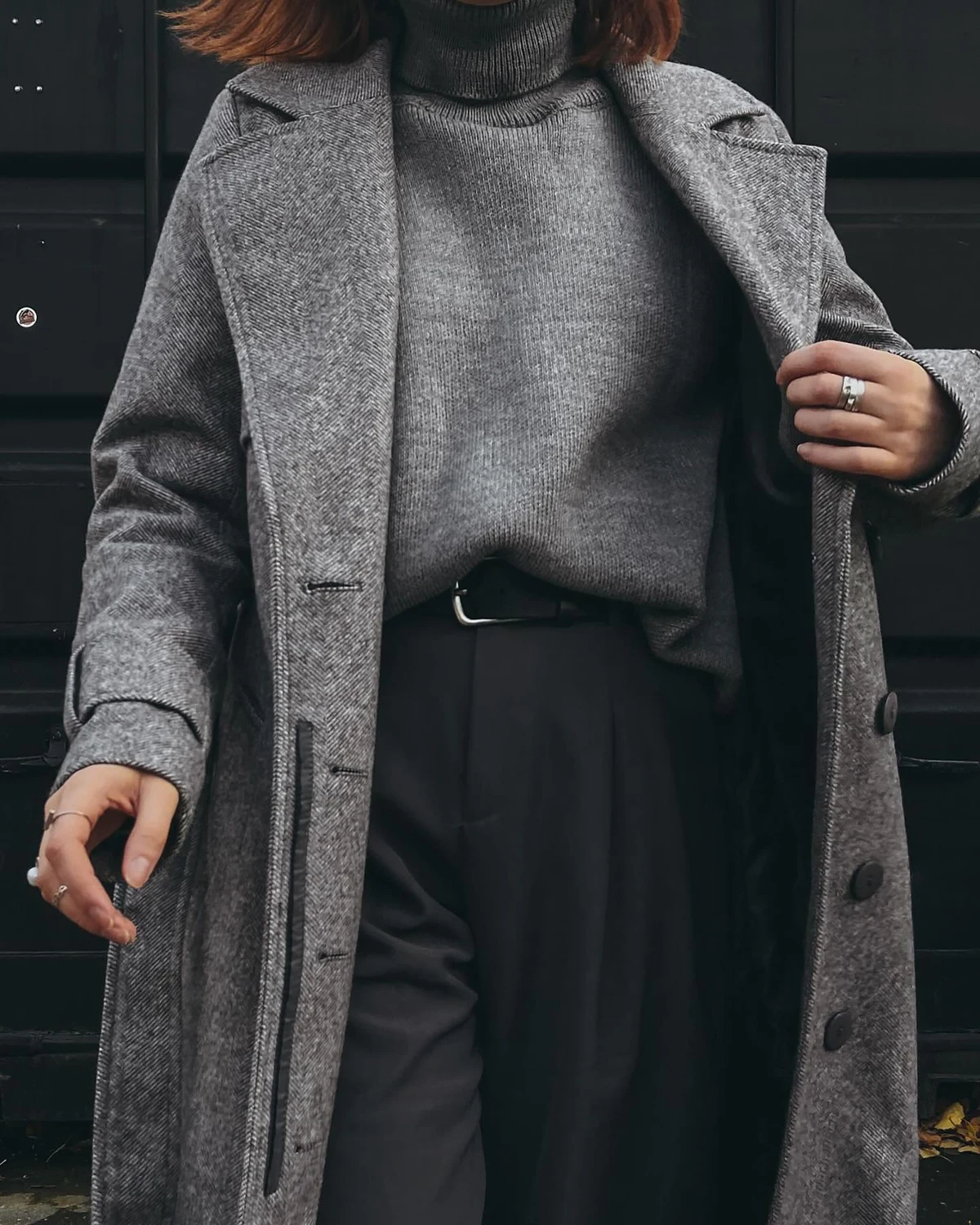
Buy the coat that matches your winter: a wool coat for cold, dry days, a puffer or parka for wet snow and deep cold, and a waterproof shell for rainy winters. Most people need one main coat, not three, so pick the one that fits the weather you face most days. Fit and length matter as much as the material.
Wool coats suit city winters and smart outfits. A wool blend with at least 50 percent wool holds warmth well, and a knee-length cut covers a dress or skirt. Check the seams and the lining: a lined coat lasts longer and slips over sweaters easily. Puffer coats suit deep cold and outdoor time. Down fill is warmest for its weight, while synthetic fill handles wet weather better, since down loses warmth when soaked.
Parkas add a hood and a longer cut, which protect the thighs and neck on windy days. A parka with a fur-trimmed or insulated hood keeps the face warmer without a separate hat. For rainy winters, a waterproof parka with sealed seams beats a wool coat that soaks through. Whichever coat you pick, make sure the pockets are deep enough for gloves and a phone, since cold hands make small pockets useless.
What Boots Actually Work in Winter?
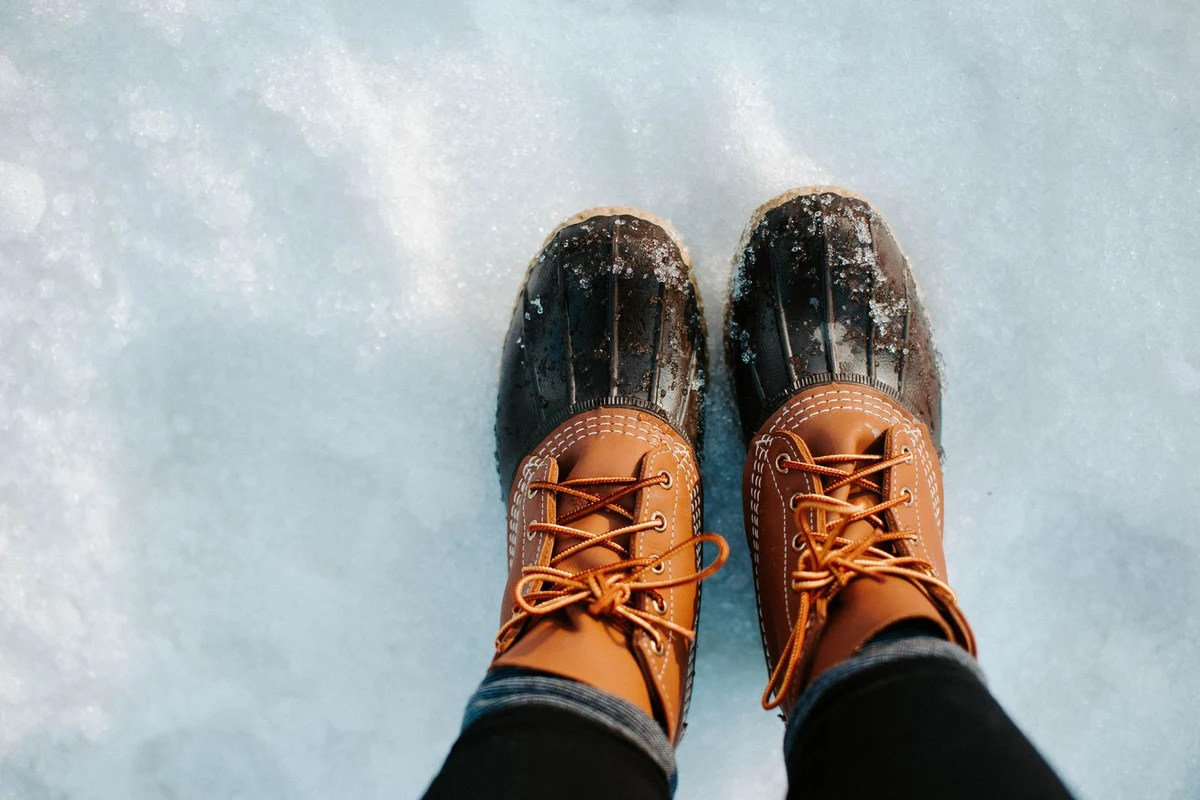
Winter boots that work are waterproof or water resistant, insulated, and gripped on the sole. Fashion boots without grip slide on ice, and suede boots without treatment stain in slush. Buy boots for the worst day you walk in, not the average one, and the rest of winter takes care of itself.
Ankle boots with a rubber sole and a low heel handle most winter days in the city. Look for a treated leather or waterproof finish, and add a waterproofing spray before the first wear. Knee-high boots suit skirts and dresses, and they add warmth over the calf. For snow and ice, a dedicated snow boot with a lugged sole and insulation is the safer choice, even if it looks less polished.
Socks matter as much as the boot. Wool socks hold warmth even when damp, while cotton socks cool fast once wet. A thin wool sock under a boot fits better than a thick one that squeezes the foot. Keep a second pair of shoes at work if you walk far in snow boots: change out of them indoors, and the snow boots last longer.
Which Fabrics Keep You Warm?
Wool, down, cashmere, and fleece keep you warmest in winter, while cotton and linen do not. Wool holds warmth even when damp, down traps heat in tiny air pockets, and fleece insulates without weight. Knowing which fabric does what helps you pick layers that work instead of layers that just look warm.
Merino wool is the best base-layer fabric: thin, soft, and warm for its weight. Cashmere is warmer than sheep wool but costs more and needs gentler care, so save it for sweaters and scarves. Merino suits daily base layers better. Down is the warmest insulation for coats, measured by fill power: higher fill power means more warmth per ounce. Synthetic insulation suits wet climates, since it keeps working when damp.
Fleece works as a mid-layer because it is light, dries fast, and insulates well. It looks casual, so wear it under a coat for smart outfits. Corduroy and heavy denim suit winter trousers, since both fabrics block wind better than light cotton. Avoid linen and thin cotton in deep winter: both let cold air through and hold no warmth once damp.
What Do You Wear to a Holiday Party When It Is Cold?
Wear a dress or smart outfit with a coat you like, warm tights or lined trousers, and shoes you can walk in. The outfit has to work from the door to the table, through cold walks and crowded rooms. A coat that suits the dress matters, and a clutch that holds gloves saves a second bag.
Velvet, heavy satin, and knit dresses all suit winter parties and hold warmth better than thin fabrics. A long-sleeve dress in a dark color with simple jewelry reads festive without needing a bare shoulder. If you wear a sleeveless dress, add a wrap or a fitted blazer for the walk in. Tights in a thick denier, or fleece-lined tights, keep legs warm under a dress without changing the look.
Shoes need grip on winter nights, since party venues have wet steps and icy pavements. A block heel grips better than a stiletto, and a closed toe keeps feet warm. Keep the coat simple: a wool coat in black or navy pairs with most party outfits, and a scarf in a festive color adds the holiday note. For nail colors that suit winter parties, see our winter nail ideas gallery and Christmas nail ideas gallery.

What Colors Work in Winter?
Winter colors run deep and dark: navy, charcoal, black, burgundy, forest green, and plum, with cream and camel as lighter accents. Dark colors absorb light and hide winter wear, which is why they dominate cold-weather wardrobes. One lighter piece, a cream scarf or a camel coat, keeps a dark outfit from looking flat.
Black and navy form the winter base, and they pair with almost every accent. Burgundy and plum add richness without clashing, and forest green suits both warm and cool skin tones. Cream works as a winter neutral when the fabric is heavy: cream wool and knitwear look seasonal, while white cotton still reads as summer. For the color system behind these pairings, see our color matching outfits guide.
Metallic accents suit winter evenings: silver jewelry with cool colors, gold with warm ones. A metallic scarf or clutch lifts a dark outfit for a party without a new dress. Hair color shifts the picture too, since a warm hair shade pairs with warm winter colors and a cool shade pairs with cool ones: see our hair colors that make you look younger guide. For the autumn pieces that carry into winter, see our fall fashion essentials guide, and for building a small winter wardrobe, our capsule wardrobe guide.
Frequently Asked Questions
How many coats do I need for winter?
One good coat covers most winters, if it matches your climate. A wool coat suits cold, dry cities, a parka suits snow and wind, and a waterproof coat suits rainy winters. A second coat helps if your winter mixes deep cold and rain, or if you need one smart coat and one casual coat. Buy the main coat first and add a second only when the first clearly falls short.
Are puffer coats actually warm enough for deep cold?
Yes, when the fill is thick and the coat fits well. Down puffers with high fill power handle temperatures well below freezing, and synthetic puffers handle wet cold better. The weak points are the gaps: a coat without a hood, a front that does not close fully, or sleeves that ride up all let cold in. Check the closure and the hood before judging the fill.
Can I wear dresses in winter?
Yes. Pick a dress in a heavy fabric like knit, velvet, or heavy satin, add fleece-lined tights, and wear boots or closed-toe shoes. A coat that covers the dress length keeps the whole outfit warm outdoors. Midi and maxi dresses work best in winter, since they cover more leg, and a long coat over a midi dress is one of the warmest smart outfits there is.
How do I keep my feet warm in winter?
Wear wool socks, waterproof boots with grip, and boots that fit with the socks on. Cotton socks cool fast once damp, so swap them for wool. If your feet still get cold, add a thin insole for insulation, and make sure the boots are not so tight that they cut off circulation. Tight boots feel colder than loose ones, since squeezed feet lose warmth faster.
Buy the coat for your climate, layer thin instead of thick, and let dark colors carry the season. Winter dressing gets simple once the coat, boots, and base layers are right.