


How to Get Volume in Flat Hair
Volume in flat hair comes from lift at the roots, set while the hair is damp, with light products and a drying method that holds the shape: wash with a light shampoo, apply mousse to damp roots, blow dry with a round brush lifting at the crown, and finish with a cool shot.
Why Does Hair Go Flat?
Hair goes flat when the roots dry flat against the scalp, when product weighs the strands down, or when the cut itself has too much weight at the top. Fine hair goes flat easiest, since each strand is light, but thick hair can go flat too when it is long, oily, or cut without layers.
Oil is a common cause. The scalp makes oil every day, and that oil travels down the shaft and glues strands together at the root. By the second day after washing, most hair has lost its root lift to oil alone. Hair that is washed with a heavy, moisturizing shampoo can go flat even on wash day, since the shampoo leaves a coating on the strands.
Product buildup also flattens hair over time. Heavy conditioners, oils, and styling creams coat the shaft and add weight, and that weight pulls the roots down. Silicones in some products build up wash after wash, and the hair gets flatter even though the routine has not changed. A clarifying wash once a month can show whether buildup is the problem.
Heat damage and breakage flatten hair in a slower way. Damaged lengths lose their spring and hang straight, and broken strands at the crown leave gaps where lift should be. If hair used to hold volume and no longer does, damage or a change in the cut is worth checking before buying new products.
How Should You Wash Flat Hair?
Wash flat hair with a light, volumizing shampoo, apply conditioner only from the mid lengths to the ends, and rinse well with lukewarm water. The shampoo should clean the scalp without leaving a coating, and the conditioner should never sit on the roots. This one change alone gives many people more lift than any styling product.
Wash every other day or every two days for most flat hair. Daily washing can dry the scalp and trigger more oil, while waiting three or four days lets oil weigh the roots flat. The right gap depends on your scalp, so watch how the hair looks on day two: if the roots are flat and oily, wash sooner; if they still hold lift, you can stretch it.
Rinse with cool water at the end if you can. Cool water helps the cuticle lie smooth, which means less frizz and a cleaner root lift. It will not create volume on its own, but it keeps the hair from looking rough after drying, and smooth hair reflects light better, which makes it look fuller.
Skip the heavy masks and deep conditioners at the roots. Use them on the ends only, and only once a week or less. A how to wash your hair properly routine, with shampoo on the scalp and conditioner on the lengths, keeps flat hair clean without the weight that flattens it.
What Products Add Volume Without Weight?
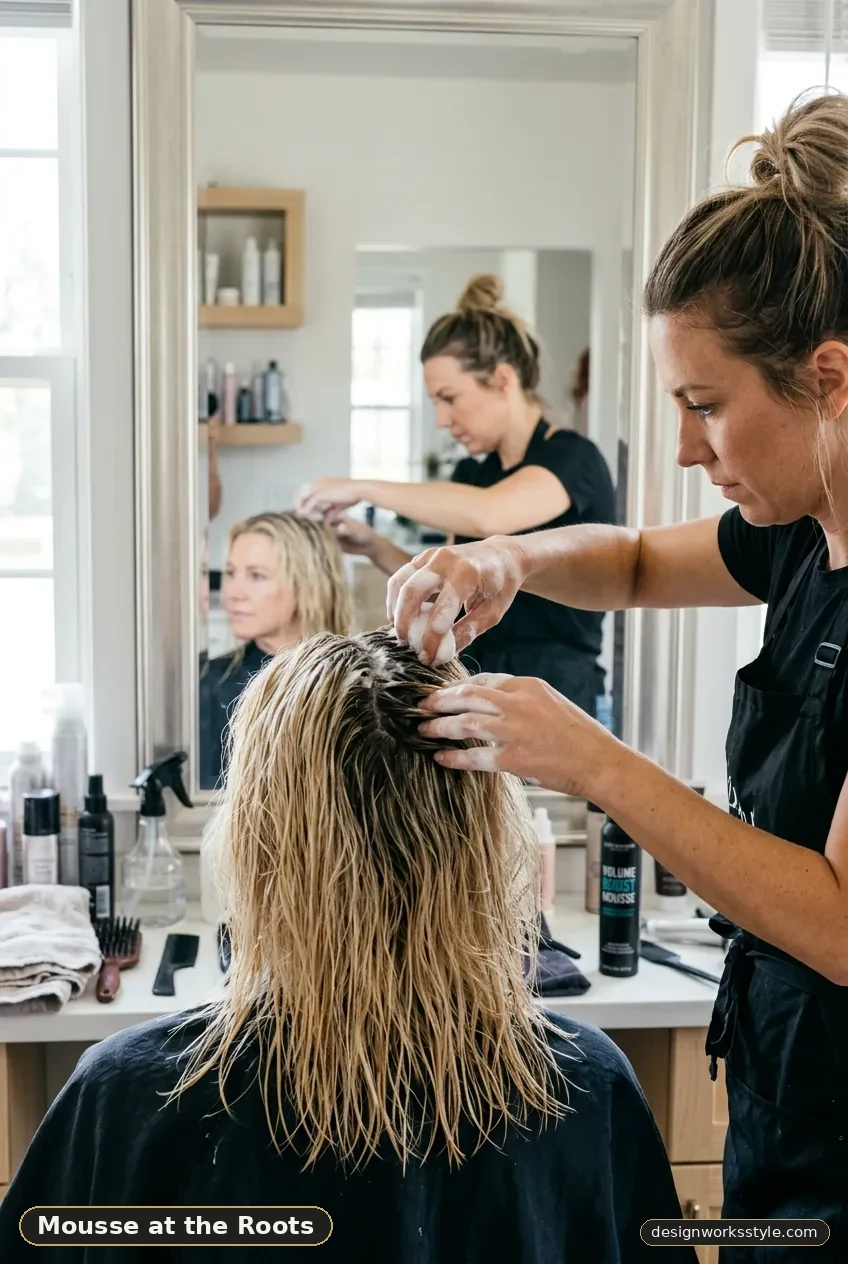
Volumizing mousse adds the most volume for the least weight, followed by a light root lift spray applied only at the crown. Mousse coats each strand lightly and gives it grip, so the hair holds a lifted shape as it dries. Root spray targets the crown directly, where lift matters most, without coating the lengths.
Apply mousse to damp hair, not dry hair. Work a golf ball sized amount through the roots and mid lengths, and comb it through so it spreads evenly. Applying mousse to dry hair leaves it stiff and flaky, and applying too much leaves the hair crunchy. Less product, spread well, beats a large amount dumped in one spot.
Avoid heavy oils, thick creams, and large amounts of serum on flat hair. Those products are made for dry or coarse hair that needs weight and smoothing, and on flat hair they do the opposite of what you want. If the ends need smoothing, use a pea sized amount of oil on the last two inches only, and keep it away from the roots.
Dry shampoo can add lift on the second day, but use it at the roots only and in small amounts. Spray from eight to ten inches away, wait a minute for it to absorb oil, then massage the roots gently with your fingers. A hair products explained in plain terms helps sort which products lift flat hair and which ones quietly weigh it down.
How Do You Blow Dry for Volume?
Blow dry for volume by drying the roots first, lifting each section up and away from the scalp with a round brush, and letting each section cool before you drop it. Volume is set while the hair is damp and cooling, so the drying order and the cooling step matter more than the heat setting itself.
Start with the hair about 70 percent dry, using your fingers to lift the roots as you dry roughly. Then switch to a medium round brush for the crown and front sections, which are the ones people see. Roll the brush at the root, lift up, hold for a few seconds, then pull through the section. Work in small sections, since large sections dry flat in the middle.
Use medium heat, not high heat, and hold the dryer at least six inches from the hair. High heat dries the surface fast but leaves the inside damp, and the section falls flat as the inside dries later. Medium heat dries the section through, and a cool shot at the end locks the lift in place.
Flip your head forward for the first minute of drying if your hair is short to medium length. Drying upside down lifts the roots away from the scalp in every direction, and flipping back up leaves natural lift at the crown. For long hair, lifting sections with a brush works better than flipping, since long hair tangles easily upside down.

What Tools Help Flat Hair?
A medium round brush, a vented brush for rough drying, and a diffuser for wavy hair are the tools that help flat hair most. The round brush builds lift section by section, the vented brush lets air through so rough drying goes faster, and the diffuser keeps wavy hair from going flat while it dries.
Pick a round brush size that fits your hair length. A medium brush, about one and a half to two inches wide, suits shoulder length hair. A large brush suits long hair but gives less lift, since it wraps more hair at once. A small brush gives tight curls, not volume, so it is the wrong choice for lift.
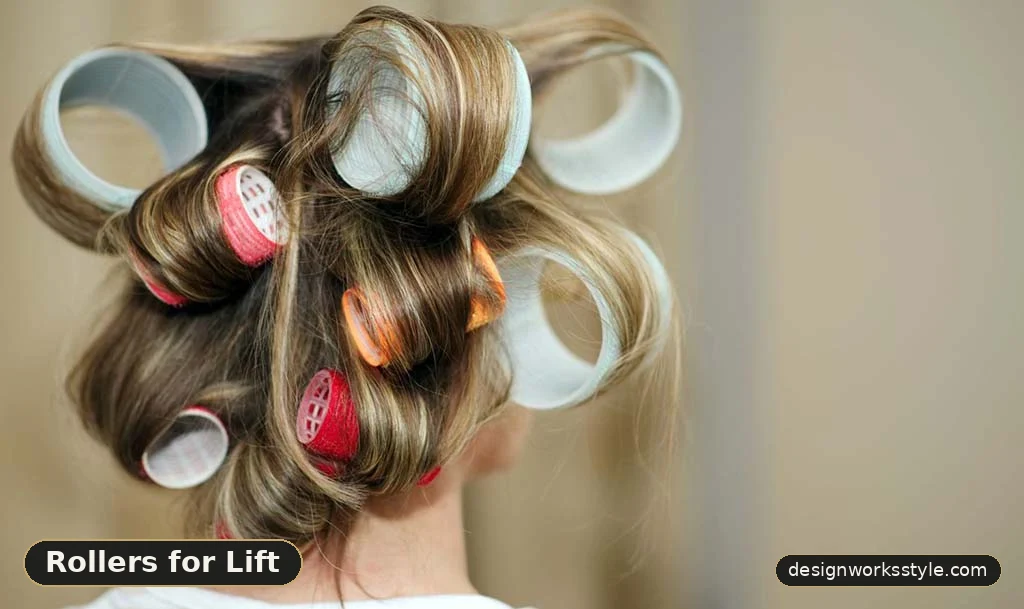
Velcro rollers or hot rollers at the crown add volume with little effort. Roll two or three sections at the crown while the hair is warm from the dryer, clip them in place, and leave them while you finish getting ready. Take them out last, after the hair has cooled, and the crown will hold its lift for hours. The right hair tools make this easier, and a round brush alone covers most volume needs.
Skip the flat iron for volume styling. A flat iron presses the roots flat by design, and even a quick pass at the crown removes the lift you just built. If you need to smooth the lengths, run the iron from the mid lengths down only, and keep it away from the first two inches at the root.
How Do You Keep Volume All Day?
Keep volume all day by setting it while the hair cools, touching it as little as possible, and refreshing the roots in the afternoon instead of restyling the whole head. Every time you run your fingers through the roots, you press them flat and move oil from your hands onto the hair, so hands off is a real volume habit.
Part your hair where it lifts best. A deep side part gives instant lift at the crown, and switching the part every few days stops the roots from settling flat in one direction. If your hair always parts in the middle, try moving it an inch to one side and see how much lift appears at the top.
Use a light hairspray at the roots only, sprayed from a distance, after the hair has cooled. Spraying the whole head stiffens the lengths and weighs them down, while a light mist at the crown holds the lift without stiffness. Hold the can eight to ten inches away and spray in short bursts, not one long blast.
Watch for breakage at the crown, since broken strands leave gaps that no product can fill. Tight ponytails, rough brushing, and daily high heat thin the crown over time, and how to prevent hair breakage with gentler handling and regular trims keeps the volume you build from thinning out at the source.
Frequently Asked Questions
Why does my hair lose volume by lunchtime?
Hair loses volume by midday when the roots were never set while cooling, when oil builds up at the scalp, or when the hair is touched often. Dry the roots with lift, let each section cool before dropping it, and keep your hands off the crown. A light dry shampoo at the roots in the afternoon can also lift flat sections back up.
Does backcombing damage hair?
Backcombing can damage hair when done hard or every day, since it tangles the cuticle and snaps fine strands. If you backcomb, do it gently at the crown only, use a fine tooth comb, and brush it out gently at night with conditioner on the section first. For daily volume, root lifting while drying is safer than backcombing.
Can flat hair get volume without heat?
Yes, with limits. Braids left in overnight, foam rollers on damp hair, and clipping the roots up while air drying all add lift without heat. The lift is softer than a blow dry, and it lasts less long on fine hair, but it works well for a casual day and avoids the damage of daily hot tools.
Should I wash flat hair every day?
Most flat hair does best washed every other day, not every day. Daily washing can dry the scalp and trigger more oil, while waiting too long lets oil flatten the roots. Watch day two: if the roots are oily and flat, wash sooner; if they still hold lift, you can wait another day.