
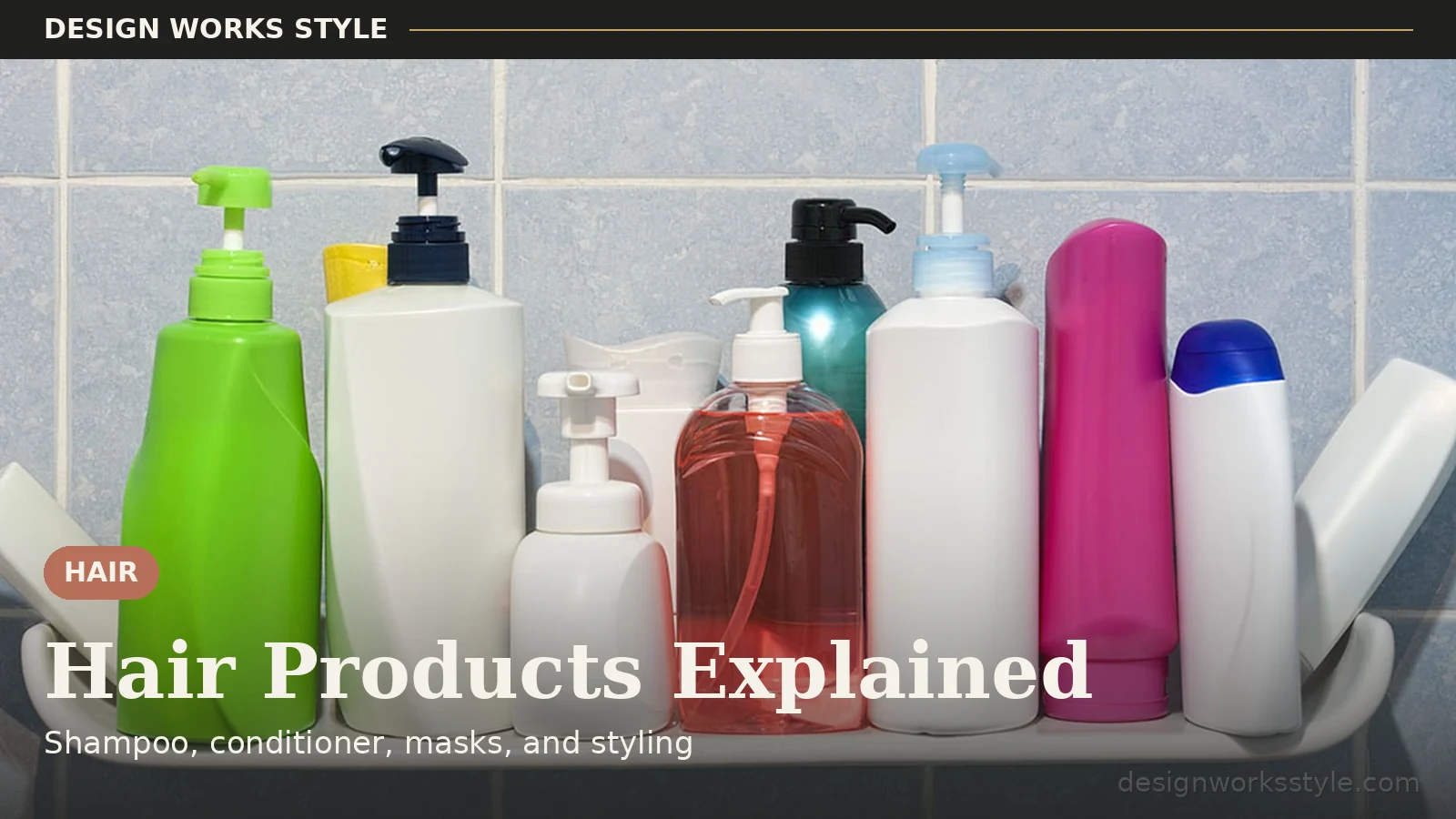
Hair products fall into a few groups: shampoo cleans, conditioner softens, masks treat, serums and oils seal and add shine, and styling products shape and hold. Knowing what each group does makes shopping simpler and stops you buying three products that do the same job. This guide explains each type, how to read labels, and how to build a routine.
What Do Different Shampoos Actually Do?
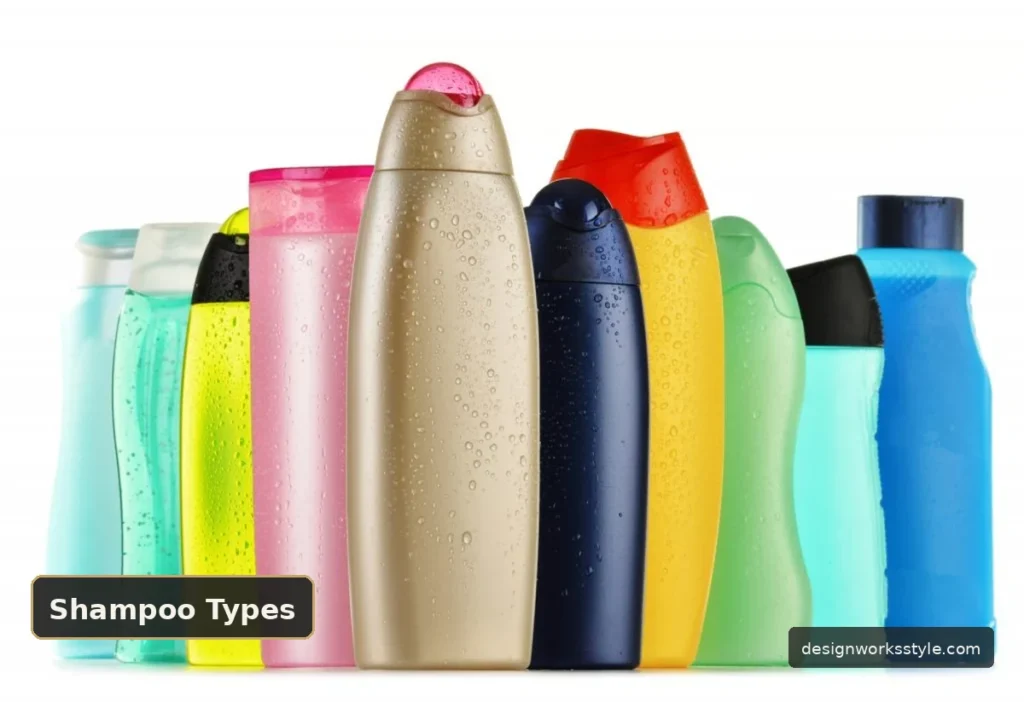
Different shampoos clean in different ways: clarifying shampoo strips buildup, volumizing shampoo cleans lightly to keep roots lifted, color-safe shampoo uses gentle cleansers that leave dye in place, and moisturizing shampoo adds softness for dry hair. The right shampoo matches your scalp and hair needs, not the prettiest bottle.
Clarifying shampoo removes product buildup, hard water minerals, and excess oil that regular shampoo leaves behind. Use it once a month, and follow it with conditioner right away, since it strips moisture too. Using it every wash dries hair out and fades color fast.
Volumizing shampoo suits fine hair, since it cleans without heavy conditioning agents that flatten roots. Moisturizing shampoo suits dry, thick, or curly hair, since it cleans while adding softness. Color-safe shampoo uses sulfate-free cleansers that leave dye in place longer. For color-treated hair, hair color maintenance and the best shampoo for balayage hair both compare options by hair type, so pick by tone and texture, not by the bottle.
Dry shampoo is a separate category. It absorbs oil at the roots between washes and adds lift, which stretches a wash day without a full wash. Spray it on the roots, wait a minute, then brush or massage it through. It does not replace washing, and heavy use without washing leads to buildup.
Washing technique makes any shampoo work better: how to wash your hair properly, with shampoo on the scalp and conditioner on the lengths, gets more from the same bottle.
How Are Conditioners Different from Each Other?
Conditioners differ by how long they stay on and how much moisture they add: rinse-out conditioner smooths the cuticle in two to three minutes, leave-in conditioner stays on all day for extra moisture, and deep conditioner works for ten to twenty minutes as a weekly treatment. Use the lightest one your hair needs.
Rinse-out conditioner is the daily standard. Apply it from mid length to ends, leave it for two to three minutes, and rinse well. Keeping it off the roots matters most for fine hair, since conditioner on the roots flattens hair and makes it look greasy sooner.
Leave-in conditioner suits curly, coily, and dry hair, since it adds moisture that rinse-out conditioner cannot hold through the day. Apply it to damp lengths after washing, and use a small amount, since too much leaves hair limp. Thick and curly hair can use more than fine hair.
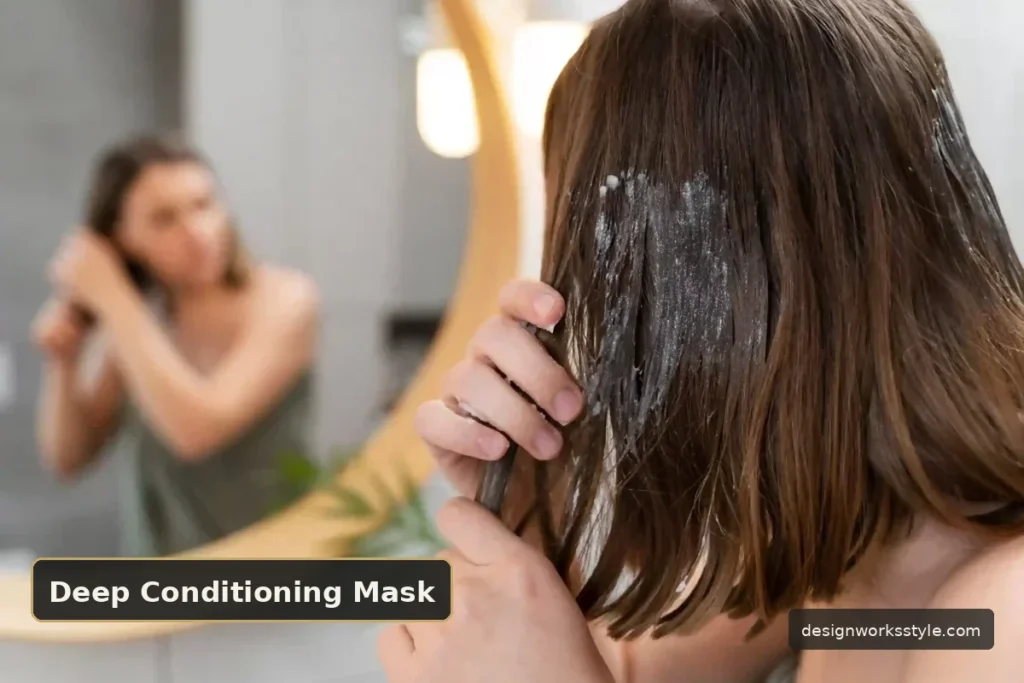
Deep conditioner is a weekly step, not a daily one. It works like a mask, left on for ten to twenty minutes, sometimes under a shower cap for warmth. Use it when hair feels dry or rough, and skip it in weeks when hair already feels soft. That choice works best inside a hair care routine by hair type, which sets wash frequency and products for what your hair actually needs.
When Should You Use a Hair Mask or Treatment?
Use a hair mask once a week when hair feels dry, rough, or damaged, and use a targeted treatment when a specific problem needs fixing, such as breakage or a flaky scalp. Masks add a deeper dose of moisture or protein than daily conditioner, but using them every wash weighs hair down.
Moisture masks suit dry, rough, or frizzy hair. They use shea butter, oils, or ceramides to coat the cuticle and make hair feel softer right away. Protein masks suit hair that stretches and snaps, since hydrolyzed protein fills gaps in damaged strands. Alternate the two: a protein mask one week, a moisture mask the next, and adjust by how hair feels after each.
Bond builders are a stronger treatment for chemically damaged hair. They work inside the strand to reconnect bonds broken by bleach and color, and they are applied in the salon or as a take-home system. They help most with chemical damage, less with breakage from rough handling, and hair damage repair covers the full plan around them: trims, masks, and gentler handling.
Scalp treatments target the skin, not the lengths. Exfoliating scrubs remove buildup once a week, oil treatments soften dry scalps, and medicated shampoos treat dandruff. Scalp care covers which treatment suits which scalp problem: scrubs for buildup, oil for dryness, medicated shampoo for dandruff.
What Do Serums and Oils Do?
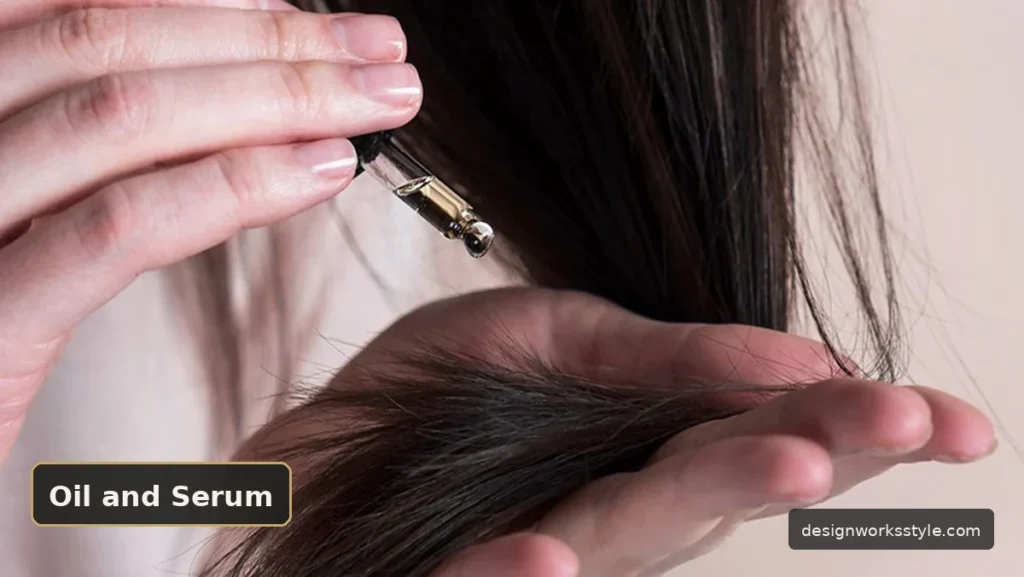
Serums and oils seal the cuticle, add shine, and tame frizz, but they work differently: silicone serums coat the strand for instant smoothness, while plant oils like argan and jojoba sink in to soften hair over time. Use a few drops on the lengths and ends, never a palmful on the roots.
Silicone serums give instant smoothness and shine, and they protect hair from humidity frizz. The tradeoff is buildup: silicones layer up over weeks and can make hair feel coated. A clarifying shampoo once a month removes that buildup.
Argan oil suits most hair types as a light finishing oil. Jojoba oil matches the scalp’s own oils closely and absorbs fast, which suits fine hair. Coconut oil is heavier and suits thick or coarse hair, but it can weigh fine hair down. Warm a few drops between your palms, smooth them over the lengths and ends, and skip the roots.
Heat protectant is a separate product worth owning if you use hot tools. It forms a thin layer that slows moisture loss during styling. Apply it before every hot tool, as a spray or cream on damp or dry hair. Tool settings that limit damage matter as much as the product: the right hair tools, used on lower heat with a protectant, keep styling from undoing the care.
Which Styling Product Suits Your Goal?
Pick a styling product by the result you want: mousse adds volume and grip, gel holds curls and sleek styles in place, cream smooths frizz and shapes dry hair, and spray sets a finished style or adds texture. One product used well beats four products layered on top of each other.
Mousse suits fine hair and heatless styling, since it adds volume and grip without weight. Apply it to damp roots and lengths before drying or braiding. It also gives braids and rollers something to hold, which is why heatless hairstyles use mousse as the main styling product.
Gel suits curly hair and sleek styles, since it holds shape firmly as it dries. Apply it to soaking wet curls and scrunch, then leave curls alone until dry. Cream suits dry or frizzy hair, since it smooths without stiffness. Spray covers two jobs: a light hold spray sets a finished style, and a texture spray adds grip to clean hair for updos and braids.
Hair styling by length and occasion follows the same rule: pick the product by the result you want, not by how many bottles you own.
How Do You Read a Hair Product Label?
Read a hair product label by checking the first five ingredients, since they make up most of the formula, and by judging the product from its ingredient list instead of the claims on the front. Sulfates, silicones, alcohols, and proteins each tell you something about how the product will treat your hair.
Sulfates are strong cleansers. Sodium lauryl sulfate and sodium laureth sulfate clean well but strip color and moisture, which is why color-treated and dry hair usually avoid them. Gentler cleansers, like sodium cocoyl isethionate, clean without stripping as much.
Silicones coat the strand for smoothness. Names ending in -cone, like dimethicone, signal a silicone. They are not harmful on their own, but they build up, so hair that uses silicone serums needs a clarifying wash now and then. Alcohols split into two groups: drying alcohols like denatured alcohol, which dry hair out, and fatty alcohols like cetyl alcohol, which soften and condition.
Protein on a label, like hydrolyzed wheat protein or keratin, signals strength for damaged hair. Too much protein makes hair stiff, so balance protein products with moisture products. Fragrance sits near the end of most labels, but it matters for sensitive scalps: fragrance-free formulas suit scalps that react to scented products. A “natural” label means little on its own, since natural ingredients can irritate too.
How Do You Build a Product Routine for Your Hair Type?
Build a product routine by starting with shampoo and conditioner matched to your hair type, then adding one treatment and one styling product, and changing one thing at a time. Fine hair needs light formulas, thick and curly hair needs richer moisture, and color-treated hair needs gentle, color-safe products.
Fine hair routine: light volumizing shampoo, conditioner on the ends only, mousse for volume, and dry shampoo between washes. Skip heavy masks most weeks. Thick hair routine: moisturizing shampoo, rich conditioner, a weekly mask, and a cream or oil on the lengths. Curly hair routine: hydrating shampoo, generous conditioner, leave-in on wet hair, and gel to hold curl shape.
Color-treated hair routine: sulfate-free color-safe shampoo, conditioner for color-treated hair, a color-depositing conditioner once a week or every other week, and a heat protectant before any hot tool. Keeping color fresh between appointments comes down to hair color maintenance: gentle washes, color-safe products, and toner when brassiness returns.
Reassess the routine when it stops working. Seasons change what hair needs: more moisture in winter, lighter products in summer. Hormones, age, heat, and color all shift needs over time. Change one product at a time and give it two weeks before judging, since judging five new products at once tells you nothing about which one helped.
Frequently Asked Questions
Do you need conditioner every time you shampoo?
Yes, at least on the lengths. Shampoo opens the cuticle to clean, and conditioner smooths it back down, which prevents frizz and breakage. Fine hair needs only a light conditioner on the ends. Thick, curly, and coily hair need richer conditioner through the lengths.
Is sulfate-free shampoo better for everyone?
No. Sulfate-free shampoo suits color-treated, dry, and sensitive hair, since it strips less dye and moisture. Fine or oily hair sometimes does better with a light sulfate shampoo, since gentle formulas can leave roots feeling coated. Pick by what your scalp and hair need, not by a rule that fits everyone.
Can you use too many products at once?
Yes. Layering shampoo, conditioner, leave-in, oil, cream, and spray in one routine leaves buildup that dulls hair and weighs it down. Start with shampoo and conditioner, add one treatment and one styling product, and add more only when a specific need shows up.
How do you know if a product is not working?
Give it two weeks of steady use, then judge by how hair feels and looks. Greasy roots, limp lengths, or more frizz than before all signal a poor match. If hair feels coated, a clarifying wash tells you whether the problem is buildup or the product itself. Switch one product at a time so you know what changed.
Start simple: shampoo and conditioner matched to your type, one treatment, one styling product. Add more only when hair asks for it, and let the label, not the front of the bottle, tell you what a product does.