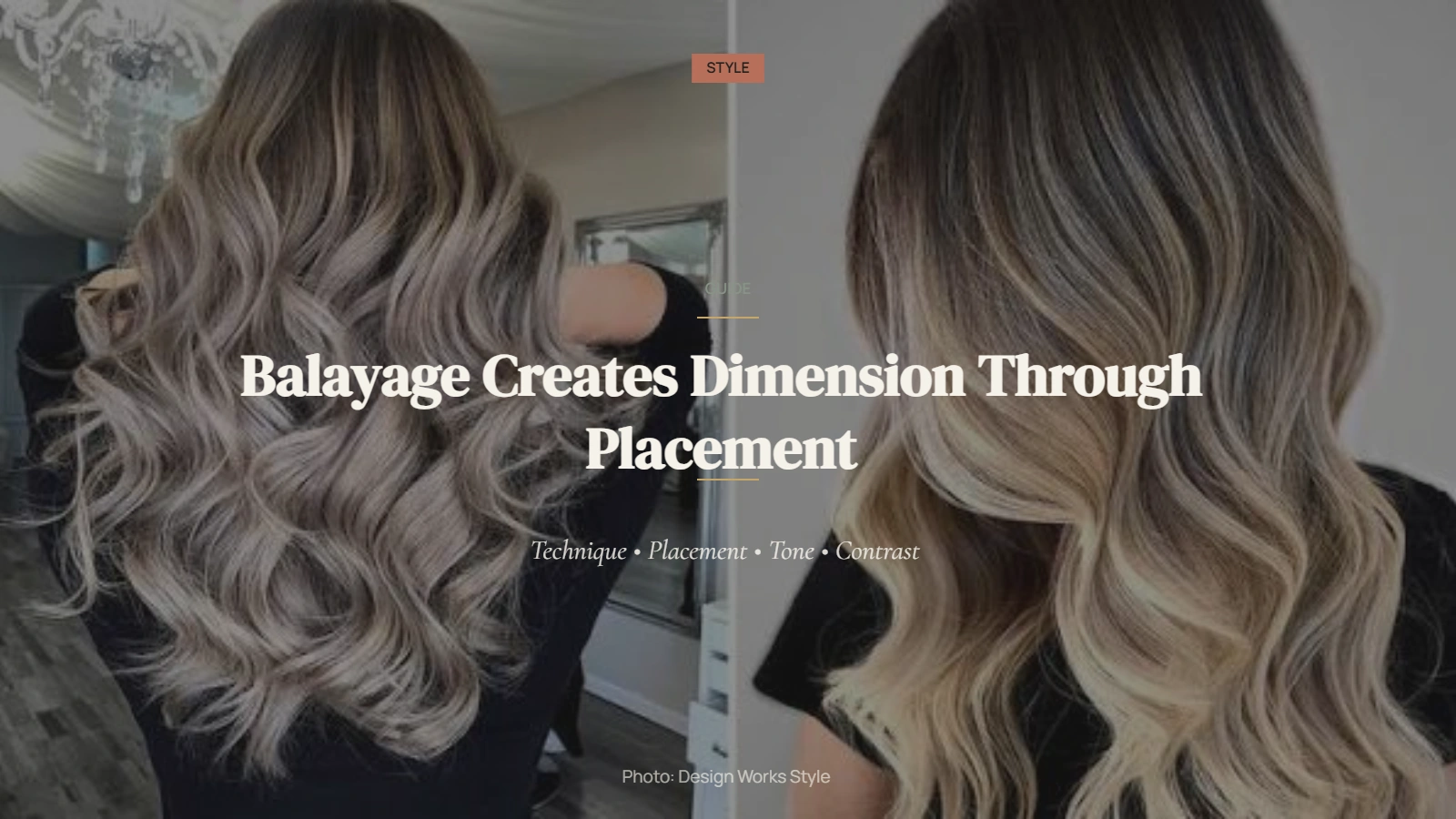

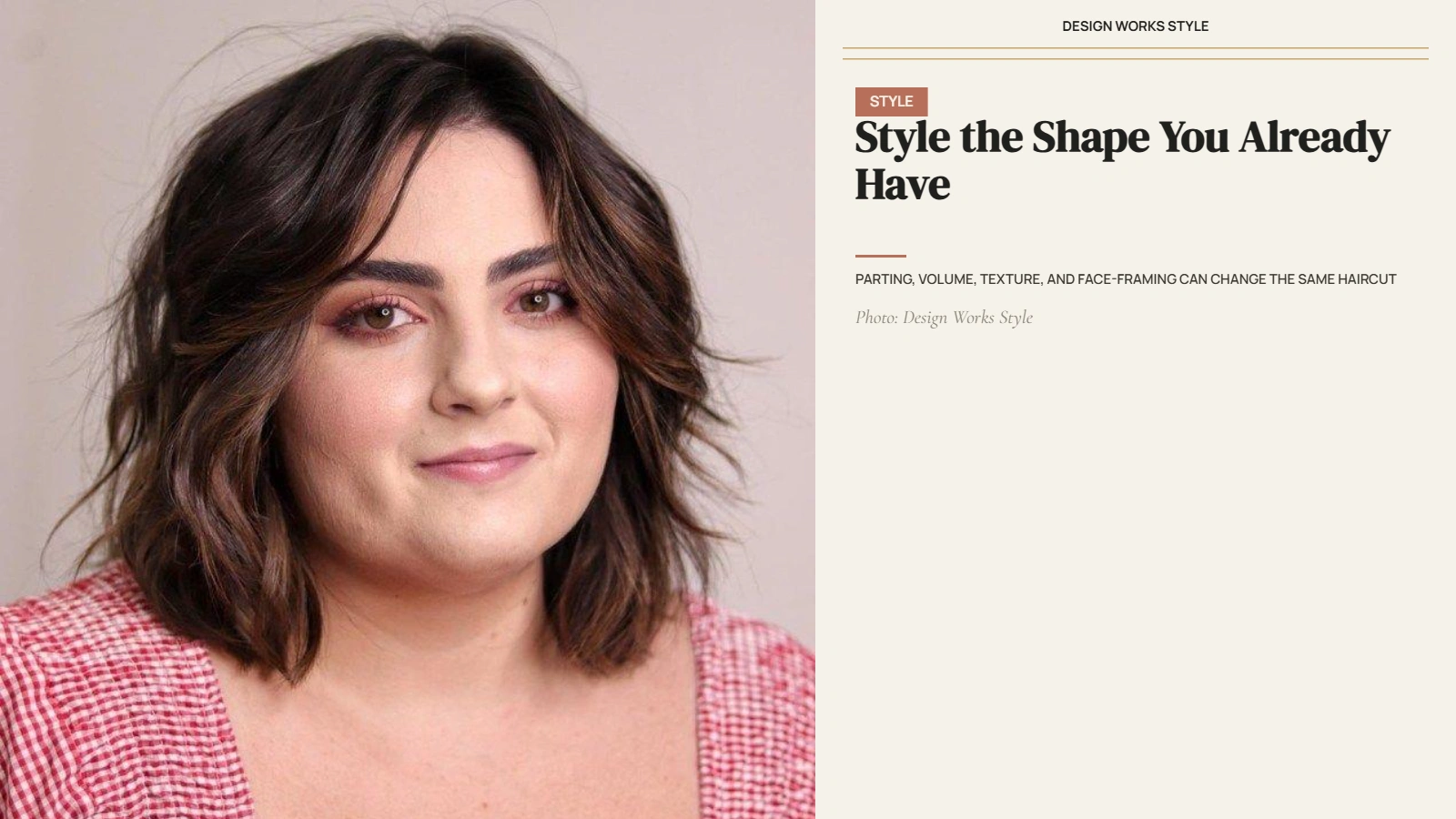
The easiest way to choose hairstyles for round faces is to work with the hair you already have and adjust parting, volume, texture, height, and face-framing. You do not need a completely different haircut to change the overall effect.
A center part, side part, loose waves, ponytail, or updo can all create different silhouettes from the same haircut. The right choice depends on your hair’s length, texture, density, natural movement, and the amount of styling you want to do. Think of your haircut as the foundation and styling as the part you can change from day to day.
How to Choose a Hairstyle for a Round Face
Start with the hairstyle you already like. Instead of assuming you need to replace it, look at which styling details could change its shape.
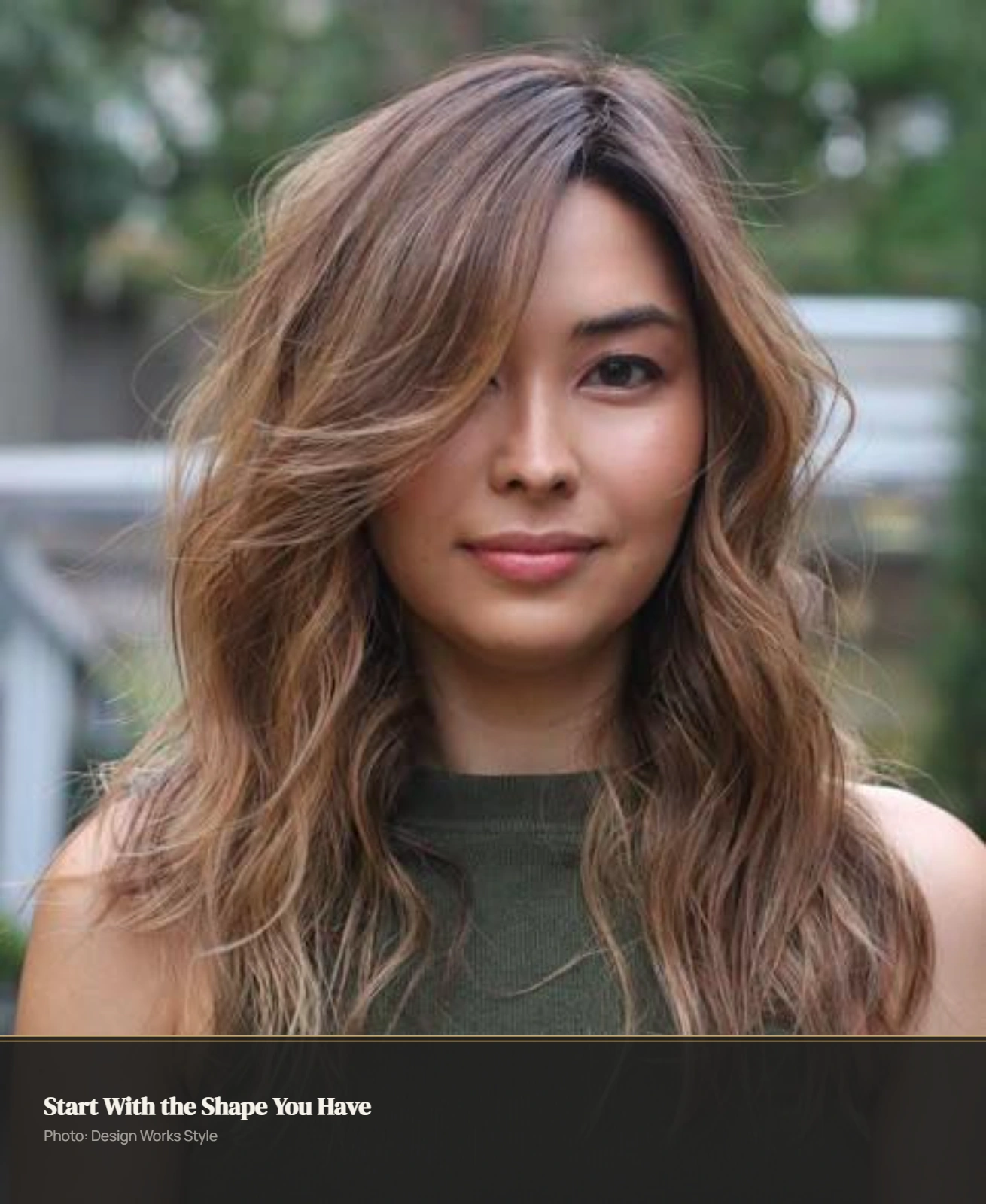
Pay attention to four things:
- Where the volume sits: Fuller roots, crown height, and fuller sides create different silhouettes.
- Where the hair falls: Hair tucked behind the ears looks different from hair left loose around the cheeks and jaw.
- Whether the style creates height or width: Texture and volume can be concentrated in different areas.
- How much of the face is framed: A few loose pieces can create a softer outline than pulling every strand away from the face.
Your natural texture matters too. A style created on straight hair may behave differently on waves or curls, while dense hair can hold volume and shape differently from fine hair.
There is no single hairstyle that every round face needs. The goal is to understand what changes when you move the part, add volume, alter the texture, or change how the hair is arranged.
Change the Part Before Changing the Hairstyle
Changing your part is one of the simplest ways to experiment because it does not require a haircut.
A center part creates a symmetrical line and can work particularly well when you like a clean, balanced appearance. A slightly off-center part introduces a small directional change without feeling dramatically different.
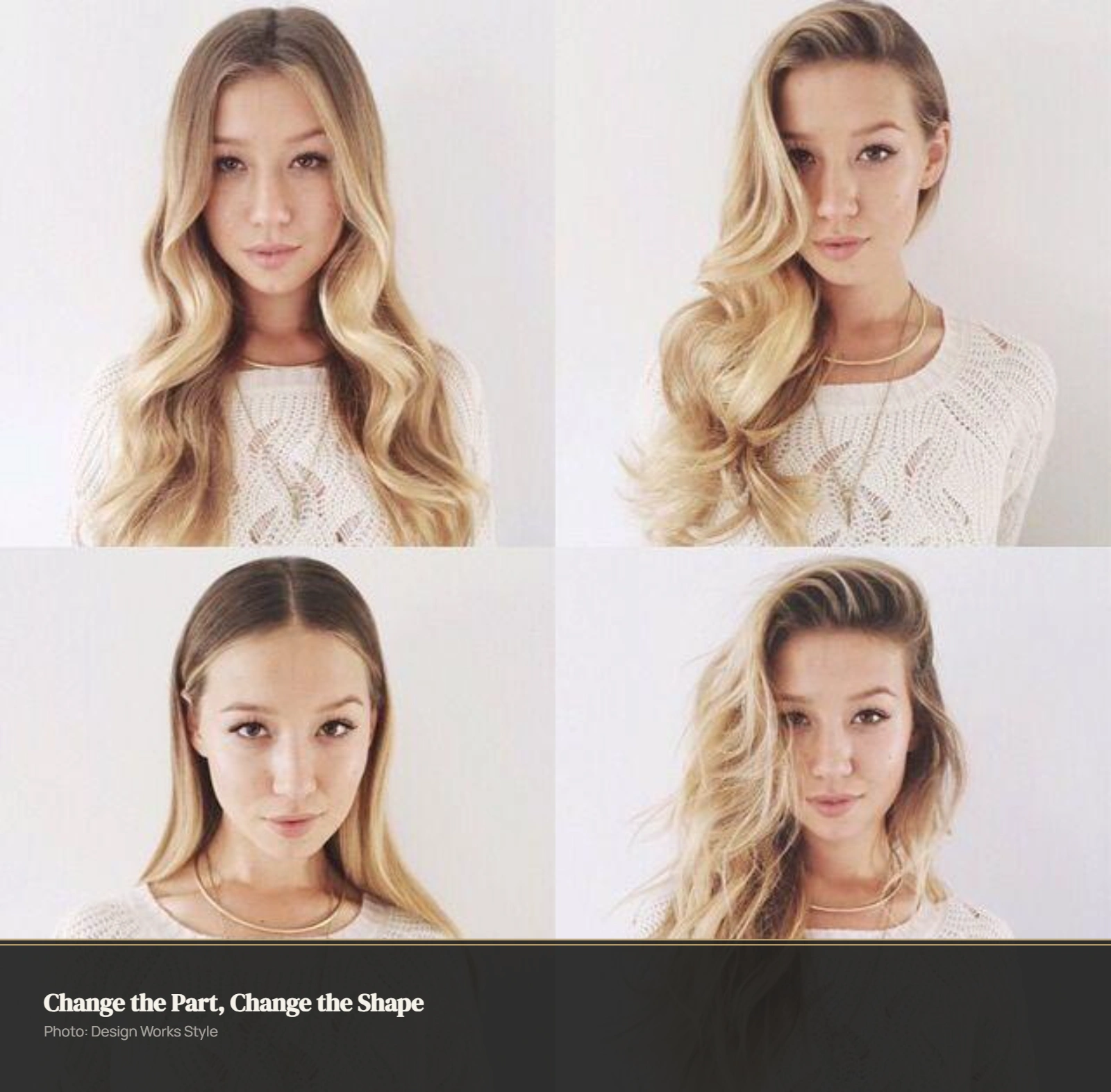
A side part shifts the visual weight of the hair and can create more movement across the top. A deeper side part creates a stronger change, but it may be harder to maintain if your natural growth pattern consistently pulls the hair back toward its usual position.
Try your natural part first. If your hair repeatedly falls back into the same position, forcing a dramatic part may create more daily work than the result is worth.
Quick test: Photograph the same hairstyle with a center, slightly off-center, and side part. Compare the overall silhouette rather than judging the face in isolation.
Add Volume Where It Changes the Shape
More volume is not automatically better. Where the volume sits is usually the more useful question.
Root volume and crown height can create a different silhouette from fullness concentrated around the sides. If your hair naturally becomes wide around the cheeks, adding even more volume in that area may produce a different effect from lifting the roots or creating movement through the lengths.
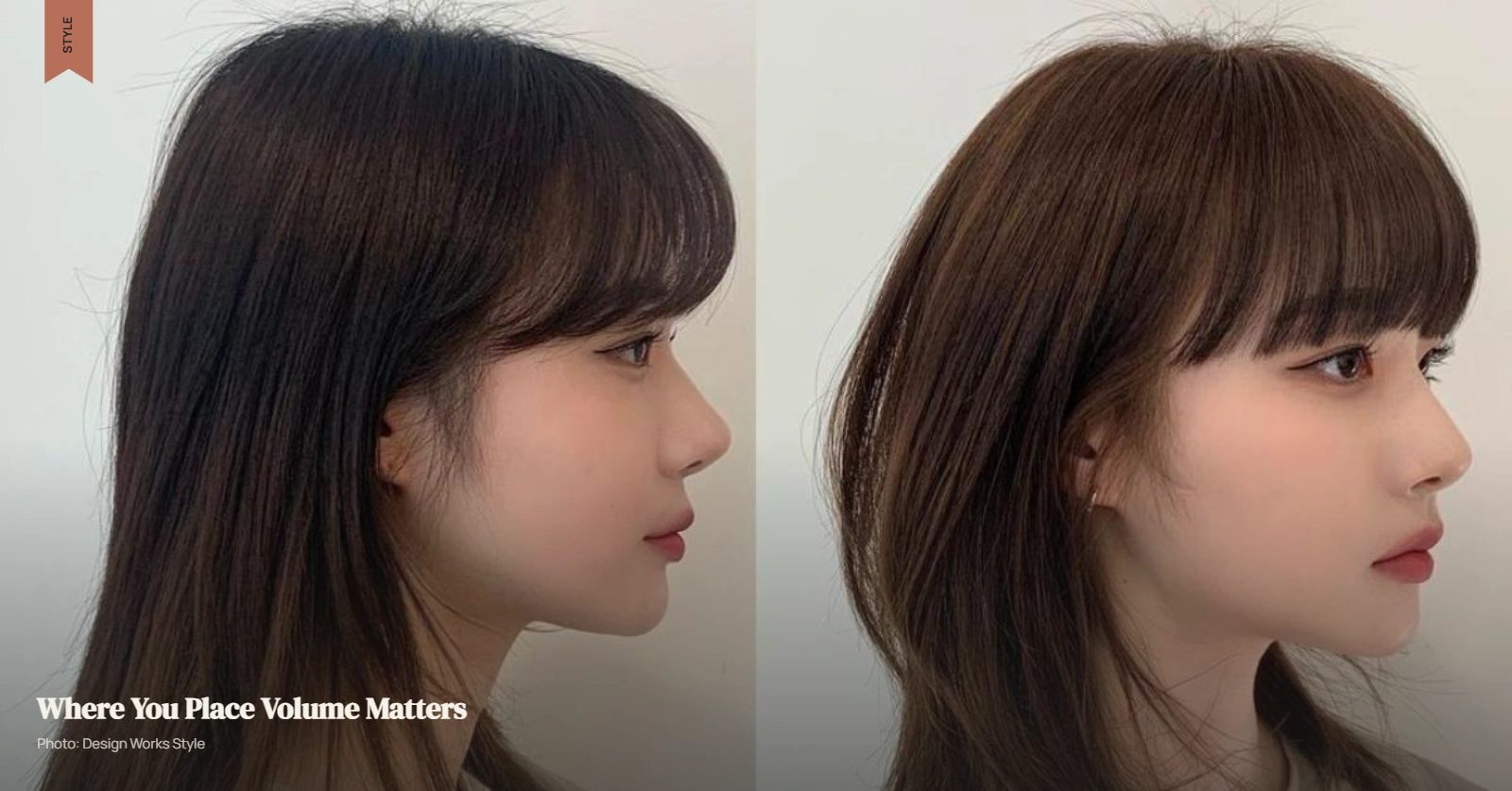
You can experiment with:
- lifting the roots while blow-drying
- directing the crown upward as it dries
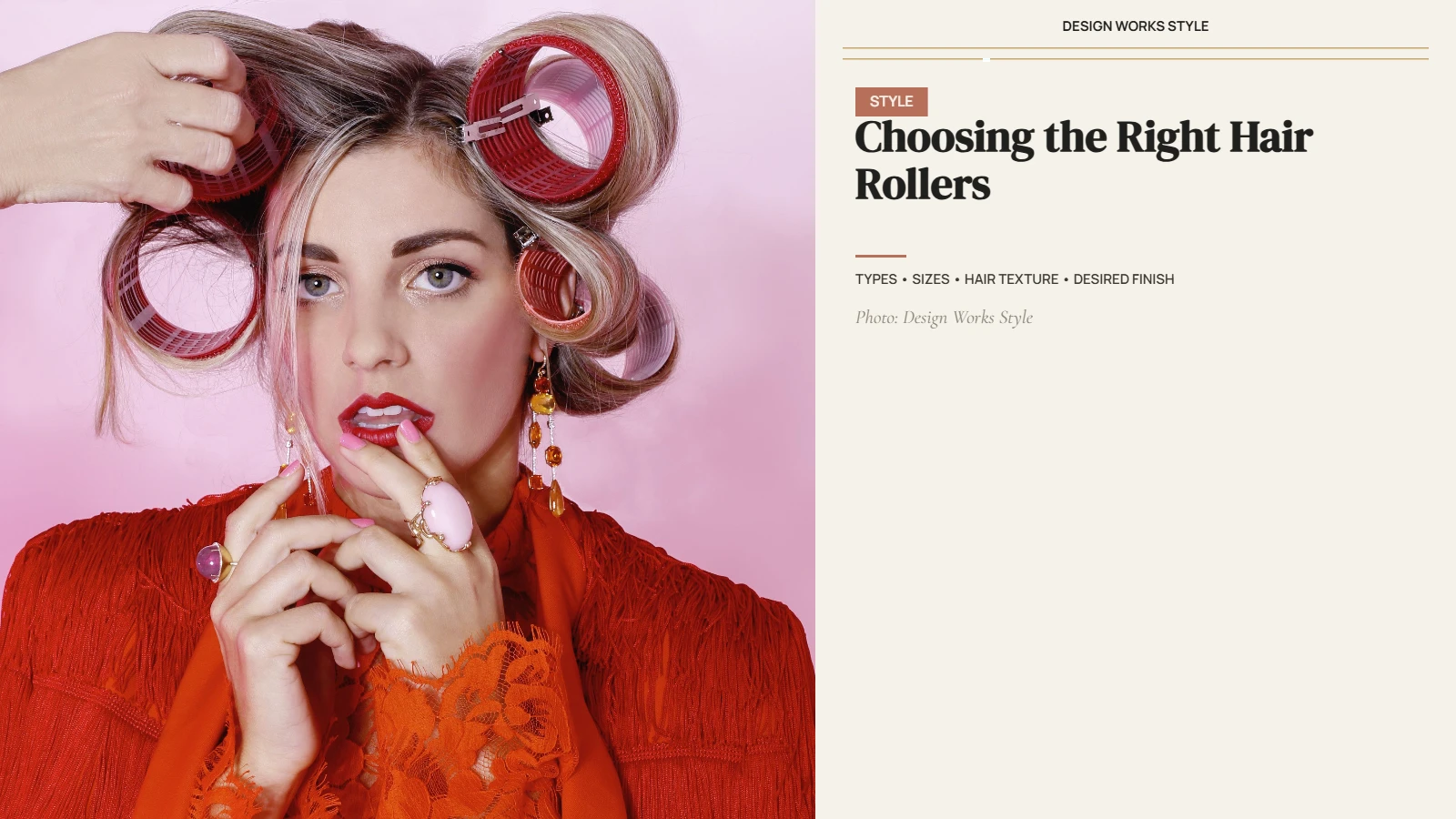
- using rollers to create controlled root volume
- adding texture through the lengths instead of the sides
- smoothing areas that become overly full
- allowing natural movement to remain visible
Rollers can be particularly useful when you want repeatable volume without relying entirely on a curling iron. If you have fine hair and are specifically trying to build root volume, a guide to hair rollers for fine hair can help you choose an approach that fits your hair type.
The useful distinction is between adding volume and placing volume intentionally.
Hairstyles With Waves and Texture
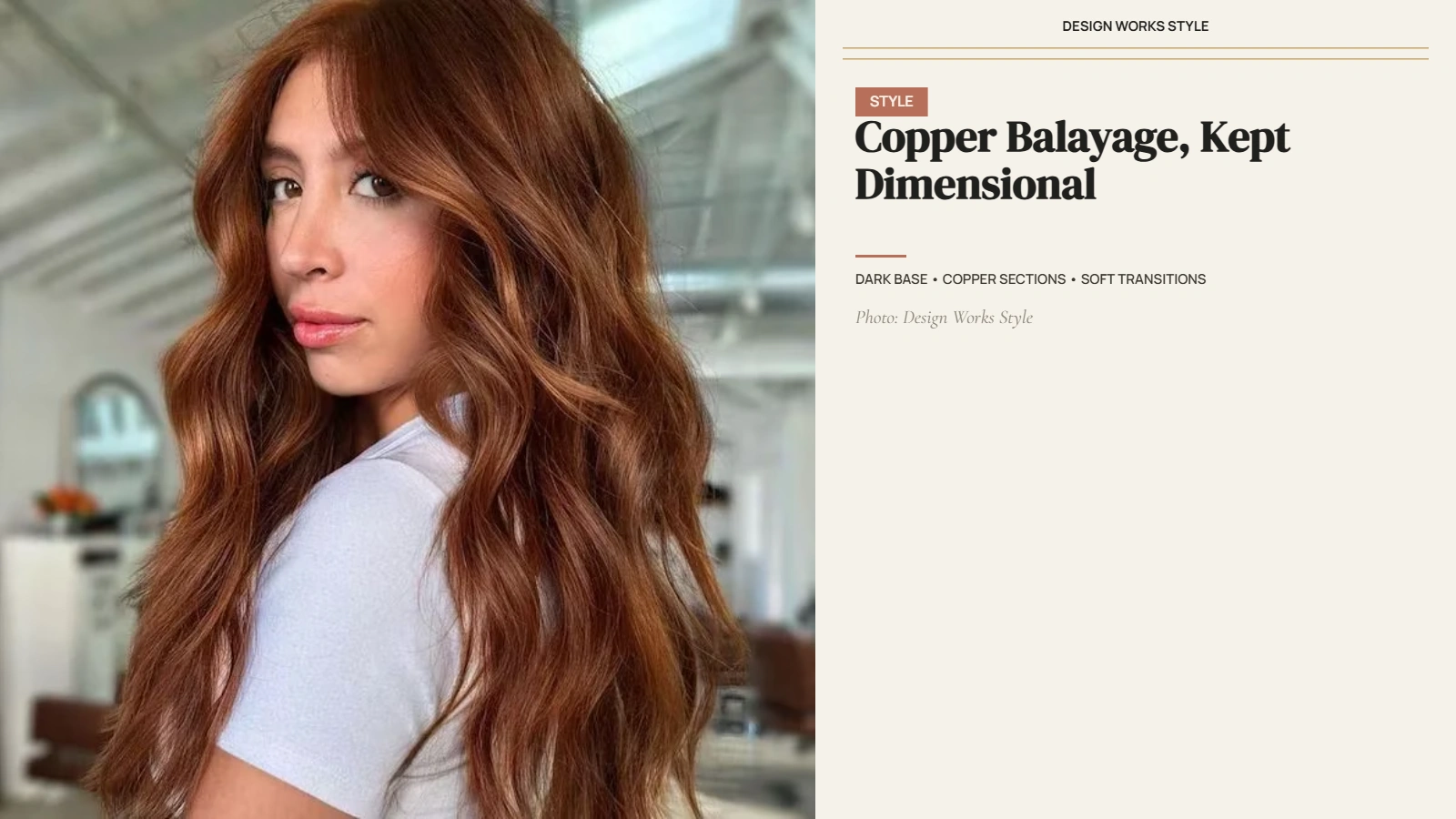
Waves can completely change the appearance of an existing haircut without changing its length.
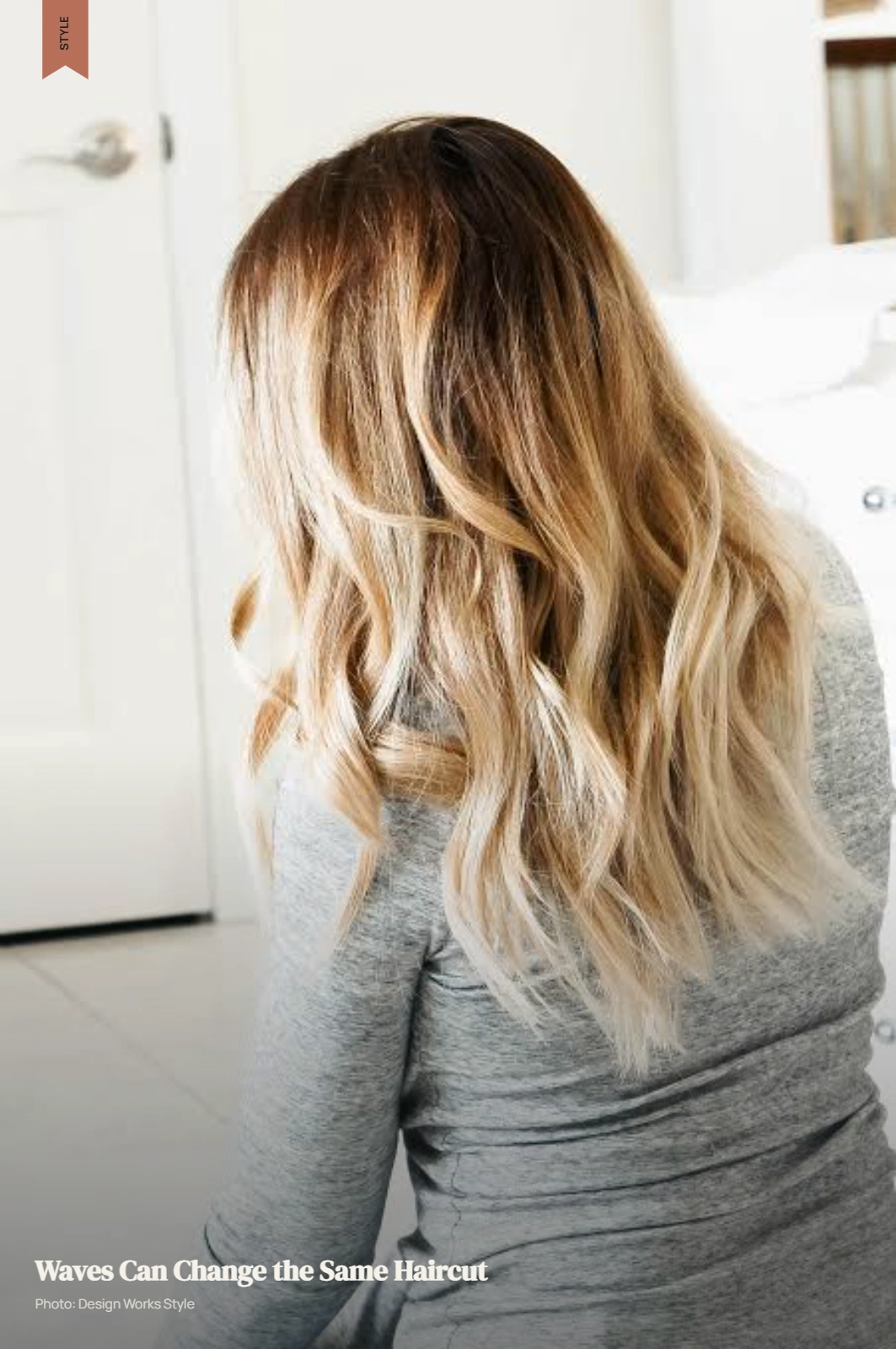
Loose waves create movement through the hair, while soft bends can provide a more understated finish. Natural waves and curls bring their own shape, so the result depends heavily on density, curl pattern, and where the texture begins.
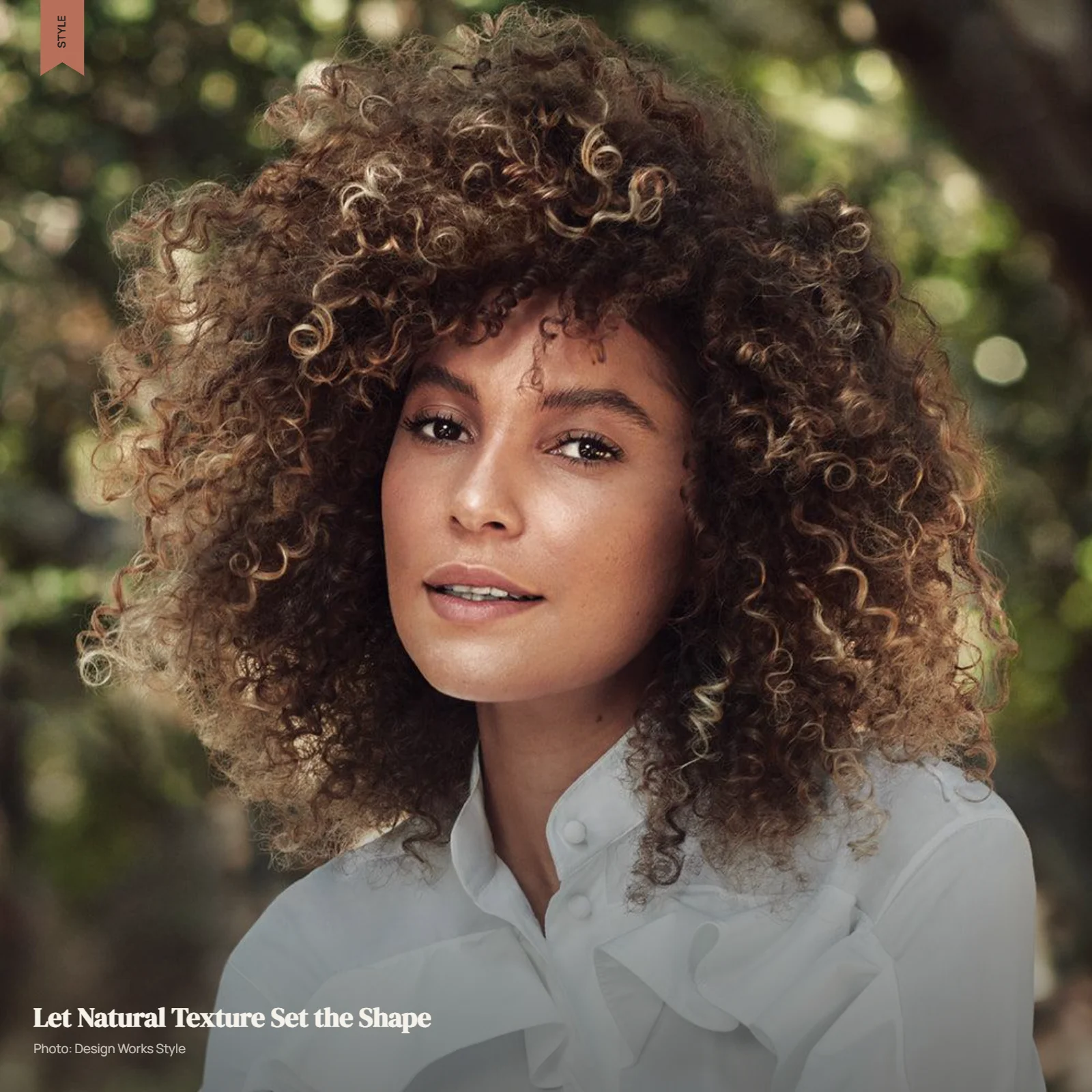
For a more controlled look, consider where the wave starts. Waves beginning close to the roots create a different silhouette from waves that begin farther down the hair. Likewise, heavily textured sides create a different amount of width from texture concentrated toward the ends.
You can try:
- loose waves with a defined part
- soft bends through the mid-lengths
- textured ends with smoother roots
- natural curls with controlled crown volume
- waves brushed out for a softer finish
Ponytails for Round Faces
A ponytail can look completely different depending on its height, tension, texture, and finish.
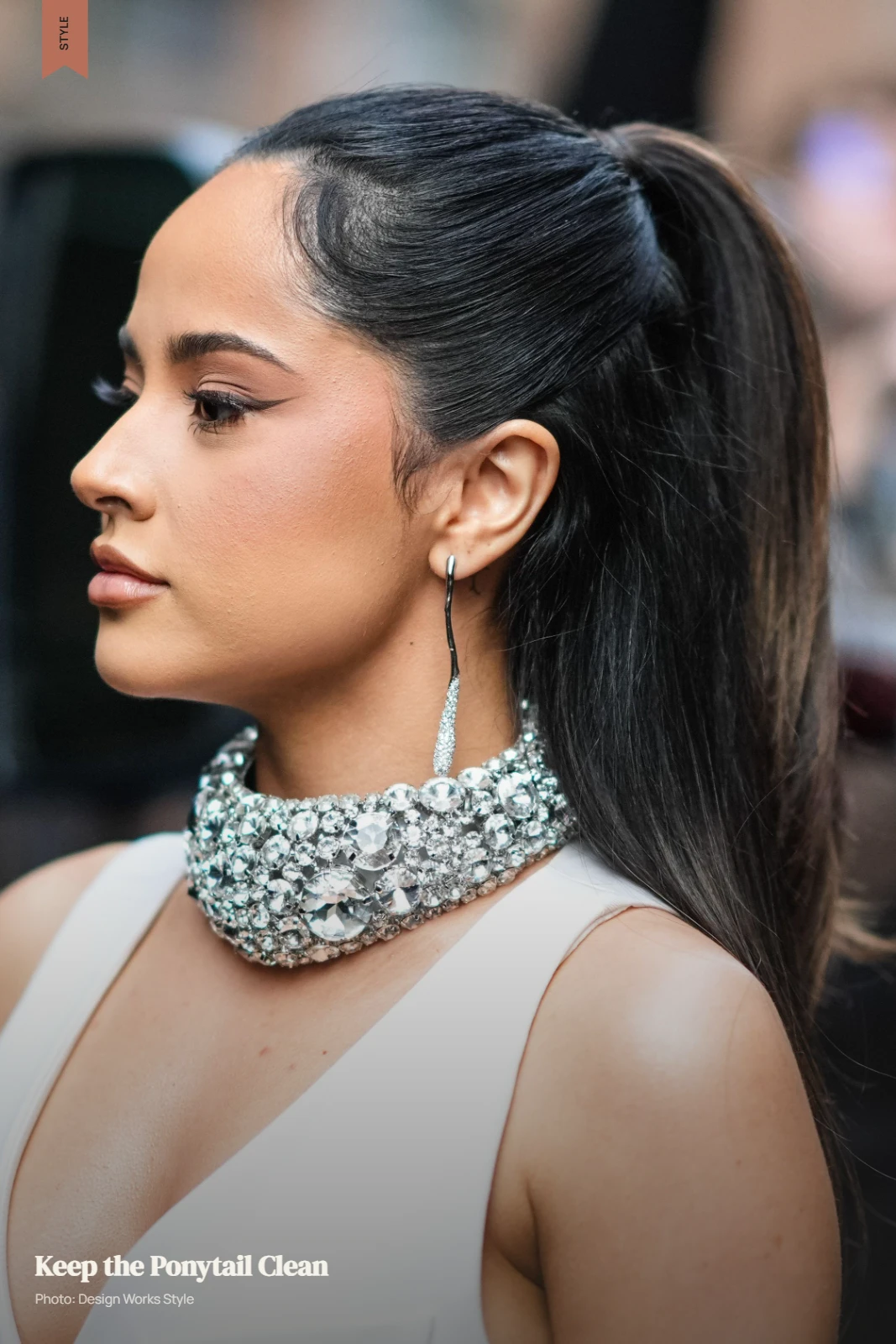
A high ponytail places the gathered hair higher on the head and can create a more lifted silhouette. A mid-height ponytail is versatile for everyday wear, while a low ponytail creates a softer, lower arrangement.
You can also change the effect by choosing between sleek and textured styling. A sleek ponytail keeps the hair close to the head, while a textured ponytail introduces more movement through the crown, lengths, or ends.
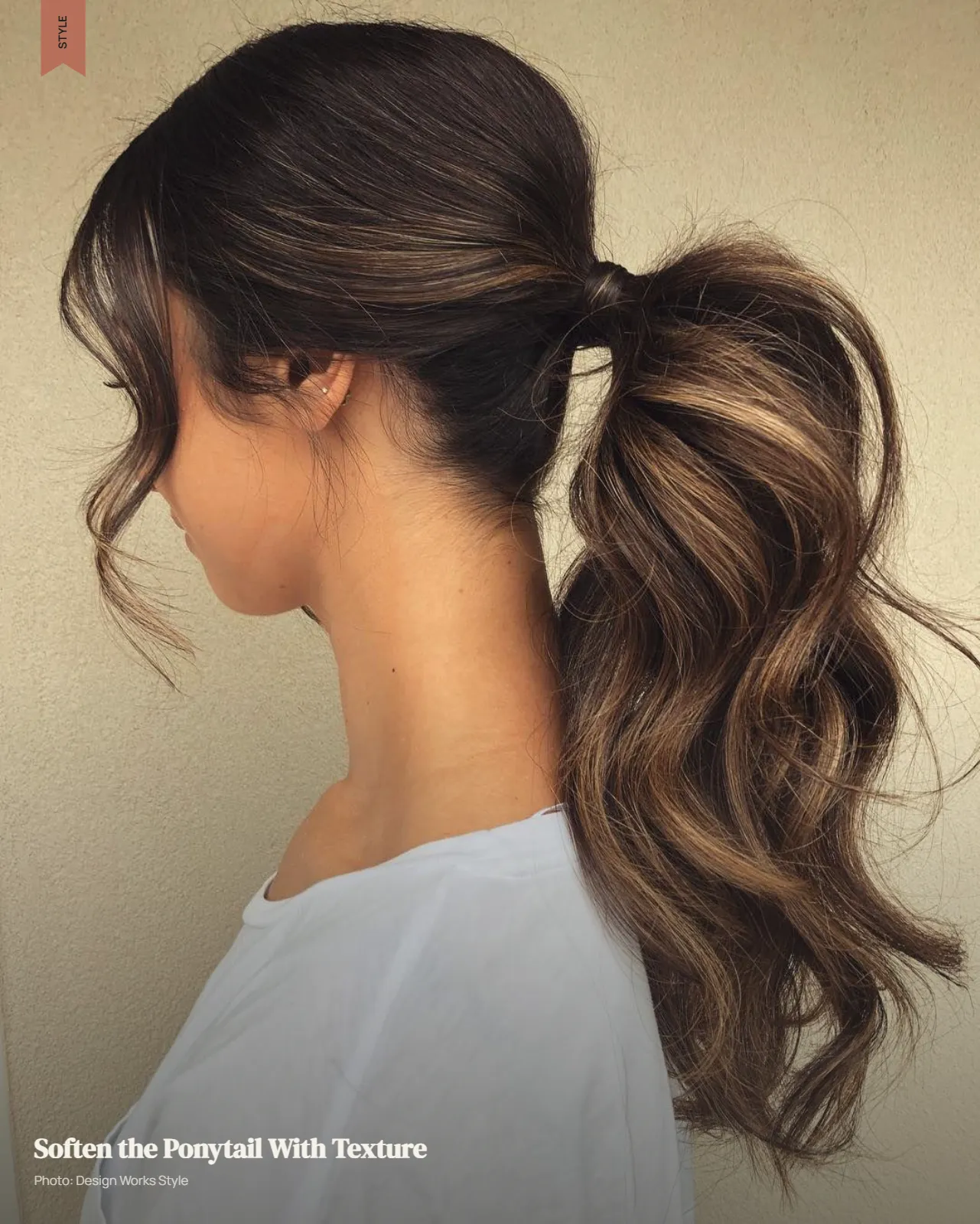
If you want a softer finish, leave a few face-framing pieces loose rather than pulling every strand tightly back. If you prefer a cleaner look, smooth the front and keep the ponytail itself more controlled.
Sleek or textured?
Choose a sleeker ponytail when you want a clean, deliberate finish and are comfortable with the hair being pulled closer to the head.
Choose a softer, textured ponytail when you prefer visible movement or your natural texture already provides volume and shape.
The same ponytail position can therefore produce very different results depending on how tightly it is pulled and how the surrounding hair is finished.
Updos for Round Faces
Updos give you another way to change the position and distribution of your hair without changing the haircut.
A high bun creates height above the head, while a low bun keeps the arrangement closer to the neckline. A loose or textured updo allows more movement, while a tightly secured style creates a cleaner outline.
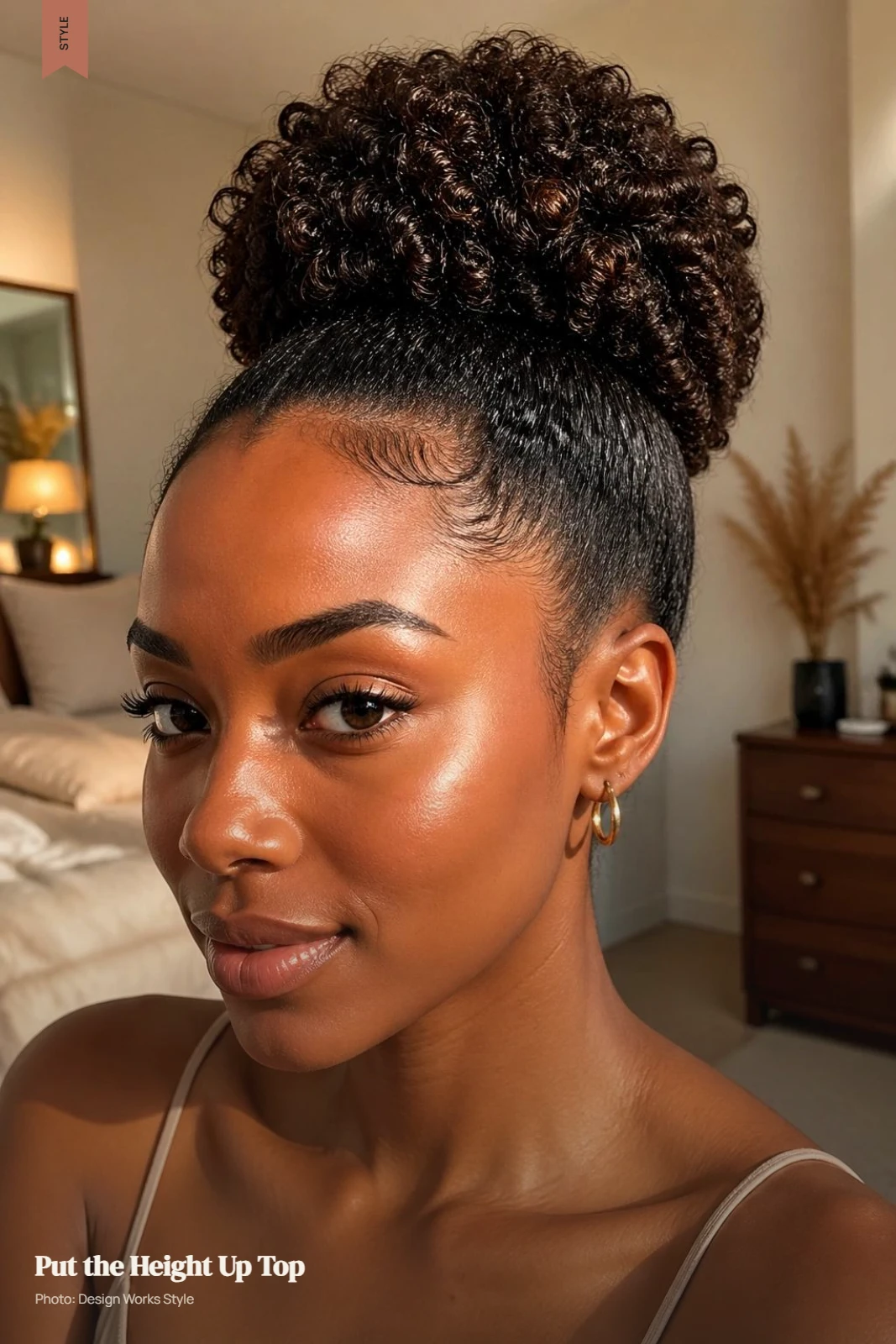
Half-up styles are particularly adaptable because they combine some of the openness of an updo with hair left loose around the face and shoulders.
When styling an updo, consider:
- how high you want the finished style to sit
- whether the crown should be smooth or slightly lifted
- how tightly the sides are pulled back
- whether you want loose pieces around the face
- whether your natural texture should remain visible
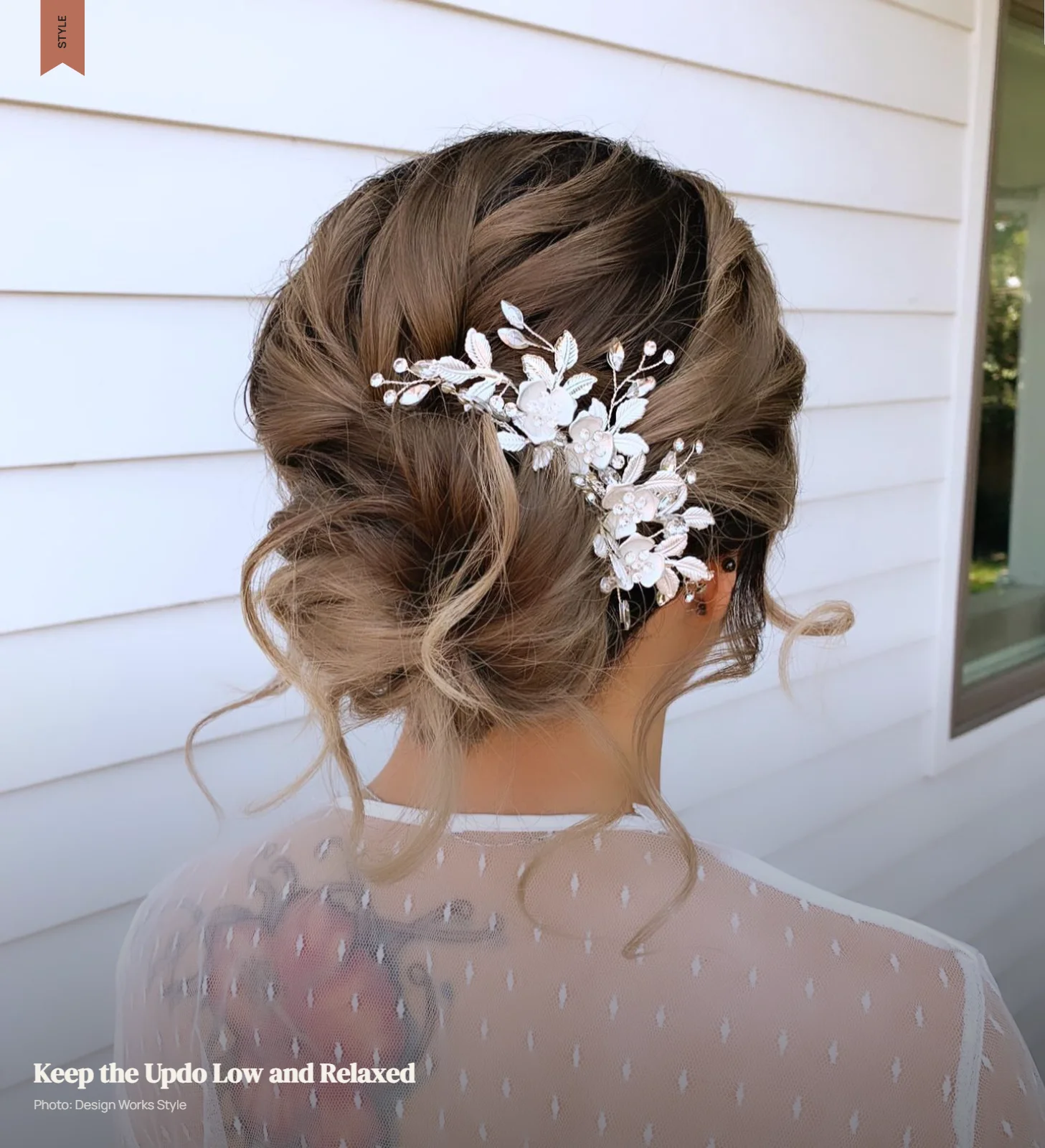
Rather than choosing an updo because it is labeled as suitable for a particular face shape, look at the actual arrangement of the hair.
Face-Framing Styles
Face-framing is a styling choice as well as a haircut feature.
If you already have shorter pieces around the face, you can leave them loose, tuck them behind the ears, bend them away from the face, or blend them into the rest of the hairstyle. Each option changes how much hair remains visible around the cheeks and jaw.
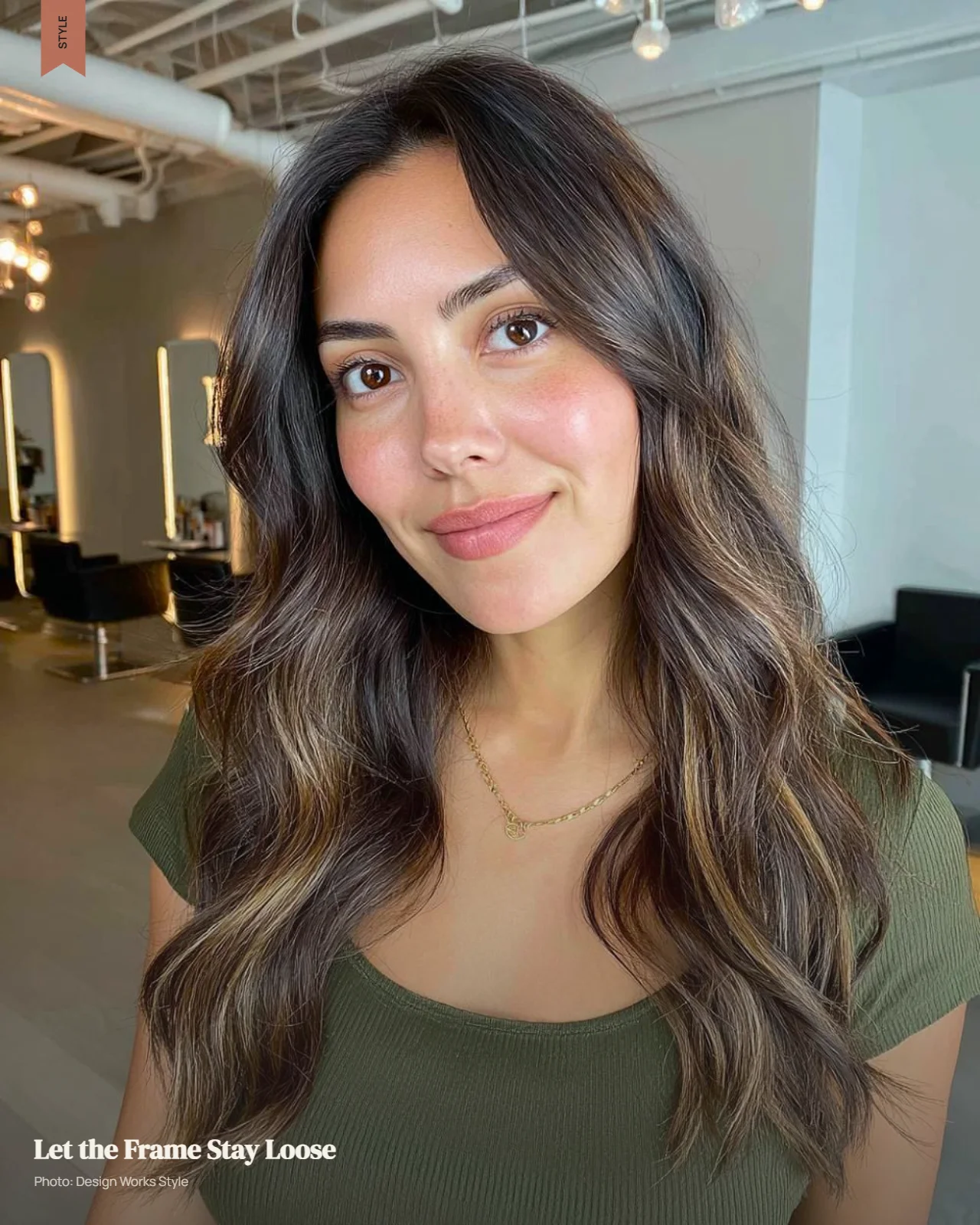
Longer pieces offer more flexibility. They can be left loose with waves, tucked back for a cleaner finish, or blended into a ponytail or updo.
Curtain-style framing can also be styled in different ways depending on the length of the pieces. A softer, separated finish creates a different look from a smooth curtain that follows the rest of the hair.
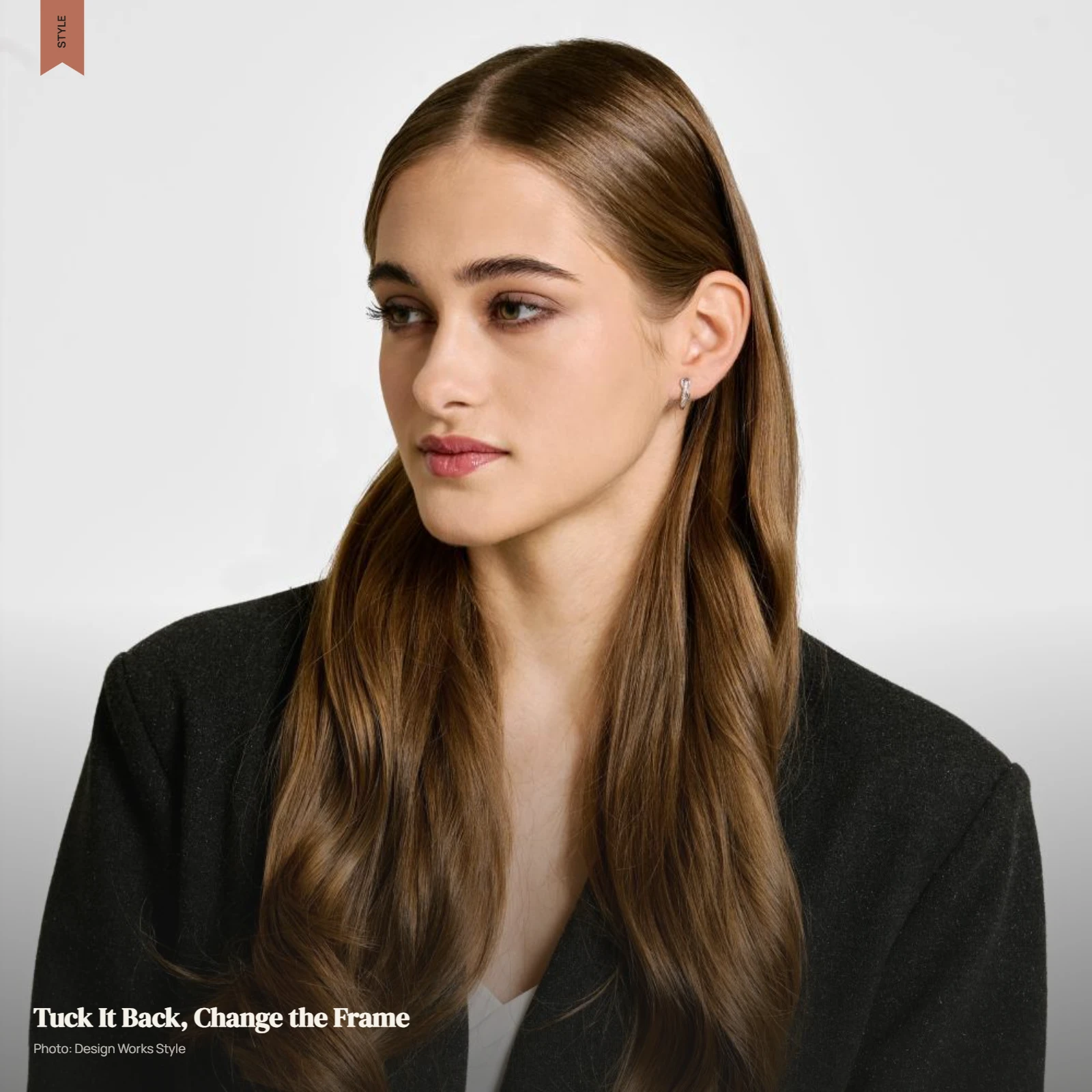
If you like the idea of new face-framing layers but your current haircut does not have them, that becomes a haircut decision, not simply a styling decision. In that case, see the dedicated guide to choosing a haircut for a round face.
Hairstyles for Different Hair Lengths
Your haircut length determines which styling options are available, but it does not dictate one specific hairstyle.
Short Hair
With short hair, styling usually comes down to texture, height, direction, and side movement.
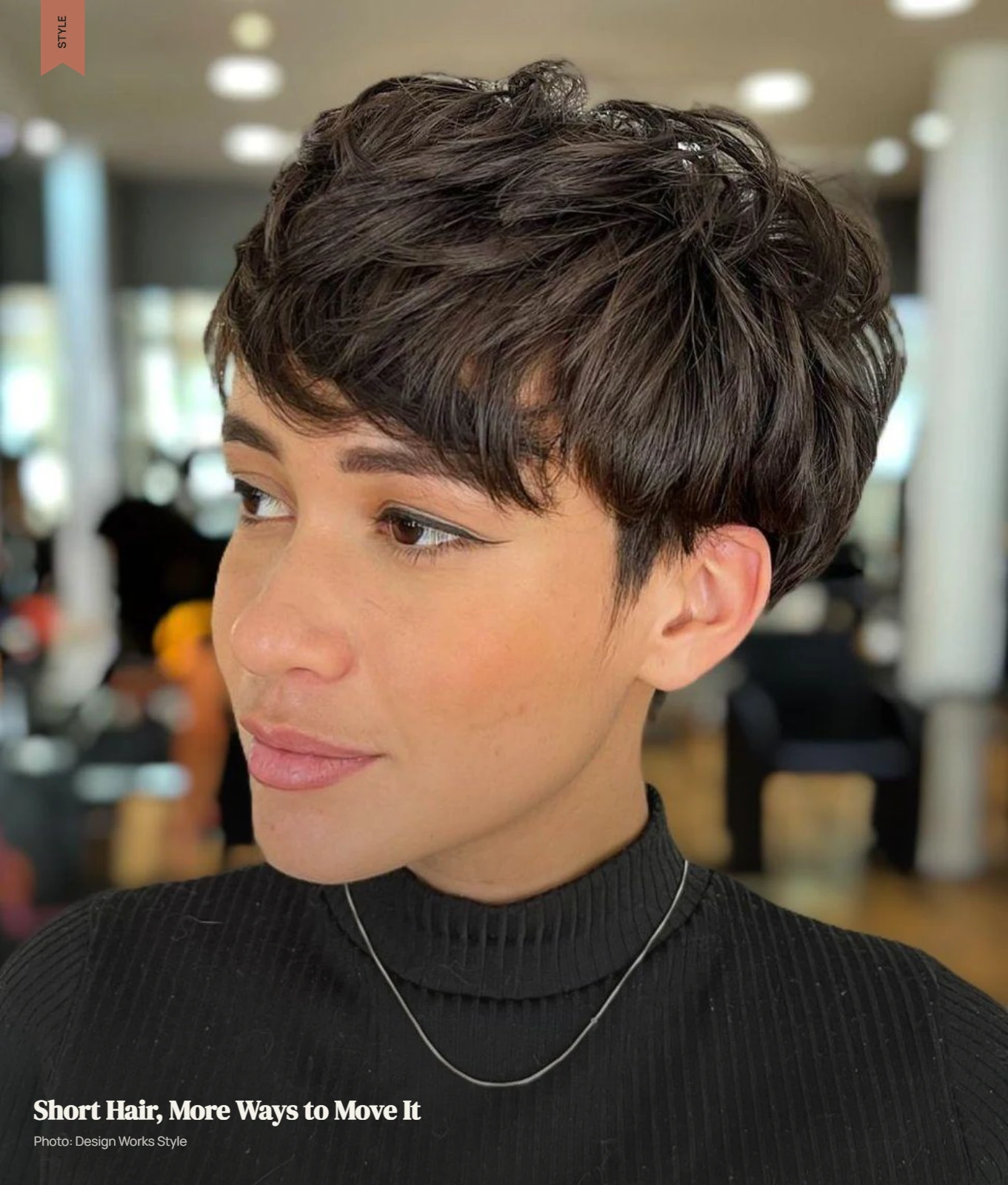
A textured finish can separate individual sections, while directional styling can move the hair across the forehead or toward one side. Adding controlled height through the top can also change the overall silhouette.
If you are considering changing the actual haircut rather than simply styling your current one, the dedicated guide to short haircuts for round faces goes deeper into length and haircut shape.
Medium Hair
Medium-length hair gives you plenty of room for waves, half-up styles, ponytails, and face-framing.
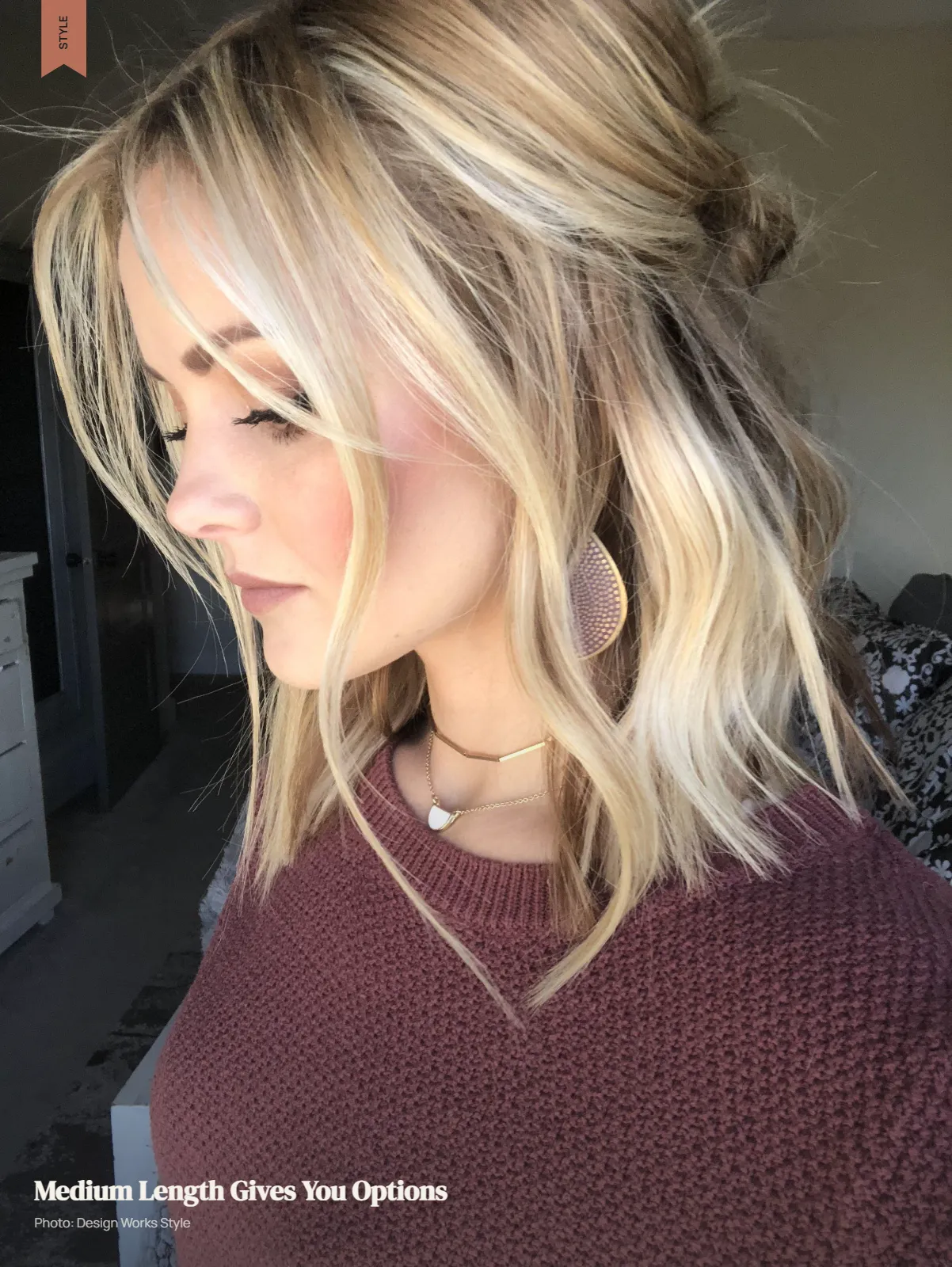
You can wear the hair loose with textured ends, pull the upper section back, or create a ponytail while leaving selected pieces around the face. Because there is enough length to rearrange the hair, small changes in parting and texture can produce noticeably different looks.
Long Hair
Long hair allows more movement through the lengths and more options for ponytails, braids, half-up styles, and updos.
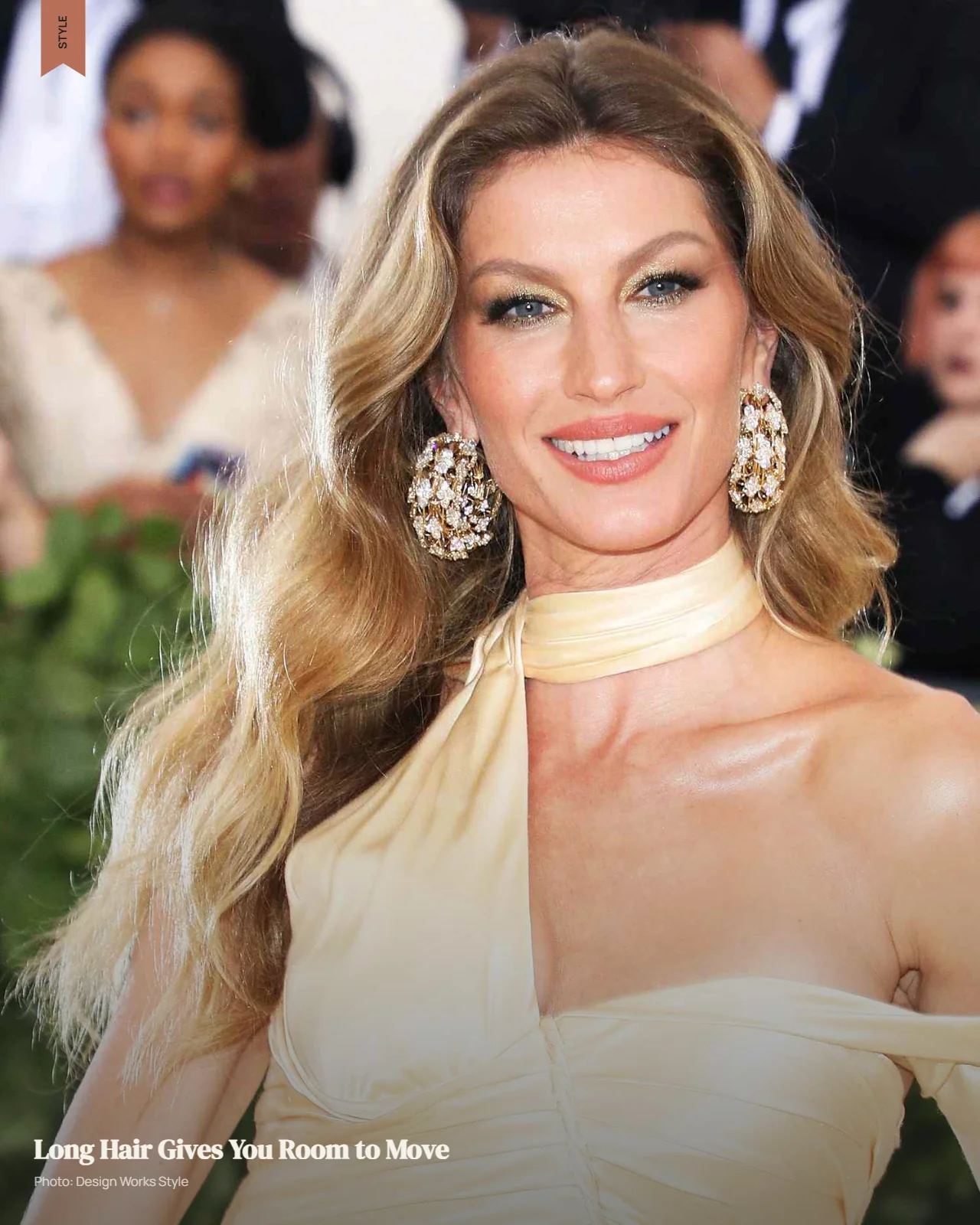
Long waves can be kept loose, gathered into a ponytail, or incorporated into an updo. You can also change how much hair remains around the face by tucking, pinning, or leaving selected pieces loose.
The longer the hair, the more important it can become to consider where the movement and weight are concentrated.
Hairstyles for Different Hair Types
The same styling technique does not behave identically on every head of hair.
Fine Hair
Fine hair can benefit from controlled root volume and lightweight texture. If volume tends to disappear quickly, focus on techniques that lift the roots without loading the hair with heavy products.
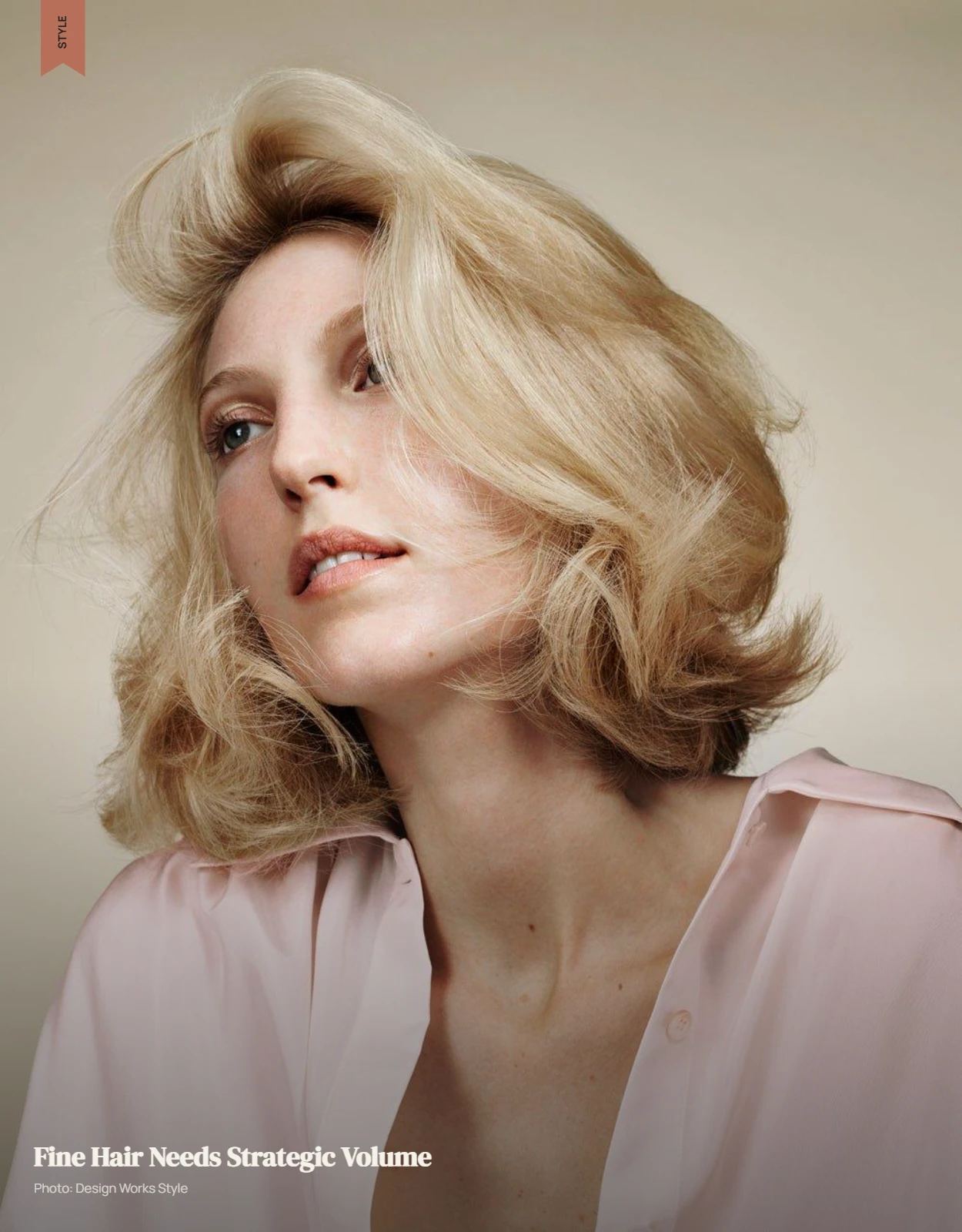
A smaller amount of strategically placed volume may be more useful than trying to make the entire hairstyle bigger.
Thick Hair
Thick hair already has substantial natural weight and volume. Styling may therefore involve controlling fullness rather than creating more of it.
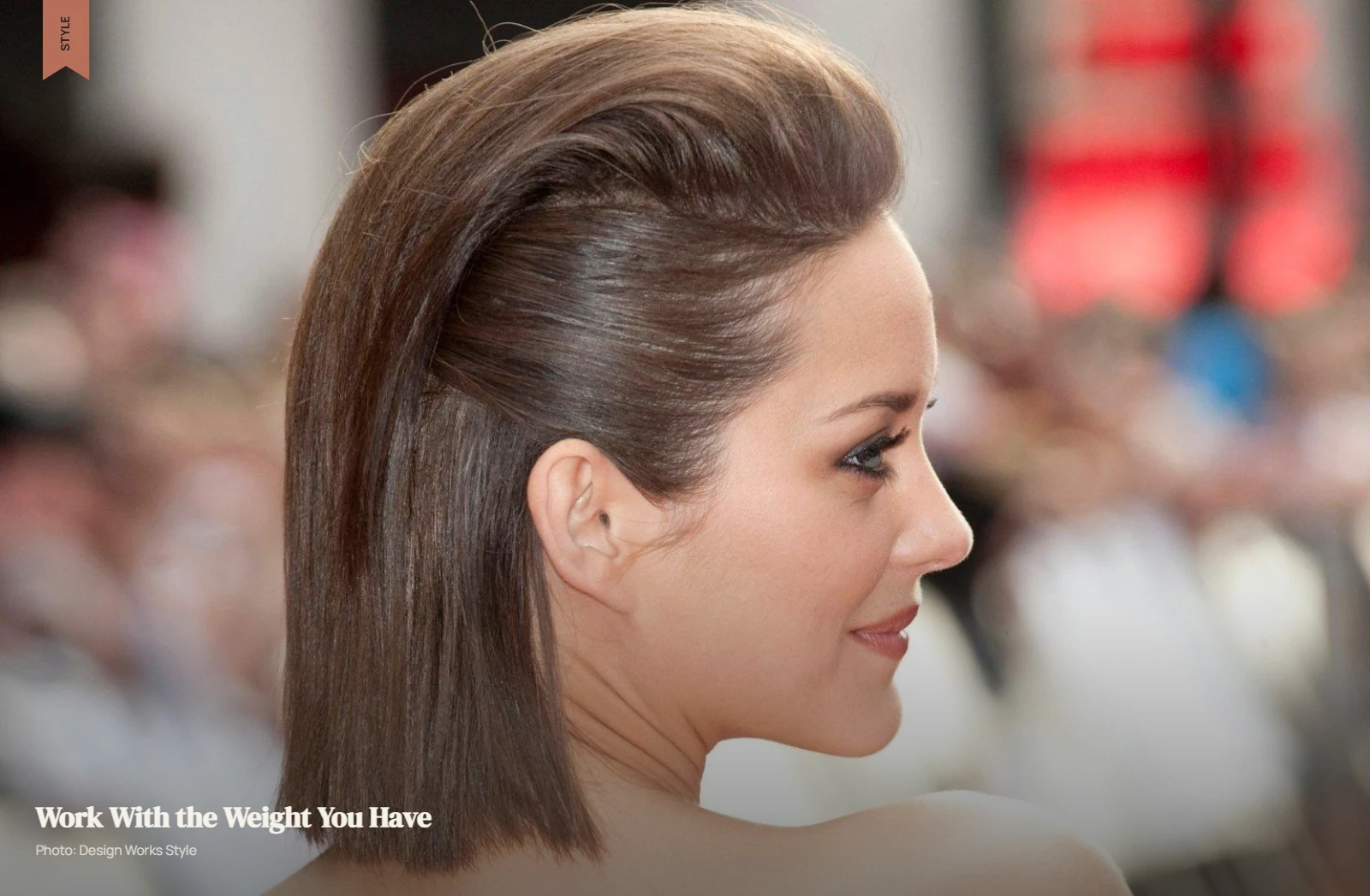
Smoothing the sides, directing the hair upward at the crown, or gathering some of the weight into a ponytail or updo can change the silhouette without requiring excessive product.
Wavy or Curly Hair
Work with the natural movement whenever possible. Your wave or curl pattern already creates texture, so styling can focus on defining, separating, or redirecting that movement.
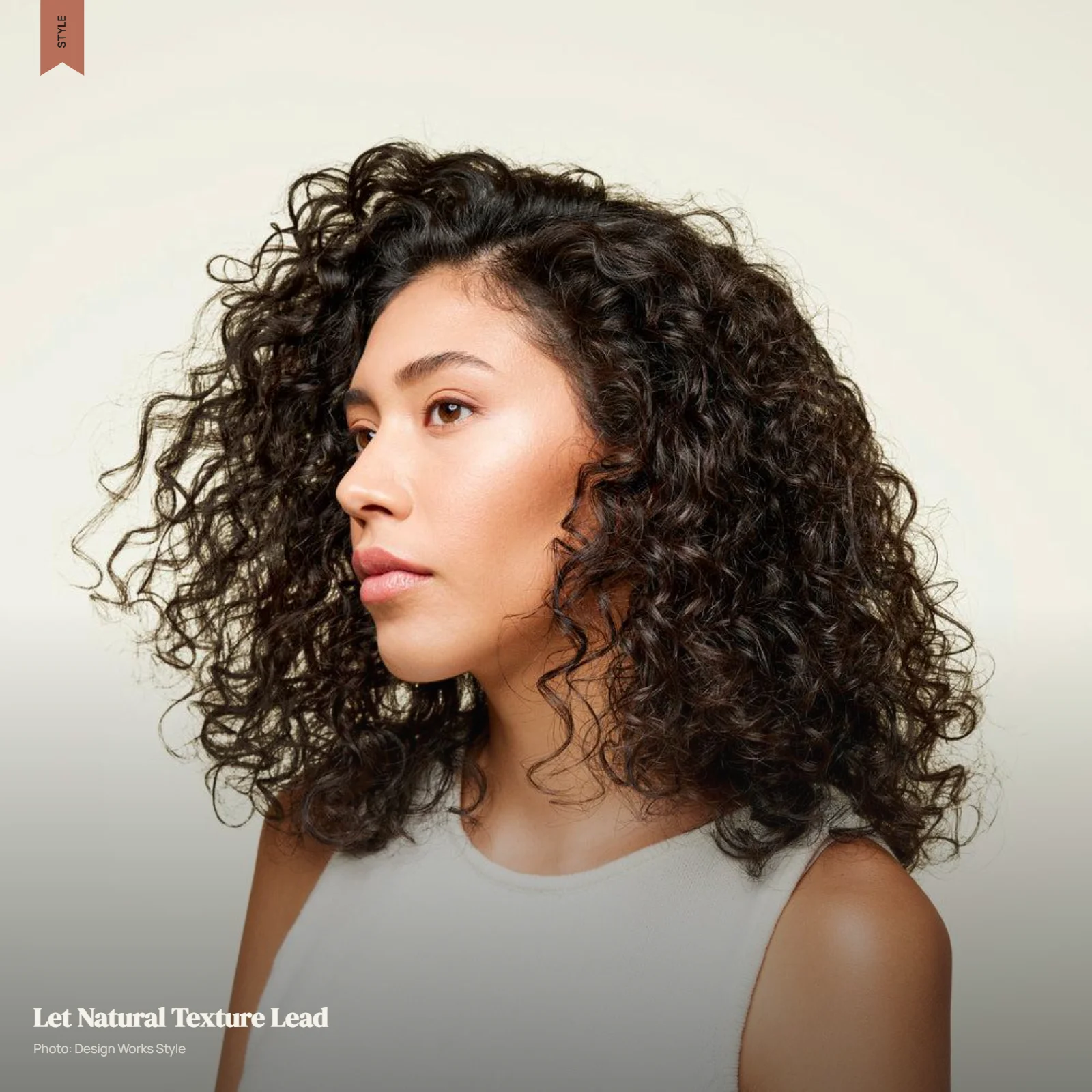
Avoid judging a straight-haired reference as though it will automatically translate to your natural texture. The same part, length, and arrangement can create a very different silhouette on curls.
Straight Hair
Straight hair makes changes in parting, direction, and texture particularly visible.
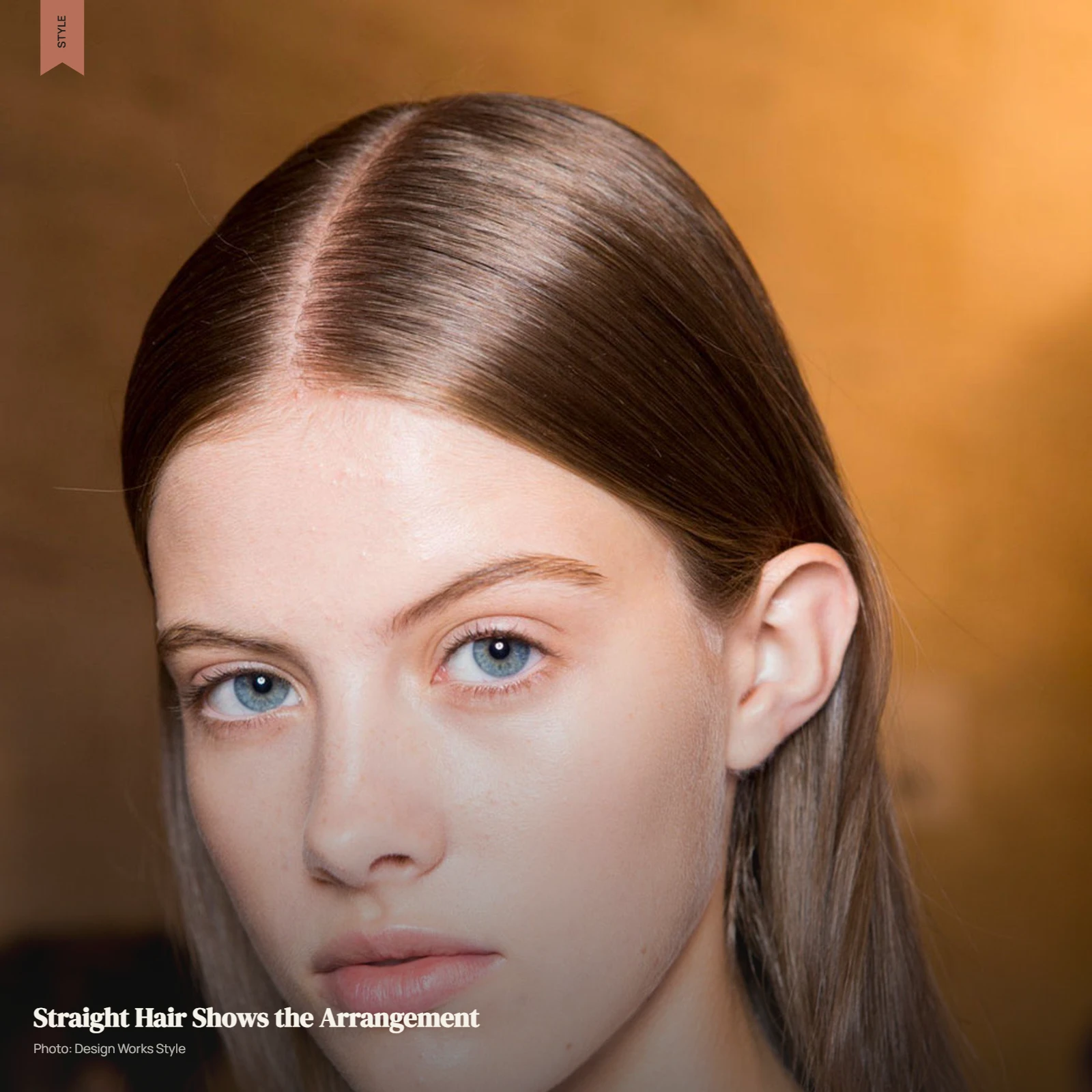
If you want more movement, try soft waves, directional styling, or texture through selected sections. If you prefer a clean look, use the natural straightness of the hair to emphasize the part and overall arrangement.
Easy Styling Ideas for Everyday Wear
You do not need a complicated hairstyle every day. A few adaptable arrangements can give you different options from the same haircut.
- Loose side-parted hair: Changes the direction of the hair without requiring a major styling session.
- Soft waves: Adds movement through the lengths while keeping the basic haircut unchanged.
- Half-up hair: Removes some hair from the face while keeping length and texture visible.
- Textured ponytail: Combines a practical pulled-back style with movement through the gathered hair.
- Low ponytail with face-framing pieces: Keeps the style simple while allowing selected pieces to remain around the face.
- Loose bun: Works with natural texture and can be adjusted from polished to relaxed.
- Natural texture with controlled crown volume: Lets the existing hair pattern remain visible while changing the distribution of volume.
The best everyday option is usually the one that gives you the desired shape without requiring more work than you are willing to do consistently.
Common Styling Mistakes
Styling a round face does not require following a strict set of rules. Most problems come from ignoring how the hair actually behaves.
Common issues include:
- Adding too much volume at the widest point: More volume can increase the visual width of an area rather than simply improving the shape.
- Pulling everything tightly back: This creates a very different outline from leaving selected pieces loose.
- Copying a style without considering texture: A technique designed for straight hair may not translate directly to curls or waves.
- Forcing an unnatural part: A part that fights your natural growth pattern may require constant adjustment.
- Using too much product: Heavy buildup can reduce movement and make textured styles look less natural.
- Choosing a high-maintenance style: A hairstyle that takes far longer than your normal routine may not be practical.
- Assuming every style needs to make the face look longer: Visual balance can be about movement, proportion, openness, or simply creating a shape you enjoy.
The better approach is to test small changes before committing to a completely different styling routine.
When the Problem Is Actually the Haircut
Sometimes styling can only do so much.
If you consistently struggle with unwanted bulk, an unsuitable length, difficult layers, or face-framing pieces that do not fall where you want them, the underlying haircut may be the issue. Natural texture can also reveal problems that are difficult to solve with styling alone.
If you think your haircut needs to change rather than simply be styled differently, return to the guide on haircuts for round faces. That page focuses on choosing the cut itself, while this guide is about arranging and styling the hair you already have.
The useful distinction is simple:
Haircut = what is cut.
Hairstyle = how the hair is arranged or styled.
Once you understand that difference, you can experiment with your part, volume, texture, placement, and face-framing without assuming that every styling problem requires a new haircut.
Frequently Asked Questions
What hairstyle slims a round face?
Height at the crown, a deep side part, and face-framing pieces. High ponytails and top knots add vertical length, while sleek center-parted styles tend to widen the face.
Are ponytails flattering for round faces?
Yes, especially high or voluminous ones. Add height at the crown and leave a few face-framing pieces out rather than pulling everything scraped straight back.
What part is best for a round face?
A deep side part usually flatters most because it breaks up symmetry and creates a diagonal line. A middle part can work too if there is enough volume at the roots.
Can I wear my hair up with a round face?
Definitely. Updos with volume on top and soft pieces around the face are the most flattering. Avoid flat, tight styles with no height, which emphasize width.