
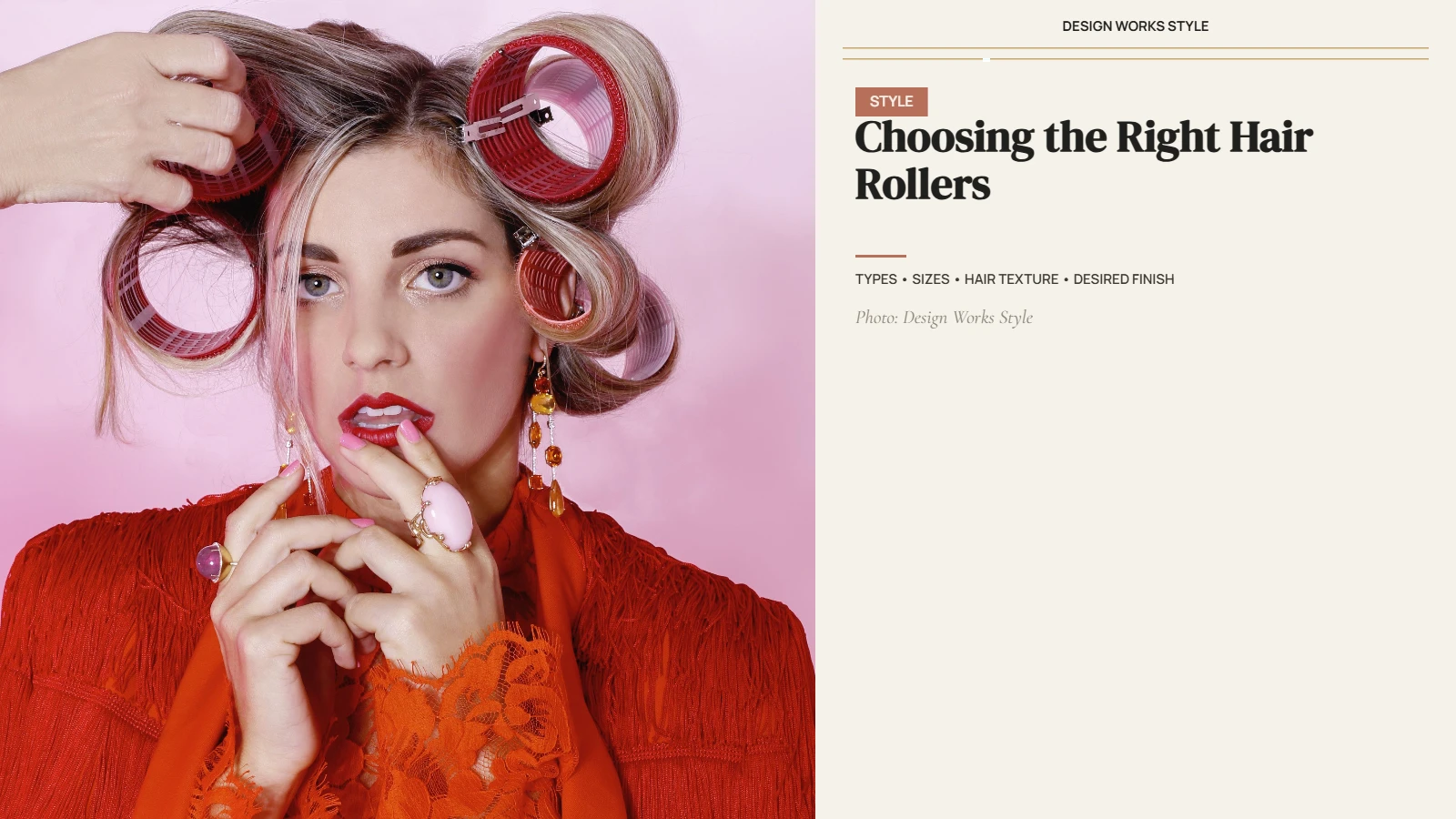
There is no single best hair roller for everyone. The right choice depends on your hair length, strand thickness, density, texture, the finish you want, and how much time you have for styling.
Velcro rollers can help create volume and blowout-style movement, foam rollers are useful for heatless and overnight styling, heated rollers offer a faster way to create curls and body, and flexi rods can create more defined curls. Roller size matters too because diameter affects whether the finished style is tight, bouncy, soft, or mainly focused on volume.
If you are still deciding how rollers fit into your overall routine, our guide to hair styling provides broader context around styling techniques and tools.
Quick Answer: Which Hair Roller Type Should You Choose?
| Roller type | Generally useful for | Main tradeoff |
|---|---|---|
| Velcro / self-grip | Root volume, body and blowout-style movement | Can catch or tangle some hair during removal |
| Foam | Heatless curls and overnight setting | May require longer drying or setting time |
| Heated | Faster curls, volume and a more defined set | Introduces heat exposure |
| Flexi rods | Defined curls, coils and waves | Usually requires more setup and technique |
| Magnetic / traditional | Controlled, uniform curl sets | Often needs clips or pins and more drying time |
The right choice depends on the result you want.
For volume, larger Velcro or heated rollers can be useful. For heatless curls, foam rollers or flexi rods may make more sense. For defined curls, smaller rollers or flexi rods are generally more appropriate.
How to Choose the Right Hair Rollers
Consider Your Hair Length
Hair length affects both the roller diameter you can use and how much hair can wrap around each roller.
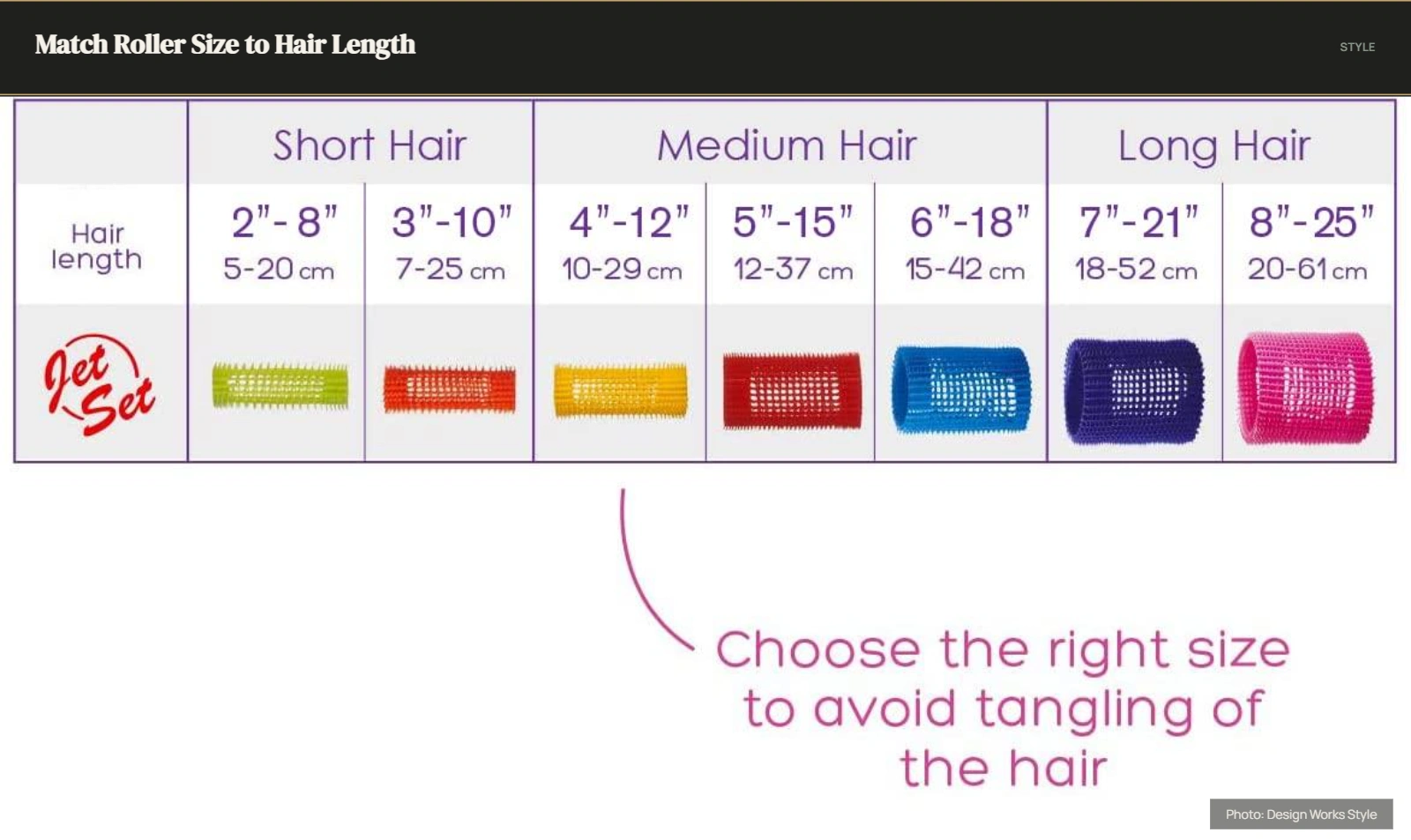
Short hair often works better with smaller or medium rollers because very large rollers may not allow enough hair to wrap securely around them. Medium-length hair gives you more flexibility, while long hair can accommodate larger rollers when the goal is softer waves or volume.
The important point is that the hair needs enough length to wrap around the roller appropriately. A roller that is too large for the length may create little more than a bend, while a very small roller can produce tighter curls than intended.
Consider Strand Thickness and Density
Fine hair and thin hair are not the same thing.
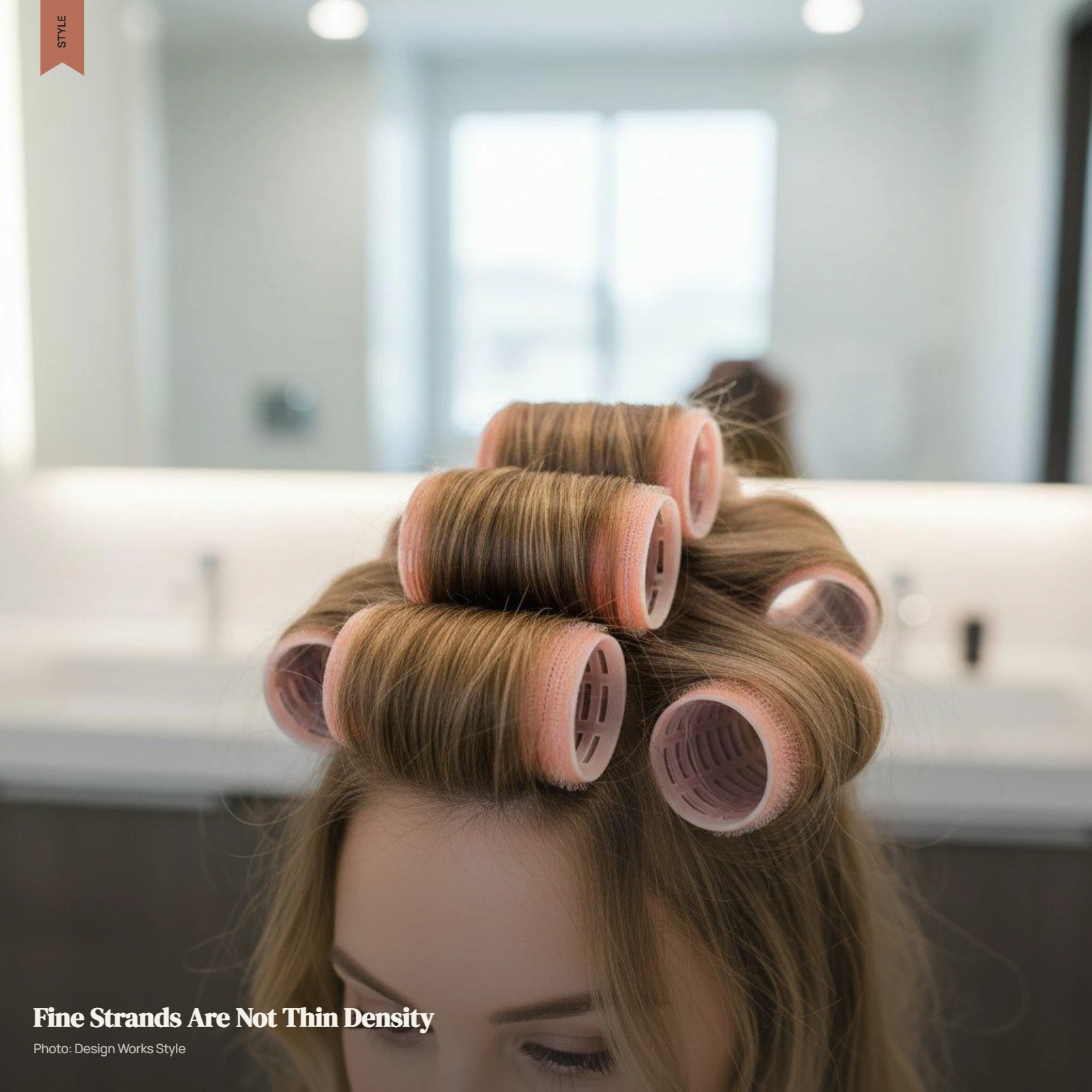
Fine hair describes the diameter of individual strands. Density describes how much hair you have overall. Someone can have fine strands with high density or coarse strands with low density.
This matters when choosing rollers because the amount of hair in each section affects how easily the roller can grip and how well the set forms.
Fine hair may benefit from lightweight rollers and good root grip. Thick or dense hair may require smaller sections, more rollers, or longer setting time.
Consider Your Hair Texture
Rollers do not behave identically on every hair texture.
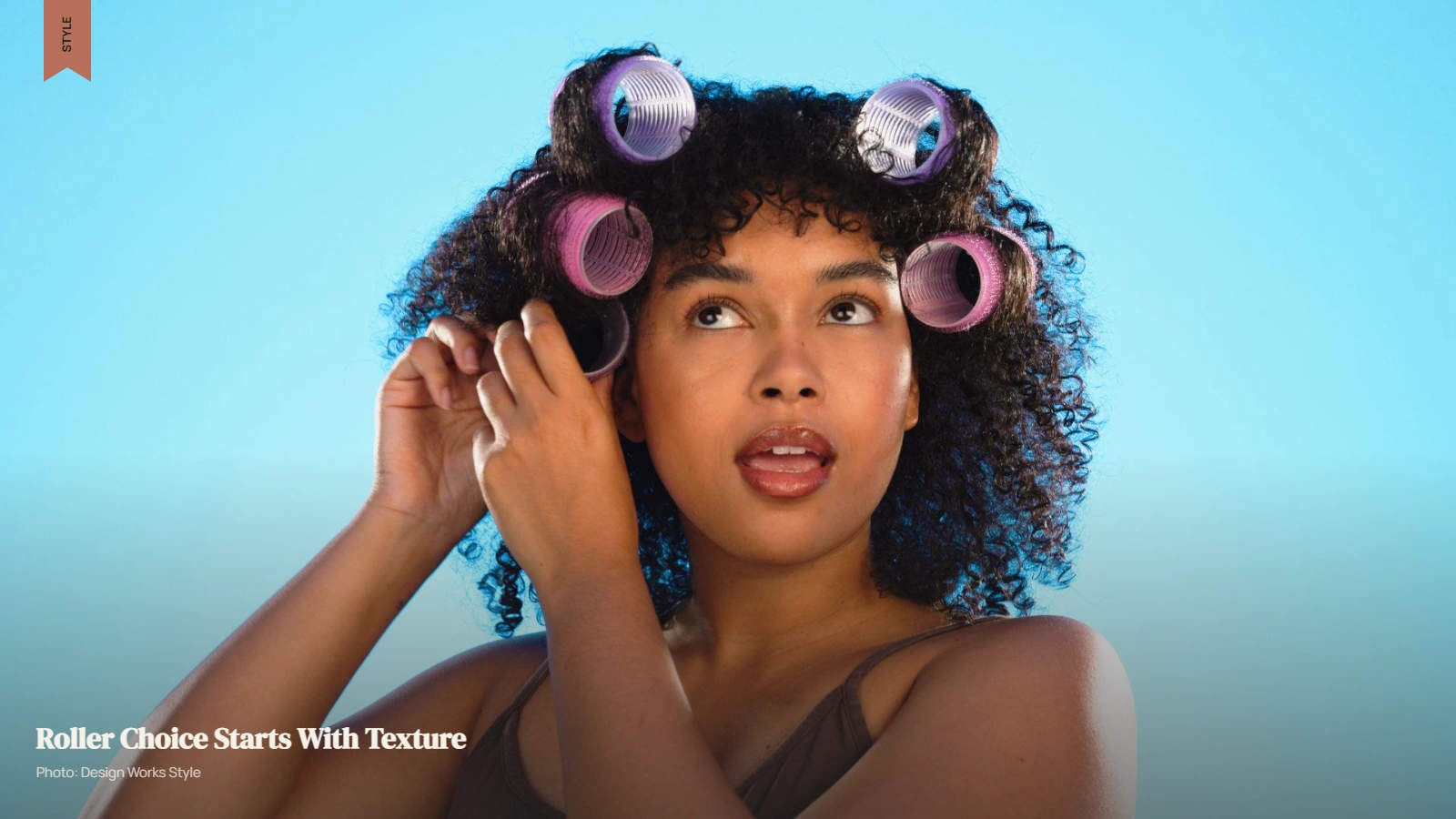
Straight hair may need careful preparation and enough setting time to help curls hold. Wavy hair can be rolled to enhance existing movement or create a smoother, more uniform finish.
Curly and coily hair requires particular attention to sectioning, detangling and tension. Flexi rods can be useful when the goal is definition, while softer heatless options may suit someone who wants to reduce heat exposure.
Your roller choice should therefore follow your hair’s characteristics rather than a generic “best roller” recommendation.
Start With the Result You Want
Think about the finished style before choosing the roller.
- Root volume: larger rollers can create lift and body.
- Soft waves: medium-to-large rollers are generally more suitable.
- Bouncy curls: medium rollers offer more definition.
- Tighter curls: smaller rollers create a tighter result.
- Defined curls or coils: flexi rods and smaller-diameter options can be useful.
- Blowout-style movement: larger Velcro or heated rollers can create body and movement.
The same roller can produce different results depending on section size, tension, hair dampness and setting time.
Decide Whether You Want Heat
Heated rollers make sense when speed and a defined set are priorities. Heatless rollers may be preferable when you want to avoid additional heat exposure.
Heatless does not automatically mean damage-free. Pulling, excessive tension, tangling and rough removal can still create mechanical stress.
If you use heated rollers, follow the manufacturer’s instructions for temperature, application and removal.
What Hair Roller Size Should You Use?
Roller diameter has a major effect on the finished shape.
As a general guide:
- Small rollers: tighter curls and more definition
- Medium rollers: bouncy curls and versatile waves
- Large rollers: softer waves, body and volume
- Very large rollers: root lift and a softer bend
Hair length changes how each size behaves. A large roller may work well on long hair but produce little curl on short hair.
The final result also depends on section size, hair dampness, tension, setting time, styling products and removal technique. Two people using the same roller diameter can therefore get noticeably different results.
Velcro and Self-Grip Rollers
Velcro and other self-grip rollers are particularly useful when the goal is volume, root lift or a blowout-style finish.
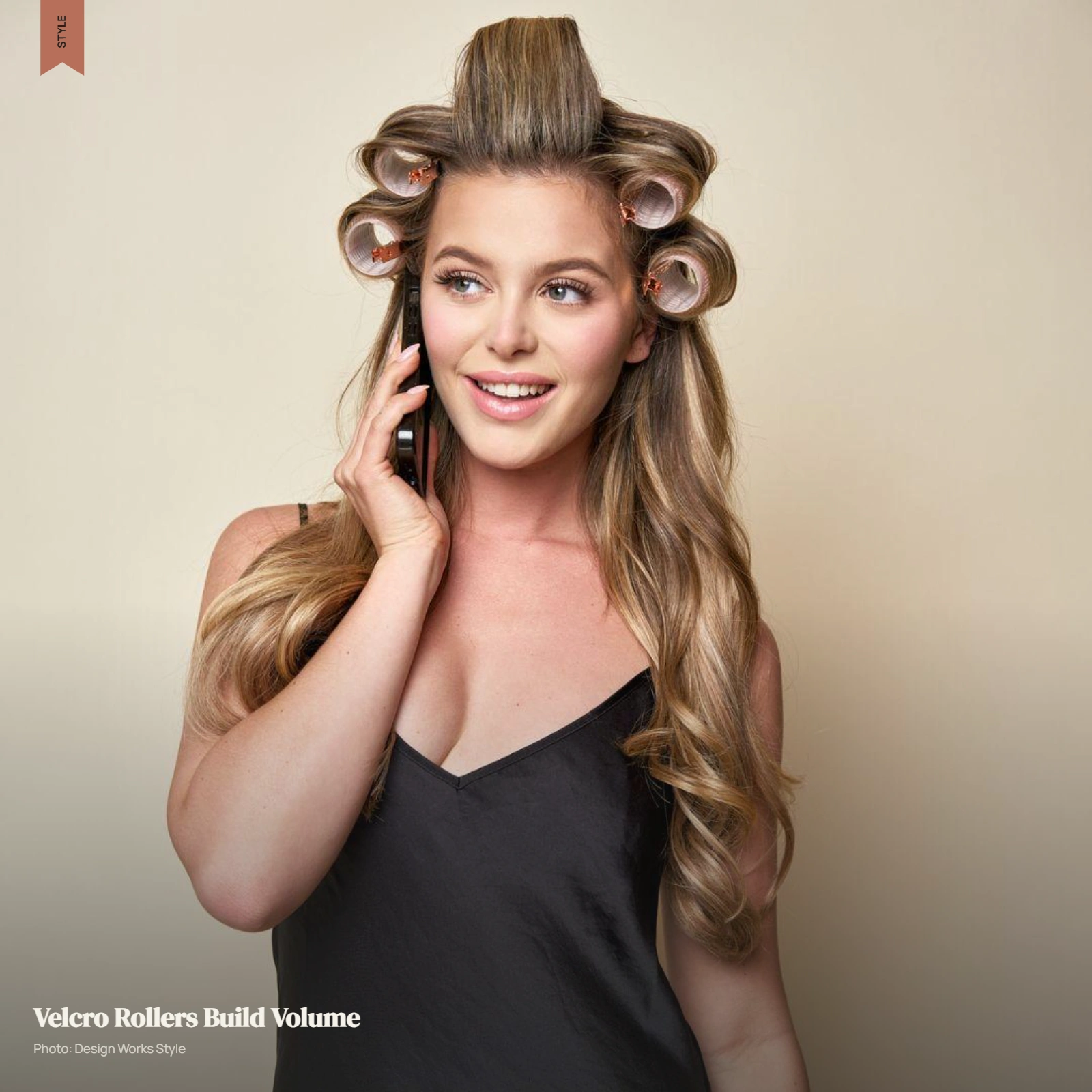
They grip the hair without requiring a separate pin or clip, which makes them convenient for quick styling. Larger sizes can create softer movement and volume, while smaller sizes provide more curl and definition.
The main drawback is removal. The gripping surface can catch or tangle some hair, particularly hair that is prone to tangling.
Remove them carefully instead of pulling them directly through the hair.
Choose Velcro rollers when volume, convenience and a blowout-style finish matter more than creating a very defined curl.
Foam Rollers
Foam rollers are a practical option for heatless curls and overnight styling.
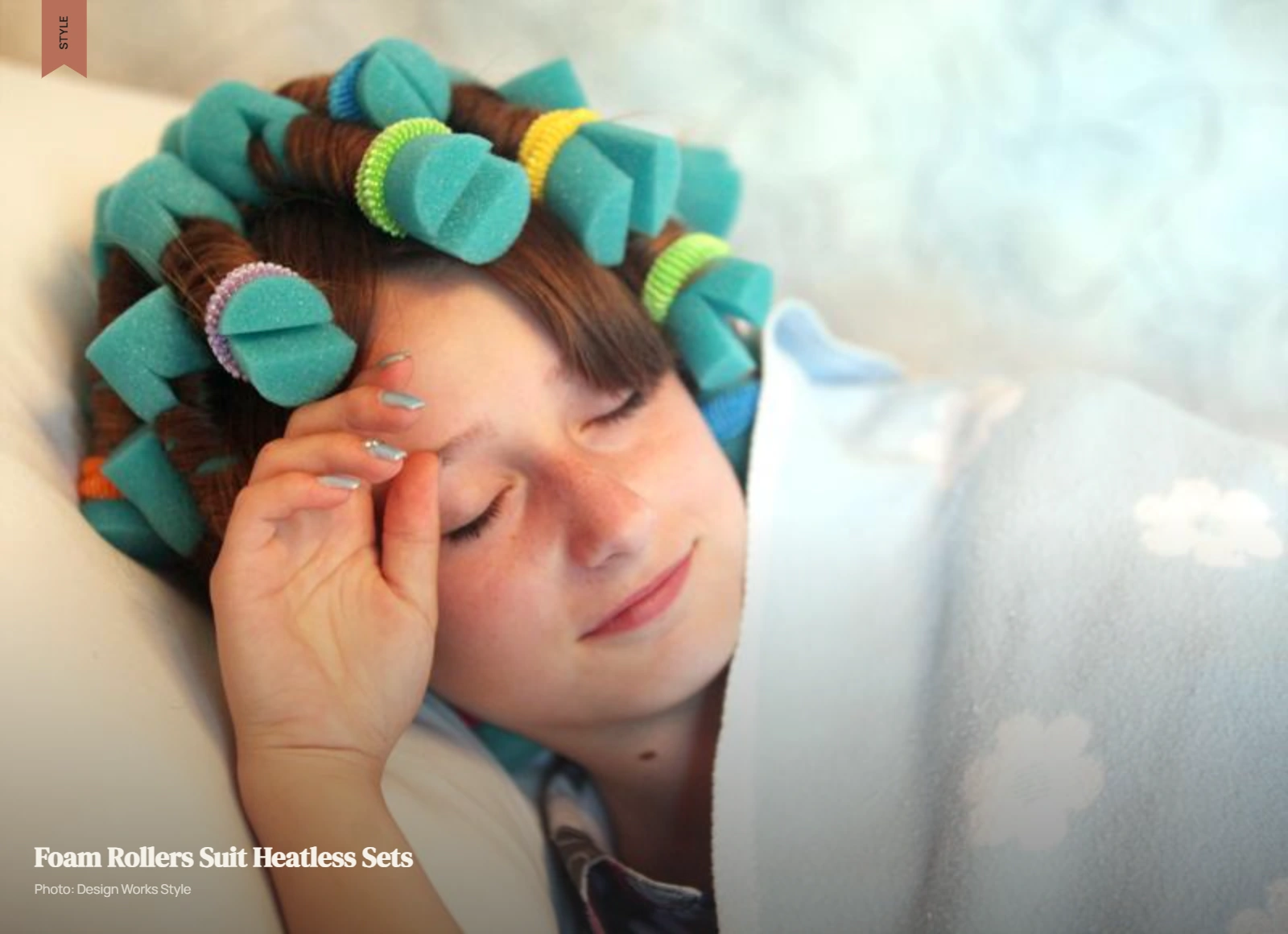
Their softer construction can make them more comfortable for extended wear than harder roller designs. They can create soft, bouncy curls, although the result depends heavily on section size and whether the hair has enough time to set.
Foam rollers make more sense when comfort and heatless styling are priorities.
They may not be the best choice when you need a very fast result, particularly if the hair needs substantial time to dry before the rollers can be removed.
Heated Rollers
Heated rollers use warmth to set the hair, making them useful when you want a relatively quick styling session with curls or added volume.
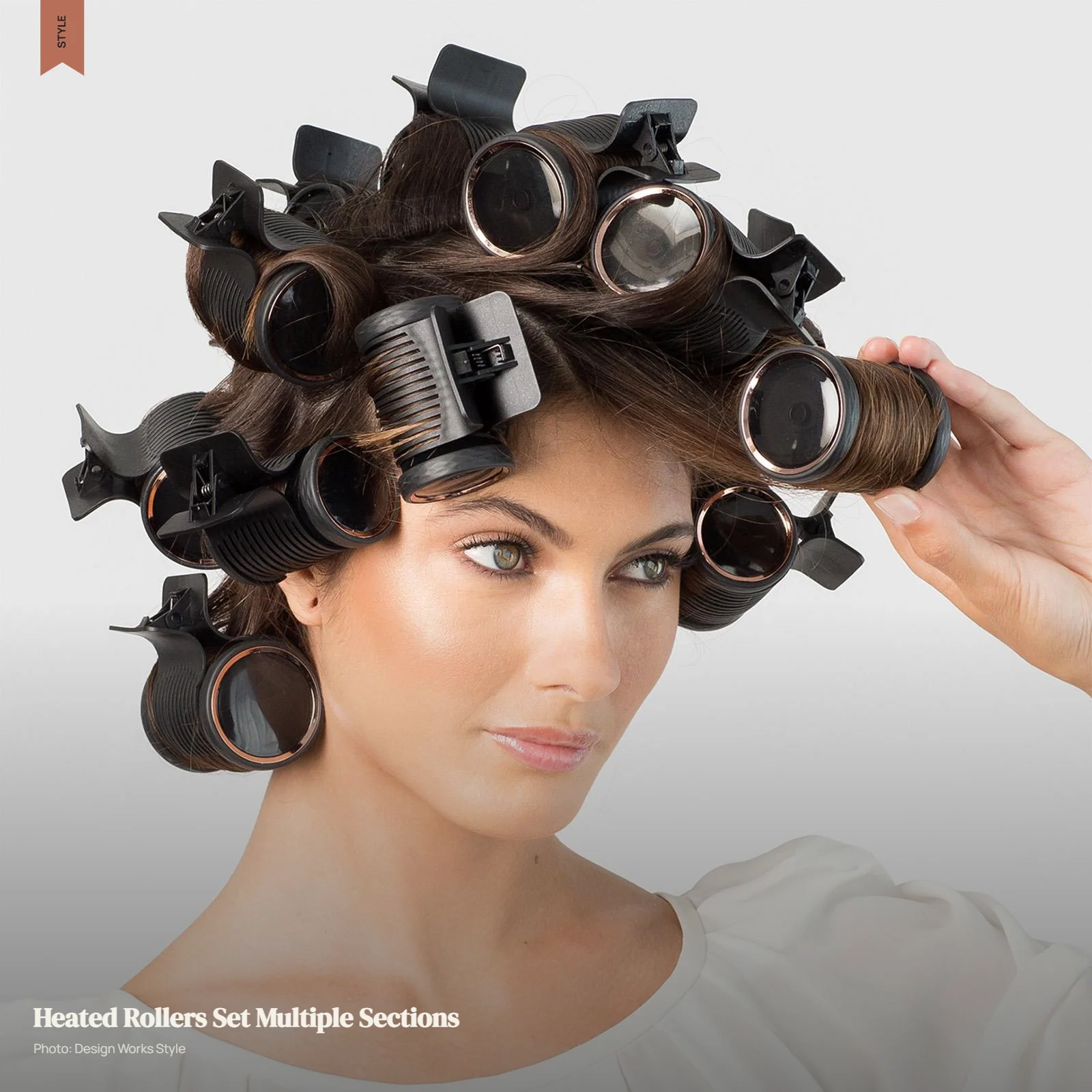
They can be convenient when you want to set multiple sections at once instead of working through the hair section by section with a curling iron.
Roller size still affects the result. Larger rollers generally create softer movement, while smaller rollers create more definition.
The tradeoff is heat exposure. Heated rollers should not be treated as suitable for every hair type or condition. Follow the manufacturer’s instructions and use appropriate heat protection where recommended.
Choose heated rollers when speed and a defined set are more important than avoiding heat.
Flexi Rods
Flexi rods are flexible curling tools that bend around the hair rather than requiring a separate clip or pin.
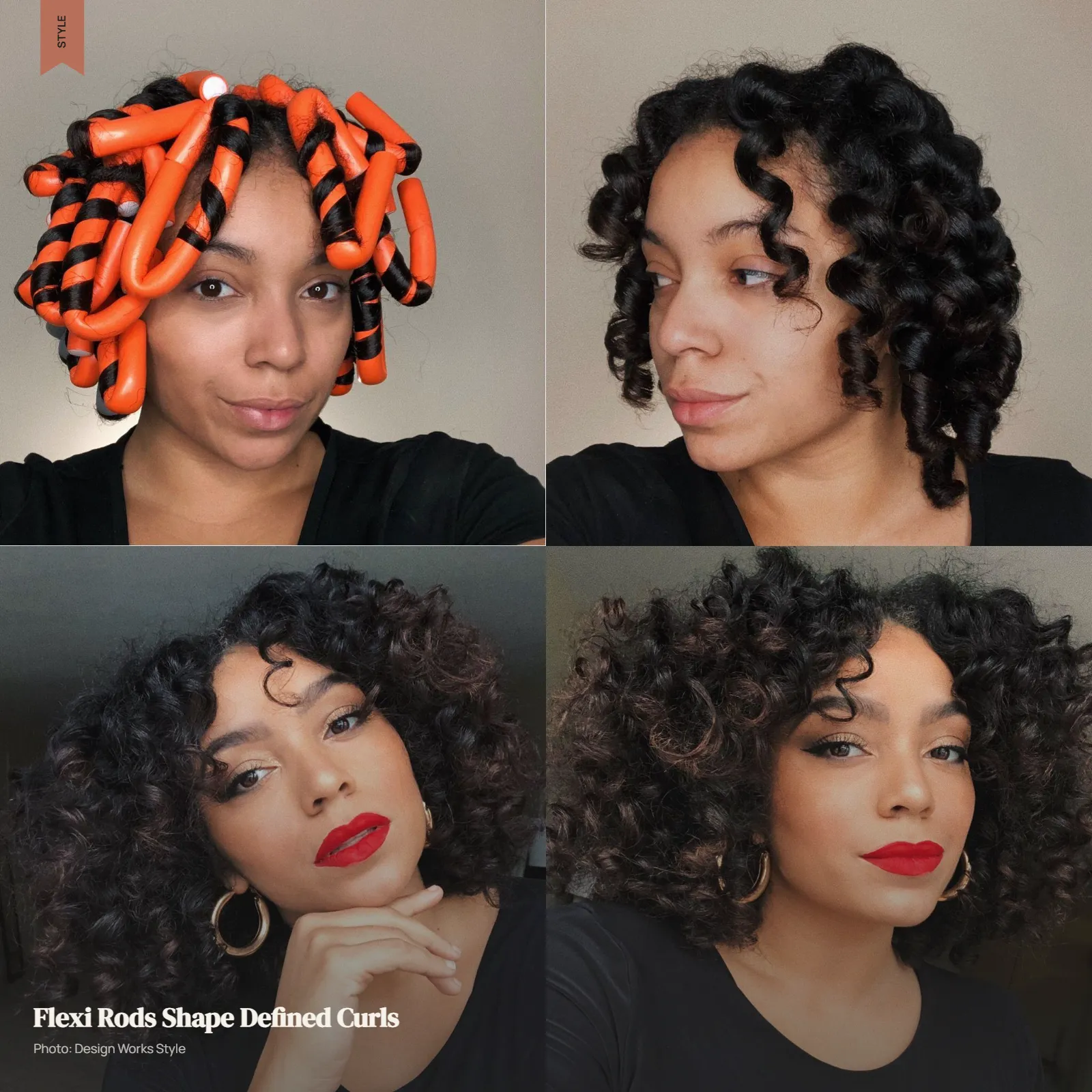
They can create defined curls, ringlets and coils, with the final shape depending on rod diameter, section size and wrapping technique.
They can be particularly useful for curly, coily or textured hair when definition is the main goal. Smaller rods generally create tighter curls, while larger rods create looser shapes.
The tradeoff is technique. Flexi rods usually require more preparation and careful sectioning than a simple self-grip roller.
Choose flexi rods when curl definition and shape are the priority.
Magnetic or Traditional Rollers
Magnetic and traditional rollers provide a more controlled roller set. They are typically secured with clips, pins or another closure system.
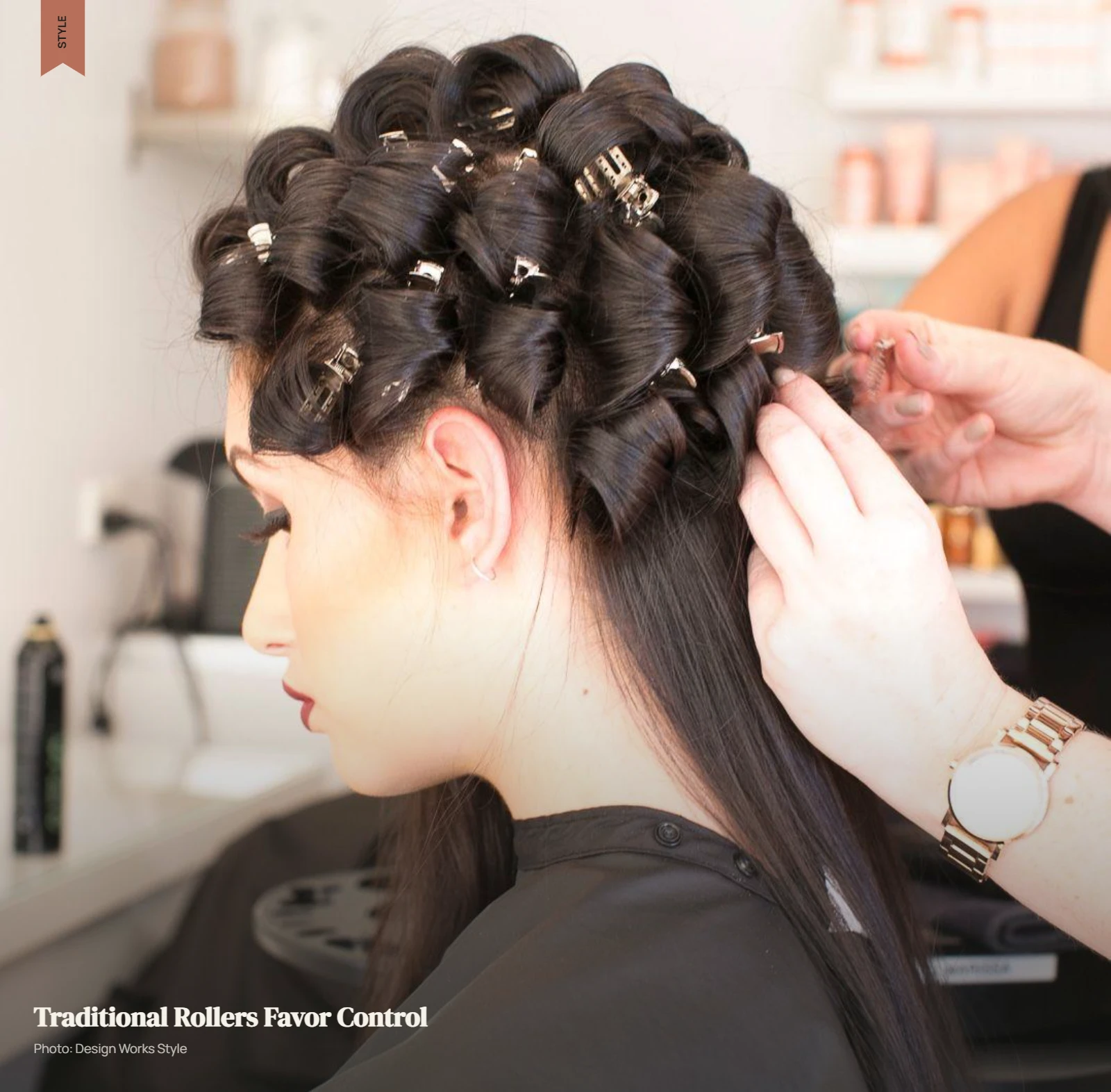
They can be useful when you want a structured set with consistent sections rather than quick root volume.
The downside is setup time. You may need more sections, clips and drying time than you would with a simple Velcro set.
Choose this type when control and consistency matter more than speed.
Which Hair Rollers Are Best for Different Hair Types?
Fine Hair
Fine hair can benefit from rollers that provide good grip without adding unnecessary weight.
Velcro rollers can be useful for root volume, while foam rollers offer a softer heatless option.
Use manageable sections and remove the rollers carefully. Excessive tension or rough removal can work against the goal of gentle styling.
Thick or Coarse Hair
Thick or coarse hair may require smaller sections and more setting time.
Consider the roller’s capacity as well as its diameter. A roller may be large enough to create the desired curl but impractical if too much hair has to be wrapped around it.
Clips can also be useful when the roller design does not provide enough grip on its own.
Straight Hair
Straight hair can be rolled to create volume, movement or curls.
Preparation and setting time matter because the hair needs enough time to take the shape of the roller.
If your main goal is overall styling rather than a specific curl pattern, it may also help to consider your wider hair styling routine before choosing a roller system.
Wavy Hair
Rollers can either enhance existing movement or create a smoother, more uniform shape.
Larger rollers are useful when you want softer waves and body, while smaller rollers create more definition.
Avoid choosing a roller simply because it creates a stronger curl. The right choice depends on whether you want to preserve, soften or redefine your natural movement.
Curly and Coily Hair
For curly and coily hair, focus on definition, section size, detangling and tension.
Flexi rods can create defined curls, while heatless options may be useful when minimizing heat is a priority.
Avoid excessive tension and remove rollers carefully.
If your styling routine also includes chemical or conditioning treatments, keep roller use separate from unrelated hair-care decisions. The site’s broader hair care section can provide useful context for maintaining the hair between styling sessions.
Which Rollers Work for Different Hair Lengths?
Short Hair
Smaller to medium rollers are often easier to use because there is less length available to wrap around a large roller.
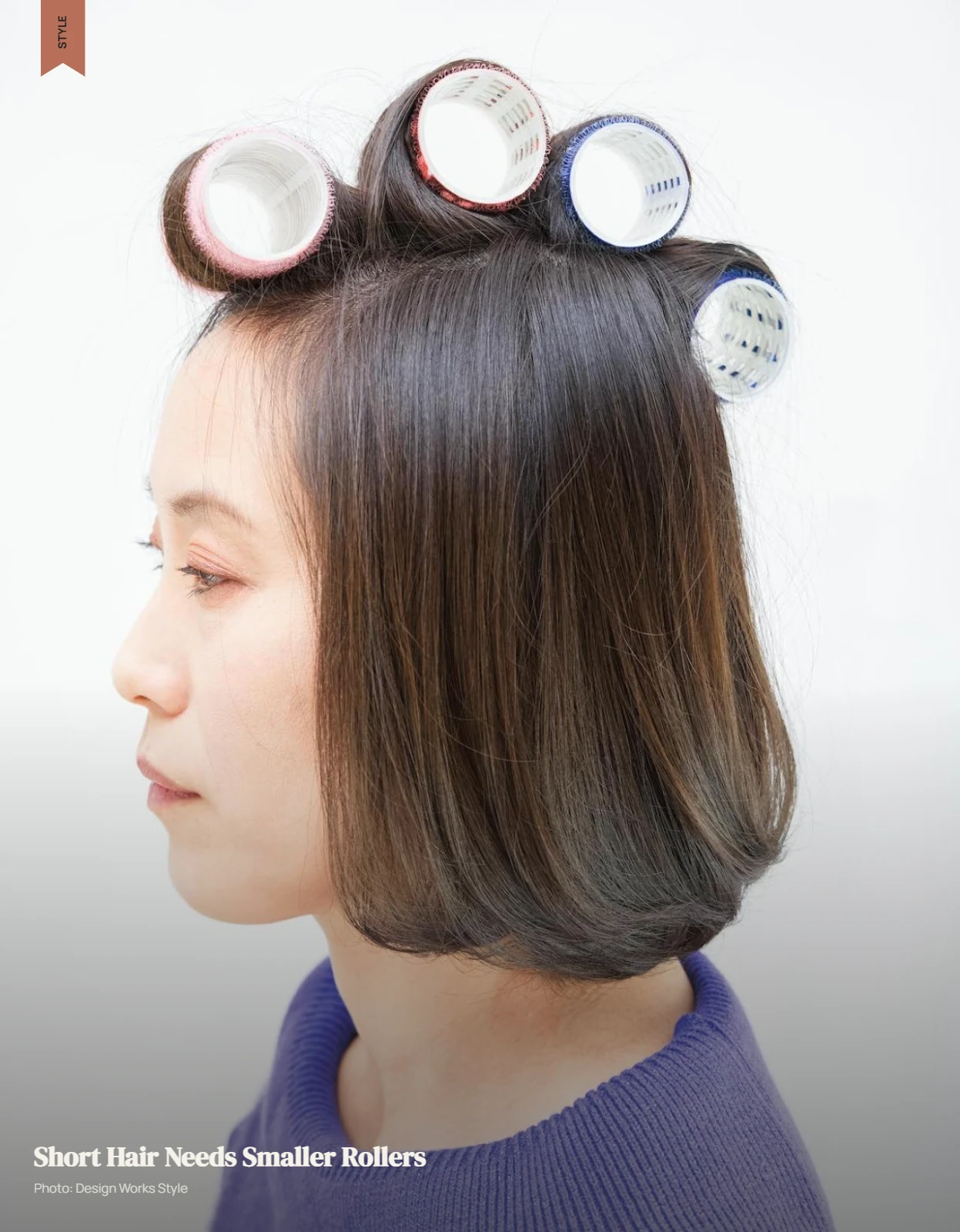
Very large rollers may create volume without producing the curl you expected.
Medium-Length Hair
Medium and larger rollers provide plenty of flexibility.
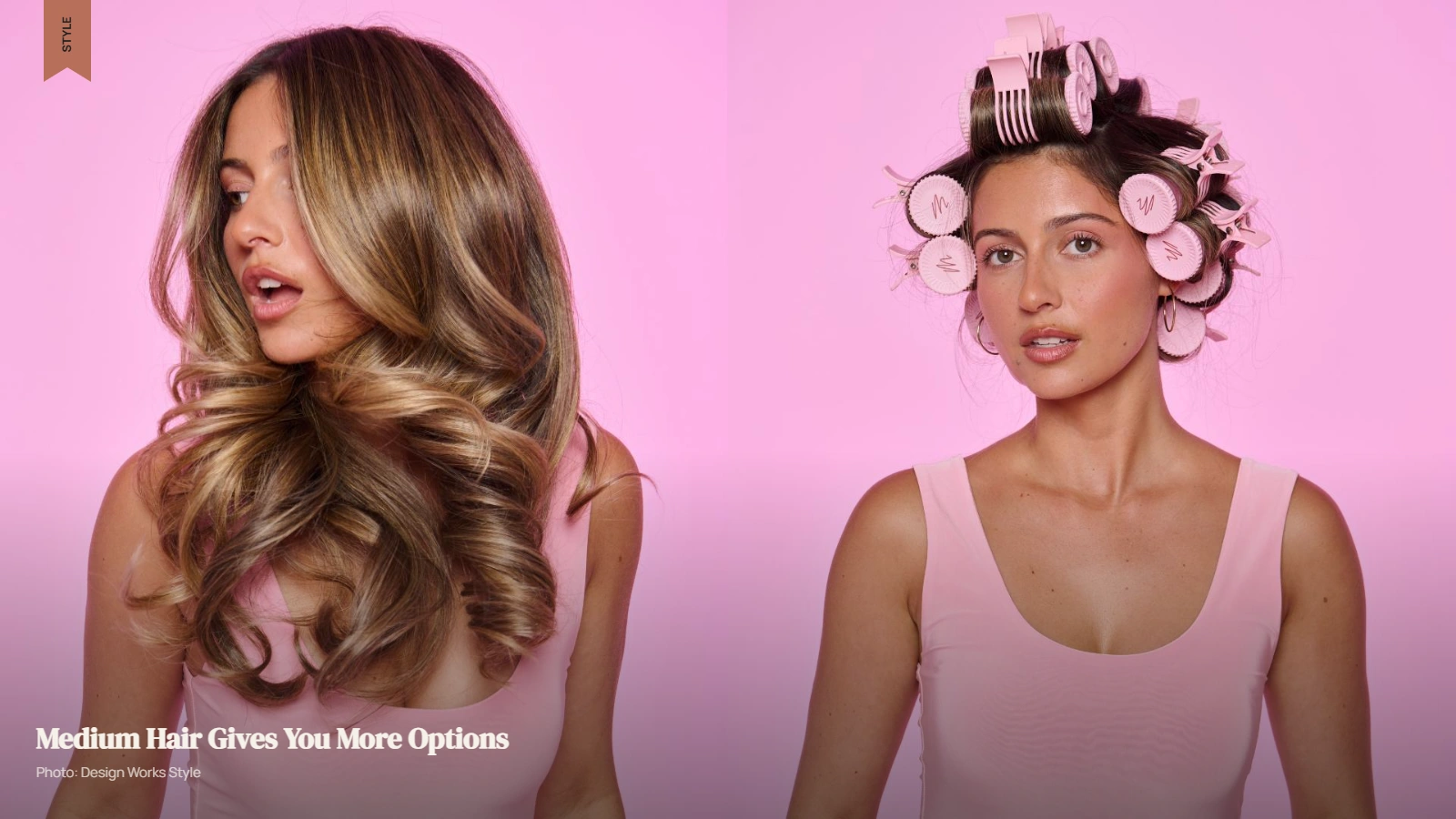
Choose based on whether you want defined curls, softer waves, root volume or general movement.
Long Hair
Long hair can accommodate larger rollers for softer waves and body, while smaller rollers can create more definition.
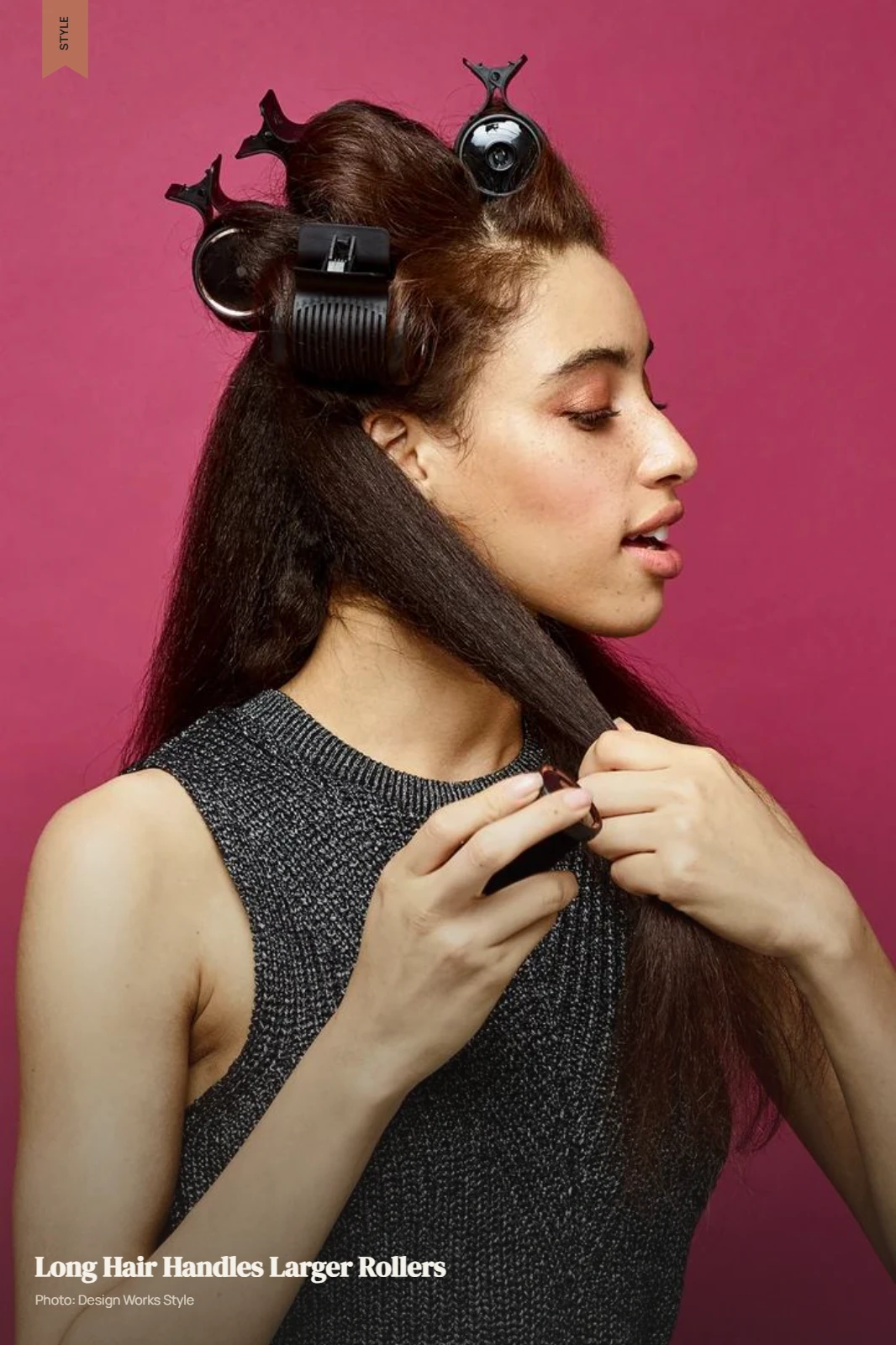
Long or dense hair may also require smaller sections and additional clips depending on the roller design.
If your final goal is a particular haircut or overall shape rather than simply adding curl, it can be useful to consider the relationship between styling and your chosen haircut. Design Works Style’s guide to what haircut suits me covers that broader decision.
Hair Roller Buying Checklist
Match the roller set to your hair, the result you want, and the way you actually style it.
Hair length
Your length affects which roller sizes can wrap securely around the hair.
Strand thickness
Fine and coarse strands can respond differently to roller weight and grip.
Hair density
Dense hair may need smaller sections, more rollers, or longer setting time.
Hair texture
Straight, wavy, curly, and coily hair can respond differently to the same roller.
Desired finish
Decide whether you want volume, soft waves, bouncy curls, or tighter definition.
Roller diameter
Smaller rollers create more definition, while larger rollers generally create softer movement.
Heat or heatless styling
Choose whether faster heated styling or avoiding additional heat matters more.
Setting time
Some roller systems need more drying or setting time before removal.
Grip or closure system
Consider whether the rollers grip independently or require clips, pins, or another closure.
Number of rollers included
Make sure the set includes enough rollers for the amount and density of your hair.
Ease of removal
Look for a design you can remove without unnecessary pulling, catching, or tangling.
Storage and portability
Consider how easily the set can be stored or taken with you when traveling.
Fit with your styling routine
Choose a roller system that fits the time, technique, and results you normally want.
You do not need the largest set or the most expensive option. The better starting point is matching the roller system to the way you actually style your hair.
Common Hair Roller Mistakes
A few problems are easy to avoid:
- Choosing a diameter based only on the product photo
- Using sections that are too thick
- Applying excessive tension
- Removing rollers before the hair has properly set
- Using Velcro rollers carelessly on hair that tangles easily
- Using heated rollers without following the manufacturer’s instructions
- Ignoring hair length when choosing roller size
- Expecting identical results across different hair textures
If the curls are much tighter than expected, the roller may be too small. If you are getting mostly volume when you wanted a noticeable curl, the roller may be too large.
Frequently Asked Questions
What type of rollers are best for volume?
Larger Velcro or self-grip rollers are commonly used for root lift, body and blowout-style volume. The appropriate size still depends on hair length and the amount of movement you want.
Are Velcro rollers good for fine hair?
They can be useful for fine hair when the goal is root volume and body. However, removal needs care because the gripping surface can catch or tangle hair.
Are heated rollers better than Velcro rollers?
Neither is universally better. Heated rollers prioritize faster setting and defined curls, while Velcro rollers are more useful when volume and heat-free styling are the priority.
What size rollers should I use for loose waves?
Larger rollers generally create softer waves and more body. Hair length and section size also affect the final result.
Can you sleep in hair rollers?
Some soft foam, satin and other heatless rollers are designed for overnight use. Harder rollers may be uncomfortable to sleep in. Check the design and manufacturer’s instructions before doing so.
Are hair rollers damaging?
Rollers are not automatically damage-free. Heat can add thermal stress, while tight tension, pulling, tangling and rough removal can create mechanical stress.
How long should you leave rollers in?
It depends on the roller type, hair condition and whether the set relies on heat or drying. The important point is that the hair should be appropriately set before removal.
Do hair rollers work on short hair?
Yes. Smaller rollers are often easier to use on shorter hair because there is less length available to wrap around a large roller.
The Bottom Line
The best hair rollers are the ones that match your hair, your desired result and your styling routine.
Choose Velcro when volume and quick styling are the priority. Choose foam when you want a softer heatless or overnight set. Consider heated rollers when speed and a defined style matter. Choose flexi rods when you want more defined curls or coils.
Start with the result you want, then work backward through roller type, size, hair length and setting method. That is a more useful approach than choosing a roller simply because its product description calls it “best.”