
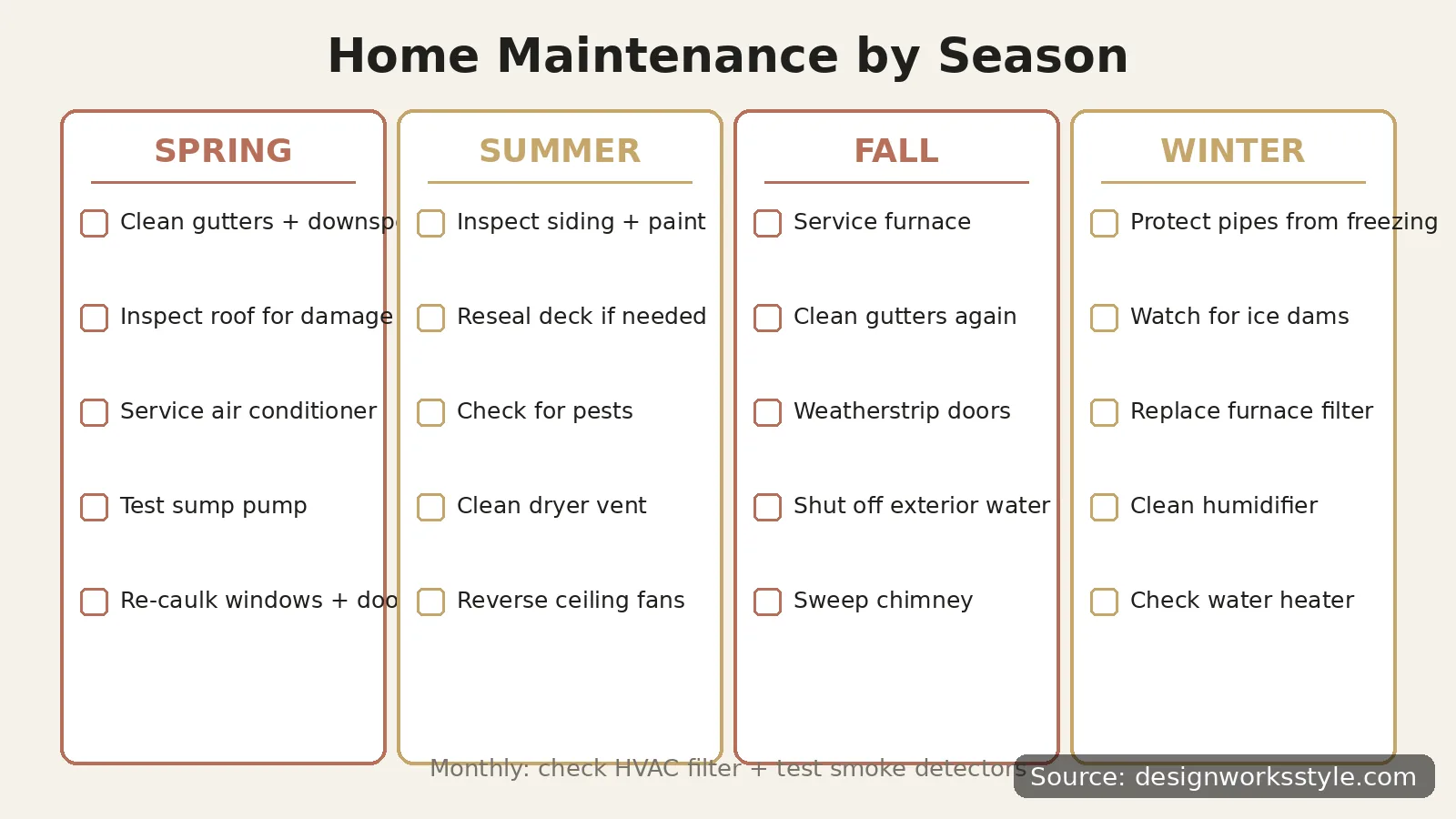
Home maintenance follows the seasons: spring is for gutters, roof, and HVAC cooling; summer for exterior surfaces and pests; fall for heating, weatherproofing, and shutting off exterior water; winter for freeze protection and furnace filters. Monthly, check the HVAC filter and test smoke detectors. Annually, flush the water heater and service both the furnace and air conditioner. An hour or two per season prevents nearly every expensive surprise.
Most expensive home repairs are just maintenance that did not happen. The water heater that floods the basement had years of sediment buildup. The roof leak started as a $10 shingle. The furnace that dies in January skipped its fall tune-up. Maintenance is not exciting, which is exactly why a checklist helps: it turns “I should probably check that sometime” into a specific task in a specific month.
What Should You Do for Spring Home Maintenance?
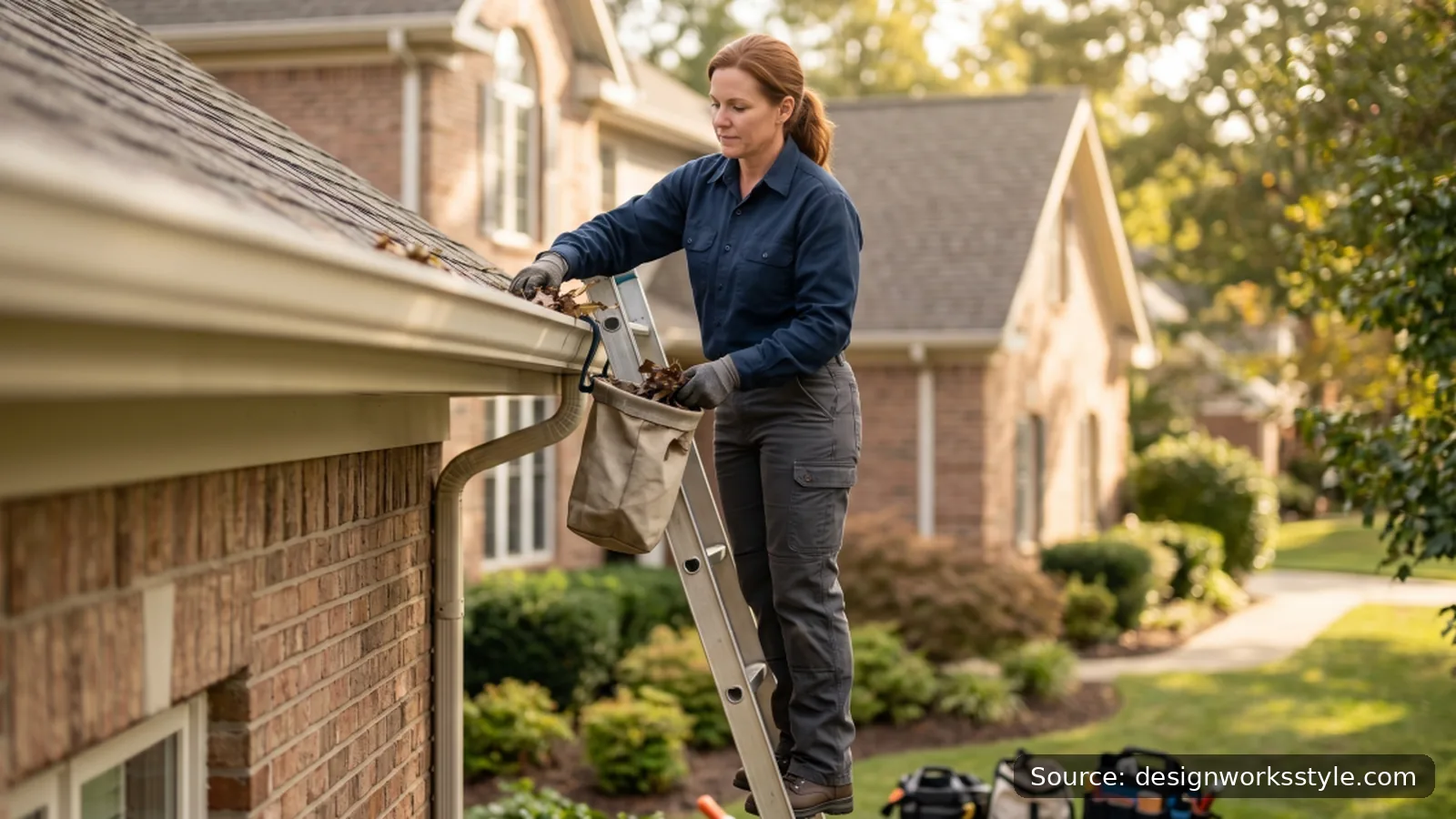
Clean the gutters and downspouts after the last freeze, and check that downspouts direct water at least 4 feet from the foundation. Inspect the roof from the ground with binoculars: missing, cracked, or curling shingles get fixed now, not after the first summer storm. Service the air conditioner before you need it: replace the filter, clear debris from the outdoor unit, and hose its coils. Test the sump pump by pouring water into the pit. Check exterior caulk around windows and doors and recaulk gaps. If you have sprinklers, open them and check for cracked heads before the watering season.
What Should You Do for Summer Home Maintenance?
Walk the exterior: look for peeling paint, damaged siding, and cracks in the driveway or foundation that grew over winter. Clean and inspect the deck: reseal if water no longer beads on the surface. Check for pests: wasp nests under eaves, ant trails near the foundation, and moisture in crawl spaces that invites termites. Clean the dryer vent from the dryer to the outside wall; lint buildup is a leading cause of house fires and makes the dryer work twice as hard. Reverse ceiling fans to push air down. Tidy the garage: summer is when you will actually use it, and it is the easiest season to sort through what accumulated.
What Should You Do for Fall Home Maintenance?
Service the furnace before heating season: replace the filter, and have a technician inspect it annually (cracked heat exchangers are a carbon monoxide risk). Clean the gutters again after the leaves fall; clogged fall gutters cause ice dams in winter. Check weatherstripping on doors and windows and replace what is compressed or torn. Shut off exterior water valves and drain hoses and faucets so pipes cannot freeze. If you have a chimney and burn wood, have it swept annually; creosote buildup causes chimney fires. Test the generator if you own one, before the storm season.
What Should You Do for Winter Home Maintenance?
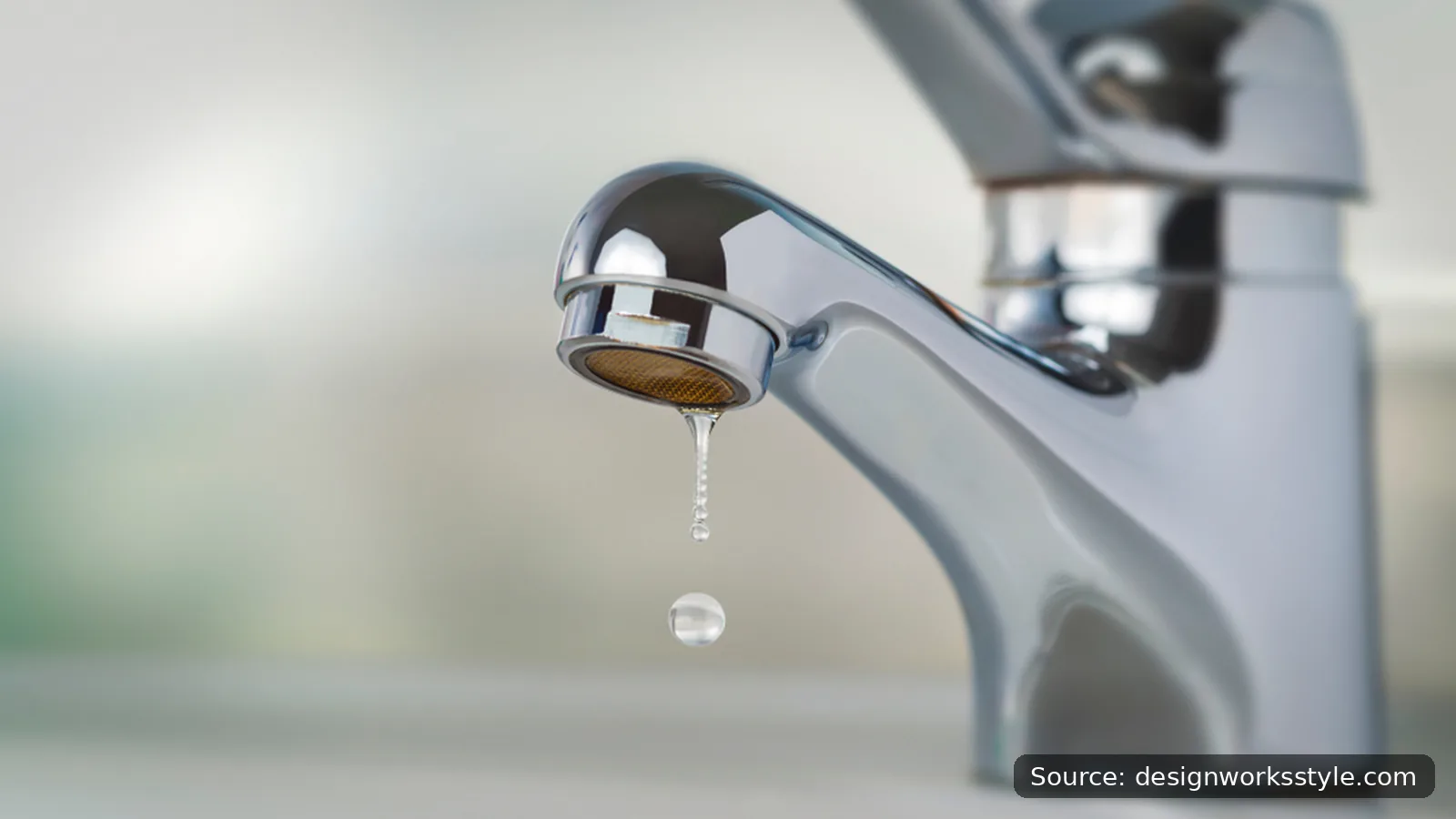
Protect pipes: keep the house at least 55°F even when away, open cabinet doors under sinks on exterior walls during extreme cold, and let faucets drip during deep freezes. Watch for ice dams (ridges of ice at the roof edge that force water under shingles); a roof rake clears the snow that causes them. Replace the furnace filter monthly during heavy use. If you run a humidifier, clean it regularly; dirty humidifiers grow mold. Keep an eye on the water heater: winter is when old ones fail, and a pan or leak alarm under it buys you warning time.
What Home Maintenance Should You Do Every Month and Year?
Monthly: check the HVAC filter (replace when dirty, not on a fixed schedule), test smoke and carbon monoxide detectors with the test button, and walk the house looking for new water stains, which are always worth investigating immediately. Yearly: flush the water heater to remove sediment (attach a hose to the drain valve and run it until the water is clear), replace detector batteries, deep-clean the dryer vent, and service both heating and cooling systems. Put the annual items on your calendar as recurring events. The system that reminds you is the system that works.
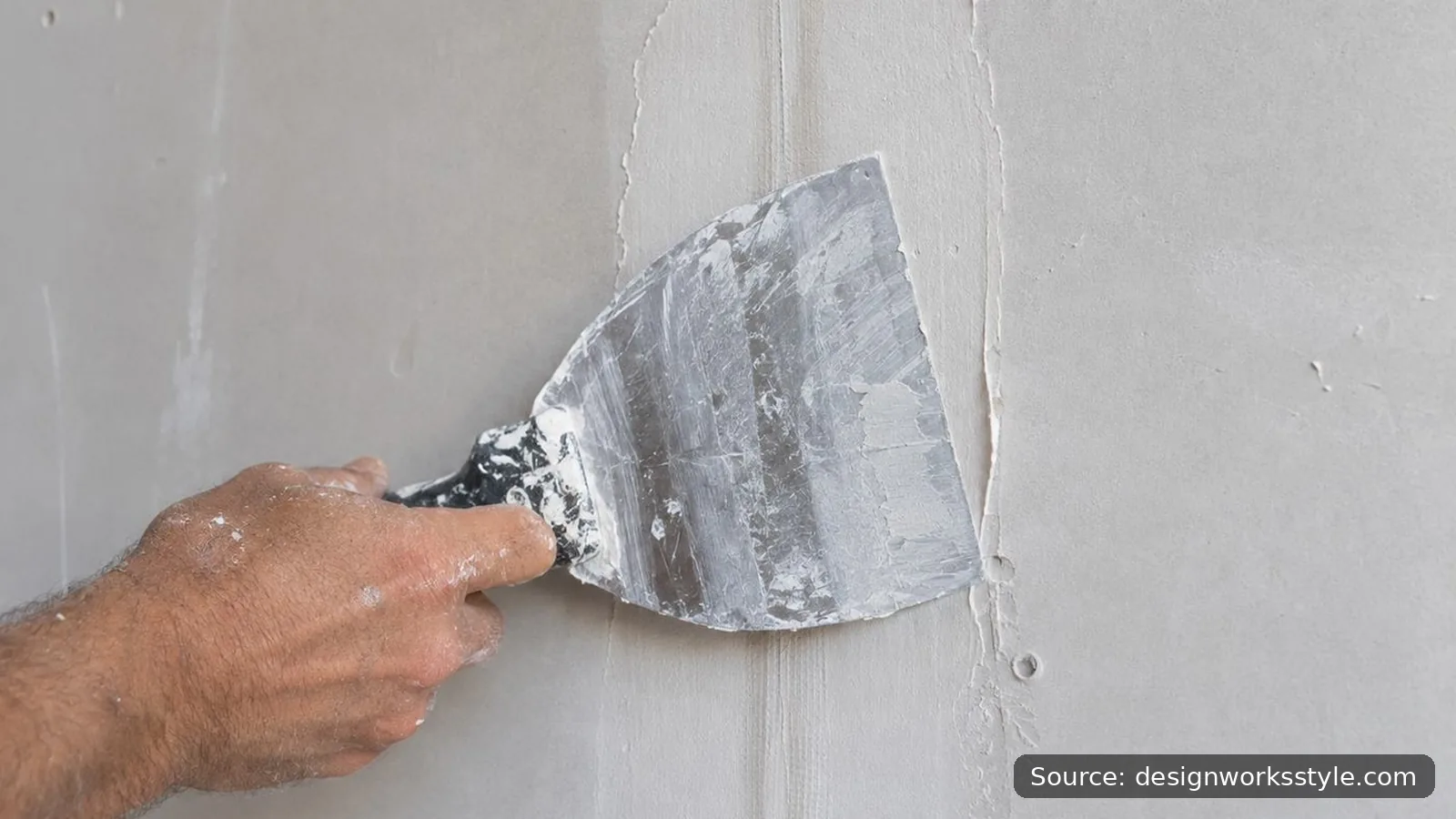
When maintenance lapses and something breaks, our home repairs guide covers the most common fixes, from running toilets to drywall patches, with step-by-step instructions for each.
Frequently Asked Questions
How often should you service your HVAC system?
Professionally once a year for each system: furnace in the fall, air conditioner in the spring. Filters are your job: check monthly and replace when dirty, which in most homes means every 1 to 3 months. Homes with pets or allergies need more frequent changes. A clogged filter is the number one cause of HVAC inefficiency and a common cause of system failure.
How often should gutters be cleaned?
At least twice a year: spring and late fall after the leaves drop. Homes under heavy tree cover may need quarterly cleaning. Clogged gutters overflow into the fascia and foundation, causing rot and basement water. Gutter guards reduce the frequency but do not eliminate it; they still need periodic clearing.
What is the 1 percent rule for home maintenance?
Budget 1 percent of your home’s value per year for maintenance and repairs: $3,000 a year on a $300,000 home. Older homes and harsh climates push it higher, sometimes 2 percent. This is an average, not a monthly bill: some years cost almost nothing, then the roof or the furnace resets the average. The checklist on this page is how you keep the average near the low end.
Should you do home maintenance yourself or hire it out?
DIY the inspections and the simple tasks: filters, detectors, gutters (single story), caulk, and visual checks cost nothing but time. Hire the technical service: annual furnace and AC tune-ups, chimney sweeping, and anything involving gas or the electrical panel. The inspection is the valuable part, and it is free. Many expensive repairs start as something a homeowner would have spotted on a seasonal walkthrough.