
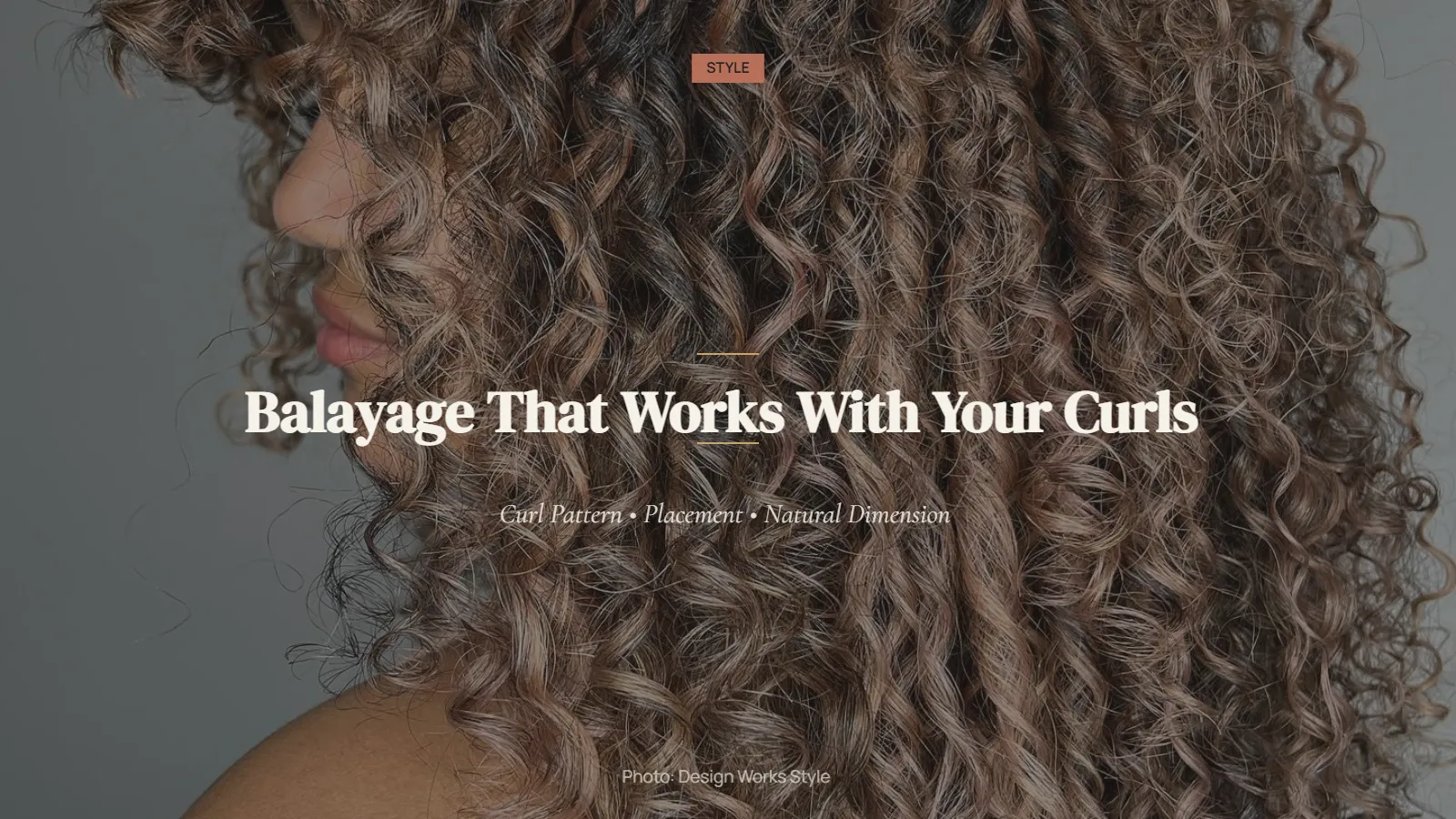
Yes, balayage can work beautifully as a color technique for curly hair, but the placement needs to account for how curls naturally group, move, and catch light. The starting color, curl pattern, desired contrast, amount of lightening, and condition of the hair all affect the final result.
Unlike straight hair, curls can make several strands visually read as one shape. That means a carefully placed lighter section can create dimension through the curl pattern rather than simply appearing as a traditional highlight.
Does Balayage Work on Curly Hair?
Yes. Balayage can be adapted to curly and textured hair, but the approach should take the natural movement of the curls into account.
The finished effect depends on several factors:
- Curl pattern
- Starting hair color
- Existing color
- Desired brightness
- Contrast between the base and lighter pieces
- Placement
- Hair condition
A stylist may approach curly hair differently from straight hair because the way the curls fall naturally affects how the color will be seen.
For example, a lighter section placed where a curl naturally bends may catch light differently from a similar section positioned elsewhere. When the hair is worn in its natural texture, these variations can contribute to the overall dimensional effect.
Why Balayage Looks Different on Curly Hair
Curly hair has natural movement that changes how color is perceived.
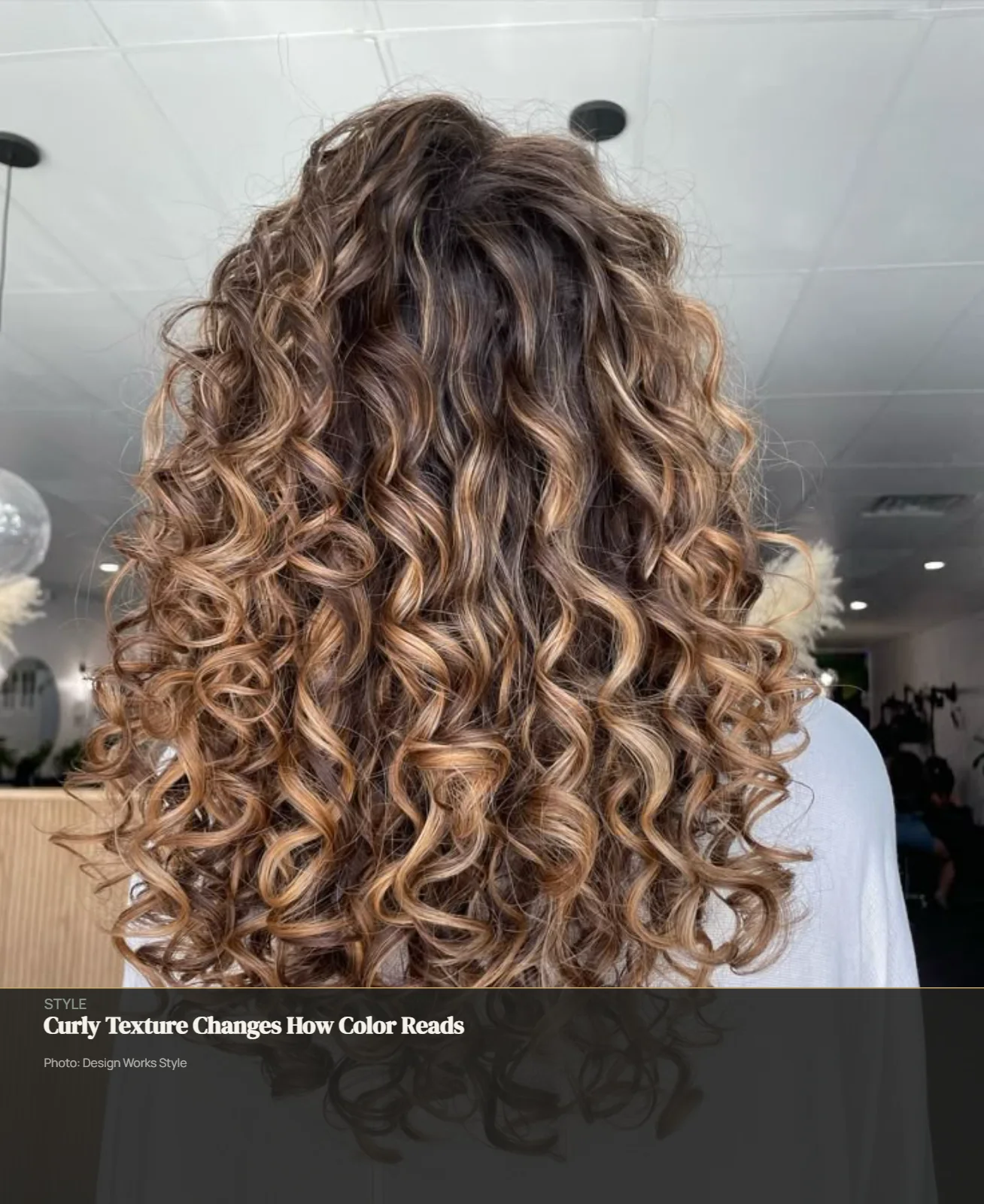
Straight strands tend to display color across a relatively flat visual surface. Curly hair bends and groups strands together, so light and color can appear across different parts of each curl.
Curl Pattern and Visual Dimension
Tighter and looser curl patterns can change how balayage appears.
A tighter pattern may visually group sections of color more closely, while a looser curl pattern may show more separation between individual lighter pieces. Neither automatically produces a better result. They simply create different ways for the color to interact with the hair’s natural shape.
This is why an inspiration photo should be considered alongside your own curl pattern rather than treated as an exact template.
Natural Curl Shape Matters
Placement should account for how the hair naturally falls.
A stylist working with curly hair can consider where the curls naturally form, where they catch light, and how the hair is normally worn. This can help the lighter pieces work with the existing movement rather than looking disconnected from it.
It is also worth showing your stylist your hair in its natural state during the consultation. A placement that looks balanced when curly may appear different when the hair is stretched or straightened.
Balayage Placement Ideas for Curly Hair
Placement is one of the most important decisions when choosing curly balayage. Different approaches create different levels of brightness and dimension.
Face-Framing Balayage
Lighter pieces around the face can make the color more noticeable from the front.
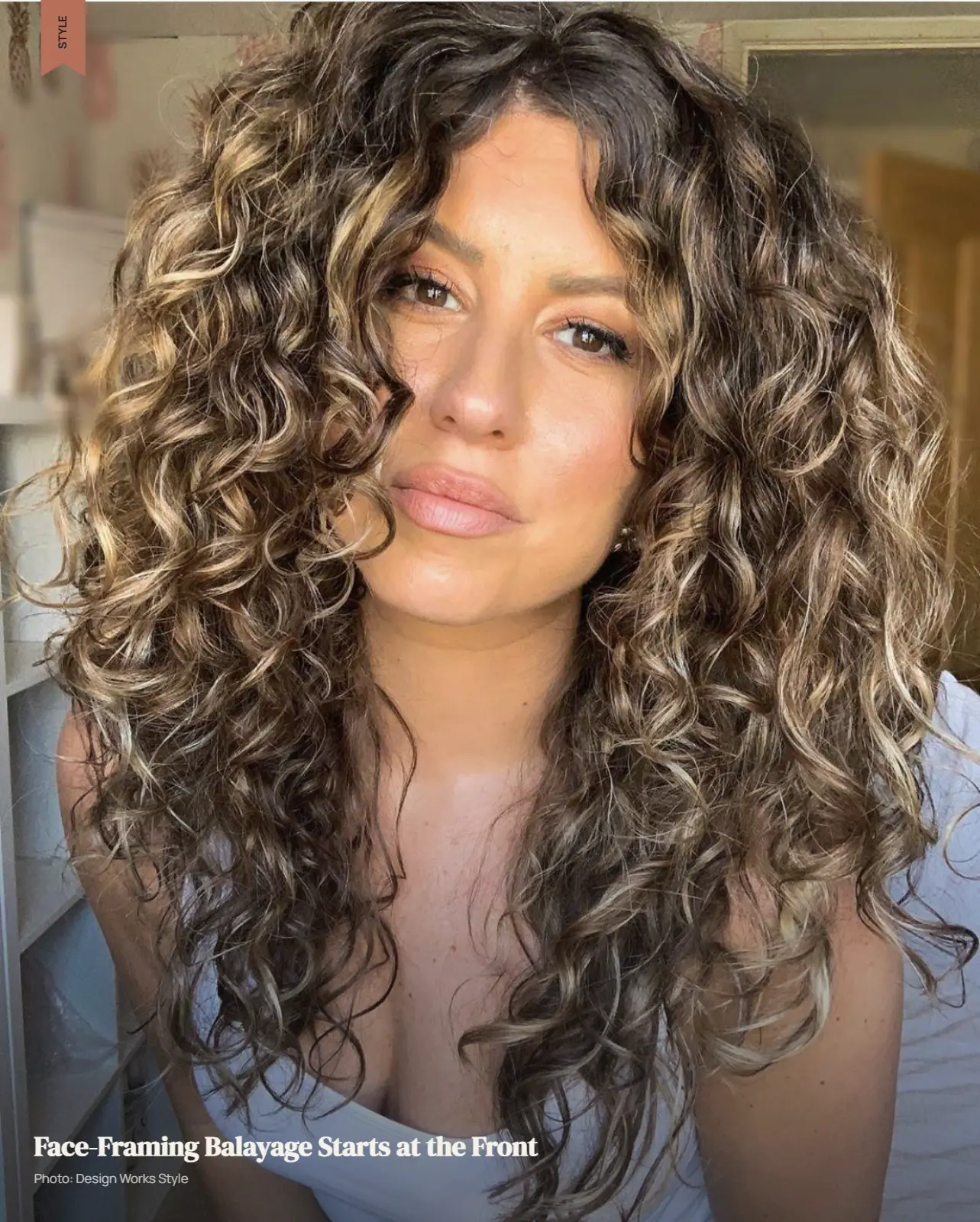
This approach may appeal to someone who wants the balayage to be immediately visible without necessarily making the entire head significantly lighter.
The exact placement can be adjusted based on the individual’s curls and desired result rather than following a universal face-framing formula.
Crown and Surface Placement
Strategically placed lighter pieces through the crown and surface of the hair can emphasize areas where curls naturally catch the light.
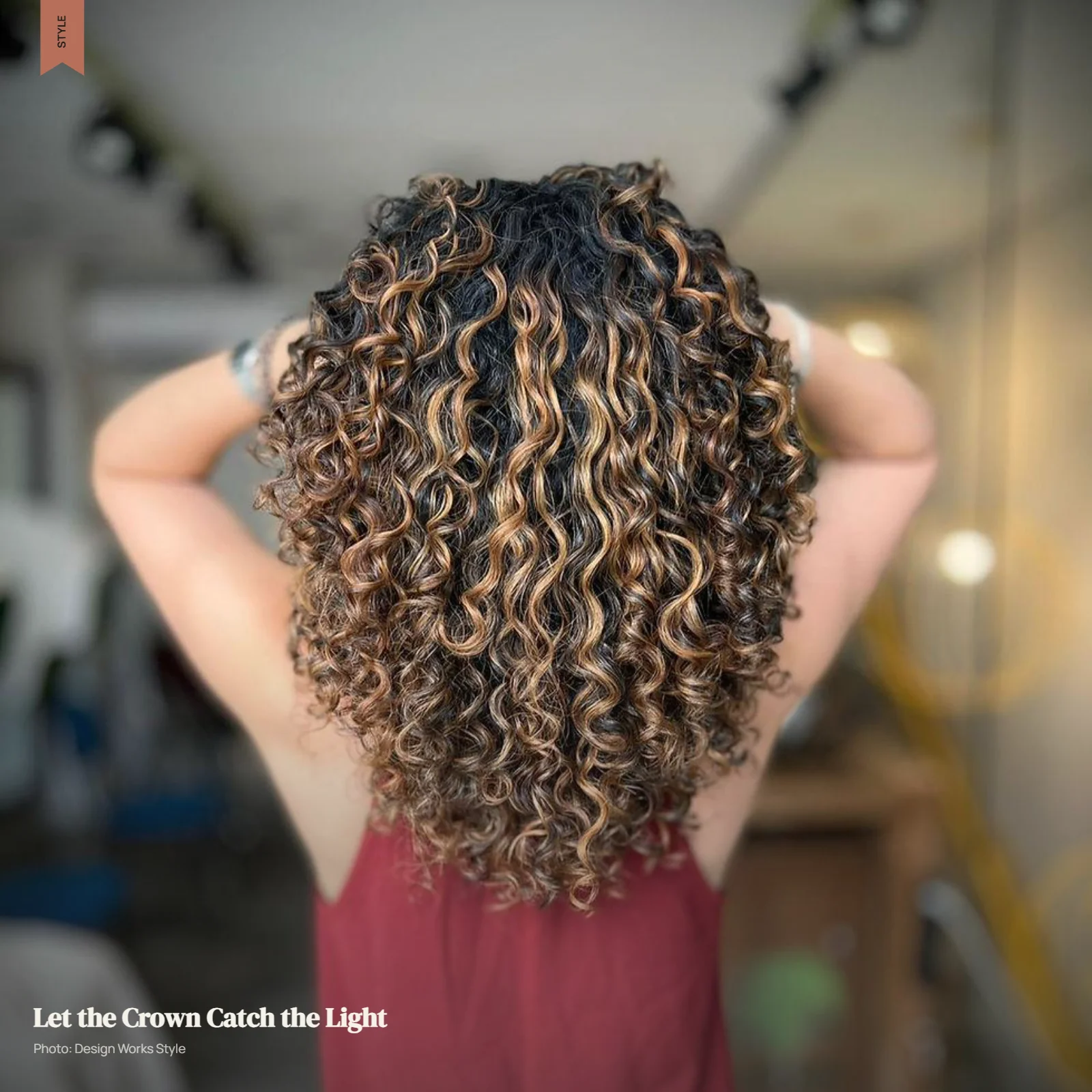
This can create visible dimension while leaving other areas closer to the existing base.
The amount and distribution of lighter sections can be adjusted depending on whether the goal is subtle variation or a more noticeable result.
Mid-Length and Ends
Concentrating brightness through the mid-lengths and ends can create a gradual dimensional effect.
This approach allows the roots to remain closer to the starting color while the lower sections become progressively lighter.
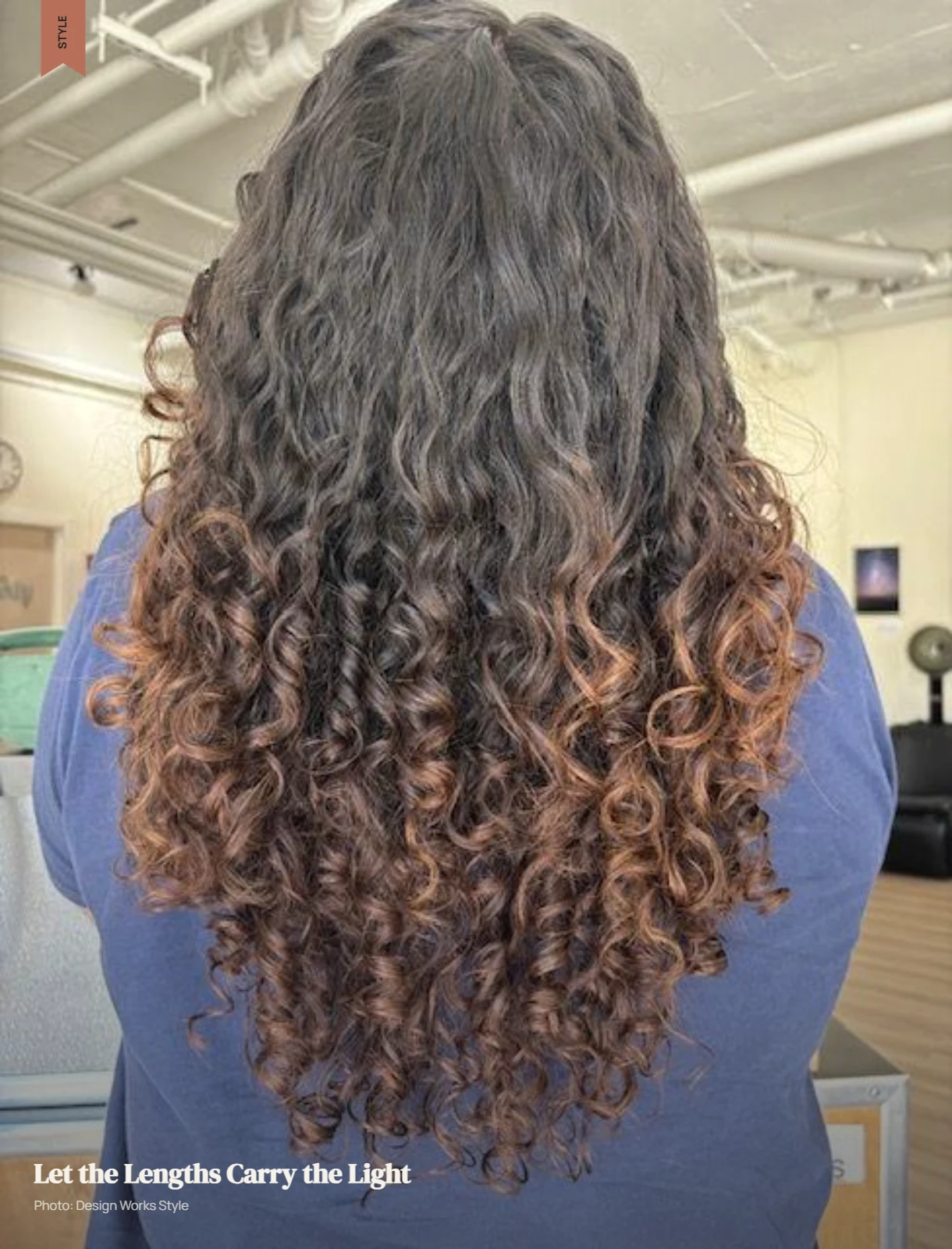
It can also create a different visual balance from face-framing placement, particularly when the goal is to emphasize the movement and length of the curls.
More Scattered, Natural Placement
For a lower-contrast result, softer pieces can be distributed through the hair rather than concentrating brightness in one area.
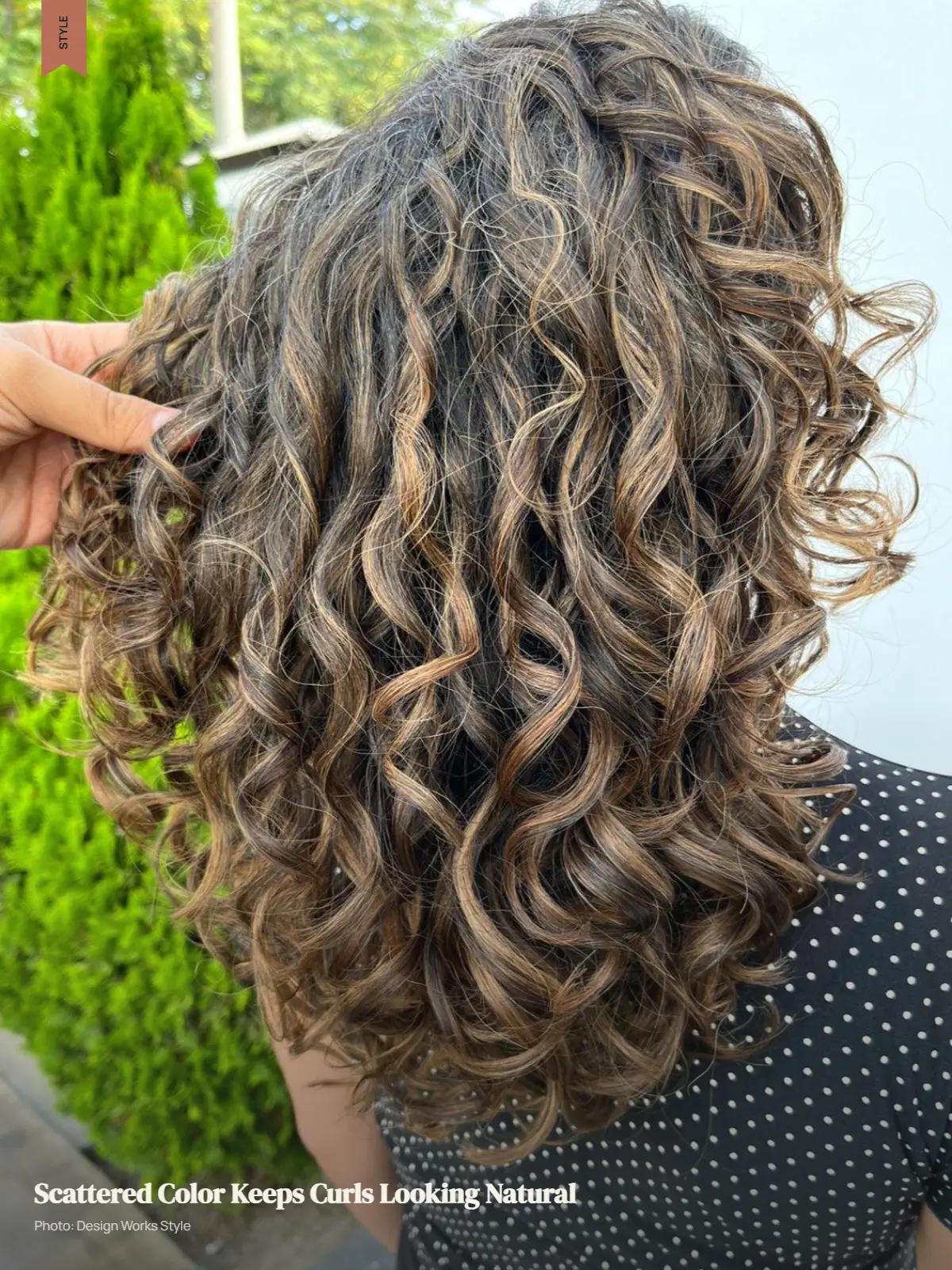
Keeping the color relatively close to the existing base can create dimension without making the entire head look uniformly lighter.
This may suit someone who wants to see variation in the curls but does not want a dramatic color change.
Choosing a Balayage Color for Curly Hair
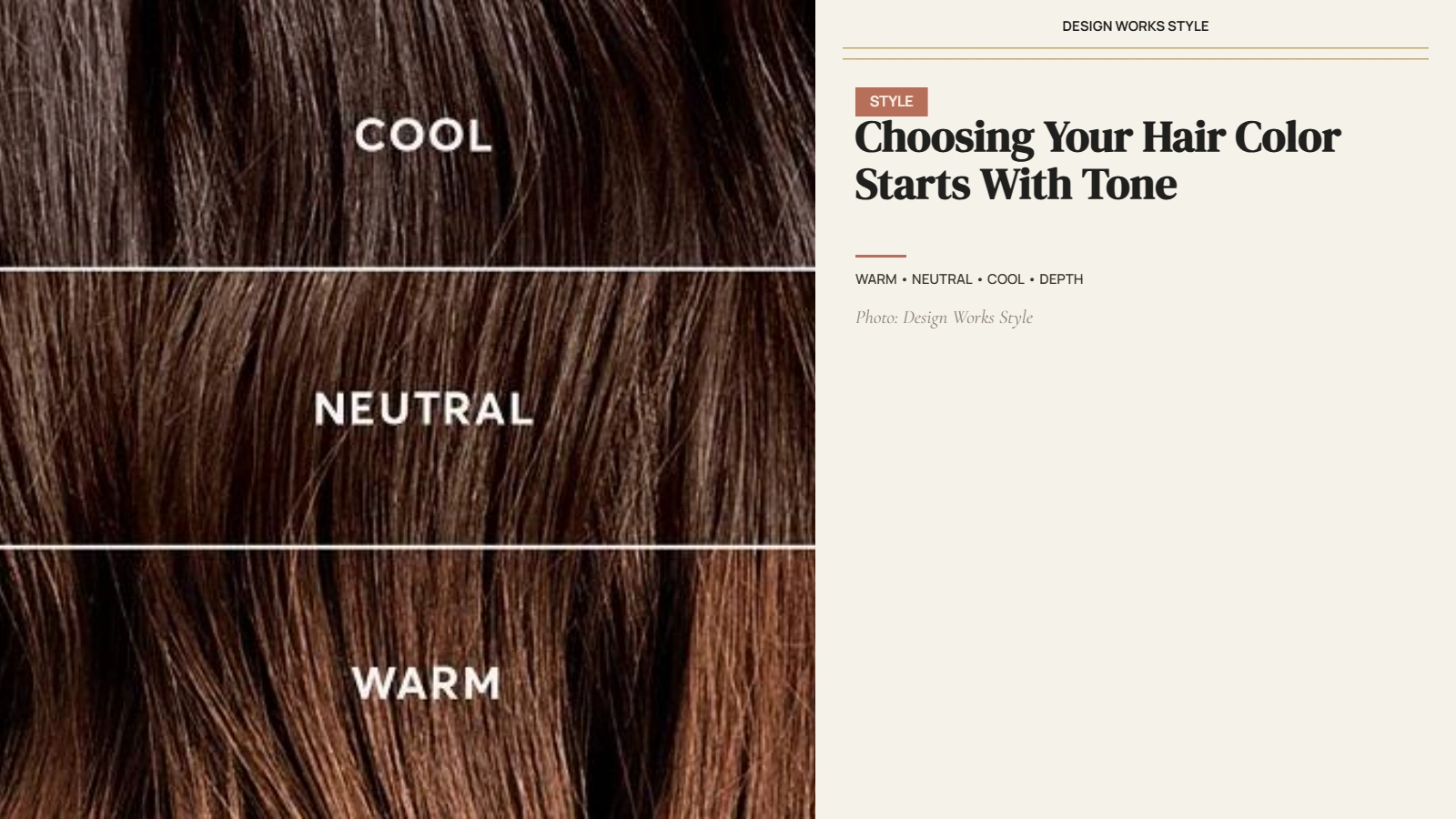
There is no single color direction that applies to every curly-haired reader. Starting color, undertone, desired contrast, and personal preference all matter.
Some broad directions include:
Caramel
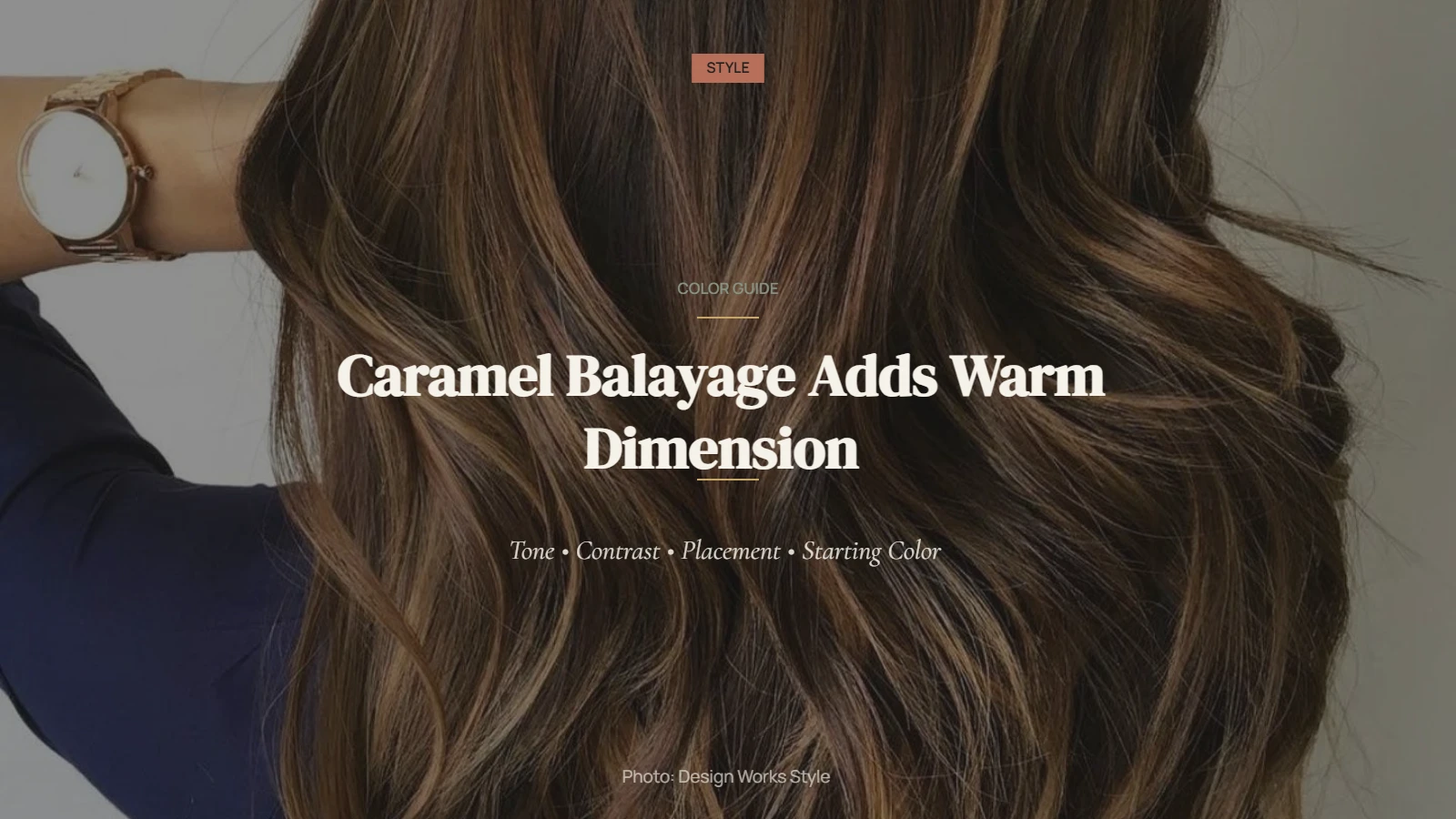
Caramel creates a warmer form of dimension and can range from relatively subtle warmth to more noticeable lighter pieces.
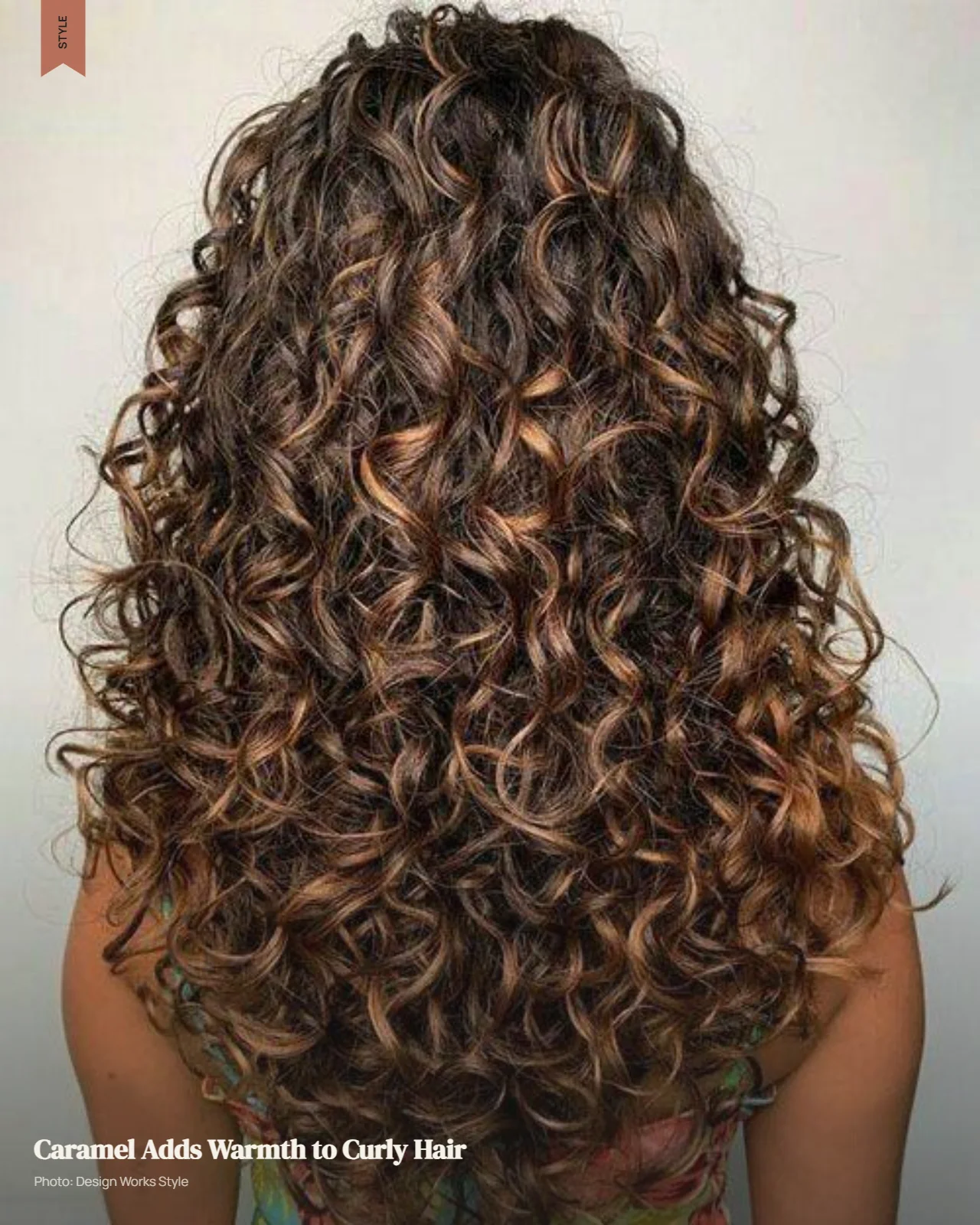
If caramel is the specific color you are considering, see Caramel Balayage for a more detailed look at that direction.
Warm Brown
Warm brown can introduce tonal variation without necessarily creating a dramatic shift away from the existing brown family.
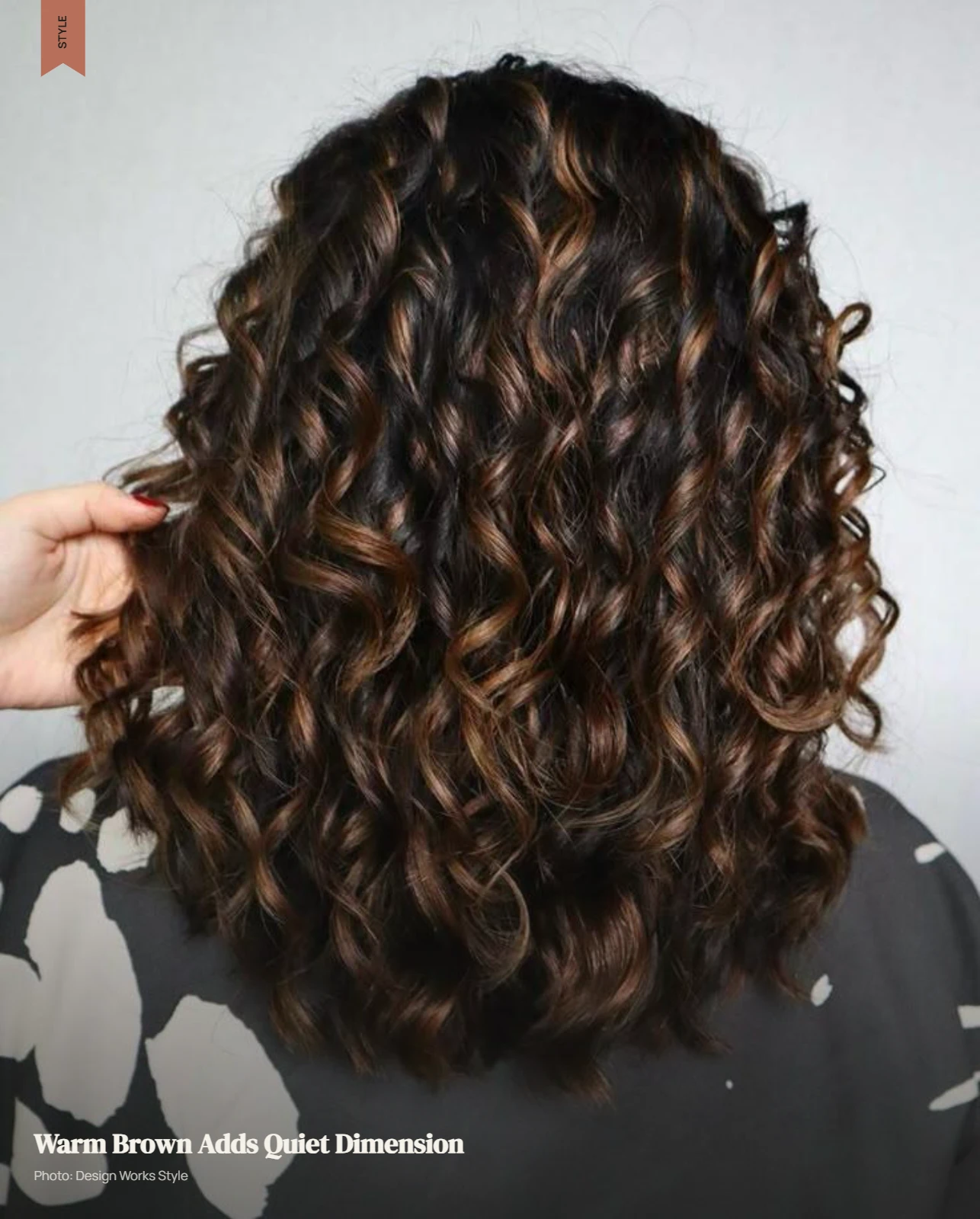
This can be useful when the goal is dimension rather than a highly contrasting highlight.
Ash Brown
Ash brown moves the color in a cooler direction, creating a more muted effect than warmer caramel or copper tones.
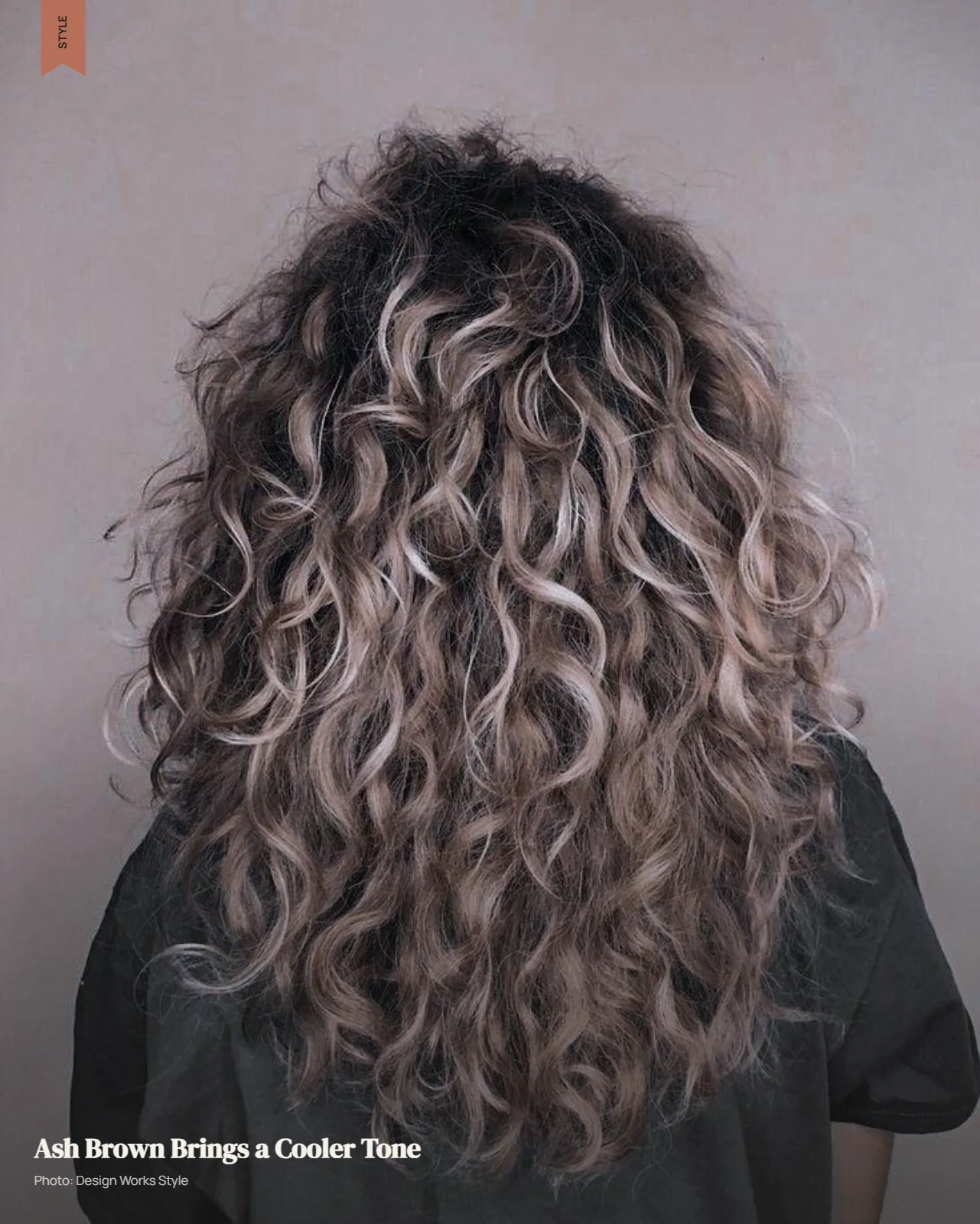
See Ash Brown Balayage for the dedicated guide.
Copper
Copper creates a warmer and generally more noticeable color variation.
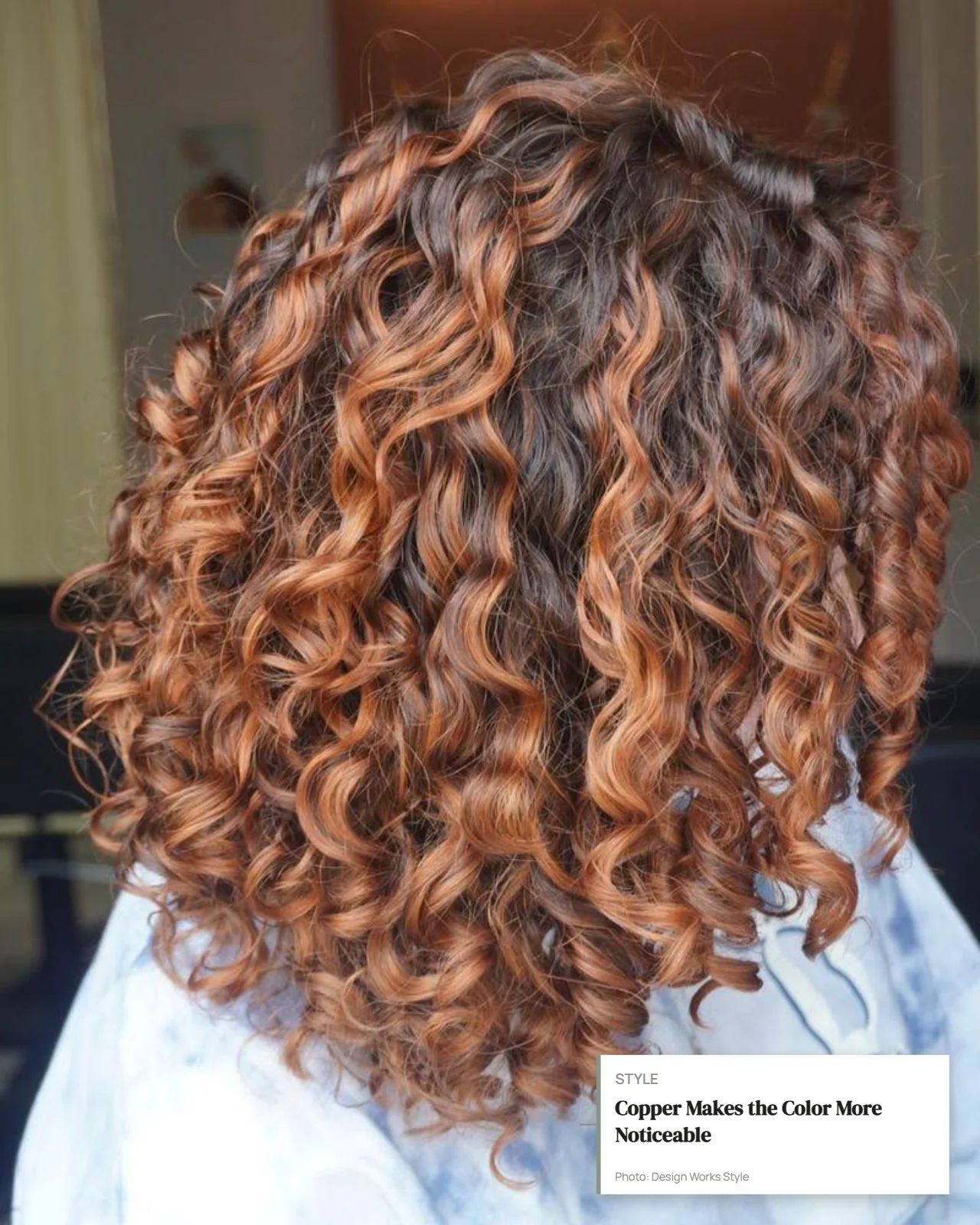
It can be considered when the goal is to make the balayage more visibly different from the starting color. See Copper Balayage for more detail.
Subtle Natural-Looking Tones
The balayage can also stay relatively close to the existing hair color. Beige, brown, and other nearby tones can create dimension without a dramatic contrast.
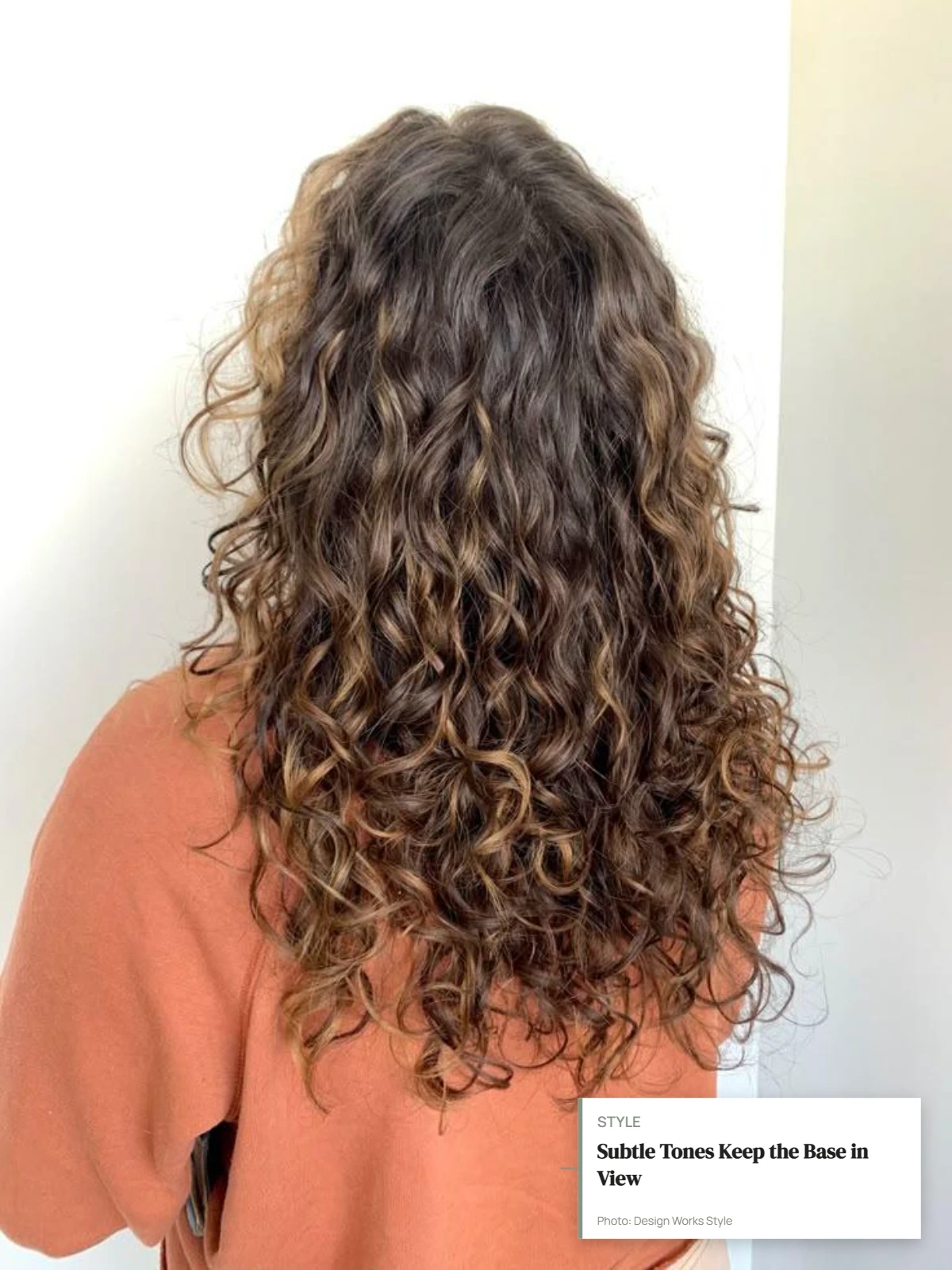
The useful decision is not simply which color name sounds appealing. Consider how that color relates to your starting hair and how visible you want the change to be.
Subtle vs. High-Contrast Balayage
Contrast determines how strongly the lighter pieces stand apart from the existing hair.
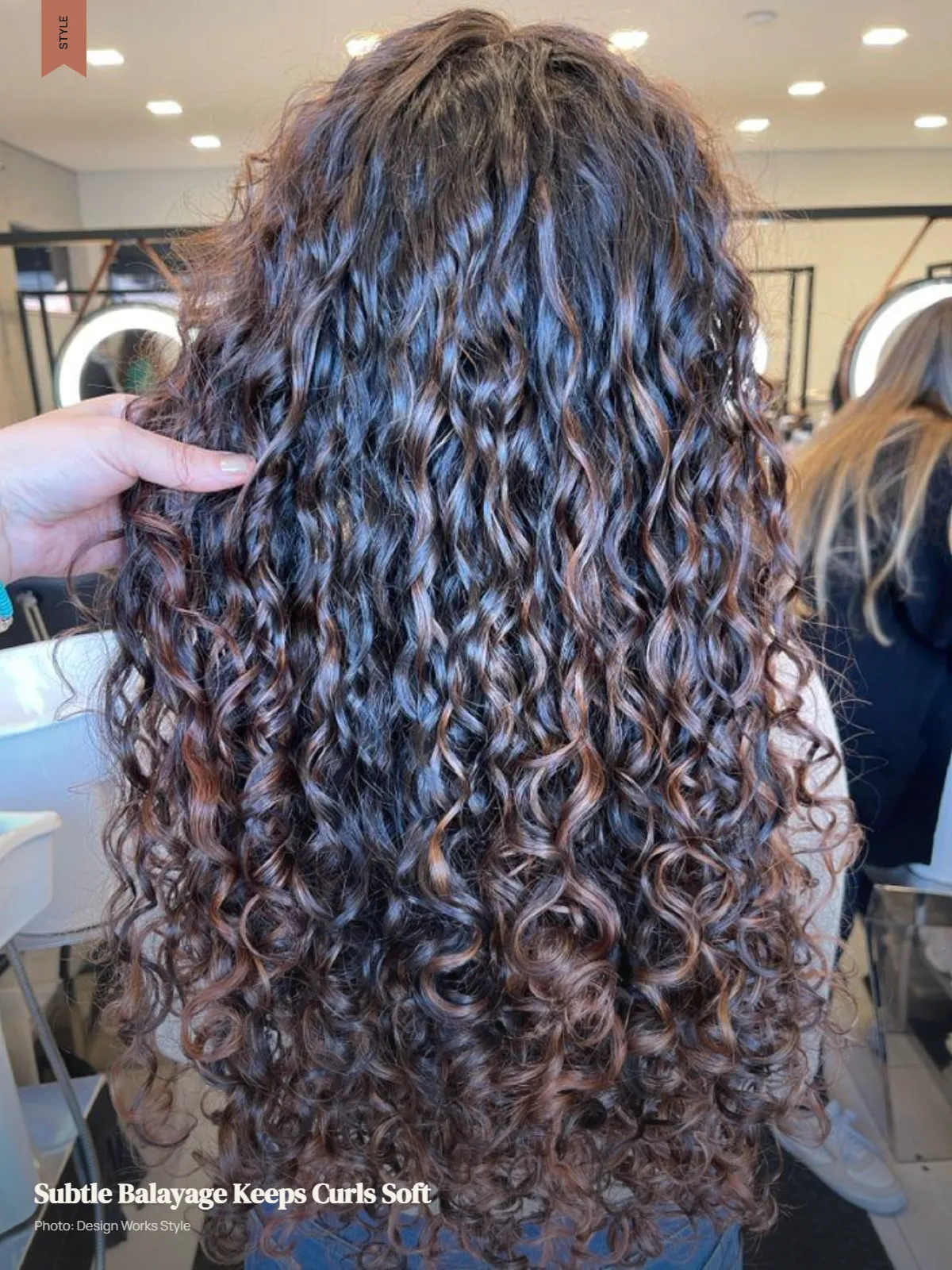
Subtle Balayage
Subtle curly balayage generally involves:
- Softer dimension
- Lower contrast
- Lighter pieces closer to the existing base
- More of the natural or existing color remaining visible
This can be a good direction for someone who wants a change that does not dominate the overall appearance of the curls.
Higher-Contrast Balayage
Higher-contrast balayage involves:
- More noticeable brightness
- Stronger separation between the base and lighter pieces
- Greater visual variation
- More visible maintenance considerations
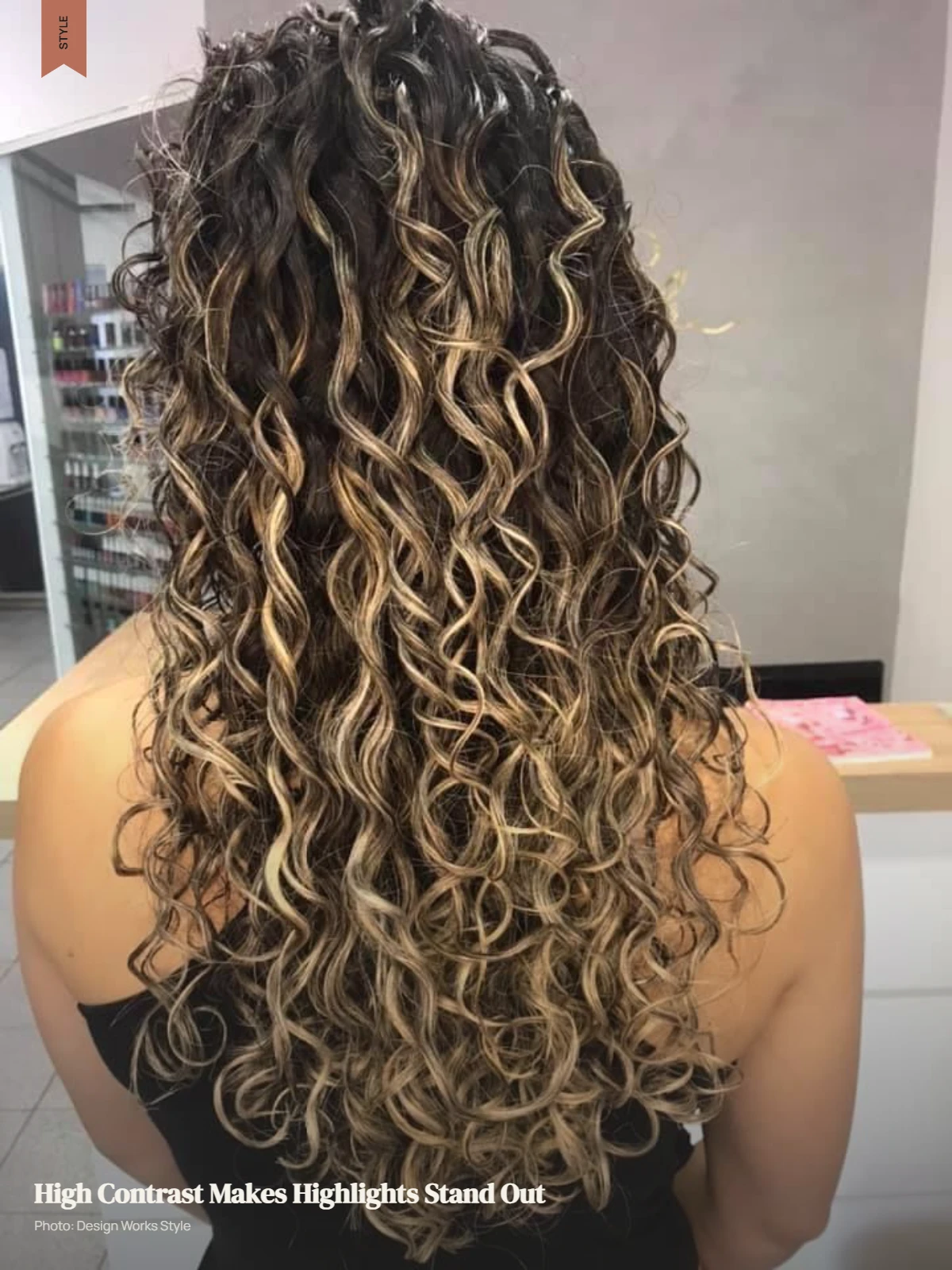
The choice is about preference, not quality. Someone who wants clearly visible highlights may prefer stronger contrast, while someone who wants understated dimension may prefer a closer tonal relationship.
Does Curly Hair Need to Be Lightened for Balayage?
Balayage commonly involves lightening selected sections when the desired result is lighter than the starting hair.
How much lightening is appropriate depends on:
- Starting hair color
- Previous color treatments
- Desired final shade
- Amount of contrast
- Hair condition
- Existing curl pattern
A subtle result that stays relatively close to the starting color is a different process from trying to create significantly lighter pieces.
Previously colored hair can also respond differently from natural hair. A stylist should assess the actual hair before determining what level of lightening is appropriate.
The goal of this consultation is expectation-setting. An inspiration image can show the direction you like, but it cannot guarantee that your hair will reach the same level of brightness.
How to Protect Curly Hair After Balayage
Coloring and lightening can change the feel and appearance of hair, so post-color care is an important part of maintaining curly balayage.
Basic care can include:
- Gentle cleansing
- Regular conditioning
- Hydration-focused hair care
- Minimizing unnecessary heat
- Protecting curls during styling
- Following your stylist’s product recommendations
- Paying attention to how your curls respond after coloring
Curly hair can have different care needs depending on its texture, condition, and existing routine. There is no single product or routine that guarantees a particular result.
For more detailed maintenance guidance, see Balayage Hair Care.
How Often Does Curly Balayage Need Maintenance?
There is no universal maintenance schedule for curly balayage.
The timing depends on:
- Amount of lightening
- Placement
- Contrast
- Starting hair color
- Desired appearance
- Hair growth
- Toning needs
- Personal preference
A softer balayage with a gradual transition may be maintained differently from a highly contrasted result with brighter pieces.
Tonal changes can also affect when someone wants a refresh. Some people may be comfortable with gradual fading, while others prefer to maintain a particular level of brightness or tone.
The most useful approach is to discuss maintenance during the initial consultation so the result matches the amount of upkeep you realistically want.
Is Balayage Right for Your Curly Hair?
Before choosing curly balayage, consider the full picture rather than just the color in an inspiration photo.
Desired Amount of Brightness
Do you want subtle dimension, clearly visible highlights, or a stronger contrast?
Knowing this before the appointment gives your stylist a clearer starting point.
Current Hair Color
Your starting shade affects the colors and brightness that can realistically be achieved.
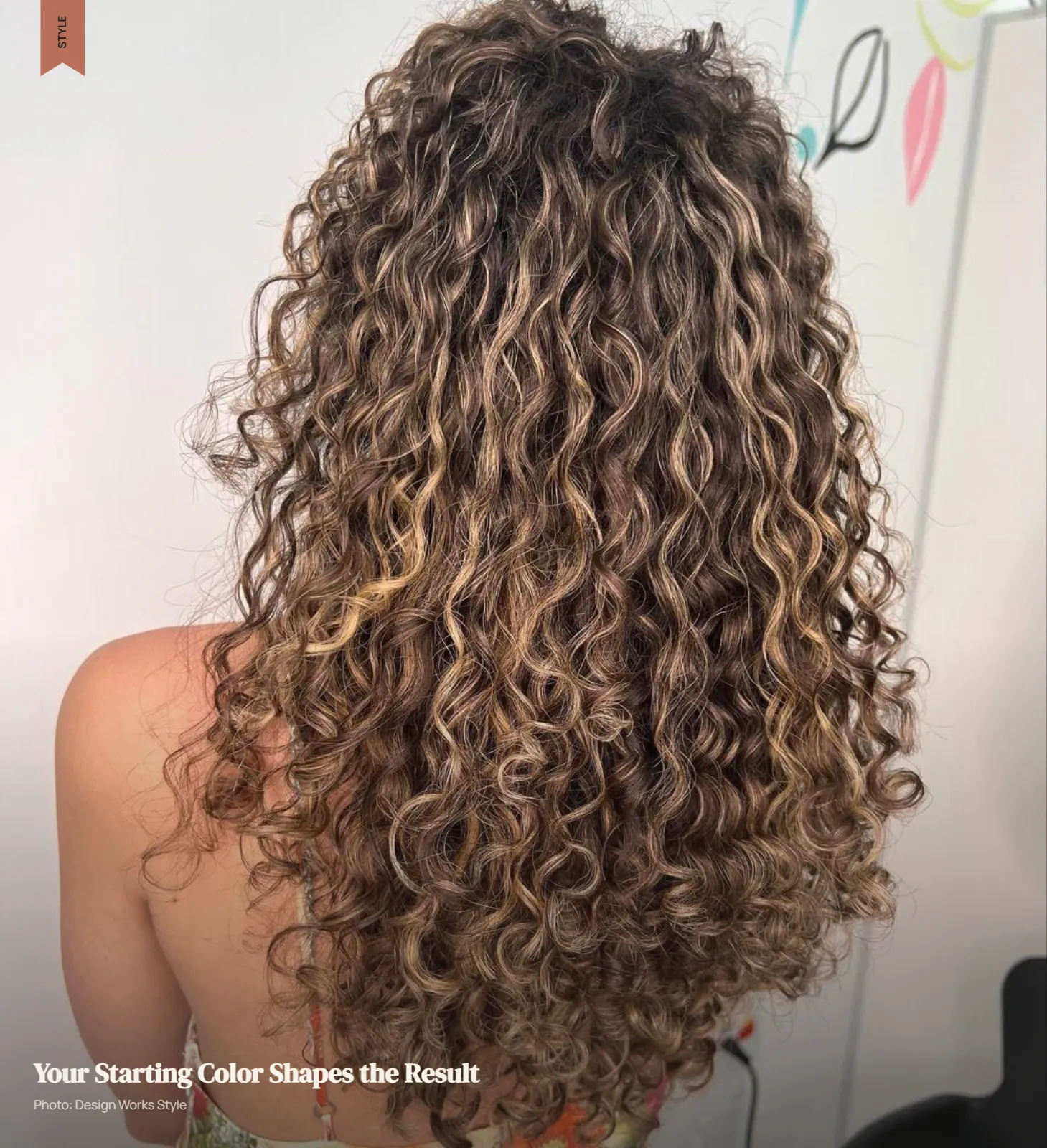
A darker starting color may require more lightening for a substantially lighter result, while a lighter base may allow for a closer tonal transition.
Curl Pattern
Think about how your curls naturally group and where they create movement.
The same placement can look different on tighter curls, looser curls, waves, or other textured patterns.
Previous Chemical Color
Tell your stylist about previous color services and other chemical treatments. This history can affect how the hair responds and what approach is appropriate.
Hair Condition
The current condition of the hair is another important consideration, particularly when the desired result involves significant lightening.
Maintenance Preference
Think honestly about how much upkeep you want.
A softer transition may allow for a different grow-out experience than a highly contrasted result, but all balayage can require maintenance depending on the desired appearance.
Before Your Appointment
A little preparation can make the consultation more useful.
Bring Reference Photos
Choose photos that show the level of contrast you want rather than collecting images based only on a shade name.
If possible, bring examples that show:
- Brightness
- Tone
- Placement
- Overall contrast
Show Your Natural Curl Pattern
If you normally wear your hair curly, show your stylist how it naturally falls.
This gives them a better understanding of how the balayage will actually be seen in everyday wear.
Explain Your Color History
Be clear about previous color or chemical services, even if they happened some time ago.
Be Realistic About Maintenance
Tell your stylist how often you realistically want to refresh your color.
A look that requires frequent tonal or brightness adjustments may not match your preferred routine.
Ask About Placement
Ask where the stylist recommends putting the lighter pieces and why.
Understanding the reasoning behind the placement can help you decide whether you want more brightness around the face, through the crown, along the mid-lengths, or toward the ends.
Common Balayage Mistakes on Curly Hair
Many disappointing results begin with a mismatch between the desired look and the decisions made before coloring.
Choosing a Color Without Considering the Natural Base
A shade that looks one way on a lighter starting color may look very different on a deeper base.
Ignoring How the Curls Fall Naturally
Placement based only on straightened hair may not create the same visual effect when the curls return to their natural shape.
Choosing More Contrast Than You Actually Want
Highly visible inspiration photos can make strong contrast look appealing even when the reader’s actual preference is for softer dimension.
Be clear about how noticeable you want the color to be.
Overlooking Previous Color History
Artificial color can affect what is realistically achievable. Always give your stylist an accurate color history.
Treating Conditioning as Optional
Post-color conditioning and appropriate care are important parts of maintaining the appearance and feel of curly hair.
Showing Inspiration Photos Without Explaining the Goal
Instead of simply saying, “I want this,” explain what you like about the photo.
You might like the brightness, tone, placement, contrast, or way the color moves through the curls. Those details give your stylist more useful information than the image alone.
Frequently Asked Questions
Is balayage good for curly hair?
Balayage can be adapted to curly hair, but placement should account for the natural curl pattern and movement. Starting color, desired contrast, hair condition, and previous color history also affect the appropriate approach.
Does balayage damage curly hair?
Coloring and lightening can affect hair condition. The impact depends on the individual’s hair, previous treatments, amount of lightening, professional technique, and aftercare. A stylist should assess the hair before deciding what level of change is appropriate.
What is the best balayage color for curly hair?
There is no universal best shade. Caramel, warm brown, ash brown, copper, and subtle natural-looking tones can all create different effects depending on the starting color, undertone, desired contrast, and personal preference.
Does balayage look good on short curly hair?
It can be adapted to shorter curly hair, but placement becomes particularly important because there is less length for the color to transition through. The stylist can consider where the curls naturally form and how much brightness you want to see.
Can you get balayage on naturally dark curly hair?
Yes, balayage can be adapted to naturally dark curly hair, but the desired level of brightness and contrast affects the amount of lightening that may be required. The hair’s condition and previous treatments should also be considered.
Explore More Balayage Guides
If you are new to the technique, start with Balayage for the broader guide.
If you already know the direction you want, continue with:
- Caramel Balayage for a warmer caramel direction
- Ash Brown Balayage for cooler brown dimension
- Copper Balayage for a warmer copper direction
- Balayage Hair Care for more detailed maintenance guidance
The goal is to choose the combination of starting color, tone, contrast, placement, and maintenance that makes sense for your curls and the result you actually want.