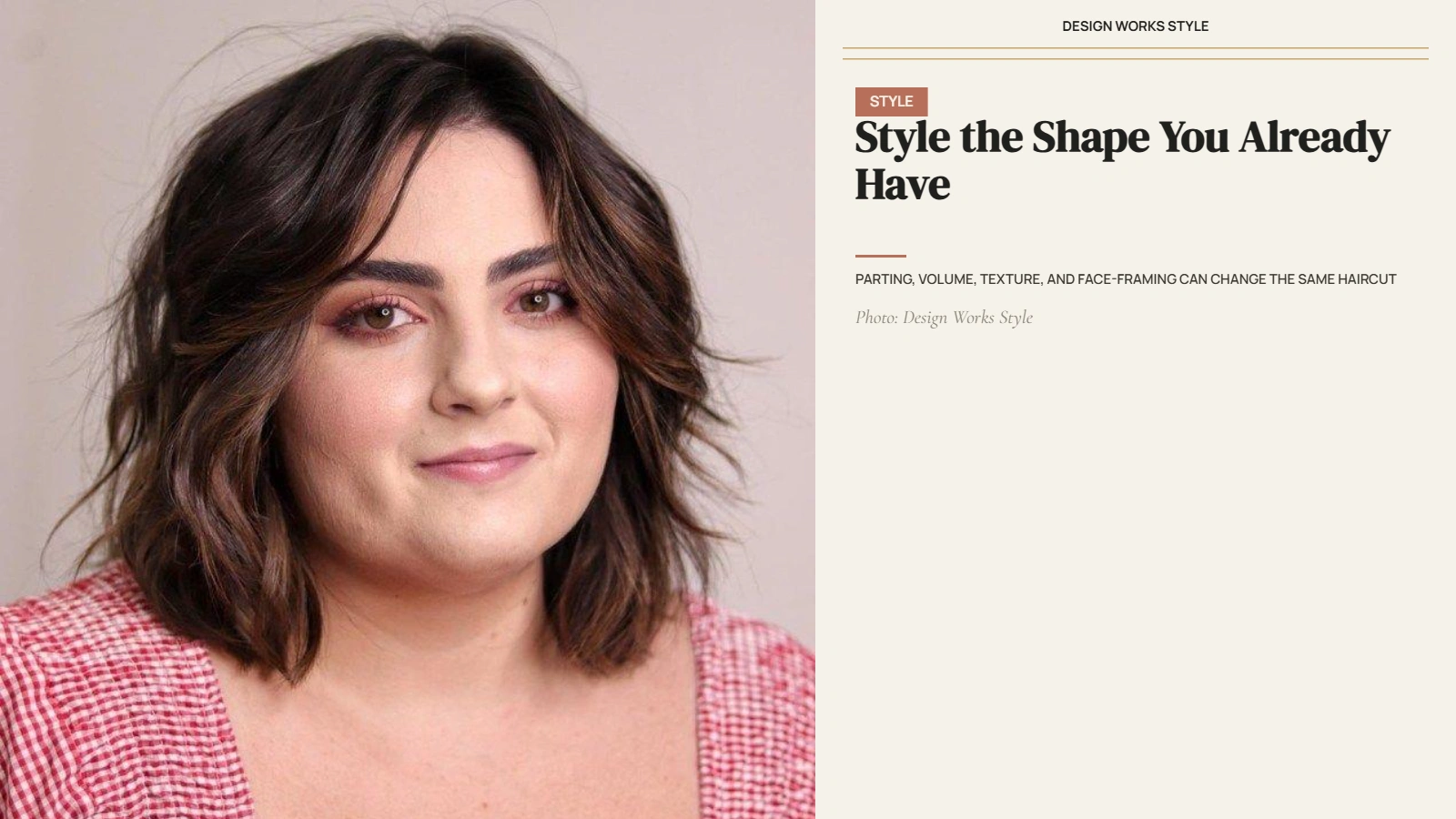

If you have a round face, the most useful way to choose a haircut is to look at the overall shape the cut creates, not follow a fixed list of “right” or “wrong” styles. Length, layers, volume, face-framing, texture, and the way your hair naturally falls can all change how a haircut looks.
A short cut can work just as well as a longer one. A bob can look very different depending on where it ends, while layers can either create movement or remove weight. The goal is to find a shape that works with your features, hair type, styling habits, and the amount of maintenance you actually want.
What Makes a Haircut Work With a Round Face?
A haircut can create visual balance by changing where the eye sees length, width, movement, and volume. With a round face, this often means considering whether the haircut adds fullness around the cheeks, creates movement through the lengths, or leaves more height and openness around the top and neckline.
That does not mean a round face needs to look longer, or that certain styles are automatically unsuitable. Your cheekbones, jawline, forehead, facial proportions, and personal style all matter.
Here are the main details to look at when comparing a haircut reference:
- Overall length: Where the haircut ends can change the silhouette considerably.
- Volume placement: Fuller roots or crown volume create a different shape from fullness concentrated around the sides.
- Layers: Layers can create movement, remove weight, or introduce face-framing depending on where they begin.
- Face-framing: Pieces around the face can change how the haircut connects with the cheeks and jaw.
- Part placement: A center part, side part, or natural part can change the direction of the hair and the balance of the style.
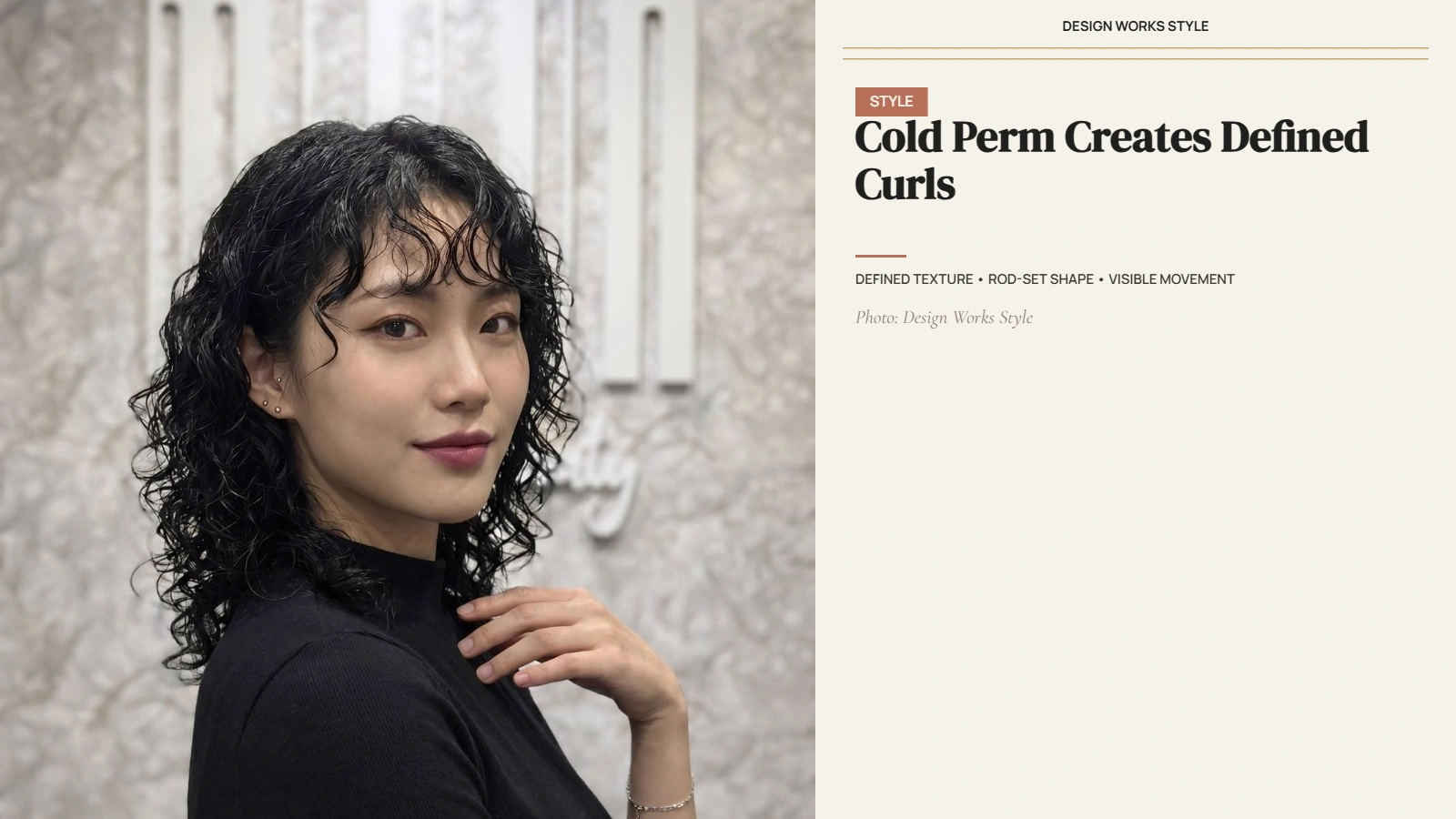
- Texture: Straight, wavy, and curly hair can create very different silhouettes from the same basic haircut.
When comparing haircuts for different face shapes, think of face shape as one part of the decision rather than the entire decision.
Haircuts for Round Faces by Length
Length is one of the easiest ways to narrow down your options. Instead of asking whether short, medium, or long hair is “best,” consider what you want the haircut to do and how much styling you are comfortable with.
Short Haircuts
Short hair can absolutely work with a round face. The important details are the shape of the cut, where volume is created, and how the sides and top are styled.
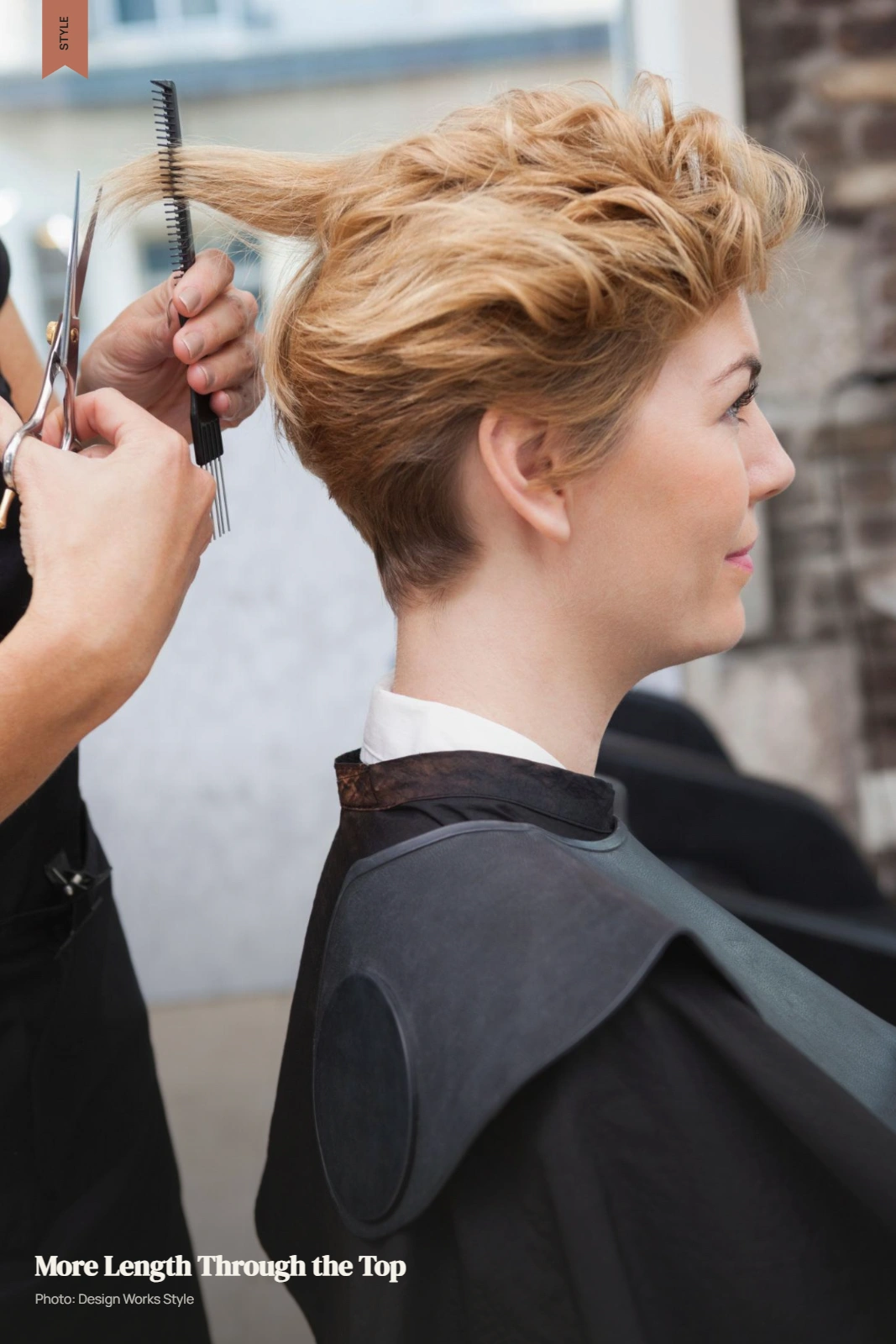
A pixie with more length through the top can give you room to create texture or directional movement. A shorter pixie creates a more open neckline and stronger low-length silhouette, but may require more frequent trims to maintain its shape.
Textured crops can also work when you want movement rather than a smooth, rounded outline. The natural texture of your hair becomes particularly important at shorter lengths because waves, curls, and density can significantly change the finished shape.
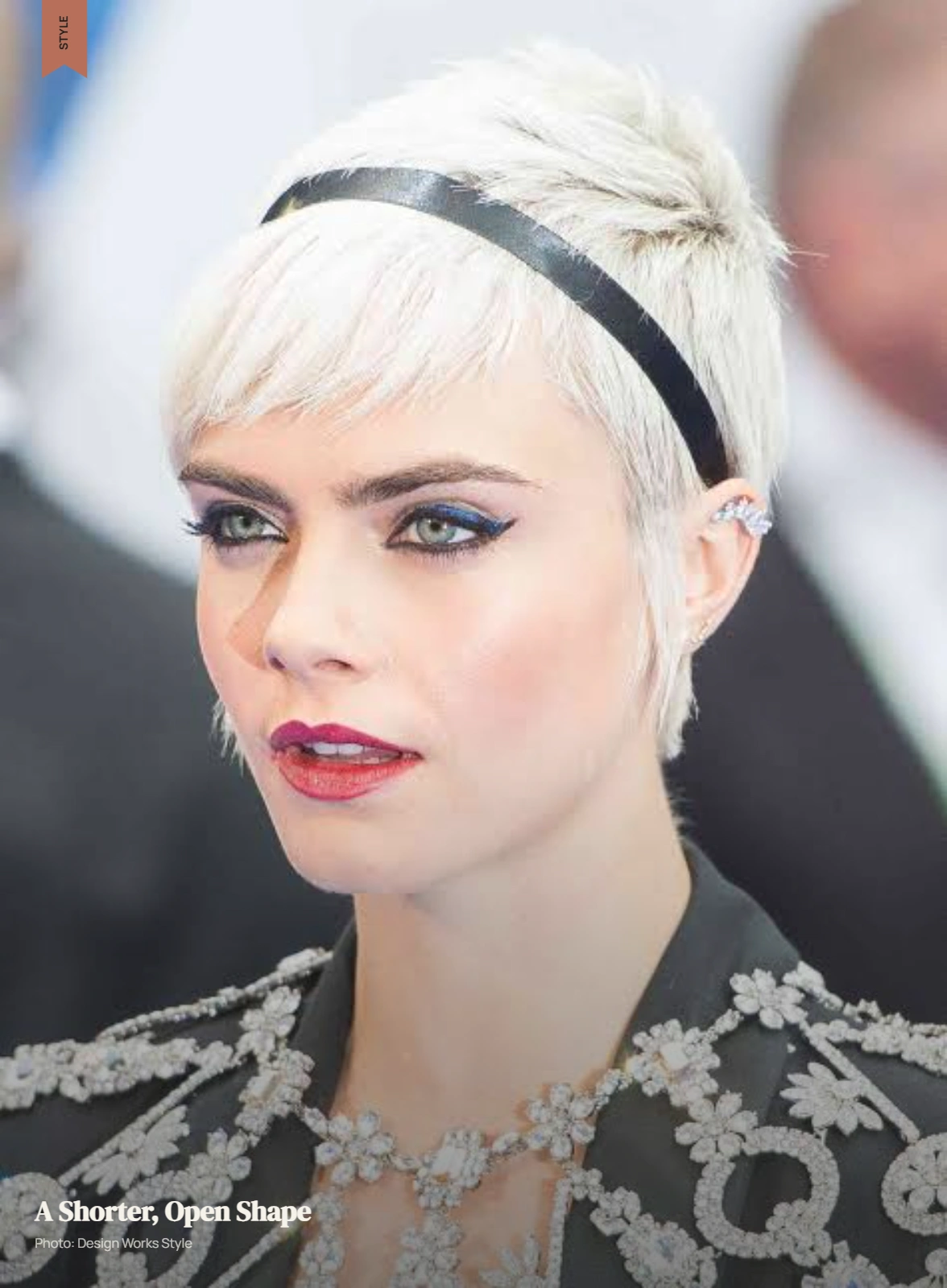
If you are specifically considering going short, see the more focused guide to short haircuts for round faces.
Medium-Length Haircuts
Medium-length cuts offer plenty of room to experiment with shape without committing to either very short or very long hair.
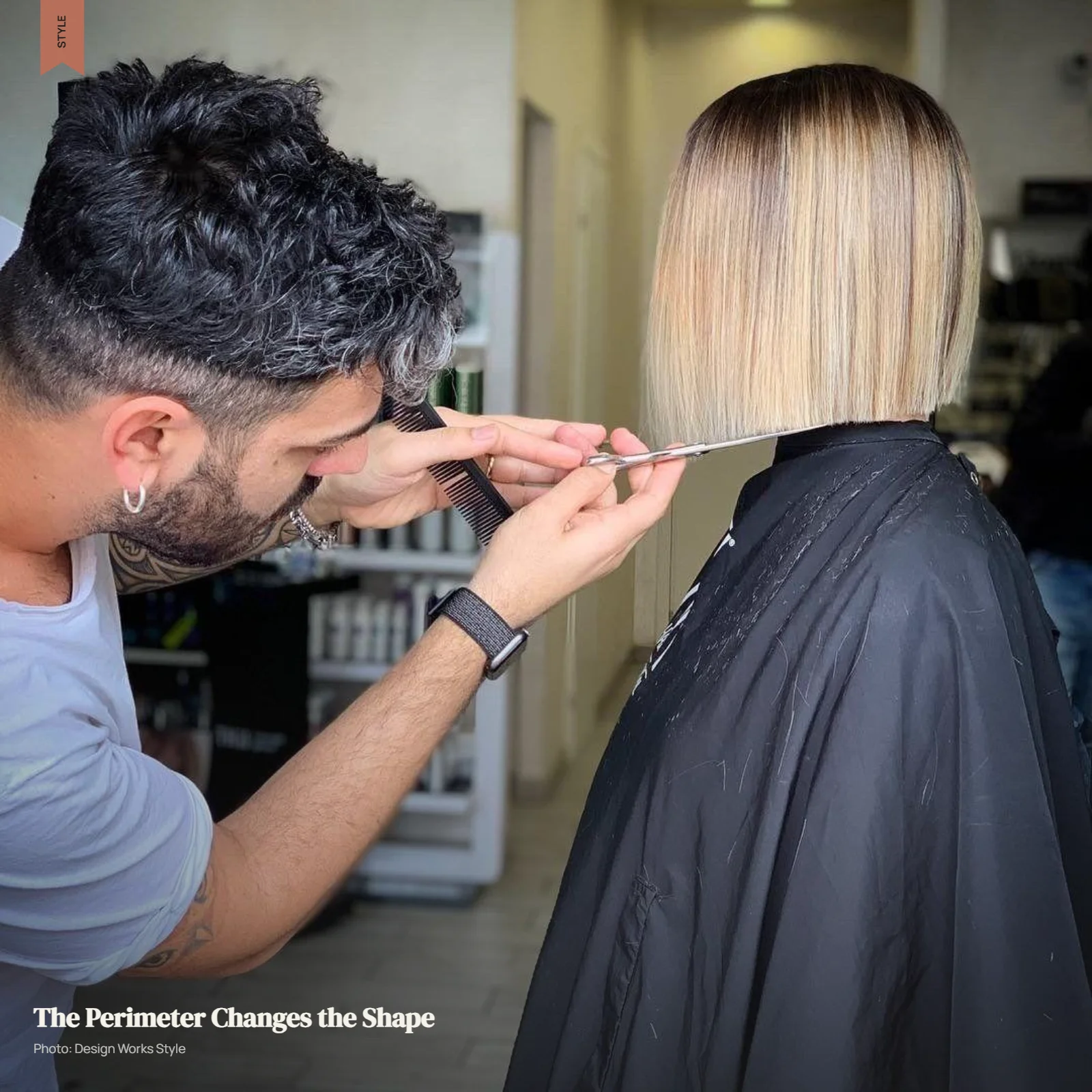
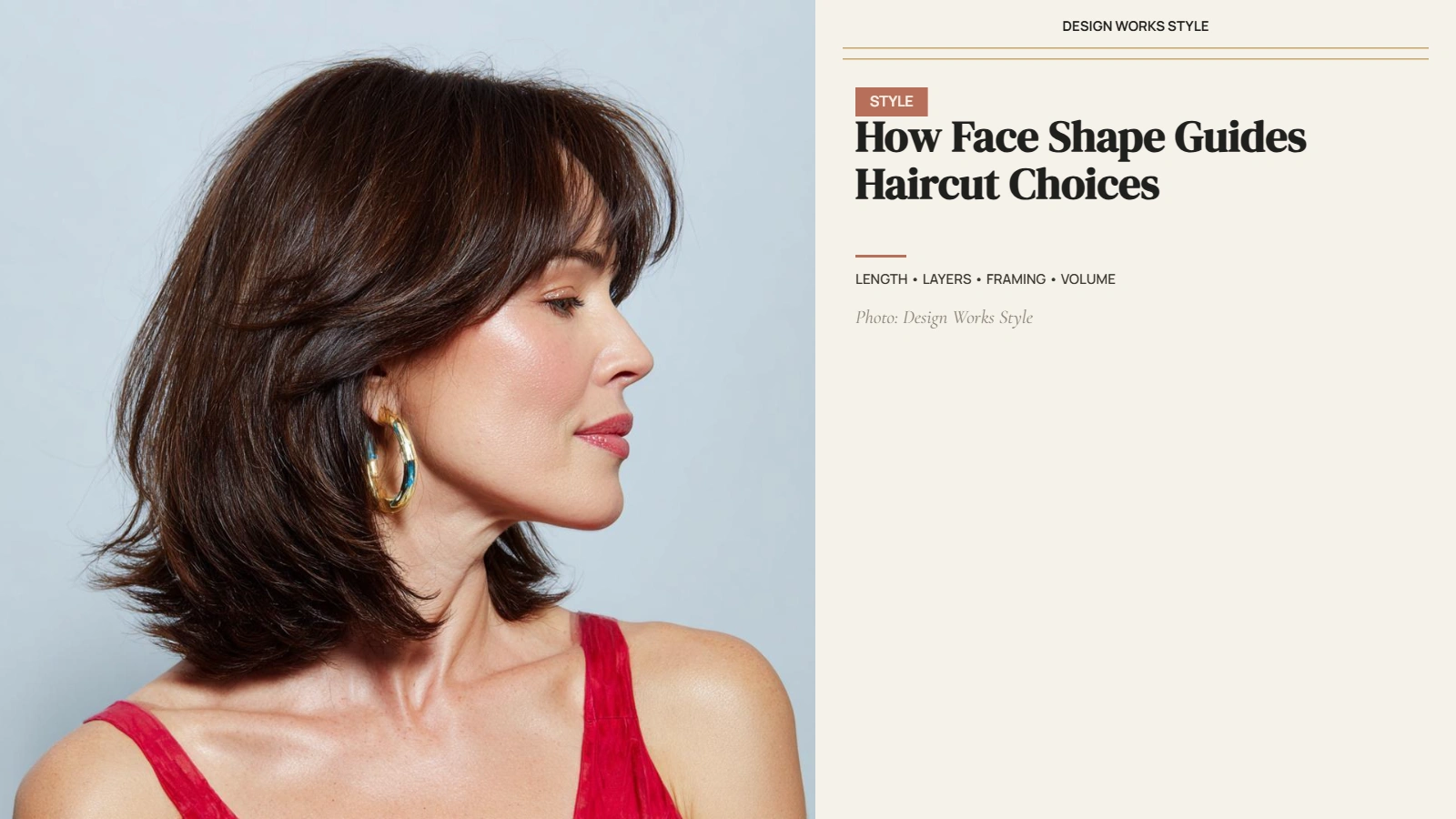
Bobs, longer bobs, shoulder-length cuts, and layered medium styles can all produce different results. Pay particular attention to where the perimeter ends. A bob ending near the jaw creates a different visual line from one that falls below it, while a shoulder-length cut can create more movement through the sides and ends.
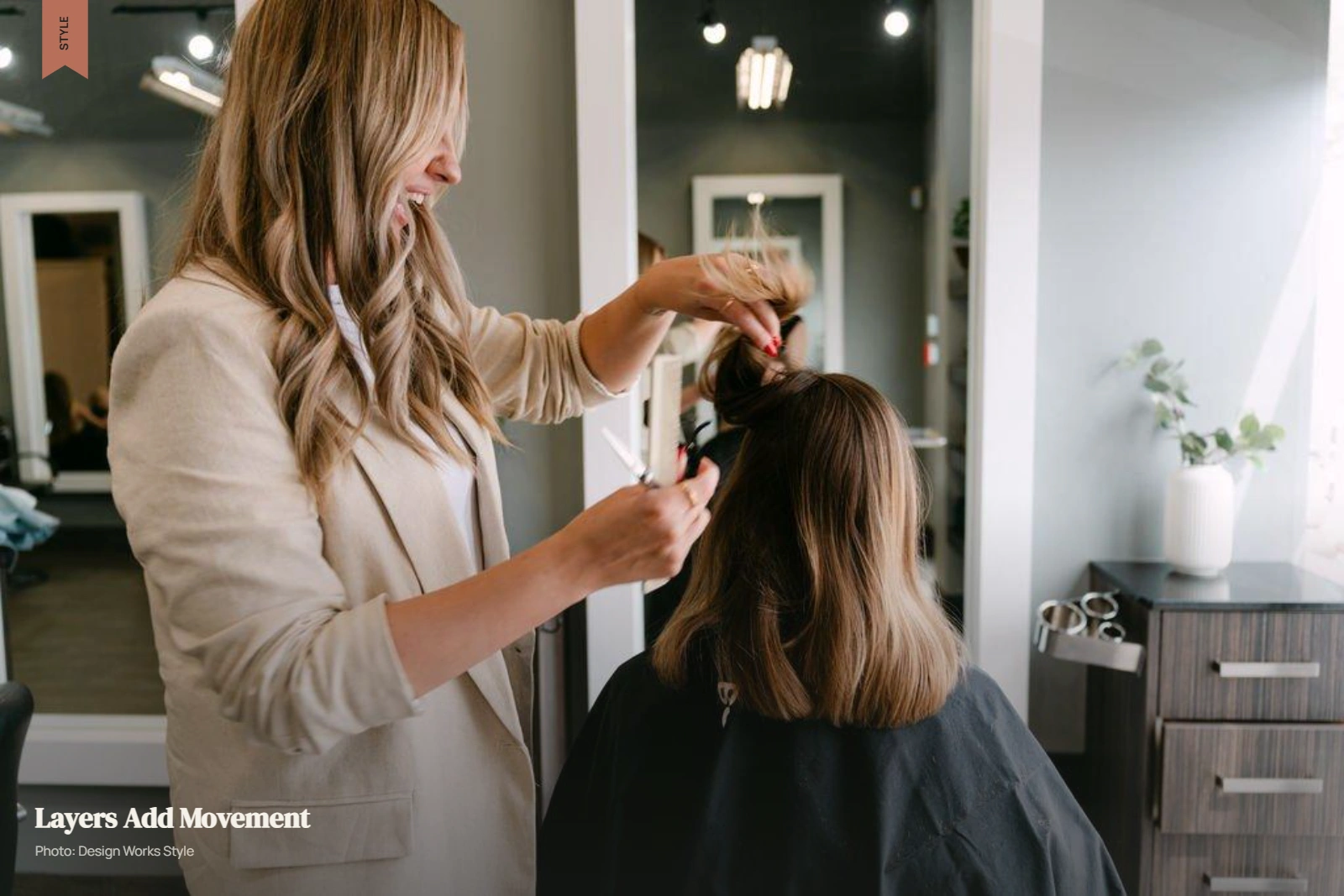
An angled or subtly textured shape can also change the direction of the haircut. Rather than choosing a bob simply because it appears frequently in round-face inspiration galleries, compare the length, angle, density, and styling of the reference with your own hair.
Long Haircuts
Long hair gives you more length through the sides and ends, but simply growing hair longer is not the whole strategy.
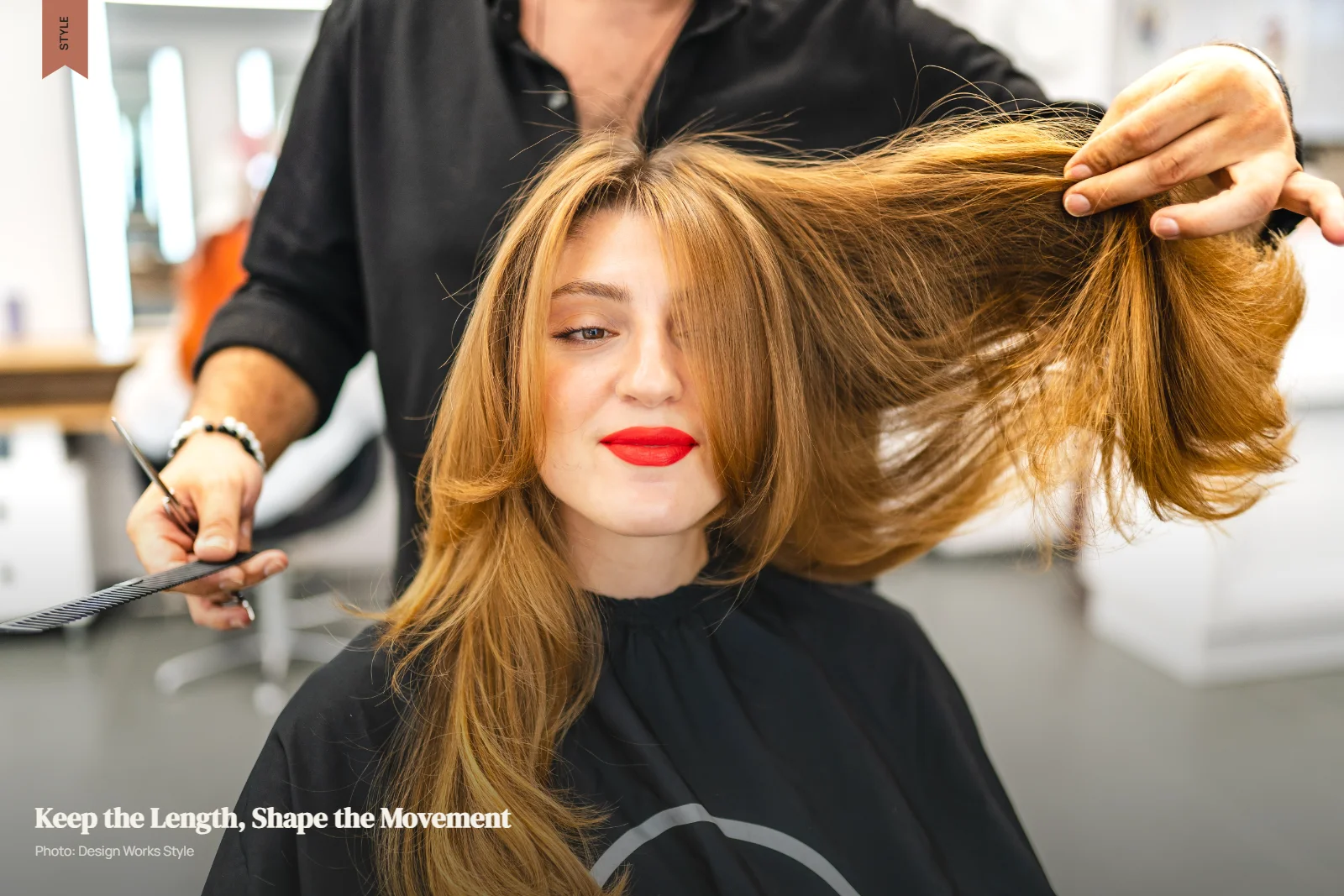
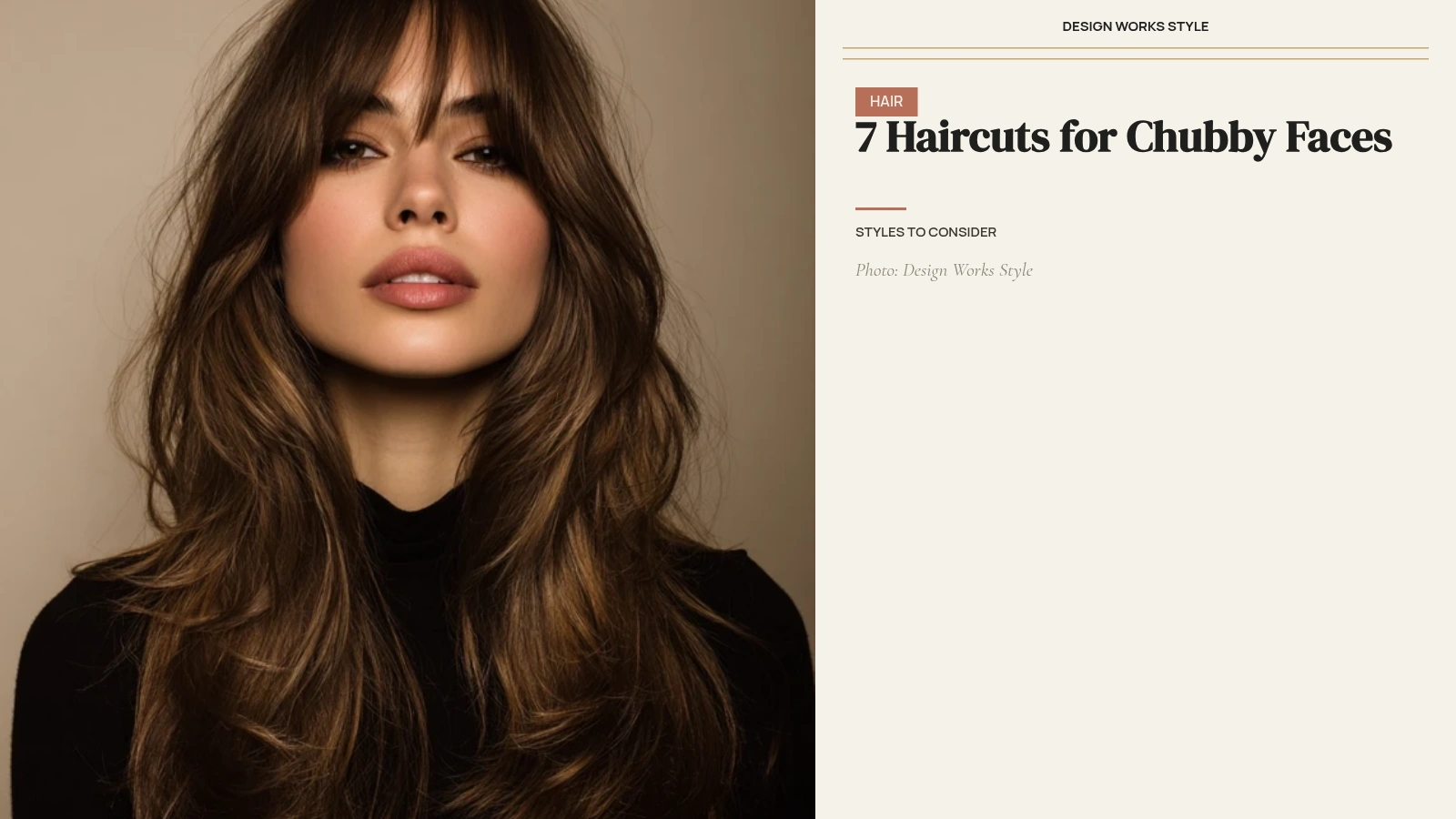
Long layers can introduce movement without dramatically changing the overall length. Face-framing pieces can also help connect the haircut to your features, while layers through the lengths can prevent very long hair from looking heavy or shapeless.
If your hair is thick, the placement and amount of layering become particularly important. Too much weight in one area can create bulk, while carefully distributed layers can give the haircut more movement.
Should You Choose Layers for a Round Face?
Layers are useful because they change where the hair moves and where weight sits. They are not automatically good or bad for a particular face shape.
There is an important difference between layers that create movement and layers that remove bulk. Fine hair may need a different layering approach from thick hair. Curly hair also needs to be shaped with its natural movement and shrinkage in mind.
As a simple rule, start with your hair’s density and texture:
- Fine hair: Consider where layers begin so the ends do not become unnecessarily sparse.
- Thick hair: Layers can help distribute weight and control bulk, depending on the desired shape.
- Wavy or curly hair: Account for how the hair contracts and expands when dry.
- Straight hair: The perimeter and individual layer lines may be more visible, making their placement especially important.
When looking at a layered haircut reference, do not just ask, “Would these layers suit a round face?” Ask where the layers start, what they remove, and where they create movement.
Image placement: Side-by-side editorial references showing two different layer placements on similar-length hair.
Suggested alt text: Medium haircut with long face-framing layers and soft movement
Suggested alt text: Layered haircut with controlled volume through the lengths
What About Bangs and Face-Framing?
Bangs can change the proportions and visual rhythm of a haircut, but there is no single fringe style that works for every round face.
Side-swept bangs create diagonal movement across the forehead. Curtain-style framing can open toward the sides and connect into longer layers. Longer face-framing pieces give you more flexibility because they can be blended into the rest of the haircut rather than creating a strong horizontal line.
The length and density of the fringe matter just as much as the general category. A light textured fringe will behave differently from a dense, blunt fringe.
When comparing a reference, look at where the shortest piece ends and how it connects to the rest of the haircut. Also consider whether you are willing to style the fringe every day.
How Volume and Parting Change the Shape
Volume can matter as much as length.
Hair with more fullness at the crown creates a different silhouette from hair that is fuller around the sides. Likewise, a smooth root with movement through the lengths will look different from a style with substantial volume throughout.
Your natural part also matters. A center part creates symmetry and a clear vertical line through the hairstyle, while a side part changes the direction and distribution of the hair. Neither is automatically better for a round face.
Instead of following a rule such as “always add volume at the crown,” look at your actual hair. If your roots naturally have height, you may need very little styling. If your hair tends to sit flat, the haircut and styling routine may need to work together to create the shape you want.
The key question is:
Where does the eye see the most width and fullness?
That can tell you more about a haircut’s visual effect than its name alone.
Choose the Haircut for Your Hair Type, Too
Face shape is only one variable. The same haircut can look substantially different on fine straight hair, dense wavy hair, or naturally curly hair.
Fine or Thin Hair
Consider how much fullness you want through the ends. Heavy layering can reduce the appearance of density, while a stronger perimeter or carefully placed layers may preserve more fullness.
Thick Hair
Think about weight and bulk before choosing a reference. Strategic layers can help control density, but the amount and placement should support the intended silhouette.
Wavy or Curly Hair
Your natural movement needs to be part of the haircut decision. A reference photographed on straight hair may have a very different shape when recreated on waves or curls.
Straight Hair
Straight hair often shows the haircut’s perimeter and layers clearly. Small differences in length or angle can therefore have a noticeable effect on the final shape.
Before showing a stylist a reference, ask whether the person in the image has similar density, texture, and natural movement to yours.
How to Choose Between Short, Medium, and Long Hair
There is no required length for a round face. Choose based on the combination of visual effect, lifestyle, and maintenance.
Choose shorter if you want to emphasize texture, movement, or an open neckline and are comfortable with more visible shape changes and potentially more frequent trims.
Choose medium length if you want flexibility. Bobs, longer bobs, and shoulder-length cuts provide several ways to adjust layers, texture, framing, and styling without committing to either extreme.
Choose longer if you enjoy having more length and want movement through the sides and ends. Long layers and face-framing can change the shape without giving up substantial length.
If you are deciding between lengths, compare the maintenance required as carefully as the appearance. A haircut that looks excellent in a photograph may not suit your routine if it needs significantly more styling than you want to do.
Which Haircut Details Matter Most?
When you find a haircut reference you like, break it down before deciding whether to copy it.
Ask these seven questions:
- Where does the haircut end?
Is it above the jaw, near the jaw, below the chin, at the shoulders, or farther down? - Where is the volume?
Is the hair fuller at the crown, sides, ends, or evenly distributed? - Where do the layers begin?
Short layers and long layers can create very different shapes. - How does the hair naturally fall?
Does it sit straight, bend, wave, curl, or expand away from the head? - How much daily styling are you willing to do?
Consider blow-drying, heat styling, products, and time. - How frequently are you willing to get trims?
Shorter or highly structured cuts may need more frequent maintenance to retain their intended shape. - Does the reference have similar hair density and texture?
This can be more important than the face shape itself.
This turns a haircut photo from something to copy into something you can actually evaluate.
What to Tell Your Stylist
Bring several reference photos rather than relying on one perfect image. Ideally, include front and three-quarter views so your stylist can see how the haircut is constructed around the face and through the sides.
Explain:
- your preferred overall length
- the shortest point you are comfortable with
- how much layering you want
- whether you want face-framing pieces
- your natural texture and density
- how much styling you are willing to do
- how often you are willing to return for trims
You can also point out what you do not like in the reference. For example, you may like the overall length but not want the same amount of crown volume or face-framing.
That gives your stylist more useful information than simply saying you want “the same haircut.”
Common Mistakes When Choosing a Haircut for a Round Face
Choosing based only on face shape is one of the easiest ways to overlook important details.
Other common mistakes include:
- Copying a haircut without considering texture: Straight hair and curly hair can produce very different versions of the same cut.
- Ignoring density: A cut designed for fine hair may behave differently on very thick hair.
- Focusing only on the front view: The side and back shape contribute to the overall silhouette.
- Underestimating styling: Some reference photos depend heavily on blow-drying, heat styling, products, or professional finishing.
- Assuming shorter is automatically better: Short hair can work, but the specific shape still matters.
- Assuming longer is automatically better: Length alone does not determine whether the haircut creates the shape you want.
- Using a mismatched reference: If the model has substantially different texture, density, or natural movement, the finished haircut may look different from the photograph.
The goal is not to find a haircut that follows every supposed round-face rule. It is to understand why the reference looks the way it does and decide whether those same design choices make sense for your hair and preferences.
Still Not Sure Which Haircut Suits You?
If you are comparing face shapes before choosing a haircut, our broader guide to haircuts for different face shapes can help you understand the larger framework.
If your question is no longer about the haircut itself and you are looking for ways to style the finished cut, see our guide to hairstyles for round faces.
For a broader starting point beyond face shape, you can also use What Haircut Suits Me?.
The most useful haircut reference is not necessarily the one that looks most similar to you at first glance. Look closer at its length, silhouette, layers, volume, framing, texture, and maintenance. Those details give you a much better starting point for deciding what to ask for at your next appointment.
Frequently Asked Questions
What haircut is most flattering for a round face?
Cuts that add length or height: long layers, lobs, and textured pixies. Face-framing pieces that start below the chin usually help more than any single rule about face shape.
Are layers good for round faces?
Yes, when they create vertical movement. Layers that add width at cheek level can emphasize roundness, so placement matters more than the layers themselves.
Should I get bangs with a round face?
Curtain bangs and side-swept bangs usually work best. Blunt straight-across bangs can shorten the face visually, which is the opposite of what most people want here.
Does hair texture change which haircut works?
A lot. Fine hair needs blunt ends for fullness, thick hair needs thinning and layers to avoid a triangle shape, and curls need enough length for weight. Choose for your texture first, face shape second.