
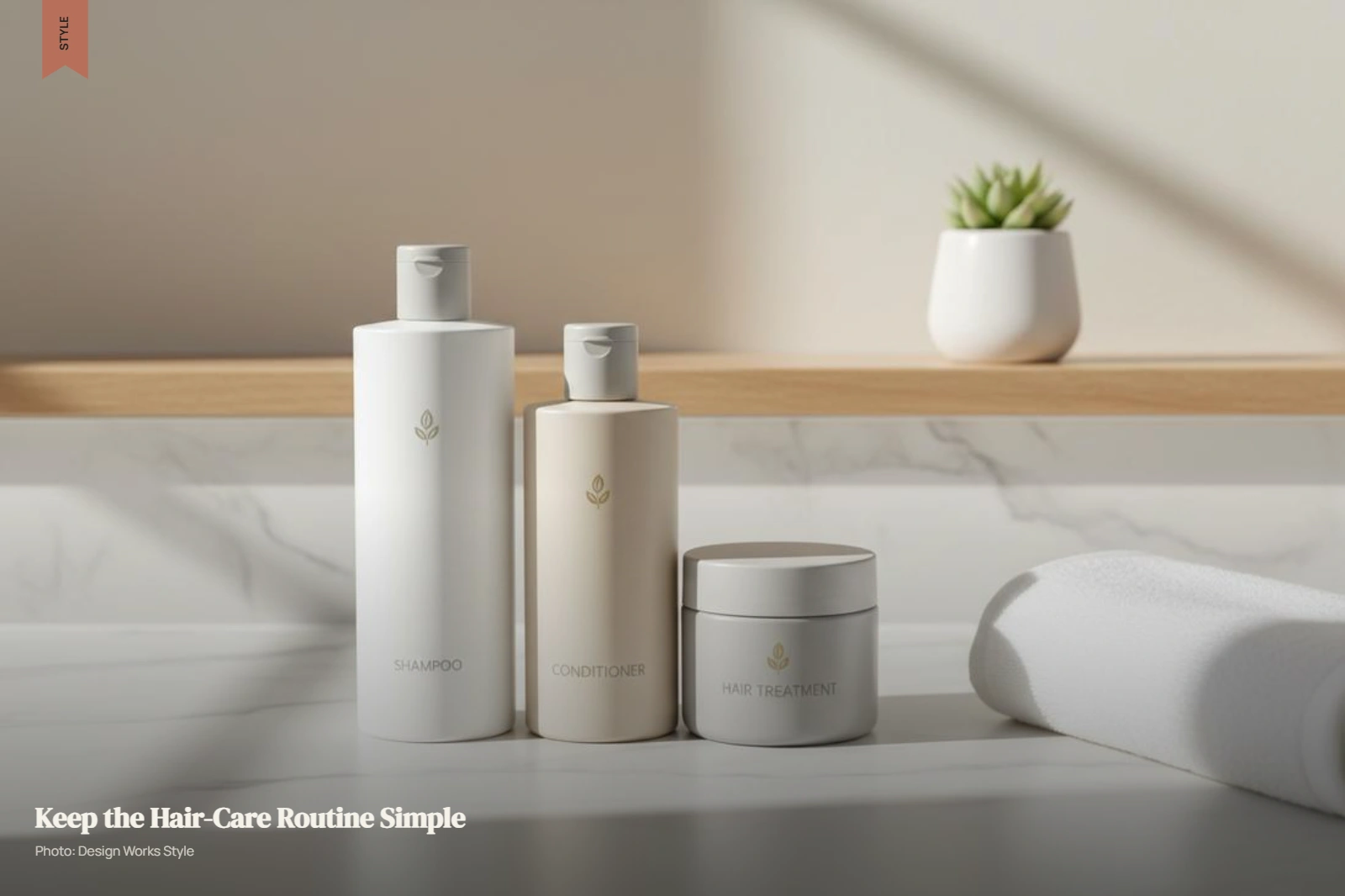
Good hair care does not require a long list of products or a rigid schedule. A useful routine starts with your scalp and hair’s actual needs, then adjusts cleansing, conditioning, styling, and treatments accordingly.
A simple hair-care routine usually comes down to five fundamentals:
- Cleanse the scalp according to its needs.
- Condition the lengths after washing.
- Reduce unnecessary heat and friction.
- Adjust your routine for colored or chemically processed hair.
- Add treatments when they address a specific concern.
The right routine for oily roots and dry ends will not necessarily work for fine straight hair, coarse curls, or heavily processed hair. Start with the problem, then choose the routine.
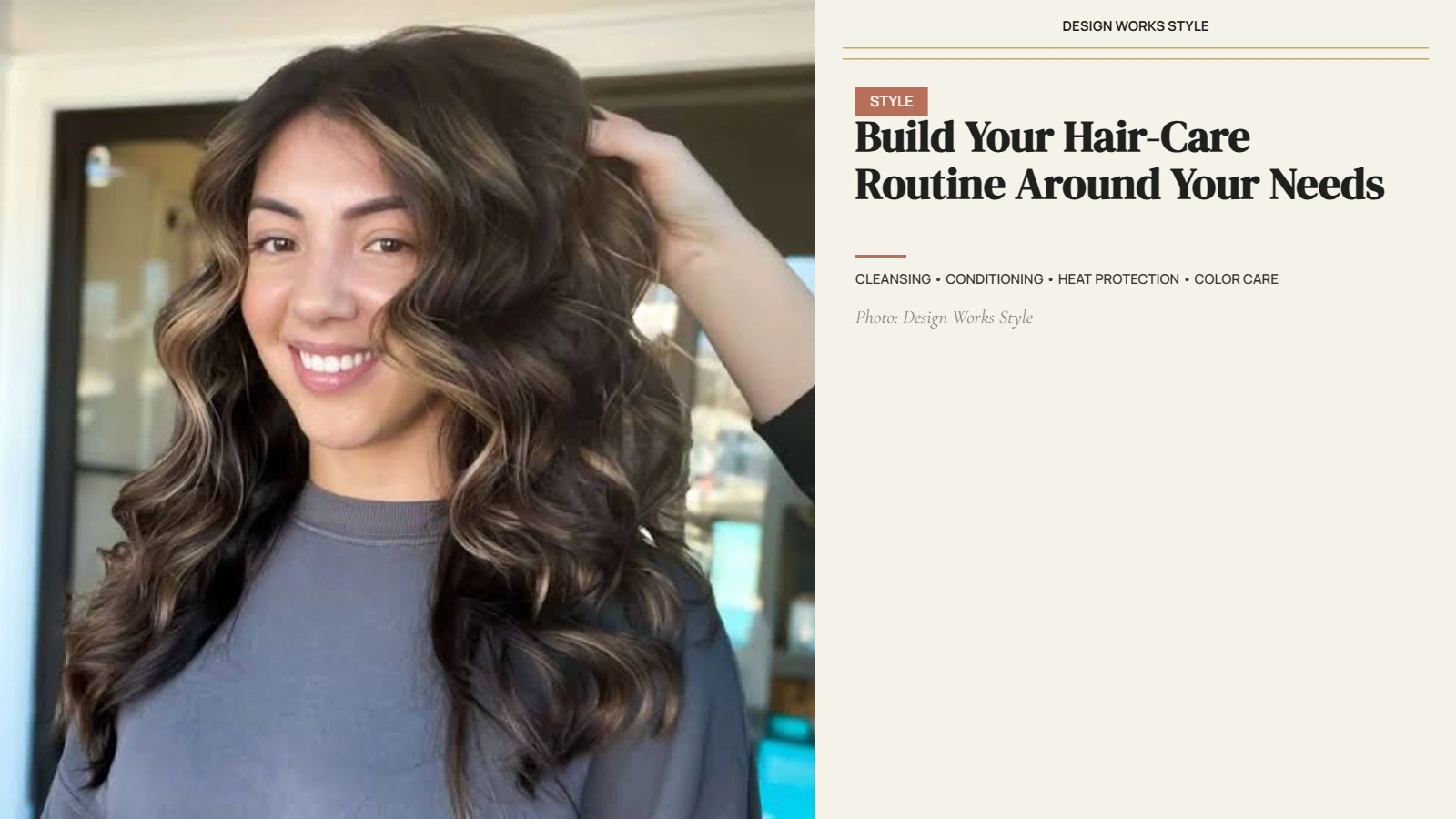
Build a Hair-Care Routine Around Your Needs
Before choosing products, consider what is actually happening with your scalp and hair.
| Main condition | Routine priority | Practical starting point |
|---|---|---|
| Oily scalp | Regular scalp cleansing without overloading the lengths | Shampoo the scalp when it becomes oily or noticeably built up; condition mainly through the mid-lengths and ends |
| Dry or coarse hair | Moisture, gentle handling, and reduced heat | Condition after shampooing; add a mask if regular conditioning is not enough |
| Fine hair | Lightweight conditioning and buildup control | Keep richer products mainly on the ends and avoid overloading the roots |
| Curly, coily, or textured hair | Moisture, slip, gentle detangling, and lower friction | Detangle with conditioner and adjust washing according to scalp needs |
| Color-treated hair | Color maintenance, conditioning, and heat protection | Use appropriate color-care products and minimize unnecessary heat |
| Bleached or heavily processed hair | Reduce further stress and assess damage | Prioritize gentle care and avoid repeated DIY chemical services when damage is significant |
These are starting points rather than fixed rules. Your routine may also need to change as your hair, scalp, styling habits, or color history changes.
The Basic Hair-Care Routine
1. Cleanse the Scalp
Shampoo’s main job is to remove things that accumulate on the scalp, including oil, sweat, dead skin, and styling-product buildup.
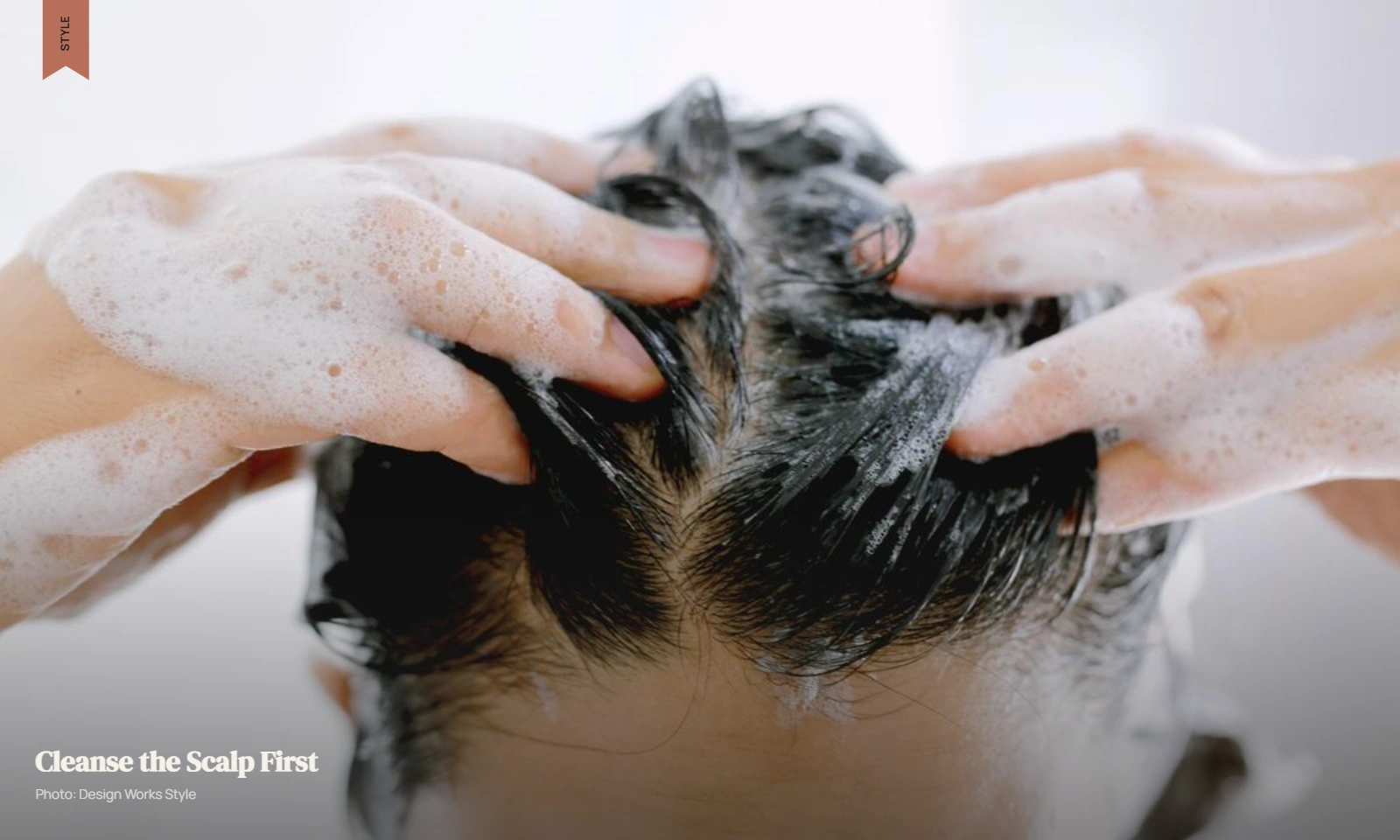
Apply shampoo primarily to the scalp rather than aggressively scrubbing the entire length. As you rinse, the shampoo and water can pass through the lengths without requiring the same level of friction.
If your ends are already dry, repeatedly scrubbing them can add unnecessary mechanical stress.
2. Choose Washing Frequency by Need
There is no single washing schedule that works for everyone.
How often you wash can depend on:
- Oil production
- Hair texture
- Scalp condition
- Exercise and sweating
- Product buildup
- Personal comfort
Instead of following an arbitrary calendar, use your scalp as the starting point.
Wash when your scalp genuinely needs cleansing rather than assuming everyone should wash on the same schedule.
Someone with an oily scalp may need more frequent cleansing than someone with a dry scalp. Hair texture can also influence how quickly the lengths feel dry or weighed down.
3. Condition After Shampooing
Conditioner can improve slip, detangling, manageability, and the feel of the hair lengths.
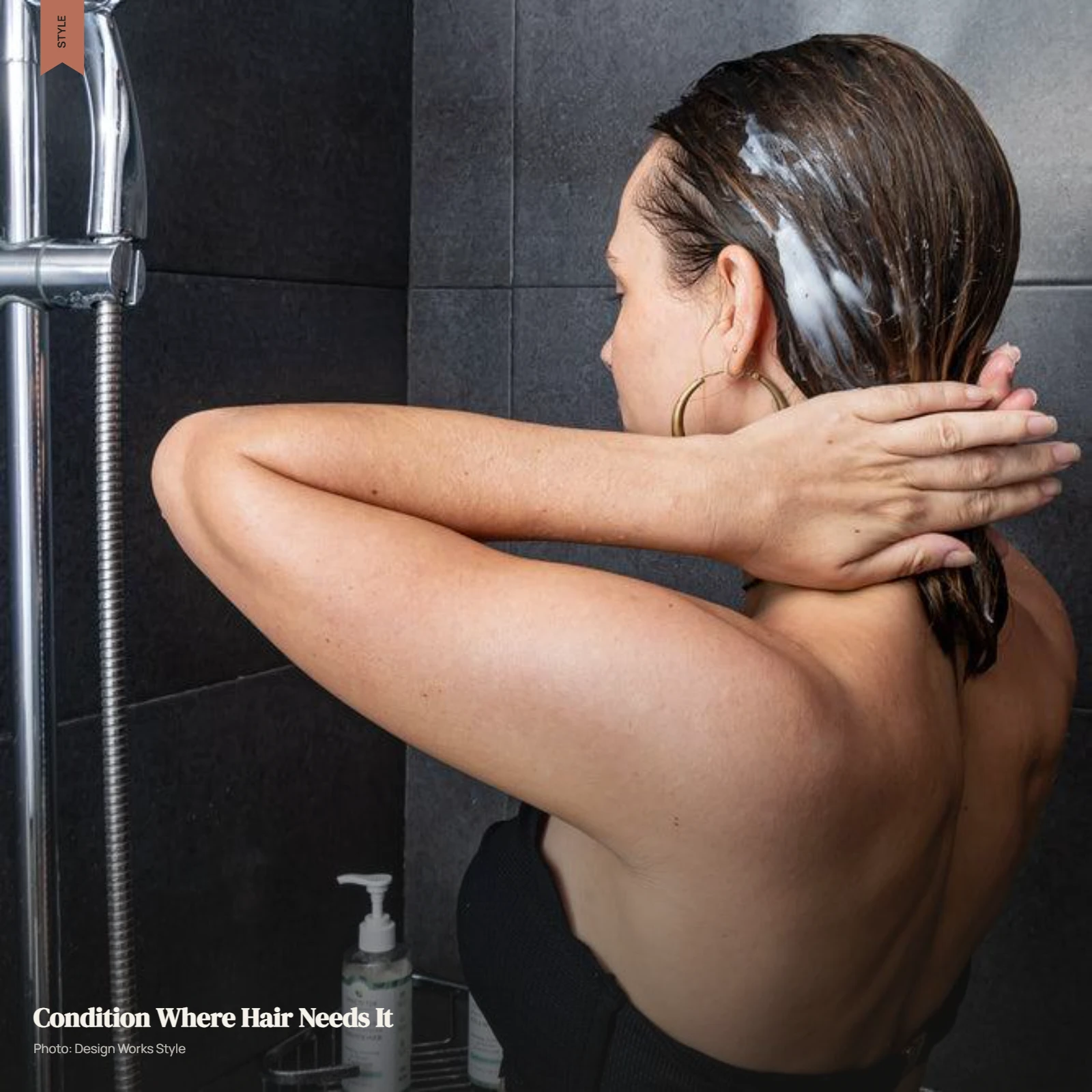
Where you apply it depends on your hair.
Fine or straight hair may feel better when conditioner is concentrated toward the ends, while dry, coarse, curly, or textured hair may benefit from conditioning through more of the length.
If your roots become oily quickly but your ends feel dry, there is no reason to treat both areas exactly the same way.
4. Detangle Gently
Wet hair can be more vulnerable to mechanical stress, particularly when it is tangled.
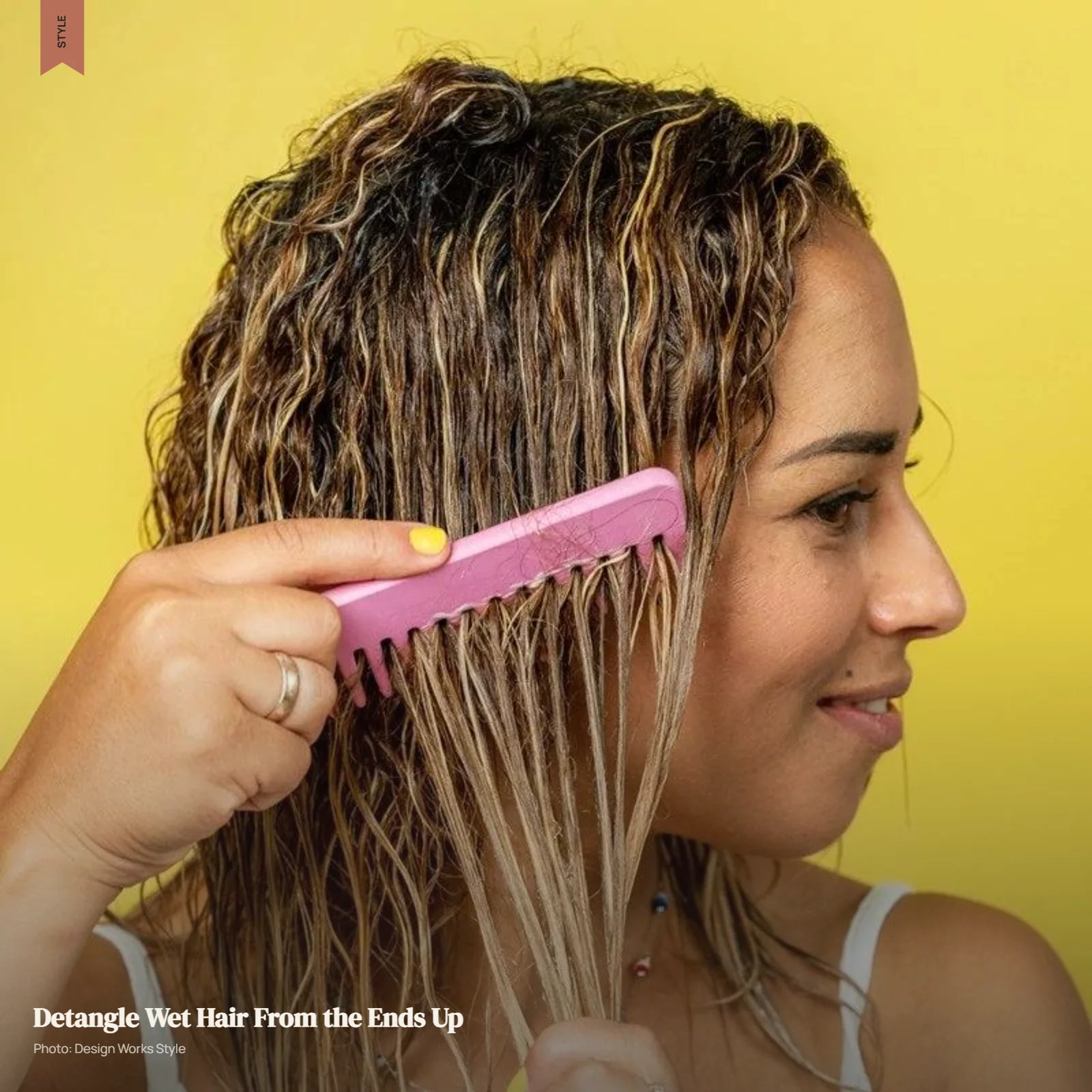
When detangling:
- Start at the ends.
- Work gradually upward.
- Use your fingers or a wide-tooth comb when appropriate.
- Avoid aggressively pulling through knots.
The goal is to reduce unnecessary pulling rather than make detangling another source of stress for the hair.
5. Manage Heat
Frequent heat styling can contribute to damage, particularly when hair has already been lightened or chemically processed.
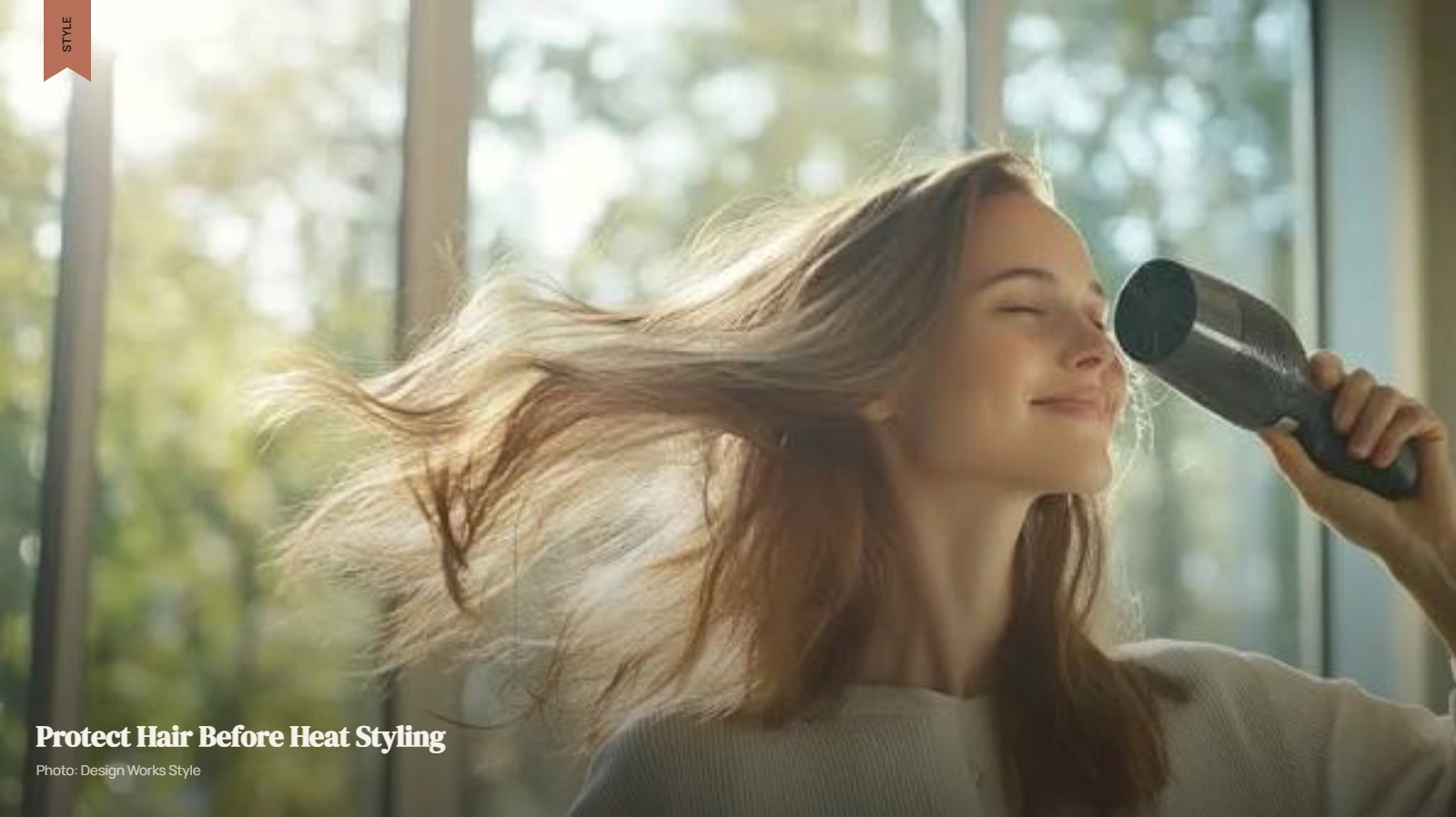
Practical steps include:
- Use lower heat when practical.
- Make fewer passes with hot tools.
- Apply a heat protectant before heat styling.
- Avoid unnecessary repeated exposure to high temperatures.
Heat protectant can help reduce the effects of heat, but it does not make repeated high-heat styling harmless.
How Hair Type Changes Your Routine
Your texture and condition can change which parts of your routine deserve the most attention.
Fine Hair
Fine hair can become weighed down easily, so lightweight conditioning and buildup control may be more useful than repeatedly adding rich products.
Keep heavier conditioners and styling products mainly where they are needed, particularly if your roots become oily quickly.
Dry or Coarse Hair
Dry or coarse hair generally benefits from consistent conditioning, gentle handling, and less unnecessary heat.
If regular conditioner is not enough to keep the lengths manageable, an occasional mask can be considered as a targeted addition rather than an automatic weekly requirement.
Curly or Textured Hair
Curly and textured hair often benefits from moisture, slip, gentle detangling, and reduced friction.
Conditioner can make detangling easier, while the appropriate washing frequency depends on both the scalp and the condition of the hair.
Oily Scalp
An oily scalp generally needs appropriate cleansing rather than simply adding more products to the hair.
Avoid unnecessarily heavy products near the roots if they make the hair feel greasy or weighed down.
Oily Roots and Dry Ends
This combination is common and is a good example of why a single routine does not always make sense.
You can focus shampoo on the scalp while concentrating conditioner on the mid-lengths and ends. This allows different parts of the hair to receive care based on their different needs.
Caring for Colored Hair
Color-treated hair may need additional attention because coloring, bleaching, repeated washing, sunlight, and heat styling can affect both its appearance and feel.
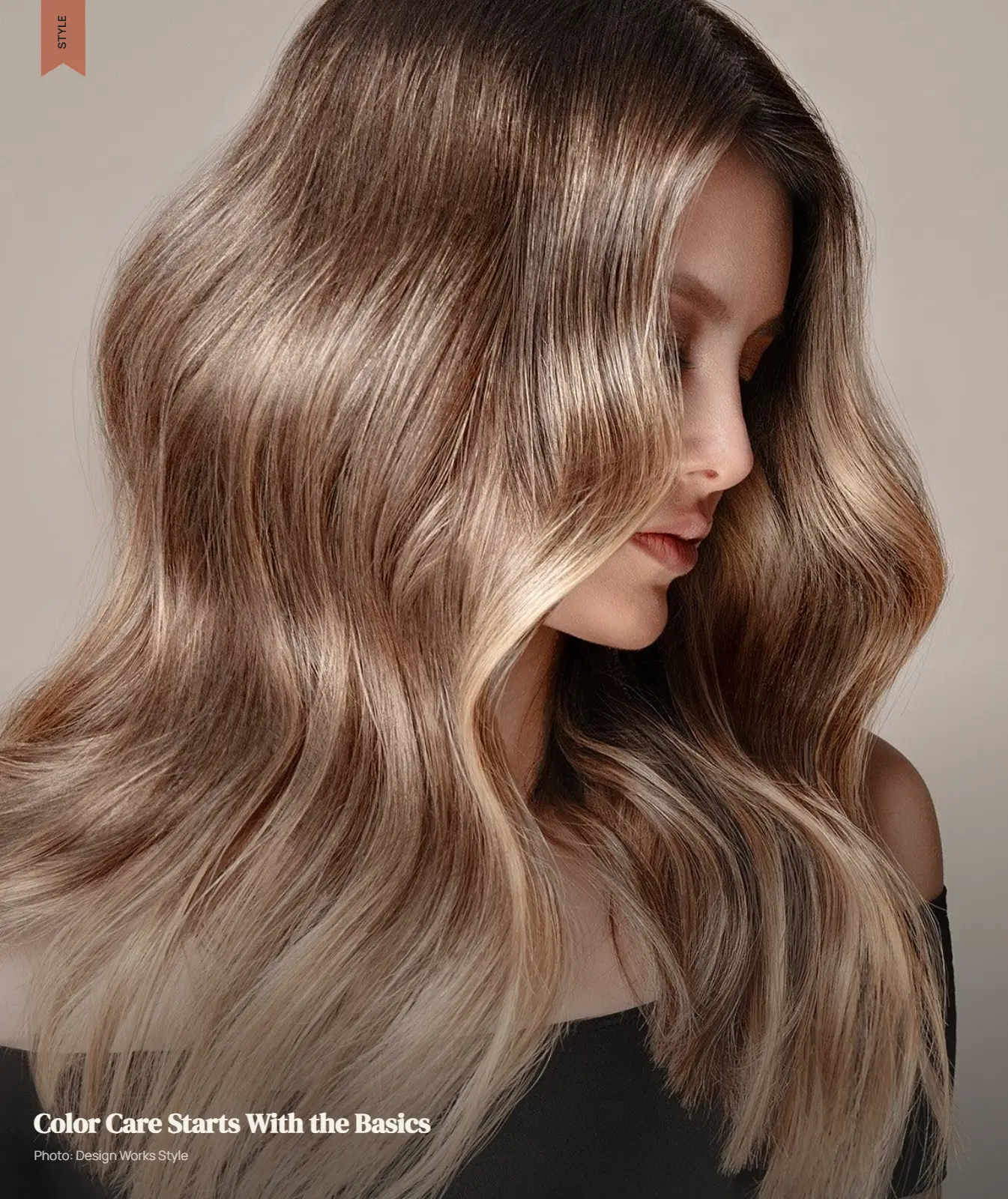
Practical color-care habits include:
- Follow your colorist’s or product manufacturer’s guidance for the first wash after coloring.
- Use products appropriate for color-treated hair.
- Avoid unnecessarily hot water.
- Condition regularly.
- Use heat protection when styling.
- Consider protection during extended sun exposure and swimming.
- Rinse your hair after swimming when practical.
No single ingredient automatically makes a product suitable for every scalp or hair type. For example, choosing a product simply because it is labeled sulfate-free does not tell you whether it is the right choice for your particular needs.
If you have balayage, shampoo selection can become more specific. See our guide to best shampoo for balayage hair for a more focused look at cleansing, moisture, toning, and color maintenance.
When Should You Use a Hair Treatment?
Treatments are most useful when they address a defined concern. They do not need to become automatic steps simply because they are marketed as part of a hair-care routine.
| If you notice… | Consider… | Realistic expectation |
|---|---|---|
| Dry, rough, tangled lengths | More conditioning or an occasional mask | Softer-feeling, easier-to-manage hair |
| Flat hair or product residue | A targeted clarifying wash when appropriate | Less buildup and cleaner-feeling hair |
| Mildly faded or dull color | Clear or appropriately tinted gloss | Temporary shine and possible tone refresh |
| Mild unwanted yellow or orange warmth | Appropriate toning product or professional gloss | Tone refinement, not major color correction |
| Significant breakage or chemical overprocessing | Reduced chemical and heat exposure plus professional assessment | Better understanding of the underlying damage before adding more treatments |
The important question is not “What treatment should everyone use?” It is “What problem am I trying to address?”
Where Hair Gloss Fits Into Hair Care
Hair gloss can be useful when hair looks dull, color has mildly faded, or you want a temporary shine and tonal refresh.
A gloss may be clear or tinted, and the exact formulation varies between products. It is a cosmetic color or shine treatment, not a permanent repair solution.
For a deeper explanation of clear versus tinted gloss, longevity, salon treatments, and what gloss can and cannot do, read our guide to Hair Gloss.
Gloss, Glaze, and At-Home Treatments
You may encounter several overlapping terms when shopping for temporary color and shine treatments, including:
- Gloss
- Glaze
- Toning treatment
- Color mask
- Shine treatment
These labels are not always used consistently between brands. A product’s actual instructions and formulation provide more useful information than the marketing name.
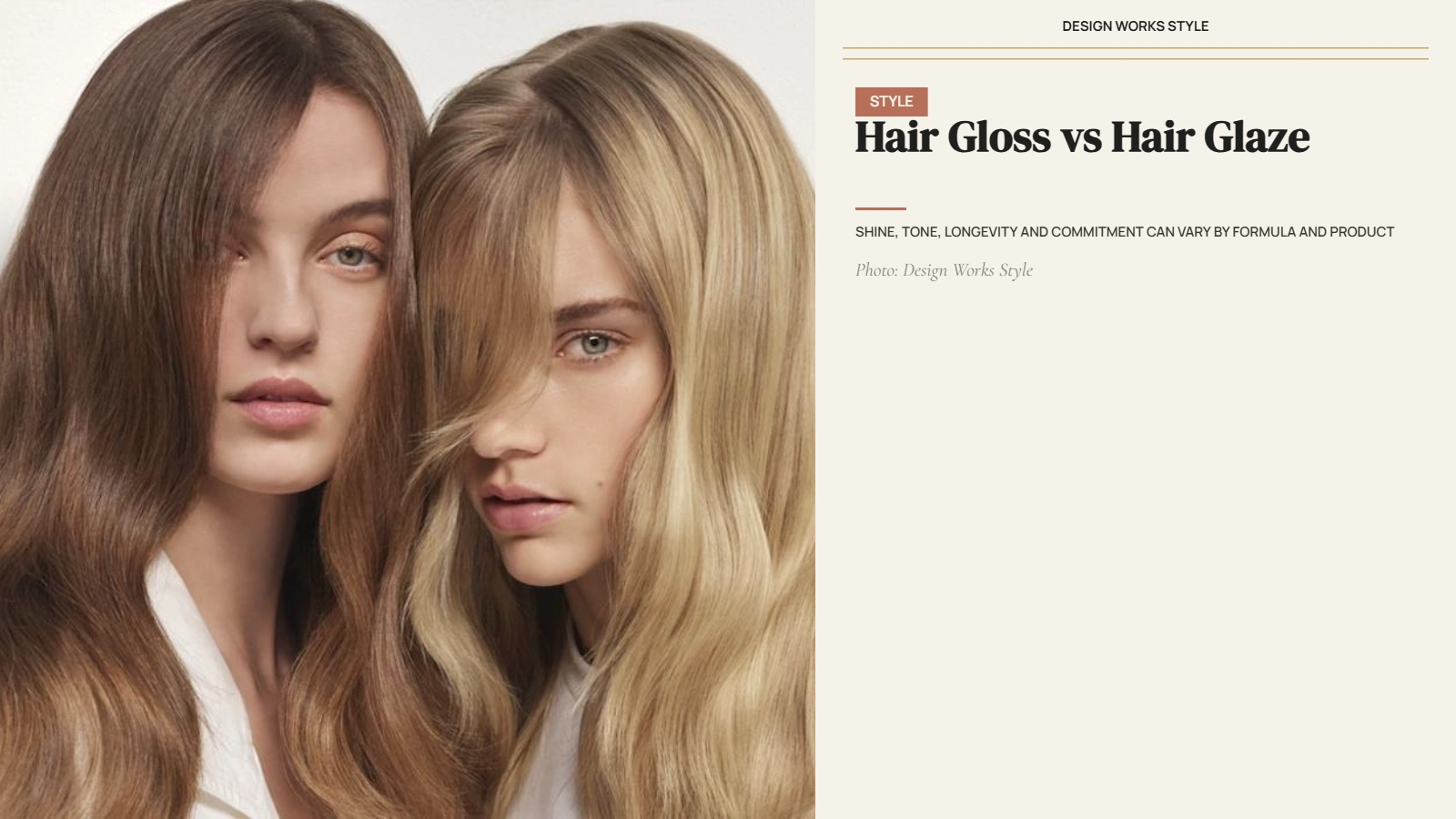
If you are specifically trying to understand the difference between these two terms, see our guide to hair gloss vs hair glaze.
Applying Hair Gloss at Home
If you decide to use an at-home gloss, pay close attention to the product-specific instructions.
Important considerations include:
- Strand testing
- Preparation requirements
- Even application
- Processing time
- Hair porosity
- Post-treatment instructions
Different products can have different application methods, so do not assume that one gloss should be used exactly like another.
For the detailed application process, see our guide on how to apply hair gloss at home.
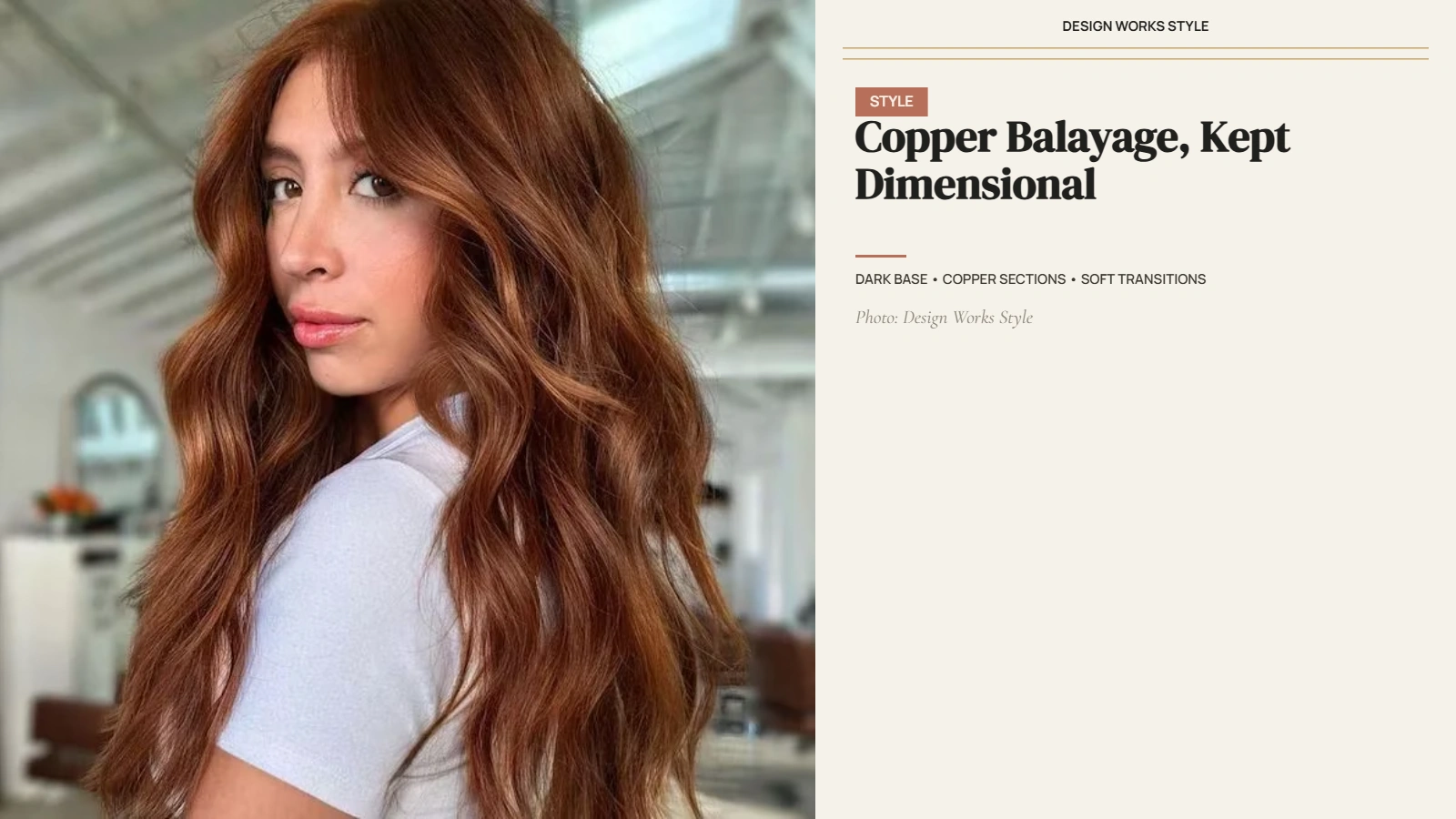
Balayage Hair Care
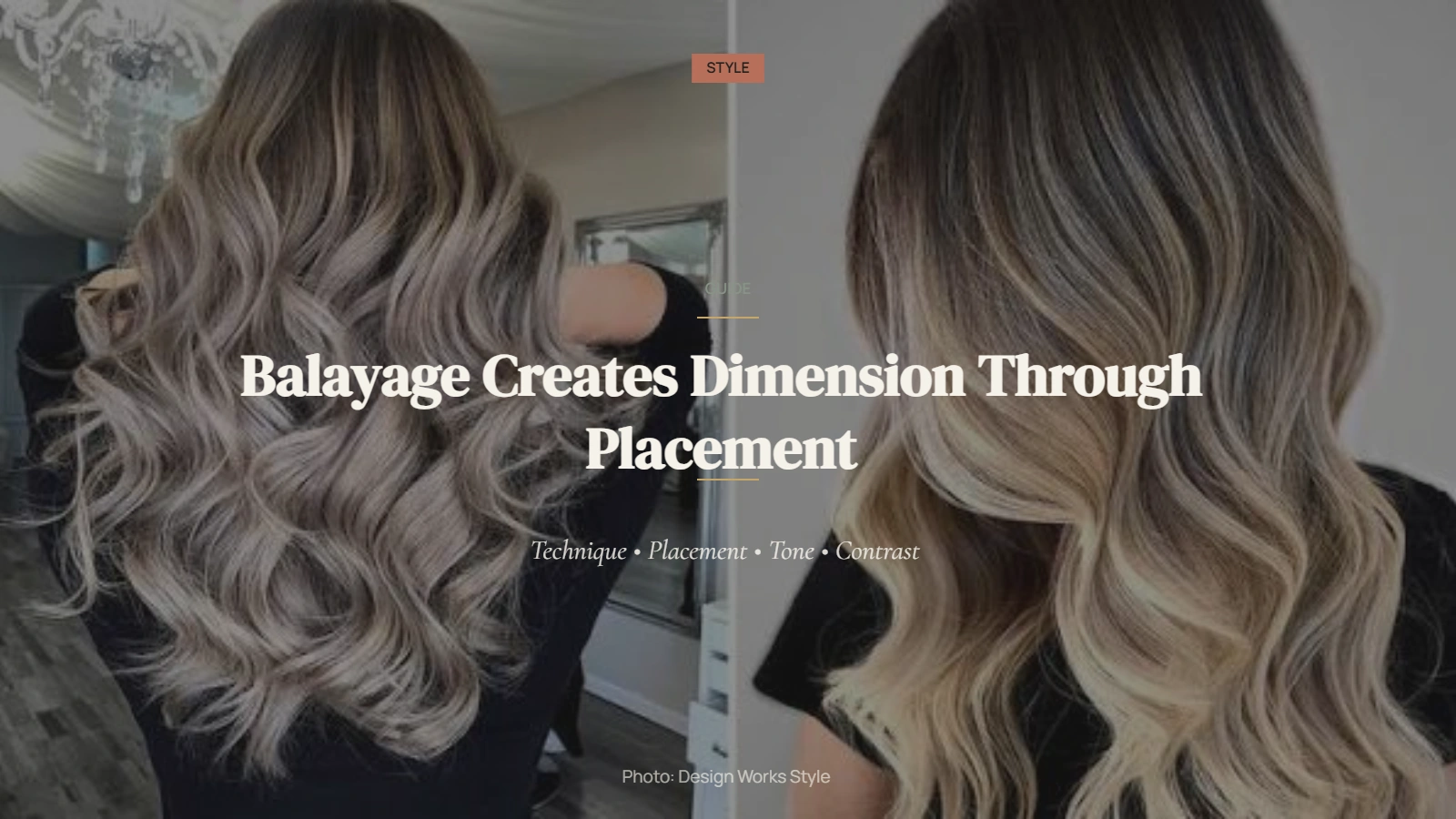
Balayage can create lighter sections that need different maintenance from the rest of the hair.
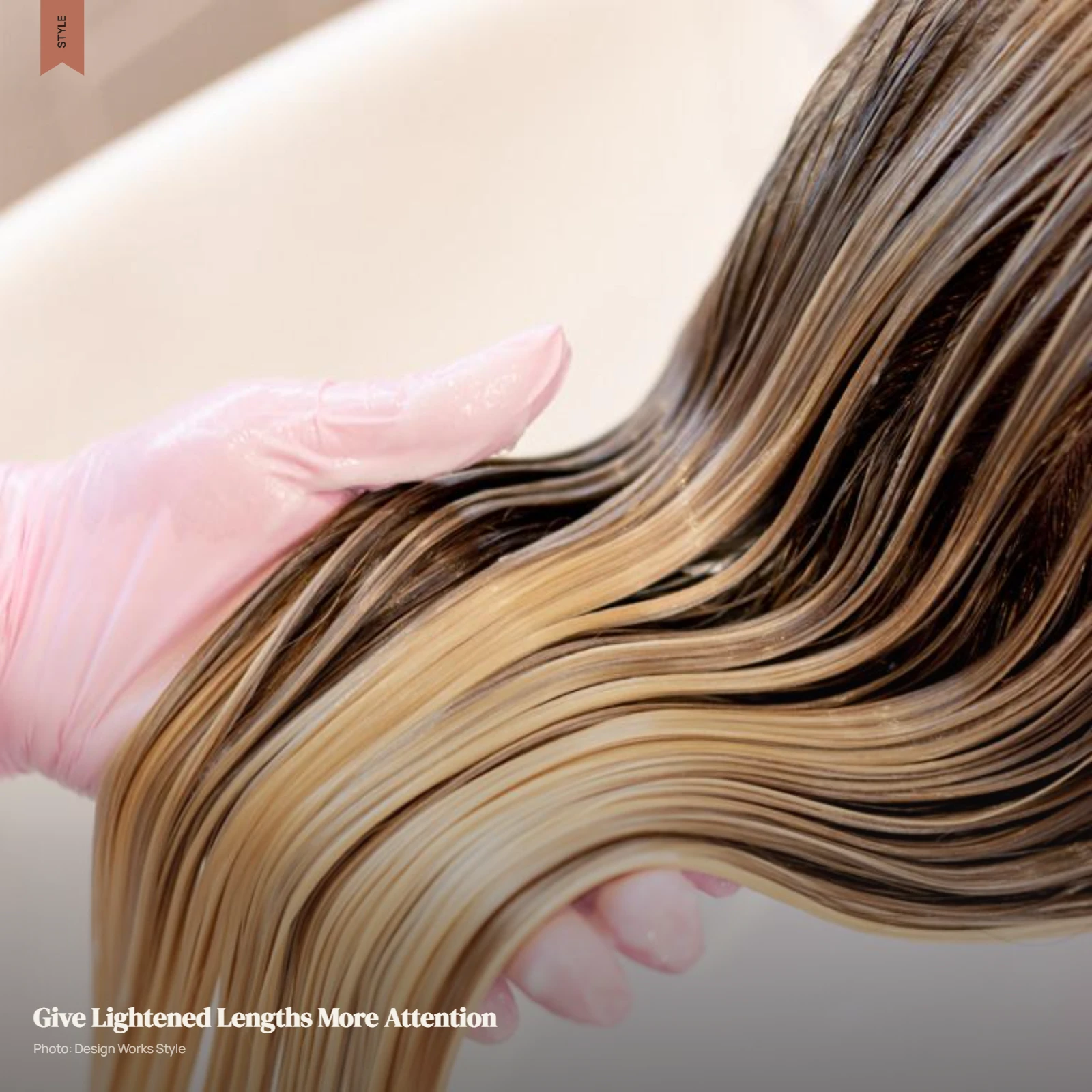
A basic approach includes:
- Gentle cleansing
- Conditioning the more lightened lengths
- Heat protection
- Color maintenance
- Occasional tone management when needed
The appropriate approach depends on how much the hair has been lightened, its condition, the starting color, and how quickly the tone changes.
For a more detailed maintenance routine, see our guide to balayage hair care.
When to Stop DIY and Ask a Professional
Some hair or scalp concerns are better assessed professionally rather than addressed by continually adding treatments.
Consider professional advice for:
- Persistent scalp irritation
- Painful or inflamed scalp
- Sudden noticeable shedding
- Bald patches
- Significant ongoing breakage
- Hair that becomes highly elastic or gummy after chemical processing
- Severe bleach damage
- Uneven bleaching
- Strong orange or green tones after coloring
- Unexpectedly dark color
- Significant at-home color mistakes
- Previous reactions to hair-color products
A gloss, mask, toner, or conditioning treatment cannot substitute for an assessment when the underlying problem is significant.
For color products, always follow the manufacturer’s safety instructions, including any required allergy or patch testing.
Practical Hair-Care Checklist
- Cleanse the scalp according to its needs.
- Avoid aggressively scrubbing the lengths.
- Condition after washing.
- Adjust conditioner placement to your hair’s texture and dryness.
- Detangle gently.
- Reduce unnecessary heat.
- Use heat protection before hot styling.
- Adjust care if your hair is colored, highlighted, or chemically processed.
- Add treatments only when they address a specific concern.
- Seek professional advice when damage or color problems are significant.
Build Your Routine Around the Problem
A good hair-care routine does not need to be complicated.
If your scalp gets oily quickly, prioritize appropriate scalp cleansing. If your lengths feel dry, focus on conditioning and reducing unnecessary heat and friction. If your hair is fine, keep products lightweight, particularly around the roots. Curly and textured hair may need more attention to moisture, slip, and gentle detangling.
For colored or balayage-treated hair, add color maintenance and heat protection to the basics rather than replacing the entire routine with a long list of specialized products.
If your color looks dull or mildly faded, a gloss may be worth considering. If you want to apply one yourself, follow the dedicated Hair Gloss at Home guide. If you need help choosing shampoo specifically for balayage, use the Best Shampoo for Balayage Hair guide.
Start with your scalp and hair’s actual needs. Keep the everyday routine simple, adjust it for color and processing, and use targeted treatments only when they address a specific concern.
Frequently Asked Questions
What is a good basic hair-care routine?
Shampoo the scalp, condition the lengths, protect from heat, and trim regularly. Everything beyond that targets a specific problem, so add products for a reason.
How do I know my hair type?
Check three things: texture (straight, wavy, curly, coily), density (how much hair you have), and porosity (how fast it gets wet and dries). Products work by type, not by marketing claims.
Does colored hair need different care?
Yes: sulfate-free shampoo, less frequent washing, more conditioning, and heat protection every time. Color-treated hair is more porous and loses moisture faster.
When should I see a professional instead of DIY?
For chemical services, major color changes, persistent breakage, or scalp issues that do not improve. Some things do not have a safe at-home version.