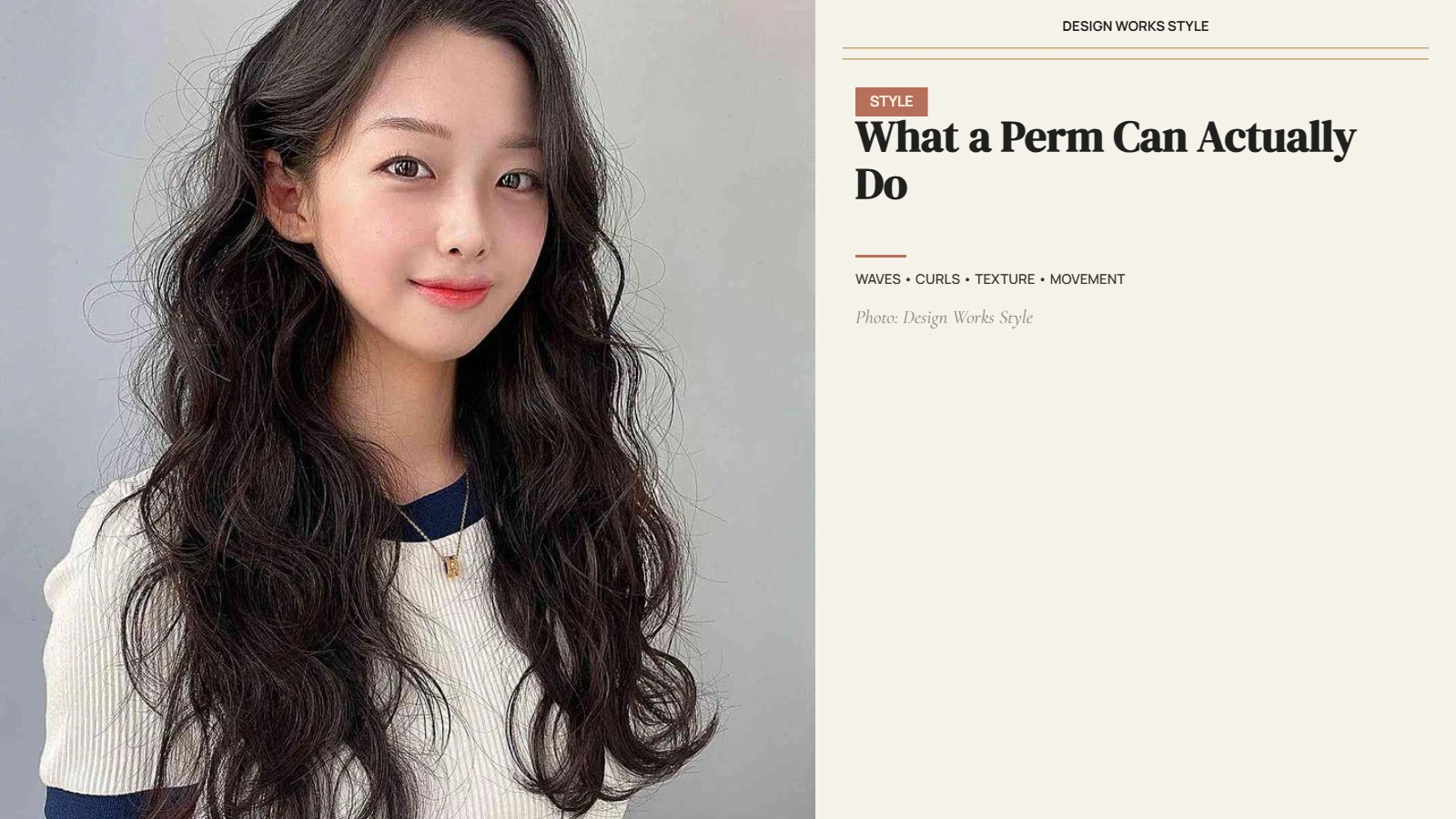

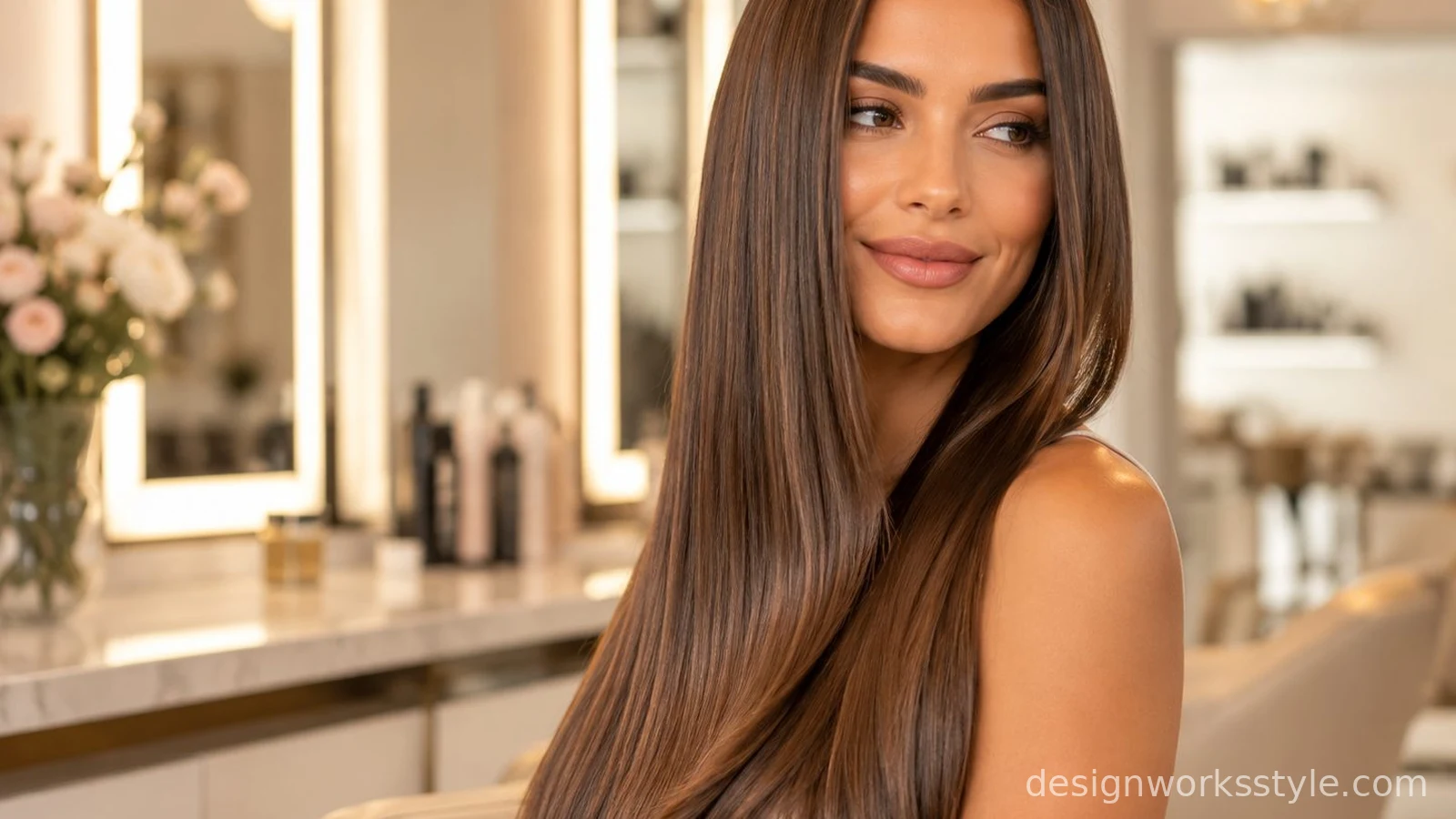
Damaged hair improves with a trim for split ends, weekly deep conditioning, less heat, and gentler handling, but it takes weeks, not days, to see real change. Hair is dead tissue, so it cannot heal itself the way skin does. Repair means protecting what is left, sealing the cuticle, and letting healthy new growth replace the damaged lengths over time.
What Are the Signs of Damaged Hair?
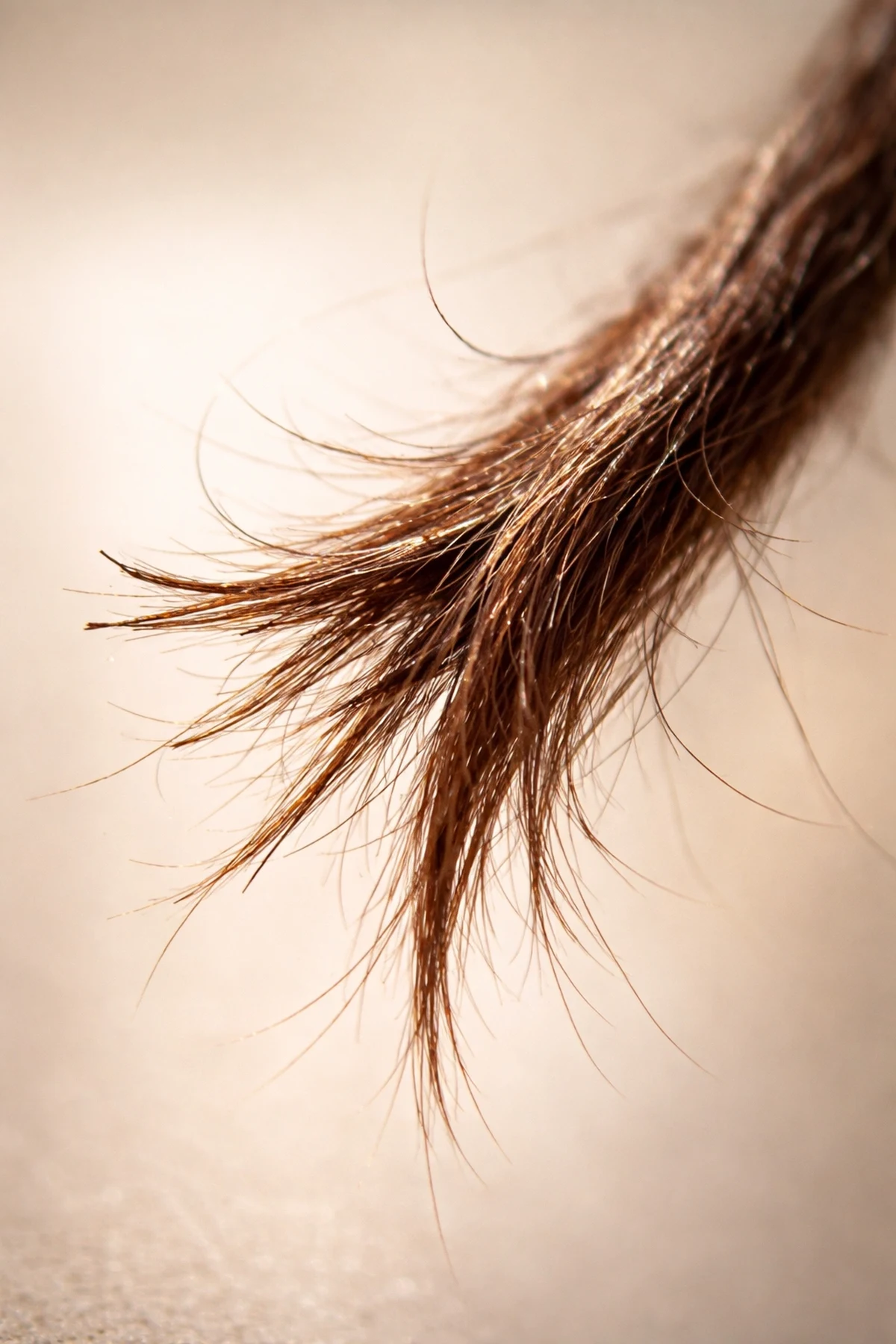
Damaged hair shows split ends, breakage, dullness, tangling, and loss of elasticity. Split ends are the most visible sign, where the tip of a strand frays into two or more strands. Breakage means short pieces snapping off during brushing or styling. Dull hair reflects less light because the cuticle is rough instead of smooth.
Test elasticity with a single wet strand. Stretch it gently. Healthy hair stretches a little and springs back. Damaged hair either snaps right away or stretches far without springing back, which means the inner structure is weak. Another test is the feel test. Run a strand between your fingers from root to tip. Rough, bumpy texture means a raised cuticle, while smooth texture means the cuticle lies flat.
Tangling is a sign people miss. Damaged cuticles catch on each other, so hair knots more easily and takes longer to detangle. If hair that used to comb through easily now tangles after every wash, damage is likely building up. Color that fades fast is another sign, since porous, damaged hair cannot hold dye well. For a routine matched to your hair type, which helps prevent further damage, see our hair care routine by hair type guide.
What Causes Hair Damage?
Hair damage comes from heat styling, chemical processing, over-washing, rough handling, and environmental exposure. Most damaged hair has more than one cause, and the damage builds slowly over months, not from a single bad day. Bleaching and color lifting cause the most damage, since they open the cuticle and remove pigment from inside the strand.
Heat is the most common daily cause. Flat irons, curling tools, and high heat blow drying dry the strand and crack the cuticle over time. Ironing wet hair is the worst version, since trapped water turns to steam inside the strand and weakens it from within. Even daily blow drying on high heat adds up, especially without a heat protectant.
Chemical treatments change the structure of hair. Bleach, permanent color, perms, and relaxers all break bonds inside the strand to reshape or recolor it. One careful treatment causes some damage that good care can manage. Repeated treatments close together, like bleaching already bleached hair, cause damage that care alone cannot fix.
Over-washing strips natural oils that protect the strand, and rough handling finishes the job. Brushing wet hair hard, towel drying with a rough towel, tight hairstyles that pull, and picking at tangles all break strands at weak points. Sun, chlorine, and salt water dry hair out and roughen the cuticle, which makes all the other causes worse. For washing habits that limit damage, see our how to wash your hair properly guide.
What Fixes Damage Right Away?
The fastest fixes for damaged hair are a trim to remove split ends, a deep conditioning mask for moisture, and a protein treatment for strength. None of these reverses damage fully, but together they make hair look and feel better within a week or two, and they stop split ends from traveling further up the strand.
Trim first. Split ends cannot fuse back together, no matter what a product claims. If you leave them, the split travels upward and the strand breaks higher, which shortens hair more than a trim would. A dusting, where the stylist trims only the very tips, removes splits without losing length. For badly damaged ends, a bigger trim saves more hair in the long run than keeping ragged ends.
Deep conditioning restores moisture. Use a mask once a week, applied to the mid lengths and ends, left on for 10 to 20 minutes, sometimes with a shower cap to hold warmth in. Masks with shea butter, oils, or ceramides coat the cuticle and make hair feel softer and smoother right away. The effect washes out over a few washes, so repeat weekly while hair recovers.
Protein treatments rebuild strength. Hydrolyzed protein fills gaps in damaged strands and makes hair feel firmer. Use a protein mask or treatment every two to four weeks while repairing, not every wash, since too much protein makes hair stiff and prone to snapping. Alternate protein weeks with moisture weeks: one week a protein treatment, the next week a moisture mask. If hair feels straw-like after protein, it needs moisture, not more protein.

What Does a Long-Term Repair Plan Look Like?
A long-term repair plan means cutting heat use, switching to gentler products, trimming every eight to twelve weeks, and protecting hair daily, sustained for three to six months. Hair grows about half an inch a month, so replacing badly damaged lengths takes time, and the plan is about protecting new growth while managing old damage.
Start by cutting heat. Drop hot tool use to once a week or less, lower temperatures, and use a heat protectant every single time. Air dry most days, or rough dry on medium heat and finish with a brush only if needed. For tool settings that limit damage, see our hair tools guide.
Swap products next. Switch to a gentle, sulfate-free shampoo, a rich conditioner, and a leave-in conditioner on damp lengths. Add a weekly mask, alternating protein and moisture as described above. Skip clarifying shampoo most weeks, since it strips moisture that damaged hair cannot spare. If you color your hair, stretch appointments further apart and ask your colorist about gentler formulas. Our hair color maintenance guide covers keeping color fresh with less damage.
Change daily habits. Detangle with a wide tooth comb on damp hair, starting at the ends. Sleep on a satin pillowcase or with hair loosely braided to cut friction overnight. Avoid tight ponytails and metal clips that catch and snap strands. Wear a hat or UV spray in strong sun, and rinse after swimming.
Track progress by feel, not by the mirror alone. After a month, hair should tangle less and feel smoother. After three months, new growth near the roots should feel stronger than the older lengths. Trim damaged ends gradually at each appointment, so length is kept while damage is removed bit by bit.
What Professional Treatments Help Damaged Hair?
Professional treatments that help damaged hair include bond builders, keratin treatments, and salon deep conditioning, each suited to different damage. Bond builders repair broken bonds inside the strand. Keratin treatments smooth the cuticle and reduce frizz. Salon deep conditioning gives a stronger moisture boost than home masks.
Bond builders, such as Olaplex and similar salon systems, work inside the strand to reconnect bonds broken by bleach and color. They are applied in the salon, often during or after a color service, and followed by a take-home treatment. They help most with chemical damage, less with purely mechanical damage like breakage from rough brushing.
Keratin treatments coat the strand with keratin protein and seal it with heat, which smooths frizz and makes hair easier to style for several weeks. They suit frizzy, hard to manage hair, but they involve heat and sometimes formaldehyde-based formulas, so ask the salon about ingredients and ventilation before booking. They are not a repair for badly broken hair, since they smooth rather than rebuild.
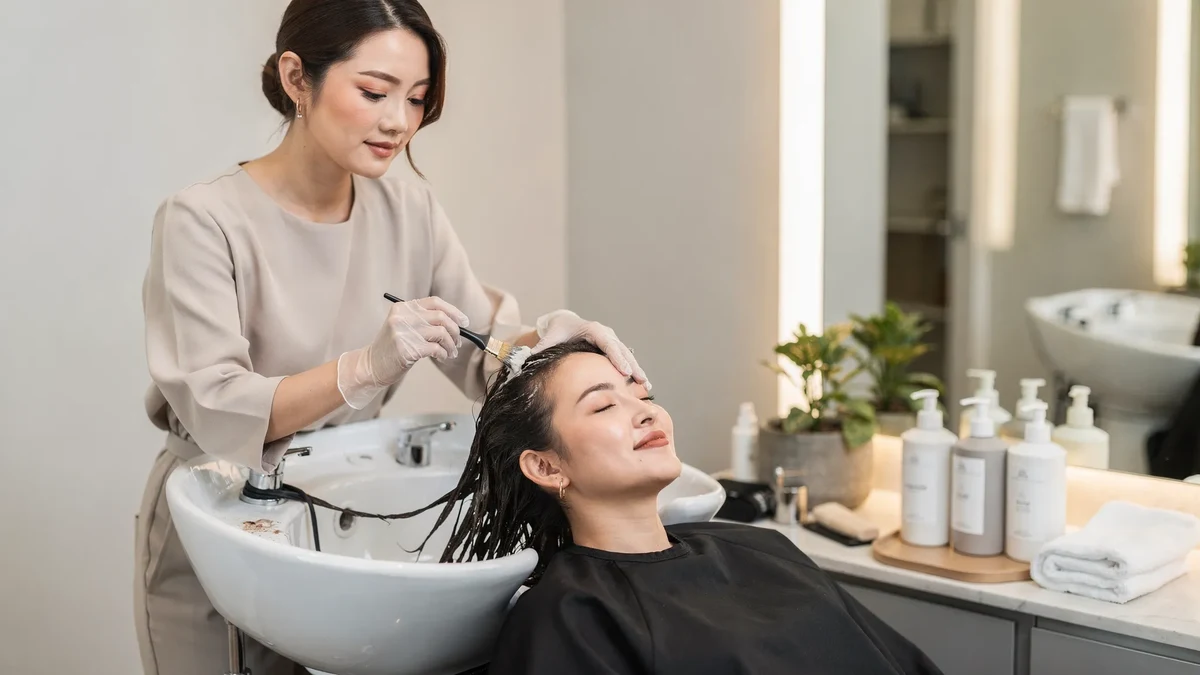
Salon deep conditioning uses stronger masks and sometimes steam or heat caps to push moisture deeper than home treatments reach. It suits hair that feels dry despite home masks. Results last a few weeks, so it works best as part of a regular routine, not a one-time fix. Ask your stylist which treatment matches your damage type, since the wrong treatment wastes money and can add stiffness or buildup.
How Do You Prevent Damage from Coming Back?
Prevent damage by using heat protectant every time you style with heat, trimming every eight to twelve weeks, handling wet hair gently, and spacing chemical treatments further apart. Prevention is cheaper and easier than repair, and it keeps new growth healthy once old damage grows out.
Heat protectant is non-negotiable for colored, bleached, or fine hair. Spray or cream goes on before any hot tool, and temperatures stay moderate, usually 350 degrees or lower for damaged or fine hair. One slow pass beats several fast passes, which add heat without adding smoothness.
Trims on schedule stop splits before they travel. Every eight to twelve weeks is enough for most hair, and more often if you wear your hair long or use heat daily. Between trims, check ends in good light every few weeks. If ends look frayed or feel rough, book sooner.
Gentle handling covers the small habits that add up. Detangle from the ends upward, never yank through knots. Dry by squeezing with a microfiber towel or cotton shirt, not rubbing with a rough towel. Sleep with hair loose or loosely braided. Space color and chemical treatments as far apart as your roots allow, and tell your colorist about past damage so formulas can be adjusted. For color care that limits future damage, see our hair color maintenance guide.
Frequently Asked Questions
Can damaged hair be fully repaired?
No, not fully. Hair is dead tissue, so a damaged strand cannot heal itself the way skin does. Treatments improve how damaged hair looks and feels, and they protect it from breaking further, but the real fix is new growth. Trims remove damage gradually, and good care keeps new hair healthy, so over months the damaged lengths are replaced.
How long does it take to repair damaged hair?
Expect visible improvement in two to four weeks from trims, masks, and gentler handling, and real recovery over three to six months as new growth replaces damaged lengths. Hair grows about half an inch a month, so badly damaged ends take many months to grow out fully. Patience matters more than any single product.
Is protein or moisture more important for damaged hair?
Both, in balance. Protein rebuilds strength in strands that stretch and snap, while moisture restores softness in hair that feels dry and rough. Too much protein makes hair stiff and brittle, and too much moisture makes it limp and stretchy. Alternate: a protein treatment one week, a moisture mask the next, and adjust by how hair feels after each.
Should you stop coloring hair while it recovers?
Not always, but spacing appointments further apart helps a lot. If hair breaks easily or feels mushy when wet, pause chemical treatments and focus on repair for a few months. If damage is mild, gentler color, like demi-permanent formulas, and longer gaps between appointments let hair recover while keeping color. Tell your colorist about the damage so they can adjust.
Repair is slow work, but it works: trim the splits, feed hair moisture and protein in turns, cut the heat, and protect new growth. For the washing habits that support repair, see our how to wash your hair properly guide, and for routine building by type, our hair care routine by hair type guide.