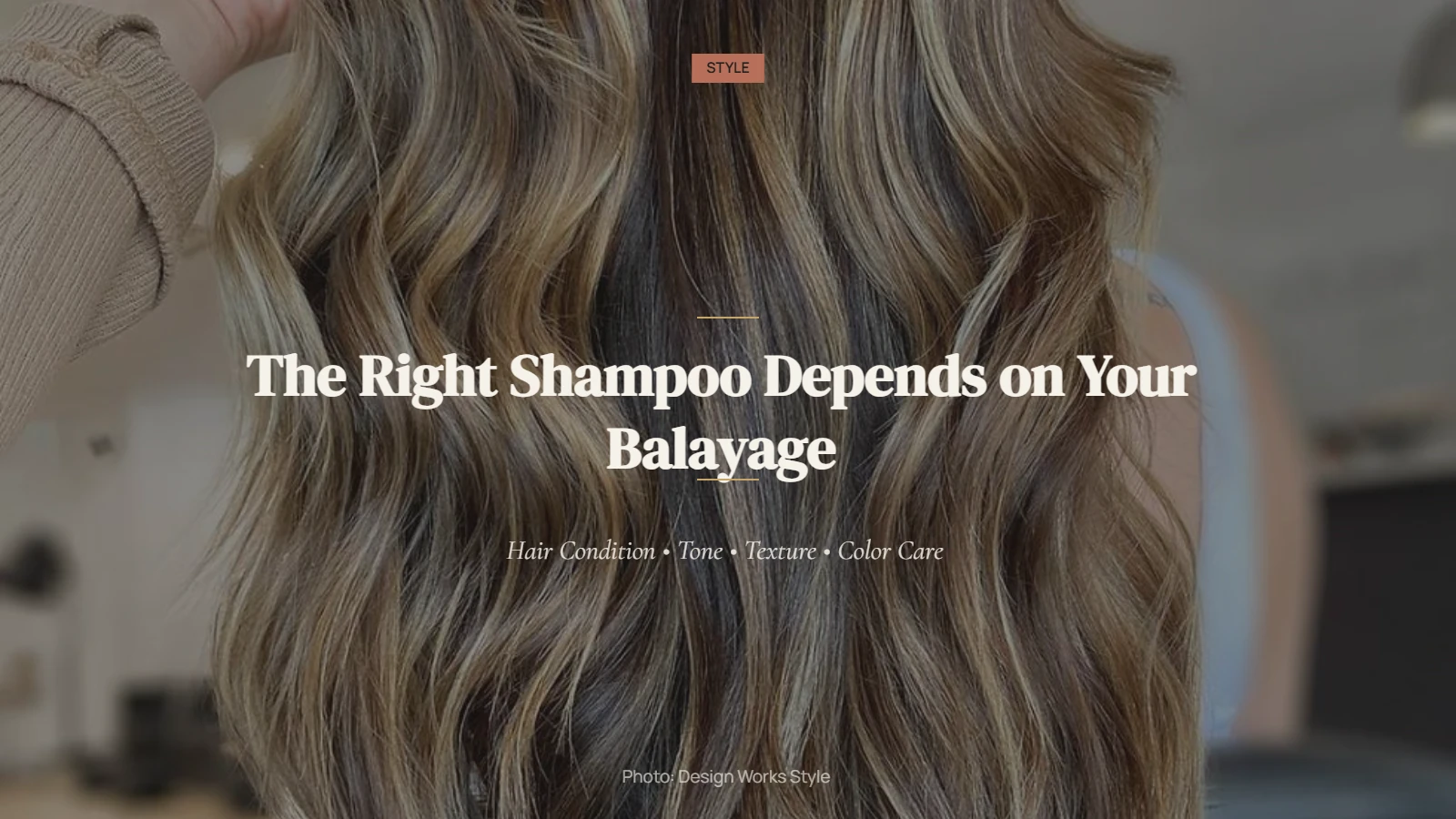

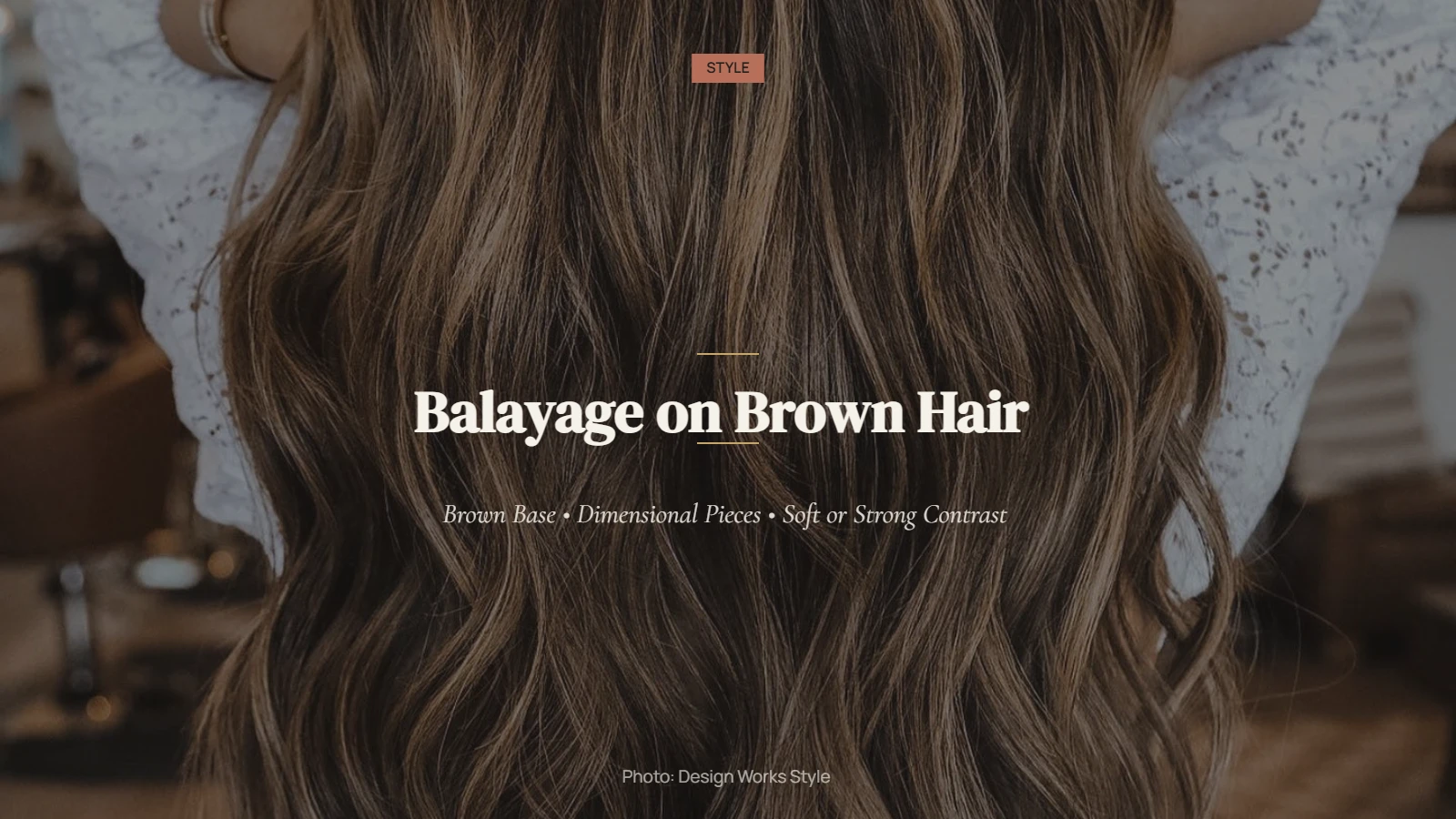
Brown hair is a flexible starting point for balayage because lighter pieces can be adjusted to create anything from subtle tonal dimension to much stronger contrast. The right direction depends on your starting shade, whether your hair has been colored before, the tone you want, where the lighter pieces are placed, and how much maintenance you are comfortable with.
Yes, you can get balayage on brown hair. Light brown, medium brown, and dark brown bases simply create different starting points, so the same reference photo may not produce the same result on every head of hair.
Can You Get Balayage on Brown Hair?
Yes. Balayage can be adapted to brown hair at many different depths, with the amount of visible change depending on the starting color and the target result.
A light brown base may transition into beige, honey, soft caramel, or another nearby tone with relatively subtle contrast. Medium brown can support both restrained tonal changes and more visible highlights. Dark brown can create a stronger difference between the base and lighter pieces, although achieving a significantly lighter result may require more lightening.
Previous color also matters. Artificial color history can affect how the hair responds, so a reference image should be treated as a direction rather than a guaranteed outcome.
If you want a broader explanation of the technique itself, start with Balayage before choosing a color direction.
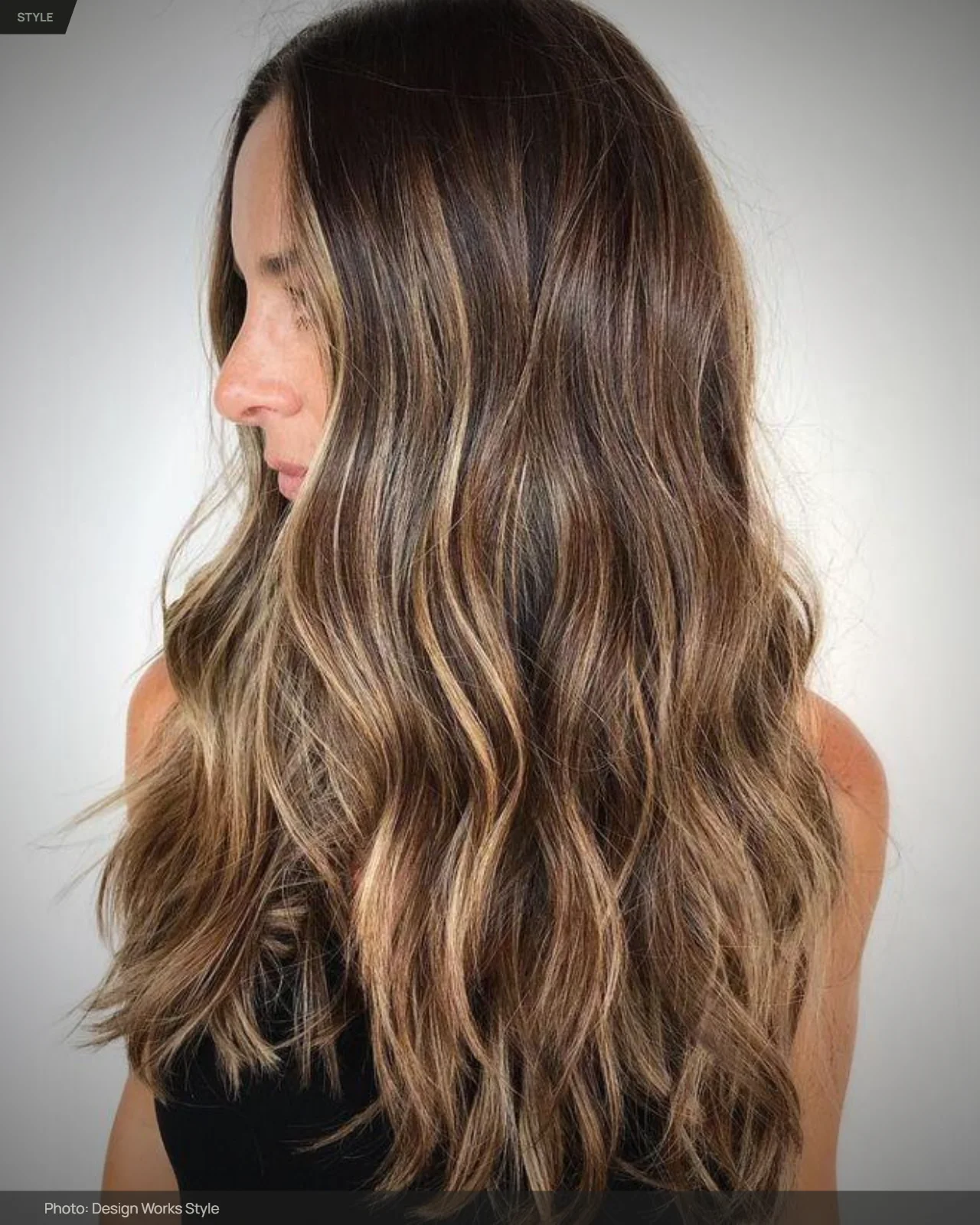
Balayage for Different Shades of Brown Hair
The first decision is your starting shade. “Brown hair” covers a wide range, and the same balayage color can look very different on light, medium, and dark brown bases.
Balayage on Light Brown Hair
Light brown hair can provide a relatively close starting point for lighter balayage tones. Because the base is already lighter, the transition can be kept soft without creating a dramatic separation between the natural-looking brown and the lighter pieces.
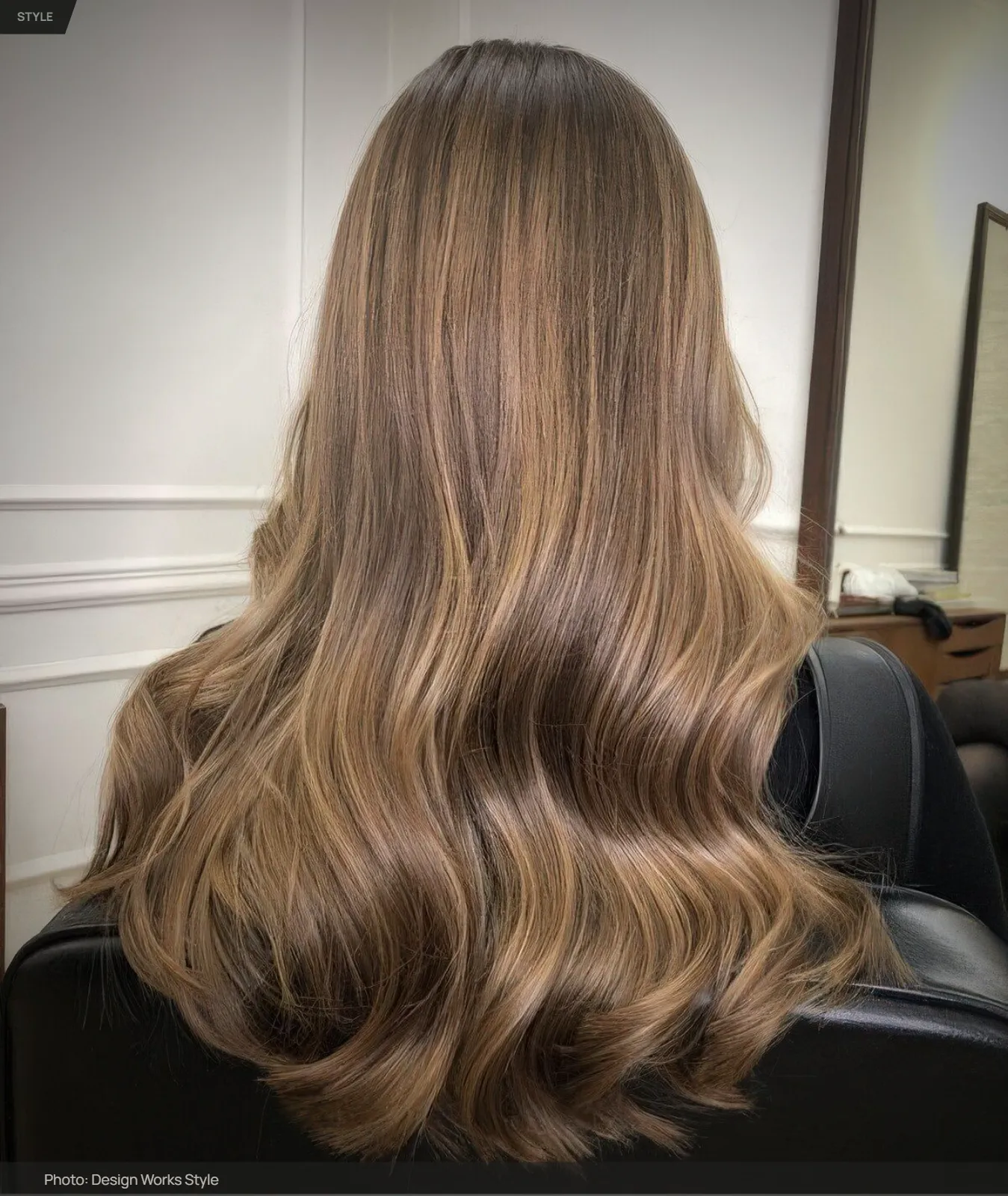
Possible directions include:
- Beige
- Honey
- Soft caramel
- Neutral brown
Placement still makes a major difference. Lighter pieces concentrated around the face may appear more noticeable, while scattered or ends-focused color can create a quieter transition.
Balayage on Medium Brown Hair
Medium brown sits between the lighter and darker ends of the spectrum, making it possible to create either restrained dimension or more visible contrast.
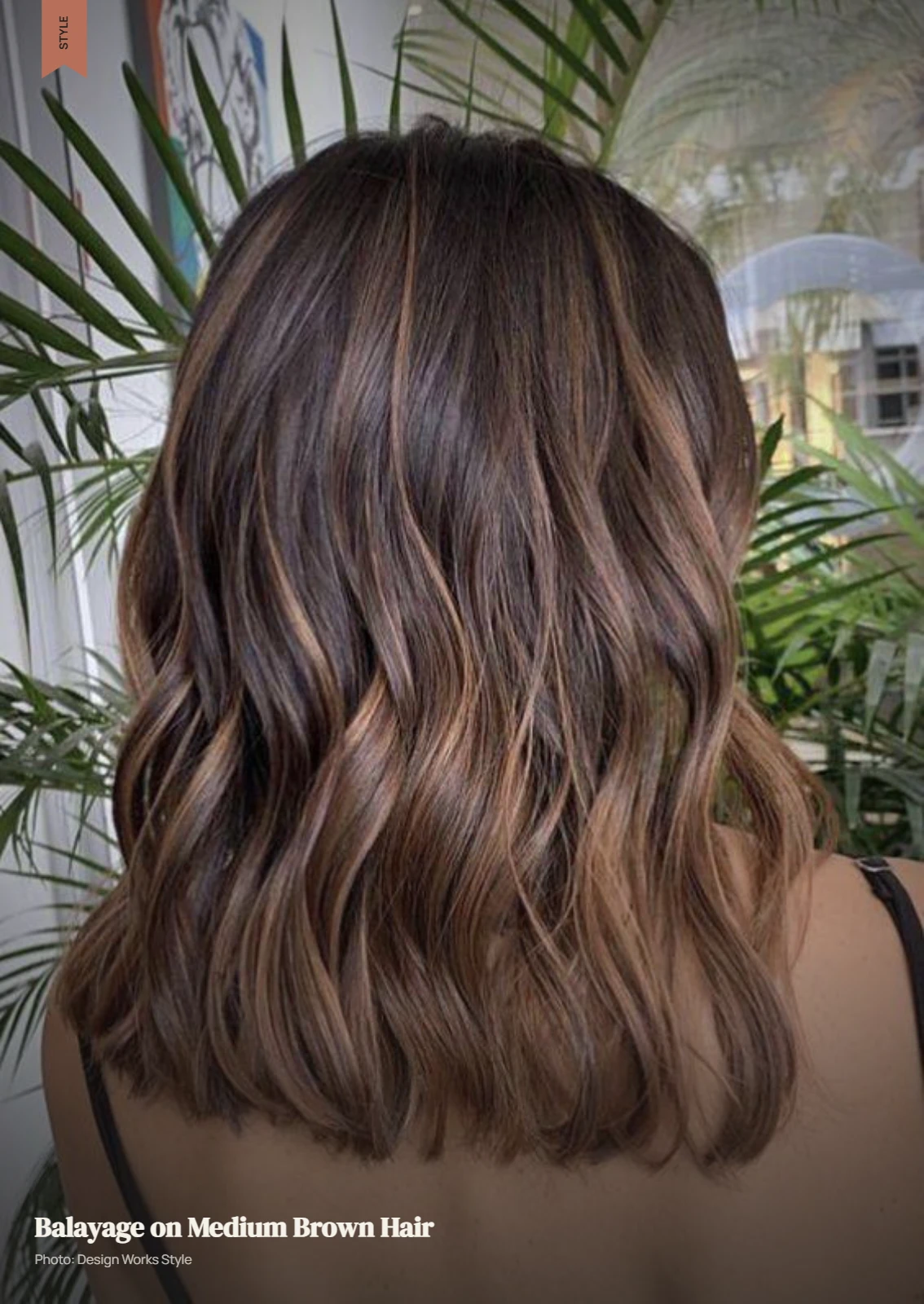
A few lighter pieces through the mid-lengths can keep the overall result blended, while stronger placement through the front and lower lengths can make the highlights easier to see.
The important distinction is not simply which color you choose, but how far that color sits from the starting brown and how much of it is placed through the hair.
Balayage on Dark Brown Hair
Dark brown hair can create a more visible contrast when lighter balayage pieces are introduced. The deeper base remains an important part of the finished look, particularly when the goal is dimensional color rather than an overall lighter appearance.
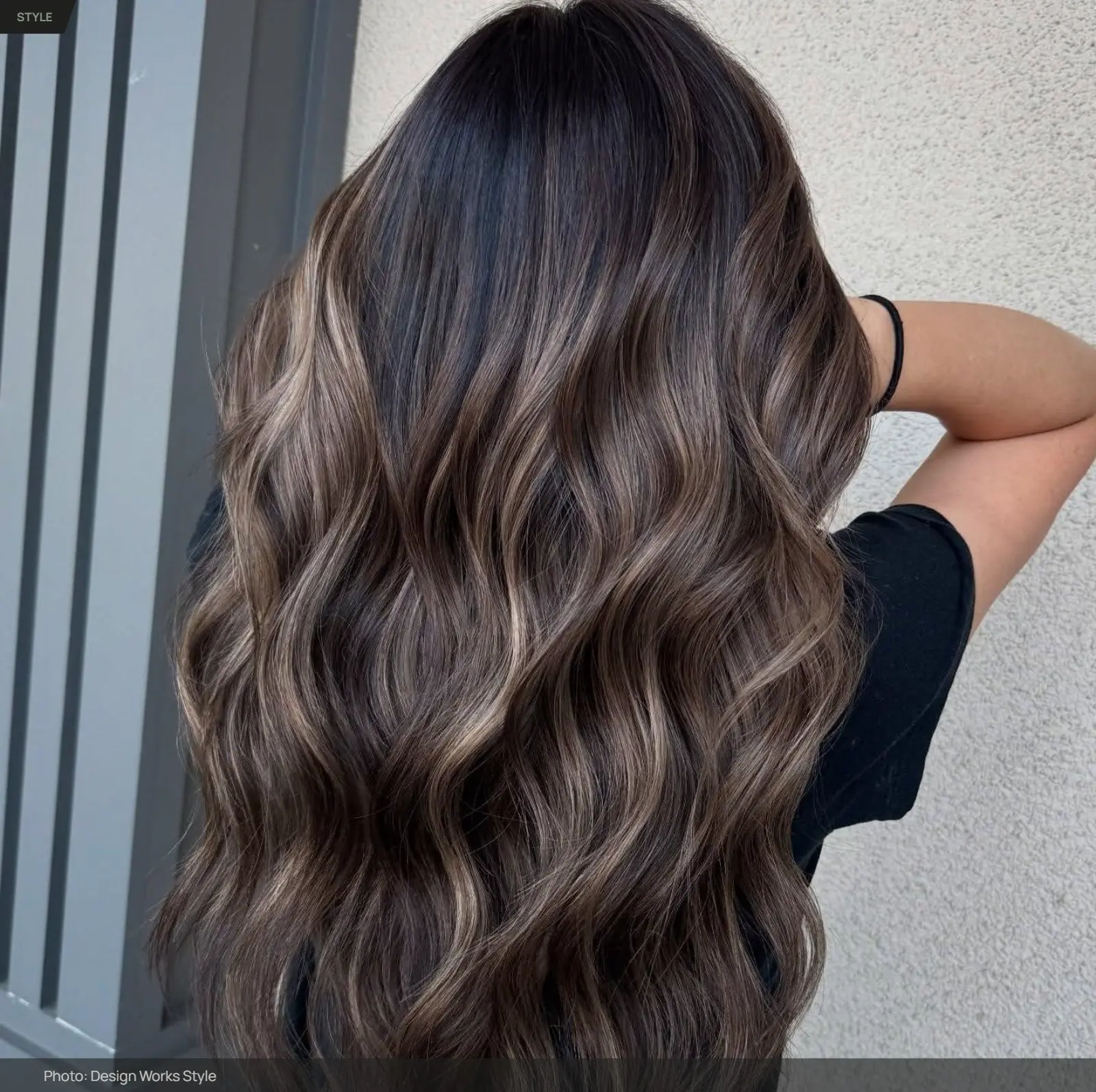
The amount of lightening needed depends on how much brighter you want the balayage to become. A subtle tonal change and a much lighter highlight are very different targets.
If your specific goal is caramel balayage on dark hair, see Caramel Balayage on Dark Hair for the more focused guide.
Balayage Colors That Work With Brown Hair
Brown hair can support several different color directions. The useful question is not which shade is universally right, but which direction matches the contrast and temperature you want.
Caramel Balayage
Caramel adds warmth and can range from subtle brown-gold dimension to more noticeable lighter pieces. On a brown base, it can create a clear change while still keeping the overall color within a warm brown family.
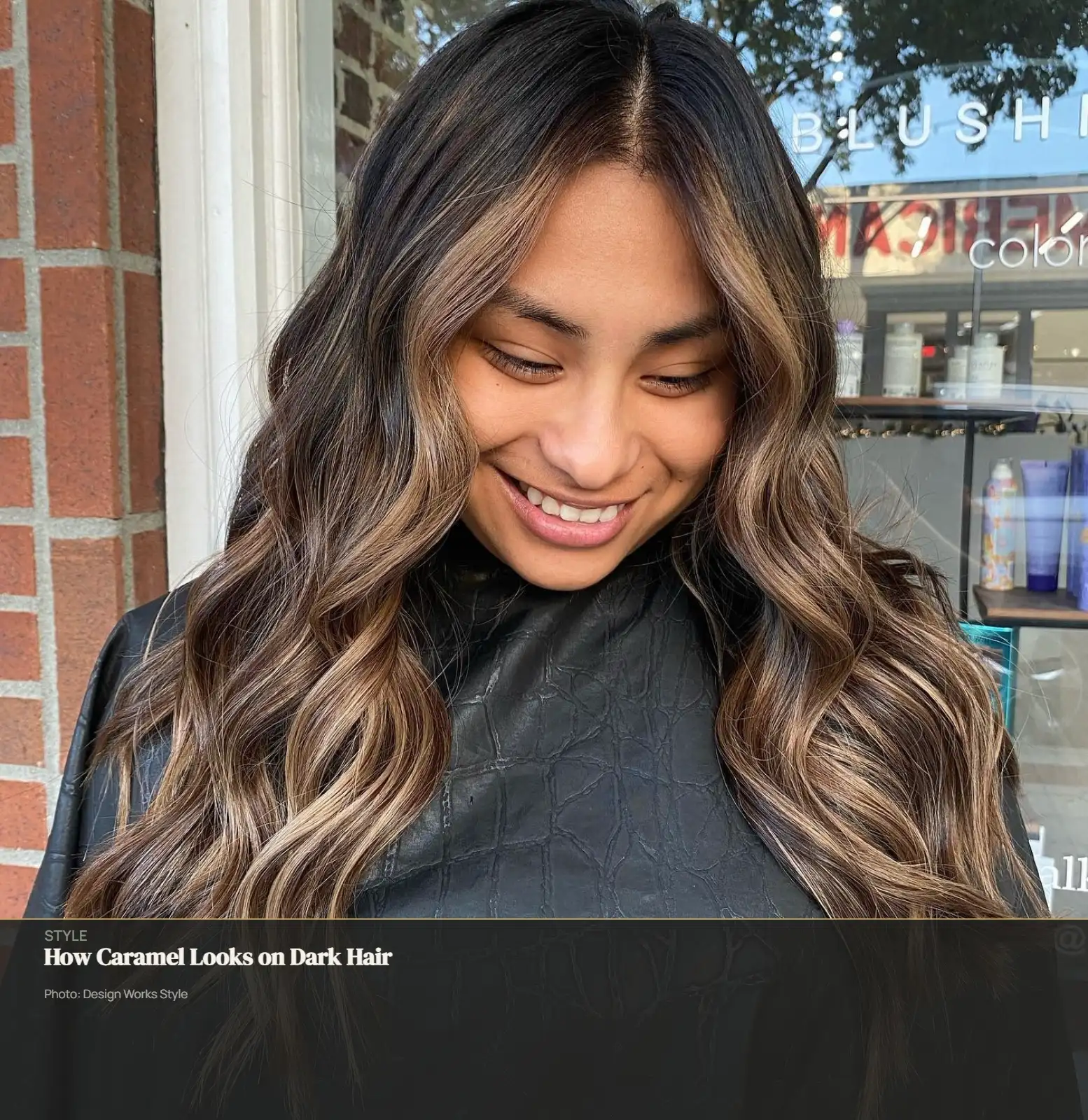
For a deeper look at the color itself, see Caramel Balayage.
Ash Brown Balayage
Ash brown takes the color in a cooler direction. Instead of emphasizing golden or caramel warmth, it can create a more muted brown effect.
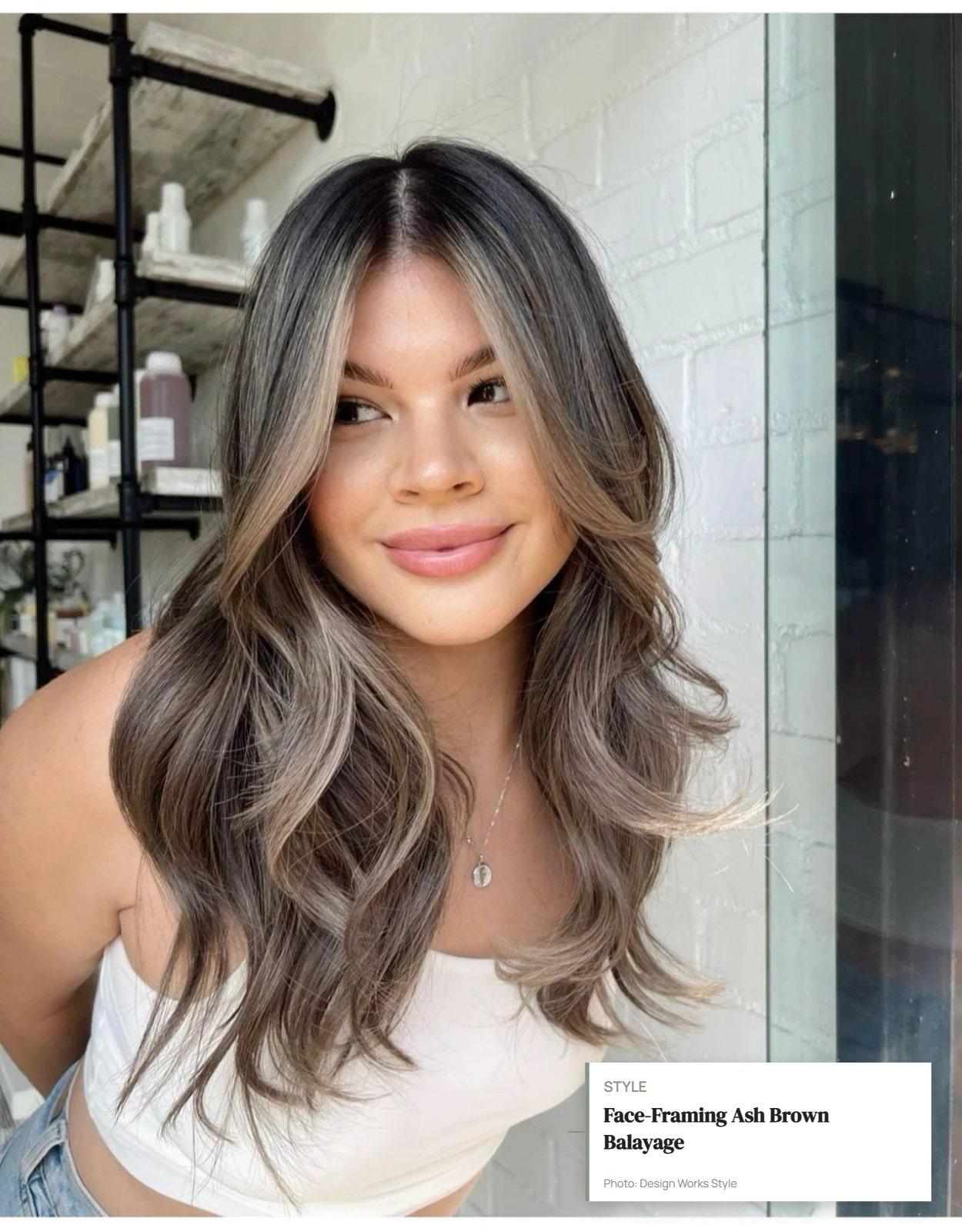
The final result depends on both the starting brown and the intended level of coolness. A softly neutral brown and a distinctly ash-toned brown are not the same target.
See Ash Brown Balayage for the dedicated guide.
Copper Balayage
Copper creates a warmer and generally more noticeable color variation. Depending on the starting brown and placement, it can range from restrained warmth to a clearly visible copper direction.
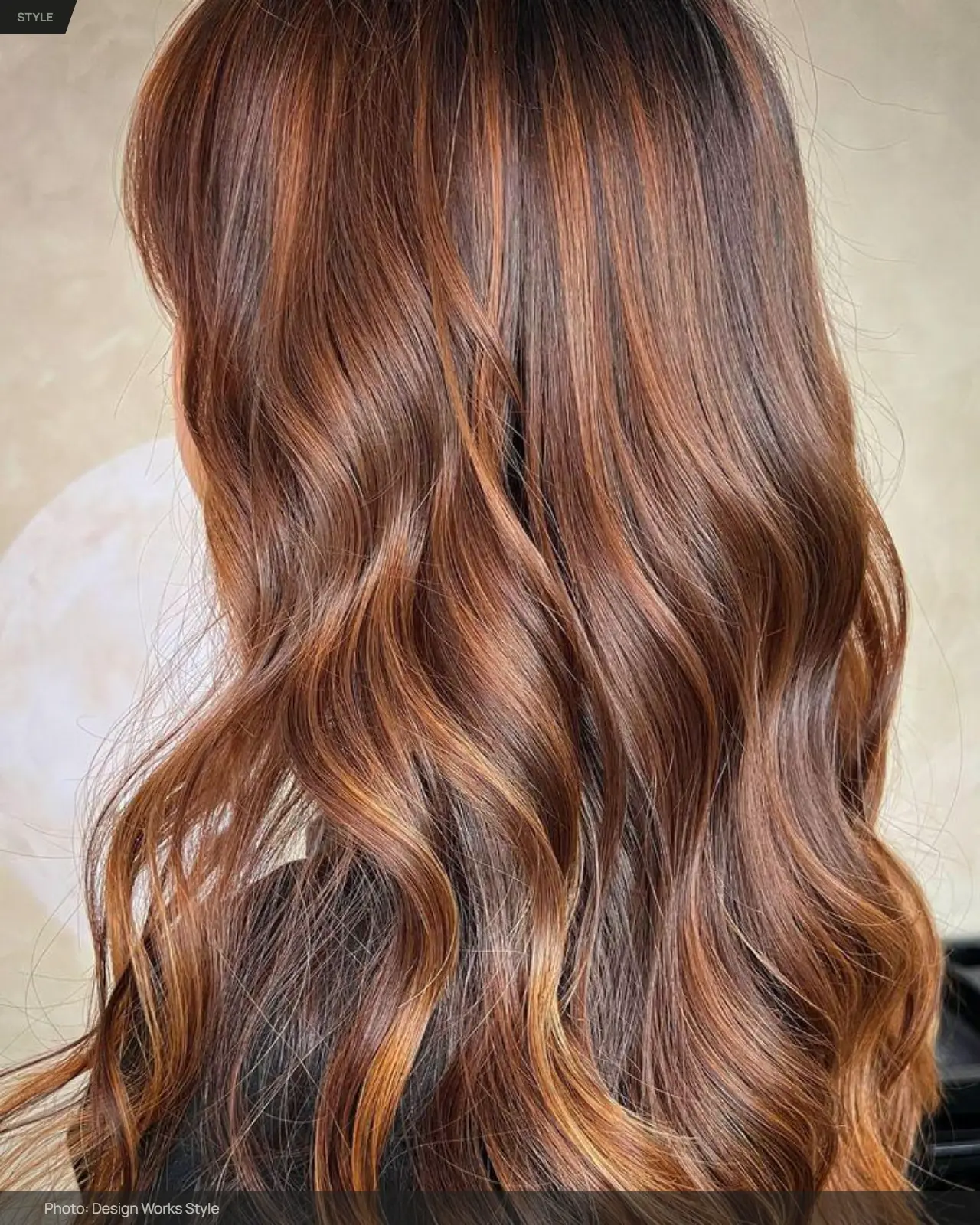
For the specific color topic, see Copper Balayage.
Subtle Brown Balayage
Balayage does not have to create a dramatic color change. Keeping the lighter pieces relatively close to the existing brown can create dimension while preserving much of the original base.
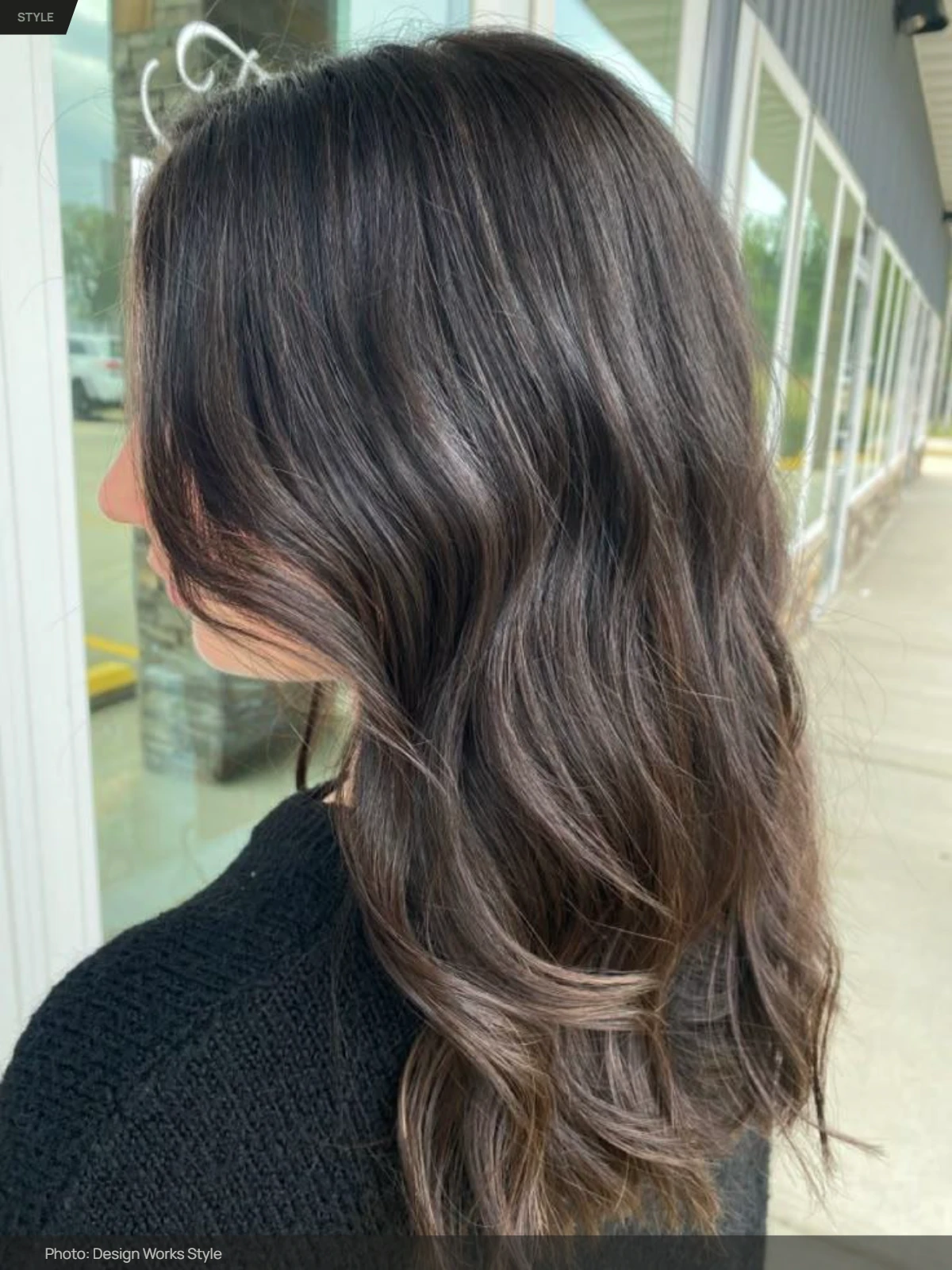
This approach can be especially useful if you want visible variation without making the entire head appear significantly lighter.
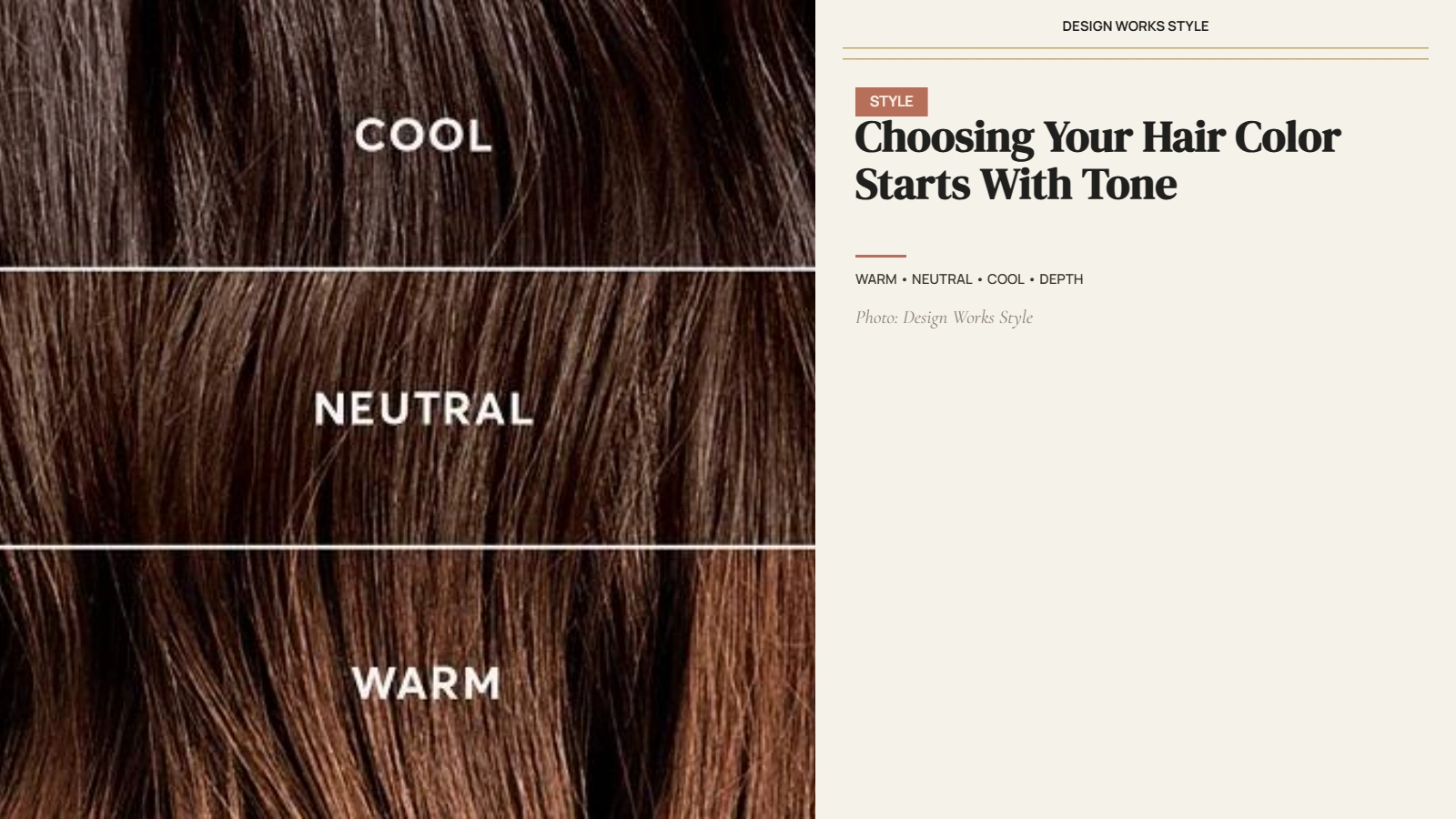
Warm, Cool, or Neutral Balayage?
Once you know how much contrast you want, consider the temperature of the color.
Warm
Warm directions can include:
- Caramel
- Honey
- Golden brown
- Copper
These tones introduce more visible warmth into the overall color.
Cool
Cool directions can include:
- Ash brown
- Smoky brown
- Cooler beige-brown
These tones generally reduce the golden appearance and create a more muted effect.
Neutral
A neutral direction sits between strongly warm and strongly cool. The goal is a balanced brown-based result without emphasizing either golden warmth or an obviously ash-toned finish.
Color names are not standardized across every salon or product line, so it is useful to describe the actual visual result you want rather than relying on a shade name alone.
How Much Contrast Should You Choose?
Contrast determines how obvious the balayage looks against your brown base.
Low Contrast
- The lighter pieces stay relatively close to the starting brown.
- The overall change is softer.
- More of the natural or existing brown remains visually dominant.
Medium Contrast
- Lighter pieces are clearly visible.
- The hair has a more dimensional appearance.
- The base and lighter sections maintain a balanced relationship.
High Contrast
- The lighter pieces sit substantially above the brown base.
- The difference between the two becomes easier to see.
- The overall color change is more noticeable.
A useful decision rule is to choose contrast based on how noticeable you want the result to be, rather than simply copying the strongest effect in an inspiration photo.
Where Should Balayage Be Placed on Brown Hair?
Placement changes how the color reads even when the same tone is used.
Face-Framing Balayage
Brighter pieces around the front make the balayage more visible from the front and can put greater emphasis on the area surrounding the face.
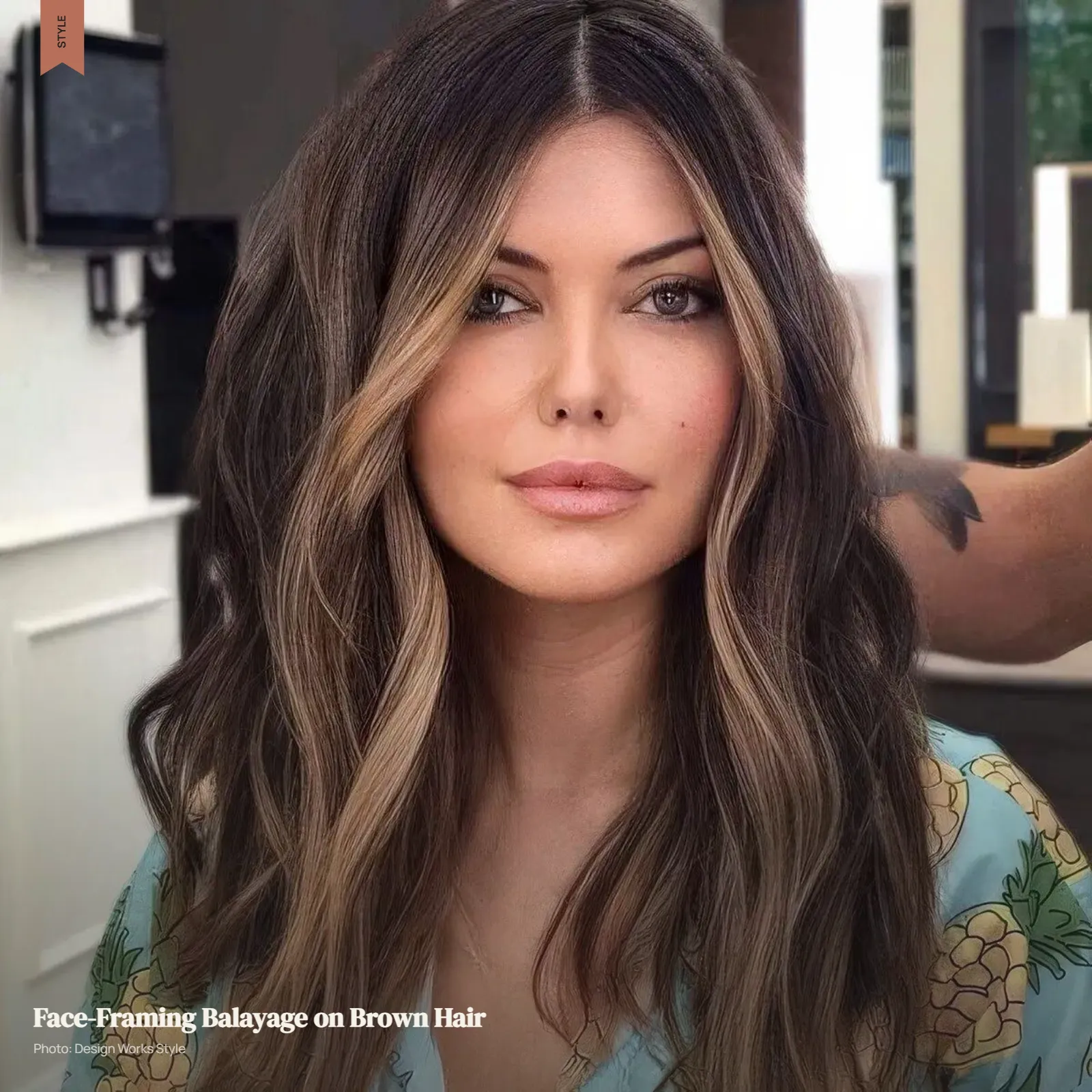
That does not mean one placement universally suits every face shape. The useful question is how much brightness you want around the front compared with the rest of the hair.
Mid-Length Balayage
Color through the middle lengths can create dimension while allowing the roots and much of the base to remain darker.
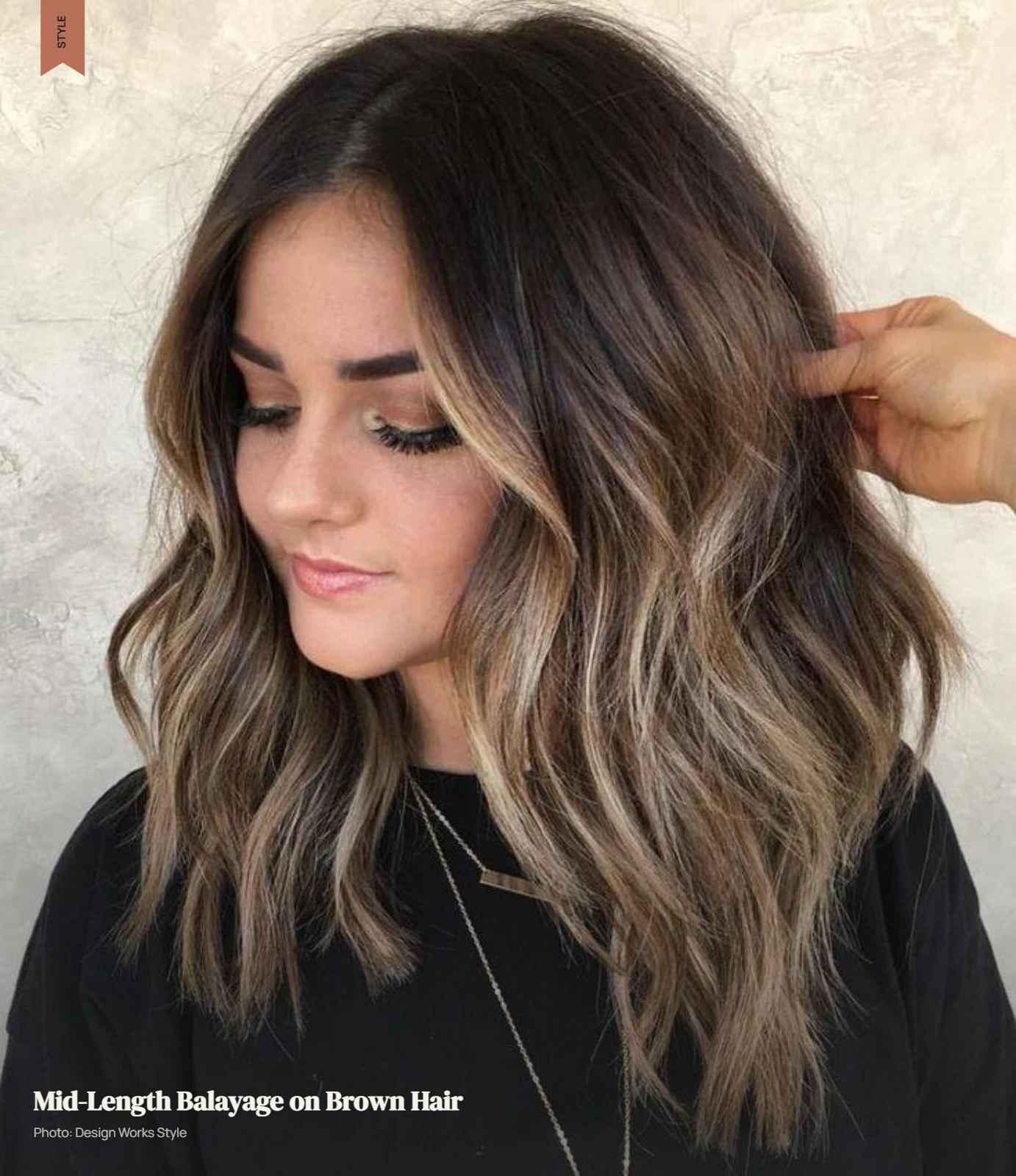
This can produce a blended transition rather than making the color appear concentrated only at the ends.
Ends-Focused Balayage
Concentrating lighter pieces toward the ends creates a gradual transition from the brown base into the lighter sections.
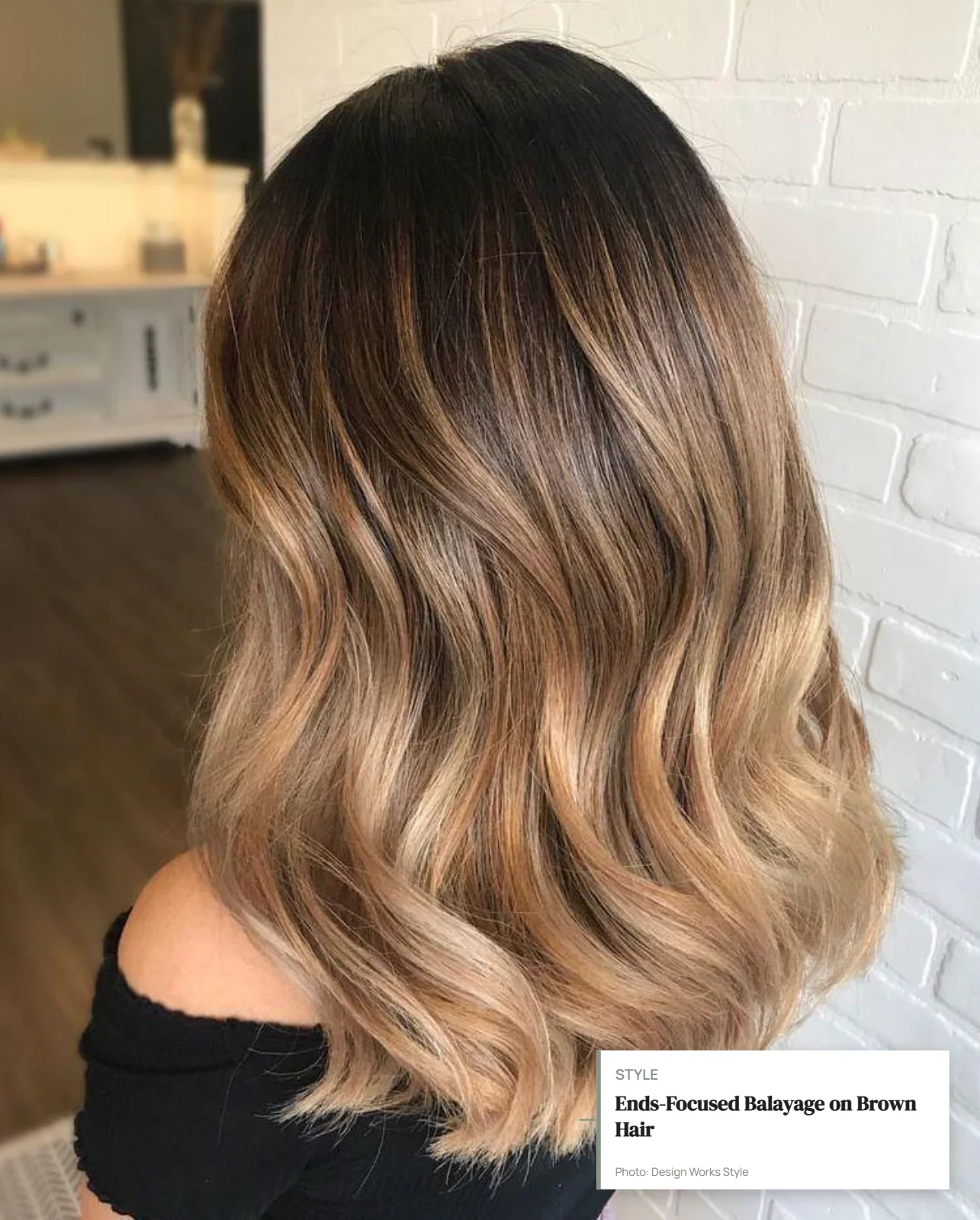
This can be useful when you want the upper part of the hair to remain relatively close to its starting color.
Scattered Balayage
Smaller pieces distributed throughout the hair can create multidimensional color without making the entire head uniformly lighter.
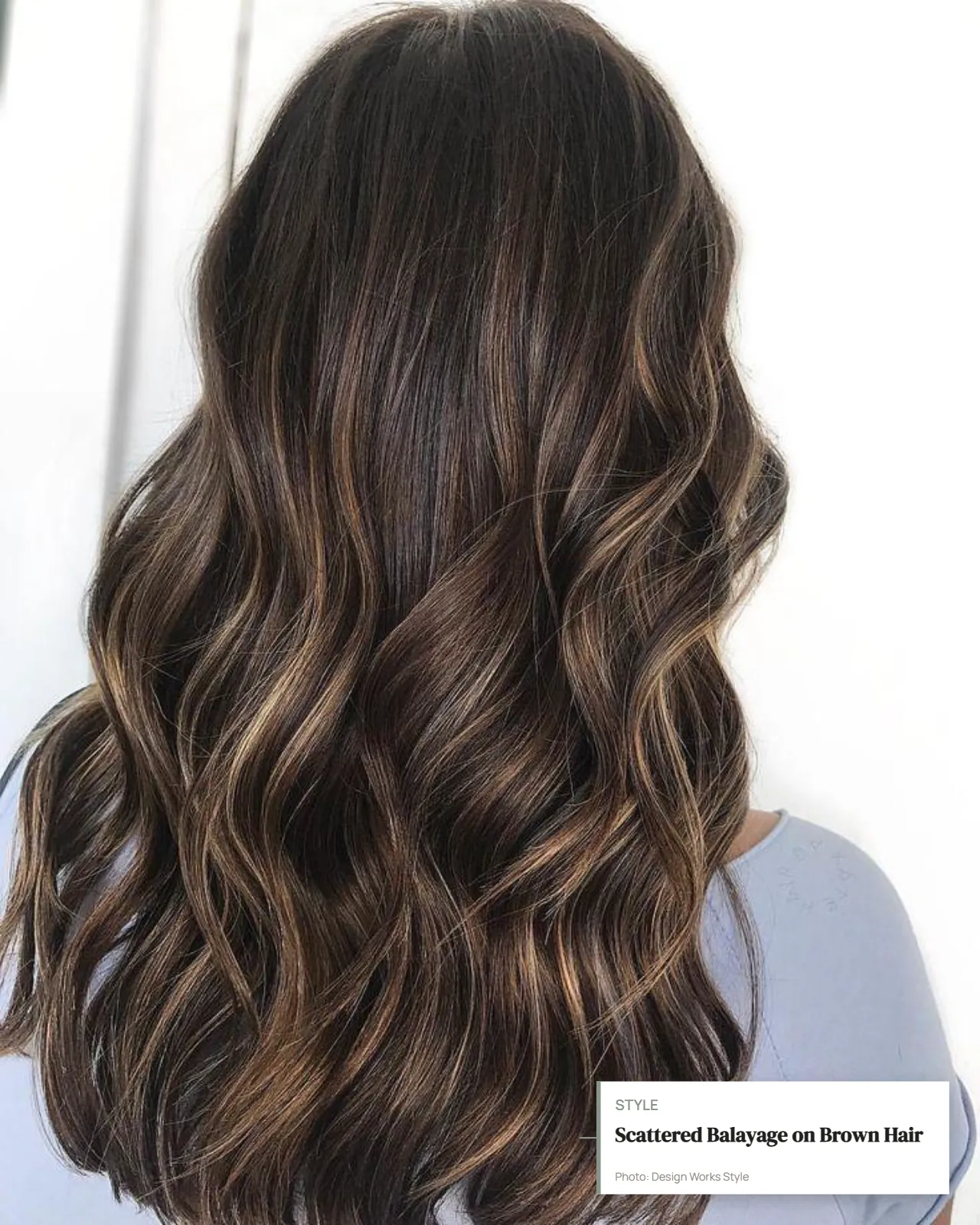
The result depends on how dense the pieces are and how much contrast exists between them and the brown base.
Does Brown Hair Need to Be Lightened for Balayage?
A lighter balayage result generally requires some degree of lightening.
The amount of visible change depends on the starting shade and the target. A subtle tonal balayage may require less significant lightening than a result involving much lighter pieces.
Previous color also changes the situation. Previously colored hair can behave differently from natural hair, and hair condition matters when deciding how much change is appropriate.
For that reason, a reference image should be discussed with a stylist as a target direction rather than a guaranteed result.
Why Does Toning Matter for Balayage on Brown Hair?
Toning can influence the final appearance after lightening by helping establish the intended tonal direction.
The relevant considerations include:
- Whether the target is warm, cool, or neutral
- How much unwanted warmth is visible
- The desired final finish
- How the color changes as it fades
- How the hair responds to previous color and processing
Warmth is not automatically a problem. A warm caramel result and unwanted orange tones are different things. If the intended result is caramel, some warmth may be part of the target. If the intended result is cooler, excess warmth may move the color away from that direction.
Toning also does not permanently freeze the hair at one tone. Color can change over time as it fades, depending on the hair and aftercare.
Balayage Ideas for Brown Hair
Rather than choosing from dozens of nearly identical shade names, compare ideas by the decision they represent.
Soft Caramel on Medium Brown
A low-to-moderate contrast option where the warmer lighter pieces remain relatively connected to the medium brown base.
Ash Brown on Dark Brown
A cooler direction that creates muted dimension against a deeper starting color.
Copper on Medium Brown
A warmer and more noticeable variation that introduces copper tones into the existing brown.
Light Brown With Subtle Beige Pieces
A low-contrast option where the lighter pieces remain close to the starting shade.
Face-Framing Balayage on Brown Hair
A placement-focused option with more visible brightness around the front of the hair.
Dark Brown With Brighter Ends
A higher-contrast approach where the strongest change is concentrated toward the lower lengths.
The point of these examples is to compare tone, contrast, and placement, not to create a list of interchangeable color names.
Is Balayage Right for Your Brown Hair?
The answer depends on more than your current shade.
Natural vs. Colored Brown Hair
If your brown hair is natural, your stylist can assess the starting color directly. If it contains artificial color, that history becomes part of the planning process.
Previous color can affect what is realistically achievable and how the hair responds to lightening.
Hair Condition
Previously processed hair may require a more conservative approach. The amount of change that makes sense depends partly on the current condition of the hair.
If your desired reference requires substantial lightening, a professional assessment is particularly important.
Desired Change
Think about which of these describes your goal:
- Subtle dimension
- Noticeable highlights
- Strong contrast
- A major color shift
The more significant the change, the more important it becomes to discuss realistic expectations before the appointment.
Maintenance Preference
A softer root transition can make regrowth less visually obvious, but balayage still requires maintenance depending on the color, contrast, tone, and your preferred level of freshness.
What to Ask Your Stylist Before Getting Balayage
Bring reference images, but look beyond the shade name. Try to identify the base, tone, brightness, and placement shown in the image.
Useful questions include:
- What color direction works with my current brown?
- How much contrast should we create?
- How light can my hair realistically become?
- Do I need significant lightening to achieve my reference?
- Should the balayage be warm, cool, or neutral?
- Where should the lightest pieces be placed?
- Should the face-framing pieces be brighter?
- How will my previous color affect the result?
- What will the grow-out look like?
- What maintenance will I need?
A good consultation should connect the inspiration photo to your actual starting hair rather than treating the photo as a guaranteed formula.
How to Maintain Balayage on Brown Hair
Balayage maintenance depends on the starting color, amount of lightening, contrast, placement, and desired tone.
Basic care can include:
- Using products appropriate for color-treated hair
- Keeping the hair conditioned
- Using heat protection when styling
- Managing tonal changes as the color fades
- Considering professional toning or glossing when appropriate
- Refreshing the balayage when the desired contrast changes
- Following your stylist’s specific aftercare instructions
There is no universal maintenance schedule that applies to every balayage. Hair growth, fading, styling habits, and personal preferences all affect when a refresh makes sense.
For the detailed care side of the topic, see Balayage Hair Care.
How Long Does Balayage on Brown Hair Last?
There is no single timeline for how long balayage on brown hair lasts.
Several factors affect how long the result remains visible and how long it continues to look freshly refreshed, including:
- Starting shade
- Placement
- How close the color sits to the roots
- Hair growth
- Overall lightness
- Tonal fading
- Maintenance preferences
It is useful to separate two ideas:
The balayage remaining visible means the dimensional lighter pieces are still noticeable in the hair.
The color still looking freshly refreshed means the tone, brightness, and contrast remain close to the appearance you wanted after the appointment.
Those two points do not necessarily happen at the same time.
Common Questions About Balayage on Brown Hair
Can brown hair get balayage without becoming blonde?
Yes. Balayage does not require every lighter section to become blonde. The target can remain within brown, beige, caramel, copper, or other tonal ranges depending on the starting color and desired result.
Is balayage good for dark brown hair?
It can work on dark brown hair, but the desired level of lightness and contrast affects how much lightening may be required.
What color balayage is best for brown hair?
There is no single best color. Caramel, ash brown, copper, beige, and subtle tonal variations can all create different results.
Does balayage damage brown hair?
Balayage may involve lightening, which can affect hair condition. The impact depends on the starting hair, previous processing, amount of lightening, and professional technique.
Can balayage be subtle on brown hair?
Yes. Lower contrast, restrained placement, and tones closer to the existing brown can create a subtle result.
Does brown hair need to be bleached for balayage?
Some lighter balayage results require lightening, while more subtle tonal changes may require less significant lightening. The answer depends on the starting color and desired result.
Understand Balayage Before Choosing a Color
If you are still deciding what balayage means or how the technique works, start with the broader Balayage guide.
This page focuses specifically on the brown starting base. The dedicated color pages go deeper into individual directions such as Caramel Balayage, Ash Brown Balayage, and Copper Balayage.
Frequently Asked Questions
Can brown hair get balayage?
Absolutely. Brown hair is the most common starting point for balayage. The real question is how much lift your hair needs to reach the tone you want.
Will balayage turn my brown hair brassy?
It can pull warm during lightening, which is why toning matters so much. A good toner neutralizes the brass at the salon; purple or blue shampoo maintains it at home.
How much contrast should I choose?
Subtle balayage, one to two levels lighter, looks natural. High contrast, three or more levels, is bolder and needs more maintenance. Your natural depth decides what looks believable.
Does brown hair need bleach for balayage?
Usually yes. Lightener is needed to go lighter than your base color. High-lift color can create subtle warmth without full bleach, but not real lightness.