
Fashion trends for 2026 lean toward relaxed tailoring, soft color, and clothes made to last more than one season. The strongest looks pair a classic base with one current piece, so you can try a trend without replacing your wardrobe.
What Are the Big Fashion Trends for 2026?
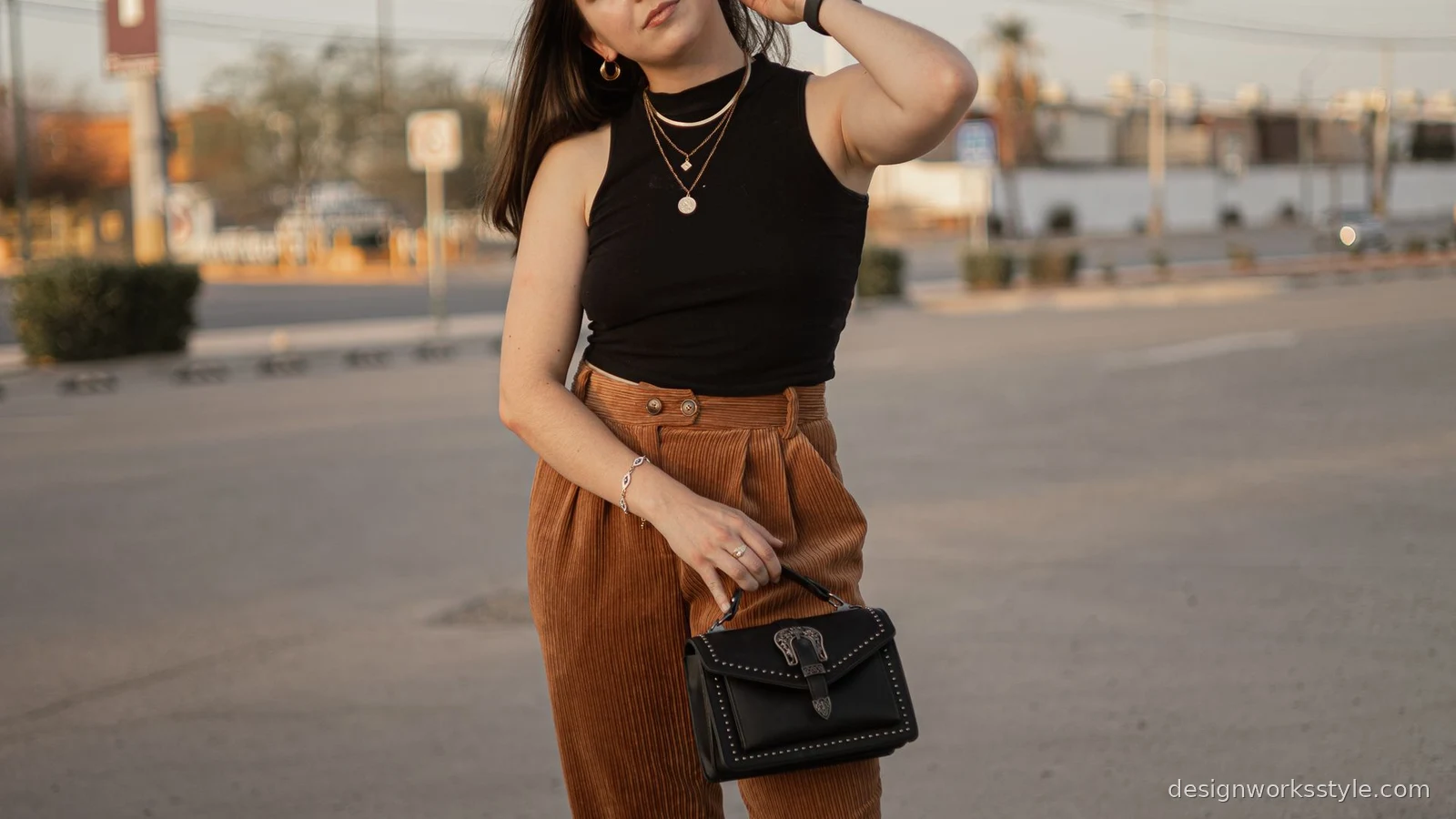
The big fashion trends for 2026 are relaxed tailoring, longer hemlines, soft neutrals with one strong color, and fabrics with texture, like wool, corduroy, and knits. Silhouettes sit looser than the tight fits of recent years, and comfort shows up in nearly every category, from trousers to shoes.
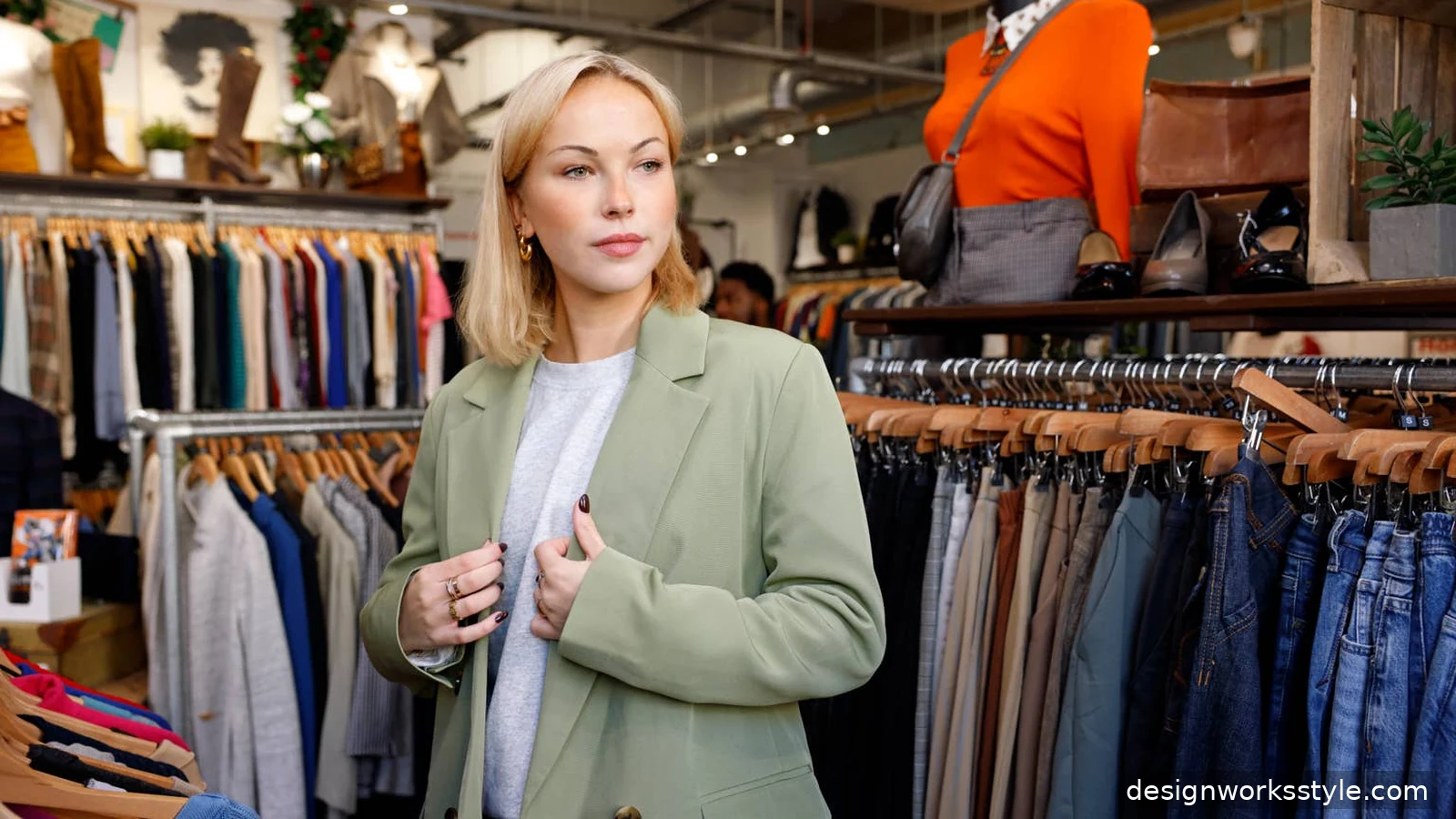
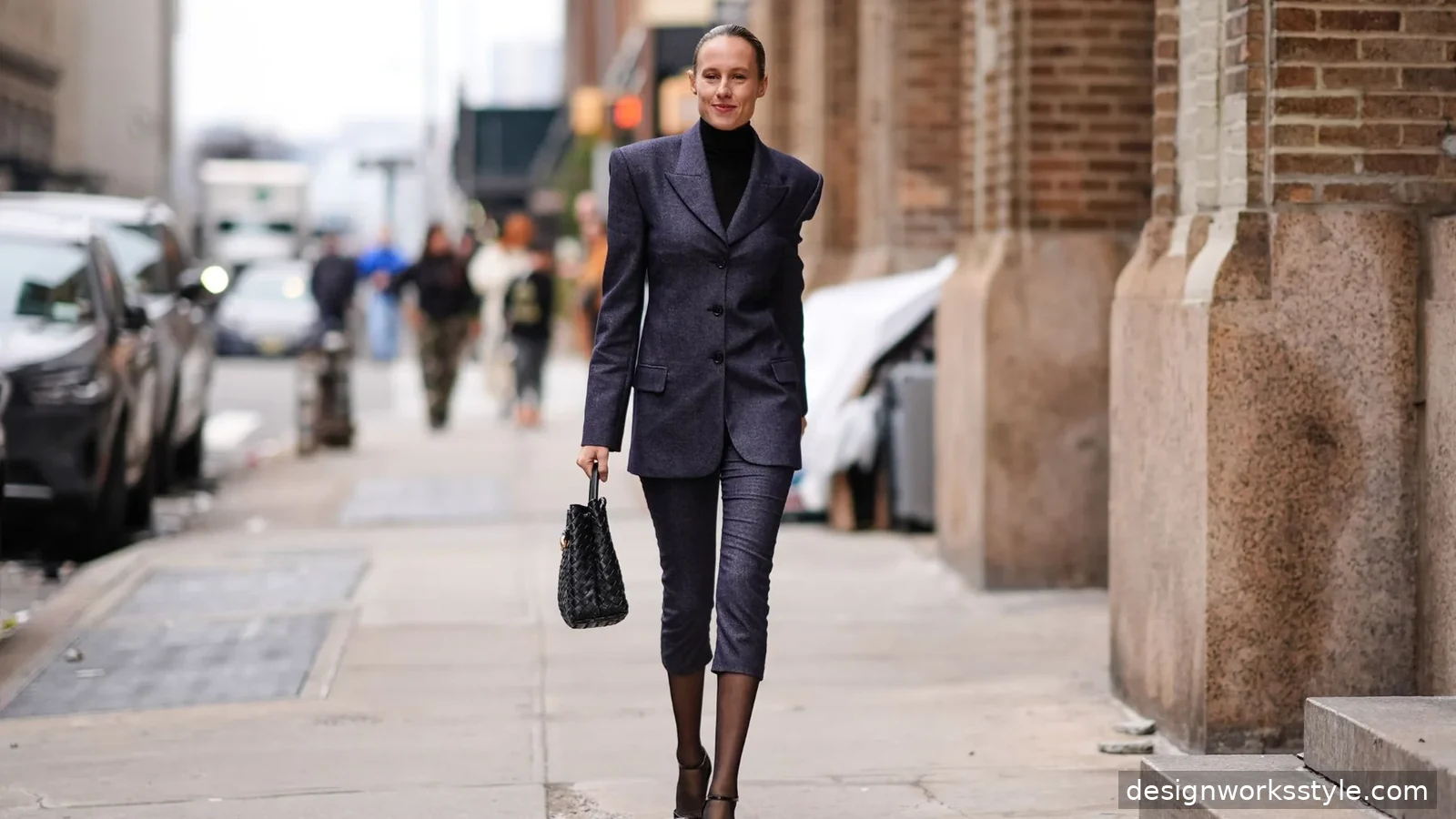
Relaxed tailoring leads the year. Blazers with softer shoulders, trousers with a straight or wide leg, and coats that fall below the hip all point the same way: structure without stiffness. Pair a relaxed blazer with dark trousers for work, or with jeans for a weekend, and the same piece covers both. For work outfits built on these pieces, see our workwear fashion guide.
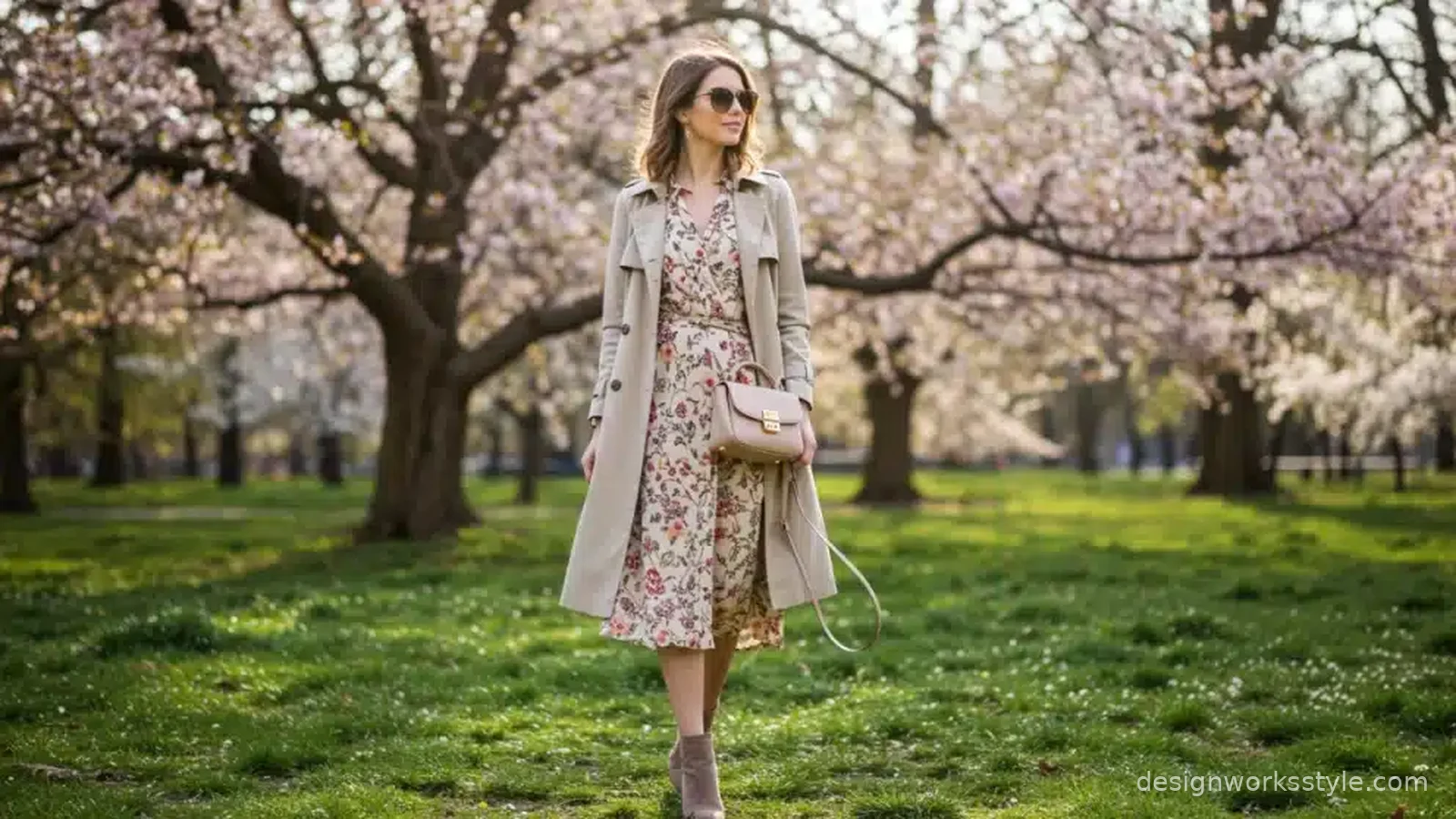
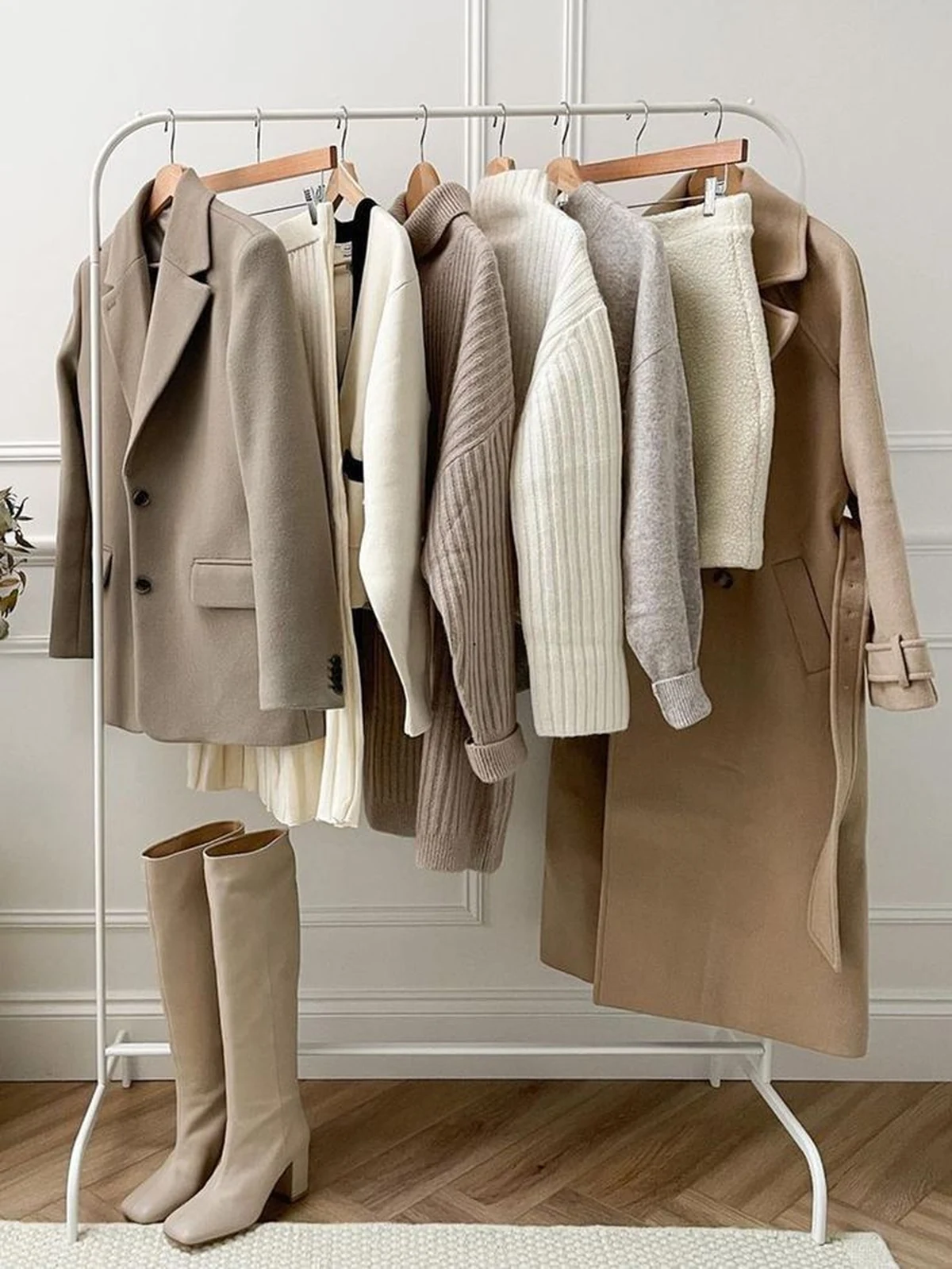
Color moves toward soft neutrals: cream, camel, gray, and dusty blue, with one strong accent like burgundy or deep green. Prints stay quiet, with small checks, thin stripes, and subtle florals, rather than large, loud patterns. For the color pairings behind these looks, see our color matching outfits guide, which covers which colors work together.
Fabric matters as much as shape this year. Wool blends, corduroy, chunky knits, and suede show up across jackets, skirts, and shoes, and they add warmth and texture that flat fabrics lack. A corduroy skirt or a knit dress reads as current without needing a bold color or cut, and both fabrics hold up well through a season of regular wear.
Shoes follow the same comfort line. Loafers, low block heels, and clean white sneakers stay in, while very high stilettos fade for daily wear. Bags stay structured, with medium totes and crossbody bags in leather or suede, and small evening bags for nights out.
Which Trends Are Worth Spending On?
Trends worth spending on are the ones that match your daily life, pair with clothes you already own, and will still look right next year. A relaxed blazer, a good wool coat, and quality loafers meet all three tests, while a one-season print usually meets none of them.
Start with the blazer. A relaxed blazer in navy or camel pairs with trousers, skirts, jeans, and dresses, so it earns its cost across many outfits. A wool coat works the same way for cold months, since you wear it daily and it frames every outfit underneath. Spend on these, and save on the pieces that change fast.
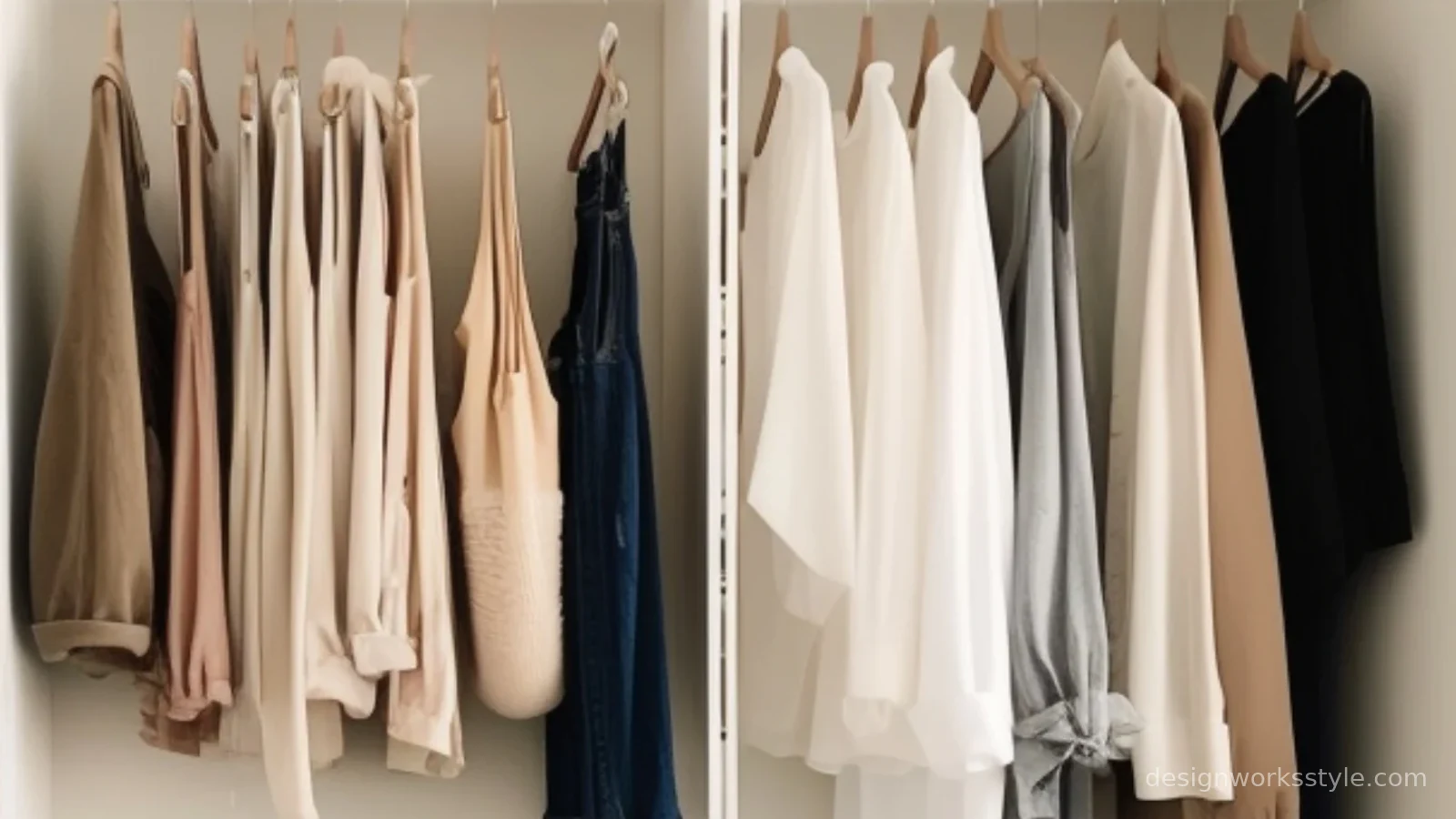
For the small-wardrobe system that makes trend pieces work harder, see our capsule wardrobe guide. It shows how a few dozen pieces, including one or two current items, cover a whole season. A trend piece that pairs with at least three things you already own is worth buying. A trend piece that needs a new top, new shoes, and a new bag to work is not, since the real cost is the whole outfit, not the one item.
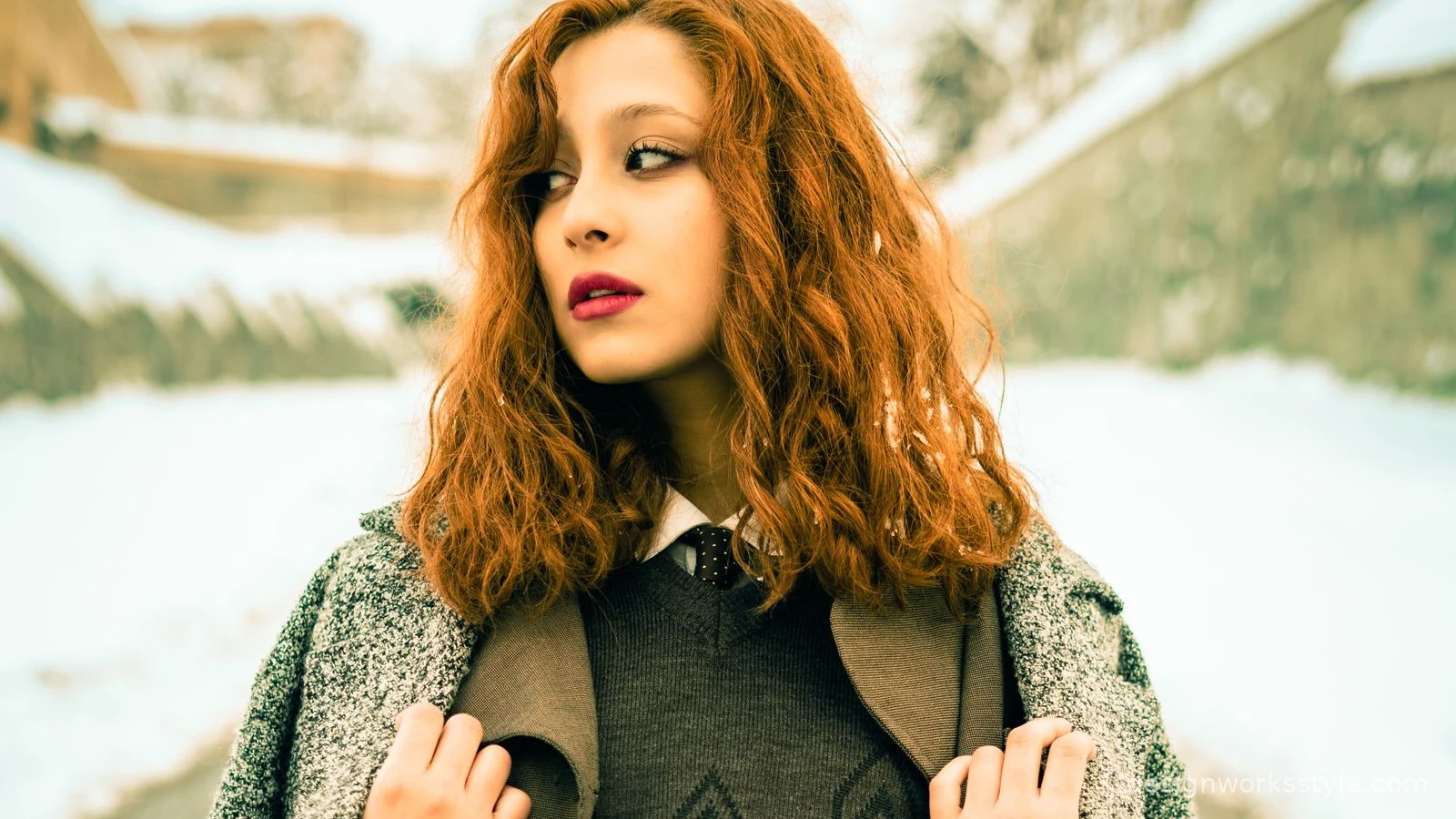
Seasonal trends deserve a smaller spend. Fall and winter favor warm layers, deep colors, and textured fabrics, and the pieces you buy for those months should also work with your existing neutrals. See our fall fashion essentials and winter fashion guide for the pieces that carry those seasons.
Which Trends Should You Skip or Wear Carefully?
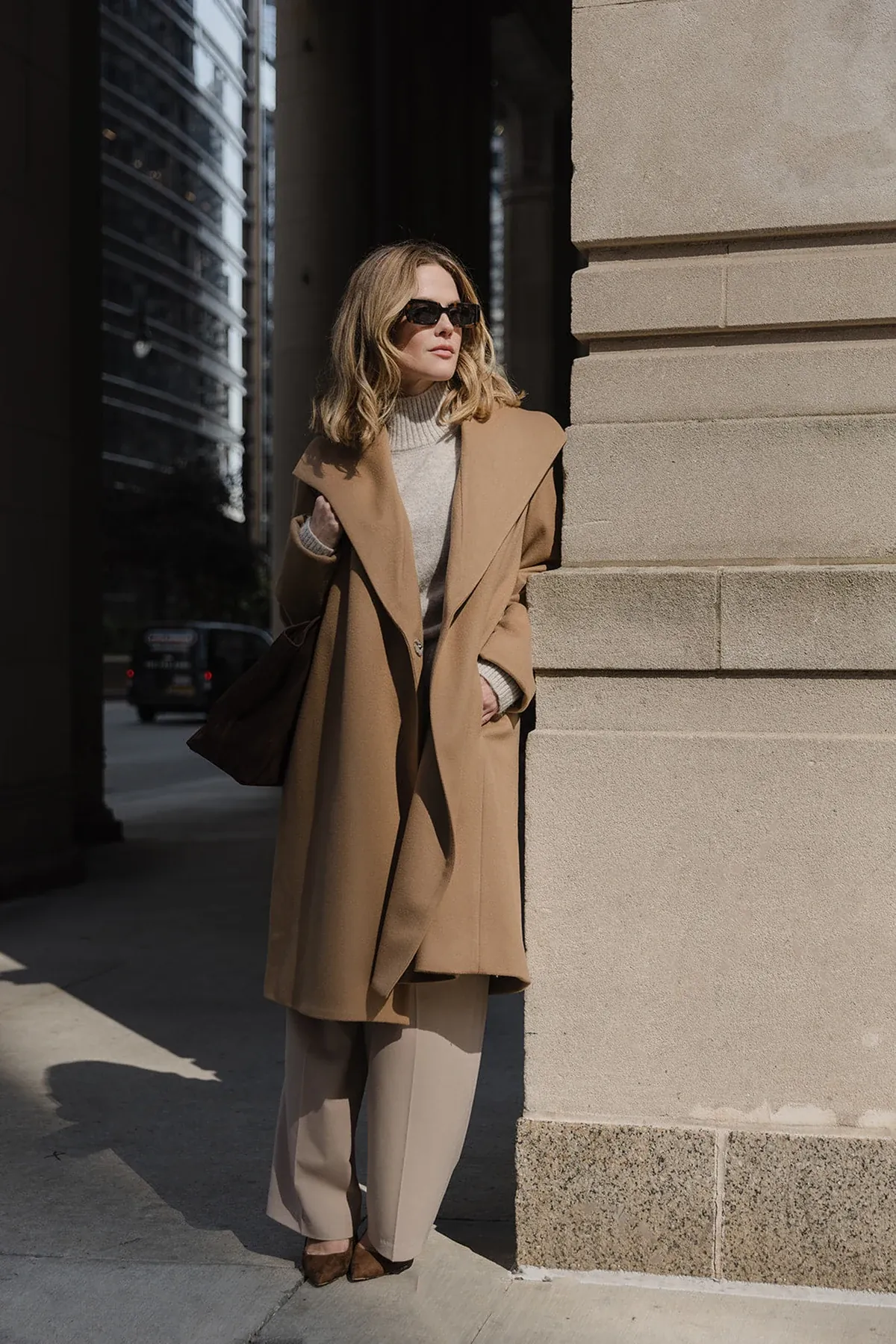
Skip trends that fight your body shape, your daily routine, or your existing wardrobe, and wear carefully the trends that only work for one occasion. A trend that looks good in a photo but feels wrong after an hour of wearing it will sit in the closet, no matter how current it is.
Very sheer fabrics, extreme cuts, and head-to-toe prints are the hardest to wear daily. Sheer tops need the right layer underneath, extreme cuts limit movement and sitting, and a full print outfit leaves no quiet piece to rest the eye on. One printed piece with neutrals works better than a full printed outfit, and it costs less to try.
Very high heels and very stiff shoes also deserve caution. They look sharp for an evening, but they hurt on a long day, and pain shows in how you walk and stand. Save them for short outings, and wear loafers or low block heels for days with walking, standing, or commuting.
Micro trends, the ones that flood social feeds for a few weeks and vanish, are the easiest to skip. A bag shape, a shoe detail, or a color that appears everywhere for a month usually fades just as fast. If you like the look, buy the cheapest version that still looks decent, wear it while it lasts, and let it go without regret when the moment passes.
How Do You Wear Trends Without Replacing Your Wardrobe?
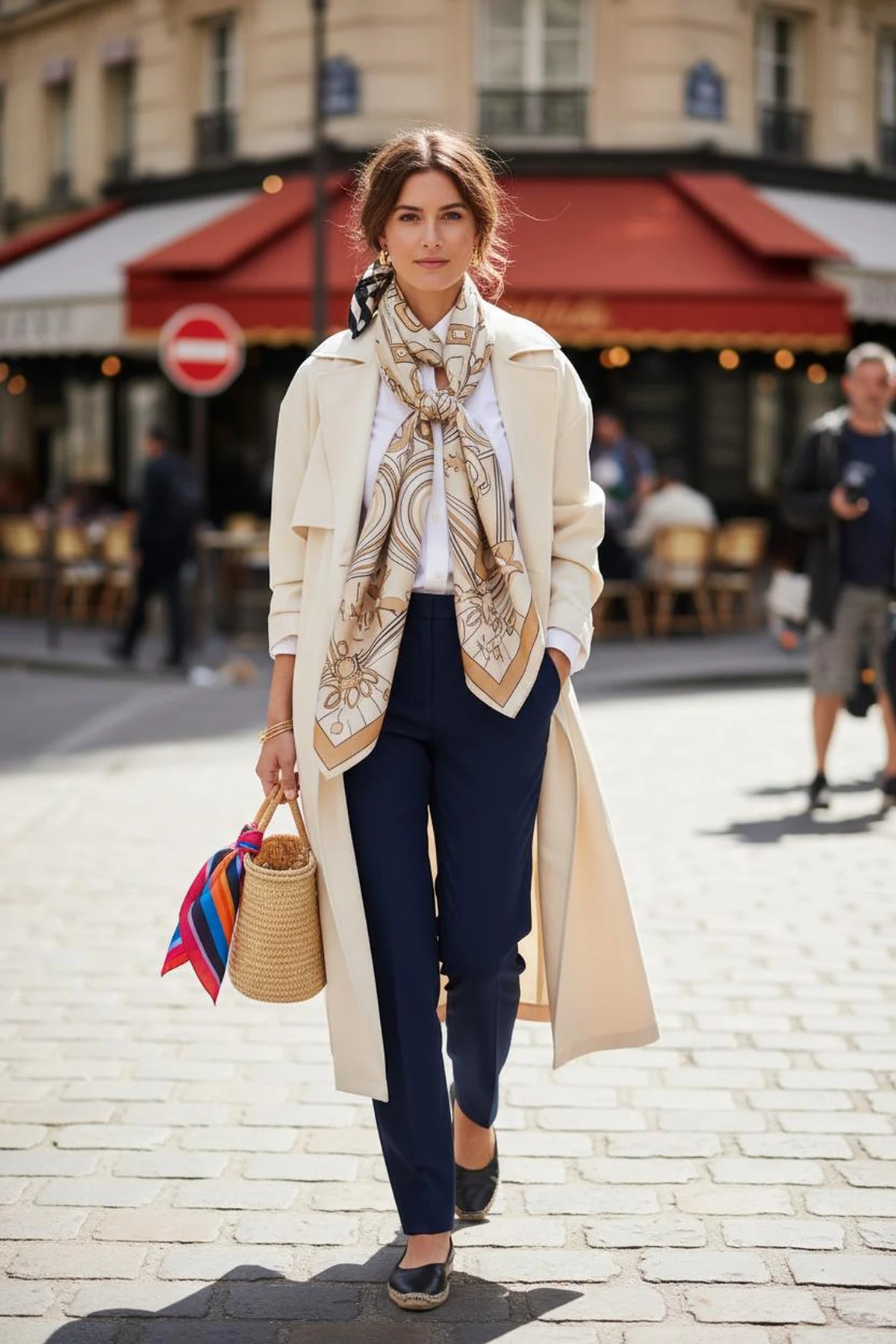
Wear trends without replacing your wardrobe by keeping your base classic and adding one current piece per outfit. A classic base of dark trousers, a white blouse, and a navy blazer takes a trend scarf, a trend shoe, or a trend color, and the outfit looks current without a full rebuild.
Start with accessories. A scarf in the season’s color, a belt with a new buckle, or a pair of shoes in a current shape changes an outfit for a fraction of a new outfit’s cost. Accessories also let you test a trend: if you wear the scarf for two weeks and like it, the trend suits you, and if it sits in a drawer, you learned that for the price of a scarf.
Next, swap one piece, not the whole outfit. Trade a slim trouser for a wide leg, or a fitted blazer for a relaxed one, and keep the rest of the outfit the same. This keeps the look grounded, and it keeps the cost down, since you buy one piece instead of five. Check fit first, since a trend cut that does not fit your shape will look wrong even if the trend itself is right.
Adapt trends to your body type and lifestyle, not the other way around. A wide leg suits taller frames and longer torsos, while a cropped wide leg suits shorter frames better. A trend that needs dry cleaning every wear suits a small rotation, not a daily work outfit. For cuts that suit your shape, see our dress for your body type guide before you buy.
Trends come from runways, street style, and what people actually wear in cities, and they reach stores months later in softer, more wearable forms. The store version is usually the better buy, since it is cut for real bodies and real days, not for a runway. Wait for that version rather than chasing the first, extreme form of a trend.
For the full look, hair and nails follow the same rule: one current touch, not a full change. A trending hair color or a seasonal nail shade updates an outfit without a new wardrobe. See our hair styling guide and our fall nail ideas for seasonal touches that pair with autumn outfits.
Frequently Asked Questions
How do I know if a trend suits me?
Try it on and wear it for a full day before you decide. A trend suits you if it fits well, feels comfortable after hours, and pairs with at least three things you already own. If it needs new shoes, a new bag, and a new top to work, or if you keep adjusting it all day, it does not suit your life right now, even if it looks good on someone else.
Should I buy trends at full price or wait for sales?
Wait for sales on most trends, since trend pieces drop in price fast once the season moves on. Buy at full price only the pieces you will wear weekly and that pair with your existing wardrobe, like a relaxed blazer or a good coat. For one-season prints and micro trends, wait for a sale or buy the cheapest decent version, since the cost per wear stays low either way.
What if I do not like any of this year’s trends?
Skip them. Classic pieces like dark trousers, a white blouse, a navy blazer, and good shoes never go out of style, and an outfit built on those always looks put together. Trends are options, not rules, and a wardrobe of classics with one personal touch, like a favorite scarf or a good bag, looks better than a wardrobe full of trends you do not enjoy wearing.
How many trend pieces should I add each season?
One or two per season is enough for most wardrobes. One trend piece per outfit keeps the look current without overwhelming it, and two new pieces per season keep the wardrobe fresh without crowding the closet. Add a trend only when it fills a gap or replaces a worn-out piece, and let the rest of the wardrobe stay classic.
Keep the base classic, add one current piece at a time, and let trends serve your wardrobe, not replace it.