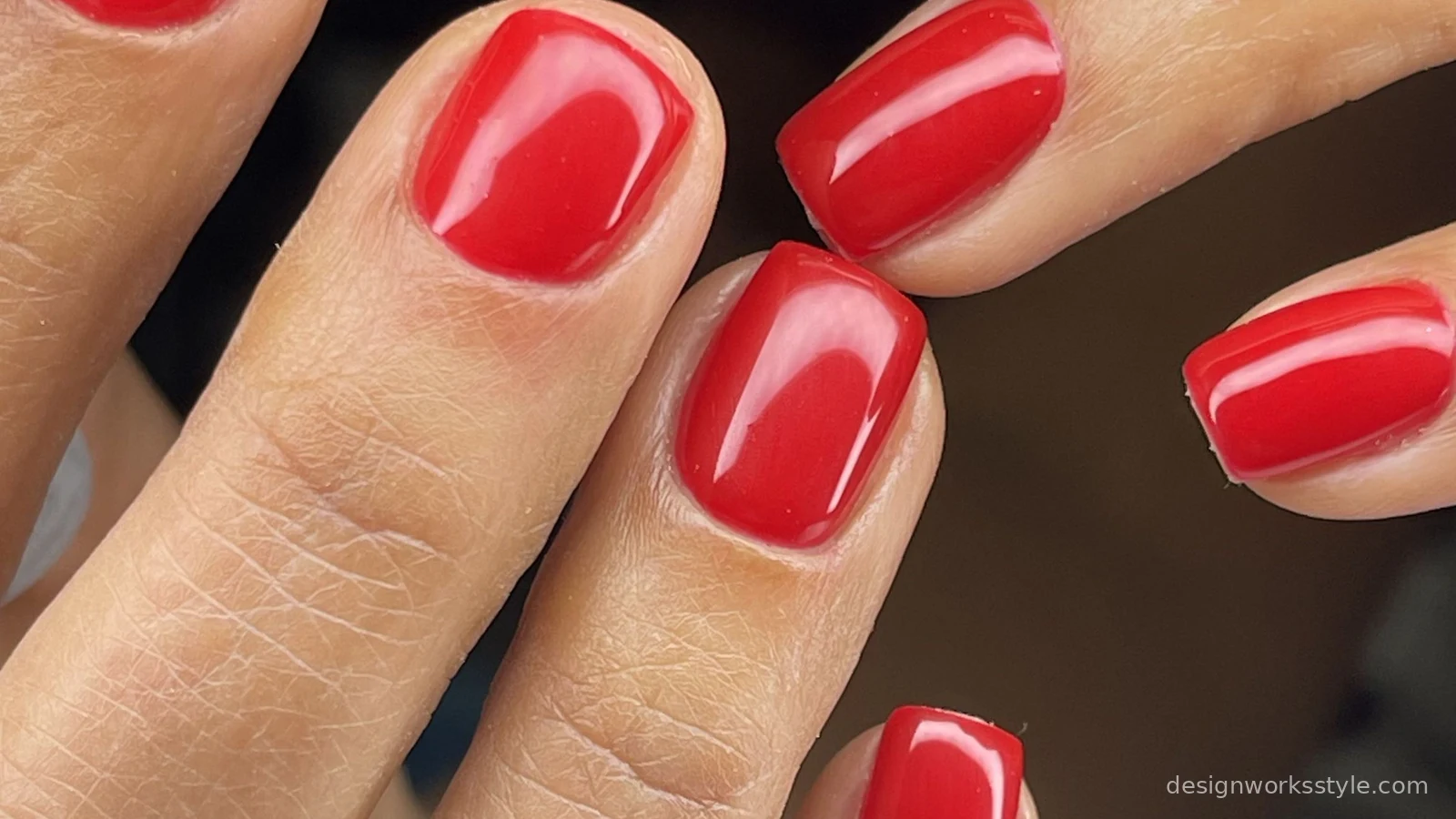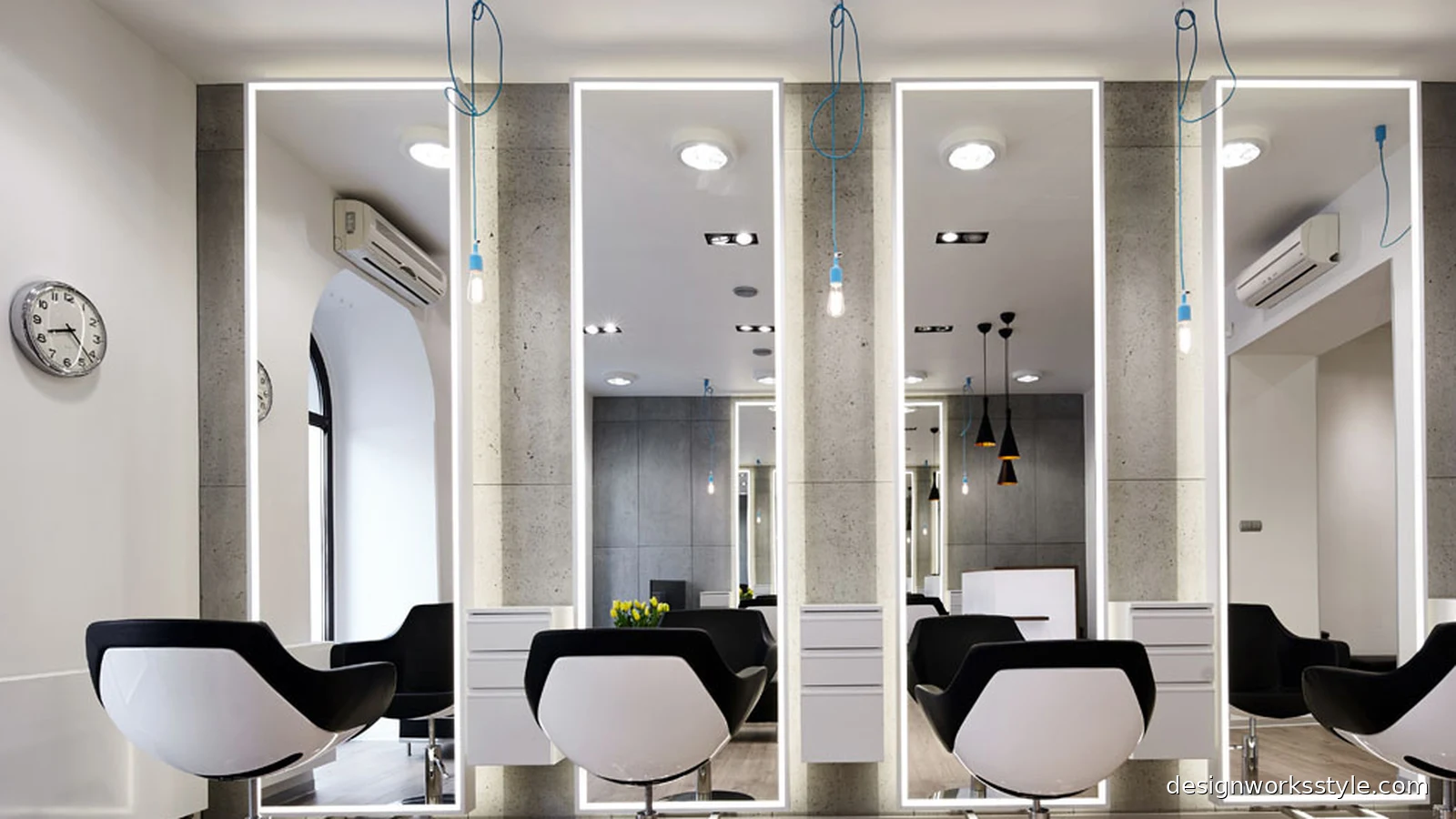


A good nail salon is clean, upfront about price, and willing to talk through what your nails need before any polish comes out. Check the tools, the stations, and how the technician handles your questions. Those three things tell you more than a pretty waiting room or a long service menu ever will.
What Should You Check First When You Walk In?
Start with cleanliness, because it is the one thing you can judge in the first minute. Floors should be swept, stations wiped down, and tools either sealed in pouches or sitting in a disinfectant solution. If you see used files, dusty foot baths, or tools tossed loose in a drawer, that is enough reason to leave.
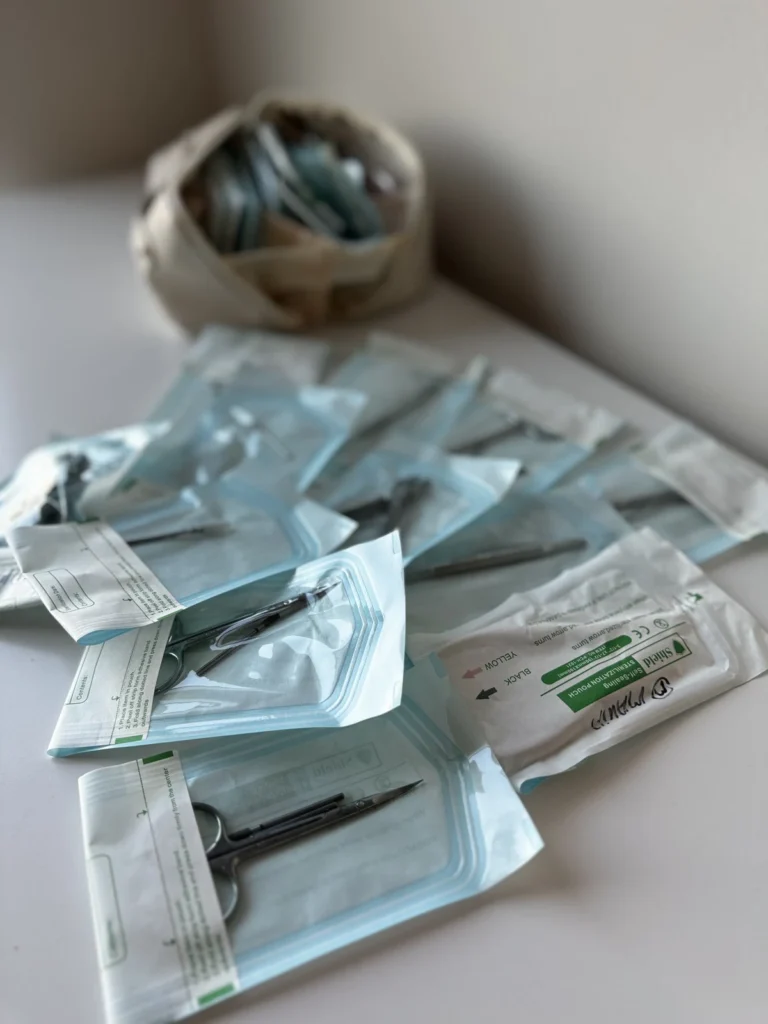
Ask how tools are cleaned between clients. A straight answer sounds like this: metal tools go through an autoclave or a hospital-grade disinfectant soak, and files, buffers, and wooden sticks are single-use and thrown away after each client. If the answer is vague, or if the technician looks annoyed at the question, take that as information too.
Look at the pedicure setup closely. Foot baths should be cleaned and disinfected between clients, and the jets in piped tubs need proper cleaning, since still water and old residue collect inside them. Many salons now use pipeless tubs or disposable liners, which make cleaning simpler. Either way, the tub should look and smell clean before you put your feet in it.
Ventilation matters more than people expect. Nail products give off fumes, and a salon with no airflow leaves everyone breathing them in for hours. Open doors, fans, or a proper ventilation system all help. If your eyes sting within a few minutes of sitting down, the air is not moving well enough.
How Do You Judge a Technician’s Skill?
A skilled technician starts by looking at your nails and asking questions, not by reaching for the polish. Expect questions about your nail length, shape, any breakage or peeling, allergies, and what you do with your hands day to day. Someone who works with their hands all day needs a different finish than someone heading to a wedding.
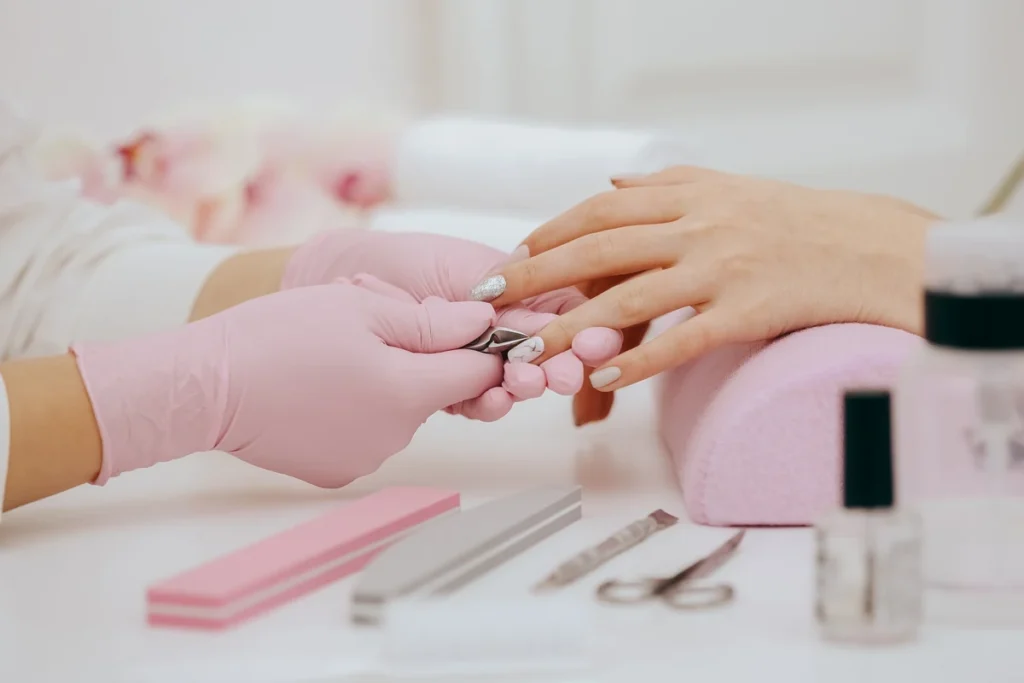
Watch the prep work. Good prep is gentle: nails filed in one direction, cuticles pushed back softly or left alone, and no aggressive cutting of live skin. Cutting cuticles too deep causes pain, bleeding, and infection risk, and a careful technician knows where to stop. If the prep feels rough or rushed, the finish will not last, and your nails pay for it later.
Ask to see recent work. Most technicians have photos of their own nails, not stock images, and a short scroll tells you whether their shaping is even and their polish lines are clean. If you want a specific shape, say so plainly. Our nail shapes guide explains which shapes suit short nails, long nails, and wide nail beds, and it helps to arrive knowing which one you want.
Skill also shows in honesty. A good technician tells you when a design will not hold on weak nails, or when gel extensions need a break. If every request gets an instant yes with no discussion, you are not getting advice. You are getting agreement, and that is not the same thing.
What Should the Price Cover?
A clear price list is a sign of a salon that respects its clients. The menu should state what each service includes: soak, shaping, cuticle care, polish, and any extras like nail art, French tips, or soak-off removal. When removal, cuticle oil, or a top coat appear as surprise charges at the till, the salon is not being transparent.
Ask about the full cost before the service starts, including removal of old gel or acrylic. Removal takes time and product, so a separate charge is fair, but it should be stated upfront. The same goes for repairs: a broken nail fixed mid-service should not double the bill without warning.
Cheap is not always good value. A very low price can mean rushed work, diluted products, or skipped cleaning steps. On the other hand, a high price does not guarantee quality either. Judge the price against what you see: clean tools, careful prep, and a technician who takes time. If you want to keep nails in good shape between visits, our nail care basics guide covers daily habits that stretch a manicure further.
Pay attention to how the salon handles tipping and payment. A card machine, a printed receipt, and a clear tipping option are normal. Cash-only setups with no receipt are not automatically bad, but they make complaints harder if something goes wrong.
How Do You Use Reviews Without Getting Misled?
Reviews help, but only if you read them the right way. Ignore one-line five-star reviews and one-line angry reviews, and read the detailed ones in the middle. Look for repeated mentions of the same points: clean stations, gentle technicians, honest pricing, or the opposite.
Check the dates. A salon can change owners, staff, and standards in a year, so reviews from two years ago may describe a different place. Recent reviews carry more weight, and a salon that replies calmly to criticism is usually one that takes feedback seriously.
Recommendations from people with similar nails beat generic praise. Ask friends whose nails you like where they go, and what they pay. If you have weak or splitting nails, ask specifically whether the salon handles that well. Our cuticle care guide explains why gentle cuticle handling matters, and it is a good test topic when you talk to a new technician.
Photos in reviews tell their own story. Look at the shaping, the polish edges, and whether the skin around the nails looks irritated. A salon with many client photos showing clean, even work is a safer bet than one with only professional marketing shots.
What Are the Red Flags That Mean You Should Leave?
Some problems are worth walking away from on the spot. Dirty or reused single-use tools, a technician who skips hand washing, strong chemical smells with no ventilation, and pressure to add services you did not ask for all belong on that list. So does pain: filing that hurts or cuticle cutting that draws blood is not normal.
Watch for rushed service. A full manicure with proper prep takes time, and a salon that promises a full set in twenty minutes is cutting corners somewhere, usually in cleaning or prep. Back-to-back bookings with no gap between clients leave no time to disinfect stations, and that gap matters.
Be wary of salons that refuse to discuss products. You have a right to know what is going on your nails, especially if you have allergies or sensitive skin. A technician who cannot name the polish brand or the removal product, or who dismisses your allergy question, is not someone to trust with your hands.
Trust your own reaction. If the place feels unclean, the staff seem unhappy to answer questions, or you feel pushed into extras, you can leave before the service starts. You do not owe a salon your business, and a polite “I changed my mind, thank you” is enough. Seasonal changes also affect nails, so if you visit in winter or summer, our seasonal nail care guide explains what to watch for at different times of year.
What Should You Ask on Your First Visit?
Arrive with a short list of questions, and treat the answers as a test of the salon. Ask how tools are sterilized, what is included in the price, how long the service takes, and what aftercare they suggest. A good salon answers all four without hesitation, and the answers match what you see around you.
Ask about aftercare before you leave, not after. A technician should tell you how long to avoid water, when to come back for a fill or removal, and what to do if a nail lifts or breaks. If you plan to keep up nails at home between visits, our nail tools guide covers the basic kit worth owning, so you are not buying gadgets you will never use.
Book a simple service first. A basic manicure tells you everything about cleanliness, skill, and attitude, and it costs less than a full set of extensions if the salon turns out to be wrong for you. If the basic visit goes well, book the bigger service next time with more confidence.
Keep notes after the visit: the technician’s name, the price, how long the manicure lasted, and whether your nails felt healthy afterward. That record makes the second visit easy, and it tells you quickly whether a salon is consistent or just good on a lucky day.
Frequently Asked Questions
How do I know if a nail salon is hygienic?
Look for sealed tool pouches or a visible disinfectant soak, single-use files that are opened in front of you, clean stations, and disinfected foot baths. Ask how tools are sterilized between clients. A clear, specific answer plus clean surroundings is a good sign. Vague answers, dusty stations, or reused disposable tools are reasons to leave.
Should I tip my nail technician, and how much?
Tipping customs vary by place, but 15 to 20 percent of the service price is common in many areas. Tip more for long or detailed work, like hand-painted art or a full extension set. If the service was poor or the salon was unclean, you are not obliged to tip well, and leaving a smaller tip with a calm explanation is fair.
Is gel or regular polish better at a salon?
It depends on your nails and your routine. Gel lasts longer and resists chips, which suits people who work with their hands or want two weeks without touch-ups. Regular polish is gentler on nails and easier to remove at home. A good salon explains both options and checks your nail condition before recommending one.
How often should I visit a nail salon?
Most people return every two to three weeks for gel or extensions, and every one to two weeks for regular polish. Your nails, your budget, and how fast your nails grow all affect the timing. If nails feel thin, sore, or damaged, take a break and let them recover before the next full set.
Pick the salon that answers questions clearly, keeps tools clean, and treats your nails gently. The rest, from polish shades to decor, is a bonus.