

Your first nail salon visit starts with booking the right service, and ends with nails you know how to care for. You check in, talk through what you want, and sit while the technician soaks, shapes, and polishes your nails. A basic manicure takes under an hour, and knowing the steps takes the nerves out of the visit.
How Do You Book Your First Visit?
Book online or by phone, and name the exact service you want. A basic manicure, a gel manicure, and a full set of extensions take different amounts of time and cost different amounts, so the salon needs to know which one you are booking. Say whether you need removal of old polish, and whether you want nail art.
Booking online suits simple services. Pick the service from the menu, pick a time, and note any extras in the booking comments. Phone booking suits first visits better when you are unsure, since you can ask questions: how long the service takes, what it includes, and whether removal costs extra. Either way, write down the time, the service name, and the technician’s name if one is assigned.
Say what you want, even if you are new to salon nails. “A basic manicure with regular polish, no extensions” is a complete booking. “Gel manicure with removal of my old gel” is also complete. Vague bookings cause the most common first-visit problem: you arrive expecting one service and the salon has time booked for another. If you have not picked a salon yet, our guide to choosing a nail salon covers hygiene checks, technician skill, and the red flags that mean you should leave.
Ask about the cancellation window when you book. Many salons ask for 24 to 48 hours’ notice, and some take a deposit for long appointments like extensions. Knowing the rule before you book saves an awkward call later. Our salon etiquette guide covers booking, arriving on time, and tipping in more detail.
What Happens When You Arrive?
You check in at the desk, wash your hands, and sit down with the technician for a talk before any work starts. The technician looks at your nails, asks what you want, and checks for breakage, peeling, or allergies. This talk takes a few minutes, and it sets the shape, length, and polish for the whole visit.
Arrive five to ten minutes early. That gives you time to check in, wash your hands, and settle without eating into your appointment. The technician will ask about your nail history: any breakage, peeling, or soreness, any allergies to polish or remover, and what you do with your hands day to day. Someone who types all day or works with water needs a different finish than someone heading to a wedding.
Use this talk to pick the service and the look. If you want a specific shape, say so plainly, or show a photo. Our nail shapes guide explains which shapes suit short nails, long nails, and wide nail beds, and reading it before you go helps you arrive with a clear request. The same goes for polish: if you want gel, regular polish, or a French tip, say so now, not halfway through the service.
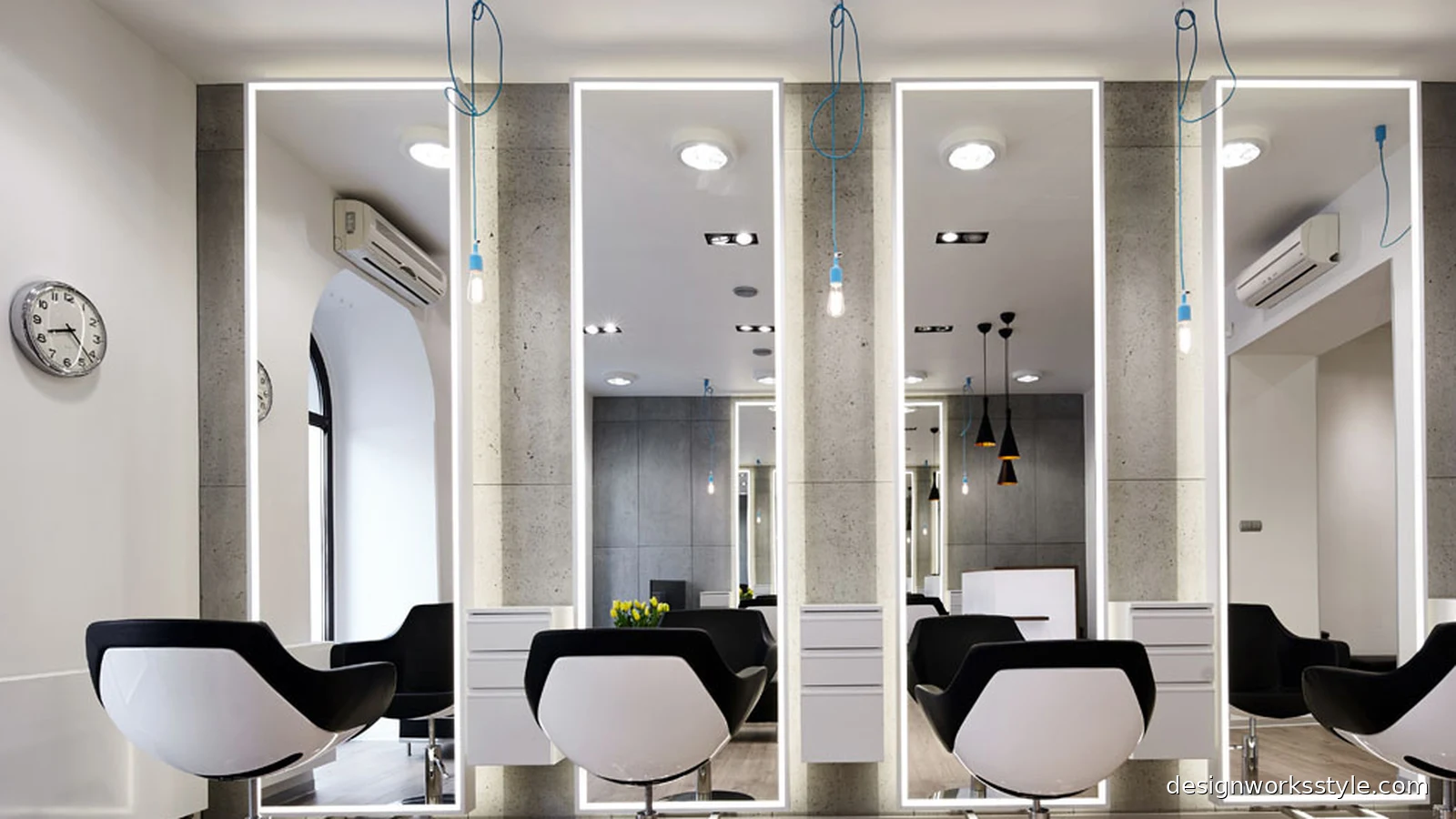
Look around while you wait. Stations should be wiped down, tools should sit in sealed pouches or a disinfectant solution, and single-use files should be opened fresh for you. If anything looks dirty or reused, you can leave before the service starts.

What Happens During the Service, Step by Step?
A basic manicure follows the same order in most salons: soak, shape, cuticle care, and polish, with a base coat and a top coat around the color. Gel manicures add curing under a lamp after each coat, and extensions add building and shaping before polish. Each step has a purpose, and none of them should feel rushed or painful.
The soak comes first. Your hands rest in warm water for a few minutes to soften the skin and cuticles. Then the technician shapes your nails with a file, working in one direction only, since sawing back and forth can split the nail edge. Filing in one direction takes a little longer, and it leaves a smoother edge that chips less.
Cuticle care comes next, and it should be gentle. The technician pushes cuticles back softly or leaves them alone, and trims only loose, dead skin. Deep cutting of live skin causes pain and bleeding, and it raises the risk of infection. If the prep feels rough, say so at once. Good prep feels like light pressure, not pain.
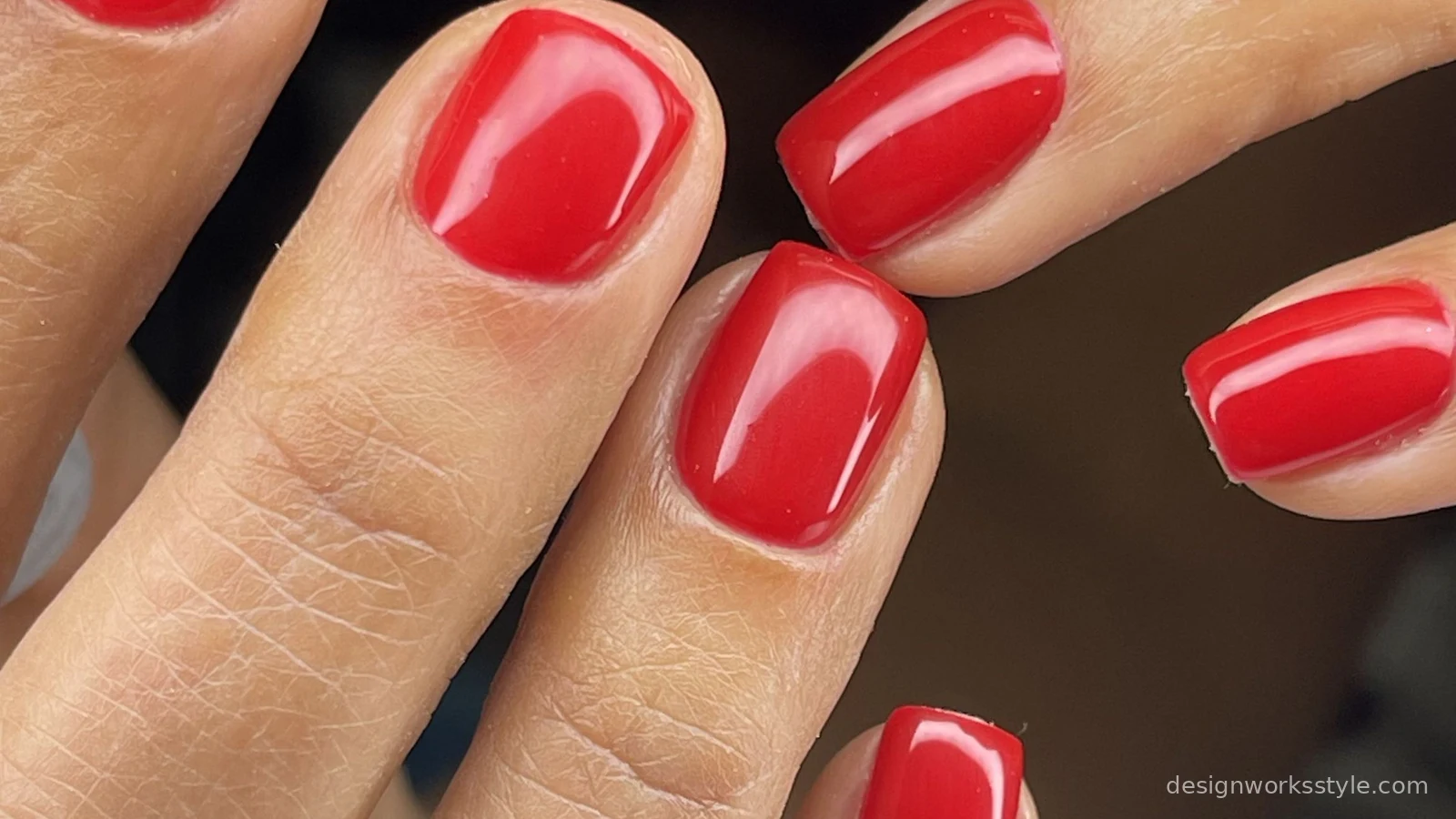
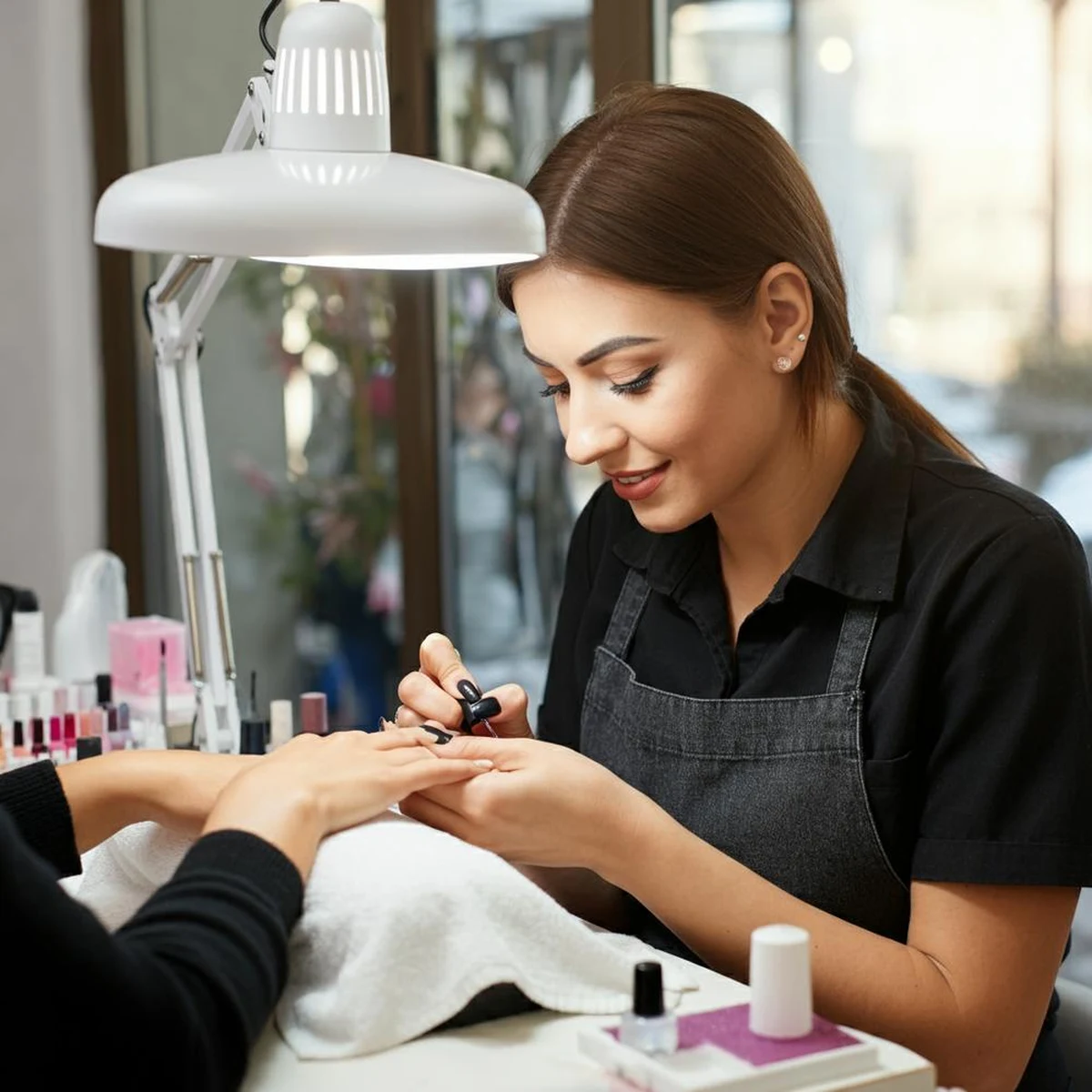
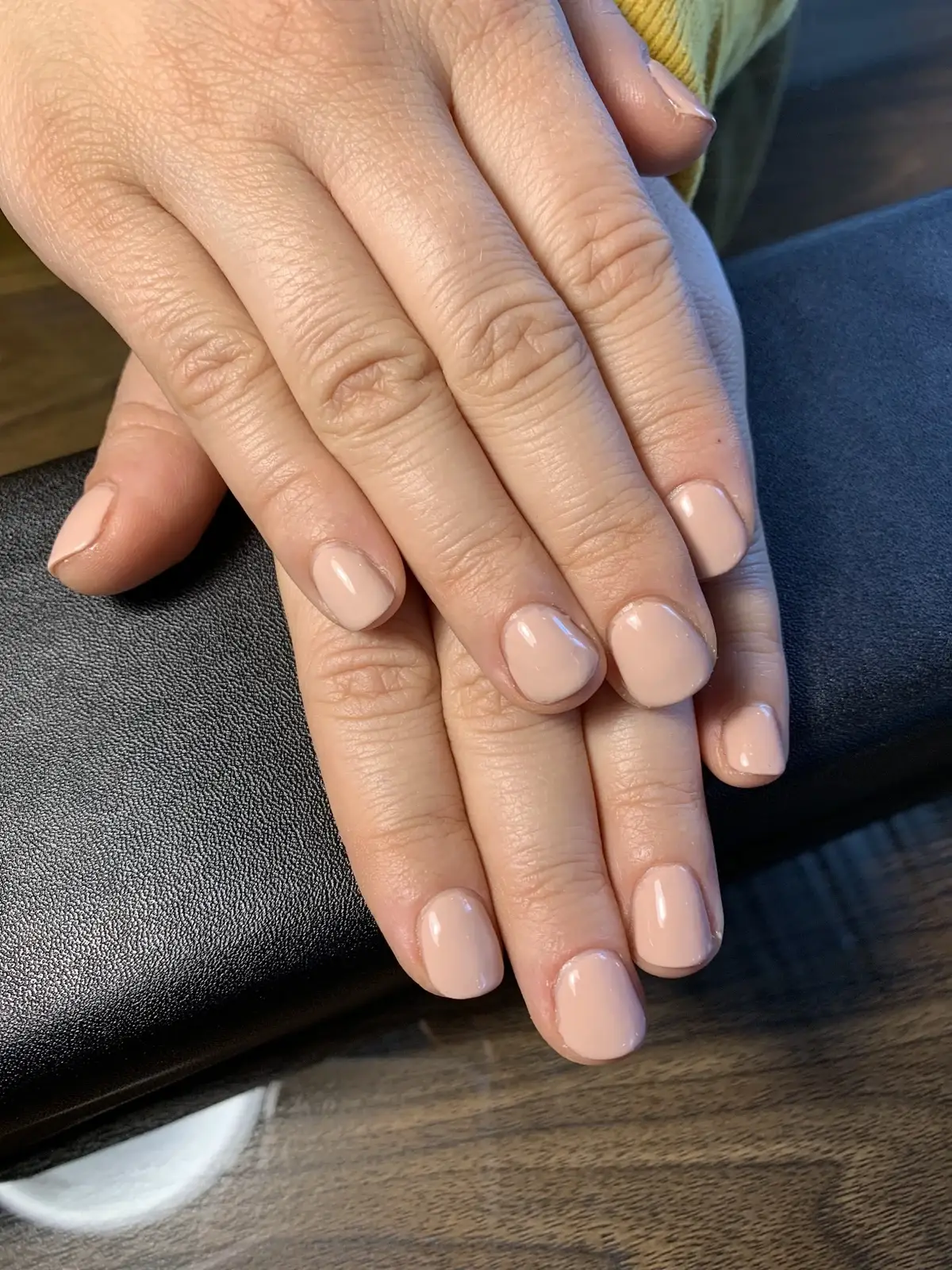
Polish goes on in thin layers: a base coat, two thin coats of color, and a top coat, with each layer drying before the next. Thin coats dry faster and chip less than one thick coat. For gel, each coat cures under a lamp for a short time, which hardens the polish before you leave. The technician will clean up the edges with a small brush dipped in remover, so the polish line sits neat against the skin.
While the polish dries, keep your hands still and flat. Regular polish needs several minutes to set, and touching a surface too soon smudges it. Gel sets under the lamp, so you can use your hands sooner, though the technician may still ask you to wait a minute. If a nail smudges or a coat looks uneven, say so before you leave. A fix on the spot takes minutes, while a return visit takes another trip.
How Long Does Each Service Take?
A basic manicure takes about 30 to 45 minutes, a gel manicure takes 45 minutes to an hour, and a full set of extensions takes one to two hours. Timing varies with the salon, the technician, and extras like nail art or removal. Ask for the time when you book, so a longer visit does not catch you out.
Removal adds time. Taking off old gel or acrylic takes 15 to 30 minutes on its own, since the product needs to soak before it lifts. Nail art adds time too, and detailed hand-painted designs can add 20 minutes or more to a manicure. When you book, mention removal and art together, so the salon blocks enough time for both.
Drying time counts as part of the visit for regular polish. The polish may look dry on top while the lower layers are still soft, and that is when smudges happen. Sit for the full drying time the technician suggests, even if you feel ready to go. Gel skips most of this wait, since the lamp cures each coat.
Salons run late sometimes, and a short wait is normal. If the wait passes half an hour with no update, ask at the desk how long it will be, or reschedule if the wait does not suit you.
What Will You Pay, and How Does Tipping Work?
You pay for the service, plus removal of old gel or acrylic if you need it, and any extras like nail art or French tips. The price list should state what each service includes, and the technician should confirm the total before starting. Tipping 15 to 20 percent is normal in many places for good work.
Check what the price includes before the service starts. A manicure price usually covers soak, shaping, cuticle care, and polish. Removal, nail art, French tips, and soak-off of an old set often cost extra, and each should be stated upfront. If a charge appears at the till that was never mentioned, ask about it calmly. A clear price list is a sign of a salon that respects its clients.
Cheap is not always good value. A very low price can mean rushed work, diluted products, or skipped cleaning steps. A high price does not guarantee quality either. Judge the price against what you see: clean tools, careful prep, and a technician who takes time. The cheapest salon in town and the most expensive one can both do good work, and both can do poor work.
Tip the person who did the work, and tip in cash when you can, since card tips can take days to reach the technician. If you pay by card, ask whether you can add the tip to the card. You are not obliged to tip well for poor work, and a smaller tip with a calm explanation is fair when the service was rushed or the result was wrong.
What Should You Do After You Leave?
After you leave, let the polish harden fully, avoid water and heavy hand work for a few hours, and apply cuticle oil daily to keep the manicure looking fresh. Gel needs less care in the first hours than regular polish, since it cures under the lamp. If a nail chips or lifts, call the salon within a few days.
Daily habits decide how long the manicure lasts. Wear gloves for washing dishes and cleaning, since hot water and detergents lift polish fast. Apply cuticle oil once a day, and push cuticles back gently after a shower. Our nail care basics guide covers these habits in detail, and our guide to making a manicure last longer covers the small changes that stretch a manicure from days to weeks.
If a nail chips within a few days, call the salon and describe the problem. Most salons fix a chip free when you raise it early. Do not try to fix a lifted gel nail by peeling it off, since peeling pulls layers of the natural nail with it and leaves the nail thin and sore. Let the salon remove gel properly, with a soak, even if that means another short visit.
Plan the next visit before the manicure wears out. Most people return every two to three weeks for gel, and every one to two weeks for regular polish. If you want to keep nails up at home between visits, our nail tools guide lists the basic kit worth owning, so you buy tools you will use instead of gadgets that sit in a drawer.
Frequently Asked Questions
Should I remove old polish before my first visit?
You can, but you do not have to. The salon can remove regular polish in a minute, and gel removal is part of the service when you book it. If you have gel or acrylic on, tell the salon when you book, so they allow time for removal. Peeling gel off yourself before the visit damages the nail, so leave removal to the salon.
What if I do not know what shape or color I want?
That is normal for a first visit, and a good technician helps you pick. Bring a few photos of nails you like, and tell the technician about your daily routine and nail length. Short, rounded shapes suit most first visits, since they break less and grow out neatly. Pick a color you will enjoy looking at for two weeks.
Is it okay to ask questions during the service?
Yes, and technicians expect it. Ask what each step does, what products are being used, and how long the polish needs to dry. Questions help you learn what to ask for next time, and they show the technician you care about the result. Keep your hand still while asking, since a moving hand makes neat polish harder.
How soon can I book again after my first visit?
Book the next visit when the current manicure starts to wear, usually two to three weeks for gel and one to two weeks for regular polish. If your nails feel thin, sore, or damaged after the visit, take a break and let them recover before the next full set. Healthy nails matter more than a full calendar of appointments.
Book clearly, ask questions, and speak up while the polish is still wet. The first visit teaches you what to expect, and the second one feels easy.