
The most common home repairs are fixing running toilets, unclogging drains, patching drywall, stopping leaky faucets, and touching up paint. Almost all of them are DIY-friendly with basic tools and under $20 in parts. The repairs to call a professional for are anything involving gas, major electrical work, structural changes, and roofing. Everything else on this page you can learn in an afternoon.
Every homeowner eventually faces the same list. The toilet runs, the sink drains slowly, the wall gets a hole, the faucet drips. None of these require a contractor. They require the right diagnosis, which is what this guide gives you: what each common repair involves, whether you should DIY it, and where to find the full step-by-step for each one.
What Are the Most Common Home Repairs?
Plumbing and walls account for most of it. Running toilets (usually a $5 flapper), clogged toilets and sinks, dripping faucets, drywall holes and cracks, and scuffed paint cover the repairs nearly every homeowner does repeatedly. Each has a dedicated guide below with the full process. Beyond those, the recurring list includes running garbage disposals that jam, doors that stick seasonally, caulk that fails in bathrooms, and smoke detector batteries. None of these are emergencies when you know the fix, which is the point of learning them before they happen.
- Fix a running toilet: usually the flapper, 10 minutes, under $10.
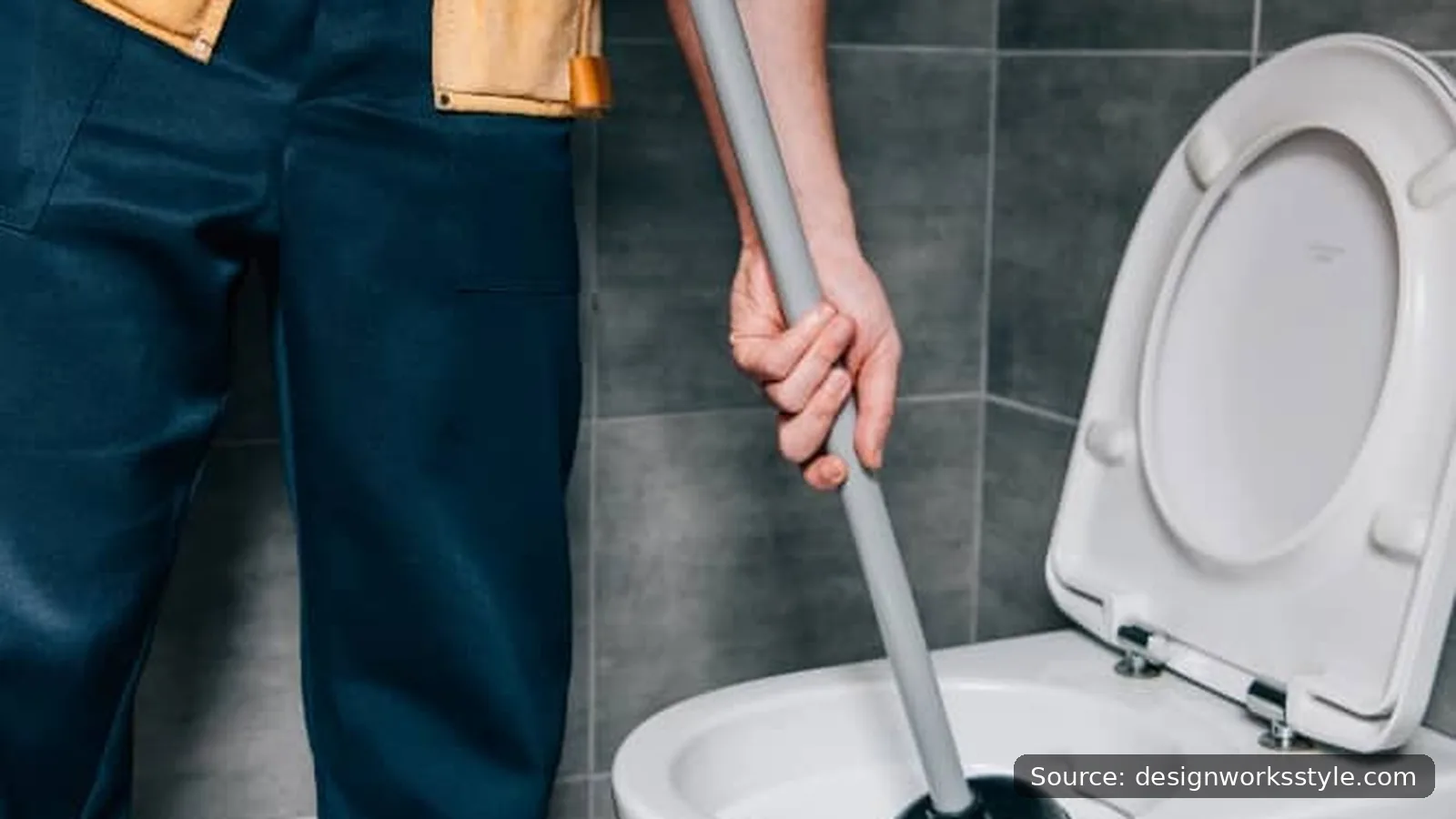
- Unclog a toilet: flange plunger technique for most clogs, auger for stubborn ones.
- Unclog a sink: hair at the stopper, grease in the kitchen, P-trap for deep clogs.
- Fix a leaky faucet: identify the faucet type, replace the washer or cartridge.
- Repair drywall: spackle for small holes, mesh patches for medium, cut-and-patch for large.
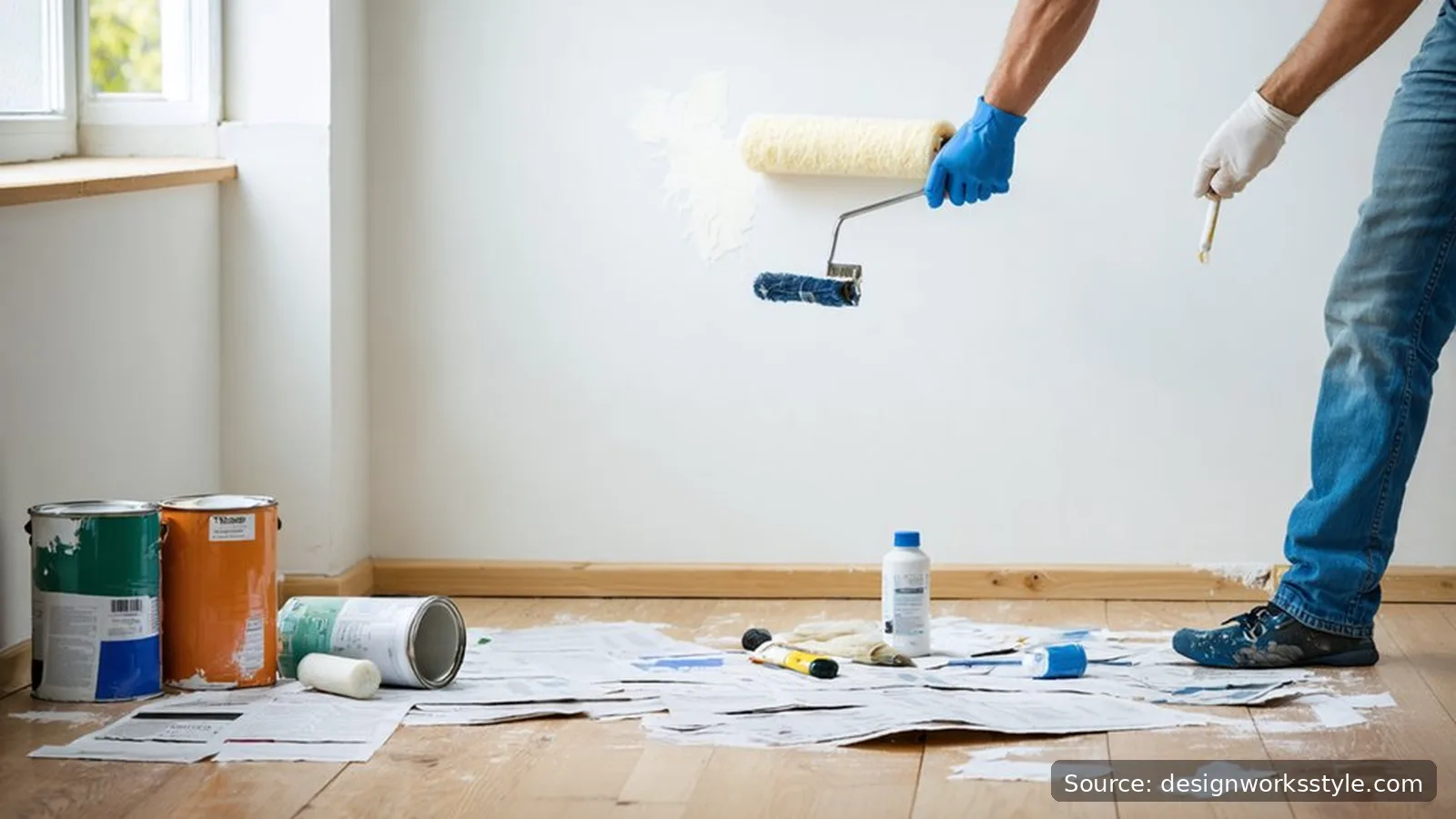
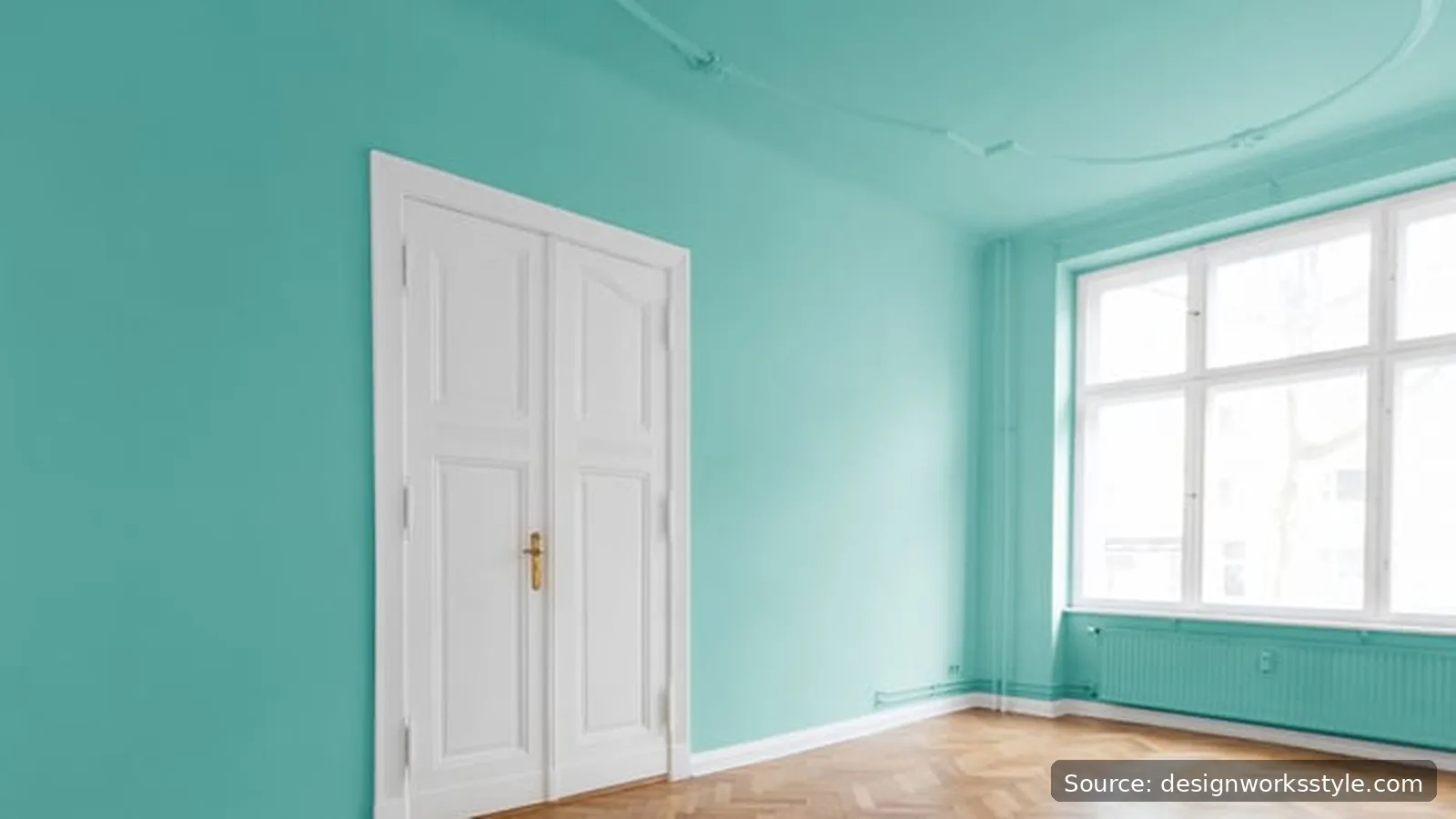
- Paint a room: prep matters more than paint, ceiling to walls to trim.
Which Home Repairs Should You DIY and Which Need a Pro?
DIY the repairs where the worst case is a mess: plumbing fixture repairs, drain clogs, drywall, painting, caulking, and anything you can shut off first (water, power to a single circuit). Call a professional for gas lines, anything inside the electrical panel, structural framing changes, roofing, and major water damage. The dividing line is consequences: a botched faucet washer wastes water until you fix it, but a botched gas connection can destroy the house. When the downside is catastrophic rather than inconvenient, hire it out. Also hire out anything where you cannot identify the shutoff: if you cannot stop the water or kill the power to the work area, you are not ready to start.
What Basic Tools Do You Need for Home Repairs?
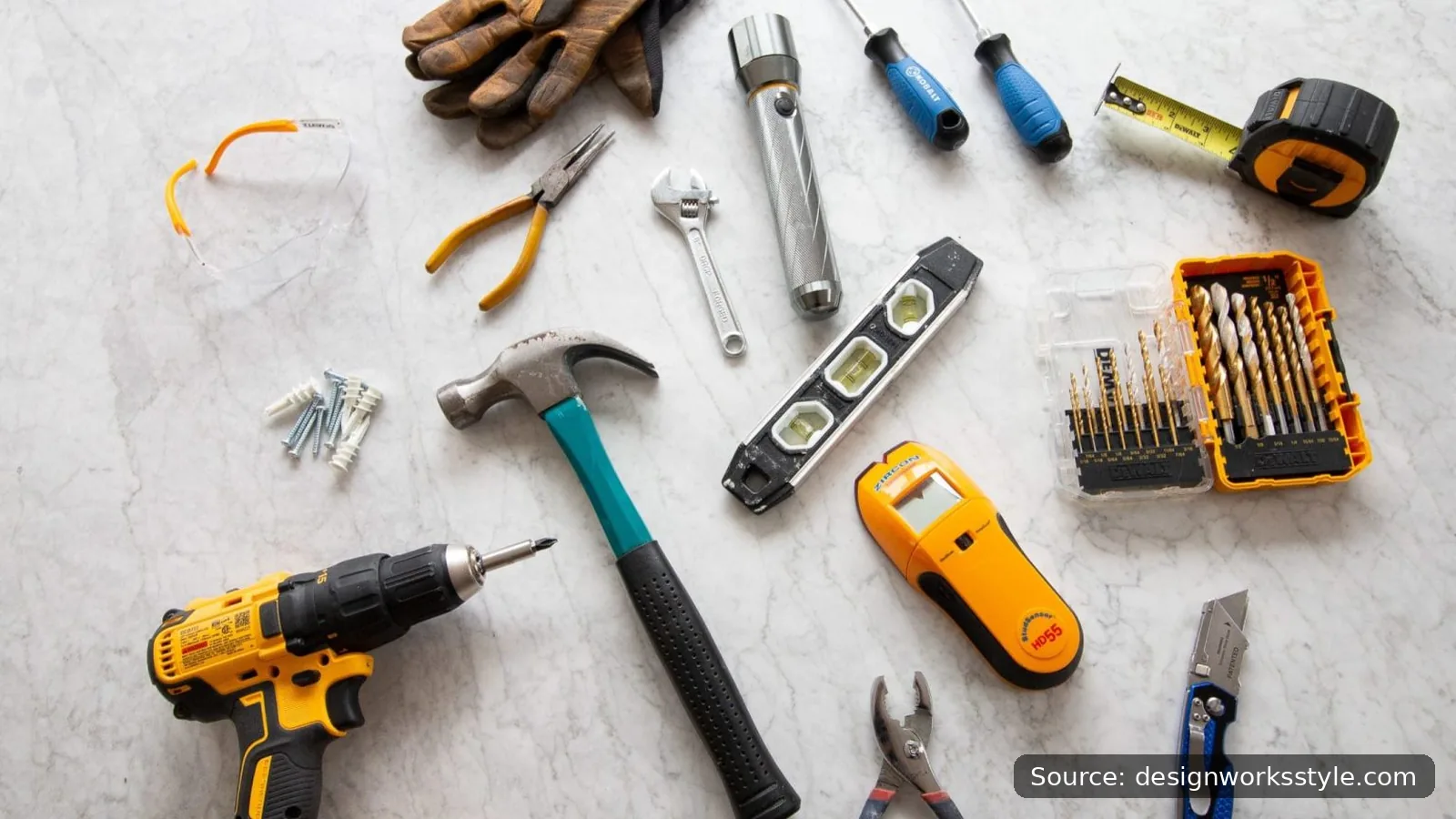
A surprisingly short list covers most repairs: a cordless drill/driver, a hammer, an adjustable wrench, channel-lock pliers, a set of screwdrivers, a utility knife, a tape measure, a level, a stud finder, a flange plunger, and a 6-inch putty knife. Add a voltage tester before any electrical-adjacent work. Buy decent versions of the tools you will use constantly (drill, wrench, pliers) and budget versions of the rest. The tools pay for themselves with the first repair you do not call someone for. Our guide to finding wall studs is worth reading before any project that puts holes in walls.
How Should You Prioritize Home Repairs?
Water first, then safety, then everything else. Active leaks damage the house every hour they continue, so a dripping supply line outranks a scuffed wall by orders of magnitude. After water: anything electrical that sparks, smokes, or smells hot; anything structural (sagging, cracking that grows); then security (locks, exterior doors). Cosmetic repairs go last, with one exception: small drywall damage near plumbing is worth fixing promptly because it can hide a slow leak. When in doubt, ask what happens if you wait a month. If the answer is “it gets much worse,” do it now.
How Much Should You Budget for Home Repairs?
The standard rule is 1 percent of the home’s value per year for maintenance and repairs, more for older homes. On a $300,000 house that is $3,000 a year, or $250 a month set aside. DIY labor is what makes this number work: the parts for the common repairs on this page total under $100 combined, while hiring each one out would cost ten times that. Keep a small stock of the consumables (spackle, washers, O-rings, Teflon tape, caulk) and most repairs start the moment you notice them instead of waiting for a hardware store trip.
Frequently Asked Questions
What is the most common home repair?
Toilet repairs top every list: running toilets and clogs are the most frequent service calls plumbers get, and both are simple DIY fixes. After plumbing, drywall damage and interior painting are the most common, followed by dripping faucets. Learn those four and you have covered the majority of what homeownership throws at you.
How do I learn basic home repair skills?
One repair at a time, starting with the guides on this page. Each one teaches a transferable skill: the toilet flapper teaches you how valves seal, the P-trap teaches you how drains assemble, drywall teaches you surface repair. After five or six repairs you will recognize the patterns, and new problems will look like variations of ones you have already solved.
Is it cheaper to DIY or hire home repairs?
DIY is dramatically cheaper for the common repairs: parts are usually under $20 while service calls start at $75 to $150 minimum. The tradeoff is your time and the learning curve on the first attempt. Hiring makes sense when your time is worth more than the premium, when the repair needs licensed work, or when getting it wrong has serious consequences.
What home repairs should be done every year?
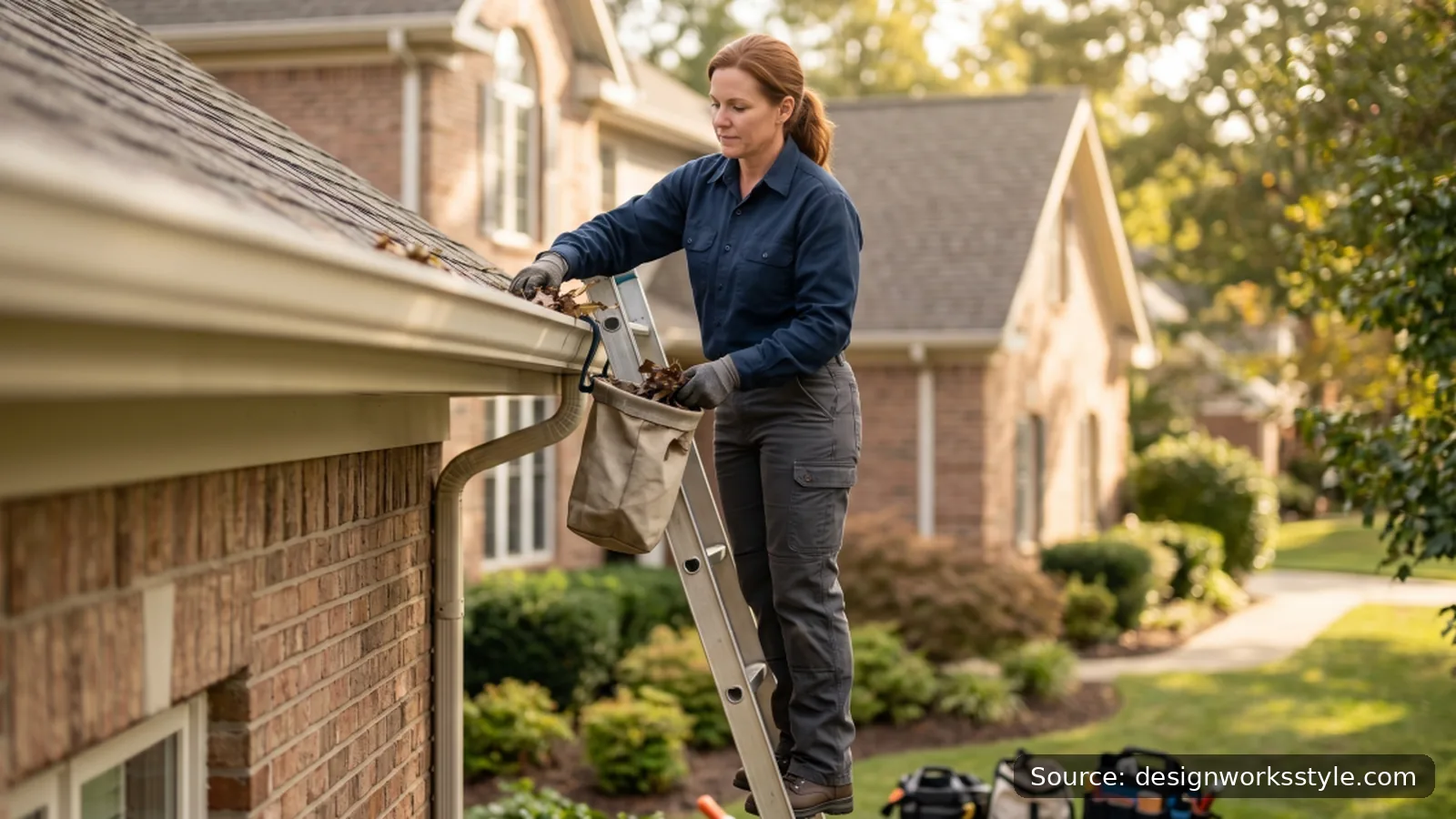
Our home maintenance checklist covers the annual routine: HVAC filters, smoke and CO detector batteries, water heater flush, gutter cleaning, caulk inspection, and exterior checks. Annual maintenance prevents most of the repairs on this page from ever being needed.