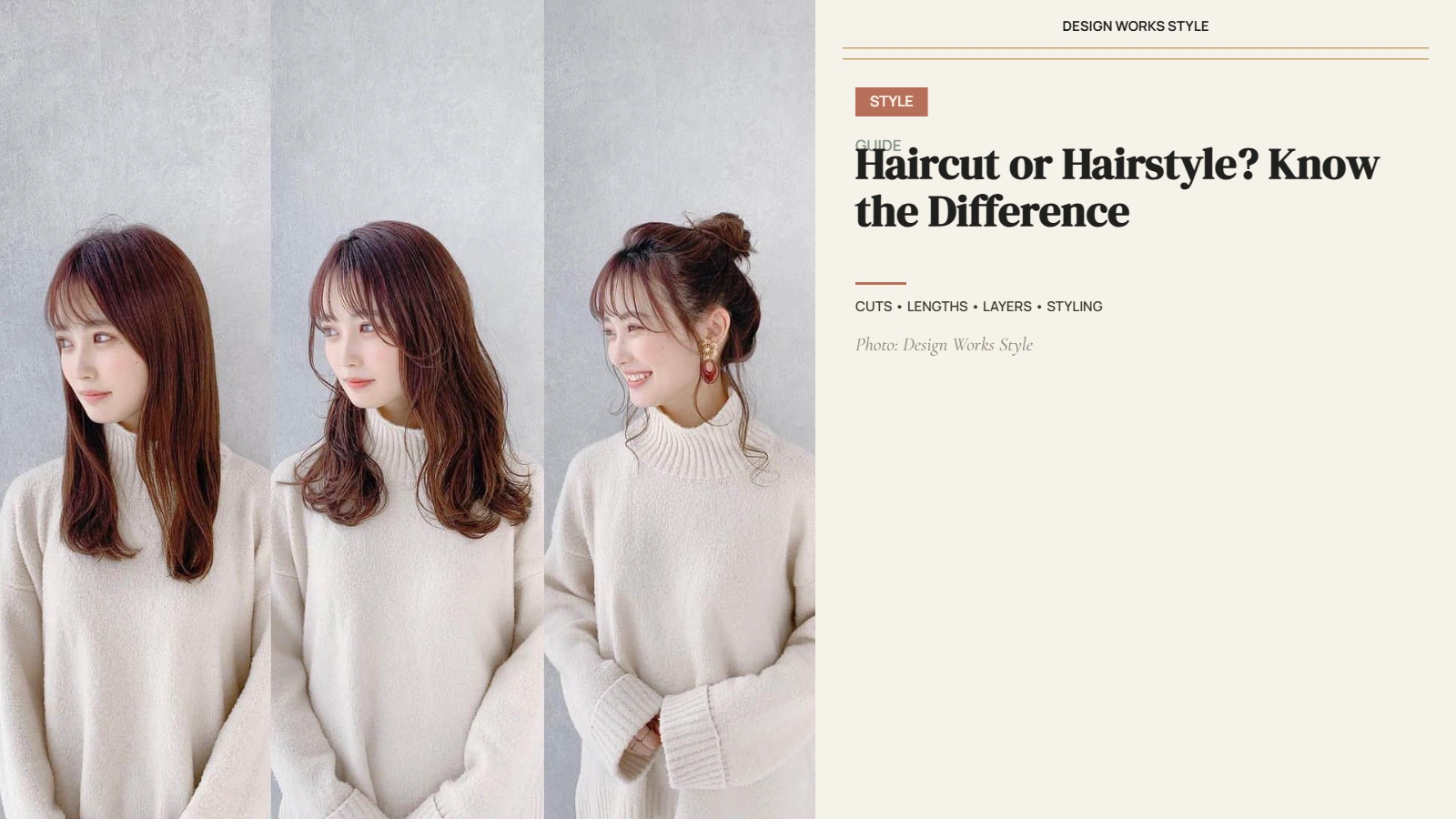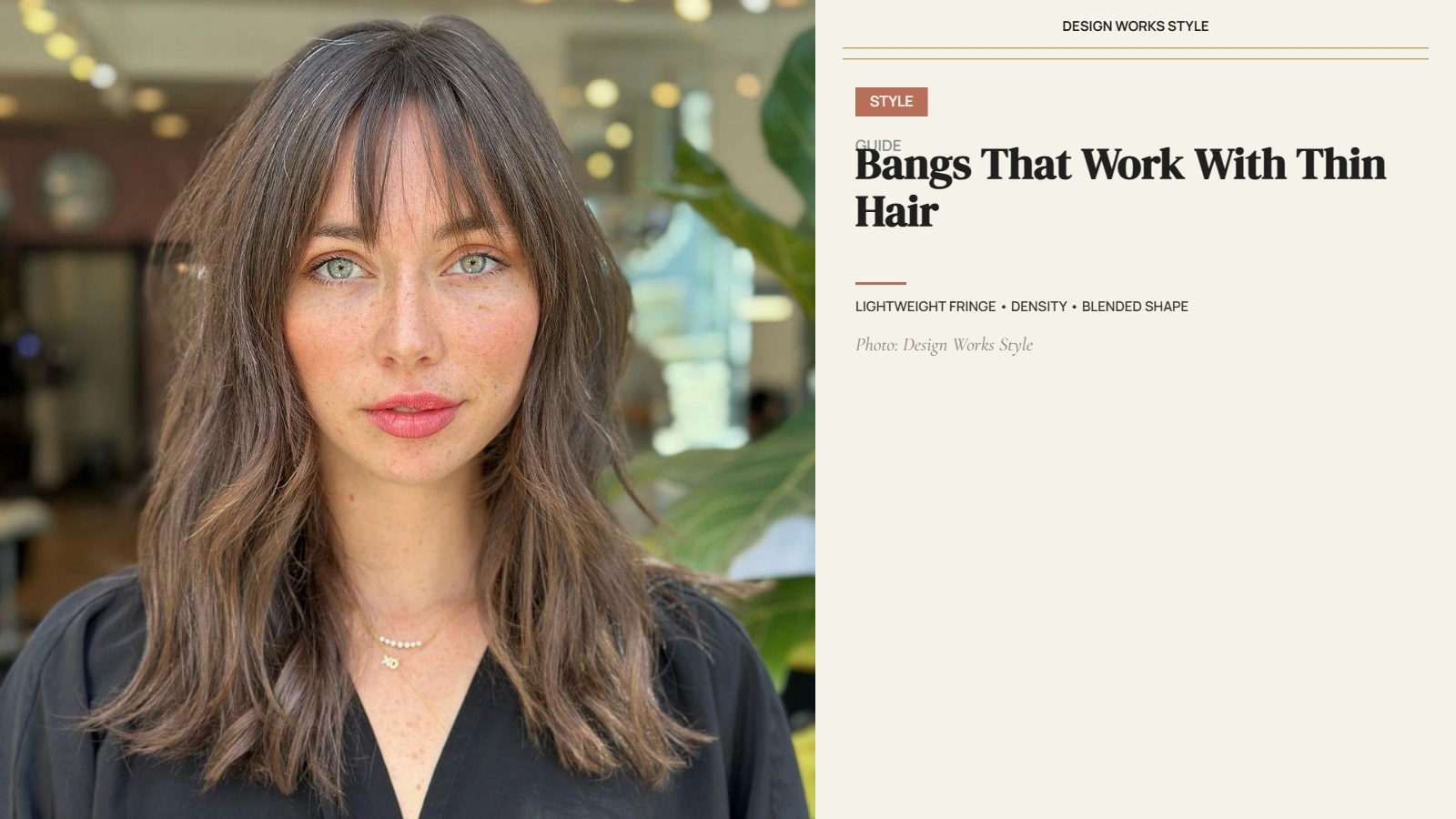

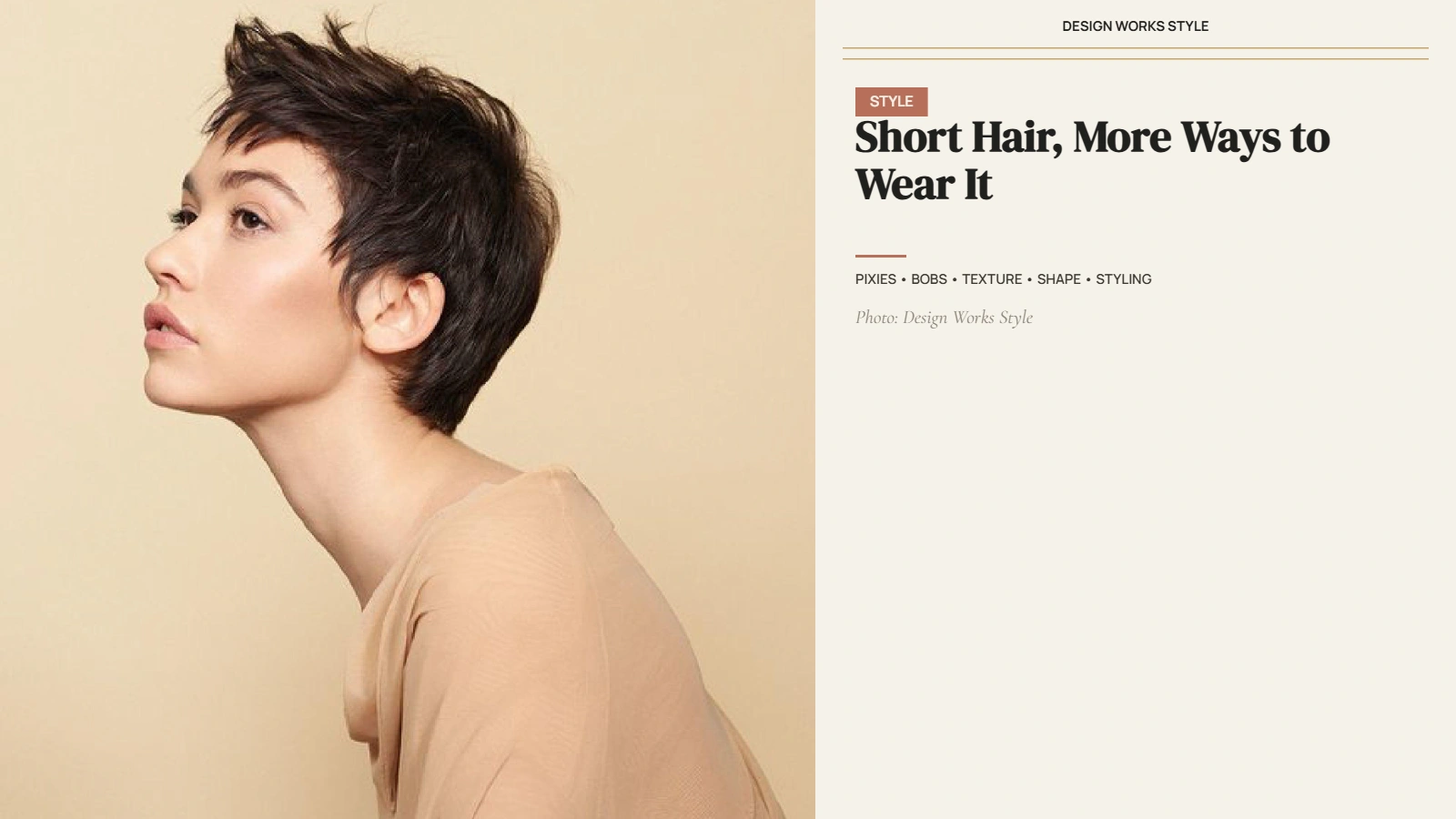
Short hairstyles can range from close-cropped pixies to bobs around the jaw, chin, or even shoulders. The right direction depends on more than how short you want to go. Hair texture, density, current length, styling habits, maintenance, face shape, and personal preference all affect how a short style looks and how easy it is to wear.
It also helps to separate a hairstyle from a haircut. The haircut creates the underlying shape through length, layers, and perimeter. The hairstyle is how you arrange and finish that hair through parting, texture, volume, waves, or other styling.
So instead of choosing from a long list of names, start by asking: What kind of short shape fits my hair and how I actually want to wear it?
How Short Is “Short” Hair?
There is no single length that defines short hair. A short hairstyle can look dramatically different depending on where the hair ends and how the shape is constructed.
Think of short hair as a range rather than a strict measurement.
Very Short
Very short styles can include:
- Cropped styles
- Close pixies
- Short textured cuts
At this length, the shape of the haircut becomes especially noticeable. Small differences in the length around the sides, back, top, or fringe can change the overall silhouette.
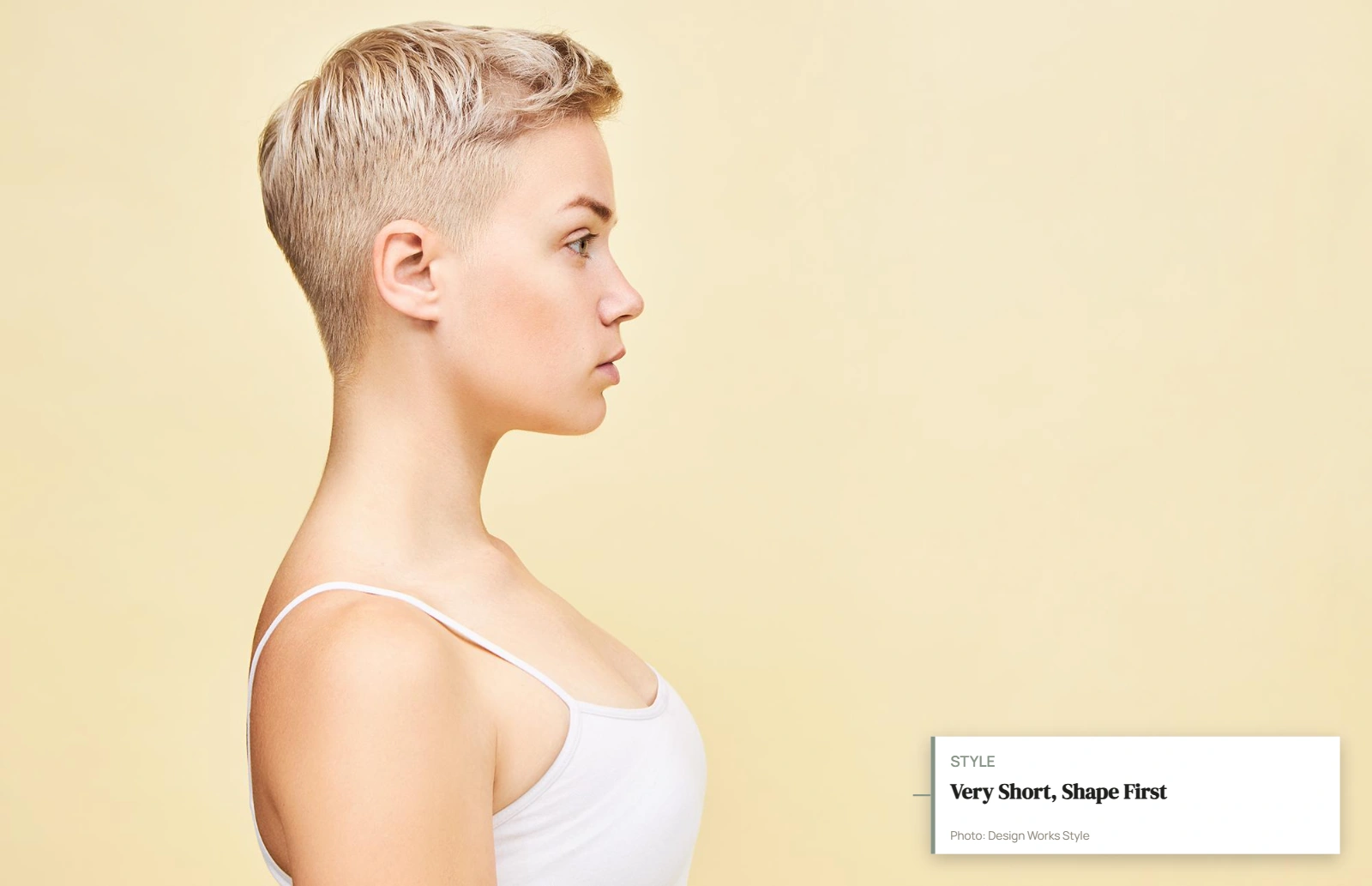
Very short hair can also have styling flexibility, but that flexibility depends heavily on the haircut. A textured crop may be easy to reshape with product, while a very closely cropped style may offer fewer ways to change its appearance.
Maintenance also matters. Shorter shapes can become noticeably different as they grow, so consider how often you are comfortable having the haircut reshaped.
Short Around the Ears and Jaw
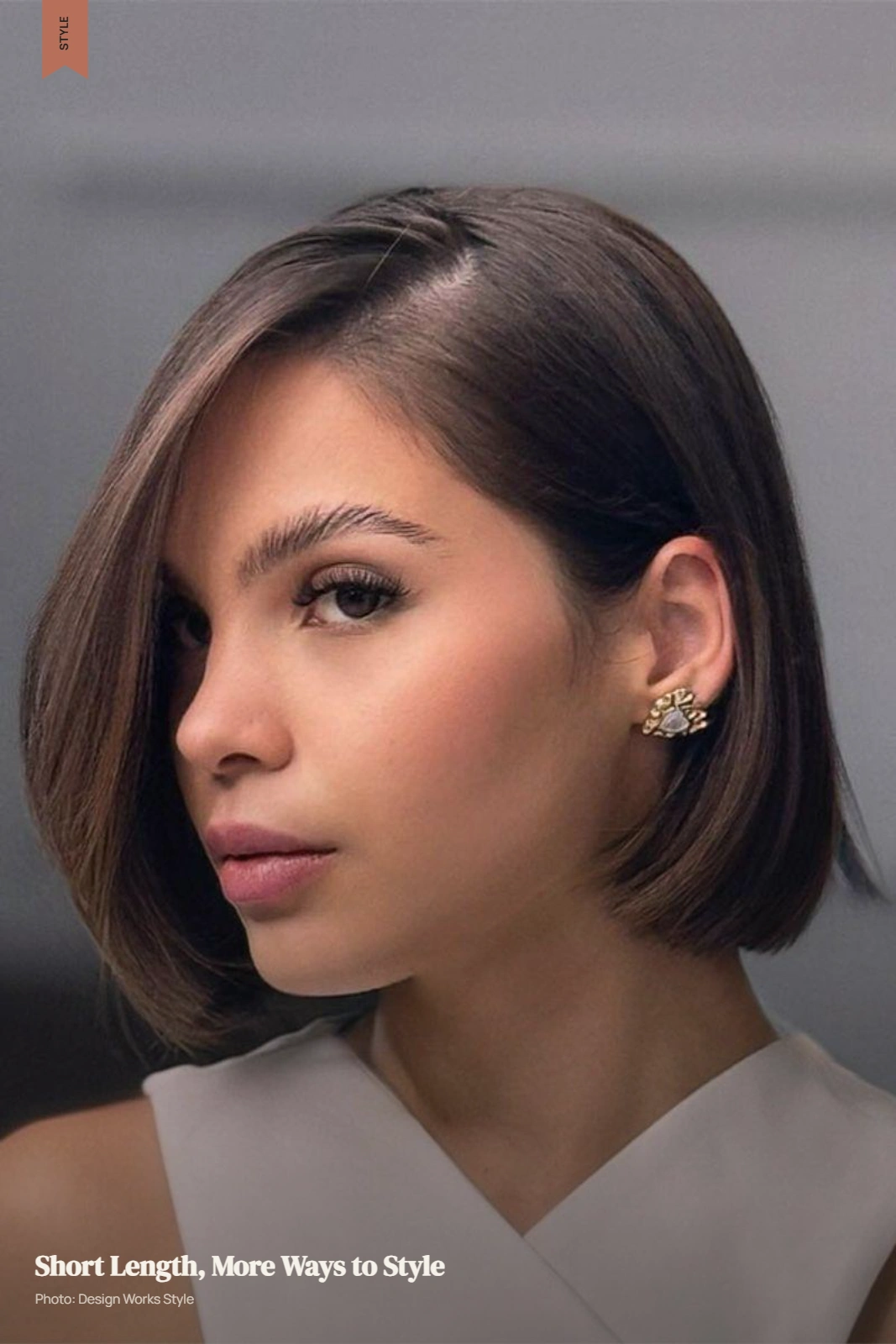
This range can include:
- Longer pixies
- Short bobs
- Cropped bobs
There is often more room to experiment with direction, fringe, texture, and parting than with an extremely short cut.
A short bob can be worn sleek, textured, tucked behind the ears, or softly waved. A longer pixie may allow the top or fringe to be moved in several directions.
Chin-Length and Longer Short Styles
This range includes:
- Chin bobs
- Longer bobs
- Short-to-medium transitional styles
These lengths can provide additional styling options while still giving you the visual change associated with shorter hair.
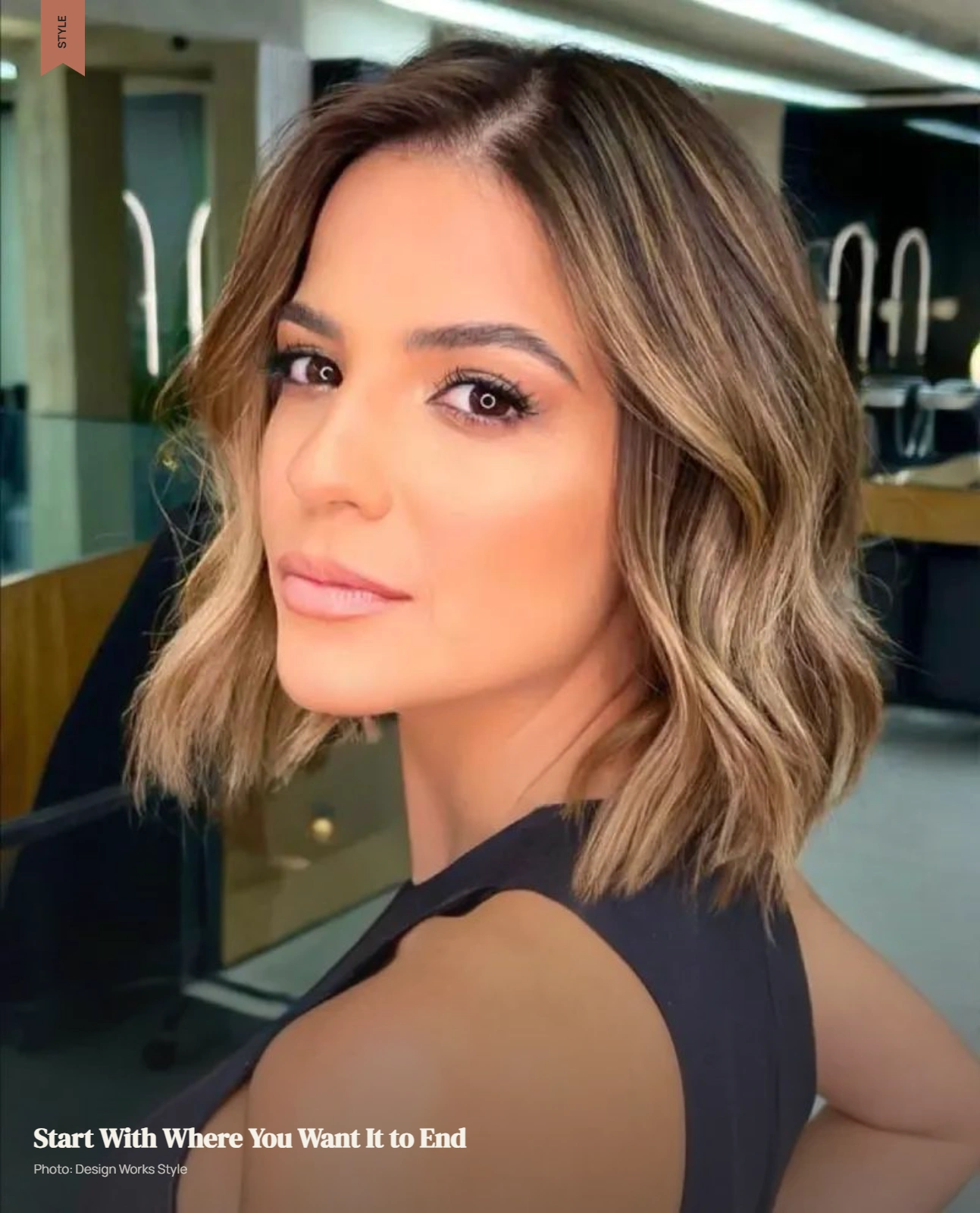
If you are unsure where to start, look at where you want the hair to end rather than choosing a haircut name first.
Image placement: Use a visual comparison showing very short, ear/jaw-length, and chin-length styles. The purpose is to demonstrate the range of short hair rather than create rigid categories.
Suggested alt text: Short hairstyles shown at very short jaw-length and chin-length
Pixie Hairstyles
Pixies can vary considerably even though they share a generally cropped silhouette.
Look at the relationship between the sides, back, top, fringe, and texture when comparing different pixie hairstyles.
Classic Pixie
A classic pixie often has:
- Short sides
- A shorter back
- More length on top
- Either a clean or textured finish
The amount of length left on top can make a substantial difference.
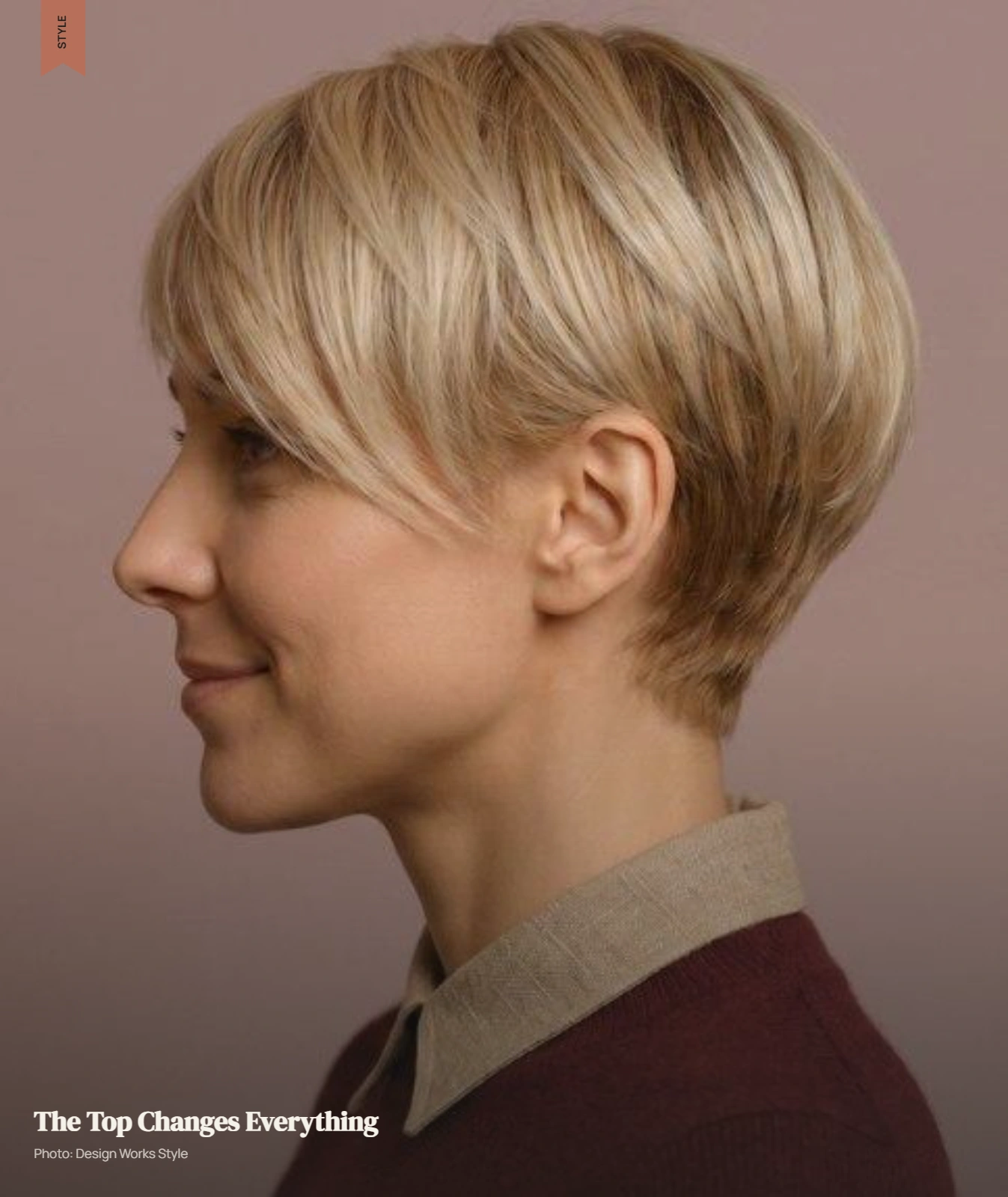
A smoother finish can create a more controlled appearance, while texture can introduce separation and movement.
If you are considering a classic pixie, look at the shape from the side as well as the front. The side and back are important parts of the haircut.
Long Pixie
A long pixie retains additional length, particularly through the top or fringe.
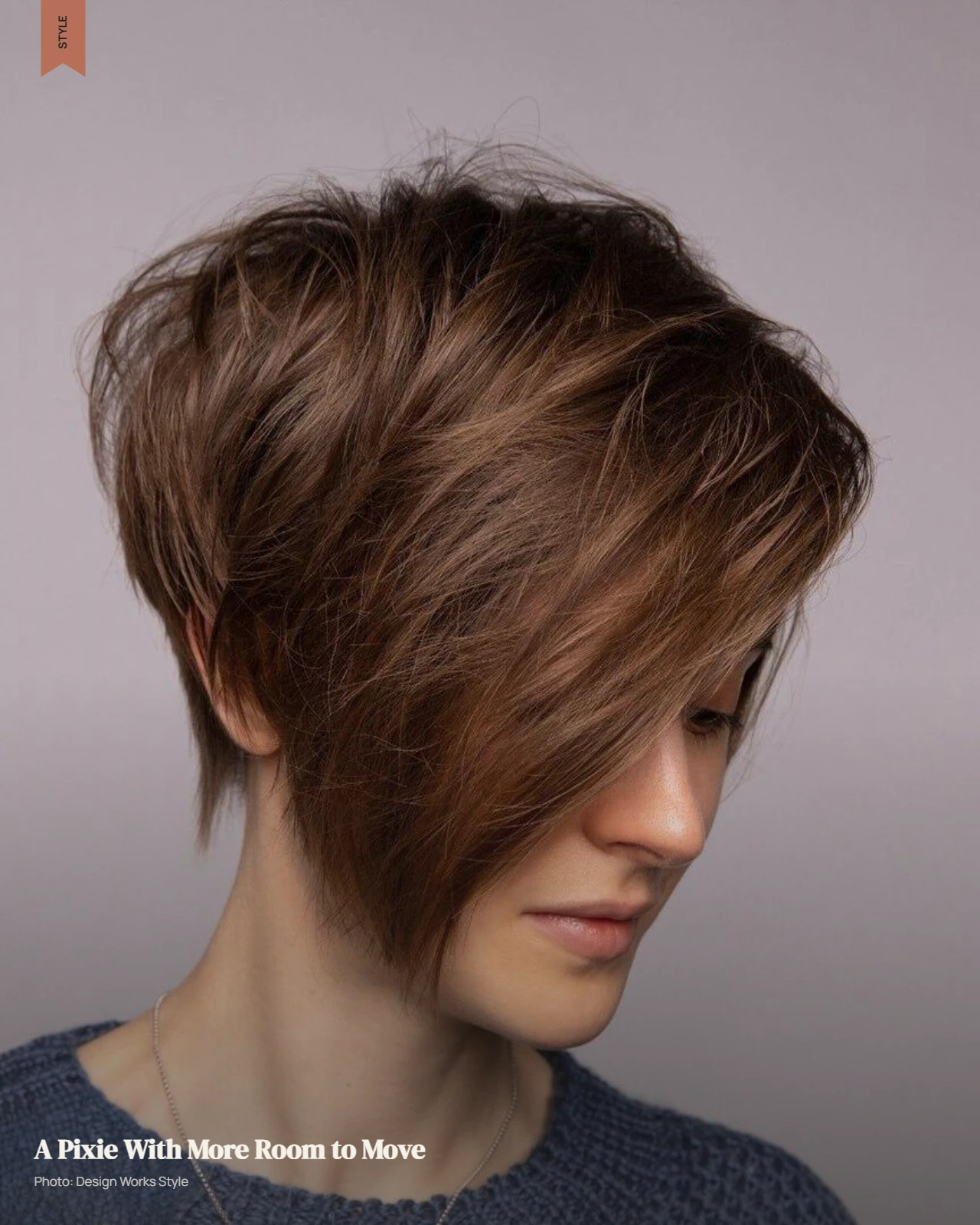
That extra length can allow:
- Fringe movement
- Side-swept styling
- More directional volume
- Greater styling flexibility
A longer pixie can therefore be a useful middle ground for someone who wants a cropped shape but still wants several ways to wear it.
Textured Pixie
Textured pixies use details such as:
- Choppy layers
- Piece-y styling
- Directional volume
- Separated sections
Some of the texture can come from the haircut, while some can come from styling products.
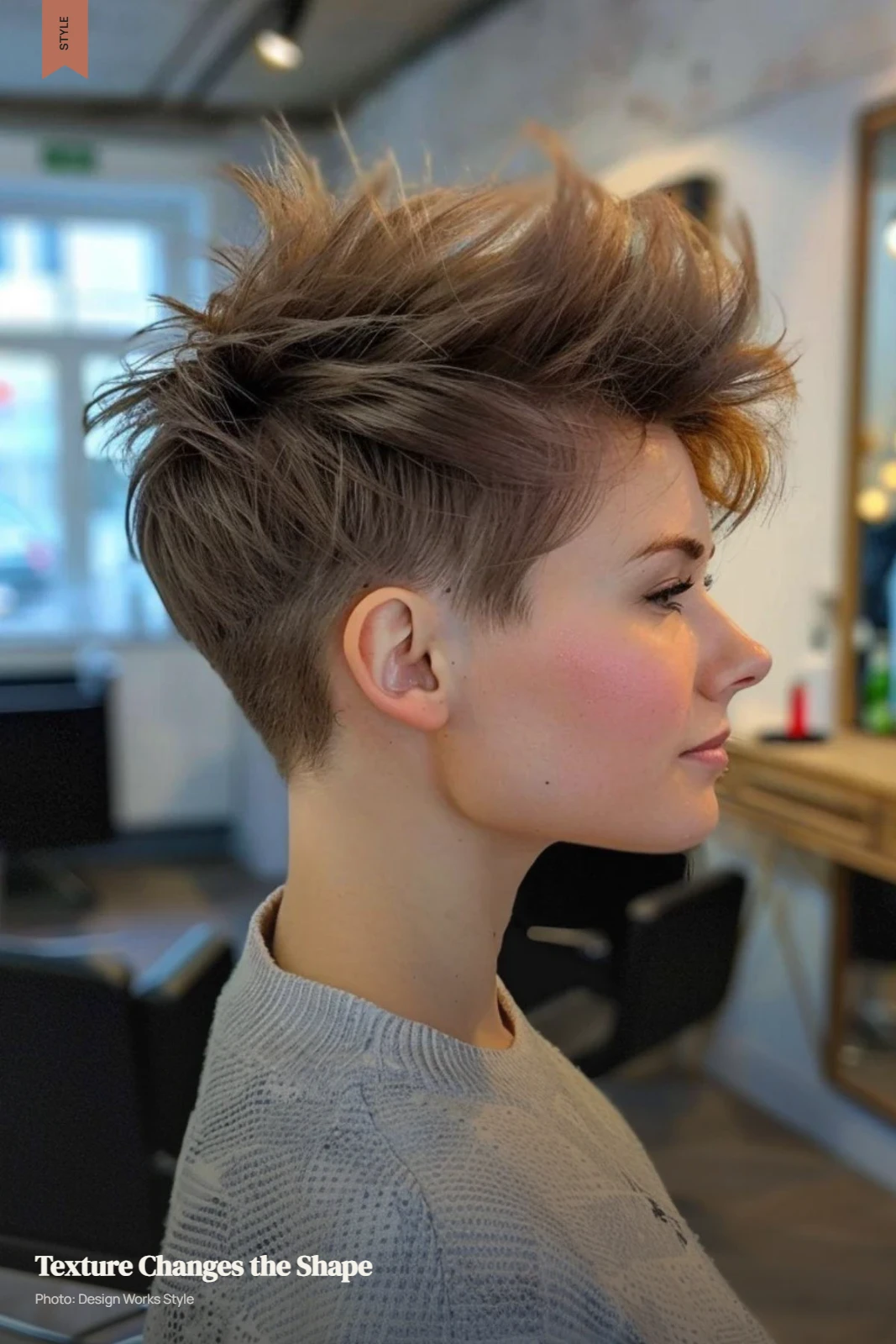
If you like a textured reference photo, ask whether the texture is built into the haircut or created primarily through styling.
For celebrity-inspired examples, see Celebrity Short Haircuts rather than turning this broader guide into a celebrity list.
Bob Hairstyles
Bobs are another major short-hairstyle category, but the word “bob” covers many different shapes.
The most useful way to compare them is to examine the perimeter, layers, direction, and styling.
Blunt Bob
A blunt bob has a strong, relatively clean perimeter.
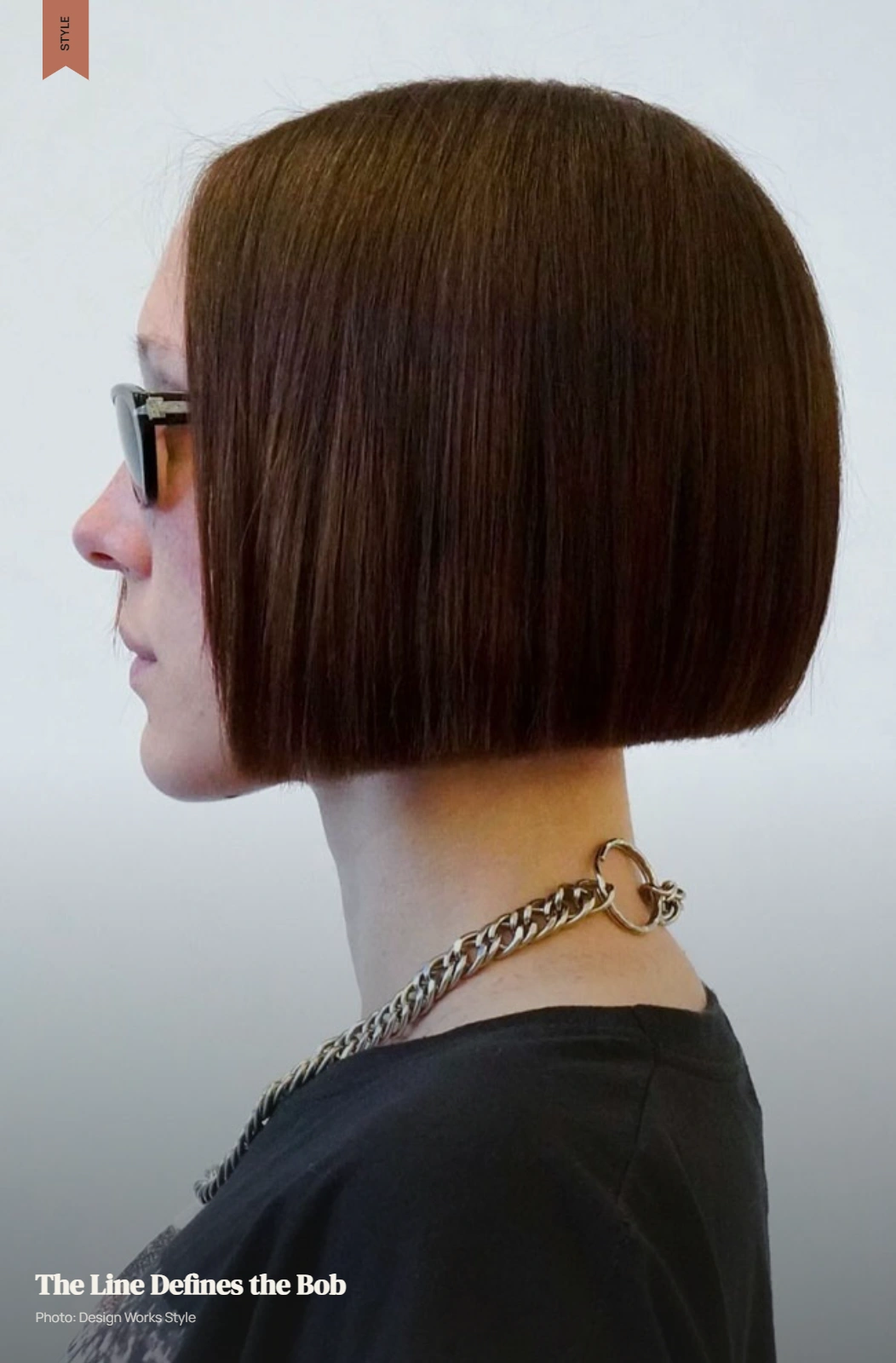
It can be styled:
- Straight
- Sleek
- With a polished finish
The strength of the bottom edge is one of the defining visual features.
If you like a blunt bob, pay attention to exactly where the perimeter sits. A jaw-length bob and a collarbone-length bob can both be described as bobs but create very different silhouettes.
Layered Bob
A layered bob introduces more movement and changes the distribution of weight within the haircut.
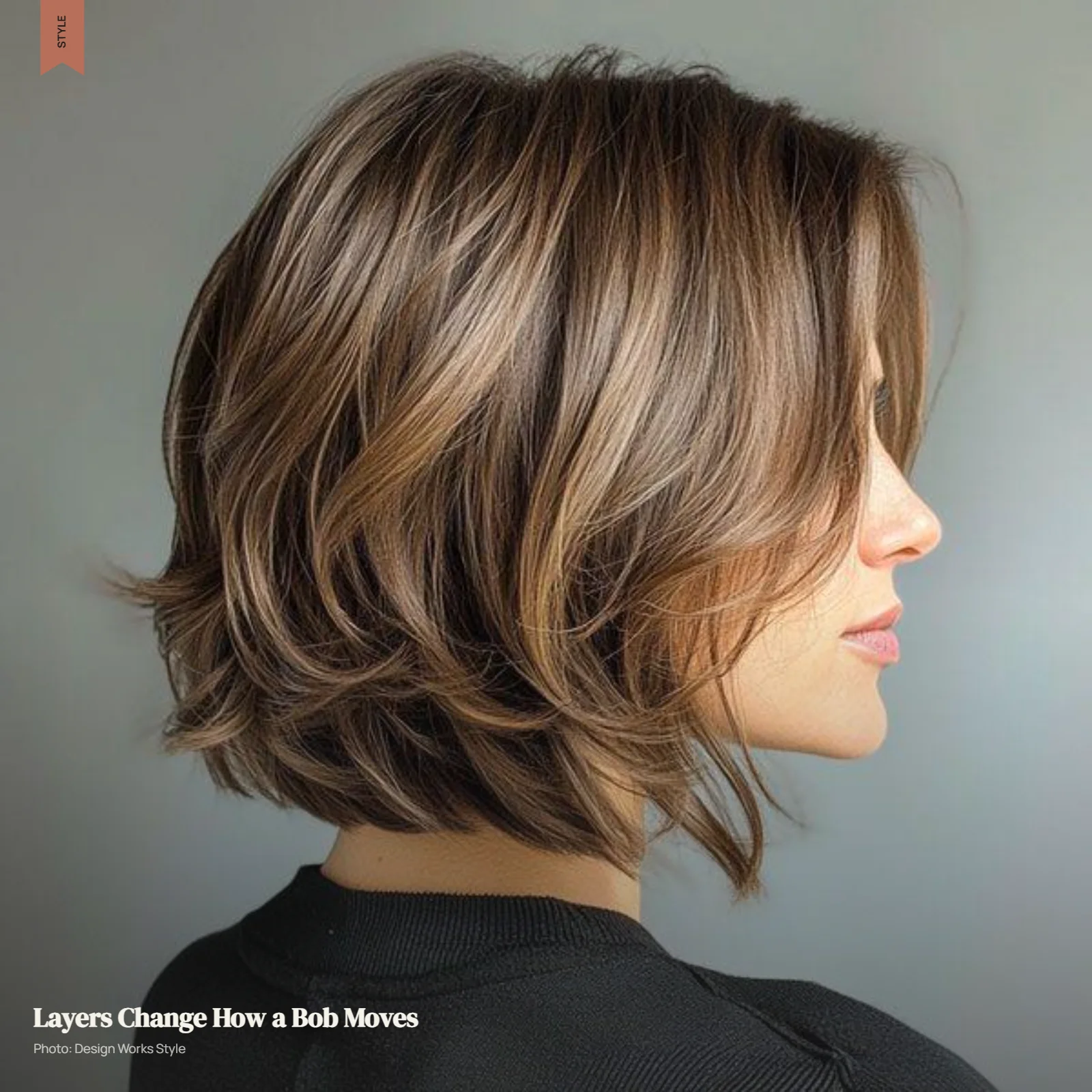
Layers can:
- Create movement
- Reduce weight in selected areas
- Support texture
- Change how the ends fall
The amount and placement of layering matter. A softly layered bob can look quite different from one with more obvious layers.
Textured Bob
A textured bob may use waves, piece-y ends, or a more relaxed finish.
The haircut itself may contribute to the movement, but styling can also play a major role.
If your hair is naturally wavy, you may be able to enhance that movement with relatively little manipulation. Straight hair may require additional styling if you want to reproduce a strongly waved reference.
Angled Bob
An angled bob creates a directional shape, usually with a shorter back and longer front.
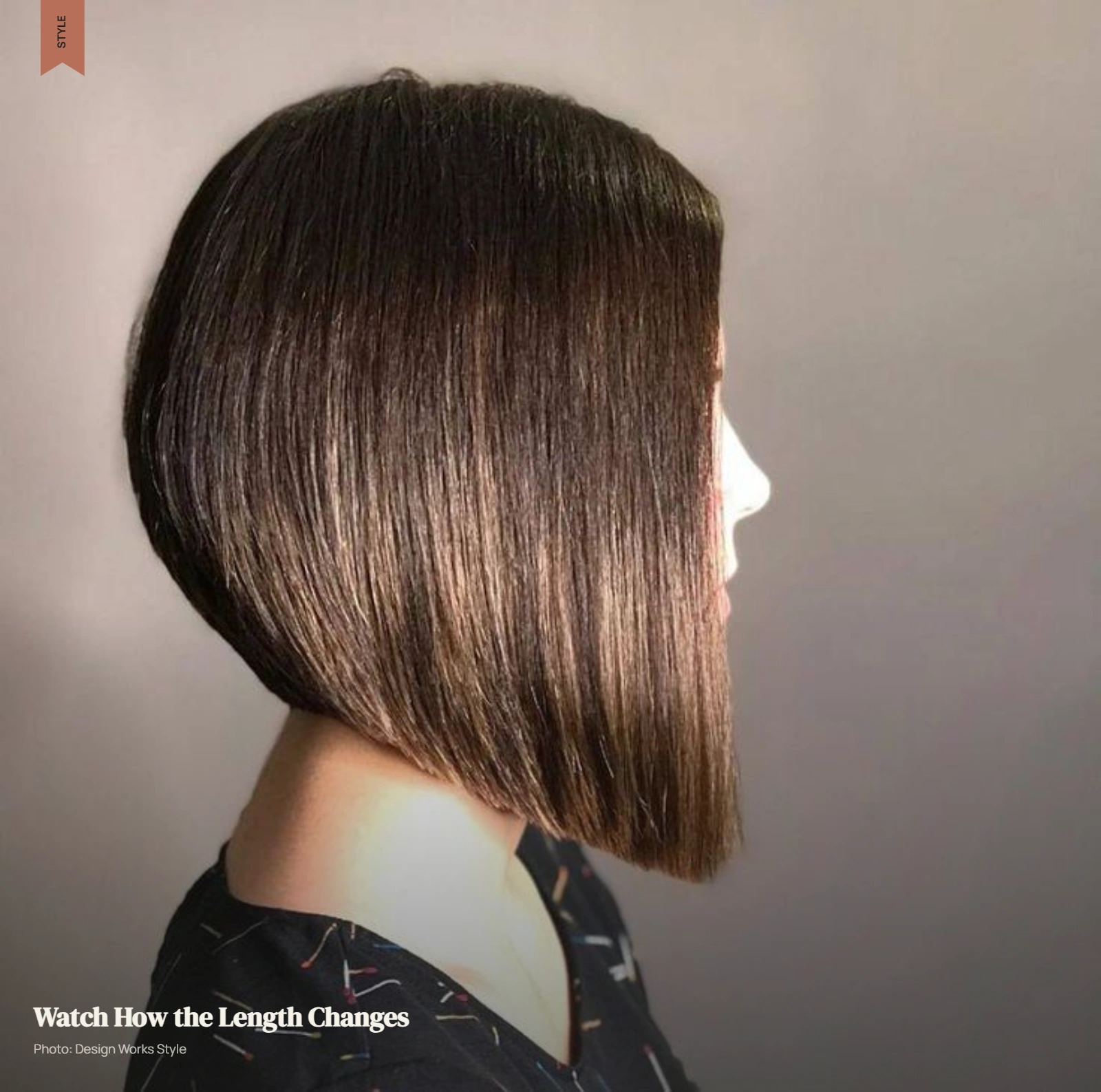
The difference can be subtle or pronounced.
When considering this style, look at the transition between the back and front rather than simply saving a photograph of the finished hairstyle.
Ask your stylist how strong the angle should be and how you want the shape to change as it grows.
Short Layered and Textured Hairstyles
Layers and texture can completely change the appearance of short hair.
Short hairstyles can use:
- Choppy layers
- Soft layers
- Piece-y texture
- Natural movement
- Controlled volume
- Styling products
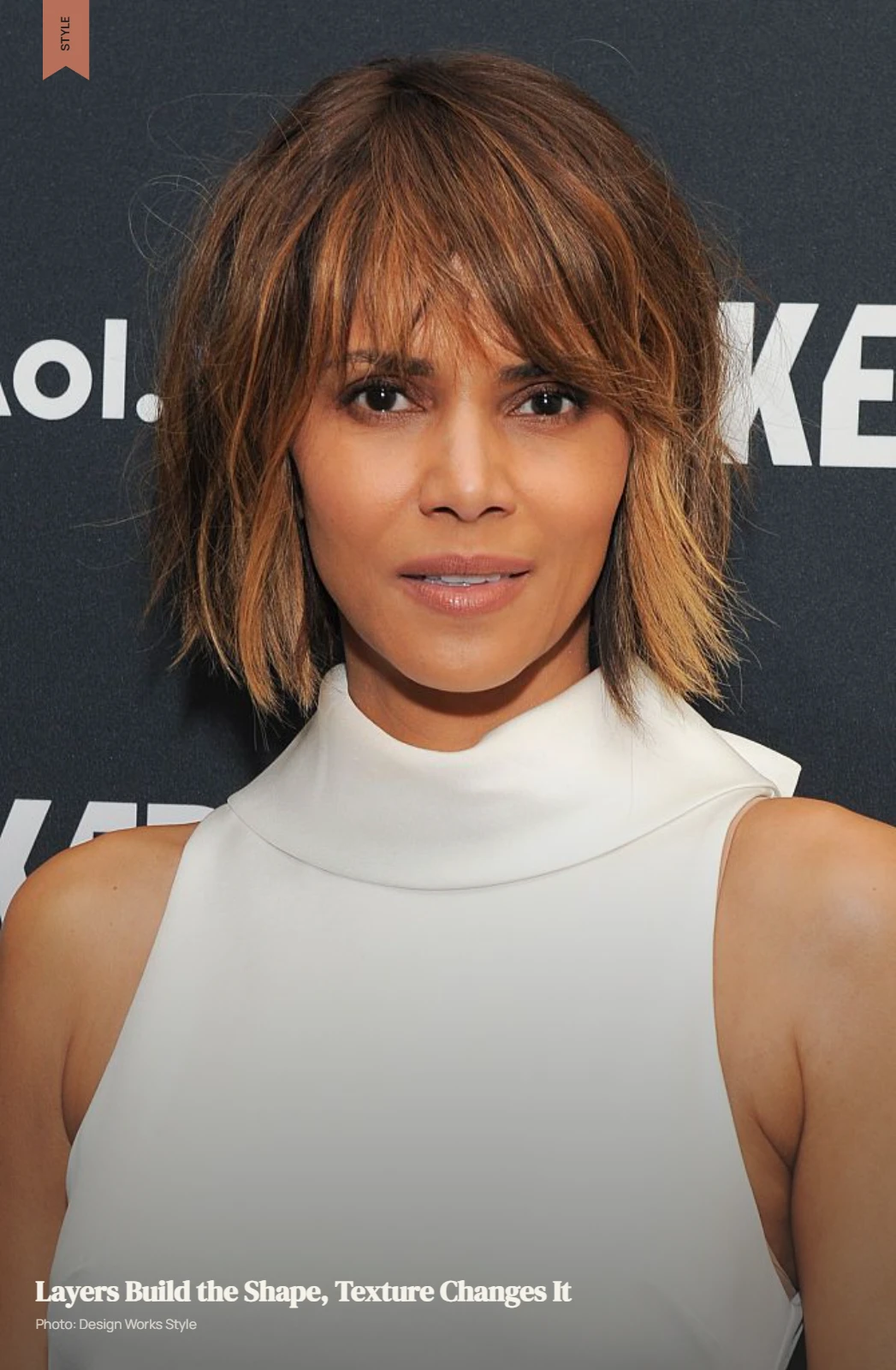
The important distinction is that layers change the haircut’s structure, while texture can also come from styling.
For example, a short bob can have relatively simple underlying layers but look highly textured after being styled with a product. Conversely, a heavily layered cut may show movement even without much styling.
When looking at a reference image, ask which part of the appearance comes from the cut and which part comes from the styling.
This can help you choose a hairstyle that fits your normal routine rather than one that only looks right after extensive styling.
Short Hairstyles for Different Hair Types
Hair type can significantly affect how a short hairstyle behaves.
The same haircut can produce different silhouettes on fine, thick, straight, wavy, and curly hair.
Fine Hair
Fine hair refers to strand thickness, not necessarily the amount of hair you have.
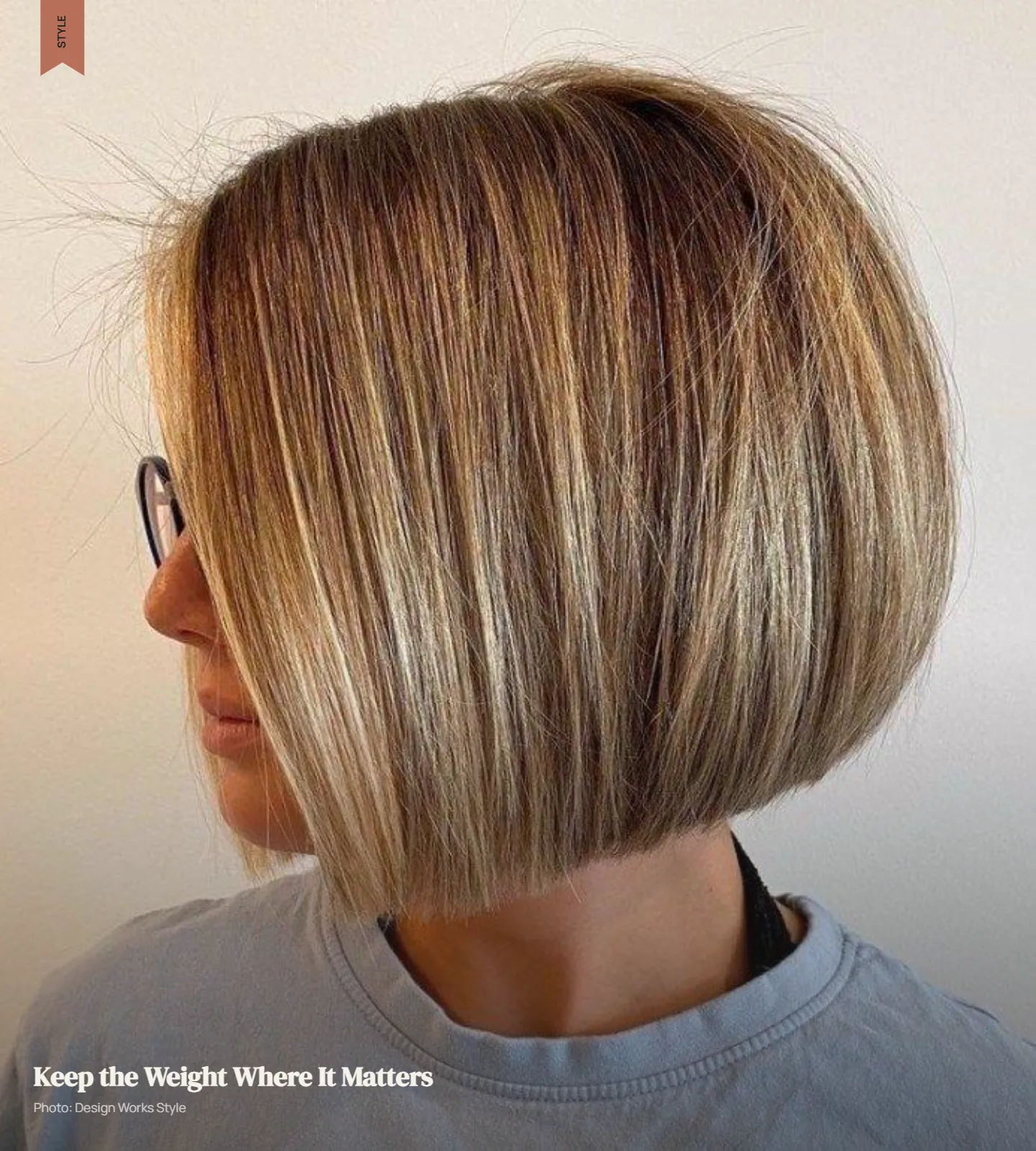
When choosing a short hairstyle, consider:
- Controlled volume
- Weight distribution
- Avoiding unnecessary over-texturizing
- Styles that retain the available density visually
Too much texturizing can change the way the ends behave, so the goal should be to create the shape you want without removing more weight than necessary.
Do not assume a particular haircut will objectively make fine hair thicker. Instead, focus on how the haircut distributes the hair you already have.
Thick Hair
Thick hair may have substantial natural weight and volume.
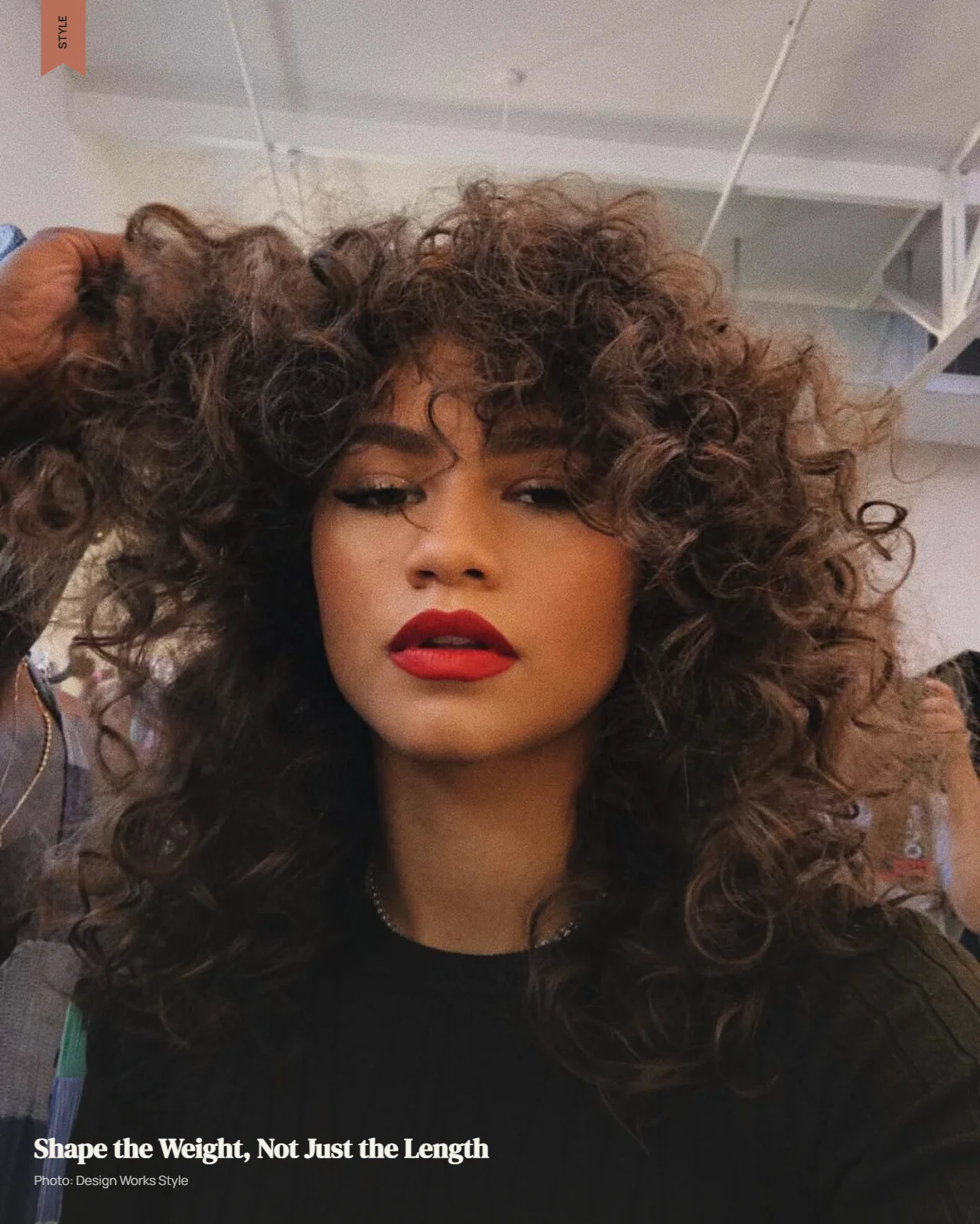
Short hairstyles can therefore involve decisions about:
- Removing weight
- Controlling bulk
- Creating a clear shape
- Layering
The goal is not automatically to remove as much weight as possible. The appropriate amount depends on the desired silhouette and how the hair naturally behaves.
Straight Hair
Straight hair can make the underlying structure of a short haircut especially visible.
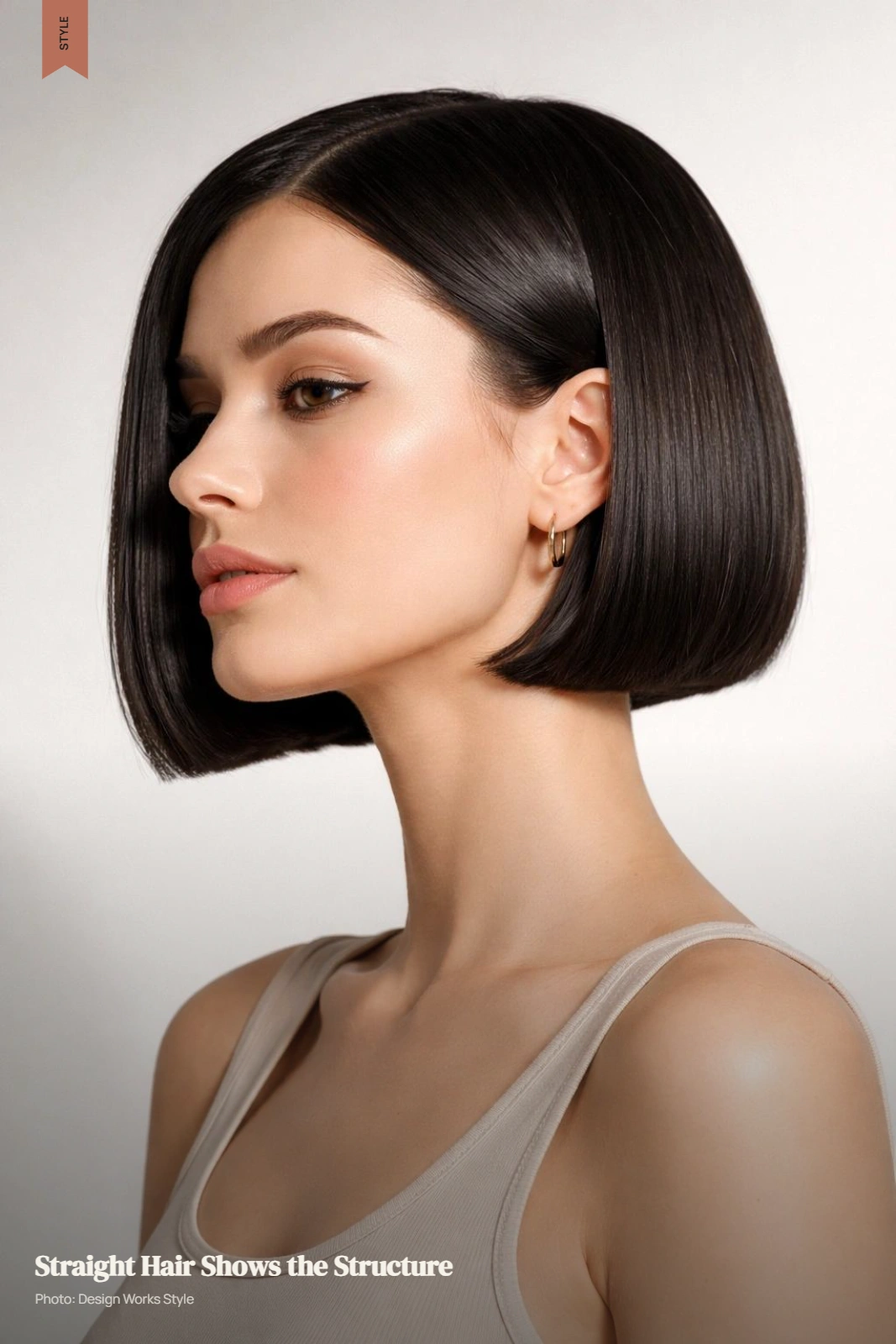
Options can include:
- Clean perimeters
- Sleek styling
- Clearly defined shapes
- Added texture through styling
If you like a highly textured short hairstyle, consider whether you want to create that texture every day or prefer a shape that works naturally with your hair.
Wavy Hair
Wavy hair can provide natural movement in a short hairstyle.
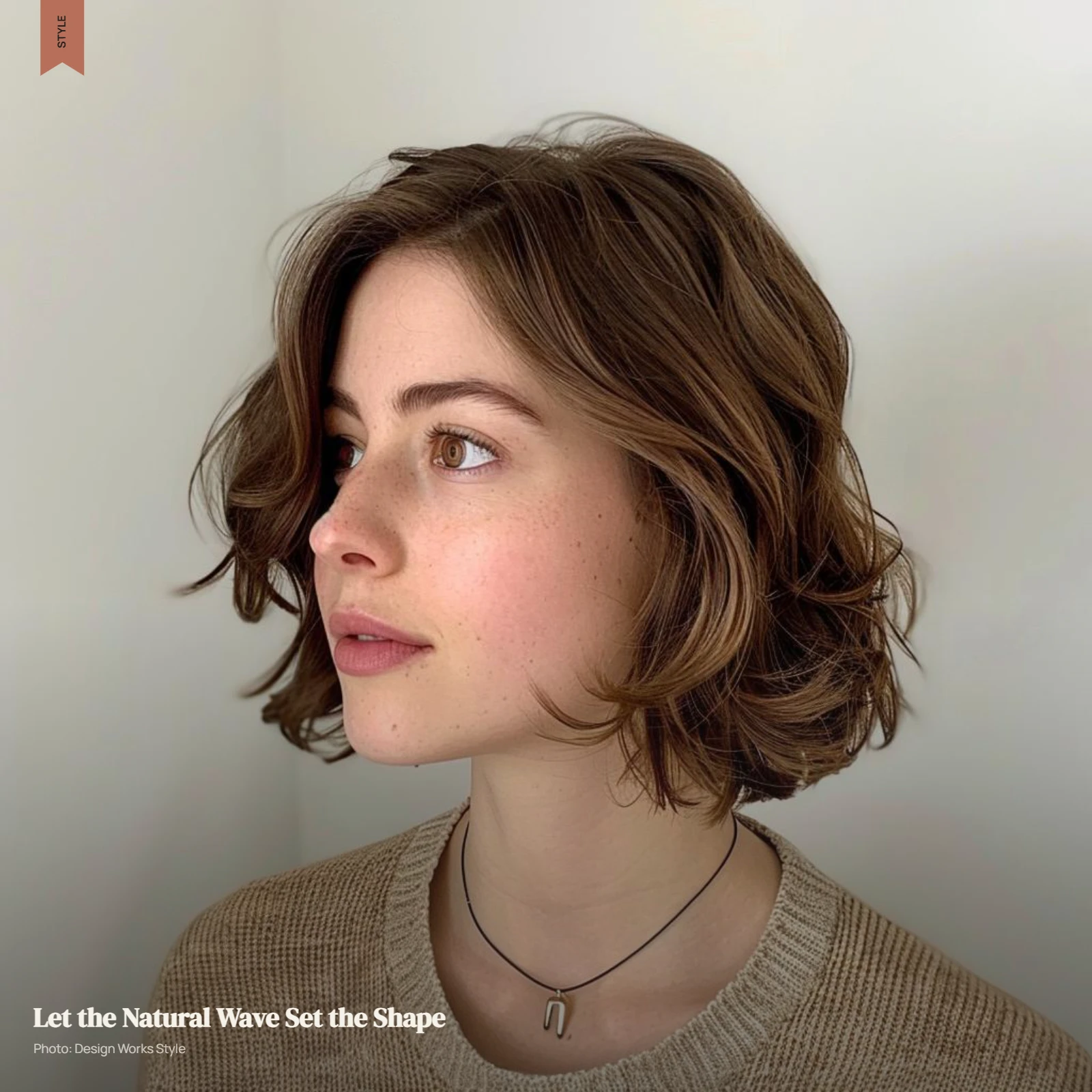
You might choose to emphasize:
- Natural waves
- Soft texture
- Air-dried movement
- Controlled styling
The final shape depends on the pattern and strength of your natural waves. A haircut that looks softly textured on one person may behave quite differently on another.
Curly Hair
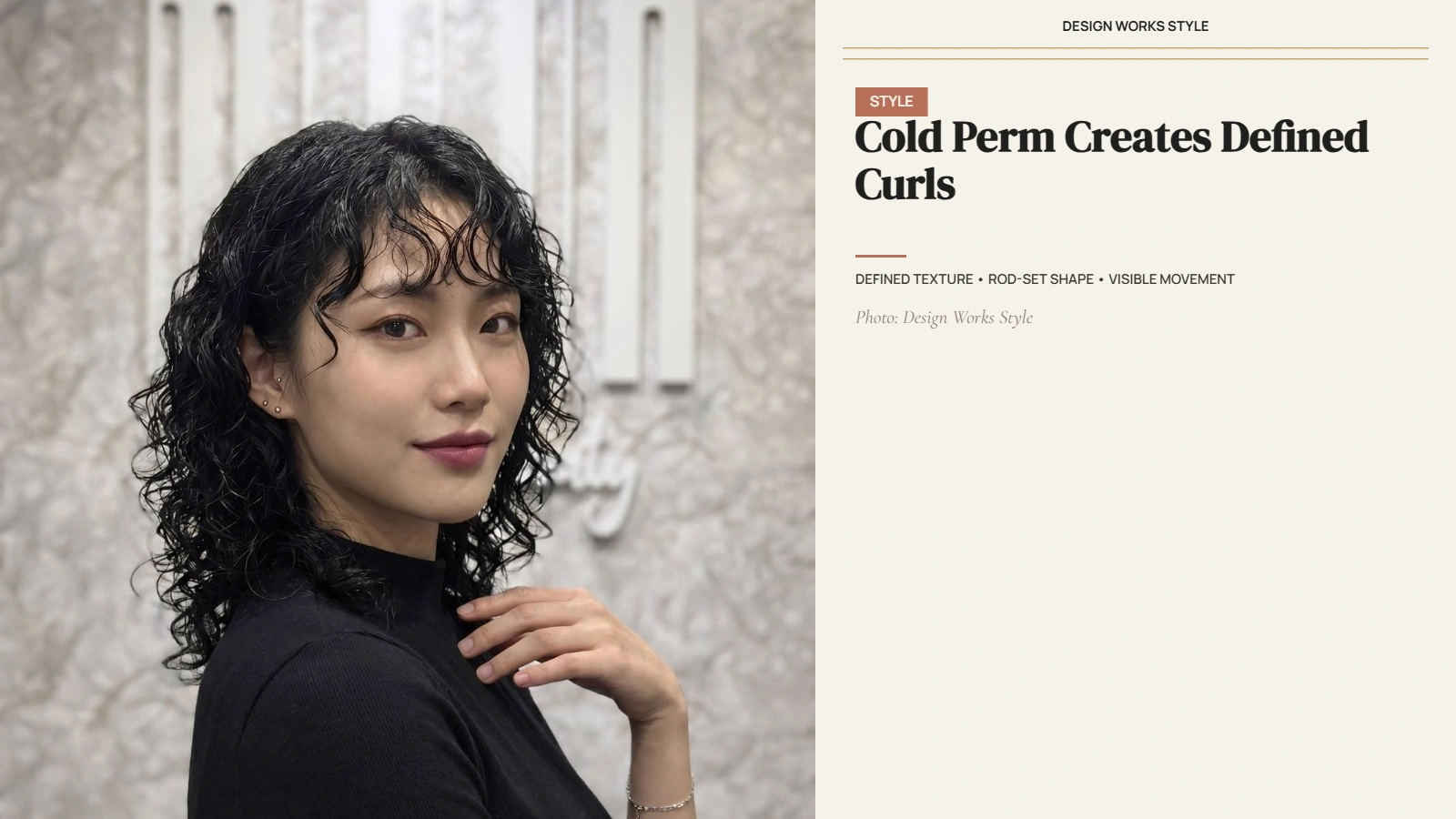
Short curly hairstyles require attention to the natural curl pattern as well as shrinkage, volume, and shape.
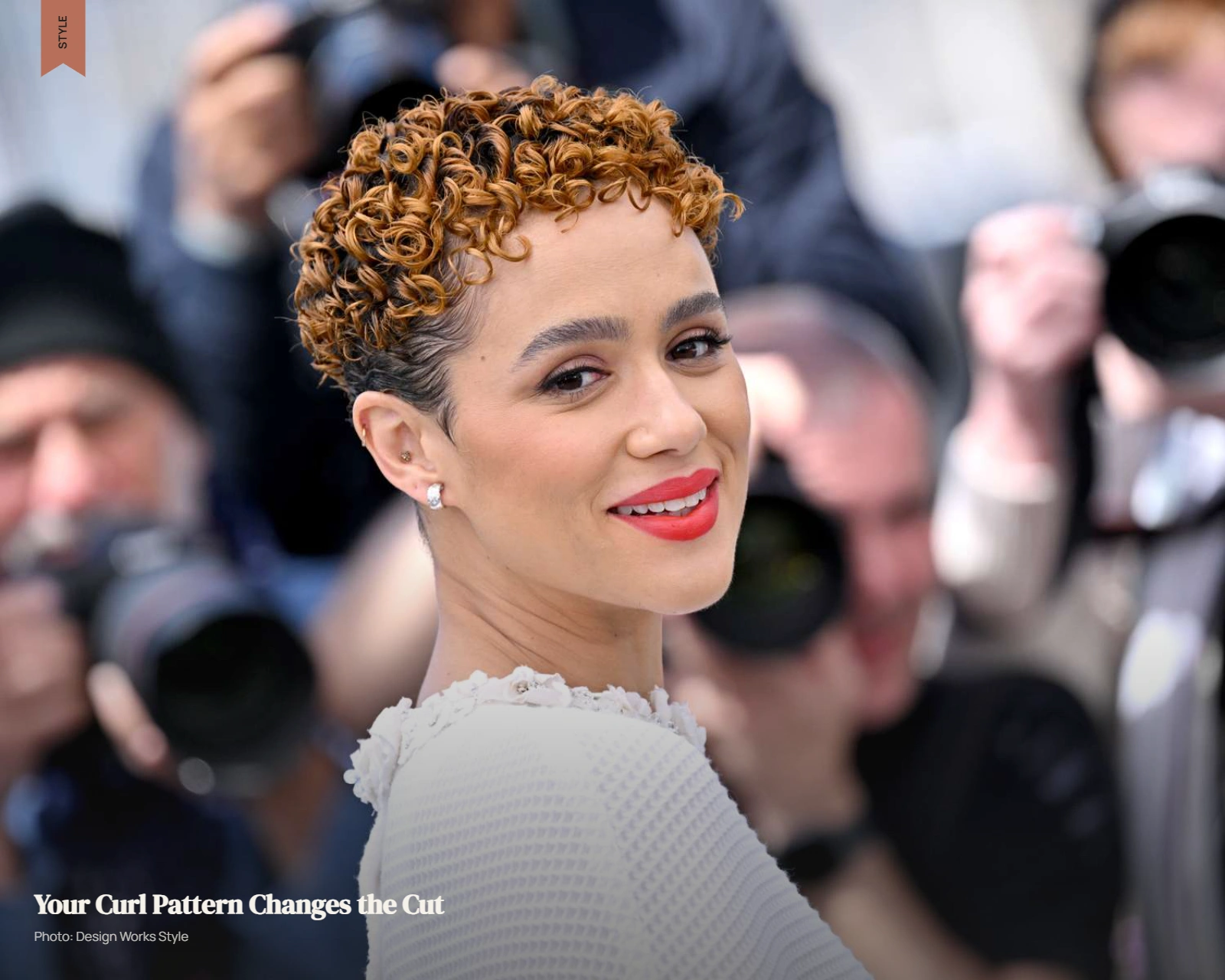
A reference photograph should not be treated as a guarantee of how the same cut will look on your curls.
Instead, discuss how much length your stylist expects to remove and how your curl pattern may affect the finished shape.
Short Hairstyles for Different Face Shapes
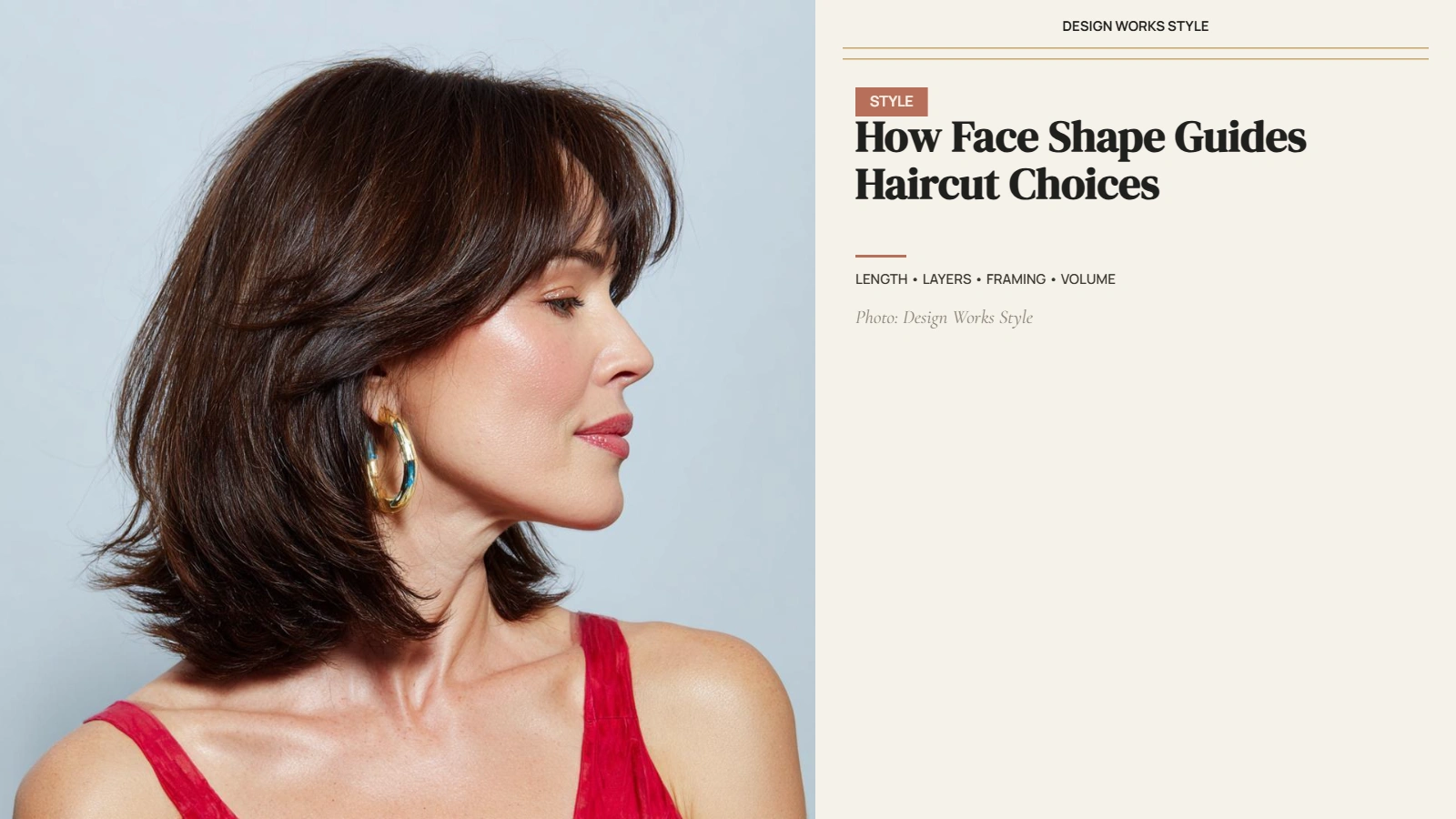
Face shape can influence how you think about a short hairstyle, particularly when considering framing, volume, length, and overall silhouette.
For example, changing where volume sits or how the hair frames the face can change the visual relationship between the hairstyle and facial outline.
But face shape should remain one consideration among several. Your texture, density, preferred length, styling habits, and personal taste can be just as important.
For a broader framework, see Haircuts for Face Shapes.
If your specific question is about choosing a short haircut for a round face, see Short Haircuts for Round Faces.
This page does not need to recreate those detailed face-shape guides. Its role is to help you understand how face shape fits into the broader short-hairstyle decision.
Low-Maintenance Short Hairstyles
Short hair is not automatically low maintenance.
In some cases, shorter hair can reduce the amount of time needed for washing or drying. In other cases, a short haircut requires frequent reshaping, daily styling, or specific product use to maintain its intended appearance.
Whether a hairstyle is low maintenance depends on:
- Your natural hair texture
- The specific haircut
- Your styling expectations
- How often you are willing to get trims
- Your willingness to use heat
- Your natural growth pattern
A practical rule
A short hairstyle is low maintenance only if you can maintain its intended shape without more daily work than you are willing to give it.
For example, a sleek short hairstyle may look simple but require regular blow-drying or flat-ironing if your natural texture is different.
A textured style may require little work for someone whose hair naturally behaves that way but more product and styling for someone with very straight hair.
Think about the maintenance required for your version of the hairstyle, not just the finished photograph.
How to Style Short Hair
One of the advantages of short hair is that a single haircut can often support several different hairstyles.
Your options depend on the haircut, but common approaches include:
- Air-drying
- Blow-drying
- Adding root volume
- Creating texture
- Smoothing the hair
- Styling it in a particular direction
- Working with natural texture
A bob
The same bob can be:
- Sleek
- Softly waved
- Textured
- Side-parted
- Tucked behind the ears
The haircut has not necessarily changed. The styling has.
A pixie
A pixie can be:
- Smooth
- Side-swept
- Textured
- Piece-y
- Naturally tousled
Small changes in product, direction, parting, or finish can make the same haircut feel different.
If you want more general guidance on choosing a hairstyle based on your individual hair and routine, see What Hairstyle Suits Me?.
Image placement: Use a before-and-after or paired visual showing the same or similar short haircut styled in two noticeably different ways.
Suggested alt text: Short haircut styled in two different ways
How to Choose a Short Hairstyle
If you are ready to narrow down your options, work through these questions in order.
Step 1: Decide how short you actually want to go
Do not choose a reference photograph based only on its overall appearance.
Look at where the hair ends.
Is it:
- Above the ears?
- Around the jaw?
- At the chin?
- Near the shoulders?
Understanding the length first prevents you from accidentally choosing a much shorter haircut than you intended.
Step 2: Consider your natural texture
Ask whether the hairstyle works with your natural texture or whether you would need to change that texture regularly.
If you are willing to style your hair every day, you have more flexibility.
If you want minimal styling, choose a direction that works with how your hair naturally behaves.
Step 3: Consider density
Think about how much hair you have and where you want to maintain fullness.
Density can affect the appearance of layers, texture, volume, and the perimeter.
Step 4: Decide how much styling you want to do
Consider:
- Daily styling
- Heat
- Products
- Drying time
Be honest about your normal routine rather than the routine you imagine you might adopt after getting the haircut.
Step 5: Consider maintenance
Think about:
- Trims
- Grow-out
- Reshaping
A haircut can look very different several weeks after the appointment, particularly when the shape is short and defined.
Step 6: Choose the shape you actually like
Face shape and hair type can inform your decision, but you should also like the hairstyle itself.
Look at the silhouette, length, texture, and styling direction.
The goal is not to find a theoretically perfect short hairstyle. It is to find a shape you like that makes sense for your hair and routine.
Image placement: Use a simple editorial decision visual showing the sequence: length → texture → density → styling → maintenance → preference.
Suggested alt text: Short hairstyle selection framework for length texture density and maintenance
What to Ask for at the Salon
A reference photograph can help, but saying “I want short hair like this” may not give your stylist enough information.
Instead, describe the specific features you like.
Discuss:
- Overall length
- Shortest point
- Shape
- Fringe
- Layers
- Texture
- Volume
- Desired styling routine
- Maintenance expectations
For example:
“I like this overall length and shape. I want to keep this much length around the front, but I would like the layers and texture adapted to my hair.”
This gives your stylist a starting point without assuming your hair will behave exactly like the reference.
Whenever possible, bring a photograph that shows the shape clearly. Multiple angles can be especially useful for shorter hair because the back and sides contribute so much to the silhouette.
Common Mistakes With Short Hairstyles
Short hair can be versatile, but choosing a style based only on a photograph can create unrealistic expectations.
Choosing without considering texture
The same haircut can behave very differently on straight, wavy, and curly hair.
Confusing styling with the actual haircut
A photograph may show a highly styled finish rather than the haircut’s everyday appearance.
Ignoring density
The amount of hair available can affect volume, layering, and the appearance of the ends.
Underestimating maintenance
A short hairstyle may need more frequent reshaping or daily styling than you expect.
Choosing a very short cut without considering grow-out
Think about how the haircut will change as it gets longer, not just how it looks immediately after the appointment.
Assuming short automatically means low maintenance
Short length does not guarantee less work. The specific haircut and your natural texture matter.
Overusing products
More styling product does not automatically create a better result. Start with what your hair actually needs and adjust from there.
Copying a celebrity style without adapting it
Celebrity photographs can be useful references, but professional styling and the person’s own hair characteristics may be very different from yours.
If celebrity inspiration is what brought you here, our Celebrity Short Haircuts guide focuses specifically on identifying the haircut underneath a celebrity look and adapting it to your own hair.
When You Need a Haircut Guide Instead
This page is designed for short hairstyle ideas and selection. But sometimes the real question is what should actually be cut.
If you are deciding on:
- Exact haircut length
- Layer placement
- Perimeter
- Face framing
- A major change from your current haircut
you may need a haircut-selection guide rather than a general hairstyle guide.
Start with Haircuts & Hairstyles when you need broader haircut-selection guidance.
If face shape is the main factor, Haircuts for Face Shapes is the more specific resource.
The distinction is simple:
A hairstyle is how you wear the hair. A haircut is the structure that makes those hairstyles possible.
Find the Short Hairstyle Direction That Fits You
There is no single short hairstyle that everyone should choose.
Instead, narrow the options by asking:
- How short do I want to go?
- What does my natural texture do?
- How much density do I have?
- How much styling am I willing to do?
- How often am I willing to maintain the shape?
- What kind of silhouette do I actually like?
Once you answer those questions, the huge range of short hairstyles becomes much easier to navigate.
You might end up with a cropped pixie, longer pixie, blunt bob, layered bob, textured bob, or another short shape entirely. The important part is understanding why that direction fits your hair and routine rather than choosing a name from a list.
Short hair gives you plenty of ways to change your look. Start with the structure, then use texture, direction, volume, and styling to make it your own.
Frequently Asked Questions
How short is short hair?
Generally above the shoulders: pixies, bobs, lobs, and short shags. The categories overlap, so focus on the shape you want rather than the label.
Is short hair high maintenance?
It depends on the cut. Textured pixies need frequent trims, every four to six weeks, but fast daily styling. A bob can go longer between cuts but may need daily smoothing.
Will short hair suit my face shape?
Most face shapes can wear short hair with the right adjustments: height on top for round faces, softness around the jaw for square faces, volume at the sides for long faces.
What should I ask for at the salon?
Describe the shape you want, the length you want to keep, and your real styling routine. Photos help, but your texture and density decide what the photo becomes on you.